
Valves Manufacturer Tel: +86 13380377051
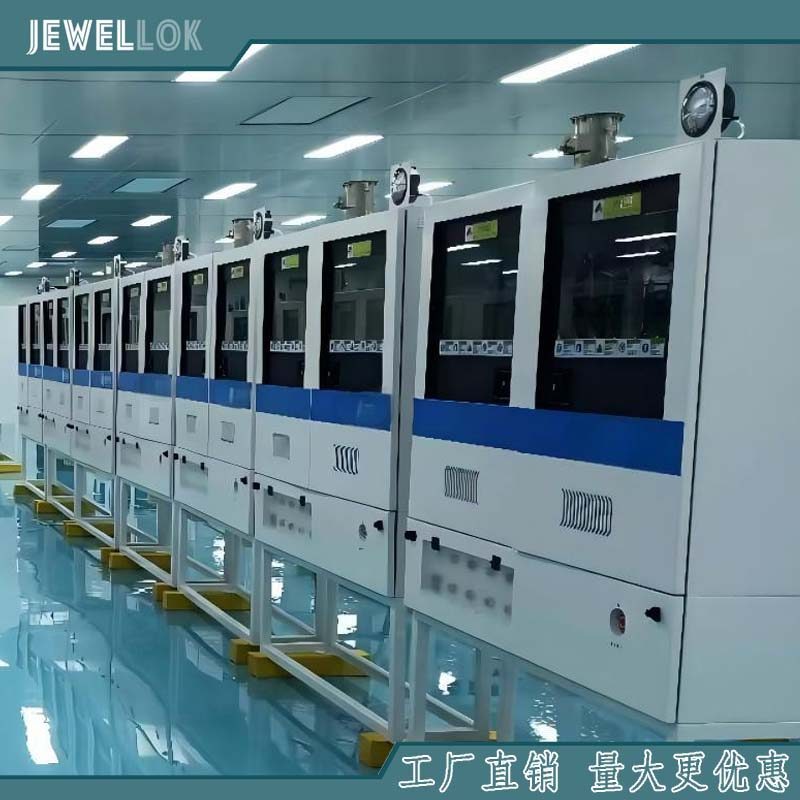
Ultra High Purity Gas Cabinets for CVD and Etching Processes
Introduction
As semiconductor technology advances toward smaller process nodes, higher wafer yields, and greater manufacturing precision, the demand for Ultra High Purity (UHP) gas delivery systems continues to grow. Among these systems, Ultra High Purity Gas Cabinets serve as the primary safety and process control equipment for delivering hazardous, toxic, corrosive, and high-purity process gases used in Chemical Vapor Deposition (CVD) and semiconductor etching processes.
Modern semiconductor fabs require gas delivery systems that not only ensure operator safety but also maintain gas purity levels measured in parts per billion (ppb). Even microscopic contamination can result in wafer defects, reduced yield, or equipment downtime.
This article explores the design, working principles, key components, safety features, material selection, and selection criteria of Ultra High Purity Gas Cabinets for CVD and etching applications.
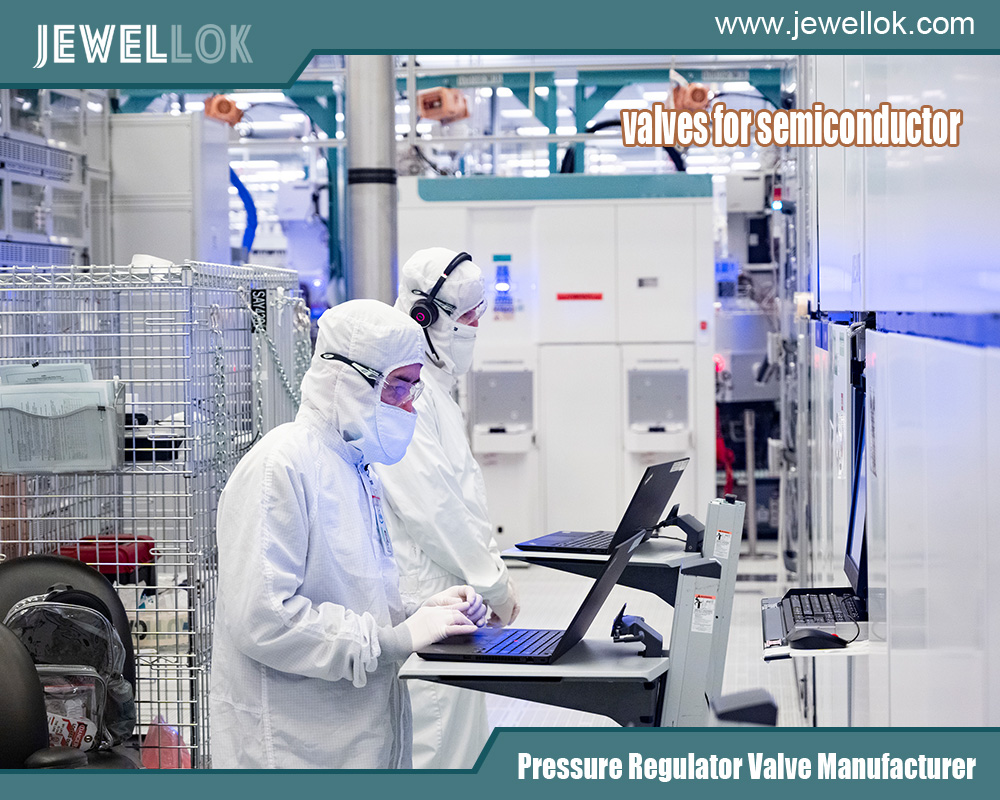
What Is an Ultra High Purity Gas Cabinet?
An Ultra High Purity Gas Cabinet is a fully enclosed gas delivery system designed to safely store, monitor, regulate, and distribute specialty process gases from high-pressure cylinders to semiconductor manufacturing equipment.
The cabinet isolates hazardous gases while providing automatic pressure control, leak detection, emergency shutdown, gas monitoring, and communication with the factory automation system.
Typical gases include:
- Silane (SiH₄)
- Ammonia (NH₃)
- Hydrogen (H₂)
- Nitrogen (N₂)
- Oxygen (O₂)
- Helium (He)
- Argon (Ar)
- Chlorine (Cl₂)
- Hydrogen Chloride (HCl)
- Boron Trichloride (BCl₃)
- Tungsten Hexafluoride (WF₆)
- Sulfur Hexafluoride (SF₆)
- Nitrogen Trifluoride (NF₃)
- Carbon Tetrafluoride (CF₄)
These gases are essential for thin-film deposition, plasma etching, chamber cleaning, oxidation, doping, and passivation processes.
Importance of UHP Gas Cabinets in CVD Processes
Chemical Vapor Deposition (CVD) is one of the most critical fabrication processes in semiconductor manufacturing.
During CVD, gaseous precursors react on the wafer surface to deposit extremely thin films.
Examples include:
- Silicon Nitride
- Silicon Oxide
- Polycrystalline Silicon
- Tungsten
- Titanium Nitride
Since film thickness may only be several nanometers, gas purity directly influences:
- Film uniformity
- Electrical performance
- Surface defects
- Particle generation
- Process repeatability
Ultra High Purity Gas Cabinets ensure stable gas pressure, precise flow control, and contamination-free delivery throughout the process.
Role in Semiconductor Etching Processes
Dry plasma etching removes unwanted materials from wafer surfaces using reactive process gases.
Common etching gases include:
- CF₄
- SF₆
- NF₃
- Cl₂
- HBr
- BCl₃
- CHF₃
- C₂F₆
These gases are often toxic, corrosive, or highly reactive.
Gas cabinets provide:
- Safe cylinder storage
- Automatic gas switching
- Continuous pressure regulation
- Emergency gas isolation
- Integrated leak monitoring
- Purge cycle management
Reliable gas delivery ensures consistent plasma characteristics and improves etch profile accuracy.
Main Components of an Ultra High Purity Gas Cabinet
A semiconductor-grade gas cabinet integrates multiple precision components into one intelligent system.
1. Cylinder Connection Assembly
The cylinder connection uses orbital-welded stainless steel tubing and metal gasket face seal fittings to eliminate potential leak paths.
Typical features include:
- VCR fittings
- CGA cylinder connections
- Flexible pigtails
- High-pressure isolation valves
2. High Purity Pressure Regulators
Pressure regulators reduce cylinder pressure to process pressure while maintaining exceptional stability.
High-performance regulators provide:
- Low droop
- Low decay
- Minimal internal volume
- High flow accuracy
- Excellent pressure repeatability
3. Pneumatic Diaphragm Valves
Semiconductor gas cabinets typically use pneumatically actuated diaphragm valves for automatic operation.
Advantages include:
- Ultra-low leakage
- Fast response
- Long cycle life
- High corrosion resistance
- Bubble-tight shutoff
Metal diaphragm valves are preferred for ultra-high purity service.
4. Mass Flow Controllers (Optional)
Some gas cabinets integrate Mass Flow Controllers (MFCs) to regulate precise gas flow before entering process equipment.
Benefits include:
- High accuracy
- Automatic recipe control
- Digital communication
- Stable process parameters
5. Purge System
Before cylinder replacement, purge systems remove residual hazardous gases using nitrogen or other inert gases.
Typical purge methods include:
- Vacuum purge
- Pressure purge
- Automatic purge sequencing
Effective purging reduces contamination while improving maintenance safety.
6. Gas Leak Detection
Gas detectors continuously monitor cabinet interiors for hazardous gas leaks.
Depending on the process gas, sensors may detect:
- Silane
- Hydrogen
- Chlorine
- HCl
- NH₃
- Toxic gases
- Oxygen deficiency
Leak detection immediately activates emergency shutdown procedures.
7. PLC Control System
Modern gas cabinets incorporate PLC-based automation with touchscreen Human Machine Interface (HMI).
The control system manages:
- Valve sequencing
- Pressure monitoring
- Purge operations
- Alarm management
- Data logging
- Remote diagnostics
- Factory communication
Protocols commonly include:
- Ethernet/IP
- Modbus TCP
- Profinet
- DeviceNet
- SECS/GEM
Material Selection for UHP Gas Cabinets
Material purity directly determines gas purity.
Common materials include:
316L VIM-VAR Stainless Steel
Vacuum Induction Melted / Vacuum Arc Remelted (VIM-VAR) stainless steel provides:
- Superior corrosion resistance
- Low sulfur content
- Excellent weldability
- Reduced particle generation
- Better surface finish
Electropolished Tubing
Electropolishing removes microscopic surface imperfections.
Benefits include:
- Reduced particle shedding
- Lower moisture adsorption
- Improved corrosion resistance
- Easier cleaning
Typical surface roughness:
Ra ≤ 10 μin (0.25 μm)
Premium systems may achieve:
Ra ≤ 5 μin.
Metal Diaphragms
High-performance diaphragm valves often use:
- Cobalt alloys
- Hastelloy
- Nickel alloys
These materials resist aggressive semiconductor gases while maintaining long service life.
Safety Features
Safety remains the primary objective of every gas cabinet.
Key safety systems include:
Automatic Shutdown
If abnormal conditions occur, the PLC automatically closes isolation valves.
Shutdown conditions include:
- Gas leak
- High temperature
- Fire alarm
- Power failure
- Pressure deviation
- Emergency stop
Ventilation System
Continuous exhaust ventilation prevents hazardous gas accumulation inside the cabinet.
Typical airflow ranges from:
200–500 CFM
depending on cabinet size and gas type.
Fire Protection
Many systems include:
- Thermal sensors
- Fire detection
- Automatic suppression interfaces
- Fire-rated cabinet construction
Emergency Stop Button
Accessible emergency stop buttons immediately isolate gas supply during emergencies.
Interlock Protection
Interlocks prevent unsafe operation such as:
- Opening cabinet doors during gas flow
- Replacing cylinders before purge completion
- Starting processes with abnormal pressure
Single Cylinder vs Dual Cylinder Gas Cabinets
Single Cylinder Cabinets
Advantages:
- Lower cost
- Compact footprint
- Simple maintenance
Suitable for:
- Research laboratories
- Pilot production
- Low-volume manufacturing
Dual Cylinder Cabinets
Dual-cylinder systems support automatic cylinder changeover.
Benefits include:
- Continuous gas supply
- No production interruption
- Higher equipment uptime
- Improved productivity
These systems are widely used in 24/7 semiconductor fabs.
Typical Semiconductor Applications
Ultra High Purity Gas Cabinets are widely deployed in:
LPCVD
Low Pressure Chemical Vapor Deposition
PECVD
Plasma Enhanced Chemical Vapor Deposition
ALD
Atomic Layer Deposition
Dry Plasma Etching
Reactive Ion Etching (RIE)
Oxidation Furnaces
Diffusion Furnaces
Ion Implantation
Wafer Cleaning Systems
Epitaxy
OLED Manufacturing
LED Production
MEMS Fabrication
Photovoltaic Manufacturing
Advantages of Intelligent UHP Gas Cabinets
Modern semiconductor manufacturers increasingly choose fully automated gas cabinets because they offer significant operational benefits.
Major advantages include:
- Ultra-high gas purity
- Fully automated operation
- Reduced human error
- Improved wafer yield
- Higher process consistency
- Continuous production
- Enhanced operator safety
- Real-time diagnostics
- Lower maintenance costs
- Smart factory integration
- Predictive maintenance capability
- Remote monitoring support
These advantages contribute directly to higher equipment utilization and lower overall manufacturing costs.
Selecting the Right Gas Cabinet Supplier
Choosing the appropriate supplier is crucial for ensuring long-term reliability and regulatory compliance.
Key evaluation criteria include:
- Semiconductor industry experience
- Compliance with SEMI standards
- High-quality UHP components
- Precision orbital welding capability
- Helium leak testing
- Factory Acceptance Testing (FAT)
- Complete documentation
- Global technical support
- Custom engineering capabilities
- Fast spare parts availability
Manufacturers should also provide customized solutions based on specific process gases, cleanroom layouts, and automation requirements.
Future Development Trends
The next generation of semiconductor fabs demands even greater intelligence and automation.
Emerging trends include:
- AI-assisted predictive maintenance
- Industrial IoT connectivity
- Digital twin technology
- Cloud-based equipment monitoring
- Smart gas consumption analytics
- Remote diagnostics
- Automated preventive maintenance
- Energy-efficient cabinet designs
- Enhanced cybersecurity
- Integration with Industry 4.0 manufacturing systems
As semiconductor processes continue to evolve below the 2 nm technology node, gas delivery systems will require even tighter control over purity, pressure stability, and contamination prevention.
Conclusion
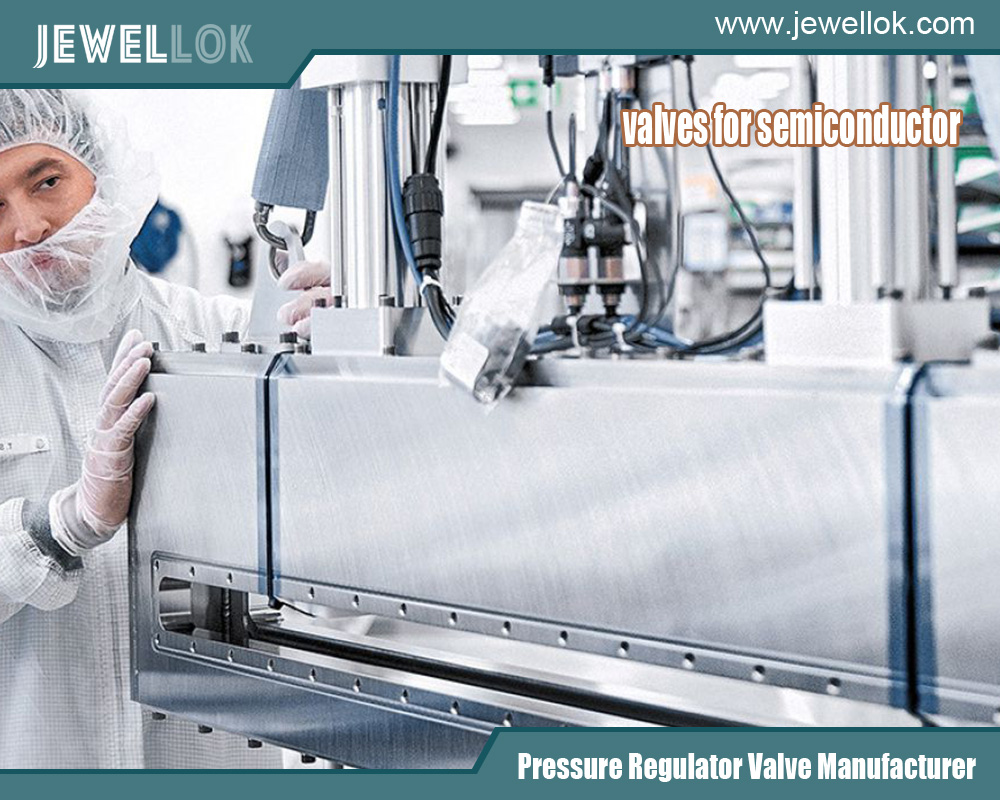
Ultra High Purity Gas Cabinets are indispensable components of modern semiconductor manufacturing, particularly in Chemical Vapor Deposition (CVD) and plasma etching processes. By combining advanced pressure regulation, contamination-free gas delivery, intelligent automation, and comprehensive safety protection, these systems ensure the stable and reliable supply of specialty gases that directly impact wafer quality and production yield.
From electropolished 316L stainless steel tubing and precision diaphragm valves to PLC-based control systems and automatic purge sequences, every aspect of a UHP gas cabinet is engineered to meet the stringent cleanliness and safety requirements of advanced semiconductor fabs.
As chip manufacturing technologies continue to advance toward smaller geometries and more demanding process windows, investing in high-performance Ultra High Purity Gas Cabinets is essential for maximizing equipment uptime, ensuring operator safety, maintaining gas purity, and supporting the next generation of semiconductor innovation.
For more about ultra high purity gas cabinets for CVD and etching processes, you can pay a visit to Jewellok at https://www.jewellok.com/product-category/chemical-delivery-system/ for more info.
-
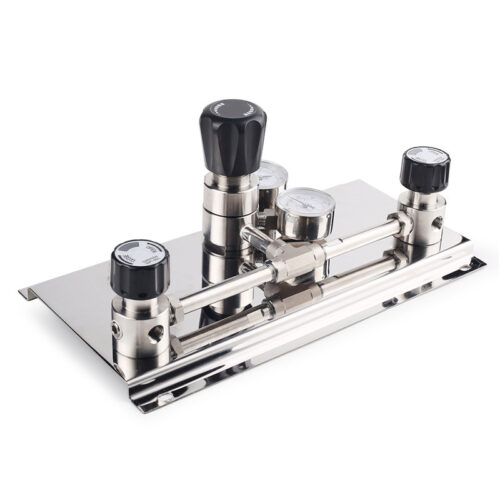
Hydrogen Manifold Argon Gas Manifold System Oxygen Manifold Propane Gas Manifold With Valves In Gas Manifold Changeover System
-
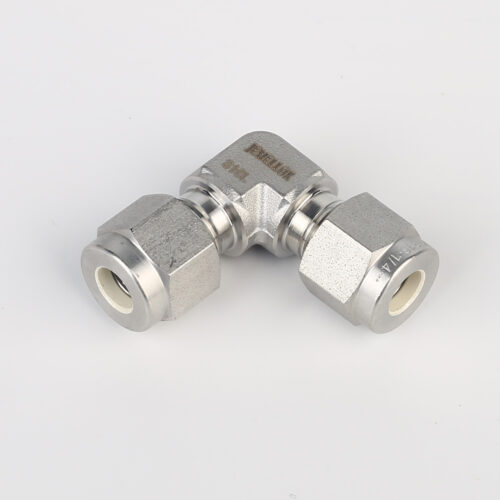
765L Stainless Steel Union Elbow Reducing High Purity Fitting Tubing Extension Tubing Connection
-

Organic Chemical Automatic Liquid Supply System Chemical Delivery And Waste Collection Systems CDS And CDM
-
High Purity Semi-Auto Stainless Steel Changeover Manifold System, Nitrogen High Pressure Control Panel With Semiconductor Valve Manifold Box Diaphragm Valves
-
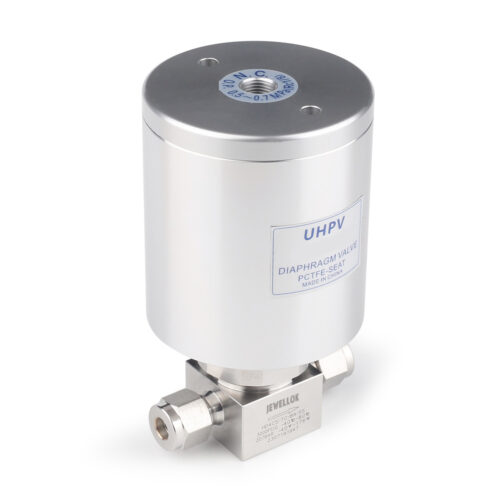
316L Stainless Steel Semiconductor High Purity High Pressure Pneumatic Diaphragm Valve For Laboratory Specialty Gases
-
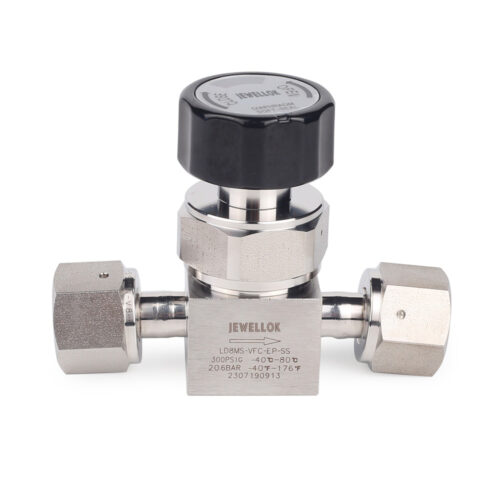
Flow Control Stainless Steel Low Pressure Manual Diaphragm Valve For High Purity And Ultra High Purity Gases
-
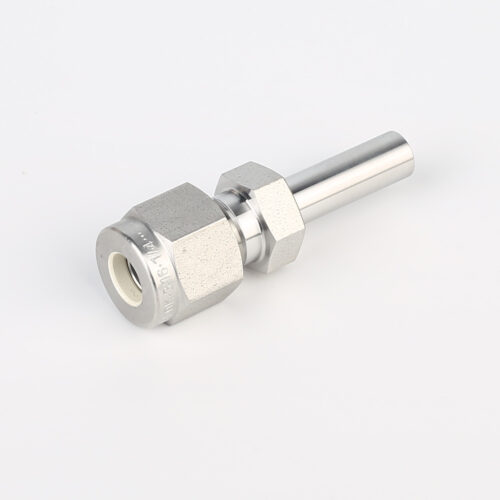
767LT Reducer Pressure Reducing Valve Adjustment High purity Pressure Reducing Union Fittings And Tubing
-
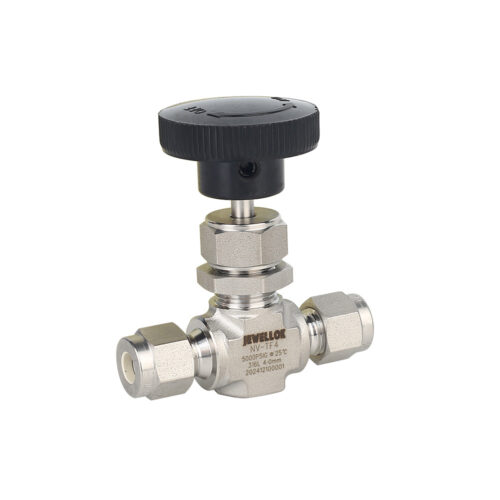
High Purity High Pressure Stainless Steel Needle Valve Natural Gas Flow Control Valve JNV Series