
Valves Manufacturer Tel: +86 13380377051
How Do Medical Gas Valves Work During Emergency Situations in Hospitals?
Medical gas systems are one of the most critical infrastructures in modern hospitals, providing essential gases such as oxygen, medical air, nitrous oxide, carbon dioxide, and vacuum services to operating rooms, intensive care units, emergency departments, and patient wards. Unlike ordinary industrial gas systems, hospital gas distribution networks must operate with extremely high reliability because any failure can directly affect patient safety.
At the center of every medical gas pipeline system are medical gas valves, which control, isolate, regulate, and protect the gas supply throughout the healthcare facility. During emergency situations such as pipeline damage, fire incidents, pressure abnormalities, equipment failures, or sudden increases in gas demand, medical gas valves play a vital role in maintaining continuous gas availability while preventing dangerous leaks or contamination.
Understanding how hospital gas valves work during emergencies helps healthcare engineers, facility managers, and medical equipment suppliers design safer and more reliable gas delivery systems.
1. The Role of Medical Gas Valves in Hospital Gas Systems
Medical gas valves are specially designed components used in healthcare gas distribution networks. They control the flow of medical gases from the central supply source to different areas of the hospital.
A typical hospital gas system includes:
- Central gas storage or supply stations
- Gas manifolds and automatic changeover systems
- Medical gas pipelines
- Zone control valve boxes
- Area shut-off valves
- Terminal units at patient locations
- Monitoring and alarm systems
Medical gas valves are installed at multiple points to provide precise control and emergency isolation.
The primary functions of medical gas valves include:
Gas Flow Control
Medical gas valves regulate the movement of oxygen, medical air, and other gases through pipelines. They ensure that each department receives the correct gas supply at the required pressure.
Emergency Isolation
When a problem occurs in a specific hospital area, valves allow engineers to shut off gas supply to the affected zone without interrupting the entire hospital system.
Safety Protection
High-quality medical gas valves prevent gas leakage, pressure instability, and contamination risks. Their materials and sealing structures are designed to meet strict medical safety requirements.
2. Types of Medical Gas Valves Used in Hospitals
Different types of valves are used depending on the location and function within the medical gas system.
Zone Shut-Off Valves
Zone valves are among the most important emergency components in hospitals. They are typically installed inside accessible valve boxes outside operating rooms, intensive care units, and patient areas.
During an emergency, healthcare personnel can close the zone valve to stop gas flow to a specific department.
For example:
- A pipeline leak occurs in an operating room.
- The maintenance team identifies the affected zone.
- The zone shut-off valve is closed.
- Other hospital departments continue receiving medical gases normally.
This design prevents a localized problem from becoming a hospital-wide emergency.
Master Shut-Off Valves
Master shut-off valves control the main medical gas supply entering the hospital or a major building section.
They are rarely closed because shutting down the main supply affects many areas. However, during severe emergencies such as major pipeline failure or fire hazards, these valves provide complete system isolation.
Pressure Regulating Valves
Medical gas systems require stable pressure to ensure safe operation of ventilators, anesthesia machines, and other medical equipment.
Pressure regulating valves automatically maintain the correct pressure level by reducing high-pressure gas from storage systems to suitable pipeline pressure.
During abnormal pressure conditions, these valves help prevent:
- Equipment damage
- Gas delivery interruption
- Unsafe patient conditions
Check Valves
Check valves allow gas flow in only one direction. They prevent reverse gas flow that could cause contamination or pressure problems.
For example, if multiple oxygen sources are connected together, check valves prevent backflow from one supply line into another.
3. How Medical Gas Valves Respond During Emergency Situations
Emergency response is one of the most important functions of hospital gas valves. Their design allows rapid action to protect patients and medical staff.
Emergency Situation 1: Medical Gas Pipeline Leakage
Pipeline leakage is one of the most serious risks in hospital gas systems.
A damaged pipeline may occur due to:
- Construction activities
- Mechanical impact
- Aging infrastructure
- Improper installation
- Equipment failure
When leakage occurs, the response process usually includes:
Step 1: Alarm Activation
Modern hospitals use medical gas monitoring systems that detect abnormal pressure changes or supply interruptions.
The alarm system alerts:
- Hospital engineers
- Facility managers
- Medical staff
Step 2: Identify the Affected Area
Engineers locate the damaged pipeline section by checking:
- Pressure readings
- Gas monitoring panels
- Pipeline layout drawings
Step 3: Close the Zone Valve
The emergency shut-off valve is closed to isolate the damaged area.
This prevents:
- Continuous gas loss
- Oxygen accumulation risks
- Pressure drops in other hospital areas
Step 4: Repair and Testing
After repair, the isolated section is tested for:
- Leakage
- Pressure stability
- Gas purity
- System performance
The valve is reopened only after the system is confirmed safe.
4. Medical Gas Valves During Fire Emergencies
Fire emergencies require special attention because oxygen supports combustion and can increase fire risks.
Hospitals are designed with emergency procedures that allow controlled isolation of medical gas supplies.
During a fire event:
- Fire alarms activate.
- Emergency response teams evaluate the affected area.
- Authorized personnel close specific medical gas zone valves if required.
- Gas supply is maintained in unaffected critical areas.
For example, if a fire occurs in a hospital ward, shutting off the oxygen supply to that zone may reduce fire hazards while allowing intensive care units and emergency rooms in other areas to continue operating.
Medical gas valves must therefore provide:
- Fast operation
- Clear identification
- Reliable sealing
- Easy accessibility
5. Response to Medical Gas Pressure Failure
Stable gas pressure is essential for medical equipment operation.
A sudden pressure drop may be caused by:
- Empty gas cylinders
- Compressor failure
- Pipeline damage
- Excessive gas demand
In these situations, medical gas valves work together with automatic switching systems.
For example:
Oxygen Supply Failure
If the primary oxygen source becomes unavailable:
- Automatic changeover systems switch to backup oxygen sources.
- Check valves prevent reverse flow.
- Pressure regulators maintain stable delivery pressure.
- Alarm systems notify hospital personnel.
This automatic response ensures uninterrupted oxygen availability for critical patients.
6. Importance of Valve Materials and Manufacturing Quality
Medical gas valves operate in environments where reliability is essential. Poor-quality valves may cause leakage, contamination, or system failure.
High-performance medical gas valves commonly use materials such as:
- Stainless steel
- Brass with medical-grade treatment
- Copper-compatible components
- Specialized sealing materials
For critical applications, stainless steel valves are often preferred because they provide:
- Excellent corrosion resistance
- Long service life
- Stable performance
- High cleanliness standards
The internal surface finish of medical gas valves is also important. Smooth internal surfaces reduce contamination risks and improve gas purity.
Manufacturers must follow strict quality control procedures, including:
- Pressure testing
- Leakage testing
- Material inspection
- Cleaning procedures
- Functional testing
7. Automatic vs Manual Medical Gas Valves
Hospitals use both manual and automatic valve systems depending on application requirements.
Manual Medical Gas Valves
Manual valves are commonly used for emergency isolation because they are simple and reliable.
Advantages include:
- Easy operation
- No external power requirement
- High reliability
- Simple maintenance
However, they require trained personnel to operate.
Automatic Medical Gas Valves
Automatic valves can respond to system conditions without human intervention.
They may be integrated with:
- PLC control systems
- Building management systems
- Gas monitoring platforms
- Remote alarm systems
Advantages include:
- Faster response
- Real-time monitoring
- Reduced human error
- Improved emergency management
Large hospitals and advanced healthcare facilities increasingly adopt intelligent medical gas control systems.
8. Maintenance Requirements for Emergency Reliability
Even the highest-quality medical gas valves require regular maintenance to ensure emergency performance.
Hospital maintenance teams should regularly inspect:
Valve Operation
Valves must open and close smoothly without excessive resistance.
Leakage Testing
Leak tests help identify damaged seals or connection problems.
Pressure Monitoring
Abnormal pressure changes may indicate valve or pipeline issues.
Identification Labels
Emergency valves must have clear labels showing:
- Gas type
- Controlled area
- Operating instructions
Emergency Drills
Hospital staff should understand:
- Valve locations
- Emergency procedures
- Authorized operation methods
Regular training reduces response time during real emergencies.
9. Future Development of Smart Medical Gas Valve Systems
With the development of smart hospitals, medical gas valve technology is becoming more intelligent.
Future systems may include:
Remote Monitoring
Engineers can monitor valve status through centralized software platforms.
Automated Emergency Response
Smart valves can automatically isolate abnormal pipeline sections based on pressure and sensor data.
Predictive Maintenance
Data analysis can identify potential failures before they occur.
Integration with Hospital Digital Systems
Medical gas networks can connect with:
- Building automation systems
- Hospital management platforms
- IoT monitoring systems
These technologies improve safety, efficiency, and operational reliability.
Conclusion
Medical gas valves are essential safety components in hospital infrastructure. During emergency situations such as pipeline leaks, fire incidents, pressure failures, or unexpected gas demand increases, these valves provide rapid isolation, pressure control, and system protection.
A reliable medical gas valve system ensures that critical areas continue receiving essential gases while preventing risks from spreading throughout the hospital.
As healthcare facilities become more advanced, the demand for high-quality medical gas valves, intelligent monitoring systems, and reliable gas distribution solutions will continue to grow. Hospitals, engineers, and medical equipment manufacturers must prioritize valve quality, proper installation, and regular maintenance to guarantee safe and uninterrupted medical gas supply during every emergency situation.
For more about how do medical gas valves work during emergency situations in hospitals, you can pay a visit to Jewellok at https://www.jewellok.com/ for more info.
-
Bulk Specialty Gas Systems (BSGS) Gas Cabinets And Scrubber Tail Gas Treatment Cabinets For High Purity Bulk Specialty Gas Delivery
-
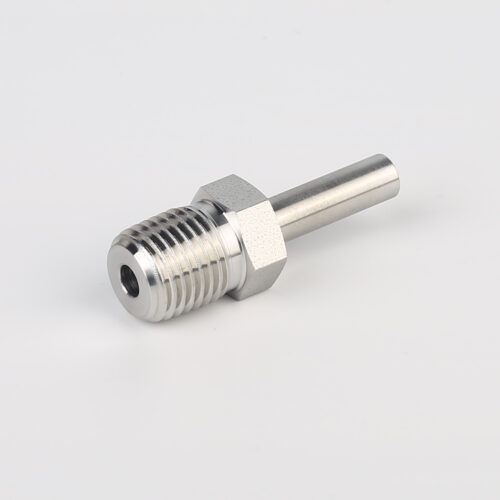
739 High Purity LMR Male Adapter Tube To Pipe Fittings And Adapters
-
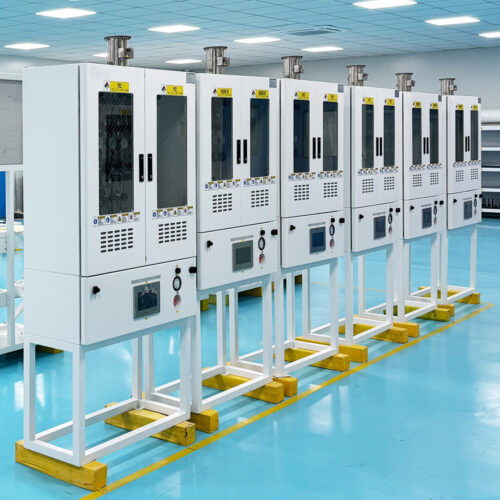
Ultra-High Purity Chemical Delivery Module (CDM) and Valve Manifold Box Integration Improving Semiconductor Yield
-
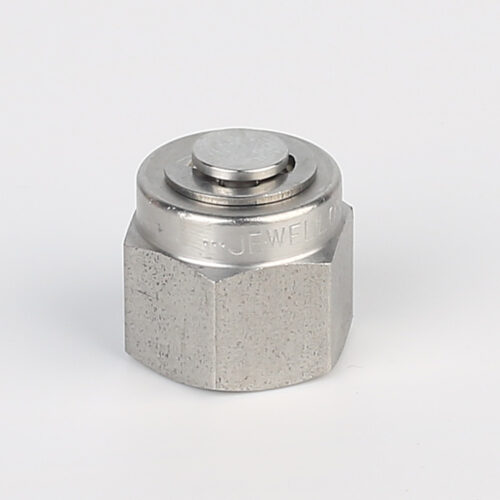
7121L Plug High Purity Plug Fitting And Blanking Plug
-

Ultra High Purity Liquid Chemical Delivery System And Bulk Chemical Delivery Handling System For Semiconductor Cleanrooms
-
Centralized Laboratory Gas Supply And Laboratory Gas Distribution System With Automated Gas Changeover Manifold
-
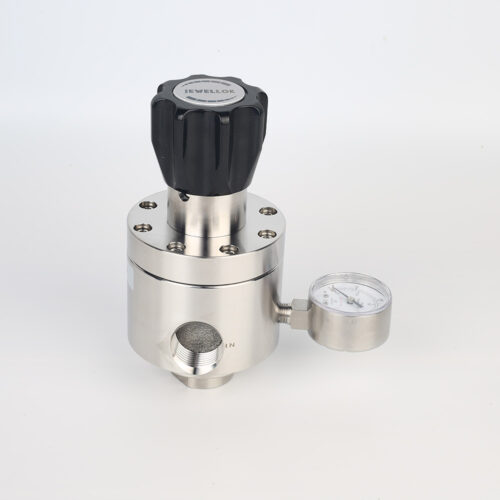
Low Pressure High Flow Line Pressure Regulators And Control Valves JSR-4L Series For Laboratory Pressure Control
-

Liquid Chemical Valve Manifold Box Chemical Dispensing Units, Semi & Fully Automatic Chemical Filling Equipment