
Valves Manufacturer Tel: +86 13380377051
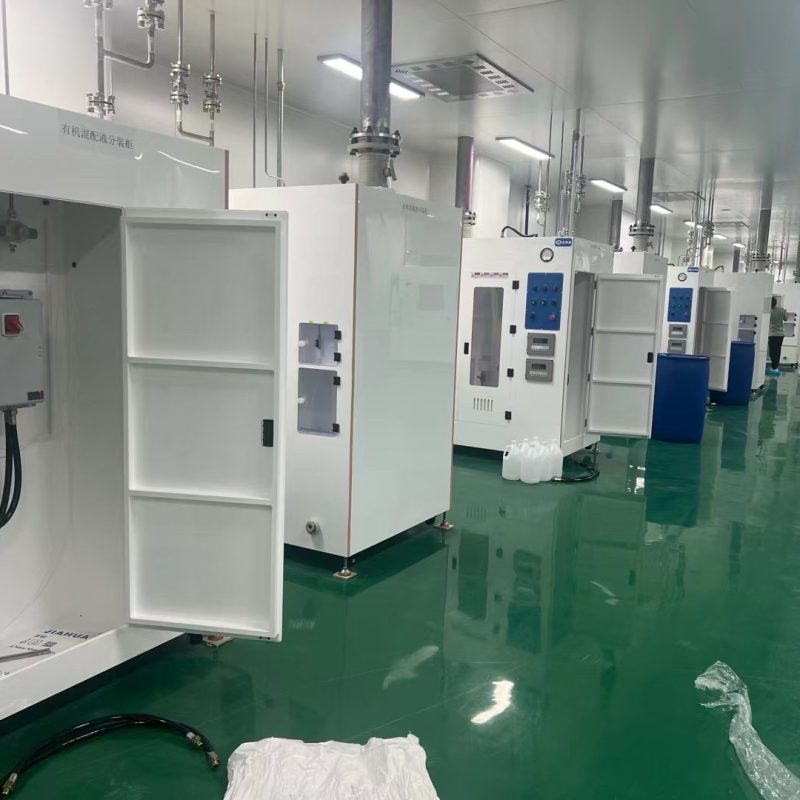
Key Features of Modern Liquid Chemical Cabinets for Semiconductor Fabs
Introduction
The semiconductor manufacturing industry relies on extremely precise and controlled processes to produce advanced chips, sensors, memory devices, and electronic components. Among the many supporting systems used in semiconductor fabs, liquid chemical cabinets play a critical role in ensuring the safe storage, delivery, and management of process chemicals. As semiconductor processes become more advanced, the demand for higher purity chemicals, stricter contamination control, and improved operational safety has driven the development of modern liquid chemical cabinet systems.
Liquid chemical cabinets are specialized equipment designed to store and distribute liquid chemicals used in semiconductor fabrication processes such as photolithography, wet etching, cleaning, chemical mechanical planarization (CMP), and surface treatment. These systems provide controlled chemical supply while minimizing risks associated with chemical exposure, leakage, contamination, and process instability.
Modern liquid chemical cabinets integrate advanced engineering technologies, including precision fluid control, leak detection, automated monitoring, corrosion-resistant materials, and intelligent control systems. These features enable semiconductor manufacturers to achieve higher production efficiency, improved safety, and consistent wafer quality.
This article explores the key features of modern liquid chemical cabinets for semiconductor fabs and explains why they are essential components in advanced semiconductor manufacturing facilities.
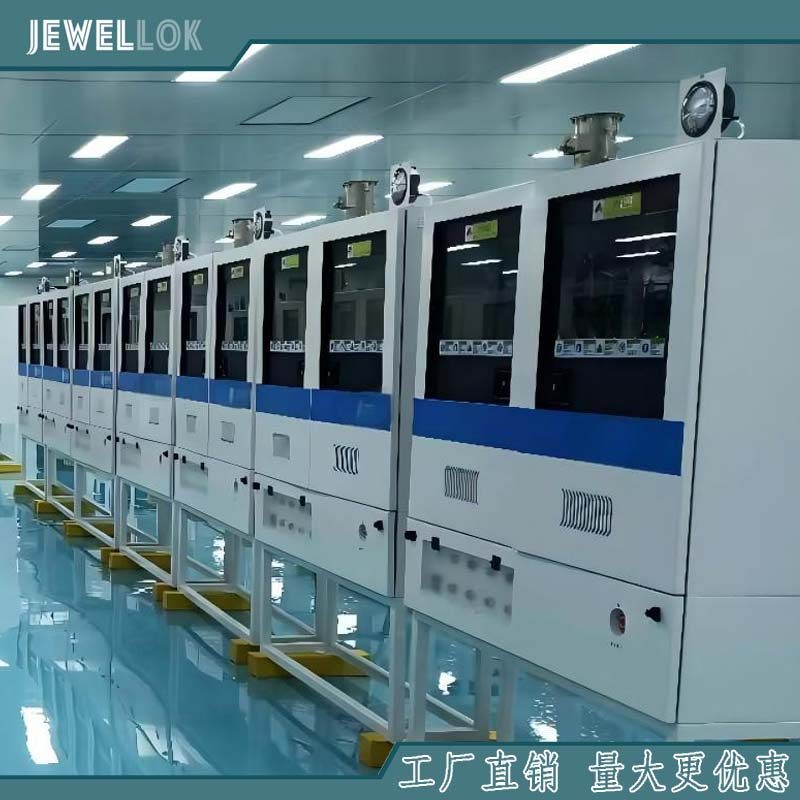
1. High Purity Chemical Handling and Contamination Control
One of the most important requirements for semiconductor chemical delivery systems is maintaining ultra-high chemical purity. Even extremely small levels of contamination can negatively affect wafer performance, resulting in defects, reduced yield, and increased manufacturing costs.
Modern liquid chemical cabinets are designed with contamination prevention as a primary function. The internal fluid pathway typically uses high-purity materials such as:
- PFA (Perfluoroalkoxy alkane)
- PTFE (Polytetrafluoroethylene)
- PVDF (Polyvinylidene fluoride)
- High-purity 316L stainless steel
- Electropolished stainless steel components
These materials provide excellent chemical resistance and prevent unwanted reactions between chemicals and system components.
Advanced liquid chemical cabinets also incorporate particle control technologies, including:
- Smooth internal surfaces
- Minimized dead volume designs
- High-purity tubing connections
- Cleanroom-compatible assembly processes
- Proper filtration systems
For semiconductor fabs producing advanced nodes such as 5nm, 3nm, and below, chemical purity control becomes increasingly important because smaller device geometries are more sensitive to microscopic contamination.
2. Corrosion-Resistant Cabinet Construction
Semiconductor fabrication uses many aggressive chemicals, including acids, solvents, oxidizers, and alkaline solutions. Examples include hydrofluoric acid (HF), sulfuric acid (H₂SO₄), nitric acid (HNO₃), hydrogen peroxide (H₂O₂), ammonia-based solutions, and organic solvents.
Because of these harsh operating environments, liquid chemical cabinets must provide excellent corrosion resistance.
Modern chemical cabinets typically feature:
- Chemical-resistant exterior panels
- Stainless steel or coated metal frames
- PP (polypropylene) or PVC chemical containment structures
- Corrosion-resistant valves and fittings
- Protective secondary containment areas
The cabinet design must prevent chemical leakage from damaging surrounding equipment or creating safety hazards inside the fab.
In addition, internal components such as pumps, regulators, valves, and sensors are selected based on chemical compatibility. For highly corrosive applications, manufacturers often use fluoropolymer materials to ensure long-term reliability.
3. Advanced Chemical Storage and Delivery Design
A modern liquid chemical cabinet is not simply a storage enclosure. It is a complete chemical delivery solution that controls the movement of chemicals from storage containers to semiconductor process equipment.
Typical liquid chemical cabinet functions include:
- Chemical storage
- Chemical transfer
- Pressure control
- Flow regulation
- Filtration
- Chemical mixing or dilution
- Distribution to process tools
The system can support different chemical supply configurations, including:
- Bottle supply systems
- Drum supply systems
- Bulk chemical delivery systems
- Automatic chemical refill systems
For high-volume semiconductor fabs, automated bulk chemical delivery is becoming increasingly common because it reduces manual handling and improves production continuity.
Precision pumps and valves ensure stable chemical flow rates, which is essential for processes requiring exact chemical volumes.
4. Leak Detection and Safety Protection Systems
Chemical leakage is one of the most serious risks in semiconductor manufacturing. A small chemical leak can damage expensive equipment, interrupt production, or create safety concerns for operators.
Modern liquid chemical cabinets include multiple safety protection systems, such as:
Leak Sensors
Leak detection sensors are installed inside cabinet containment areas to quickly identify chemical leakage. When a leak occurs, the system can automatically trigger alarms or shut down chemical supply.
Secondary Containment
Secondary containment structures provide additional protection by collecting leaked chemicals before they reach the cleanroom environment.
Emergency Shutoff Systems
Automatic shutoff valves can isolate chemical supply lines during abnormal conditions, reducing chemical loss and preventing further leakage.
Exhaust Ventilation
Chemical cabinets are often connected to facility exhaust systems to remove chemical vapors and maintain safe operating conditions.
These safety features help semiconductor fabs comply with strict industrial safety standards while protecting personnel and equipment.
5. Intelligent Monitoring and Automation Control
Industry 4.0 technologies have significantly changed semiconductor manufacturing equipment. Modern liquid chemical cabinets increasingly include intelligent monitoring and automation capabilities.
Advanced control systems can monitor:
- Chemical level
- Flow rate
- Pressure
- Temperature
- Pump status
- Valve operation
- Leak detection signals
- Filter condition
Many systems are integrated with factory automation platforms through communication protocols such as:
- SECS/GEM
- Ethernet/IP
- Modbus
- Industrial Ethernet networks
Through centralized monitoring, engineers can receive real-time system information and perform predictive maintenance.
Automation also reduces human interaction with hazardous chemicals, improving both safety and operational efficiency.
6. Precision Flow and Pressure Control
Semiconductor processes require extremely stable chemical delivery conditions. Variations in chemical flow or pressure can affect process uniformity and wafer quality.
Modern liquid chemical cabinets use precision control components, including:
- High-accuracy pumps
- Pneumatic diaphragm valves
- Flow controllers
- Pressure sensors
- Regulators
- Automated control valves
These components maintain consistent chemical delivery performance during production.
For example, in wafer cleaning processes, unstable chemical flow can lead to uneven cleaning results. In photoresist processing, inaccurate chemical supply can impact coating thickness and pattern quality.
Therefore, precision fluid control is one of the most important characteristics of advanced chemical cabinet systems.
7. Modular and Customizable System Configuration
Different semiconductor manufacturing processes require different chemical handling solutions. A chemical cabinet designed for photoresist chemicals may have completely different requirements compared with one used for corrosive acids.
Modern liquid chemical cabinets are often designed with modular configurations, allowing manufacturers to customize:
- Number of chemical lines
- Cabinet size
- Pump selection
- Valve configuration
- Filtration system
- Control system
- Communication interface
Common customization options include:
- Single chemical supply cabinets
- Multi-chemical distribution cabinets
- Automatic chemical refill systems
- High-flow chemical delivery systems
- Compact point-of-use chemical cabinets
This flexibility allows fabs to optimize their chemical supply infrastructure based on specific production requirements.
8. Cleanroom Compatibility and Space Optimization
Semiconductor fabs require strict cleanroom environments. Equipment installed inside these facilities must minimize particle generation and meet cleanroom standards.
Modern liquid chemical cabinets are designed with:
- Cleanroom-compatible materials
- Low particle generation surfaces
- Easy maintenance access
- Compact footprints
- Optimized internal layouts
Space utilization is particularly important because semiconductor fabs require significant investments in cleanroom areas. Compact chemical cabinets help manufacturers maximize production space while maintaining reliable chemical supply.
Cabinet designs may also include front-access maintenance features, allowing technicians to service equipment without affecting surrounding cleanroom operations.
9. Compliance with Semiconductor Industry Standards
Safety and reliability are critical requirements for semiconductor chemical handling equipment. Modern liquid chemical cabinets are designed according to international standards and industry guidelines.
Common considerations include:
- Semiconductor equipment safety requirements
- Chemical storage regulations
- Cleanroom safety standards
- Factory automation requirements
- Environmental protection regulations
Depending on the application and region, manufacturers may design systems according to standards such as SEMI guidelines, NFPA requirements, and local chemical safety regulations.
Compliance ensures that chemical cabinets can be safely integrated into advanced semiconductor production environments.
10. Maintenance-Friendly Design and Long-Term Reliability
Semiconductor fabs operate continuously, and equipment downtime can result in significant financial losses. Therefore, modern chemical cabinets are designed for easy maintenance and long service life.
Maintenance-friendly features include:
- Quick-connect fittings
- Replaceable filters
- Easy-access components
- Diagnostic monitoring
- Preventive maintenance alerts
- Modular replacement parts
A well-designed chemical cabinet reduces maintenance time and improves overall equipment availability.
Manufacturers also focus on reliability through:
- High-quality components
- Strict assembly processes
- Factory testing
- Leak testing
- Performance validation
These measures ensure stable operation throughout the equipment lifecycle.
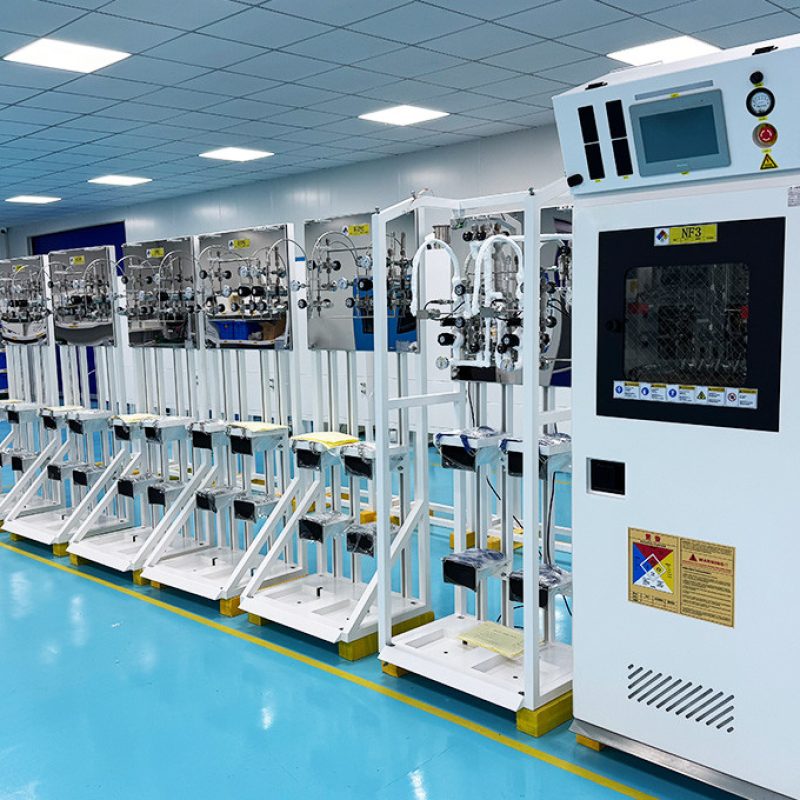
Conclusion
Modern liquid chemical cabinets are essential systems for semiconductor fabs, providing safe, reliable, and precise chemical storage and delivery solutions. As semiconductor manufacturing continues toward smaller process nodes and higher production requirements, chemical management systems must achieve higher levels of purity, automation, safety, and reliability.
Key features such as high-purity material construction, corrosion resistance, intelligent monitoring, precision flow control, leak protection, modular design, and cleanroom compatibility make modern liquid chemical cabinets a critical part of advanced semiconductor infrastructure.
For semiconductor manufacturers, investing in high-performance liquid chemical cabinet systems helps improve process stability, reduce contamination risks, increase production efficiency, and maintain the strict quality standards required for next-generation semiconductor manufacturing.
As the semiconductor industry continues to expand, advanced chemical delivery technologies will remain a fundamental component supporting innovation in chip manufacturing, electronics, and emerging technologies.
For more about key features of modern liquid chemical cabinets for semiconductor fabs, you can pay a visit to Jewellok at https://www.jewellok.com/product-category/chemical-delivery-system/ for more info.
-
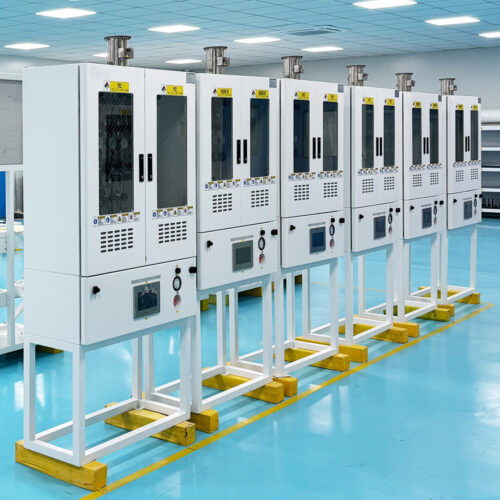
Ultra-High Purity Chemical Delivery Module (CDM) and Valve Manifold Box Integration Improving Semiconductor Yield
-
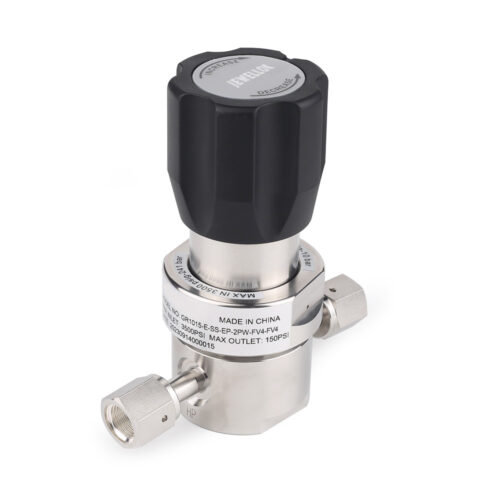
Premium Grade Ultra High Purity Gas Valve Solutions Sourced Directly from China for Critical Semiconductor and Advanced Photovoltaic Gas Distribution Lines
-

Automated Bulk Liquid Chemical Delivery System (BCDS) with PLC Controls for High-Volume Industrial Fluid Transport
-
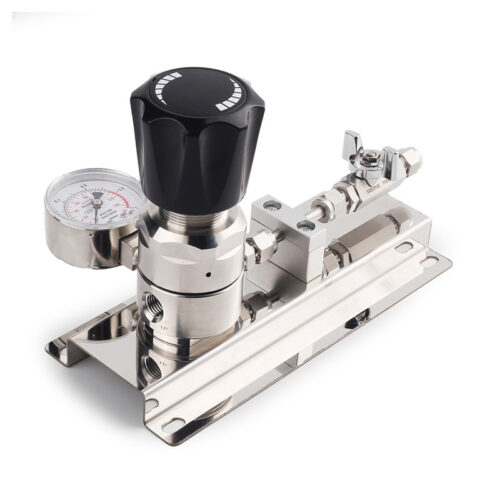
Ultra High Purity Stainless Steel Compressed Gas Changeover Manifold Panel System For Integrated Gas Supply System
-
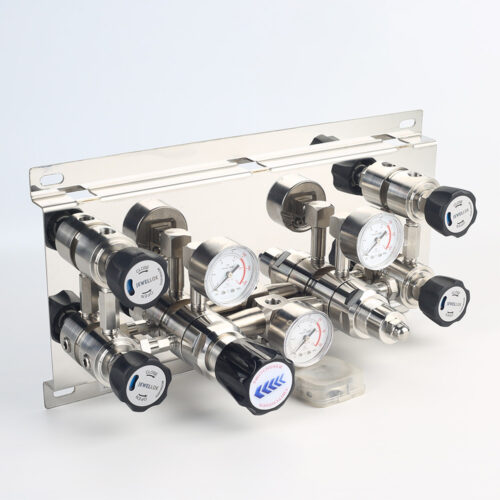
Pressure Control Panels For High Purity Gas Control System JSP-3AE Series From Pressure Control Panels Suppliers And Manufacturer
-
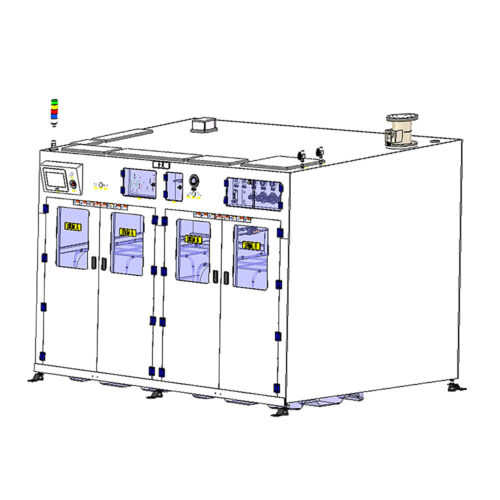
High Purity Chemical Dispense System & Packing System For Semiconductors JW-200L-CDM & JW-1000L-CDM
-
VMB Valve Manifold Box And Panel Gas Cabinet, BSGS Gas Cabinets, TMA Gas Cabinets, Scrubber Tail Gas Treatment Cabinets
-
UHP Metal Gasket Face Seal Fittings Vacuum Coupling Metal Face Seal Join Long Gland And Short Gland