
Valves Manufacturer Tel: +86 13380377051
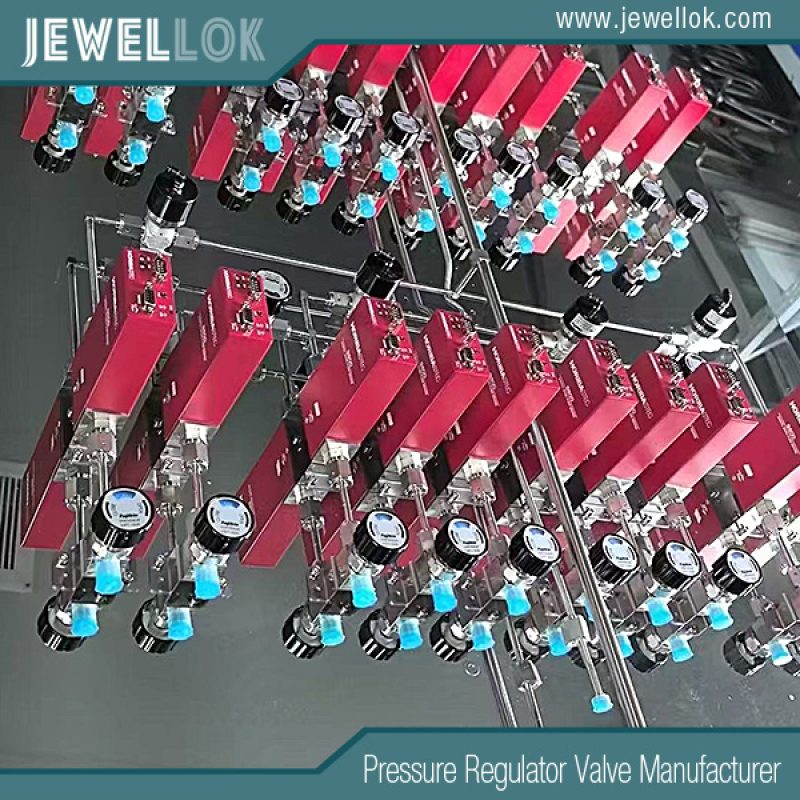
Ultra-High Purity Gas Regulator for Specialty Gas Delivery Systems
Introduction
As semiconductor manufacturing, pharmaceutical production, biotechnology, analytical laboratories, and advanced materials research continue to evolve, the demand for ultra-clean process gases has reached unprecedented levels. Every component within a specialty gas delivery system plays a critical role in maintaining gas purity, process stability, and operational safety. Among these components, the Ultra-High Purity (UHP) Gas Regulator is one of the most important devices responsible for controlling gas pressure while preserving gas integrity.
Unlike conventional industrial regulators, UHP gas regulators are specifically engineered to prevent contamination, minimize particle generation, eliminate dead volume, and ensure consistent pressure control under demanding operating conditions. Whether handling inert gases, corrosive gases, toxic gases, flammable gases, or high-purity calibration gases, the regulator directly influences production yield, product quality, and equipment reliability.
This article explores the design principles, working mechanisms, materials, applications, selection criteria, and maintenance practices of ultra-high purity gas regulators used in specialty gas delivery systems.
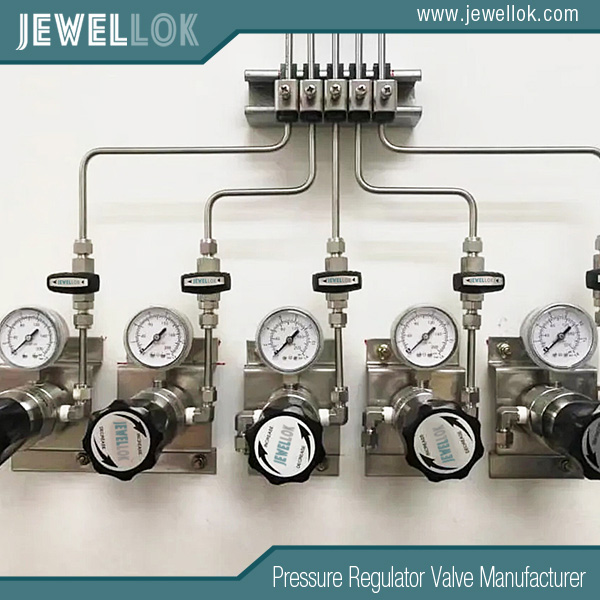
What Is an Ultra-High Purity Gas Regulator?
An Ultra-High Purity Gas Regulator is a precision pressure control device designed for gas distribution systems where even trace amounts of contaminants can negatively impact manufacturing processes.
The regulator reduces high-pressure gas from cylinders, tube trailers, or bulk gas supplies to a controlled downstream pressure while maintaining exceptional gas purity. Unlike standard pressure regulators, UHP regulators are manufactured under stringent cleanliness standards to eliminate contaminants such as:
- Moisture
- Oxygen
- Hydrocarbons
- Metal ions
- Particulates
- Organic residues
These regulators are commonly integrated into:
- Semiconductor gas cabinets
- Specialty gas delivery panels
- Laboratory gas systems
- Pharmaceutical gas distribution systems
- Chemical delivery systems
- High-purity analytical instruments
- Research laboratories
The primary objective is to ensure that gases reach the process equipment without introducing impurities that could compromise product quality.
Why Gas Purity Matters
Modern semiconductor fabrication processes operate at nanometer-scale geometries where microscopic contamination can result in defective wafers, reduced yields, and costly production losses.
Similarly, pharmaceutical manufacturing requires highly controlled environments where impurities can affect drug formulations and regulatory compliance.
Contaminated gases may cause:
- Wafer defects
- Oxidation of sensitive materials
- Chemical reaction inconsistencies
- Reduced equipment lifespan
- Analytical measurement errors
- Product contamination
- Increased maintenance costs
A properly designed ultra-high purity regulator minimizes these risks by maintaining an uncontaminated gas flow path.
How an Ultra-High Purity Gas Regulator Works
A gas regulator functions by balancing the inlet gas pressure against an adjustable spring force acting on a diaphragm.
The basic operating sequence includes:
- High-pressure gas enters the regulator.
- The valve seat controls gas flow into the low-pressure chamber.
- The diaphragm senses outlet pressure.
- Spring force adjusts valve opening.
- Downstream pressure remains stable despite inlet pressure fluctuations.
High-end UHP regulators feature:
- Low internal volume
- Smooth gas pathways
- Precision valve seats
- Sensitive diaphragms
- Stable pressure control
- High flow accuracy
These features ensure consistent pressure regulation throughout the gas cylinder’s discharge cycle.
Key Features of Ultra-High Purity Gas Regulators
Electropolished Wetted Surfaces
Internal gas-contact surfaces are electropolished to minimize microscopic surface roughness.
Benefits include:
- Reduced particle generation
- Lower moisture adsorption
- Easier cleaning
- Improved corrosion resistance
- Enhanced gas purity
Surface finishes often reach:
Ra ≤ 10 μin (0.25 μm)
or even
Ra ≤ 5 μin (0.13 μm)
for semiconductor-grade applications.
Stainless Steel Construction
Most UHP regulators are manufactured from:
- 316L Stainless Steel
- 316L VAR
- 316L VIM-VAR Stainless Steel
These materials provide:
- Excellent corrosion resistance
- High mechanical strength
- Low outgassing
- Long service life
- Compatibility with aggressive specialty gases
For highly corrosive gases, specialized alloys may also be used.
Metal Diaphragm Design
Unlike elastomer diaphragms found in standard regulators, UHP models commonly utilize metal diaphragms.
Advantages include:
- Zero permeation
- Reduced contamination
- Excellent leak tightness
- Longer cycle life
- Better pressure sensitivity
Metal diaphragms are particularly suitable for toxic, corrosive, and high-purity gases.
Low Dead Volume
Dead volume refers to internal cavities where gas may stagnate.
Low dead volume designs provide:
- Faster gas purging
- Reduced cross contamination
- Improved process consistency
- Lower gas consumption
This is especially important when switching between specialty gases.
High Leak Integrity
Ultra-high purity regulators typically achieve leak rates below:
- Internal leakage: Bubble-tight shutoff
- External leakage: 1 × 10⁻⁹ atm·cc/sec helium or better
Helium leak testing ensures suitability for semiconductor and laboratory applications.
Types of UHP Gas Regulators
Single-Stage Regulators
Single-stage regulators reduce pressure in one step.
Advantages:
- Compact
- Cost-effective
- Easy installation
Suitable for:
- Laboratory gas systems
- Analytical instruments
- Research applications
Dual-Stage Regulators
Dual-stage regulators provide superior pressure stability by reducing pressure in two stages.
Advantages include:
- Stable outlet pressure
- Reduced supply pressure effect
- Improved process accuracy
- Better control throughout cylinder depletion
Widely used in semiconductor manufacturing and pharmaceutical production.
Line Regulators
Installed downstream in distribution systems, line regulators maintain constant pressure close to the point of use.
Applications include:
- Process tools
- Gas panels
- Production equipment
- Analytical instruments
Specialty Gases Compatible with UHP Regulators
Ultra-high purity regulators can handle numerous specialty gases, including:
Inert gases:
- Nitrogen
- Argon
- Helium
- Neon
- Krypton
Reactive gases:
- Hydrogen
- Oxygen
- Ammonia
- Chlorine
- Hydrogen Chloride
Semiconductor process gases:
- Silane
- Phosphine
- Diborane
- Arsine
- Nitrogen Trifluoride
- Tungsten Hexafluoride
Calibration gases
Laser gases
Carrier gases
Mixed specialty gases
Material compatibility should always be verified before installation.
Applications Across Industries
Semiconductor Manufacturing
Semiconductor fabs require extremely clean gas delivery for:
- CVD
- PVD
- ALD
- Etching
- Ion implantation
- Wafer cleaning
UHP regulators ensure stable gas pressure while maintaining contamination-free operation.
Pharmaceutical Industry
High-purity gases support:
- Sterile manufacturing
- Fermentation
- Packaging
- Laboratory testing
- Process control
Reliable pressure regulation helps maintain GMP compliance.
Biotechnology
Gas regulators are widely used for:
- Cell culture
- Bioreactors
- Controlled atmosphere chambers
- Laboratory research
Stable gas flow improves experimental repeatability.
Analytical Laboratories
Applications include:
- Gas Chromatography (GC)
- ICP-MS
- LC-MS
- FTIR
- Environmental analysis
Pressure stability directly impacts analytical accuracy.
Aerospace Industry
Specialty gases support:
- Material testing
- Engine development
- Composite manufacturing
- Space component production
Ultra-clean gas delivery improves testing precision.
Selecting the Right Ultra-High Purity Gas Regulator
Choosing the correct regulator requires evaluating several technical parameters.
Gas Compatibility
Different gases require different materials.
Corrosive gases may require:
- Hastelloy
- Monel
- Nickel alloys
High-purity inert gases generally use 316L stainless steel.
Pressure Range
Consider:
- Maximum inlet pressure
- Required outlet pressure
- Pressure adjustment range
Improper sizing can reduce control accuracy.
Flow Capacity
Determine the required:
- Maximum flow rate
- Continuous operating flow
- Peak demand
Oversized regulators may reduce sensitivity, while undersized units restrict gas supply.
Connection Standards
Common cylinder connections include:
- CGA
- DIN
- BS
- JIS
- VCR
- Face Seal
- Compression fittings
Correct connections ensure leak-free installation.
Purity Requirements
Applications may require:
- Semiconductor Grade
- Analytical Grade
- Pharmaceutical Grade
- Research Grade
Higher purity requirements generally require more stringent manufacturing processes.
Importance of Surface Cleaning
UHP regulators undergo rigorous cleaning procedures.
Typical manufacturing steps include:
- Precision machining
- Ultrasonic cleaning
- Degreasing
- Chemical passivation
- Electropolishing
- High-purity rinsing
- Cleanroom drying
- Double packaging
Packaging is often performed inside ISO Class cleanrooms to prevent contamination before installation.
Installation Best Practices
Proper installation extends regulator life and protects system purity.
Recommended practices include:
- Verify gas compatibility.
- Inspect fittings before installation.
- Use clean, particle-free tubing.
- Avoid contamination during assembly.
- Purge the system before operation.
- Perform helium leak testing.
- Follow manufacturer torque specifications.
Cleanroom installation procedures are recommended for semiconductor facilities.
Preventive Maintenance
Routine maintenance helps maintain performance over time.
Recommended maintenance includes:
- Visual inspection
- Leak testing
- Pressure calibration
- Valve operation verification
- Replacement of worn components
- Periodic cleaning where applicable
Damaged regulators should never be repaired with incompatible replacement parts.
Safety Considerations
Specialty gases often present significant hazards.
Potential risks include:
- Toxic exposure
- Fire
- Explosion
- Corrosion
- High-pressure release
- Asphyxiation
Safety recommendations include:
- Proper ventilation
- Gas detection systems
- Automatic shutdown valves
- Emergency exhaust systems
- Cylinder restraints
- Operator training
- Compliance with local safety regulations
When handling toxic semiconductor gases, regulators are frequently integrated into automated gas cabinets equipped with continuous monitoring and emergency shutoff functions.
Emerging Trends in UHP Gas Regulation
The future of specialty gas delivery is moving toward greater automation, digitalization, and process intelligence.
Key trends include:
- Smart electronic pressure regulators
- Remote pressure monitoring
- IIoT-enabled gas delivery systems
- Predictive maintenance
- Digital pressure sensors
- Automated changeover systems
- Enhanced leak detection
- Higher purity manufacturing standards
These innovations improve operational efficiency while reducing downtime and maintenance costs.
Why Choose a Professional UHP Gas Regulator Manufacturer?
Selecting an experienced manufacturer provides several advantages:
- Semiconductor-grade manufacturing capabilities
- Precision CNC machining
- Cleanroom assembly
- Helium leak testing
- Electropolished stainless steel components
- Comprehensive quality control
- International certifications
- Custom OEM and ODM solutions
- Global technical support
A reliable supplier can also customize regulators for unique gas types, pressure ranges, connection standards, and system configurations to meet specific application requirements.
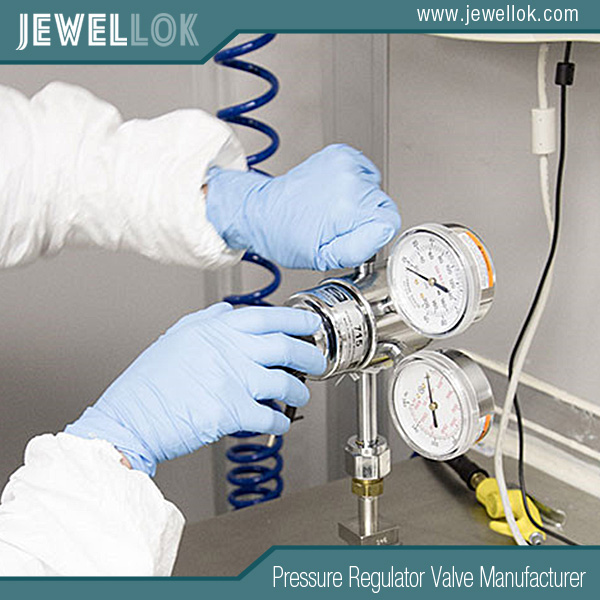
Conclusion
Ultra-High Purity Gas Regulators are indispensable components in modern specialty gas delivery systems, ensuring precise pressure control while preserving the integrity of ultra-clean gases. From semiconductor fabrication and pharmaceutical manufacturing to biotechnology research and advanced analytical laboratories, these regulators play a vital role in maintaining process stability, product quality, and operational safety.
As industries continue to demand higher purity standards, more advanced materials, and smarter automation, the importance of high-performance UHP gas regulators will only continue to grow. By selecting regulators manufactured with electropolished 316L stainless steel, metal diaphragm technology, low dead volume designs, and rigorous leak testing, organizations can significantly improve system reliability, reduce contamination risks, and achieve long-term operational excellence.
For companies seeking dependable specialty gas delivery solutions, investing in premium Ultra-High Purity Gas Regulators is a strategic decision that supports consistent performance, regulatory compliance, and the highest standards of industrial gas handling.
For more about ultra-high purity gas regulator for specialty gas delivery systems, you can pay a visit to Jewellok at https://www.jewellok.com/product-category/chemical-delivery-system/ for more info.
-
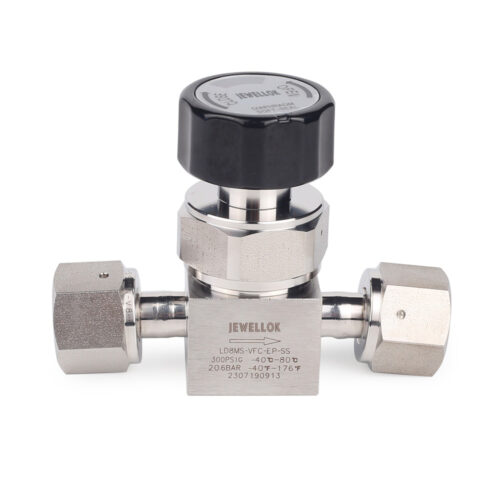
Flow Control Stainless Steel Low Pressure Manual Diaphragm Valve For High Purity And Ultra High Purity Gases
-
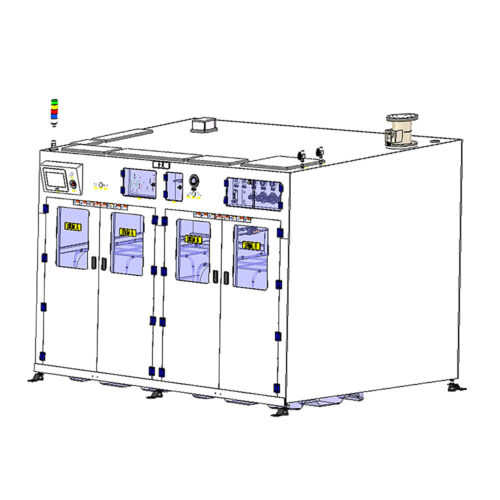
Scrubber Gas Cabinet Scrubber Tail Gas Treatment Cabinet Vent Gas Scrubber System Heat-Filter Burn Box Gas Scrubber/Abatement System
-
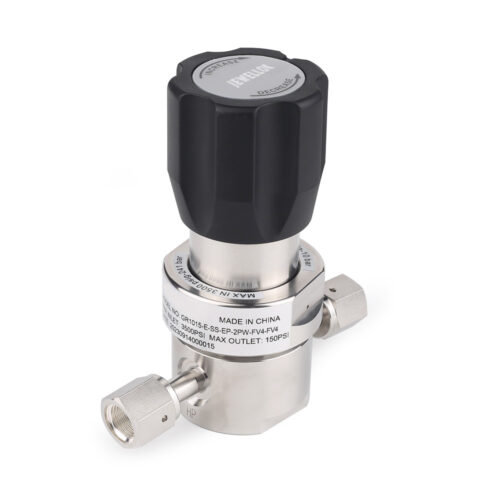
JR1000 Series UHP Ultra High Purity Single Stage Pressure Reducing Regulator And Low To Intermediate Flow
-
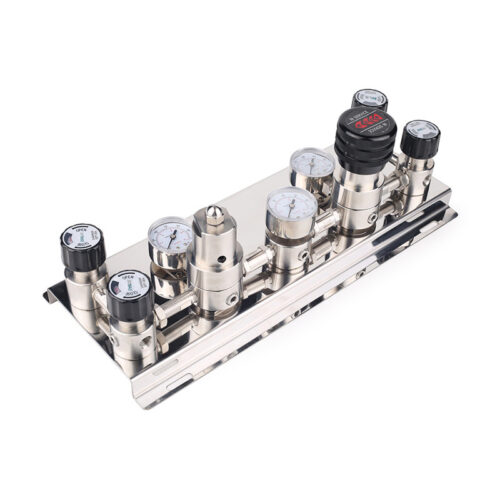
Automatic Gas Switchover System Automatic Switchover Manifold Automatic Gas Cylinder Switchover
-
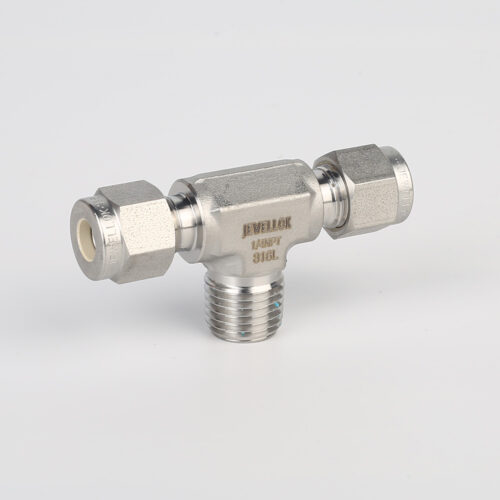
772L Male Branch Tee | Stainless Steel High-Purity Tube Fitting Male Branch Tee
-
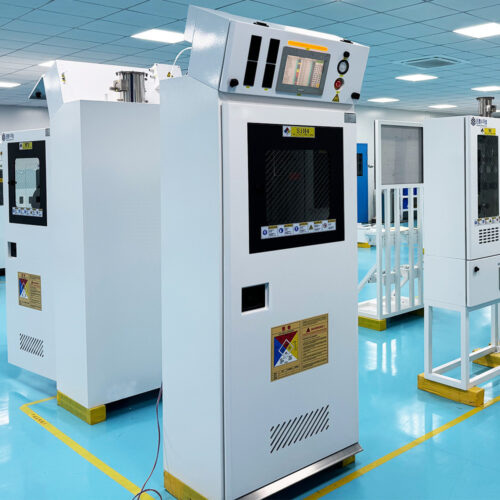
Ultra High Purity Trimethylaluminum TMA Gas Cabinet Liquid Delivering Cabinet Used For Specialty Gas Delivery System In Semiconductor
-
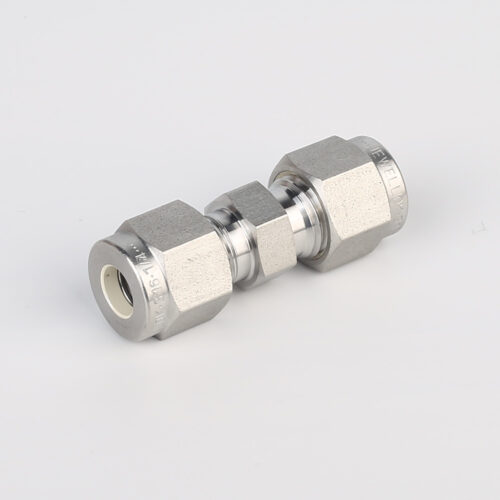
762L Stainless Steel High Purity Union High-Purity Gas System Fittings
-
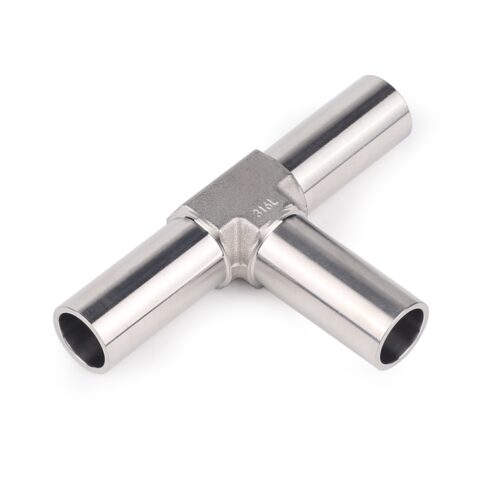
Stainless Steel Ultra Clean Welding Joint Fittings TW Series TRW Series & CW Series