
Valves Manufacturer Tel: +86 13380377051
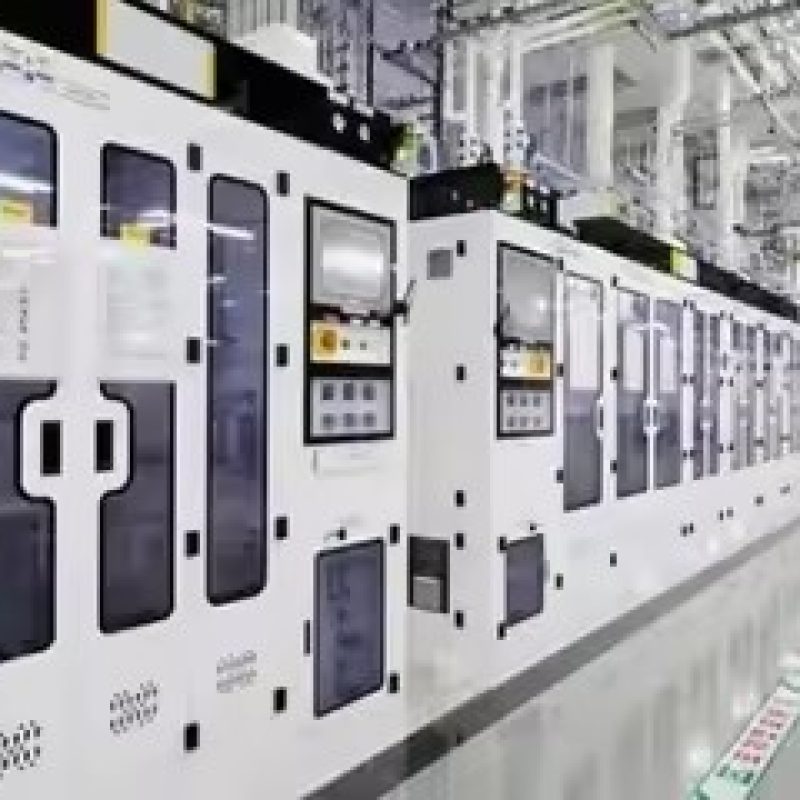
What Factors Affect Wet Scrubber Tail Gas Treatment Efficiency?
1. Introduction
Wet scrubber tail gas treatment is widely used in chemical manufacturing, laboratory exhaust treatment, pharmaceutical production, semiconductor fabrication, metal processing, and other industrial applications. By bringing contaminated gas into contact with a liquid absorbent, a wet scrubber can remove selected gaseous pollutants, soluble contaminants, and particulate matter before the exhaust is discharged.
However, the treatment efficiency of a wet scrubber is not determined by equipment size alone. It depends on a combination of chemical properties, gas flow conditions, liquid circulation rate, gas-liquid contact efficiency, temperature, pressure drop, absorbent concentration, and equipment maintenance. Even a well-designed scrubber may perform poorly if the operating conditions are unsuitable for the target pollutants.
Understanding these factors is essential for selecting the right wet scrubber tail gas treatment system, improving pollutant removal, reducing operating costs, and maintaining compliance with applicable environmental requirements.
This article examines the major factors affecting wet scrubber tail gas treatment efficiency and explains practical approaches to optimizing system performance.
2. Understanding Wet Scrubber Treatment Efficiency
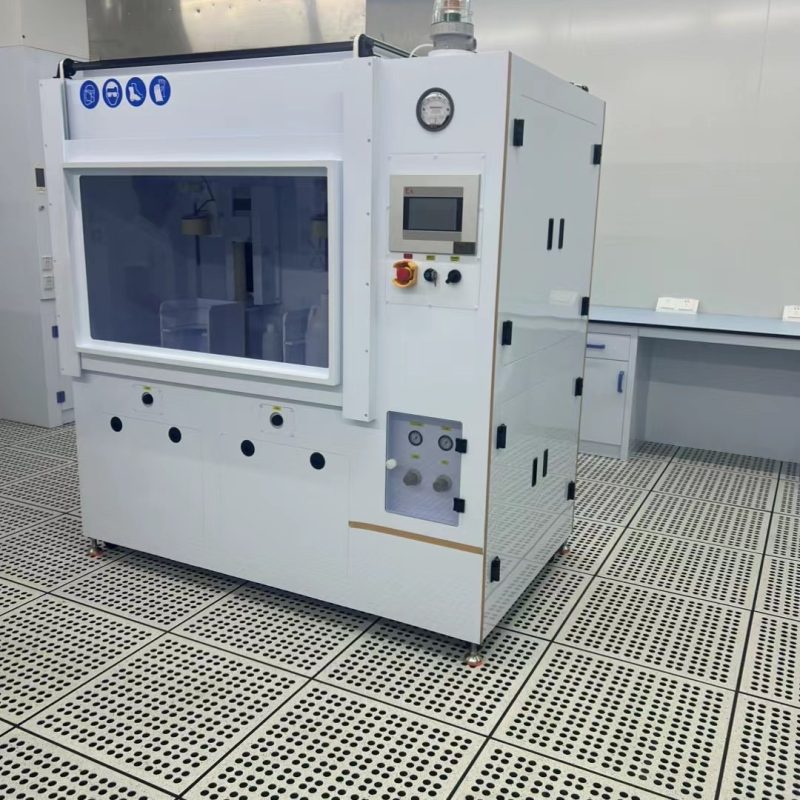
A wet scrubber removes pollutants by transferring contaminants from a gas stream into a liquid phase. Depending on the application, removal may occur through physical absorption, chemical reaction, particle capture, or a combination of these mechanisms.
For example, alkaline scrubbing solutions can neutralize suitable acidic gases, while acidic solutions may be used to treat ammonia-containing exhaust. Certain reactive pollutants require oxidation or reduction reactions, and some contaminants may require specialized treatment technologies.
Wet scrubber treatment efficiency is commonly calculated using inlet and outlet pollutant concentrations:
Removal efficiency (%) = [(C_in − C_out) / C_in] × 100
Where:
- (C_{in}) is the pollutant concentration entering the scrubber.
- (C_{out}) is the pollutant concentration leaving the scrubber.
For example, if the inlet concentration is 500 mg/m³ and the outlet concentration is 25 mg/m³, the calculated removal efficiency is 95%.
However, concentration-based comparisons must account for differences in gas moisture, temperature, flow rate, and sampling conditions. Where required, measurements should be corrected to consistent reference conditions and performed using appropriate test methods.
High removal efficiency for one pollutant does not necessarily mean the system can effectively treat all contaminants in a mixed exhaust stream. Treatment performance must be evaluated against the specific pollutants and emission requirements.
3. Gas Composition and Pollutant Characteristics
The chemical properties of the exhaust gas are among the most important factors affecting wet scrubber performance.
3.1 Gas Solubility
Gas solubility determines how readily a pollutant transfers from the gas phase into the liquid phase. Highly water-soluble gases are generally easier to absorb in water-based scrubbers than poorly soluble compounds, although actual performance also depends on operating conditions.
Hydrogen chloride and ammonia, for example, can be absorbed effectively under suitable conditions. In contrast, many volatile organic compounds (VOCs) have limited water solubility and may not be removed efficiently by a conventional water scrubber.
For poorly soluble contaminants, specialized absorbents, chemical reactions, activated carbon adsorption, or other treatment technologies may be necessary.
3.2 Chemical Reactivity
Chemical reactions can improve absorption by consuming dissolved pollutants and maintaining a concentration gradient that drives further mass transfer.
Alkaline solutions are frequently used to neutralize suitable acidic gases, while acidic solutions can promote the removal of ammonia through chemical reaction.
The absorbent must be selected according to the target pollutants and the potential reaction products. Incompatible chemicals may create hazardous reactions, excessive heat, precipitates, or secondary pollutants.
3.3 Pollutant Concentration
High inlet concentrations increase the contaminant load entering the scrubber. If the liquid circulation rate, chemical dosing capacity, or mass-transfer area is insufficient, the system may fail to maintain the required outlet concentration.
Sudden increases in pollutant concentration can also cause temporary performance deterioration. For variable exhaust streams, engineers should consider peak loading rather than relying only on average operating conditions.
A detailed analysis of gas composition, concentration ranges, and potential fluctuations is therefore essential before equipment selection.
4. Gas Flow Rate and Gas Residence Time
Gas flow rate directly influences the contact time between the exhaust stream and the scrubbing liquid.
When the gas velocity is too high, the gas may pass through the scrubber before sufficient mass transfer occurs. Excessive velocity can also cause liquid entrainment, increase pressure drop, and contribute to flooding in packed towers.
When the gas flow rate is too low, the system may experience poor distribution in certain designs or operate outside its intended performance range.
The relationship between gas flow rate and treatment efficiency depends on the scrubber type, tower dimensions, packing characteristics, and operating conditions.
Practical Optimization
To improve gas-liquid contact:
- Size the scrubber according to the maximum expected exhaust flow.
- Maintain gas velocity within the equipment’s design limits.
- Ensure uniform gas distribution at the tower inlet.
- Avoid sudden changes in duct diameter that create uneven flow.
- Monitor differential pressure to identify abnormal operating conditions.
Residence time alone does not determine efficiency. A longer contact time cannot fully compensate for unsuitable chemistry, inadequate liquid distribution, or insufficient mass-transfer area.
5. Liquid-to-Gas Ratio and Scrubbing Liquid Flow
The liquid-to-gas ratio, often expressed as the liquid flow rate divided by the gas flow rate, is a key design and operating parameter.
An insufficient liquid flow rate can reduce the available absorbent capacity and limit contact between the gas and liquid. In packed towers, inadequate irrigation may cause dry zones, poor wetting, and reduced effective contact area.
Increasing the liquid flow rate can improve performance up to a point. However, excessive circulation increases pump energy consumption and may cause higher pressure drop, flooding, droplet carryover, or mechanical wear.
The optimum liquid-to-gas ratio depends on pollutant properties, required removal efficiency, tower configuration, packing type, and chemical reaction rates.
Practical Optimization
Operators should verify that circulation pumps provide the required flow and that spray nozzles distribute the liquid evenly. Flow indicators, pressure measurements, and regular inspection can help identify blocked nozzles, damaged packing, and pump degradation.
The liquid circulation system should be designed to maintain reliable contact throughout the intended operating range rather than simply maximizing water consumption.
6. Scrubbing Liquid pH and Chemical Concentration
For chemically reactive pollutants, pH and reagent concentration can strongly affect treatment efficiency.
6.1 pH Control
The pH of the scrubbing liquid determines whether suitable chemical reactions proceed effectively.
For acidic gas removal, an alkaline solution may be used to neutralize the absorbed acid. As the reaction proceeds, the solution can become less alkaline, reducing its capacity to capture additional pollutants.
For ammonia removal, an acidic absorbent may maintain favorable conditions for absorption and reaction.
The optimum pH depends on the target gas, reaction chemistry, required outlet concentration, and possible side reactions. There is no universal pH setpoint suitable for every wet scrubber.
6.2 Reagent Concentration
If the concentration of the active reagent becomes too low, the scrubber may no longer neutralize the incoming pollutant load effectively. Excessively concentrated solutions can increase chemical costs, corrosion risks, salt accumulation, or waste-treatment requirements.
Automated chemical dosing systems can help maintain suitable operating conditions by using pH measurements or other process indicators.
6.3 Monitoring and Control
Reliable pH control requires correctly installed and calibrated sensors. Measurements should reflect the actual circulating liquid condition, and dosing should respond appropriately to changes in pollutant loading.
Operators should also monitor liquid conductivity, reagent consumption, and dissolved contaminant levels when these parameters are relevant to the process.
Effective chemical management helps maintain consistent removal efficiency while reducing unnecessary chemical use.
7. Temperature and Pressure Conditions
Temperature affects gas solubility, reaction rates, liquid evaporation, and overall mass transfer.
For many physical absorption processes, increasing liquid temperature reduces gas solubility. As a result, a warmer scrubbing solution may provide lower absorption capacity for certain pollutants.
However, temperature effects vary with the specific gas and chemical reaction. Some reactions become faster at higher temperatures, while others may be less favorable. Therefore, temperature should be evaluated using the relevant process chemistry rather than a universal assumption.
High exhaust temperatures may also increase water evaporation and change the concentration of the circulating solution. If the temperature exceeds the design limits of the scrubber materials, packing, pump seals, or instruments, equipment deterioration may occur.
Pressure affects gas density and, in some applications, absorption behavior. Most atmospheric industrial wet scrubbers operate with a fan-induced pressure differential rather than high-pressure gas absorption.
The system should be designed for its intended operating pressure and monitored for abnormal pressure drop, blocked flow paths, or excessive liquid accumulation.
8. Scrubber Tower Design and Gas-Liquid Contact Area
The physical design of the scrubber strongly influences the available mass-transfer area and the uniformity of gas-liquid contact.
Common wet scrubber configurations include packed-bed scrubbers, spray towers, and other specialized gas-liquid contact devices.
8.1 Packed-Bed Scrubbers
Packed towers use structured or random packing to create a large contact area between the gas and liquid.
Their performance depends on packing type, packing depth, liquid distribution, gas velocity, and resistance to fouling.
Incorrect packing selection can cause poor mass transfer, excessive pressure drop, or blockage when the exhaust contains particles or deposits.
8.2 Spray Towers
Spray towers introduce liquid through spray nozzles. Their performance depends on droplet size, spray distribution, contact distance, and the relative movement of gas and liquid.
Blocked nozzles, worn spray components, or uneven distribution can create untreated regions and reduce removal efficiency.
8.3 Mist Eliminators
Mist eliminators capture liquid droplets carried out of the scrubber with the treated gas. They help prevent chemical carryover and reduce contamination of downstream ducts.
A blocked or damaged mist eliminator can increase pressure drop or allow excessive liquid entrainment. Regular inspection is therefore necessary.
The most appropriate tower configuration depends on the exhaust characteristics, target pollutant, required removal efficiency, and maintenance conditions.
9. Scrubbing Liquid Quality and Contaminant Accumulation
The condition of the circulating liquid can gradually deteriorate during operation.
As pollutants are absorbed, dissolved salts, reaction products, suspended solids, and other contaminants may accumulate. These substances can change pH, increase viscosity, reduce available reagent capacity, and promote scaling or corrosion.
In some systems, accumulated solids may block spray nozzles, coat packing surfaces, or interfere with pumps and instruments.
A suitable liquid management strategy may include controlled blowdown, fresh-water makeup, filtration, chemical replenishment, and periodic replacement of the scrubbing solution.
The required approach depends on the pollutants and wastewater-management requirements.
Spent scrubbing liquid must be characterized and treated or disposed of according to applicable regulations. It should not be discharged directly into a drain without confirming that the discharge is permitted and meets relevant requirements.
Monitoring liquid quality helps maintain treatment performance and prevents secondary operational problems.
10. Equipment Materials and Corrosion Resistance
Corrosion can gradually reduce the reliability and efficiency of a wet scrubber tail gas treatment system.
Acidic gases, alkaline solutions, oxidizing agents, and dissolved salts may attack unsuitable materials. Corrosion can cause leaks, damage pump components, weaken structural elements, and contaminate the circulating liquid.
Common construction materials include polypropylene (PP), polyvinyl chloride (PVC), chlorinated polyvinyl chloride (CPVC), polyvinylidene fluoride (PVDF), and selected corrosion-resistant metals.
Material selection must account for chemical concentration, temperature, pressure, mechanical loads, and exposure duration. No material is universally suitable for all chemical exhaust applications.
The same principle applies to piping, valves, pumps, gaskets, seals, spray nozzles, and instruments.
A comprehensive compatibility assessment can reduce maintenance costs, minimize unexpected downtime, and help maintain consistent treatment performance throughout the equipment’s service life.
11. Maintenance, Monitoring, and Operating Conditions
Even a correctly designed scrubber can lose efficiency if routine maintenance is neglected.
Typical causes of performance deterioration include pump failure, blocked nozzles, fouled packing, leaking pipelines, inaccurate pH readings, depleted reagent, and damaged mist eliminators.
A preventive maintenance program should include:
- Checking circulation flow and pump operating conditions.
- Inspecting spray nozzles and packing for deposits.
- Monitoring scrubber differential pressure.
- Calibrating pH sensors and other relevant instruments.
- Verifying chemical dosing performance.
- Inspecting the tower, piping, and connections for corrosion or leaks.
- Checking the mist eliminator for blockage or damage.
- Measuring inlet and outlet pollutant concentrations when required.
Trend analysis can help operators identify gradual deterioration before the system fails to meet its performance requirements.
For critical applications, monitoring may include continuous emissions measurement or periodic performance testing, depending on applicable regulations and the nature of the pollutants.
Operational records should include chemical consumption, pH trends, pressure drop, maintenance activities, and abnormal operating events.
12. Practical Strategies to Improve Wet Scrubber Efficiency
Improving scrubber performance requires identifying the main limitation rather than making arbitrary adjustments.
A systematic optimization process should begin with a review of inlet and outlet gas composition, actual gas flow, liquid circulation rate, reagent concentration, and pressure drop.
If removal efficiency is low, engineers should determine whether the cause is insufficient absorption capacity, poor gas-liquid contact, unsuitable chemistry, equipment damage, or excessive pollutant loading.
Potential improvements include optimizing the liquid-to-gas ratio, improving spray distribution, adjusting chemical dosing, replacing unsuitable packing, reducing gas maldistribution, and improving the management of spent liquid.
Where the target pollutant is poorly soluble in water, changing operating parameters alone may not achieve the required performance. An alternative absorbent or complementary treatment technology may be necessary.
For exhaust streams containing multiple pollutants, a multistage system may be more appropriate than a single scrubber. For example, separate treatment stages may be required for acidic gases, alkaline gases, and selected organic compounds.
All adjustments should be evaluated against energy consumption, chemical usage, wastewater generation, corrosion risk, and the required outlet emission limits.
13. Conclusion
Wet scrubber tail gas treatment efficiency depends on the interaction of gas composition, gas flow rate, liquid circulation, absorbent chemistry, temperature, tower design, liquid quality, and equipment condition.
High performance requires more than selecting a large scrubber. The system must be engineered around the specific pollutants, expected operating conditions, and required emission limits.
Appropriate pH control, effective gas-liquid contact, reliable chemical dosing, corrosion-resistant materials, and preventive maintenance are essential for stable operation.
Regular monitoring of inlet and outlet concentrations, pressure drop, liquid flow, and reagent condition enables operators to identify performance problems and implement targeted improvements.
By combining sound engineering design with effective process control and maintenance, industrial facilities and laboratories can improve wet scrubber efficiency, reduce operating costs, and achieve more reliable chemical exhaust gas treatment.
For more about what factors affect wet scrubber tail gas treatment efficiency, you can pay a visit to Jewellok at https://www.jewellok.com/ for more info.
-
DPR1 Ultra High Purity Two Stage Dual Stage Pressure Reducing Regulator Semiconductor Grade Regulators
-
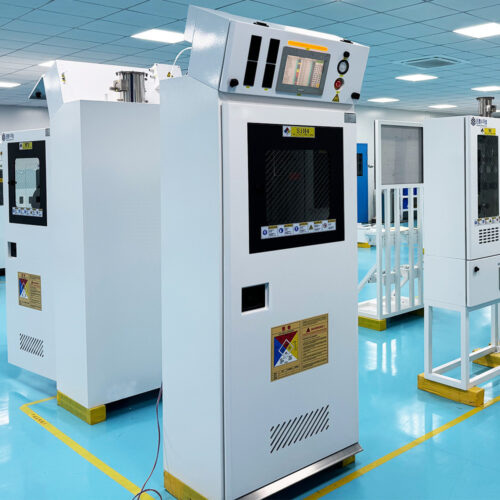
Integrated Gas System (IGS) Modular Integrated Gas Systems (TMS) Integrated Gas Supply System For Semiconductor And Laboratory
-
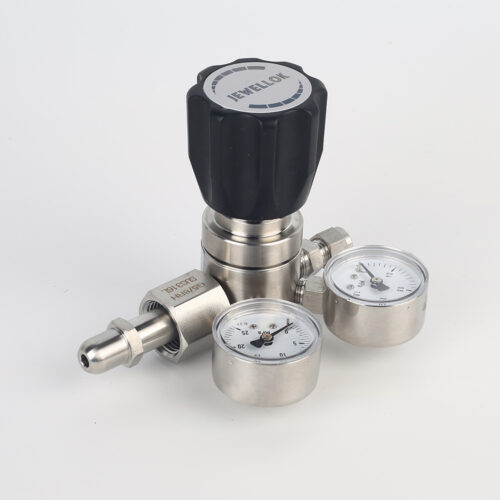
High Purity High Pressure Gas Cylinder Pressure Regulators Pressure Reducing Valve JSR-1E Series
-
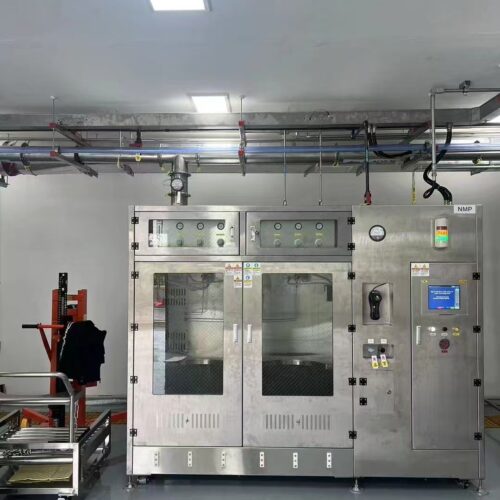
316L Electropolished Chemical Delivery System (CDS) for Contamination-Free Liquid Handling in EV Battery Manufacturing Plants
-
High Purity Stainless Steel Mini Tube Butt Weld Fittings For Semiconductor
-
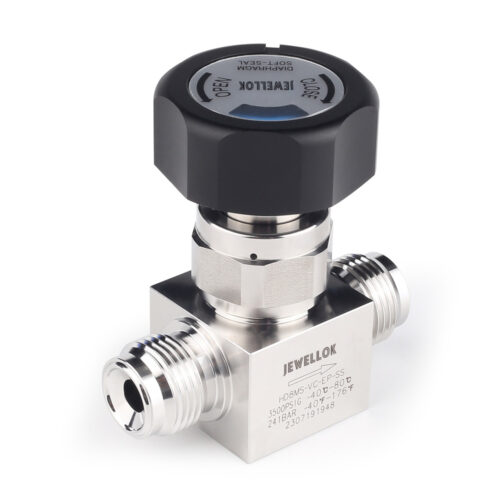
Stainless Steel Ultra High Purity (UHP) High Pressure Manual Diaphragm Valve
-
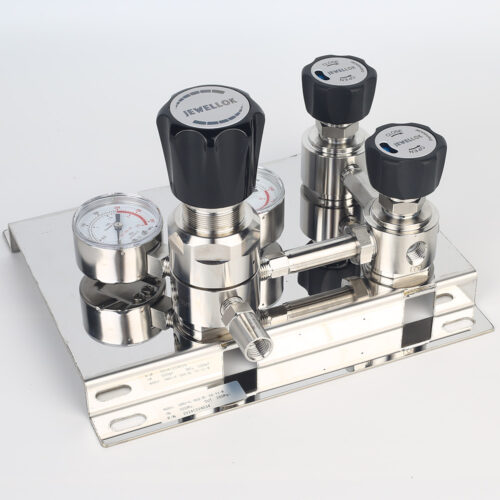
Stainless Steel 316L Single Stage Regulator Pressure Control Panels JSP-1E Series For Semiconductor Fluid Control
-
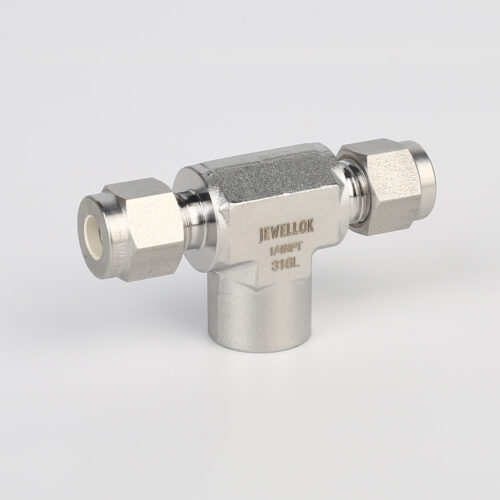
772 LF Female Branch Tee | Stainless Steel Tube Fitting Female Branch Tee 1/2 in. Tube OD x 1/2 in. Tube OD x 3/8 in. Female NPT