
Valves Manufacturer Tel: +86 13380377051
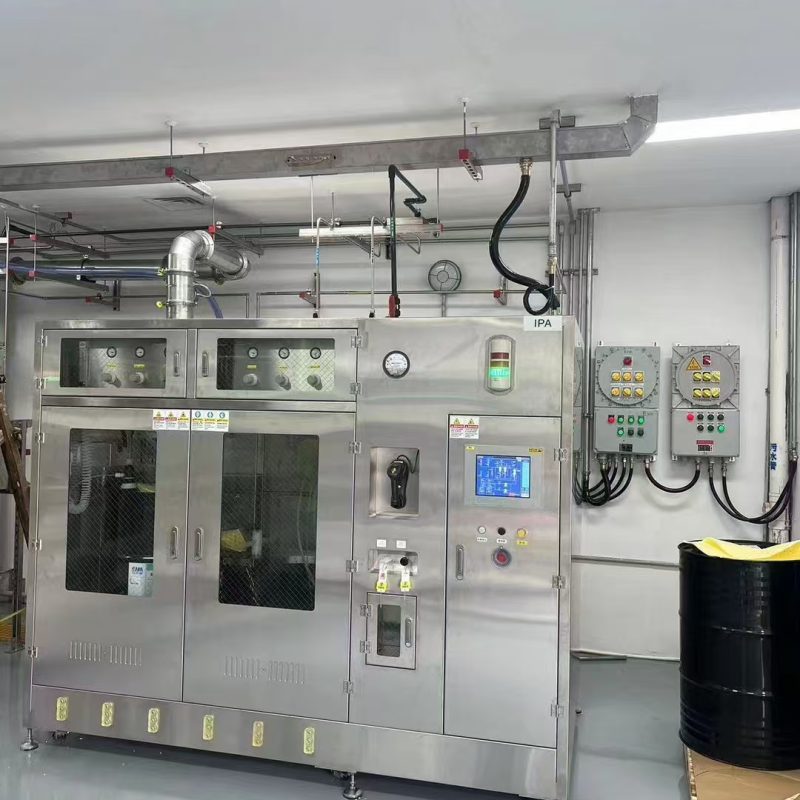
Acid Gas Scrubber System for Industrial Exhaust Gas Treatment
Industrial manufacturing processes can generate corrosive, toxic, and hazardous acid gases that must be effectively treated before exhaust is released into the atmosphere. Gases such as hydrogen chloride (HCl), sulfur dioxide (SO₂), hydrogen fluoride (HF), chlorine (Cl₂), sulfur oxides, and other acidic compounds can cause equipment corrosion, environmental pollution, and serious risks to workers and surrounding communities.
An acid gas scrubber system for industrial exhaust gas treatment provides an effective solution for removing these pollutants from industrial exhaust streams. By combining gas-liquid contact, chemical neutralization, mass transfer, and controlled exhaust discharge, an industrial scrubber can significantly reduce acid gas concentrations and help facilities meet environmental emission requirements.
For chemical plants, semiconductor fabs, metal processing facilities, pharmaceutical factories, laboratories, wastewater treatment plants, and other industrial applications, selecting the appropriate acid gas scrubber design is essential for achieving reliable and continuous exhaust gas treatment.
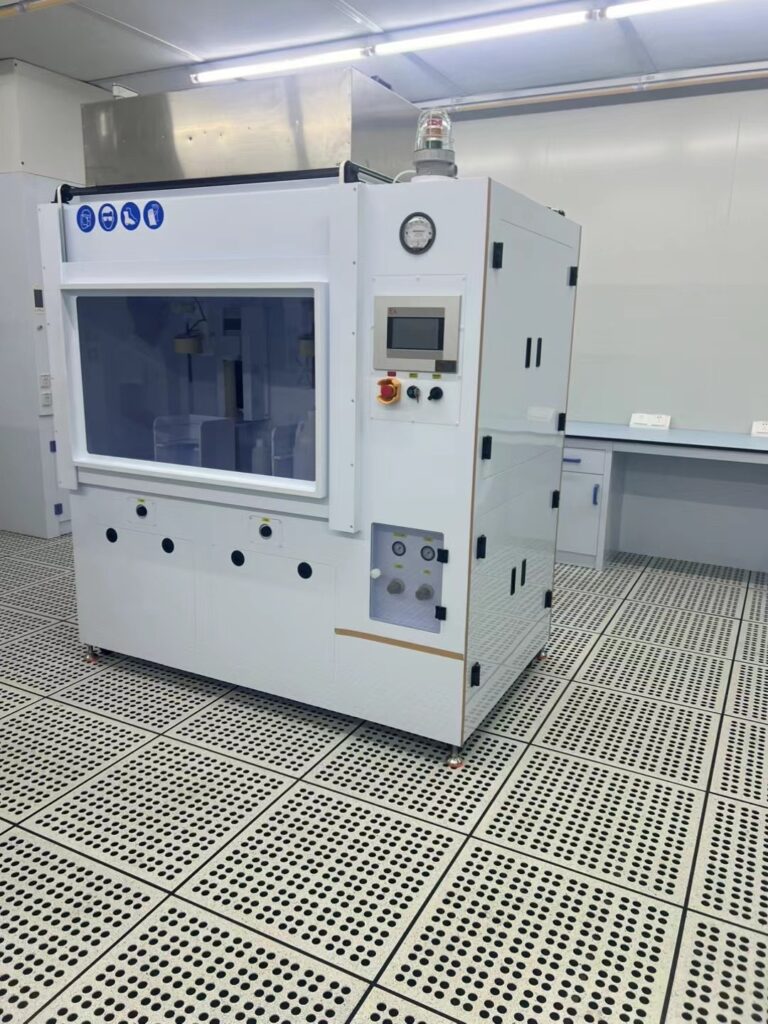
What Is an Acid Gas Scrubber System?
An acid gas scrubber system is an industrial air pollution control system designed to remove acidic and water-soluble contaminants from an exhaust gas stream.
In a typical wet acid gas scrubber, contaminated gas enters the scrubber tower and comes into contact with a circulating liquid. Depending on the target pollutant, the scrubbing liquid may be water or an alkaline chemical solution such as sodium hydroxide (NaOH).
As the gas and liquid come into contact, acid gases transfer from the gas phase into the liquid phase. Chemical reactions then neutralize the absorbed acidic compounds.
For example, when hydrogen chloride is treated with sodium hydroxide, the neutralization reaction can be represented as:
HCl + NaOH → NaCl + H₂O
Similarly, sulfur dioxide can react with an alkaline solution to form soluble sulfite or sulfate compounds.
The treated gas passes through a demister or mist eliminator before being discharged through the exhaust stack, while the circulating scrubbing liquid is monitored and controlled to maintain the required treatment efficiency.
How Does an Acid Gas Scrubber Work?
The operating principle of an acid gas scrubber system generally involves four major stages: gas collection, gas-liquid contact, chemical neutralization, and mist removal.
1. Industrial Exhaust Gas Collection
The contaminated exhaust gas is first collected from process equipment through an exhaust duct system.
Sources may include:
- Chemical processing equipment
- Semiconductor process tools
- Acid cleaning systems
- Plating and metal treatment lines
- Laboratory fume hoods
- Wastewater treatment processes
- Pharmaceutical production equipment
- Chemical storage and transfer systems
The exhaust fan creates negative pressure within the ductwork and transports contaminated gas toward the scrubber.
Proper exhaust collection is important because inadequate capture can allow corrosive or hazardous gases to escape into the working environment.
2. Gas-Liquid Contact
After entering the scrubber tower, the contaminated gas comes into contact with the circulating scrubbing liquid.
Different scrubber configurations can be used depending on the application. Packed-bed scrubbers are particularly common for acid gas removal because they provide a large surface area for gas-liquid mass transfer.
The packing material increases contact between the gas and liquid, allowing acid molecules to dissolve into the liquid more efficiently.
3. Acid Gas Neutralization
Once acid gases are absorbed into the liquid phase, a chemical reaction can neutralize the contaminants.
For many acidic gases, an alkaline solution is used to increase removal efficiency. Sodium hydroxide is one of the most widely used chemicals because it can effectively neutralize several common acid gases.
The scrubber control system can monitor parameters such as pH, liquid flow rate, pressure drop, temperature, and chemical concentration.
Automatic chemical dosing can then maintain the scrubbing solution within the required operating range.
4. Mist Elimination and Exhaust Discharge
After passing through the scrubbing section, the treated gas flows through a mist eliminator.
The demister removes entrained liquid droplets from the gas stream, helping prevent chemical carryover and reducing corrosion in downstream ductwork and exhaust stacks.
The treated gas can then be discharged through the exhaust stack in accordance with the facility’s emission control requirements.
Main Types of Acid Gas Scrubber Systems
The selection of scrubber technology depends on gas composition, flow rate, pollutant concentration, required removal efficiency, temperature, humidity, and available installation space.
Packed-Bed Scrubber
Packed-bed scrubbers are widely used for removing water-soluble acid gases.
Inside the tower, specially designed packing provides a large surface area for gas-liquid contact. The scrubbing liquid is distributed over the packing while contaminated gas flows through the tower.
Packed-bed systems are suitable for gases such as HCl, HF, SO₂, and other soluble acidic compounds.
Venturi Scrubber
A Venturi scrubber uses a high-velocity gas stream to atomize the scrubbing liquid and create intensive gas-liquid contact.
Venturi systems are particularly useful when the exhaust contains both gaseous pollutants and particulate matter.
However, they may require higher operating energy because of their relatively high pressure drop.
Spray Tower Scrubber
Spray towers use nozzles to introduce the scrubbing liquid into the exhaust gas stream.
Their simple design can provide reliable treatment for certain applications, especially where particulate loading is relatively low and high gas-liquid contact efficiency is not required.
Multi-Stage Scrubber System
For difficult industrial exhaust applications, a multi-stage scrubber may be used.
Different stages can be designed for different pollutants. For example, one stage may remove particulate matter while another stage uses alkaline solution for acid gas neutralization.
Multi-stage systems can provide greater flexibility when treating complex exhaust streams containing multiple contaminants.
Key Components of an Industrial Acid Gas Scrubber
A complete industrial exhaust gas treatment system typically consists of several integrated components.
Scrubber Tower
The scrubber tower provides the main gas-liquid contact area. The tower material must be selected according to the chemical composition and temperature of the exhaust.
Common materials include FRP, PP, PVC, PVDF, stainless steel, and other corrosion-resistant materials.
Circulation Pump
The circulation pump continuously transfers scrubbing liquid from the tank to the spray headers or distribution system.
Pump selection should consider chemical compatibility, flow rate, pressure, temperature, and operating conditions.
Spray Nozzles
Spray nozzles distribute the scrubbing liquid throughout the tower.
Uniform liquid distribution is critical because poor distribution can create channeling and reduce gas-liquid contact efficiency.
Packing Media
In packed-bed scrubbers, packing media provide a large surface area for mass transfer.
The packing material should have good chemical resistance, low pressure drop, and appropriate mechanical strength.
Demister
The demister removes liquid droplets from the treated gas before discharge.
Proper demister design helps reduce liquid carryover and protects downstream exhaust ducts and fans.
pH Control System
For alkaline wet scrubbing applications, pH control is an important part of automatic operation.
A pH sensor continuously monitors the scrubbing solution. When the pH falls below the predefined operating range, the control system can activate the chemical dosing pump.
Exhaust Fan
The exhaust fan provides the airflow required to transport contaminated gas through the system.
Fan selection must consider the required airflow, system pressure drop, gas temperature, and chemical environment.
Materials Selection for Corrosive Gas Treatment
Material selection is particularly important in acid gas scrubber design because the equipment may be exposed continuously to corrosive chemicals.
For many wet scrubber applications, FRP and polypropylene (PP) are commonly selected for the scrubber body because of their corrosion resistance.
For more aggressive chemical environments, materials such as PVDF, PTFE-lined components, or specialized corrosion-resistant alloys may be required.
The appropriate material depends on:
- Acid gas type
- Gas concentration
- Scrubbing chemical
- Operating temperature
- Liquid pH
- Chloride concentration
- Expected service life
- Mechanical requirements
A properly engineered material selection strategy can reduce maintenance requirements and extend the operating life of the scrubber.
Acid Gas Scrubber Design Considerations
A reliable scrubber system should be designed according to actual process conditions rather than using a standard tower configuration for every application.
Important design parameters include exhaust flow rate, pollutant concentration, gas temperature, humidity, inlet pressure, target outlet concentration, and required removal efficiency.
The scrubber must also be sized correctly to provide sufficient gas residence time and gas-liquid contact.
Pressure drop is another important consideration. Excessive pressure drop increases fan energy consumption, while insufficient gas-liquid contact can reduce pollutant removal efficiency.
Chemical consumption should also be considered during system design. An optimized dosing system can maintain adequate neutralization capacity while avoiding unnecessary chemical consumption.
Applications of Acid Gas Scrubber Systems
Acid gas scrubbers are used across a wide range of industries.
Semiconductor Manufacturing
Semiconductor fabrication processes may generate corrosive gases during etching, cleaning, deposition, and other processes.
Acid gas scrubbers can be integrated with fab exhaust systems to treat gases such as HCl, HF, and other process-related contaminants.
Chemical Manufacturing
Chemical plants can generate acidic exhaust during chemical reactions, storage, transfer, and production operations.
Scrubber systems can provide centralized or point-source exhaust treatment.
Metal Processing and Plating
Pickling, etching, surface treatment, and electroplating operations can produce acid fumes containing hydrochloric acid, sulfuric acid, nitric acid, and other corrosive compounds.
Wet scrubbers can capture and neutralize these emissions before atmospheric discharge.
Pharmaceutical and Laboratory Facilities
Laboratories and pharmaceutical production facilities may generate smaller-volume but potentially hazardous chemical exhaust.
Compact scrubber systems can be designed for fume hoods, process equipment, or localized exhaust applications.
Wastewater Treatment
Wastewater treatment processes may generate acidic or odorous gases. Scrubber technology can be integrated into wastewater exhaust treatment systems to reduce specific soluble contaminants.
Advantages of Wet Acid Gas Scrubbing
A properly designed wet scrubber offers several advantages for industrial exhaust gas treatment.
High removal efficiency: Gas-liquid mass transfer and chemical neutralization can effectively remove many water-soluble acid gases.
Continuous operation: Wet scrubbers can operate continuously for demanding industrial processes.
Automatic control: Modern systems can integrate PLC controls, pH monitoring, chemical dosing, liquid-level monitoring, alarms, and remote monitoring.
Flexible chemical treatment: The scrubbing solution can be selected according to the target pollutants.
Corrosion-resistant construction: Proper material selection allows scrubbers to handle aggressive chemical environments.
Scalable design: Systems can be engineered for laboratory-scale exhaust, individual process tools, or large centralized industrial exhaust systems.
How to Select an Acid Gas Scrubber System
Before selecting an acid gas scrubber system, users should provide detailed process information to the equipment supplier.
The most important information includes:
- Exhaust gas composition
- Maximum and normal airflow
- Inlet pollutant concentration
- Gas temperature
- Required outlet concentration
- Required treatment efficiency
- Operating hours per day
- Available installation space
- Scrubbing chemical requirements
- Local environmental regulations
For mixed exhaust streams, a detailed gas composition analysis is particularly important. Different pollutants may require different treatment mechanisms, and a single scrubber stage may not always be sufficient.
Automatic Control and Monitoring
Modern industrial scrubbers increasingly use PLC-based automatic control systems.
A control panel can monitor pH, liquid level, pump status, fan status, pressure differential, chemical dosing, and abnormal operating conditions.
When a parameter exceeds the predefined limit, the system can activate an alarm or initiate a protective shutdown.
Remote monitoring can also provide operators with real-time operating information and maintenance alerts.
Automation improves process stability while reducing the need for continuous manual intervention.
Maintenance of Industrial Scrubber Systems
Regular maintenance is necessary to maintain stable scrubber performance.
Operators should periodically inspect:
- Scrubber packing
- Spray nozzles
- Circulation pumps
- Demister pads
- pH sensors
- Chemical dosing pumps
- Exhaust fans
- Ductwork
- Valves and pipelines
- Liquid tanks
Packing and nozzles should be checked for clogging, scaling, or chemical damage. Sensors should be calibrated according to the manufacturer’s recommendations.
Maintaining the correct liquid level, circulation flow, and chemical concentration is also essential for stable acid gas neutralization.
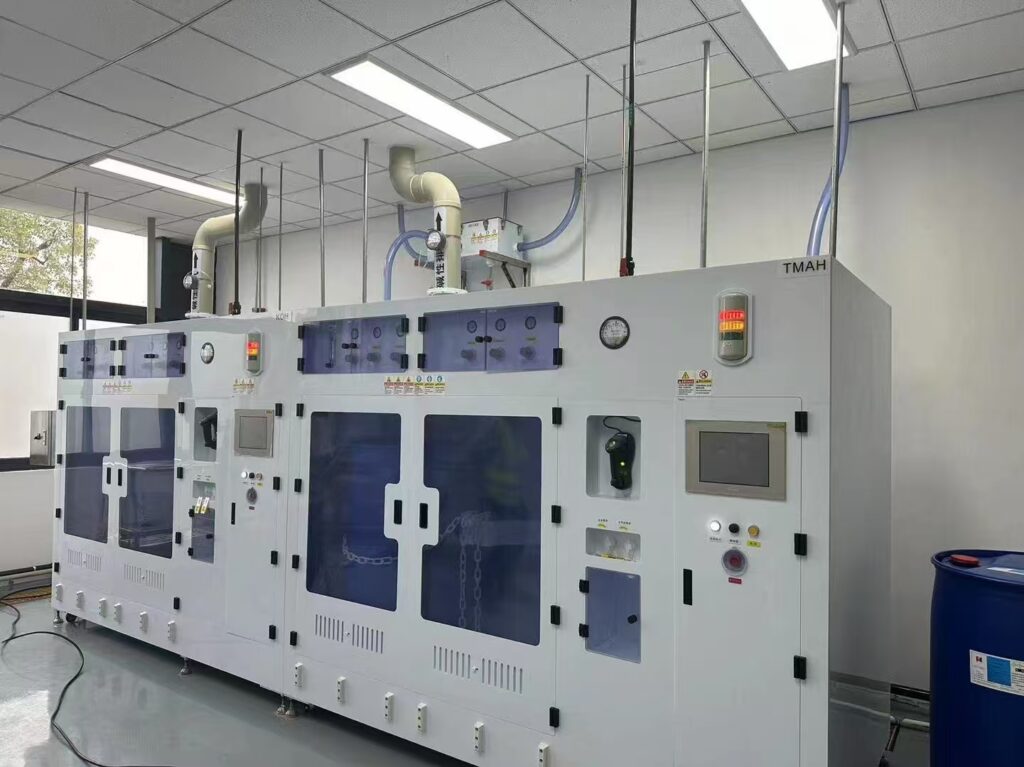
Conclusion
An acid gas scrubber system for industrial exhaust gas treatment is an important technology for controlling corrosive and water-soluble pollutants generated by industrial processes.
By combining efficient gas-liquid contact, chemical neutralization, mist elimination, corrosion-resistant construction, and automatic monitoring, a properly designed scrubber can provide reliable treatment for applications ranging from semiconductor manufacturing and chemical processing to metal finishing, laboratories, pharmaceuticals, and wastewater treatment.
The most suitable system depends on the actual exhaust gas composition, airflow, pollutant concentration, operating temperature, required removal efficiency, and site conditions. Therefore, professional process analysis and customized engineering are essential when selecting an industrial scrubber.
For facilities dealing with HCl, HF, SO₂, chlorine, acid fumes, or other corrosive exhaust gases, a customized wet scrubber or multi-stage exhaust gas treatment system can provide an effective approach to acid gas neutralization and environmental emission control.
For more about acid gas scrubber system for industrial exhaust gas treatment, you can pay a visit to Jewellok at https://www.jewellok.com/ for more info.
-
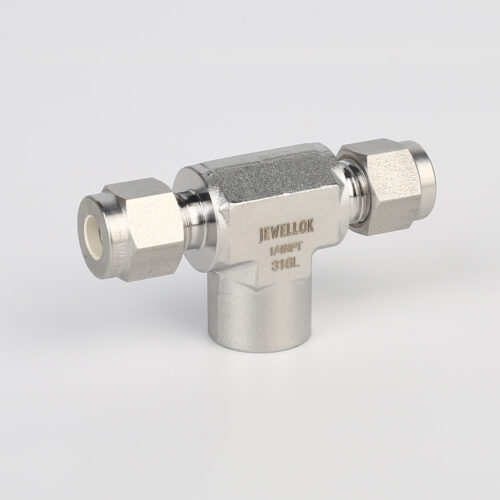
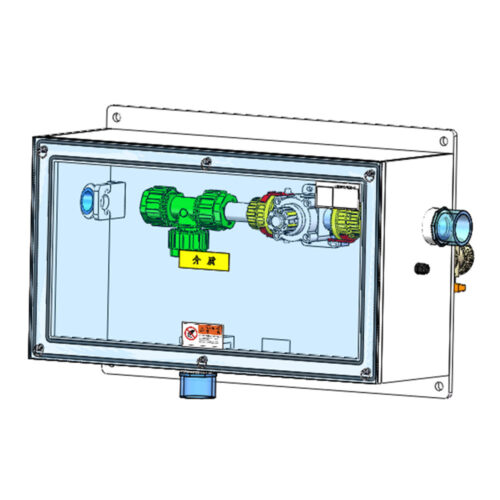
772 LF Female Branch Tee | Stainless Steel Tube Fitting Female Branch Tee 1/2 in. Tube OD x 1/2 in. Tube OD x 3/8 in. Female NPT
-
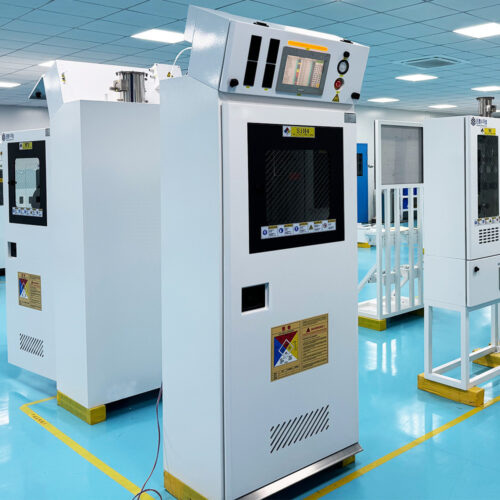
Scrubber Tail Gas Treatment Cabinet Waste Gas Treatment Wet Scrubber Exhaust Gas Treatment Spray Tower
-
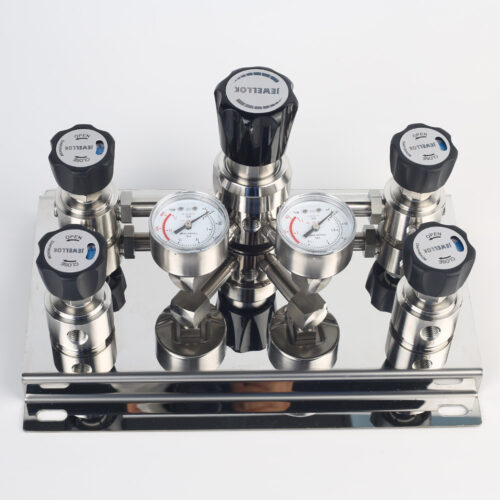
Single Stage Wall And Cabinet Mounting Pressure Control Panels JSP-2E Series For High Purity Gases
-
Laboratory Gas Pipeline System With 316L VIM-VAR Stainless Steel Pipeline And Ultra High Purity Gas Delivery System
-
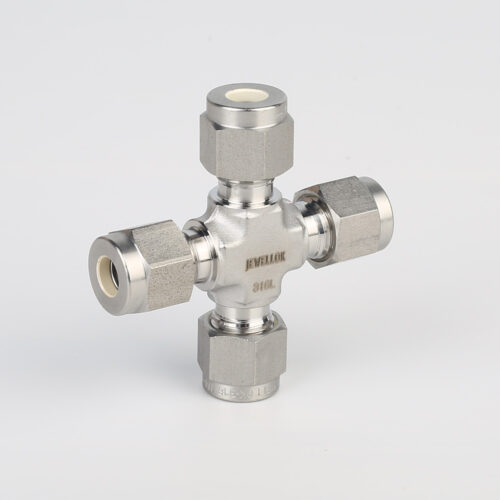
7102L Stainless Steel 316L SS Union Cross Ultra High Purity Long Arm Union Elbow Tee Cross Butt Weld Fittings
-
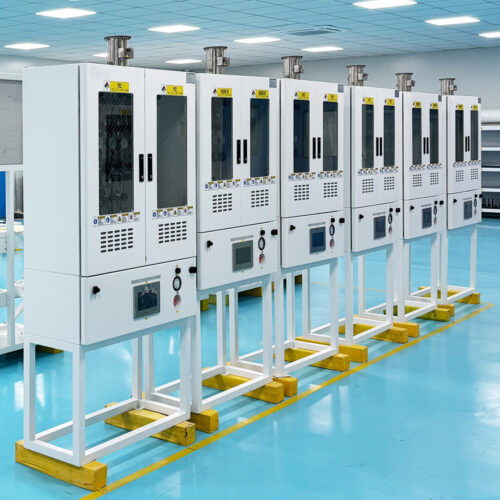
Ultra-High Purity Chemical Delivery Module (CDM) and Valve Manifold Box Integration Improving Semiconductor Yield
-
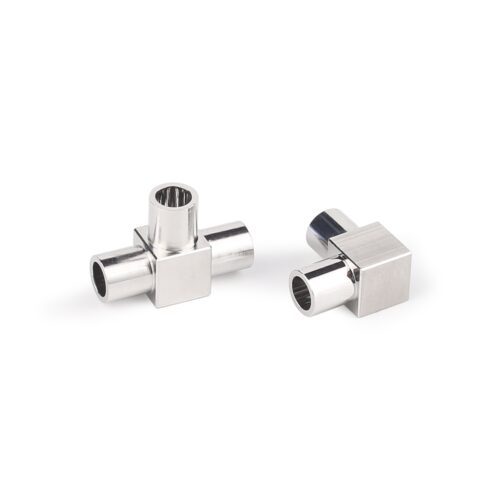
Stainless Steel Mini Elbow Mini Tee Mini Cross Mini Tribow Ultrahigh Purity Mini Butt Weld Fittings
-
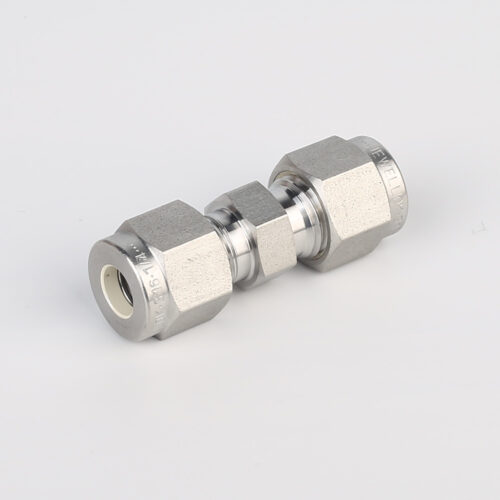
762L Stainless Steel High Purity Union High-Purity Gas System Fittings