
Valves Manufacturer Tel: +86 13380377051
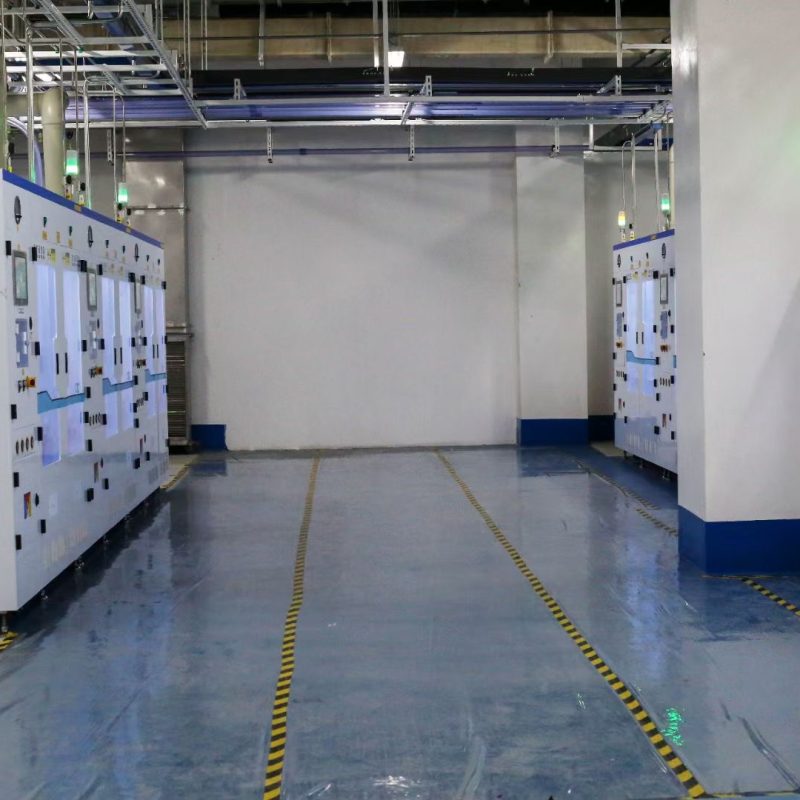
Polypropylene Chemical Exhaust Scrubber for Industrial Waste Gas Treatment
Industrial manufacturing processes can generate corrosive, toxic, odorous, and chemically reactive waste gases that require reliable treatment before discharge into the atmosphere. Industries such as semiconductor manufacturing, chemical processing, pharmaceuticals, electroplating, metal finishing, laboratories, and specialty chemical production may release acidic gases, alkaline compounds, solvent vapors, and other hazardous air pollutants.
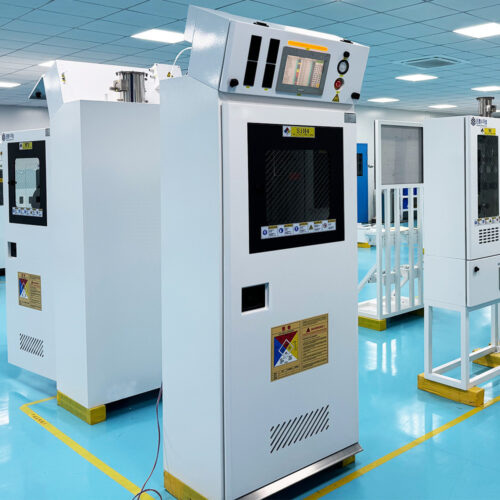
A polypropylene chemical exhaust scrubber is a widely used wet gas treatment solution for controlling these pollutants. Constructed primarily from polypropylene (PP), the scrubber combines corrosion resistance, chemical compatibility, mechanical durability, and relatively low operating costs. Depending on the process conditions, a polypropylene scrubber can be designed as a packed-bed scrubber, spray scrubber, or customized multi-stage gas treatment system.
This article explains the construction, working principle, advantages, applications, design considerations, and maintenance requirements of polypropylene chemical exhaust scrubbers for industrial waste gas treatment.
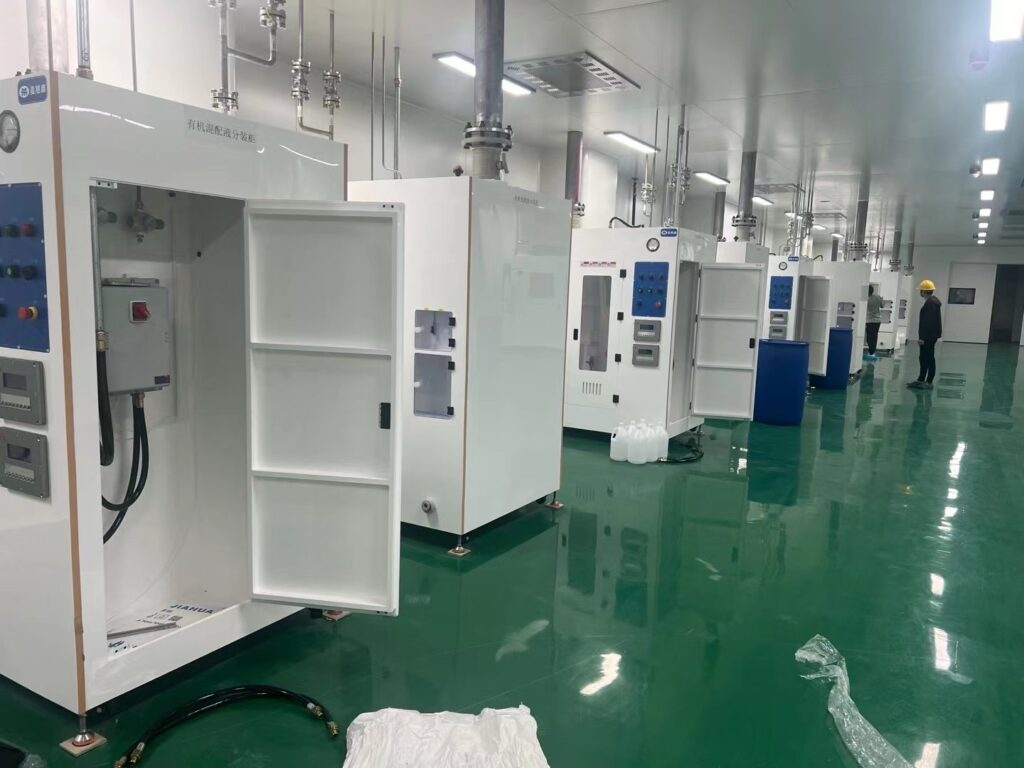
What Is a Polypropylene Chemical Exhaust Scrubber?
A polypropylene chemical exhaust scrubber is a wet pollution-control system designed to remove soluble, reactive, or particulate contaminants from industrial exhaust gas.
The basic treatment process involves bringing contaminated gas into contact with a liquid scrubbing solution. Pollutants are transferred from the gas phase into the liquid phase through absorption, chemical reaction, or a combination of both.
Polypropylene is commonly selected as the construction material because it provides excellent resistance to many acids, alkalis, salts, and other aggressive chemicals. Unlike conventional carbon steel, PP does not readily corrode under many chemical exhaust conditions.
A typical system may include:
- Polypropylene scrubber tower
- Gas inlet and outlet
- Packing media
- Spray nozzles
- Recirculation tank
- Circulation pump
- Mist eliminator
- Liquid distribution system
- pH monitoring and control
- Differential-pressure monitoring
- Exhaust fan
- Dosing system
- Control panel
- Drain and wastewater connections
The actual configuration depends on the composition, concentration, temperature, flow rate, and required removal efficiency of the exhaust gas.
How Does a Polypropylene Scrubber Work?
The operating principle of a wet chemical scrubber is based on intimate contact between contaminated gas and a liquid absorbent.
First, industrial exhaust enters the scrubber through the gas inlet. Depending on the tower design, the gas may flow upward while the scrubbing liquid flows downward, creating counter-current contact.
In a packed-bed configuration, the gas passes through a bed of specially designed packing materials. A circulation pump delivers scrubbing liquid to the top of the packing section through spray nozzles or a liquid distributor. The liquid wets the packing surfaces and creates a large contact area between the gas and liquid.
When contaminated gas contacts the liquid, soluble pollutants are absorbed into the scrubbing solution. If necessary, chemicals are added to the liquid to promote a neutralization or oxidation reaction.
For example, acidic gases can be treated using alkaline solutions. The alkaline solution reacts with acidic compounds, converting them into less hazardous dissolved salts.
After treatment, the cleaned gas passes through a mist eliminator to remove entrained liquid droplets before leaving the scrubber through the exhaust outlet.
The treated wastewater is periodically drained or continuously managed depending on the system design.
Why Polypropylene Is Used for Chemical Exhaust Scrubbers
Material selection is one of the most important considerations in chemical exhaust treatment.
Polypropylene offers several properties that make it suitable for corrosive gas treatment equipment.
1. Excellent Chemical Resistance
PP provides good resistance to many acids, bases, salts, and chemical solutions commonly encountered in industrial exhaust treatment.
This makes polypropylene particularly suitable for applications involving corrosive exhaust gases where conventional metallic materials may experience accelerated corrosion.
2. Lightweight Construction
Compared with many metal alternatives, polypropylene is relatively lightweight. This can simplify transportation, installation, maintenance, and structural support requirements.
Large scrubber towers can therefore be fabricated with practical handling and installation considerations.
3. Corrosion Resistance
The non-metallic construction of PP eliminates many corrosion problems associated with steel equipment. This can contribute to longer service life when the material is correctly matched to the process chemistry and operating temperature.
4. Smooth Internal Surface
Polypropylene has a relatively smooth surface that can help reduce deposits and facilitate cleaning. Proper internal fabrication also supports stable liquid flow through the tower.
5. Custom Fabrication
PP sheets can be fabricated and welded into customized scrubber housings, tanks, ducts, and associated components. This allows manufacturers to design systems according to specific gas flow rates, dimensions, installation spaces, and process requirements.
Main Types of Polypropylene Chemical Scrubbers
Different exhaust conditions require different scrubber configurations.
Packed-Bed Scrubber
Packed-bed scrubbers are among the most common designs for chemical exhaust treatment.
The tower contains packing media that increases the surface area available for gas-liquid contact. Scrubbing liquid flows over the packing while exhaust gas passes through it.
Packed towers are particularly suitable for removing soluble acid and alkaline gases and can achieve high mass-transfer efficiency when properly designed.
Spray Tower Scrubber
Spray scrubbers use nozzles to atomize the scrubbing liquid into droplets. The increased liquid surface area promotes contact between the exhaust gas and treatment solution.
Spray towers can be useful for applications where particulate removal, gas cooling, or relatively simple absorption is required.
Multi-Stage Scrubber
Some industrial exhaust streams contain multiple pollutants with different chemical properties. A multi-stage scrubber can use separate treatment sections, allowing different scrubbing solutions or operating conditions to be applied.
For example, one stage may remove acidic components while another stage provides additional chemical treatment or polishing.
High-Efficiency Chemical Scrubber
For demanding applications, scrubbers can incorporate optimized packing, multiple liquid-distribution levels, high-performance mist eliminators, automatic chemical dosing, and advanced monitoring.
These systems are often customized according to the required emission limits and process conditions.
Typical Industrial Applications
Polypropylene chemical exhaust scrubbers are used across a wide range of industries.
Semiconductor Manufacturing
Semiconductor fabrication can generate corrosive and hazardous process gases during etching, cleaning, deposition, and other manufacturing operations.
Scrubber systems may be integrated with facility exhaust systems to treat specific gas streams before discharge.
Chemical Manufacturing
Chemical plants can produce acid gases, alkaline vapors, reactive compounds, and odors. PP scrubbers can be configured for continuous treatment of these process exhaust streams.
Pharmaceutical Manufacturing
Pharmaceutical production may involve solvents, reactive chemicals, and process vapors. Depending on the pollutant characteristics, wet scrubbers can provide absorption and neutralization treatment.
Electroplating and Metal Finishing
Electroplating operations may generate acidic or alkaline fumes. Polypropylene ducting and scrubber systems are frequently considered for these corrosive environments.
Laboratory Exhaust
Research laboratories can produce relatively low-volume but chemically diverse exhaust. Compact PP scrubbers can be designed for laboratory-scale or centralized exhaust systems.
Chemical Storage and Mixing
Chemical storage tanks, mixing stations, and transfer systems can release vapors during filling and processing. Scrubbers can be connected to these ventilation systems to control emissions.
Key Design Parameters
Selecting or designing a polypropylene chemical exhaust scrubber requires detailed process information.
Exhaust Gas Flow Rate
The gas flow rate determines the required tower diameter and internal gas velocity. Insufficient capacity may result in excessive pressure drop or reduced treatment performance.
Pollutant Concentration
The type and concentration of contaminants directly influence the required liquid-to-gas ratio, packing design, chemical dosing, and number of treatment stages.
Gas Temperature
PP has a defined operating-temperature range. Therefore, the exhaust temperature must be considered carefully. If the gas is too hot, a cooling or quenching stage may be required before the gas enters the polypropylene scrubber.
Chemical Compatibility
The scrubber material and internal components must be compatible with both the exhaust contaminants and the selected scrubbing solution.
While PP provides broad chemical resistance, it should not be treated as universally resistant to every chemical or operating condition.
Pressure Drop
Packing configuration, gas velocity, mist eliminator design, and tower geometry all affect pressure drop. The scrubber should be designed to provide effective gas-liquid contact without creating excessive resistance for the exhaust fan.
Removal Efficiency
The required pollutant removal efficiency determines the overall system configuration. Higher removal requirements may require increased packing height, additional stages, optimized liquid distribution, or chemical dosing.
Chemical Solutions Used in Wet Scrubbing
The scrubbing liquid must be selected according to the target pollutant.
For acidic gases, alkaline solutions are commonly used to neutralize the contaminants. Sodium hydroxide is one example of an alkaline reagent used in appropriate applications.
For alkaline contaminants, an acidic scrubbing solution may be selected.
Oxidizing agents can also be used for specific pollutants when compatible with the process and safety requirements.
The selection of chemicals should consider pollutant chemistry, reaction products, wastewater handling, corrosion compatibility, worker safety, and operating costs.
Automatic pH control can help maintain the scrubbing solution within the desired operating range. Sensors can continuously monitor pH and trigger chemical dosing when necessary.
Automatic Control and Monitoring
Modern chemical scrubbers can incorporate PLC-based control systems for stable and automated operation.
Typical monitoring parameters include:
- Scrubbing liquid pH
- Circulation flow
- Tank liquid level
- Pump operating status
- Differential pressure
- Exhaust fan status
- Chemical dosing
- Temperature
- Alarm conditions
If the liquid level becomes too low, the circulation pump can be protected through an interlock. A high differential pressure alarm can indicate packing blockage, excessive deposits, or mist eliminator fouling.
These monitoring functions improve operational reliability and help operators identify abnormal conditions before they develop into major equipment problems.
Maintenance of Polypropylene Scrubber Systems
Although PP scrubbers are resistant to corrosion, regular maintenance remains essential.
The packing should be inspected periodically for scaling, clogging, or chemical deposits. Spray nozzles and liquid distributors should be checked to ensure uniform liquid distribution.
The circulation pump requires routine inspection, particularly for seal condition, vibration, and flow performance.
Mist eliminators should also be inspected and cleaned when necessary. Excessive deposits can increase pressure drop and reduce gas flow.
pH sensors and other instruments should be calibrated according to the manufacturer’s recommended maintenance schedule.
The scrubber tank and internal PP welds should be inspected periodically for mechanical damage, leakage, or abnormal deformation.
How to Select a Polypropylene Chemical Exhaust Scrubber
Before selecting a scrubber, users should provide detailed process information to the equipment supplier.
Important parameters include:
- Exhaust gas flow rate
- Gas temperature
- Pollutant types
- Pollutant concentration
- Required removal efficiency
- Operating pressure
- Available installation space
- Scrubbing chemical
- Continuous or intermittent operation
- Applicable environmental regulations
A supplier can then determine the appropriate tower diameter, packing height, circulation capacity, pump specification, mist eliminator configuration, and control system.
For highly corrosive applications, material compatibility should be evaluated not only for the main tower but also for pumps, valves, nozzles, pipes, seals, instruments, and other wetted components.
Polypropylene Chemical Exhaust Scrubber Manufacturer and System Integration
A reliable scrubber supplier should be capable of providing more than a standalone tower. Complete exhaust treatment projects may require integration of the scrubber with PP ductwork, exhaust fans, chemical dosing systems, wastewater management, sensors, PLC controls, and factory exhaust networks.
Customized engineering is particularly important for semiconductor fabs, chemical plants, laboratories, and other facilities where exhaust characteristics can vary significantly between processes.
A properly engineered system should balance pollutant removal performance, pressure drop, energy consumption, chemical consumption, maintenance requirements, footprint, and long-term operating costs.
Conclusion
A polypropylene chemical exhaust scrubber provides a practical wet treatment solution for industrial waste gas containing corrosive, soluble, reactive, or particulate contaminants. Its combination of chemical resistance, lightweight construction, smooth internal surfaces, and fabrication flexibility makes PP suitable for many demanding exhaust treatment applications.
The performance of a scrubber, however, depends on more than the tower material. Gas flow rate, pollutant chemistry, concentration, temperature, packing design, liquid distribution, chemical dosing, pressure drop, mist elimination, and automatic control must all be considered during system design.
For industrial facilities seeking reliable waste gas treatment, a customized polypropylene scrubber can be integrated with exhaust ducts, pumps, chemical dosing, monitoring instruments, and PLC controls to create a complete chemical exhaust treatment system.
By matching the scrubber configuration and materials to the actual process conditions, manufacturers can achieve stable gas treatment performance while supporting equipment durability, operational safety, and compliance with applicable environmental requirements.
For more about polypropylene chemical exhaust scrubber for industrial waste gas treatment, you can pay a visit to Jewellok at https://www.jewellok.com/ for more info.
-

Custom Chemical Delivery System (CDS) Engineering for Hazardous Etchants and Volatile Organic Solvent Distribution Systems
-
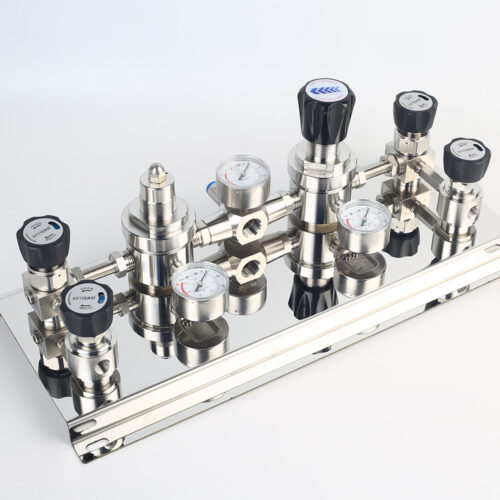
Stainless Steel Single Stage Semiconductor Grade Pressure Control Module Pressure Control Panels JSP-6A Series
-

Liquid Chemical Delivery Module (CDM) Maintenance: Optimizing UHP Diaphragm Valves for Maximum System Process Uptime
-
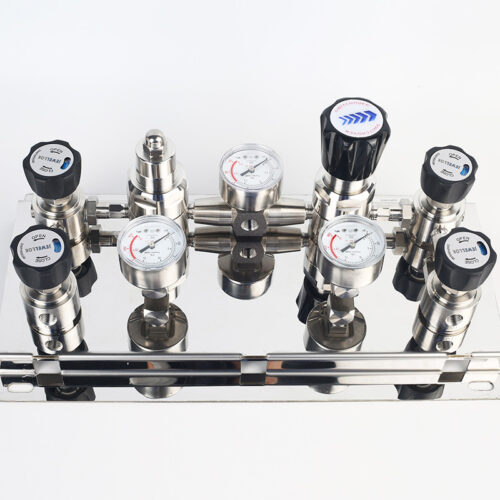
Semi Automatic Gas Changeover Manifold System Manual Changeover Manifold Panel Single Stage Automatic Switchover Board
-
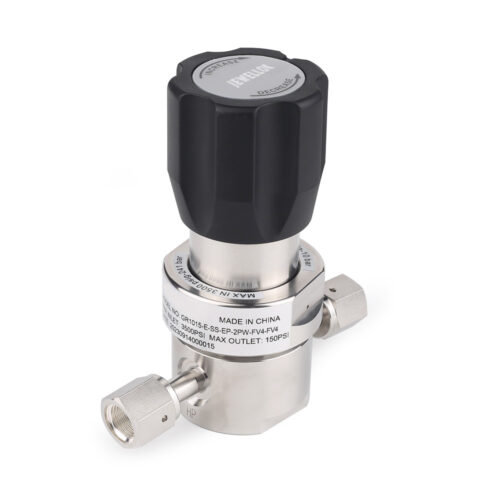
Premium Grade Ultra High Purity Gas Valve Solutions Sourced Directly from China for Critical Semiconductor and Advanced Photovoltaic Gas Distribution Lines
-
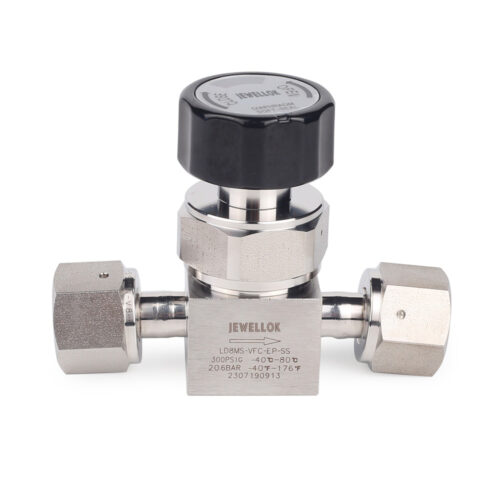
Flow Control Stainless Steel Low Pressure Manual Diaphragm Valve For High Purity And Ultra High Purity Gases
-
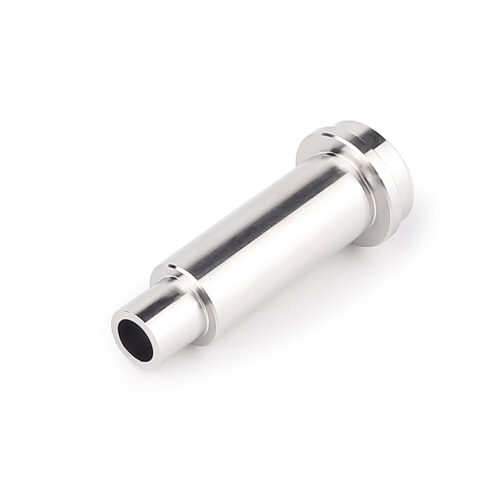
UHP Metal Gasket Face Seal Fittings Vacuum Coupling Metal Face Seal Join Long Gland And Short Gland
-
Laboratory Gas Pipeline System With 316L VIM-VAR Stainless Steel Pipeline And Ultra High Purity Gas Delivery System