
Valves Manufacturer Tel: +86 13380377051
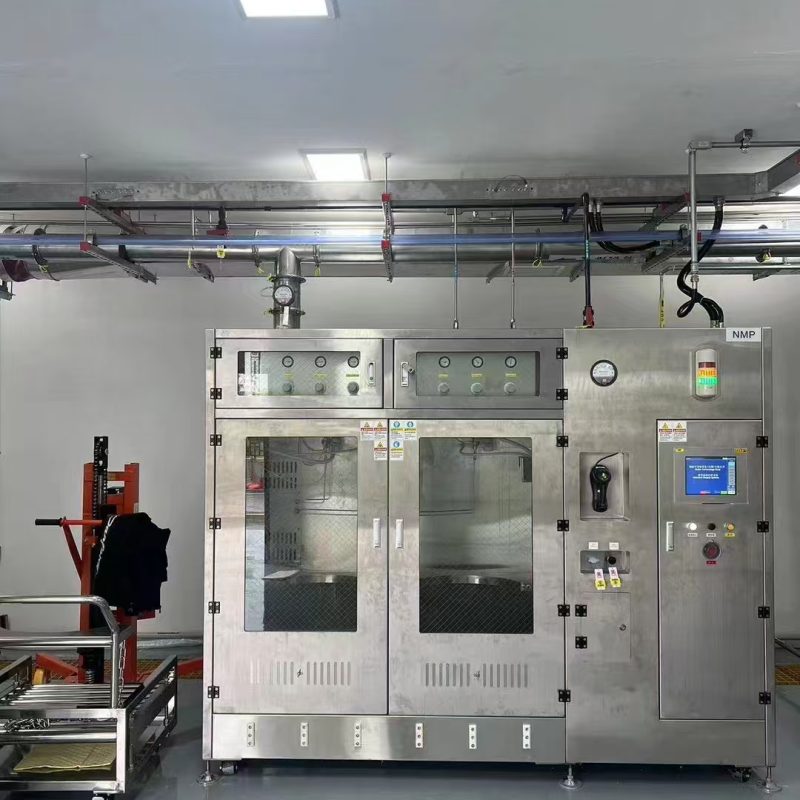
Laboratory Gas Scrubbing System for Chemical Exhaust Gas Treatment
1. Introduction to Laboratory Gas Scrubbing Systems
Laboratory gas scrubbing systems are essential environmental protection devices designed to remove hazardous gases, chemical vapors, and airborne contaminants generated during laboratory experiments, chemical processing, and analytical testing. These systems help laboratories control exhaust emissions, protect personnel, maintain indoor air quality, and comply with applicable environmental regulations.
Chemical laboratories frequently handle corrosive, toxic, irritating, and volatile substances, including hydrochloric acid, sulfuric acid, ammonia, hydrogen sulfide, nitrogen oxides, and various organic solvents. During chemical reactions, heating, evaporation, or sample preparation, these substances may be released into exhaust streams. Without appropriate treatment, chemical exhaust gas can present risks to laboratory workers, damage ventilation equipment, and contribute to environmental pollution.
A laboratory gas scrubbing system uses physical absorption, chemical neutralization, or other suitable gas treatment mechanisms to reduce contaminant concentrations before exhaust air is discharged. Depending on the chemical composition and operating conditions, the system may incorporate wet scrubbers, packed towers, spray chambers, chemical dosing units, demisters, circulation pumps, and automatic monitoring equipment.
Selecting an appropriate laboratory exhaust gas treatment system requires a thorough understanding of the exhaust composition, gas flow rate, contaminant concentration, chemical compatibility, and required removal efficiency. A properly engineered system provides reliable treatment performance while supporting safe and efficient laboratory operations.
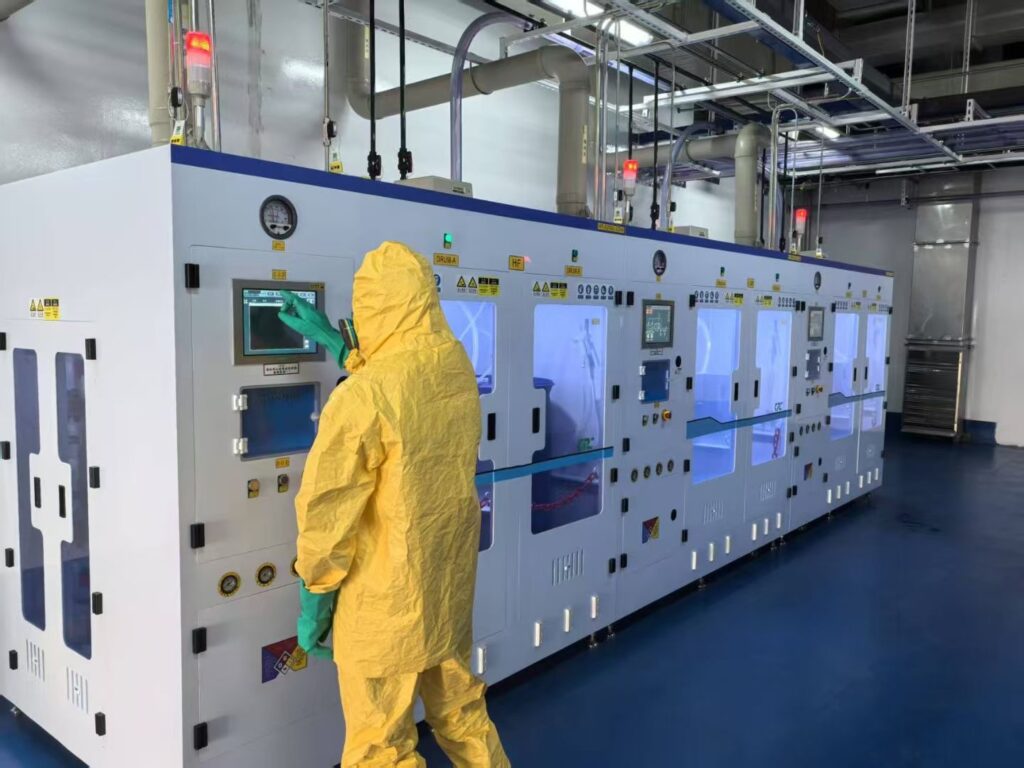
2. What Is a Laboratory Gas Scrubbing System?
A laboratory gas scrubbing system is an integrated gas treatment installation that removes selected pollutants from exhaust air through contact with a liquid absorbent or reactive treatment solution.
In a typical wet scrubbing process, contaminated gas enters a scrubber chamber and contacts a circulating liquid. Soluble contaminants transfer from the gas phase into the liquid phase, while reactive compounds may undergo chemical neutralization or oxidation-reduction reactions. The treated gas then passes through a mist eliminator before being discharged through the exhaust duct.
The treatment process generally includes four main stages:
- Gas collection: Contaminated air is collected from laboratory fume hoods, chemical reactors, experimental equipment, or process enclosures.
- Gas-liquid contact: The exhaust stream contacts a suitable scrubbing solution through spray nozzles, packing materials, or other contact devices.
- Chemical treatment: Target pollutants dissolve in the liquid or react with treatment chemicals to form less hazardous products.
- Mist separation and discharge: A demister removes entrained liquid droplets, and the treated gas is conveyed to the designated exhaust outlet.
The exact configuration depends on the pollutants involved. A system designed for acidic exhaust gases may use an alkaline solution, whereas ammonia-containing exhaust may require an acidic absorbent. Certain contaminants may need oxidation, reduction, adsorption, or multiple treatment stages.
It is important to recognize that no single scrubbing solution can effectively remove every type of chemical contaminant. Proper system design begins with identifying the pollutants and selecting a treatment mechanism suited to their chemical properties.
3. Common Chemical Exhaust Gases in Laboratories
Laboratory exhaust gas can contain a wide variety of pollutants. Understanding their characteristics is essential for selecting suitable scrubbing equipment and treatment chemicals.
3.1 Acidic Exhaust Gases
Acidic gases may be generated during acid digestion, chemical synthesis, metal treatment, and other laboratory processes. Common examples include hydrogen chloride, hydrogen fluoride, sulfur dioxide, and certain nitrogen oxides.
These gases may cause respiratory irritation, corrosion, or environmental damage. Alkaline scrubbing solutions are frequently used to neutralize suitable acidic contaminants.
For example, sodium hydroxide solutions may be applied to hydrochloric acid-containing exhaust. However, hydrogen fluoride requires particular attention because of its toxicity and compatibility concerns. Materials, containment arrangements, and treatment chemistry must be selected specifically for the application.
3.2 Alkaline Exhaust Gases
Ammonia is a common alkaline gas encountered in chemical laboratories, analytical facilities, and certain research environments.
Water absorption may be suitable for some ammonia streams, while acidic scrubbing solutions can improve removal through chemical reaction. The required liquid circulation rate, pH range, and treatment capacity depend on the ammonia concentration and exhaust flow rate.
3.3 Toxic and Reactive Gases
Some laboratory operations generate hydrogen sulfide, chlorine, or other toxic and reactive gases. Their treatment may require specialized absorption chemistry, oxidation-reduction processes, or multiple treatment stages.
These applications demand careful evaluation of reaction products, chemical compatibility, potential heat generation, and the consequences of treatment failure. Highly hazardous gases should not be managed solely through a general-purpose scrubber without application-specific engineering.
3.4 Volatile Organic Compounds
Volatile organic compounds (VOCs) may originate from solvents, cleaning agents, sample preparation, and chemical synthesis.
Because many VOCs have limited water solubility, conventional water-based scrubbing may provide inadequate removal. Depending on the compounds and concentrations, appropriate technologies may include activated carbon adsorption, condensation, thermal oxidation, or specialized absorption systems.
When exhaust contains both VOCs and inorganic gases, an integrated treatment arrangement may be required.
4. Working Principle of a Wet Laboratory Gas Scrubber
Wet scrubbing is widely used for suitable laboratory exhaust applications because it provides effective gas-liquid contact and can support chemical neutralization.
The treatment process begins when an exhaust fan draws contaminated air from the laboratory collection system. The gas enters the scrubber through an inlet designed to distribute the flow evenly and reduce excessive turbulence.
Inside the scrubber, the gas contacts a circulating liquid through spray nozzles or a packed bed. Packing materials increase the available contact area between the gas and liquid, improving mass transfer when properly selected and operated.
As the gas and liquid interact, soluble pollutants transfer into the liquid. Reactive contaminants may then undergo chemical reactions that reduce their concentration in the gas stream.
The treated gas passes through a mist eliminator, which captures entrained liquid droplets and helps prevent chemical carryover into downstream ductwork. The gas then proceeds to the exhaust outlet.
Meanwhile, the scrubbing liquid collects in a sump or circulation tank. A pump returns the liquid to the distribution system. Chemical dosing equipment may replenish the neutralizing agent, while pH, liquid level, and other instruments monitor operating conditions.
As contaminants accumulate, the scrubbing liquid may require controlled replacement or treatment. Spent solution must be managed according to its chemical composition and applicable wastewater and hazardous-waste requirements.
A successful wet scrubbing process depends on more than the presence of liquid. Gas-liquid contact time, liquid distribution, temperature, pH, contaminant loading, and chemical reaction rates all influence removal performance.
5. Main Components of a Laboratory Gas Scrubbing System
A complete laboratory gas scrubbing installation consists of several coordinated components.
5.1 Scrubber Tower
The scrubber tower provides the main contact chamber for gas treatment. Depending on the application, it may use a packed bed, spray section, or another suitable gas-liquid contact arrangement.
Tower dimensions, internal structures, and operating parameters should be determined according to gas flow, pollutant concentration, pressure drop, and required removal performance.
5.2 Circulation Pump and Liquid Tank
The circulation pump continuously supplies treatment liquid to the scrubber. The liquid tank stores the circulating solution and provides space for liquid collection and chemical conditioning.
Pump selection must consider chemical compatibility, flow requirements, operating temperature, and the possibility of solids formation or crystallization.
5.3 Chemical Dosing System
The dosing system introduces neutralizing or treatment chemicals into the circulating liquid. Automated dosing can help maintain suitable process conditions and reduce unnecessary chemical consumption.
Depending on the application, the system may use pH measurement, dosing pumps, chemical storage tanks, and control valves.
5.4 Mist Eliminator
A mist eliminator removes liquid droplets carried by the treated gas. This component helps reduce chemical carryover, downstream duct contamination, and unwanted liquid discharge.
Its performance depends on droplet size, gas velocity, maintenance condition, and the properties of the liquid being treated.
5.5 Exhaust Fan and Ductwork
The exhaust fan provides the airflow required to collect and convey laboratory emissions through the treatment system.
Ductwork must be designed for the expected flow rate, pressure losses, chemical exposure, and operating temperature. Appropriate corrosion-resistant materials and accessible inspection points help support long-term reliability.
5.6 Monitoring and Control System
The control system coordinates pumps, fans, chemical dosing, alarms, and other equipment.
Typical monitoring points include liquid level, circulation flow, pH, differential pressure, and fan operating status. Depending on the hazard assessment, additional gas detection, temperature monitoring, or other protective functions may be necessary.
6. Material Selection and Chemical Compatibility
Material selection is a critical factor in laboratory gas scrubbing system design. Chemical exhaust can contain substances that attack ordinary metals, degrade plastics, or damage elastomeric seals.
Common construction materials include polypropylene (PP), polyvinyl chloride (PVC), chlorinated polyvinyl chloride (CPVC), polyvinylidene fluoride (PVDF), and selected corrosion-resistant metals.
Polypropylene is frequently considered for suitable low-temperature corrosive gas applications because of its chemical resistance and fabrication flexibility. PVC and CPVC may be appropriate for certain exhaust systems, depending on temperature and chemical exposure. PVDF can provide enhanced resistance in applications involving selected aggressive chemicals or higher temperatures within its specified limits.
No material should be selected based on its general reputation alone. Compatibility must be checked against the actual chemical concentration, temperature, exposure duration, mechanical loading, and cleaning procedure.
The same evaluation applies to pump seals, valve seats, gaskets, instrument connections, and dosing lines. Incompatible components may deteriorate even when the main scrubber tower remains intact.
A comprehensive materials review reduces leakage risks, unexpected maintenance, and premature equipment failure.
7. How to Select the Right Laboratory Gas Scrubbing System
Choosing an appropriate scrubber requires an engineering assessment of the laboratory’s operating conditions.
7.1 Identify Exhaust Composition
The first step is to identify all significant contaminants, including their chemical properties, concentrations, and potential reaction products.
Mixed exhaust streams may require separate treatment stages because acidic gases, alkaline gases, and organic compounds do not necessarily respond to the same treatment chemistry.
7.2 Determine Exhaust Flow Rate
The system must accommodate the actual exhaust volume generated by connected equipment. Design calculations should consider simultaneous operation, changes in experimental activity, fume hood requirements, and the pressure losses throughout the ductwork.
Undersized equipment may provide inadequate treatment or disrupt laboratory ventilation. Oversized equipment may increase capital cost, footprint, and operating energy without delivering proportional benefits.
7.3 Evaluate Required Removal Efficiency
The required performance should be established using applicable emission limits, workplace protection requirements, and process-specific objectives.
Removal efficiency is commonly expressed as:
Removal efficiency (%) = [(Inlet concentration − Outlet concentration) / Inlet concentration] × 100
However, concentration measurements must be interpreted consistently, considering factors such as gas flow, temperature, humidity, and sampling conditions. For regulatory compliance, appropriate test methods and operating conditions should be used.
7.4 Consider Operating Cost
Total operating cost includes electricity, treatment chemicals, water, wastewater management, replacement parts, inspections, and maintenance labor.
A system with efficient liquid circulation, suitable packing, reliable instruments, and accessible maintenance points may reduce lifecycle costs.
7.5 Assess Installation Space
Laboratory facilities often have limited mechanical-room or rooftop space. Equipment dimensions, service clearances, tank capacity, duct routing, and access for component replacement should therefore be considered during the design stage.
8. Automation, Monitoring, and Safety Protection
Modern laboratory gas scrubbing systems can incorporate programmable logic controllers (PLCs), human-machine interfaces (HMIs), and automated process monitoring.
A PLC can coordinate circulation pumps, exhaust fans, dosing pumps, and selected isolation devices. An HMI allows operators to review operating status, alarms, and relevant process measurements.
Typical monitoring functions include:
- Scrubbing liquid pH and level monitoring.
- Circulation pump operation and low-flow alarms.
- Scrubber differential-pressure monitoring.
- Exhaust fan status and airflow verification.
- Chemical tank level and dosing status.
- High-temperature alarms where relevant.
- Gas detection and emergency interfaces where required by the hazard assessment.
The control strategy should be designed around credible failure scenarios. For example, loss of circulation may reduce treatment performance even if the exhaust fan continues running. The system should therefore provide suitable alarms and, where justified by the risk assessment, interlocks or automatic responses.
An ordinary scrubber should not be treated as a substitute for source containment, laboratory ventilation, gas detection, emergency planning, or other required safety measures.
For highly toxic, flammable, or reactive gases, the design must account for emergency releases, incompatible chemical reactions, loss of utilities, and safe handling of collected liquids.
9. Installation, Commissioning, and Maintenance
Correct installation and commissioning are essential to achieving the intended treatment performance.
Before installation, engineers should verify foundation or support requirements, duct connections, drainage arrangements, electrical supplies, chemical storage provisions, and maintenance access.
Commissioning should include mechanical inspection, leak checks where applicable, pump and fan testing, instrument verification, alarm testing, and confirmation of liquid circulation and distribution.
The system should be tested under representative operating conditions. Where necessary, inlet and outlet sampling should be conducted to verify removal efficiency and demonstrate compliance with applicable requirements.
Routine maintenance typically includes:
- Inspecting pumps, valves, piping, and chemical connections.
- Checking spray nozzles and packing for blockage or deposits.
- Cleaning the mist eliminator.
- Calibrating pH and other monitoring instruments.
- Verifying circulation flow and differential pressure.
- Inspecting ductwork and corrosion-sensitive components.
- Replacing or treating spent scrubbing liquid according to approved procedures.
- Testing alarms, interlocks, and emergency functions.
Maintenance frequency should reflect the contaminant loading, chemical properties, operating hours, and manufacturer’s recommendations. Records of inspections, chemical consumption, abnormal events, and performance testing help identify gradual deterioration before it becomes a major problem.
10. Applications Across Laboratory Environments
Laboratory gas scrubbing systems serve a broad range of research and industrial environments.
Chemical research laboratories: Treatment of suitable acidic, alkaline, and reactive exhaust generated during synthesis and experimental work.
University laboratories: Control of chemical emissions from teaching laboratories, research facilities, and analytical testing areas.
Pharmaceutical laboratories: Management of selected chemical exhaust streams associated with research, development, and process testing.
Semiconductor laboratories: Treatment of compatible process exhaust streams associated with materials research, wafer processing, and specialty chemical handling. Highly hazardous process gases may require dedicated abatement technologies and specialized safety engineering.
Environmental testing laboratories: Treatment of selected emissions from sample digestion, extraction, and analytical procedures.
Industrial quality-control laboratories: Management of corrosive and irritating exhaust produced during chemical testing, surface analysis, and material evaluation.
Each application requires an individual assessment. The appropriate treatment technology depends on the substances involved rather than the laboratory category alone.
11. Laboratory Gas Scrubbing System Supplier and Customization
Working with an experienced gas treatment equipment supplier can simplify system integration and improve long-term operational reliability.
A qualified supplier should be able to evaluate exhaust characteristics, recommend suitable scrubber configurations, select compatible materials, and integrate pumps, dosing equipment, monitoring instruments, and control systems.
Customization may include single-stage or multistage treatment, different tower materials, automated pH control, compact laboratory installations, customized duct connections, and integration with existing exhaust systems.
Jewellok can be considered as a supplier to contact for discussions about laboratory gas treatment and associated gas-handling equipment. Before selecting any manufacturer, purchasers should verify its actual product scope, engineering capabilities, material specifications, project references, and ability to provide the required performance documentation.
Important procurement criteria include equipment drawings, process design information, material compatibility data, instrument lists, maintenance requirements, spare-parts availability, and commissioning support.
Suppliers should also clarify whether quoted removal efficiencies are supported by calculations, documented testing, or guarantees applicable to the specified operating conditions.
12. Conclusion
A laboratory gas scrubbing system is an important component of chemical exhaust management. By combining suitable gas-liquid contact, chemical treatment, mist separation, corrosion-resistant construction, and reliable monitoring, the system can reduce selected airborne contaminants and support safer laboratory operations.
The most effective solution is not necessarily the largest or most complex installation. It is the system correctly matched to the exhaust composition, flow rate, contaminant loading, removal requirements, available space, and maintenance capabilities.
Careful engineering, appropriate material selection, effective automation, and regular performance verification are essential for reliable operation. Laboratories should also maintain suitable source controls, ventilation systems, emergency procedures, and waste-management practices.
By evaluating these factors during project planning and selecting a qualified equipment supplier, laboratories can establish a more dependable approach to chemical exhaust gas treatment while supporting environmental protection and long-term operating efficiency.
Frequently Asked Questions (FAQ)
Q1: What gases can a laboratory gas scrubbing system treat?
Depending on the design, it can treat selected acidic gases, alkaline gases, and certain toxic or reactive contaminants. VOCs and highly hazardous gases may require specialized or combined treatment technologies.
Q2: Is a wet scrubber suitable for all laboratory exhaust gases?
No. Wet scrubbers are effective for suitable soluble or chemically reactive contaminants, but many VOCs and some poorly soluble gases require alternative or additional treatment methods.
Q3: Which materials are commonly used for laboratory scrubber towers?
PP, PVC, CPVC, and PVDF are commonly considered for different chemical environments. Final selection must account for chemical compatibility, temperature, mechanical properties, and service conditions.
Q4: How often should a laboratory scrubber be maintained?
Maintenance frequency depends on chemical loading, operating hours, liquid condition, and equipment design. Regular inspections and instrument checks should follow the manufacturer’s recommendations and the site’s maintenance procedures.
Q5: What information is needed to select a laboratory gas scrubbing system?
Key information includes gas composition, inlet concentration, exhaust flow rate, temperature, moisture content, required removal efficiency, operating schedule, installation conditions, and applicable emission limits.
For more about laboratory gas scrubbing system for chemical exhaust gas treatment, you can pay a visit to Jewellok at https://www.jewellok.com/ for more info.
-
Scrubber Tail Gas Treatment Cabinet Waste Gas Treatment Wet Scrubber Exhaust Gas Treatment Spray Tower
-

Ultra High Purity Liquid Chemical Delivery System And Bulk Chemical Delivery Handling System For Semiconductor Cleanrooms
-

Semi Automatic Oxygen Nitrogen Helium Argon Gas Changeover Manifold Manual Gas Changeover Manifold Panel For Gas Cylinders
-
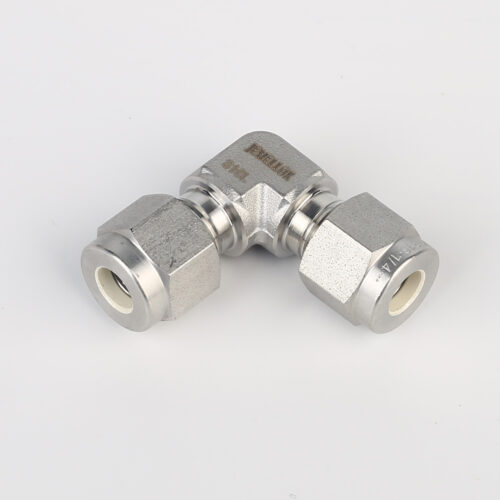
765L Stainless Steel Union Elbow Reducing High Purity Fitting Tubing Extension Tubing Connection
-
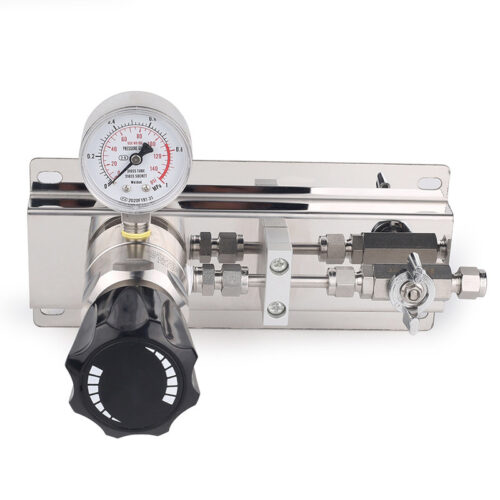
Medical Oxygen Single Stage Manual Gas Changeover Manifold Panel High-Purity Two-Stage Manual Gas Manifold Gas Pressure Control Panels
-
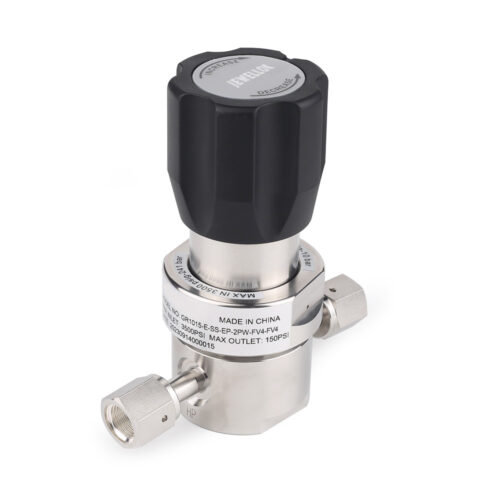
JR1000 Series UHP Ultra High Purity Single Stage Pressure Reducing Regulator And Low To Intermediate Flow
-
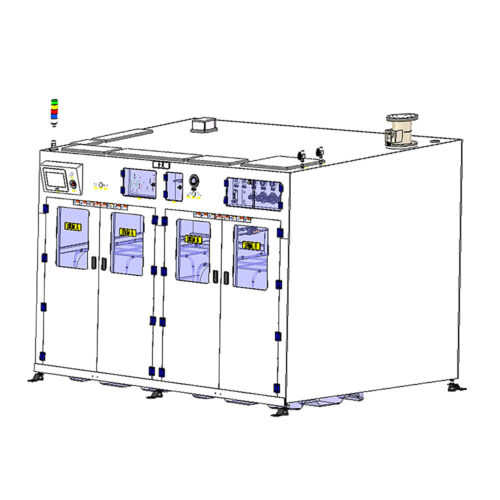
Laboratory Gas Scrubber System With Wet Scrubber Tail Gas Treatment And Acid Gas Neutralization Scrubber
-
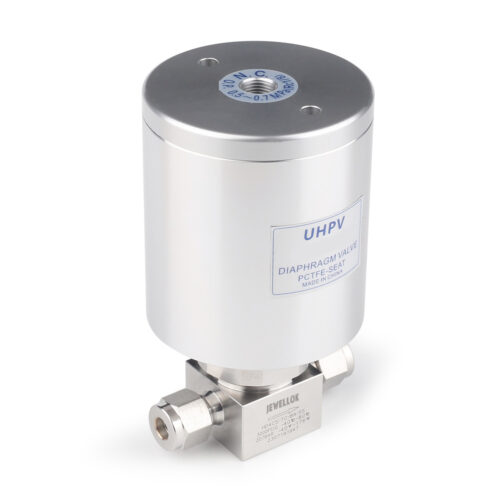
316L Stainless Steel Semiconductor High Purity High Pressure Pneumatic Diaphragm Valve For Laboratory Specialty Gases