
Valves Manufacturer Tel: +86 13380377051
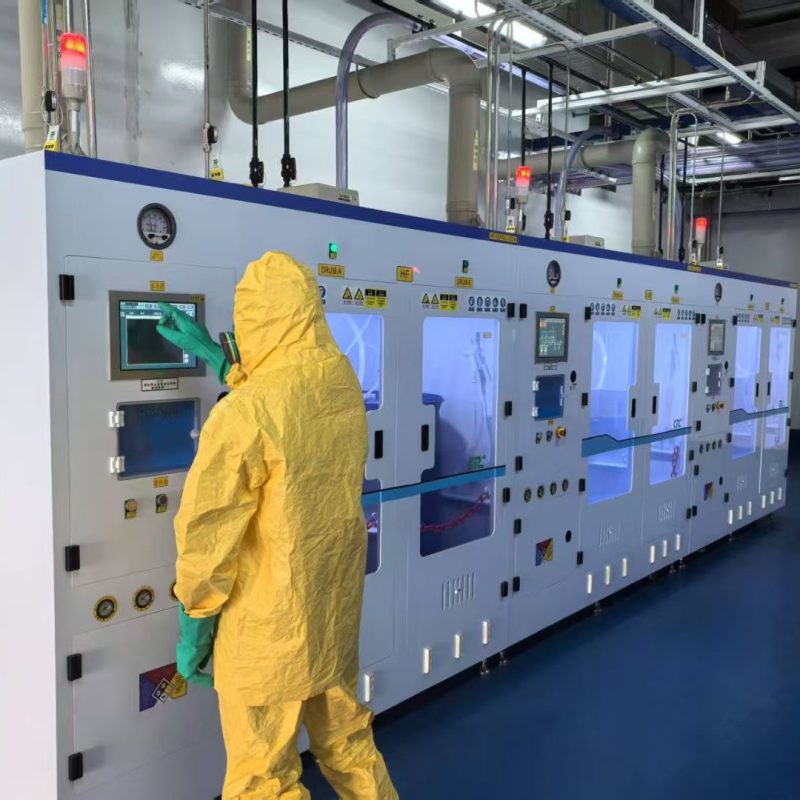
What Chemicals Can a Polypropylene Chemical Exhaust Scrubber Handle?
Introduction
A polypropylene chemical exhaust scrubber is widely used in industrial facilities, semiconductor manufacturing plants, chemical processing operations, laboratories, electroplating workshops, and wastewater treatment facilities to control corrosive gases and chemical exhaust emissions. Polypropylene (PP) is a thermoplastic material known for its chemical resistance, low weight, moisture resistance, and relatively low cost. These properties make it a popular choice for manufacturing wet scrubber towers, exhaust gas treatment equipment, ductwork, tanks, and associated piping systems.
However, not every polypropylene scrubber can handle every chemical. Chemical compatibility depends on the specific gas or vapor, its concentration, operating temperature, moisture content, pressure, scrubbing liquid, and the materials used for internal components such as spray nozzles, packing, pumps, seals, and demisters.
Understanding which chemicals a polypropylene chemical exhaust scrubber can handle is essential when selecting equipment for safe, reliable, and efficient exhaust gas treatment. This article examines the major chemical categories suitable for PP scrubbers, explains their treatment requirements, identifies important limitations, and provides practical guidance for selecting the right system for industrial applications.

1. Why Is Polypropylene Used in Chemical Exhaust Scrubbers?
Polypropylene is a thermoplastic polymer with a chemical structure that provides good resistance to many aqueous acids, alkalis, salts, and other corrosive substances under suitable operating conditions.
Compared with conventional carbon steel, polypropylene does not readily rust in wet corrosive environments. Compared with certain stainless steel systems, PP can provide a more economical option for handling many corrosive exhaust streams.
The main advantages of polypropylene chemical exhaust scrubbers include:
- Good chemical resistance: PP can withstand many inorganic acids, alkaline solutions, and salt-containing liquids, depending on concentration and temperature.
- Corrosion resistance: It is not subject to conventional electrochemical rusting.
- Lightweight construction: PP scrubber towers and ductwork are generally easier to handle and install than equivalent metal structures.
- Moisture resistance: PP performs well in many wet gas treatment applications.
- Fabrication flexibility: The material can be fabricated into towers, tanks, ducts, pipe fittings, and other customized components.
- Cost effectiveness: PP can be an economical choice for applications involving compatible corrosive chemicals.
Nevertheless, chemical resistance does not automatically mean that a material is suitable at every concentration or temperature. Polypropylene can soften, deform, swell in certain environments, or suffer stress cracking under unsuitable conditions. Its suitability must therefore be verified against the actual operating environment.
2. What Types of Acids Can a Polypropylene Scrubber Handle?
Acidic exhaust gases are among the most common applications for polypropylene wet scrubbers. The scrubber typically brings contaminated gas into contact with a circulating liquid that absorbs or reacts with the target pollutant.
2.1 Hydrochloric Acid (HCl)
Hydrogen chloride gas and hydrochloric acid mist are common emissions from chemical manufacturing, metal surface treatment, pickling, and semiconductor processes.
Polypropylene generally offers good resistance to hydrochloric acid under many conventional wet-scrubbing conditions. A PP scrubber can be designed to remove HCl by contacting the exhaust stream with water or a suitable alkaline solution.
When an alkaline solution such as sodium hydroxide is used, the absorbed acid is neutralized to form dissolved chloride salts.
The treatment system must provide sufficient gas-liquid contact, suitable liquid circulation, and appropriate pH control. High acid loading can rapidly consume the scrubbing solution, so continuous monitoring and chemical dosing may be necessary.
2.2 Sulfuric Acid (H₂SO₄)
Sulfuric acid mist may be generated by chemical processing, battery manufacturing, metal treatment, and certain industrial exhaust operations.
Polypropylene can be suitable for many sulfuric acid handling applications, but the design must account for acid concentration, temperature, mist loading, and possible localized heating during dilution or neutralization.
Sulfuric acid absorption and neutralization can release heat. Excessive temperature can reduce the mechanical strength of PP and compromise the integrity of the scrubber structure.
Where the exhaust contains fine sulfuric acid aerosols, the system may require appropriate spray stages, packing, and a mist eliminator. The ability to capture aerosol droplets should not be confused with the ability to absorb gaseous pollutants; these are different removal mechanisms.
2.3 Nitric Acid (HNO₃)
Nitric acid emissions may occur in metal finishing, chemical production, laboratory operations, and some industrial cleaning processes.
The suitability of PP depends on the actual nitric acid concentration, temperature, and the presence of other oxidizing substances. Nitric acid is a strong oxidizing acid, so compatibility should not be assumed solely from the material’s performance with hydrochloric or sulfuric acid.
Dilute aqueous nitric acid may be manageable in properly designed PP systems under verified conditions. More concentrated, hot, or strongly oxidizing streams require careful materials assessment and may call for alternative materials.
The designer should also determine whether the exhaust contains nitrogen oxides, such as NO and NO₂. These gases behave differently from nitric acid vapor and may require a specialized absorption or oxidation process.
2.4 Phosphoric Acid (H₃PO₄)
Phosphoric acid is used in fertilizer production, surface treatment, electronics manufacturing, and chemical processing.
Polypropylene often provides good resistance to phosphoric acid under suitable conditions. A PP scrubber may be appropriate where exhaust contains compatible acid vapors or mist.
However, removal efficiency depends on pollutant form, gas concentration, liquid chemistry, temperature, and contact time. A scrubber designed for acid mist capture may not achieve the same performance for a gaseous compound that has limited water solubility.
3. Can Polypropylene Scrubbers Handle Alkaline Chemicals?
Polypropylene generally performs well in many alkaline environments, making PP scrubbers suitable for numerous industrial exhaust applications.
3.1 Sodium Hydroxide (NaOH)
Sodium hydroxide is widely used as a scrubbing reagent for neutralizing acidic exhaust gases.
A PP scrubber can often handle compatible sodium hydroxide solutions at suitable concentrations and operating temperatures. The alkaline liquid reacts with absorbed acidic pollutants, helping maintain the required removal efficiency.
For example, sodium hydroxide can neutralize hydrochloric acid absorbed into the circulating liquid. It can also be used in systems designed for certain sulfur-containing acidic gases.
However, increasing the caustic concentration does not automatically improve performance. Excessive concentration can increase operating costs, cause unwanted salt accumulation, and create additional corrosion or compatibility concerns for components made from materials other than PP.
The system must also be designed to prevent excessive heat generation during neutralization.
3.2 Potassium Hydroxide (KOH)
Potassium hydroxide is another strong alkaline reagent used in specialized gas absorption and neutralization applications.
PP equipment can be suitable for compatible KOH solutions within verified concentration and temperature limits. Its practical suitability depends on the full chemical mixture, including reaction products and dissolved salts.
The pump, seals, valves, and instrumentation should be checked independently because the scrubber tower material alone does not determine the compatibility of the entire system.
3.3 Ammonia (NH₃)
Ammonia emissions can arise from fertilizer production, chemical manufacturing, refrigeration-related operations, and other industrial processes.
Ammonia is alkaline and highly soluble in water. Water scrubbing can therefore be effective for many ammonia exhaust streams, depending on concentration and process conditions.
Polypropylene may be suitable for the equipment structure in many ammonia absorption applications, but the system must be designed around the gas concentration, temperature, moisture content, and potential pressure conditions.
If the objective is to recover ammonia rather than simply reduce emissions, the absorption-liquid composition and downstream processing requirements will also influence the design.
4. What Other Industrial Gases Can a PP Chemical Exhaust Scrubber Treat?
In addition to acids and alkalis, polypropylene scrubbers can be used for several other types of chemical exhaust. The correct treatment process depends on the pollutant’s physical and chemical properties.
4.1 Chlorine (Cl₂)
Chlorine is a toxic, reactive gas used in chemical manufacturing, water treatment, and other industrial processes.
Polypropylene may be suitable for certain chlorine scrubber applications under verified conditions, particularly in appropriately designed systems using compatible scrubbing solutions. However, chlorine is a strong oxidizing agent, and its effect on the entire material system must be evaluated carefully.
A common treatment approach uses an alkaline solution with a suitable reducing or reactive chemical, depending on the process design. Simply circulating water may not provide adequate removal or safe handling for a high-concentration chlorine release.
The system must be designed for the expected chlorine loading, emergency operating conditions, reaction heat, and the chemistry of the resulting liquid.
Because chlorine presents a serious inhalation hazard, equipment selection should be supported by a qualified process engineer and a documented hazard assessment.
4.2 Sulfur Dioxide (SO₂)
Sulfur dioxide is generated by certain combustion processes, chemical operations, and industrial manufacturing activities.
A wet scrubber can remove SO₂ through absorption into a suitable liquid, often with an alkaline reagent. Depending on the system chemistry, the reaction produces dissolved sulfite, bisulfite, or sulfate species.
PP can be suitable for many compatible wet SO₂ scrubbing environments. However, removal efficiency depends on factors such as liquid pH, gas-liquid contact, temperature, liquid-to-gas ratio, and pollutant concentration.
The designer should also account for the potential formation of acidic condensate in upstream ducts, particularly where the exhaust contains moisture and other acidic components.
4.3 Hydrogen Sulfide (H₂S)
Hydrogen sulfide is a toxic gas associated with wastewater treatment, petroleum processing, chemical manufacturing, and certain biological treatment processes.
A PP scrubber may be used for selected H₂S treatment applications, but the required process depends on the gas concentration and removal target.
Possible treatment approaches include alkaline absorption, chemical oxidation, and other specialized processes. A basic water scrubber may be insufficient where high removal efficiency is required.
The design must consider potential reaction products, odor-control requirements, chemical consumption, and the risk of hazardous gas accumulation. H₂S can be acutely toxic, so the system should incorporate appropriate monitoring, ventilation, and emergency safeguards.
4.4 Hydrogen Fluoride (HF)
Hydrogen fluoride is highly corrosive and is used in several chemical and semiconductor manufacturing processes.
Certain PP systems may be compatible with selected aqueous HF service conditions, but material selection requires special attention to concentration, temperature, impurities, and the construction materials of every wetted component.
HF is exceptionally hazardous because exposure can cause severe injury. Its treatment should not be based on general material-resistance assumptions alone.
A qualified engineer should verify the suitability of the complete scrubber system and determine whether a dedicated absorption process, additional containment, or alternative construction materials are required.
5. Can Polypropylene Scrubbers Handle Semiconductor Process Exhaust?
Semiconductor manufacturing uses a wide range of specialty gases, many of which require carefully engineered exhaust treatment.
PP scrubbers may be suitable for certain wet exhaust streams containing compatible acidic or alkaline pollutants. Examples may include selected HCl-containing streams and certain acid exhausts after an appropriate treatment process has been established.
However, semiconductor exhaust may also contain pyrophoric gases, highly toxic compounds, reactive intermediates, particles, and substances that react dangerously with moisture.
Examples include silane, phosphine, arsine, and certain fluorinated process gases. These substances cannot automatically be treated using a conventional PP wet scrubber.
For example, silane can ignite spontaneously under suitable atmospheric conditions, while phosphine and arsine present severe toxicity risks. Certain fluorinated gases may have limited water solubility and may require specialized reaction or abatement technologies.
In these cases, the treatment system may require dedicated dry-bed abatement, combustion, plasma treatment, chemical conversion, or a combination of technologies. A PP scrubber may be used as one stage of a broader exhaust treatment system, but it should not be assumed to provide safe or sufficient treatment on its own.
The process designer must evaluate the full gas composition, potential reaction hazards, and applicable semiconductor facility requirements before specifying equipment.
6. Which Chemicals Are Not Suitable for Every PP Scrubber?
Although polypropylene has broad chemical resistance, several categories require additional caution.
6.1 Strong Oxidizing Chemicals
Strong oxidizers, including certain concentrated oxidizing acids and aggressive oxidizing mixtures, may attack polypropylene under particular conditions.
Elevated temperatures and high chemical concentrations can accelerate material degradation. The exact compatibility must be verified using manufacturer data and application-specific engineering guidance.
6.2 Organic Solvents
Polypropylene is resistant to many chemicals but is not universally resistant to organic solvents. Some solvents, particularly under elevated temperatures or prolonged exposure, may cause swelling, softening, or other material damage.
Exhaust containing solvent vapors may also present a separate treatment challenge because many volatile organic compounds have limited water solubility.
A wet PP scrubber may therefore be unsuitable for certain VOC emissions without an appropriate absorption liquid or specialized treatment technology.
6.3 High-Temperature Exhaust
Polypropylene has a lower temperature capability than many metal alloys and some specialized thermoplastics.
Hot exhaust can soften or deform the tower, ductwork, and internal components. The allowable operating temperature depends on the PP grade, structural design, mechanical loading, chemical environment, and duration of exposure.
Designers should evaluate the maximum continuous temperature and credible temperature excursions rather than relying on a single generic temperature rating.
6.4 Mixed Chemical Exhaust
Industrial exhaust frequently contains several pollutants rather than one isolated chemical. A mixture that appears compatible when each component is considered separately may create unexpected risks through chemical reactions, condensation, or changes in liquid chemistry.
The design must consider all significant constituents, their concentrations, and the reactions that may occur inside the scrubber.
7. How to Select the Right Polypropylene Chemical Exhaust Scrubber
Selecting an appropriate PP scrubber requires more than identifying the main chemical in the exhaust.
First, prepare a complete exhaust composition, including the target pollutants, concentration ranges, flow rate, moisture content, temperature, and possible impurities.
Second, determine the treatment objective. Different applications may require removal of acid gases, capture of chemical mist, odor reduction, or control of toxic emissions. Each objective can require a different combination of absorption, neutralization, filtration, or chemical reaction.
Third, select the scrubbing liquid based on pollutant chemistry. Water may be adequate for highly soluble gases, while alkaline or other chemically formulated solutions may be necessary for effective neutralization or conversion.
Fourth, verify the chemical compatibility of every major component, including the PP tower, packing, spray nozzles, demister, piping, pumps, valves, seals, and instrumentation.
Fifth, evaluate engineering parameters such as gas-liquid contact time, pressure drop, liquid circulation rate, packing selection, mist elimination, and wastewater management.
Finally, establish an appropriate maintenance and monitoring plan. Important operating parameters may include pH, circulation flow, differential pressure, liquid level, chemical consumption, and outlet pollutant concentration.
For hazardous emissions, the design should also consider standby equipment, emergency response, alarms, containment, and applicable environmental and occupational safety regulations.

Conclusion
A polypropylene chemical exhaust scrubber can handle a wide range of corrosive industrial exhaust streams when the material, operating conditions, and treatment chemistry are properly selected. Common applications include many hydrochloric acid, sulfuric acid, phosphoric acid, alkaline exhaust, and selected sulfur-containing gas treatment systems. Certain nitric acid, chlorine, hydrogen fluoride, and other reactive gas applications may also be feasible, but they require more detailed compatibility and process evaluation.
Polypropylene should not be considered universally suitable for every chemical. Strong oxidizers, organic solvents, high-temperature exhaust, and complex mixtures may require alternative materials or specialized treatment technologies.
The most reliable way to select a PP chemical exhaust scrubber is to evaluate the complete exhaust composition, operating temperature, chemical concentration, scrubbing-liquid requirements, and the compatibility of all wetted components.
For laboratories, semiconductor facilities, chemical plants, and industrial manufacturers, a properly engineered polypropylene scrubber can provide a practical and economical solution for controlling compatible corrosive emissions. A documented chemical compatibility review and process-specific engineering assessment are essential to achieving reliable treatment performance, protecting equipment integrity, and maintaining safe operation.
For more about what chemicals can a polypropylene chemical exhaust scrubber handle, you can pay a visit to Jewellok at https://www.jewellok.com/ for more info.
-
762L Stainless Steel High Purity Union High-Purity Gas System Fittings
-
Premium Grade Ultra High Purity Gas Valve Solutions Sourced Directly from China for Critical Semiconductor and Advanced Photovoltaic Gas Distribution Lines
-
739 High Purity LMR Male Adapter Tube To Pipe Fittings And Adapters
-
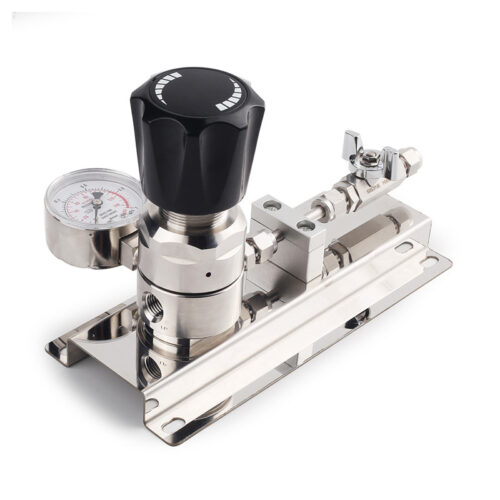
Ultra High Purity Stainless Steel Compressed Gas Changeover Manifold Panel System For Integrated Gas Supply System
-
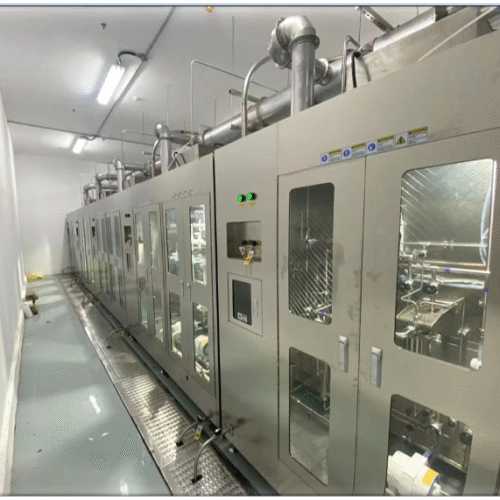
Ultra-High Purity Bulk Liquid Chemical Delivery System (BCDS) for Maintaining Parts-Per-Trillion Purity in Manufacturing
-
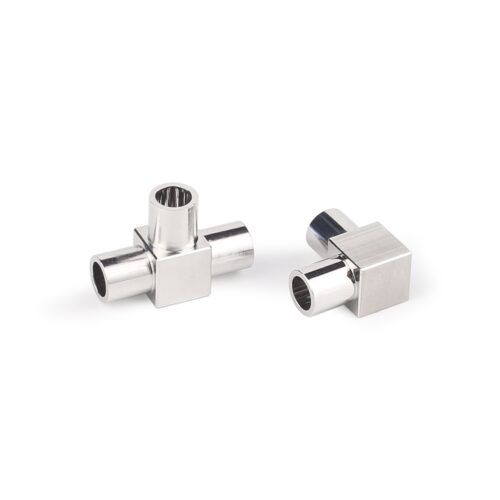
Stainless Steel Mini Elbow Mini Tee Mini Cross Mini Tribow Ultrahigh Purity Mini Butt Weld Fittings
-
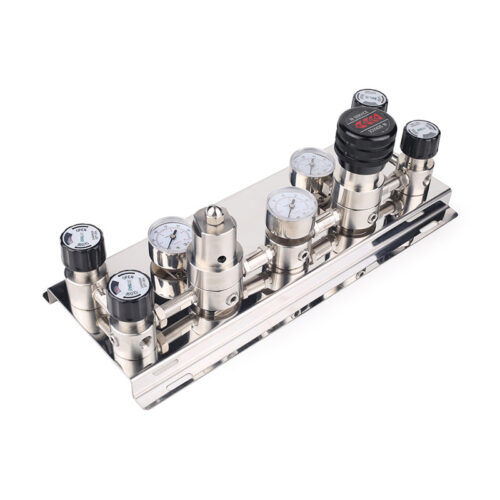
Automatic Gas Switchover System Automatic Switchover Manifold Automatic Gas Cylinder Switchover
-
764LR Stainless Steel 316 Reducing Tee UHP Fitting Automatic Buttweld Reducing Tee