
Valves Manufacturer Tel: +86 13380377051
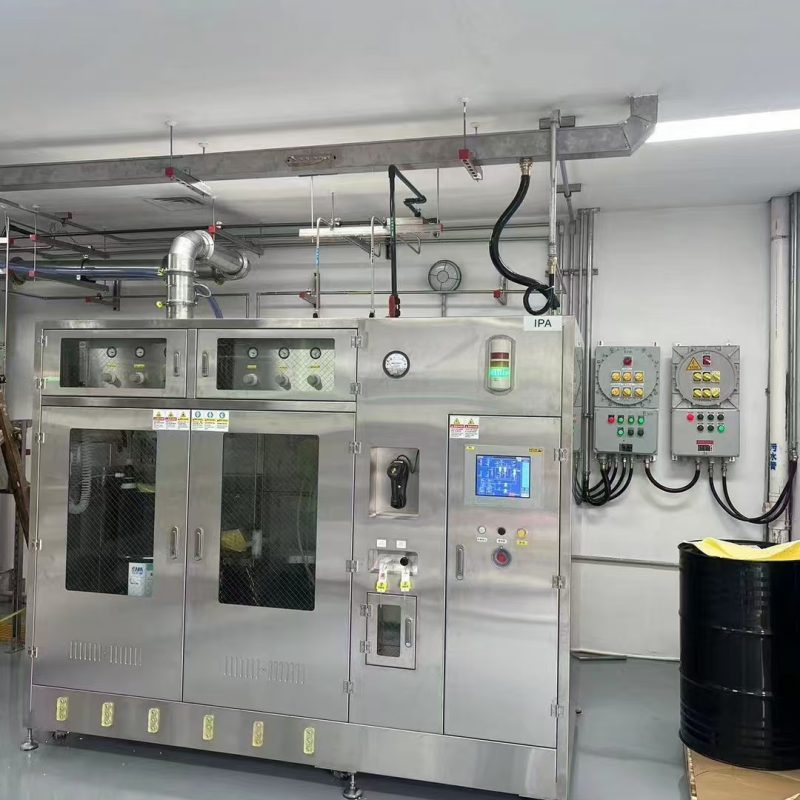
How Do You Select the Right Scrubbing Chemicals for Laboratory Exhaust Gases?
Introduction
Selecting the right scrubbing chemicals is one of the most important factors in designing and operating an effective laboratory exhaust gas scrubber system. Laboratories routinely generate exhaust streams containing acidic gases, alkaline vapors, toxic compounds, solvent vapors, and other chemical contaminants. Without appropriate treatment, these substances may create health hazards, damage ventilation equipment, cause environmental pollution, or lead to regulatory noncompliance.
A laboratory gas scrubber removes or reduces contaminants through processes such as absorption, chemical neutralization, oxidation, reduction, or adsorption. The appropriate treatment method depends on the chemical properties of the target gases, their concentrations, exhaust flow rates, temperature, moisture content, and required removal efficiency.
Choosing a scrubbing chemical based only on the name of the contaminant is not sufficient. Engineers must also consider reaction kinetics, chemical compatibility, byproduct formation, corrosion resistance, wastewater treatment, operating costs, and process safety.
This article explains how to select suitable scrubbing chemicals for laboratory exhaust gases, compares common treatment options, and outlines practical steps for developing an efficient and reliable exhaust gas treatment system.
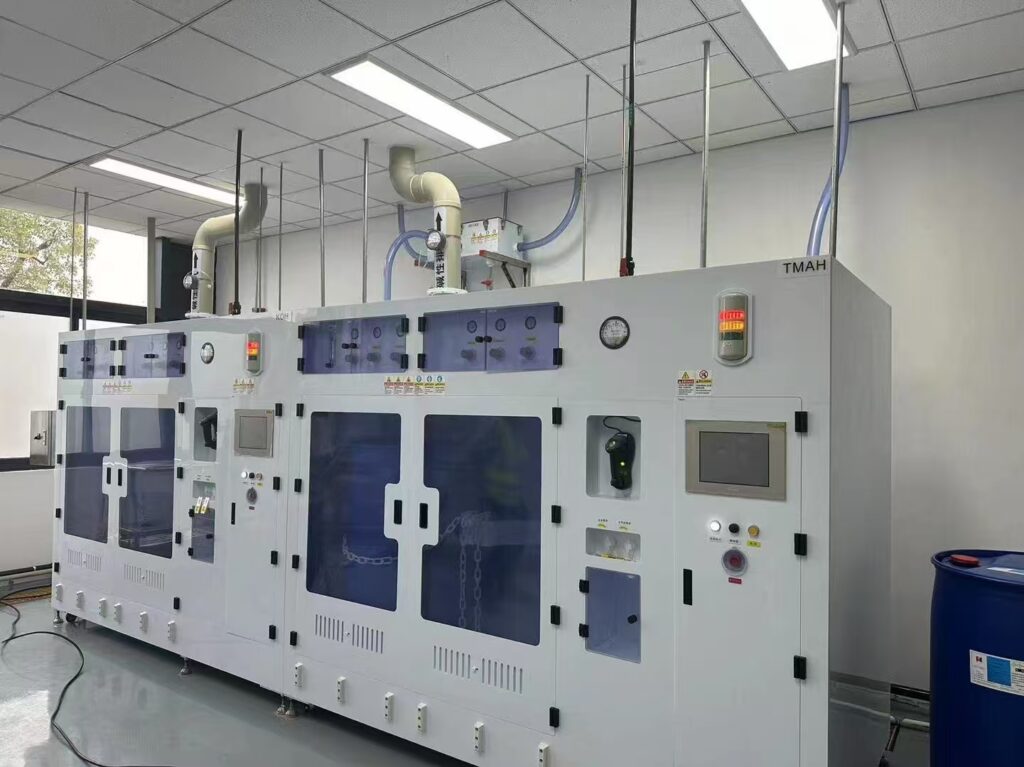
1. Identify the Composition of the Laboratory Exhaust Gas
The first step in selecting a scrubbing chemical is to identify exactly which contaminants the system must remove.
Laboratory exhaust composition varies significantly according to the processes being performed. A university chemistry laboratory may generate dilute acid fumes, while a semiconductor laboratory may handle specialty gases, and a pharmaceutical research facility may produce solvent vapors or ammonia-containing exhaust.
Before selecting chemicals, collect information about the following parameters.
Target gas composition: Identify every significant contaminant, including acidic gases, alkaline gases, oxidizing agents, and potentially reactive compounds.
Gas concentration: Determine the normal, minimum, maximum, and potential upset concentrations. A treatment solution suitable for dilute exhaust may be inadequate for a concentrated release.
Exhaust flow rate: Establish the minimum and maximum gas flow rates. Flow affects gas-liquid contact, residence time, and the required scrubber dimensions.
Temperature and humidity: These conditions influence gas solubility, reaction rates, condensation, and material compatibility.
Chemical variability: Determine whether the exhaust composition changes between experiments, production batches, or operating modes.
Required outlet concentration: Establish the applicable emission limits, permit conditions, and internal safety criteria.
Gas composition should be supported by process documentation, safety data sheets (SDSs), engineering calculations, and appropriate monitoring where necessary. Safety data sheets alone may not establish the actual concentration or composition of the exhaust stream.
A complete gas characterization helps engineers avoid selecting an unsuitable chemical or designing a scrubber that cannot handle the real operating conditions.
2. Match the Scrubbing Chemical to the Target Gas
Different exhaust gases require different chemical treatment mechanisms. The most common wet-scrubbing approaches include acid-base neutralization, reactive absorption, and oxidation or reduction.
2.1 Acidic Gas Treatment
Acidic gases are common in chemical laboratories, materials research facilities, and semiconductor manufacturing environments. Examples include hydrogen chloride (HCl), hydrogen fluoride (HF), sulfur dioxide (SO₂), and certain acidic vapors.
Alkaline scrubbing solutions are often used to neutralize these contaminants.
Common options include:
- Sodium hydroxide (NaOH): Used for neutralizing many acidic gases, subject to appropriate design and chemical compatibility.
- Sodium carbonate (Na₂CO₃): Used in selected applications where a less strongly alkaline solution is appropriate.
- Other alkaline formulations: Selected according to the target gas, required reaction rate, byproduct chemistry, and operating conditions.
For example, hydrogen chloride can react with sodium hydroxide to form sodium chloride and water:
HCl + NaOH → NaCl + H₂O
This reaction is straightforward, but actual removal performance still depends on gas-liquid contact, solution concentration, liquid circulation, temperature, and the presence of other compounds.
Hydrogen fluoride requires particular attention because fluoride-containing solutions may present special corrosion, materials-compatibility, and wastewater-management challenges. Engineers should verify that all wetted components are suitable for the actual HF concentration and operating conditions.
Sulfur dioxide treatment may involve alkaline absorption and, depending on the process, additional oxidation or other treatment stages.
A key consideration is that neutralization converts contaminants into dissolved reaction products; it does not make the resulting liquid automatically safe for discharge. Spent scrubbing solutions must be characterized and managed appropriately.
2.2 Alkaline Gas Treatment
Alkaline gases such as ammonia (NH₃) may be treated using acidic scrubbing solutions, depending on concentration, process conditions, and the required outlet specification.
Sulfuric acid is used in some ammonia-scrubbing applications because it reacts with ammonia to form ammonium salts. Other acidic formulations may be suitable for specific applications.
For example, the overall reaction between ammonia and sulfuric acid can be represented as:
2NH₃ + H₂SO₄ → (NH₄)₂SO₄
The suitability of this approach depends on acid concentration, pH control, heat generation, salt accumulation, and the need to prevent liquid carryover.
Ammonia absorption can generate heat and may be affected by temperature, liquid chemistry, and gas concentration. The scrubber must provide sufficient gas-liquid contact to achieve the required removal performance.
Engineers should also evaluate whether salt precipitation or accumulation could block spray nozzles, packing, filters, or piping.
2.3 Oxidizing and Reactive Gas Treatment
Certain contaminants require oxidation, reduction, or specialized reactive absorption rather than simple acid-base neutralization.
Examples may include selected sulfur-containing gases, reduced compounds, and specific reactive emissions generated by laboratory processes.
Oxidizing agents such as sodium hypochlorite or hydrogen peroxide may be used in particular treatment systems, but their suitability depends strongly on the target compound and the expected reaction products.
An oxidizing solution should never be selected solely because the contaminant is described as toxic or reactive. Some combinations can produce hazardous byproducts, uncontrolled heat, or secondary emissions.
For example, acidifying hypochlorite-containing solutions can release chlorine gas. Consequently, incompatible chemicals must be kept separate, and any oxidation process must be evaluated for reaction hazards, pH limits, dosing controls, and byproduct formation.
For complex or highly reactive gas streams, laboratory testing, specialist engineering review, and a formal process hazard assessment may be necessary before implementation.
3. Understand the Difference Between Chemical Absorption and Physical Absorption
Not all scrubbing systems require a reactive chemical.
Physical absorption relies primarily on the dissolution of a gas in a liquid. Water can be suitable for highly water-soluble gases when the operating conditions and required removal efficiency support its use.
Reactive absorption combines dissolution with a chemical reaction that consumes or transforms the dissolved contaminant. This can increase effective absorption capacity and improve removal for appropriate gas-chemical combinations.
The distinction matters because a highly soluble gas may be captured efficiently by water under suitable conditions, whereas a poorly soluble compound may require a reactive solution, a different treatment technology, or multiple treatment stages.
Engineers should evaluate:
- Gas solubility under actual operating conditions.
- Reaction rate between the gas and the selected reagent.
- Liquid circulation and contact area.
- Required gas residence time.
- Chemical consumption and regeneration options.
- Potential formation of deposits or secondary contaminants.
For volatile organic compounds (VOCs), physical absorption in water is often insufficient for many compounds. Activated carbon adsorption, condensation, thermal oxidation, or specialized absorption systems may be more appropriate, depending on the VOC, concentration, safety requirements, and exhaust volume.
A wet scrubber should not be assumed to remove every contaminant simply because it is installed in the exhaust line.
4. Evaluate Chemical Concentration and pH Control
Selecting the correct reagent is only part of the process. The scrubbing solution must also operate within an appropriate concentration and pH range.
For neutralization systems, pH provides a useful indicator of solution condition. However, pH alone does not directly measure remaining chemical capacity or guarantee effective gas removal.
Two solutions can have similar pH readings but different total alkalinity, chemical reserves, and ability to neutralize additional contaminants.
A reliable control strategy may include:
- Continuous or periodic pH monitoring.
- Controlled chemical dosing.
- Verification of liquid circulation rate.
- Monitoring of reagent consumption.
- Conductivity or other chemistry-specific measurements.
- Appropriate alarm limits and dosing interlocks.
The operating range must be established through engineering design and verified for the target gas. Excessive reagent concentration may increase corrosion, chemical consumption, heat generation, and wastewater treatment costs. Insufficient concentration may cause breakthrough or incomplete neutralization.
For oxidizing or reducing systems, additional parameters such as oxidation-reduction potential (ORP) may be useful where appropriate. ORP should be interpreted alongside other process indicators rather than used as the sole measure of treatment efficiency.
Instrumentation should be selected for the actual chemical environment, maintained regularly, and calibrated according to manufacturer recommendations and process risk.
5. Check Material Compatibility and Corrosion Resistance
The selected scrubbing chemical must be compatible with the scrubber body and every wetted component.
Common construction materials include polypropylene (PP), polyvinyl chloride (PVC), fiber-reinforced plastic (FRP), stainless steel, and various specialized polymers or alloys. Each has limitations involving temperature, concentration, mechanical loading, and chemical exposure.
For example, polypropylene is used in many corrosive exhaust treatment applications, but its suitability must be checked against the specific chemical mixture and operating temperature. Stainless steel is not universally resistant to all acids, chlorides, or fluoride-containing environments.
Engineers should evaluate the compatibility of:
- Scrubber towers and storage tanks.
- Circulation pumps and pump seals.
- Spray nozzles and packing materials.
- Piping, valves, and fittings.
- Gaskets, O-rings, and flexible connections.
- Sensors, probes, and instrument housings.
Mixed chemical streams deserve special attention because a material that tolerates one component may fail when exposed to another component or to reaction products.
Chemical compatibility charts are useful for preliminary screening, but critical applications should be confirmed with the equipment manufacturer, material supplier, or a qualified corrosion specialist.
6. Consider Byproducts, Wastewater, and Environmental Compliance
A successful scrubber transfers contaminants from the gas phase into a liquid or solid treatment medium, or chemically converts them into other compounds. The resulting waste stream must be managed as part of the overall treatment process.
Before choosing a reagent, determine what reaction products will form and whether they will remain dissolved, precipitate, accumulate, or create additional hazards.
Important considerations include:
Salt formation: Neutralization reactions may produce salts that increase dissolved-solids concentrations or precipitate under certain conditions.
Wastewater characteristics: Spent solution may contain corrosive chemicals, dissolved metals, toxic compounds, or other regulated contaminants.
Secondary emissions: Some reactions may produce volatile byproducts that require additional treatment.
Disposal requirements: Waste classification, storage, treatment, transport, and disposal must follow applicable local regulations.
Water consumption: Continuous blowdown or frequent solution replacement may increase water demand and wastewater volume.
The least expensive reagent is not necessarily the most economical option when disposal, water use, monitoring, and maintenance are considered.
For laboratories with complex exhaust streams, a treatment process may require multiple stages, such as particulate removal followed by chemical absorption and mist elimination. The exact configuration should be determined through process engineering rather than a generic chemical selection rule.
7. Calculate Chemical Consumption and Operating Costs
Chemical selection should consider the total cost of ownership, not just the purchase price of the reagent.
A preliminary consumption estimate can be developed from the gas flow rate, contaminant concentration, operating hours, target removal efficiency, and reaction stoichiometry.
For example, if a known quantity of acidic gas is neutralized by sodium hydroxide, the theoretical reagent requirement can be calculated from the balanced chemical reaction. Actual consumption will usually be higher because of excess reagent requirements, other acidic compounds, incomplete utilization, and operating losses.
A practical cost assessment should include:
- Reagent purchase and delivery.
- Water consumption.
- Pumping and fan energy.
- Chemical dosing equipment.
- Sensor calibration and maintenance.
- Replacement of packing, filters, or other components.
- Wastewater treatment and disposal.
- Labor, testing, and system downtime.
The comparison should also consider reliability and safety. A chemical with a lower unit price may require more frequent replacement, more complex handling, or more expensive corrosion-resistant materials.
For high-throughput laboratories, even modest differences in chemical consumption can have a significant effect on annual operating expenses.
8. Follow a Systematic Chemical Selection Process
A structured evaluation helps ensure that the selected scrubbing chemical is technically suitable and commercially practical.
Step 1: Characterize the exhaust. Identify contaminants, concentration ranges, gas flow, temperature, humidity, and possible upset conditions.
Step 2: Define treatment targets. Establish required removal efficiency, outlet concentration, applicable emission limits, and safety objectives.
Step 3: Screen suitable treatment mechanisms. Determine whether physical absorption, neutralization, oxidation, reduction, adsorption, or a combination is appropriate.
Step 4: Evaluate candidate reagents. Compare reaction efficiency, solubility, chemical consumption, operating range, and byproduct formation.
Step 5: Confirm materials compatibility. Verify that the scrubber, pumps, seals, piping, and instrumentation can withstand the selected chemistry.
Step 6: Assess safety and waste management. Review incompatibilities, heat generation, hazardous byproducts, chemical storage, and spent-solution disposal.
Step 7: Validate system performance. Use appropriate calculations, supplier data, pilot testing where necessary, and commissioning tests to confirm performance.
Step 8: Establish operating controls. Define acceptable pH or other chemistry parameters, flow ranges, alarms, inspection intervals, and reagent replacement criteria.
Step 9: Review actual performance. Use monitoring results, chemical consumption, maintenance records, and emission testing to verify that the system continues to meet its design requirements.
For highly toxic, reactive, or pyrophoric gases, chemical selection and scrubber design should be performed by qualified specialists using the relevant engineering standards and hazard-analysis methods.
9. Common Mistakes When Selecting Scrubbing Chemicals
Several mistakes can undermine laboratory exhaust treatment performance.
Using one chemical for every gas: Different contaminants require different reaction mechanisms. A universal reagent is rarely appropriate for a complex exhaust stream.
Ignoring mixed-gas interactions: Multiple gases may react with one another or with the scrubbing solution, producing unexpected byproducts or reducing treatment efficiency.
Choosing chemicals based only on pH: A suitable pH reading does not guarantee sufficient reagent capacity or adequate gas-liquid contact.
Overlooking materials compatibility: Chemical attack on seals, pipes, pumps, or the scrubber body can cause leaks and unplanned shutdowns.
Ignoring waste treatment: Captured pollutants and reaction products still require appropriate handling and disposal.
Failing to verify removal performance: Chemical dosing records alone do not prove that the scrubber meets its required outlet specification.
Avoiding these mistakes requires an integrated approach combining chemistry, mechanical design, process control, safety engineering, and environmental management.
Conclusion
Selecting the right scrubbing chemicals for laboratory exhaust gases requires a thorough understanding of the target contaminants, treatment mechanism, operating conditions, and environmental requirements.
Alkaline solutions are commonly used for many acidic gases, while acidic solutions may be appropriate for ammonia and certain other alkaline contaminants. Other compounds may require specialized reactive absorption, oxidation, reduction, adsorption, or multiple treatment stages.
The final selection should account for gas concentration, exhaust flow, reaction efficiency, pH control, materials compatibility, chemical consumption, byproduct formation, wastewater management, and total operating costs.
Most importantly, a suitable reagent must be supported by a properly designed scrubber, reliable instrumentation, preventive maintenance, and verified performance testing.
For laboratories, semiconductor facilities, pharmaceutical research centers, and industrial testing environments, choosing scrubbing chemicals through a systematic engineering process helps improve contaminant removal, protect equipment, reduce operating risks, and support long-term environmental compliance.
For more about how do you select the right scrubbing chemicals for laboratory exhaust gases, you can pay a visit to Jewellok at https://www.jewellok.com/ for more info.
-
765LR Reducing Tee | Stainless Steel 316 High Purity Butt Weld Fittings Metal Face Seal For Welding Pipe Fitting Reducing Tee
-
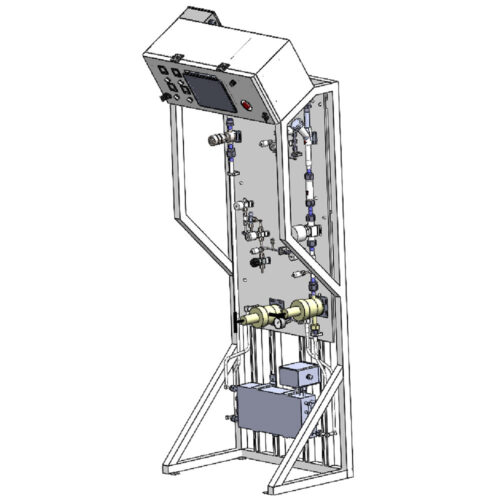
Semiconductor High Purity High Pressure Specialty Gas Bottle Gas Cylinder Storage Cabinet And Gas Pressure Regulating Cabinet
-
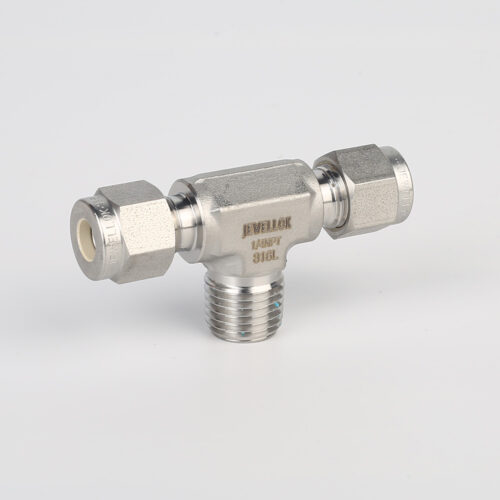
772L Male Branch Tee | Stainless Steel High-Purity Tube Fitting Male Branch Tee
-
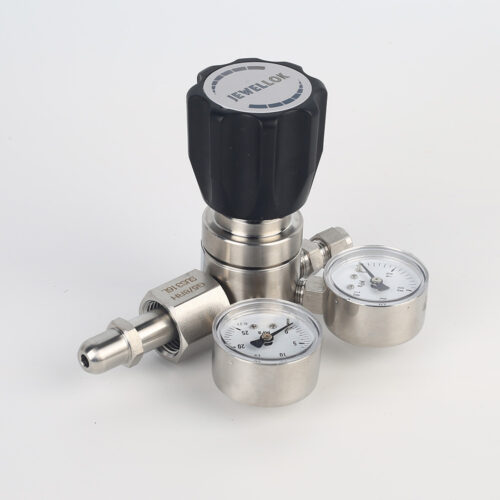
High Purity High Pressure Specialty Gas Pressure Regulators Specialty Gases Pipeline Engineering Equipments Manufacturer And Supplier
-
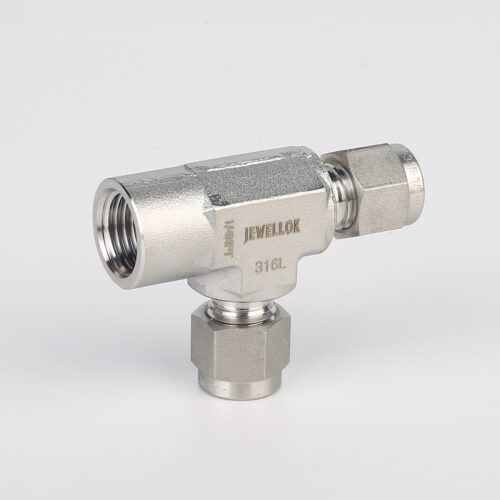
771LF Female Run Tee | Stainless Steel Tube Fitting Compression Fittings 1/4 In 3-Way Tee Female Run Tee
-
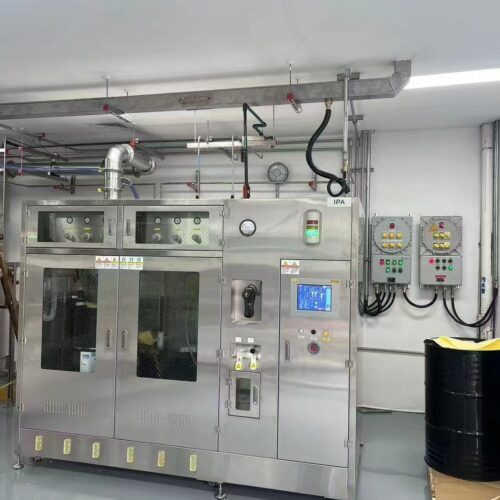
Precision Liquid Chemical Delivery Module (CDM) with PLC Control for Parts-Per-Trillion Purity in Solar Cell Production
-
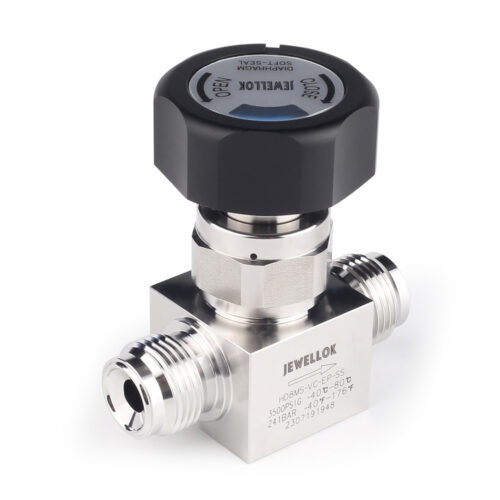
Ultra High Purity High Temperature Low Pressure Manual Diaphragm Valve Configurations Preventing Critical Process Virtual Leaks
-
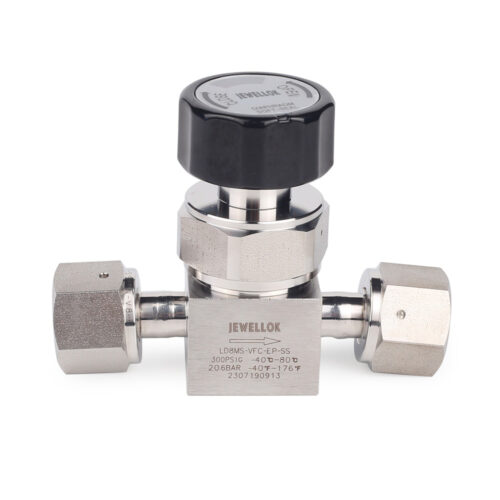
316L Vim Var Stainless Steel Ultra High Purity Diaphragm Valve Options For Semiconductor Gas Distribution Systems