
Valves Manufacturer Tel: +86 13380377051

Lab Centralized Gas Supply Maintenance & Safety Inspection Guide
Why Regular Maintenance is Critical
In modern scientific research and industrial analysis, centralized gas supply systems serve as the lifeline for analytical instruments such as Gas Chromatographs (GC), Inductively Coupled Plasma Mass Spectrometers (ICP-MS), and Atomic Absorption Spectrometers (AAS). These systems safely transport high-purity gases—ranging from inert gases like nitrogen and helium to flammable or toxic gases like hydrogen and acetylene—from a centralized source room directly to the point of use.
However, the continuous flow of pressurized gases introduces inherent operational risks. Without rigorous, systematic maintenance, even minor component wear can escalate into catastrophic failures. Key reasons why regular maintenance is non-negotiable include:
-
Mitigation of Leakage Risks: Fittings, seals, and diaphragm valves experience mechanical stress and thermal fluctuations over time. Routine inspections catch microscopic leaks before they evolve into major gas escapes.
-
Ensuring Analytical Accuracy: Fluctuations in delivery pressure or contaminated gas lines can severely compromise laboratory test results, leading to costly experimental failures, repeated tests, and inaccurate data.
-
Extending Equipment Lifespan: Proactive servicing of regulators, flash arrestors, and automatic switchover manifolds reduces premature wear and prevents expensive emergency replacements.
-
Regulatory Compliance and Personnel Safety: Laboratories must adhere to stringent occupational health and safety standards (such as OSHA, NFPA, and ISO guidelines). Maintaining documented inspection logs ensures compliance and, most importantly, protects laboratory personnel from toxic exposure, asphyxiation, or explosion hazards.
Routine Inspection Checklist
To maintain a foolproof safety net, facility engineers and safety officers must implement a structured inspection schedule. The following checklist categorizes tasks by daily, quarterly, and annual frequencies.
1. Daily Inspection Checklist (Performed by Lab Safety Officers)
-
Cylinder and Source Pressure: Verify that the primary and reserve cylinder pressures or bulk tank levels are within normal operating ranges.
-
Manifold Delivery Pressure: Check the secondary line pressure gauges at the control panels to ensure stable delivery to the laboratories.
-
Ventilation Systems: Ensure that mechanical exhaust fans in gas cylinder storage rooms are fully operational and unobstructed.
-
Visual Leak Check: Conduct a quick visual check of accessible fittings, regulators, and flexible pigtails for any signs of corrosion, physical damage, or frosting (which indicates rapid expansion and potential leaks).
-
Emergency Shut-off Accessibility: Confirm that emergency shut-off valves (ESVs) are clearly labeled and completely unobstructed by equipment or clutter.
2. Quarterly Inspection Checklist (Performed by Maintenance Engineers)
-
Leak Detection Tests: Perform a thorough leak test on all joints, welds, and threaded connections using a certified electronic leak detector or approved bubble solution (avoid soap containing oils for oxygen systems).
-
Regulator Performance Check: Test pressure regulators for “creep”—a condition where downstream pressure slowly rises when the valve is closed, indicating seat degradation.
-
Safety Relief Valves: Inspect safety relief valves for integrity, ensuring discharge vents are safely routed outdoors.
-
Gas Detectors and Alarms: Test fixed gas sensors (for oxygen depletion, flammable gases, or toxic leaks) and calibrate them against standard test gases.
-
Flash Arrestors (Fuel Gases): Inspect flash arrestors on fuel gas lines for soot accumulation, mechanical damage, or reverse flow contamination.
3. Annual Comprehensive Inspection (Performed by Certified Technicians)
-
Full System Pressure Testing: Conduct pneumatic pressure holding tests at pressures higher than normal operating levels to verify structural integrity.
-
Purge and Valve Maintenance: Perform complete cycle tests on automatic switchover manifolds and purge regulators to ensure zero cross-contamination.
-
Hose and Pigtail Replacement: Replace flexible stainless steel hoses and high-pressure pigtails according to manufacturer lifespans or wear assessments.
-
Grounding and Bonding Verification: Measure electrical resistance to ground for all gas racks and piping networks to prevent electrostatic spark accumulation.
-
Staff Emergency Drills: Conduct comprehensive safety and evacuation training for all laboratory personnel regarding gas leak scenarios.
Common Faults and Troubleshooting
Understanding common failure modes enables rapid diagnosis and minimizes downtime. Below are three primary issues encountered in centralized gas supply systems and their standard troubleshooting procedures.
1. Delivery Pressure Fluctuation or Instability
-
Symptoms: Analytical instruments report erratic baseline readings or flame extinctions; pressure gauges bounce or drop unexpectedly during high-flow demands.
-
Potential Causes:
-
Regulator diaphragm fatigue or spring wear.
-
Cylinder pressure dropping too low (near empty), causing single-stage freeze-up.
-
Partially blocked inline particulate filters.
-
-
Troubleshooting Steps:
-
Check supply cylinder pressure; if depleted, switch to the reserve bank or replace cylinders.
-
Isolate the regulator and check for pressure creep. If the downstream pressure continues to rise, replace or overhaul the regulator cartridge.
-
Inspect and replace clogged sintered metal filters located at the inlet of the pressure regulator.
-
2. Gas Leakage at Joints and Fittings
-
Symptoms: Audible hissing sounds, sudden drop in cylinder levels without heavy instrument use, or activation of fixed gas detectors.
-
Potential Causes:
-
Thermal expansion and contraction loosening compression fittings (e.g., Ferrule fittings).
-
Degraded Teflon tape or thread sealant on threaded connections.
-
Mechanical stress from improperly supported piping.
-
-
Troubleshooting Steps:
-
Immediate Action: If a flammable or toxic gas leak is detected, isolate the zone immediately by shutting off the supply valve at the source.
-
Evacuate and ventilate the area if necessary.
-
Use an electronic leak detector to pinpoint the exact leak source. Do not tighten fittings while the system is pressurized; depressurize and purge the line with inert gas before re-torquing or replacing seals.
-
3. Moisture and Hydrocarbon Contamination in High-Purity Lines
-
Symptoms: Ghost peaks in gas chromatography, shortened column lifespan, or catalyst poisoning.
-
Potential Causes:
-
Inadequate purging after changing gas cylinders.
-
Exhausted moisture or hydrocarbon trap filters.
-
Micro-leaks pulling ambient air into sub-atmospheric or low-pressure sections.
-
-
Troubleshooting Steps:
-
Check the purity grade of the incoming gas supply batches.
-
Perform multiple cycles of vacuum-purge or pressure-purge using high-purity nitrogen or helium.
-
Replace inline purifier traps (moisture, oxygen, and hydrocarbon traps) and verify leak integrity.
-
Frequently Asked Questions (FAQ)
Q1: How often should flexible stainless steel pigtails connecting cylinders to the manifold be replaced?
A: Generally, flexible high-pressure pigtails should be inspected quarterly and replaced every 3 to 5 years, depending on usage frequency, operating pressure, and manufacturer specifications. Pigtails showing signs of kinking, external abrasion, or internal corrosion must be replaced immediately regardless of age.
Q2: What is the proper procedure when a toxic or flammable gas leak alarm triggers?
A: Safety is the absolute priority. First, evacuate the affected laboratory space immediately and alert nearby personnel. Do not switch electrical devices on or off to avoid potential sparks. If safe to do so, shut off the main emergency gas supply valve located outside the building or at the source room. Contact the facility safety officer and do not re-enter the area until professional gas monitoring confirms the atmosphere has returned to safe levels.
Q3: Can ordinary soap water be used to check for leaks in oxygen supply systems?
A: No. Conventional soap and detergent solutions often contain organic oils and greases. When exposed to high-pressure pure oxygen, oils can spontaneously ignite or explode. Always use specially formulated, oil-free electronic leak detectors or certified oxygen-safe leak testing liquids.
Q4: Why is gas purging mandatory when changing gas cylinders?
A: When a cylinder is disconnected, ambient air and moisture inevitably enter the pigtail connection. If not purged, these contaminants mix with the incoming high-purity gas, degrading gas purity, corroding downstream stainless steel pipelines, and ruining sensitive analytical equipment. Multiple cycles of pressurization with high-purity gas followed by venting ensure all residual air is eliminated.
For more about lab centralized gas supply maintenance & safety inspection guide, you can pay a visit to Jewellok at https://www.jewellok.com/ for more info.
-
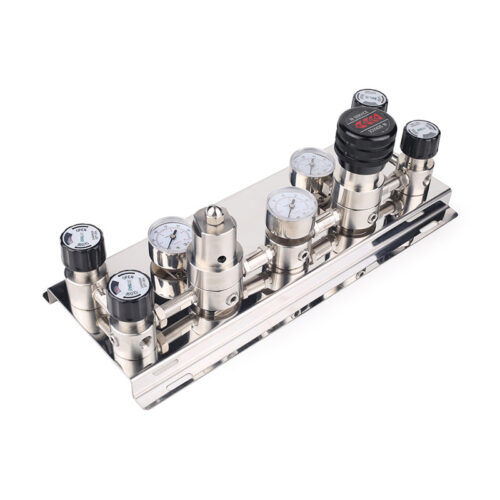
Stainless Steel High Pressure Specialty Gas Changeover Manifold For High Purity Oxygen Nitrogen Argon Helium Hydrogen Co2
-
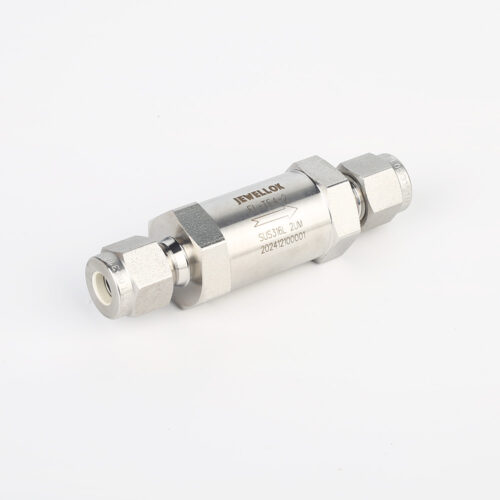
JF Series In-Line Gas Filters | High Purity High Precision High Flow Semiconductor Gas Filter Gas Filtration & Purification
-
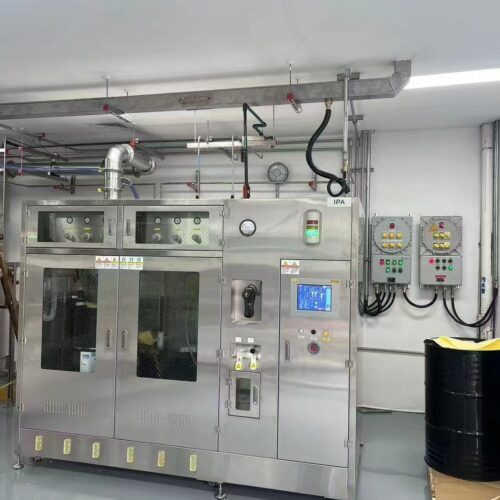
Precision Liquid Chemical Delivery Module (CDM) with PLC Control for Parts-Per-Trillion Purity in Solar Cell Production
-
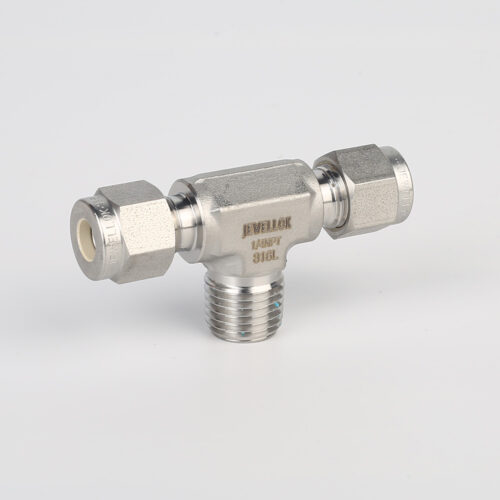
772L Male Branch Tee | Stainless Steel High-Purity Tube Fitting Male Branch Tee
-
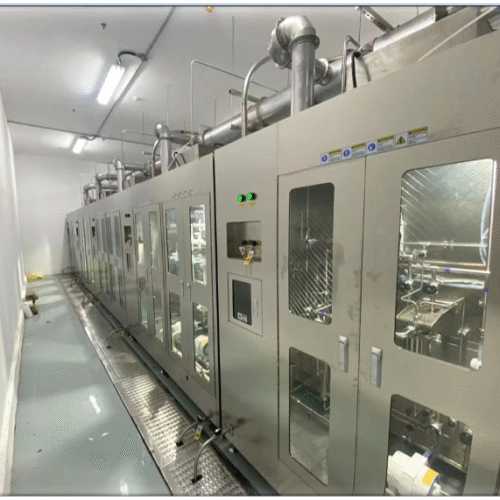
Ultra-High Purity Bulk Liquid Chemical Delivery System (BCDS) for Maintaining Parts-Per-Trillion Purity in Manufacturing
-
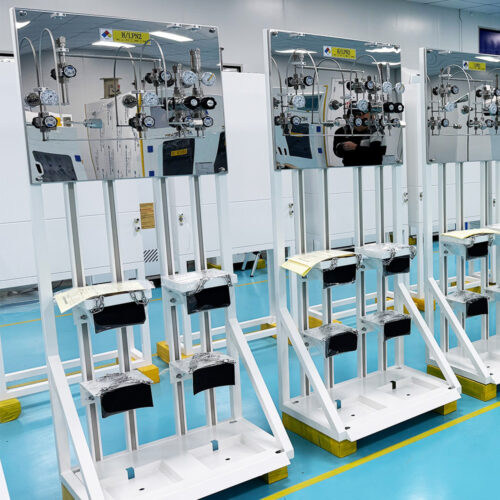
Manual Gas Rack High Purity Gas Delivery Systems JW-100-GR
-
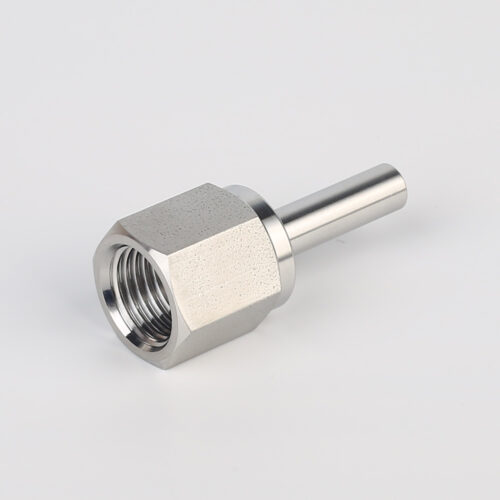
739LF High Purity Female Adapter Tube To Pipe Fittings And Connectors
-
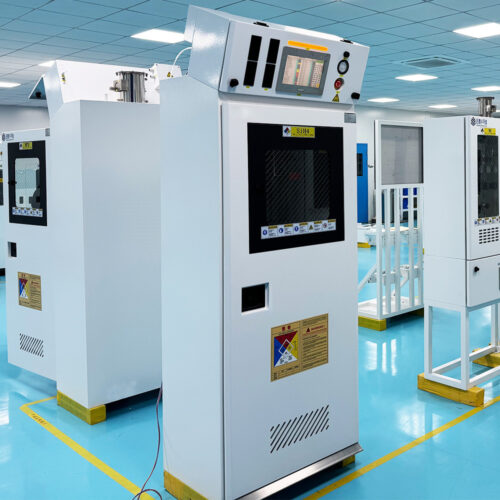
Bulk Specialty Gas Systems (BSGS) Gas Cabinets And Scrubber Tail Gas Treatment Cabinets For High Purity Bulk Specialty Gas Delivery