
Valves Manufacturer Tel: +86 13380377051
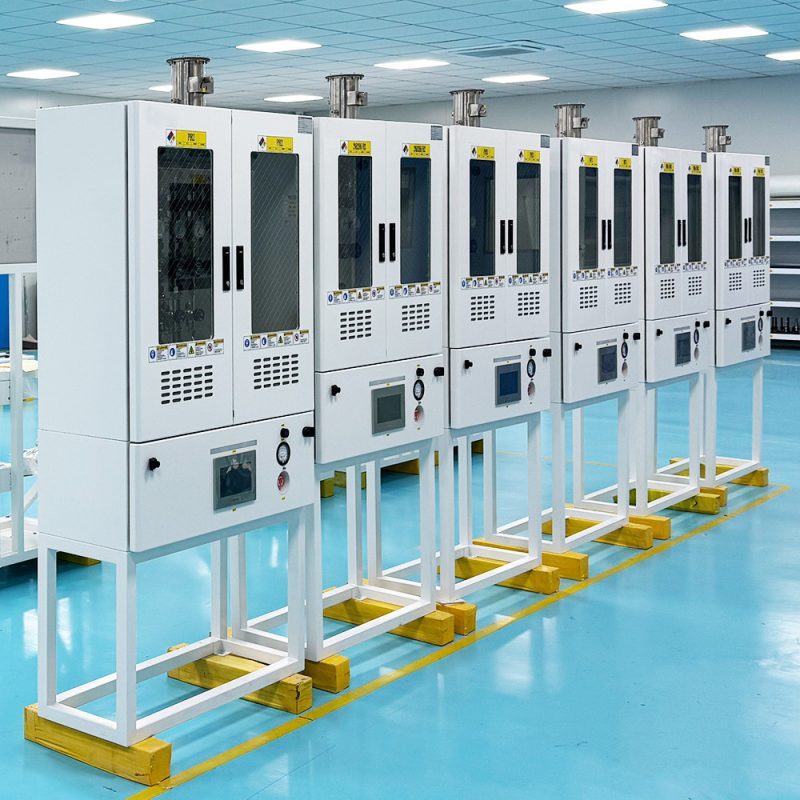
How to Select the Right Exhaust Gas Scrubber Equipment for Your Industrial Plant
In the modern industrial landscape, environmental compliance is not just a regulatory obligation; it is a critical component of operational legitimacy and corporate responsibility. For plants that process materials or burn fuels, the byproduct is often a stream of exhaust gas laden with pollutants such as sulfur oxides (SOx), nitrogen oxides (NOx), particulate matter (PM), and volatile organic compounds (VOCs). To mitigate these emissions, industries turn to exhaust gas scrubbers.
However, selecting the right scrubber is not a one-size-fits-all endeavor. Installing an undersized or incorrect system can lead to compliance failures, costly downtime, and maintenance nightmares. This article provides a technical roadmap for plant managers, engineers, and procurement specialists to select the optimal exhaust gas scrubbing equipment for their specific industrial application.

1. The First Principle: Characterize Your Effluent Stream
Before browsing equipment catalogs, you must fully understand the chemistry and physics of the exhaust gas scrubber you need to treat. The design of a scrubber is dictated by the input conditions. You must gather the following data points through stack testing or engineering calculations:
-
Pollutant Profile: What specific contaminants need to be removed? Is the target a soluble gas like hydrogen chloride (HCl) or sulfur dioxide (SO2), an insoluble gas like carbon monoxide (CO), or solid particulates like fly ash or metal fumes? Different pollutants require different capture mechanisms.
-
Gas Volume (Flow Rate): Measured in cubic feet per minute (CFM) or cubic meters per hour (m³/h). This dictates the physical size of the scrubber vessel.
-
Temperature: High-temperature gases may require quench sections to cool the gas before it enters the scrubber to prevent equipment damage or evaporation of the scrubbing liquid.
-
Particulate Load: Is the gas “clean” with only gaseous pollutants, or is it “dirty” with significant particulate matter? High particulate loads may require pre-filtration or a specific scrubber design (like a Venturi) that can handle slurry.
-
Moisture Content: Highly saturated gas streams behave differently than dry streams.
-
Variability: Is the process continuous or batch? Do pollutant concentrations spike during certain cycles? The system must handle the peak load, not just the average.
Technical Tip: A common mistake is designing for the average flow rate. Scrubbers should always be sized for the maximum anticipated exhaust flow and the maximum pollutant concentration to ensure compliance 100% of the time.
2. Matching Technology to the Target
Once the exhaust gas is fully characterized, you can select the core technology. Scrubbers generally fall into two categories: Wet Scrubbers and Dry Scrubbers.
Wet Scrubbers
Wet scrubbers physically contact the exhaust gas with a liquid (usually water or a chemical solution) to capture pollutants. They are highly effective for corrosive gases and soluble pollutants.
-
Spray Tower Scrubbers: The simplest design. Liquid is sprayed through nozzles into an empty vessel. Exhaust gas enters from the bottom and rises counter-current to the spray. These are excellent for highly soluble gases (like HCl) and for gas cooling, but less effective for sub-micron particulates or gases with low solubility.
-
Best for: Chemical plants, fertilizer manufacturing, acid fumes.
-
-
Packed Bed Scrubbers: These vessels are filled with packing media (saddles, rings) that create a large wetted surface area. The scrubbing liquid flows over the packing, and the gas flows through the gaps. This maximizes contact time and is the gold standard for removing gaseous pollutants like SO2, chlorine, and ammonia.
-
Best for: Fume incineration, pharmaceutical manufacturing, wastewater treatment plants.
-
-
Venturi Scrubbers: These are designed to handle high particulate loads. Gas is accelerated through a constricted “throat,” creating extreme turbulence. Liquid is injected at the throat, where it breaks into tiny droplets and collides with dust particles. Venturis are exceptionally good at handling sticky or flammable dusts.
-
Best for: Steel mills (blast furnaces), foundries, grain dryers, biomass boilers.
-
Dry and Semi-Dry Scrubbers
These systems introduce a dry reagent or a slurry that dries quickly to neutralize acid gases.
-
Dry Sorbent Injection (DSI): Finely powdered alkaline sorbents (like hydrated lime or sodium bicarbonate) are injected directly into the ductwork. The sorbent reacts with acid gases, and the resulting solid salt is captured downstream in a baghouse or electrostatic precipitator.
-
Best for: Applications where water usage is prohibitive or where plume visibility is a concern.
-
-
Semi-Dry (Spray Dryer) Absorbers: An alkaline slurry is atomized into the hot gas stream. The water evaporates instantly, leaving a dry powder of reaction products that is collected downstream. This offers high removal efficiency without creating a wet effluent stream.
3. The Chemistry of Removal: Reagent Selection
If you are targeting acid gases (SO2, HCl, HF), you must select a reagent. The choice dictates the scrubber’s chemistry, its byproducts, and its operating cost.
-
Sodium Hydroxide (Caustic Soda): Extremely reactive and efficient. It produces sodium salts which are generally soluble, preventing scaling inside the scrubber. However, caustic soda is expensive and hazardous to handle.
-
Calcium-Based Reagents (Lime/Limestone): Lower reagent cost. However, they produce calcium salts (gypsum) which are insoluble and prone to severe scaling and plugging. They also generate a slurry byproduct that requires a settling pond or filter press.
-
Magnesium Hydroxide: Less reactive than caustic but safer to handle. It is often used as a “polishing” agent or in systems where sludge handling is already in place.
-
Water Only: For particulates or highly soluble gases (like ethanol or ammonia), plain water may suffice, eliminating chemical costs entirely.
Engineering Consideration: The byproduct discharge is a major factor. If you use a once-through seawater scrubber, the discharge is permitted back to the sea. If you use a closed-loop lime scrubber, you must budget for dewatering and disposing of the sludge cake.
4. Material Selection: The Corrosion Factor
Industrial exhaust is often hot, wet, and chemically aggressive. Selecting the wrong material of construction (MOC) can lead to catastrophic failure within months.
-
Stainless Steel (304/316): Common for general applications. However, 316 stainless is susceptible to chloride-induced stress corrosion cracking. If you are scrubbing chlorinated compounds (like PVC combustion) with seawater or brackish water, stainless steel will fail.
-
FRP (Fiber-Reinforced Plastic): Excellent for low-temperature, highly corrosive environments (like acid fumes). FRP is lightweight and corrosion-resistant but cannot handle high temperatures (typically <200°F / 93°C) and is flammable.
-
Thermoplastics (PP, PVC, PVDF): Polypropylene (PP) and PVC are cost-effective for low-temperature acid scrubbing. PVDF is used for higher temperature and purity applications.
-
High-Nickel Alloys (Hastelloy, Inconel): Used for the most extreme conditions, such as scrubbing hot chlorine gas or handling very low pH levels with high chloride content. They are extremely expensive but often the only reliable option.
-
Rubber-Lined Carbon Steel: A cost-effective method for large vessels, combining the structural strength of carbon steel with the chemical resistance of rubber.
Golden Rule: Analyze the complete chemical composition of the gas and the scrubbing liquid. The presence of chlorides or fluorides in the presence of heat is the primary enemy of metal scrubbers.
5. Efficiency and Regulatory Compliance
The scrubber must be efficient enough to meet your permitted emission limits. Efficiency is not just about the technology but the engineering within the vessel.
-
L/G Ratio (Liquid-to-Gas Ratio): This defines how much liquid is circulated relative to the gas volume. A higher L/G generally increases removal efficiency but increases pump energy costs and pressure drop.
-
Pressure Drop (ΔP): This is the resistance the scrubber places on the exhaust stream. A Venturi scrubber might have a ΔP of 20–60 inches w.g., requiring a powerful fan. A spray tower might have a ΔP of only 2–4 inches w.g. Higher ΔP usually means higher particulate removal but higher energy consumption.
-
Number of Stages: For very high removal efficiency (99.9%+), a single-stage scrubber may not suffice. Two-stage scrubbing (e.g., a Venturi for particulates followed by a packed bed for acid gases) may be required.
-
Mist Elimination: After scrubbing, the gas is saturated with water droplets that may contain pollutants. A high-efficiency mist eliminator (mesh pad or vane type) is critical to prevent “carryover,” which can cause visible stack plumes or compliance violations.
6. Site Constraints and Total Cost of Ownership (TCO)
A scrubber is a long-term asset. Beyond the purchase price, consider the physical and operational realities of your plant.
-
Space and Layout: Does your plant have the vertical clearance for a tall, counter-current packed tower? Or is the footprint limited, necessitating a shorter, horizontal cross-flow scrubber? Can your existing ductwork be easily tied in?
-
Utility Availability:
-
Water: Is there a sufficient supply of process water? Is the water hard (causing scaling) or soft? Do you have a sanitary sewer or a treatment plant to handle the blowdown?
-
Power: Does the scrubber fan and pump motor align with your existing electrical infrastructure?
-
Compressed Air: Required for instrumentation and perhaps for reagent injection.
-
-
Maintenance Access: Will you need a crane to remove packing media or a pump? Are access ports large enough for maintenance personnel to enter safely?
7. Making the Final Decision
To select the right scrubber, create a weighted decision matrix. Score each potential vendor or technology against the following criteria:
-
Compliance Risk: Does it guarantee the removal efficiency under all operating conditions?
-
Capital Cost (CAPEX): The initial purchase and installation cost.
-
Operating Cost (OPEX): Projected annual costs for chemicals, electricity, water treatment, and waste disposal.
-
Maintenance Complexity: How often will it need servicing? Are parts readily available?
-
Safety: Does the system create new hazards (e.g., confined spaces, chemical handling risks)?
Conclusion
Selecting the right exhaust gas scrubber equipment is a complex balance of chemistry, mechanical engineering, and financial forecasting. By starting with a precise characterization of your exhaust gas, understanding the capabilities of different technologies, and rigorously evaluating your site’s constraints, you can invest in a system that ensures regulatory compliance, protects the environment, and minimizes lifetime operational costs.
Always consult with at least three experienced vendors and, if necessary, an independent environmental engineering consultant to validate your assumptions. In the world of emission control, an infequipmentormed decision today prevents a pollution crisis tomorrow.
For more about how to select the right exhaust gas scrubber for your industrial plant, you can pay a visit to Jewellok at https://www.jewellok.com/ for more info.
-

UHP Liquid Chemical Delivery System (CDS) Implementation for High-Volume Photovoltaic and Renewable Energy Component Production Lines
-
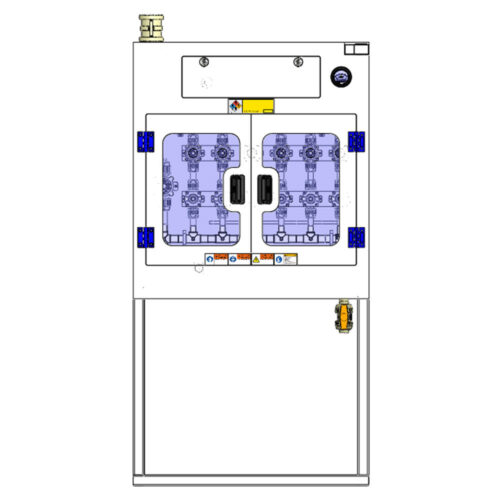
High Purity Configurable Systems VMB Valve Manifold Box JW-200-VMB-C & JW-100-VMB-C
-
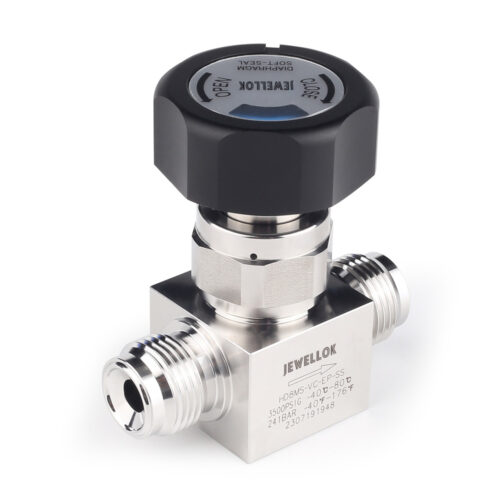
Stainless Steel Ultra High Purity (UHP) High Pressure Manual Diaphragm Valve
-
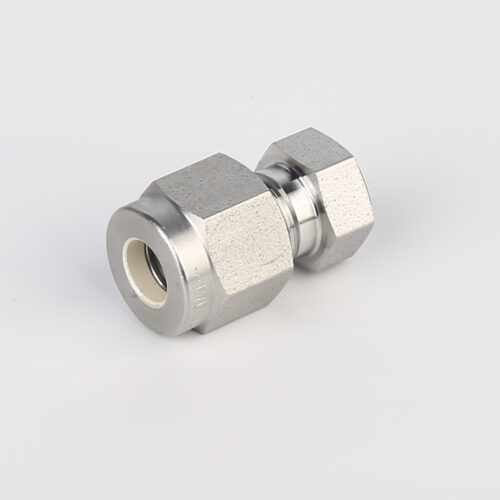
7108L Cylinder Cap Connectors For Ultra High Purity Gases
-
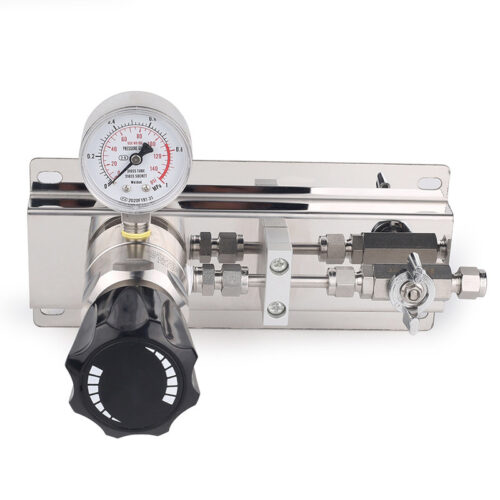
Medical Oxygen Single Stage Manual Gas Changeover Manifold Panel High-Purity Two-Stage Manual Gas Manifold Gas Pressure Control Panels
-

Liquid Chemical Delivery Module And Chemical Delivery System Semiconductor Chemical Automatic Liquid Supply Equipment
-
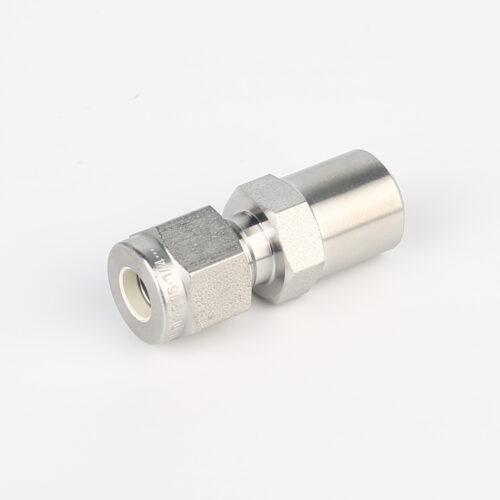
768LN Stainless Steel Male Pipe Tube Butt Weld Connector And Tube Fittings Supplier
-
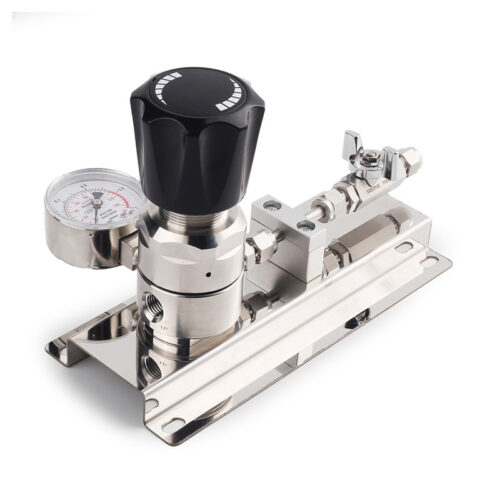
Ultra High Purity Stainless Steel Compressed Gas Changeover Manifold Panel System For Integrated Gas Supply System