
Valves Manufacturer Tel: +86 13380377051
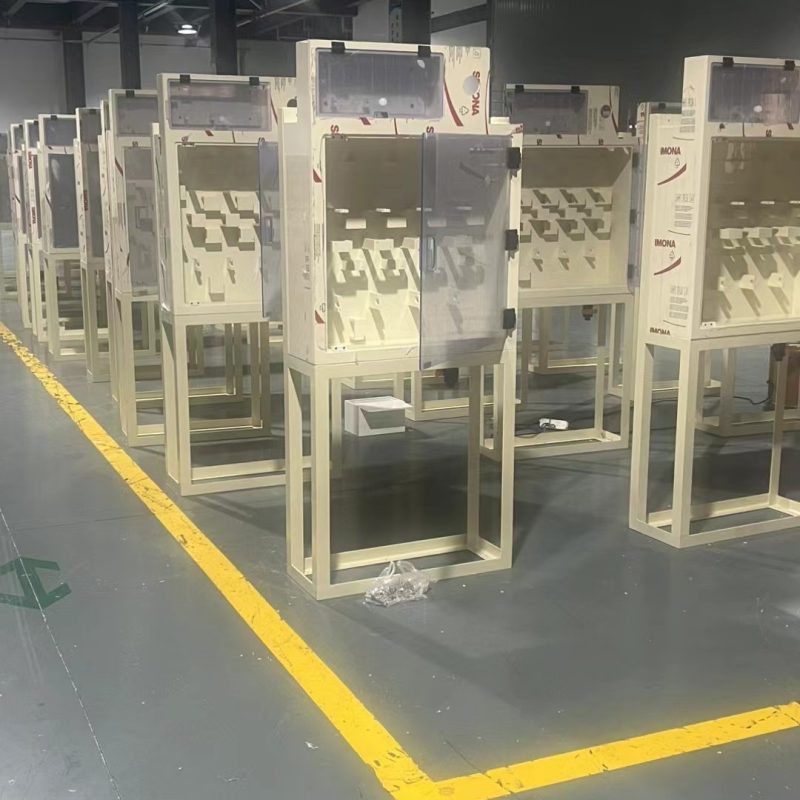
Advanced Chemical Exhaust Treatment Scrubber Systems for Industrial Air Pollution Control
Introduction
As global industries continue to expand in sectors such as semiconductors, pharmaceuticals, chemicals, electronics, laboratories, and advanced manufacturing, the demand for efficient air pollution control systems has become increasingly critical. Industrial production processes often generate hazardous exhaust gases containing toxic chemicals, corrosive vapors, volatile organic compounds (VOCs), acid gases, alkaline fumes, and particulate contaminants. Without proper treatment, these emissions can endanger worker safety, damage equipment, and violate increasingly strict environmental regulations.
One of the most effective technologies for controlling harmful industrial emissions is the chemical exhaust treatment scrubber. Scrubber systems are engineered to remove hazardous contaminants from process exhaust streams before they are released into the atmosphere. Through physical absorption, chemical neutralization, or particulate capture, scrubbers help industries achieve regulatory compliance while improving operational safety and environmental sustainability.
This article explores the working principles, types, applications, design considerations, and future trends of chemical exhaust treatment scrubbers in modern industrial environments.
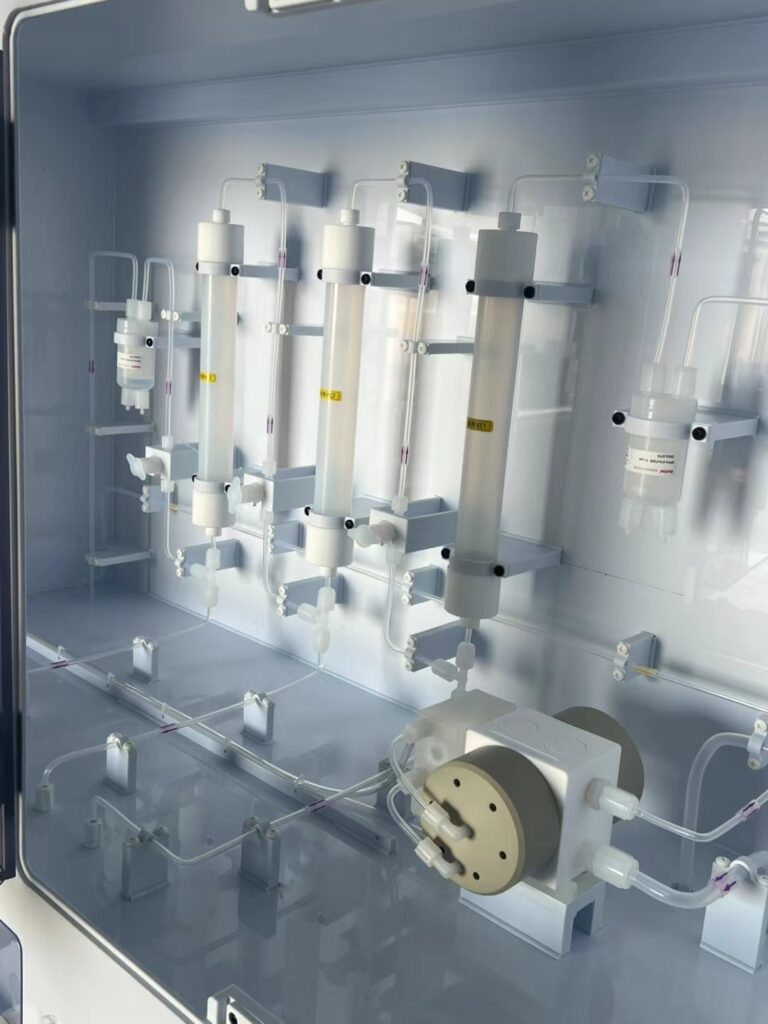
What Is a Chemical Exhaust Treatment Scrubber?
A chemical exhaust treatment scrubber is an air pollution control device designed to remove harmful gases, vapors, and particulates from industrial exhaust streams. The system typically uses liquid chemicals, water, or reactive media to absorb or neutralize contaminants before clean air is discharged.
Scrubbers are widely used in industries where hazardous process gases are generated, including:
- Semiconductor manufacturing
- Chemical processing plants
- Pharmaceutical production
- Metal finishing and electroplating
- Battery manufacturing
- Waste treatment facilities
- Petrochemical industries
- Laboratory ventilation systems
The primary purpose of a scrubber is to reduce environmental emissions while protecting workers, equipment, and surrounding communities from dangerous airborne contaminants.
Working Principle of Chemical Scrubbers
The operation of a chemical exhaust scrubber is based on the interaction between polluted gas streams and a treatment medium. Contaminated exhaust gases enter the scrubber chamber where they come into contact with scrubbing liquids or filtration materials. During this process, harmful pollutants are either absorbed, dissolved, chemically neutralized, or physically separated.
The typical working process includes:
1. Exhaust Gas Collection
Industrial exhaust gases are captured through duct systems connected to process equipment such as reactors, wet benches, chemical cabinets, or production lines.
2. Gas-Liquid Contact
Inside the scrubber tower, the contaminated gas stream contacts the scrubbing solution through spray nozzles, packed beds, venturi sections, or other mass transfer mechanisms.
3. Chemical Neutralization
Reactive chemicals within the scrubbing liquid neutralize hazardous gases. For example:
- Sodium hydroxide (NaOH) neutralizes acidic gases
- Sulfuric acid neutralizes alkaline vapors
- Oxidizing agents break down toxic compounds
4. Pollutant Removal
Contaminants are converted into harmless salts, liquids, or particulates that can be safely collected and treated.
5. Clean Air Discharge
After treatment, purified air is released through exhaust stacks in compliance with environmental regulations.
Types of Chemical Exhaust Treatment Scrubbers
Different industrial applications require different scrubber technologies depending on gas composition, concentration, temperature, humidity, and treatment efficiency requirements.
1. Wet Scrubbers
Wet scrubbers are the most common type of chemical exhaust treatment system. They use liquid solutions to absorb and neutralize pollutants.
Key Features
- High removal efficiency for acid and alkaline gases
- Effective cooling capability
- Suitable for high-temperature exhaust streams
- Capable of removing particulates and soluble gases simultaneously
Common Applications
- Semiconductor fabs
- Acid exhaust treatment
- Chemical plants
- Electroplating facilities
Advantages
- Excellent gas absorption efficiency
- Handles corrosive gases effectively
- Reduces fire and explosion risks
Limitations
- Generates wastewater requiring treatment
- Higher maintenance requirements
- Potential corrosion issues
2. Dry Scrubbers
Dry scrubbers use dry sorbent materials instead of liquid chemicals to remove pollutants.
Working Principle
The exhaust gas passes through dry reactive media such as activated alumina, activated carbon, or alkaline powders that chemically react with pollutants.
Advantages
- Lower water consumption
- Minimal wastewater generation
- Compact installation footprint
Applications
- Semiconductor toxic gas treatment
- VOC removal
- Odor control systems
Limitations
- Media replacement required
- Lower efficiency for some gas types
- Limited cooling capability
3. Packed Bed Scrubbers
Packed bed scrubbers contain specialized packing materials that increase the contact surface area between gas and liquid.
Benefits
- High mass transfer efficiency
- Excellent removal performance
- Lower pressure drop
- Suitable for continuous industrial operation
Common Packing Materials
- Polypropylene packing
- Ceramic saddles
- PVC structured packing
- Random packing media
Packed bed scrubbers are widely used in semiconductor exhaust treatment systems due to their high efficiency and compact design.
4. Venturi Scrubbers
Venturi scrubbers use high-velocity gas streams to atomize scrubbing liquids into fine droplets for enhanced particulate removal.
Main Characteristics
- Extremely effective for fine particle capture
- High turbulence improves mass transfer
- Suitable for dust-heavy applications
Applications
- Metal processing
- Mining operations
- Incineration systems
- High particulate industrial exhaust
Common Pollutants Treated by Scrubbers
Chemical exhaust treatment scrubbers are designed to remove a wide range of industrial pollutants, including:
Acid Gases
- Hydrogen chloride (HCl)
- Hydrogen fluoride (HF)
- Sulfur dioxide (SO2)
- Nitrogen oxides (NOx)
Alkaline Gases
- Ammonia (NH3)
- Amines
Toxic Semiconductor Gases
- Silane (SiH4)
- Phosphine (PH3)
- Arsine (AsH3)
- Boron trichloride (BCl3)
Volatile Organic Compounds (VOCs)
- Solvent vapors
- Organic chemical fumes
- Hydrocarbon emissions
Particulates
- Dust
- Aerosols
- Fine suspended particles
Importance of Scrubbers in Semiconductor Manufacturing
The semiconductor industry is one of the largest users of advanced chemical exhaust treatment systems. Semiconductor fabrication processes involve highly hazardous gases used in etching, deposition, cleaning, and lithography operations.
Without effective exhaust treatment, toxic gases can create severe environmental and safety risks.
Semiconductor Process Areas Requiring Scrubbers
- Wet benches
- Chemical mechanical polishing (CMP)
- Etching systems
- Chemical vapor deposition (CVD)
- Diffusion furnaces
- Gas cabinets
Key Requirements
Semiconductor scrubbers must provide:
- Ultra-high reliability
- Continuous operation
- Corrosion resistance
- High removal efficiency
- Automated monitoring systems
- Low particle generation
Materials such as PP, PVDF, PTFE, FRP, and stainless steel are commonly used for semiconductor-grade scrubber systems due to their superior chemical resistance.
Design Considerations for Chemical Scrubber Systems
Proper scrubber design is essential to ensure safe and efficient operation. Several engineering factors must be carefully evaluated.
1. Gas Flow Rate
The exhaust air volume directly affects scrubber size, fan selection, and treatment efficiency.
2. Chemical Compatibility
Construction materials must resist corrosion caused by process chemicals and reaction byproducts.
3. Pollutant Concentration
Higher contaminant concentrations may require multi-stage treatment systems or stronger chemical solutions.
4. Removal Efficiency Requirements
Environmental regulations often define minimum pollutant removal efficiencies.
5. Pressure Drop
Excessive pressure loss increases energy consumption and operational costs.
6. Maintenance Accessibility
Systems should allow easy inspection, media replacement, and maintenance procedures.
7. Safety Features
Modern scrubbers typically include:
- Leak detection
- pH monitoring
- Flow alarms
- Emergency shutdown systems
- Redundant pumps and fans
Materials Used in Scrubber Construction
Chemical resistance is one of the most important factors in scrubber manufacturing.
Common Materials Include:
| Material | Advantages | Applications |
|---|---|---|
| PP (Polypropylene) | Excellent acid resistance | Wet scrubbers |
| PVC | Low cost and corrosion resistant | General chemical exhaust |
| PVDF | High purity and chemical resistance | Semiconductor systems |
| FRP | Strong and lightweight | Large industrial scrubbers |
| Stainless Steel 316L | High durability | High-temperature systems |
| PTFE | Extreme chemical resistance | Aggressive chemical environments |
Selecting suitable materials significantly improves system lifespan and reliability.
Environmental Regulations and Compliance
Governments worldwide continue to strengthen air pollution control regulations. Industries must comply with strict emission standards established by agencies such as:
- U.S. EPA
- European Environmental Agency
- China Ministry of Ecology and Environment
- Local environmental authorities
Failure to comply may result in:
- Heavy financial penalties
- Production shutdowns
- Legal liabilities
- Environmental damage
- Reputation loss
Chemical exhaust treatment scrubbers help manufacturers meet emission limits while demonstrating environmental responsibility.
Advantages of Chemical Exhaust Treatment Scrubbers
Modern scrubber systems provide numerous operational and environmental benefits.
Environmental Protection
Scrubbers significantly reduce harmful atmospheric emissions and improve air quality.
Worker Safety
Proper exhaust treatment minimizes employee exposure to toxic chemicals.
Regulatory Compliance
Efficient pollutant removal helps facilities comply with environmental standards.
Equipment Protection
Removing corrosive gases prevents damage to downstream ducting and ventilation systems.
Improved Sustainability
Advanced scrubbers support green manufacturing initiatives and corporate ESG goals.
Challenges in Scrubber Operation
Although scrubbers are highly effective, several operational challenges must be managed.
Corrosion
Aggressive chemicals may damage internal components if improper materials are used.
Wastewater Management
Wet scrubbers generate contaminated wastewater that requires treatment.
Scaling and Fouling
Chemical deposits may reduce system efficiency over time.
Energy Consumption
Fans, pumps, and circulation systems contribute to operational costs.
Maintenance Requirements
Routine inspections and chemical monitoring are necessary for reliable operation.
Preventive maintenance programs are essential for maximizing scrubber performance and minimizing downtime.
Emerging Technologies and Future Trends
As industrial processes become more advanced, scrubber technologies continue to evolve.
Smart Monitoring Systems
Modern scrubbers increasingly use IoT sensors and automated controls for real-time monitoring of:
- pH levels
- Flow rates
- Pressure differentials
- Gas concentrations
- System efficiency
Energy-Efficient Designs
Manufacturers are developing low-pressure-drop systems to reduce energy consumption.
Hybrid Treatment Systems
Integrated wet-dry scrubber combinations improve treatment flexibility for complex exhaust streams.
Sustainable Chemical Usage
Advanced chemical recycling technologies reduce operating costs and environmental impact.
AI-Based Predictive Maintenance
Artificial intelligence helps identify maintenance needs before failures occur, improving reliability and reducing downtime.
Conclusion
Chemical exhaust treatment scrubbers play a vital role in modern industrial pollution control. From semiconductor manufacturing to chemical processing, these systems protect the environment, ensure worker safety, and help industries comply with increasingly strict emission regulations.
By effectively removing toxic gases, corrosive vapors, VOCs, and particulates, scrubber systems support sustainable manufacturing and responsible industrial growth. As technology advances, modern scrubbers are becoming smarter, more energy-efficient, and better integrated with automated environmental monitoring systems.
For industries handling hazardous chemical exhaust, investing in a high-performance scrubber system is no longer optional—it is an essential component of safe, compliant, and environmentally responsible operations.
For more about advanced chemical exhaust treatment scrubber systems for industrial air pollution control, you can pay a visit to Jewellok at https://www.jewellok.com/product-category/chemical-delivery-system/ for more info.
-
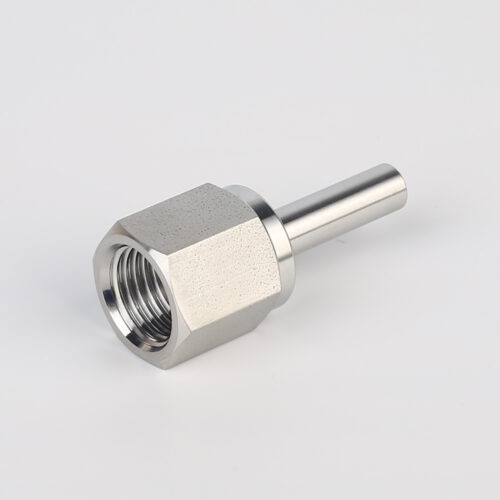
739LF High Purity Female Adapter Tube To Pipe Fittings And Connectors
-

Engineering Ultra-High Purity Fluid Control Liquid Chemical Delivery Module (CDM) And Chemical Delivery System (CDS) for Pharmaceutical Grade Applications
-
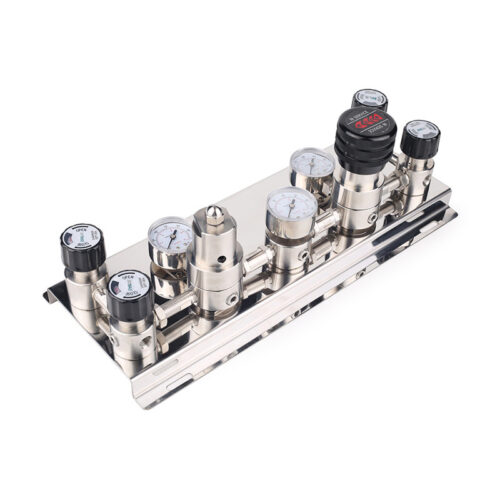
Automatic Gas Switchover System Automatic Switchover Manifold Automatic Gas Cylinder Switchover
-
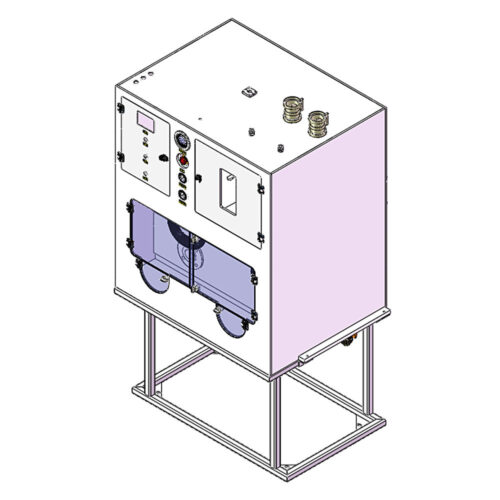
Clean Connection Cabinet JW-300-CCB Valve Manifold Box And Control Valve Box
-
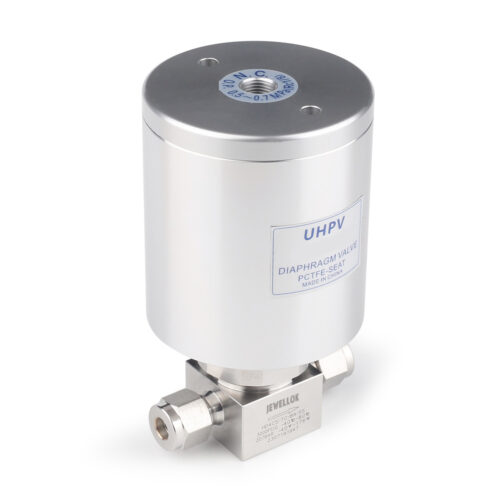
316L Stainless Steel Semiconductor High Purity High Pressure Pneumatic Diaphragm Valve For Laboratory Specialty Gases
-
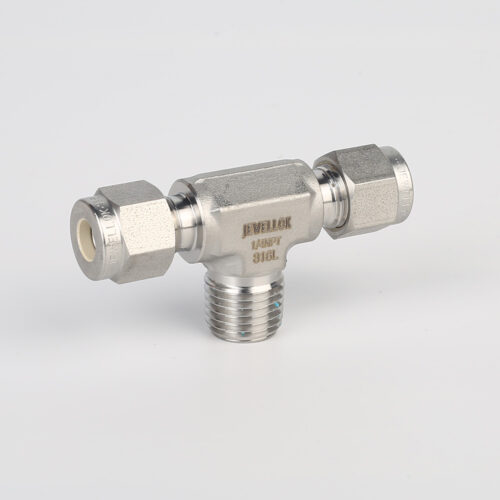
772L Male Branch Tee | Stainless Steel High-Purity Tube Fitting Male Branch Tee
-
High Purity High Pressure 316 Stainless Steel Ball Valves JBV1 Series From High Pressure Ball Valve Manufacturer And Supplier In China
-
Stainless Steel Ultra High Purity (UHP) High Pressure Manual Diaphragm Valve