
Valves Manufacturer Tel: +86 13380377051
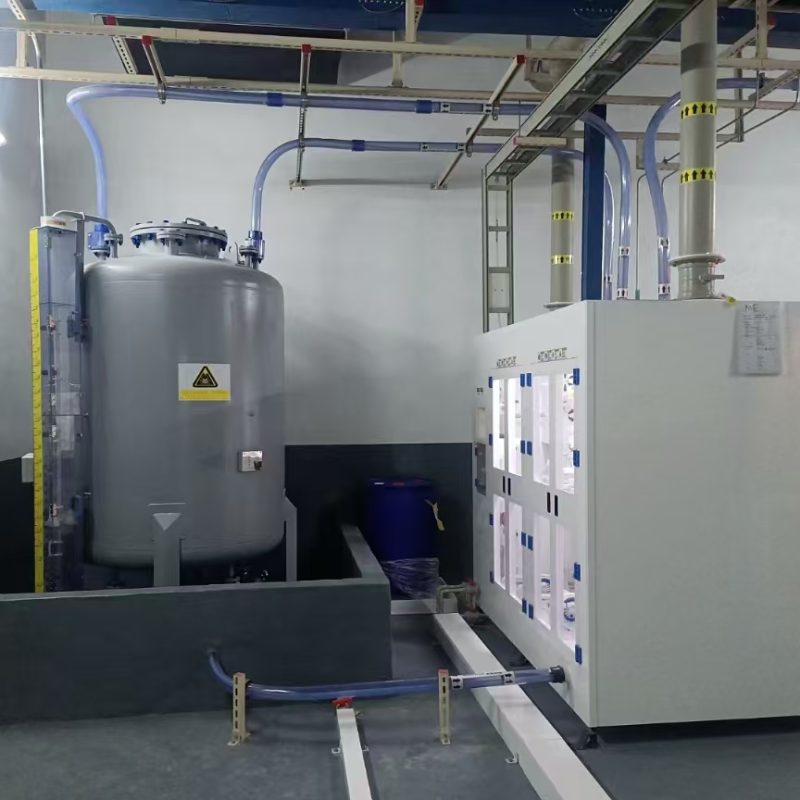
Industrial Scrubber Solutions for Air Pollution Control and Emission Compliance
Introduction
As environmental regulations become increasingly stringent worldwide, industrial facilities face growing pressure to reduce harmful air emissions while maintaining efficient production operations. Air pollution generated from manufacturing processes, chemical production, metal finishing, pharmaceutical manufacturing, semiconductor fabrication, wastewater treatment, and energy generation can contain hazardous gases, volatile organic compounds (VOCs), acid fumes, toxic particulates, and odor-causing compounds that pose risks to both human health and the environment.
Industrial scrubber systems have emerged as one of the most effective technologies for controlling airborne contaminants and ensuring compliance with environmental regulations. By capturing and neutralizing harmful pollutants before they are released into the atmosphere, scrubbers help industries achieve sustainable operations while avoiding costly regulatory penalties.
This article explores industrial scrubber technologies, their working principles, applications, advantages, and key considerations for selecting the right air pollution control solution.
What Is an Industrial Scrubber?
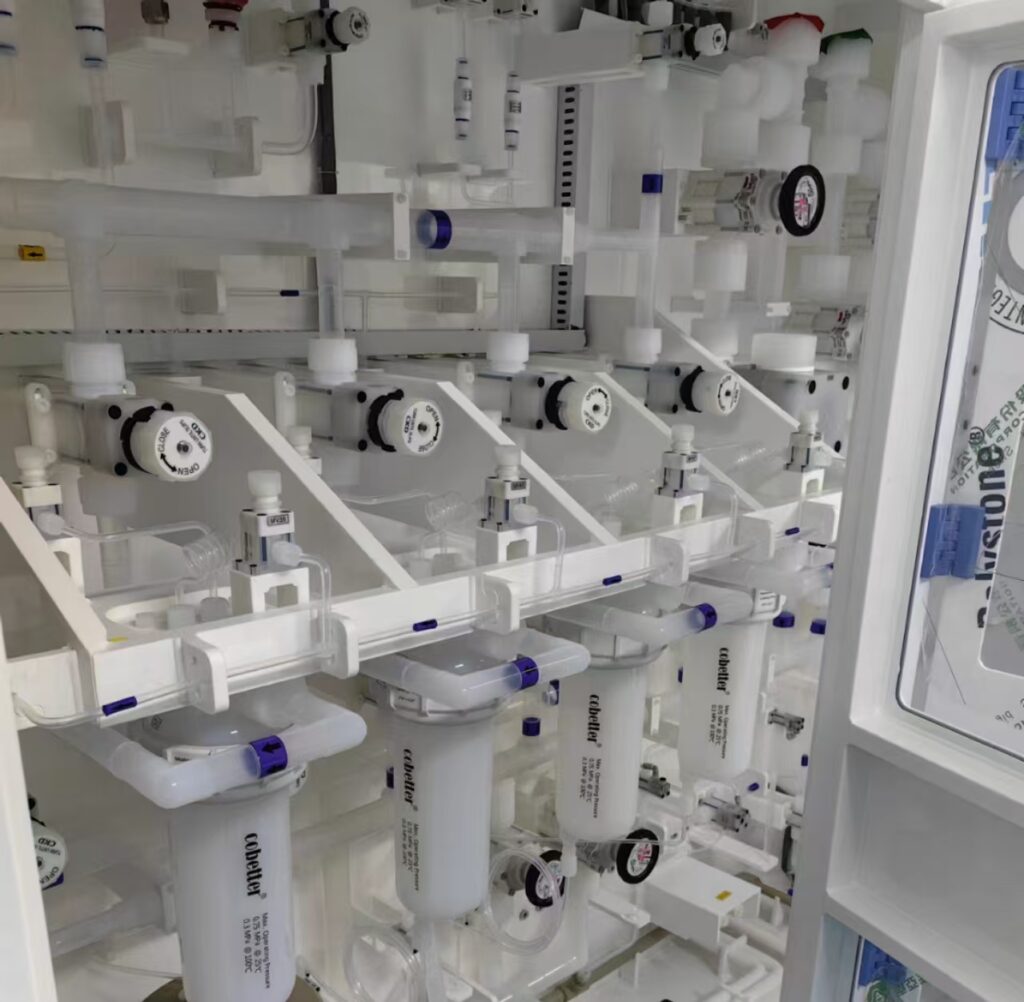
An industrial scrubber is an air pollution control device designed to remove harmful gases, fumes, particulates, and chemical contaminants from industrial exhaust streams. Scrubbers use liquid, chemical reagents, or specialized filtration media to capture and neutralize pollutants before clean air is discharged into the environment.
These systems are commonly installed in exhaust ventilation systems, process gas treatment lines, chemical manufacturing plants, semiconductor facilities, wastewater treatment plants, and industrial production environments where hazardous emissions must be controlled.
Industrial scrubbers play a critical role in helping facilities comply with environmental standards established by regulatory agencies such as the United States Environmental Protection Agency (EPA), the European Industrial Emissions Directive (IED), and various local environmental authorities worldwide.
Why Air Pollution Control Matters
Industrial emissions can contain a wide range of pollutants, including:
- Sulfur dioxide (SO₂)
- Hydrogen chloride (HCl)
- Hydrogen fluoride (HF)
- Ammonia (NH₃)
- Nitrogen oxides (NOx)
- Volatile organic compounds (VOCs)
- Hydrogen sulfide (H₂S)
- Chlorine gas (Cl₂)
- Acid mists
- Fine particulate matter (PM)
- Toxic chemical vapors
Without proper treatment, these pollutants can contribute to:
- Respiratory illnesses
- Environmental degradation
- Acid rain formation
- Smog and ozone creation
- Corrosion of equipment
- Workplace safety hazards
- Regulatory violations and fines
Modern scrubber systems help organizations reduce environmental impact while protecting employees, surrounding communities, and production assets.
Types of Industrial Scrubber Systems
Different industrial processes generate different contaminants, requiring specialized scrubber technologies.
Wet Scrubbers
Wet scrubbers are among the most widely used air pollution control systems. They operate by bringing contaminated gas streams into contact with a scrubbing liquid, typically water or a chemically treated solution.
As the exhaust gas passes through the scrubber, pollutants dissolve into the liquid and are removed from the gas stream.
Common wet scrubber designs include:
Packed Bed Scrubbers
Packed bed scrubbers contain specially designed packing media that maximize the contact surface area between the gas and liquid.
Benefits include:
- High removal efficiency
- Excellent acid gas treatment
- Low pressure drop
- Compact design
- Reliable continuous operation
Packed bed scrubbers are commonly used for:
- Semiconductor manufacturing
- Chemical processing
- Pharmaceutical production
- Metal finishing operations
Venturi Scrubbers
Venturi scrubbers use high gas velocities to atomize scrubbing liquid into fine droplets. These droplets efficiently capture particulate matter and aerosols.
Advantages include:
- High particulate removal efficiency
- Effective for fine particles
- Suitable for heavy dust loading
- Compact footprint
Applications include:
- Mining operations
- Cement plants
- Steel manufacturing
- Combustion processes
Dry Scrubbers
Dry scrubbers remove pollutants without using significant amounts of liquid. Instead, they employ dry sorbents that chemically react with contaminants.
Common sorbents include:
- Activated carbon
- Sodium bicarbonate
- Hydrated lime
- Specialized chemical absorbents
Benefits include:
- Lower water consumption
- Reduced wastewater generation
- Simplified maintenance
- Lower corrosion risk
Dry scrubbers are frequently used in:
- Waste incineration facilities
- Power plants
- Industrial boilers
- Odor control applications
Chemical Scrubbers
Chemical scrubbers utilize specially formulated reagents to neutralize specific contaminants.
Examples include:
- Caustic solutions for acid gases
- Acid solutions for ammonia removal
- Oxidizing chemicals for sulfur compounds
- Reducing agents for chlorine treatment
These systems are highly effective when dealing with reactive gases and hazardous chemical emissions.
Key Components of an Industrial Scrubber System
An industrial scrubber typically consists of several critical components:
Scrubber Tower
The tower serves as the primary treatment vessel where pollutant removal occurs.
Packing Media
Structured or random packing provides a large contact area for gas-liquid interaction, improving removal efficiency.
Recirculation Pump
The pump continuously circulates scrubbing liquid through the system.
Mist Eliminator
Mist eliminators remove liquid droplets from the cleaned gas stream before discharge.
Chemical Dosing System
Automated dosing systems maintain proper pH levels and reagent concentrations.
Monitoring and Control System
Modern scrubbers incorporate sensors and automated controls to optimize performance and maintain compliance.
Applications of Industrial Scrubber Solutions
Chemical Manufacturing
Chemical plants generate a variety of hazardous gases requiring reliable treatment systems.
Scrubbers effectively remove:
- Acid vapors
- Solvent emissions
- Chlorine compounds
- Sulfur-containing gases
Semiconductor Industry
Semiconductor fabrication processes generate highly corrosive and toxic exhaust streams.
Industrial scrubbers are used to treat:
- Hydrofluoric acid
- Silicon compounds
- Process gases
- Reactive chemical vapors
Pharmaceutical Manufacturing
Pharmaceutical production often involves solvents and chemical reactions that release VOCs and hazardous gases.
Scrubbers help ensure:
- Worker safety
- Product quality
- Regulatory compliance
Metal Finishing Operations
Processes such as pickling, electroplating, and anodizing generate acid mists and chemical fumes.
Scrubber systems effectively control:
- Sulfuric acid mist
- Hydrochloric acid fumes
- Nitric acid vapors
- Metal-containing aerosols
Wastewater Treatment Facilities
Wastewater treatment plants commonly generate odors and corrosive gases such as:
- Hydrogen sulfide
- Ammonia
- Mercaptans
Odor control scrubbers help improve air quality and community relations.
Power Generation
Industrial boilers and power plants produce significant emissions requiring treatment before atmospheric release.
Scrubbers reduce:
- Sulfur dioxide
- Particulate matter
- Acid gases
- Heavy metal contaminants
Benefits of Industrial Scrubber Systems
Regulatory Compliance
One of the primary advantages of industrial scrubbers is helping facilities meet environmental regulations and permit requirements.
Compliance benefits include:
- Reduced risk of fines
- Improved environmental reporting
- Easier permitting approvals
- Enhanced corporate sustainability performance
High Removal Efficiency
Modern scrubbers can achieve pollutant removal efficiencies exceeding 95% and, in some applications, greater than 99%.
Enhanced Workplace Safety
Removing hazardous gases from exhaust streams reduces employee exposure to dangerous substances.
Equipment Protection
Controlling corrosive gases helps extend the service life of downstream equipment and infrastructure.
Environmental Sustainability
Reducing harmful emissions contributes to cleaner air and supports corporate environmental goals.
Operational Reliability
Properly designed scrubbers provide consistent performance with minimal downtime.
Selecting the Right Industrial Scrubber Solution
Choosing the correct scrubber system requires careful evaluation of several factors.
Pollutant Characteristics
Identify:
- Chemical composition
- Concentration levels
- Solubility
- Reactivity
- Toxicity
Airflow Requirements
The scrubber must be sized appropriately for the process exhaust volume.
Removal Efficiency Targets
Different regulations may require varying levels of pollutant removal.
Operating Costs
Evaluate:
- Water consumption
- Chemical usage
- Energy requirements
- Maintenance costs
Material Compatibility
Corrosive environments often require specialized construction materials such as:
- FRP (Fiberglass Reinforced Plastic)
- PVC
- PP (Polypropylene)
- PVDF
- Stainless steel
Future Expansion
Facilities should consider potential increases in production capacity when selecting equipment.
Smart Scrubber Technologies and Industry 4.0
Modern industrial scrubbers increasingly incorporate advanced monitoring and automation technologies.
Features may include:
- Real-time emissions monitoring
- Automated pH control
- Remote diagnostics
- Predictive maintenance
- Data logging and reporting
- Cloud-based monitoring platforms
These technologies improve operational efficiency while simplifying environmental compliance reporting.
Maintenance Best Practices
Regular maintenance is essential for long-term scrubber performance.
Recommended practices include:
- Routine inspection of packing media
- Monitoring pressure drop
- Checking pump performance
- Verifying chemical dosing systems
- Cleaning mist eliminators
- Calibrating sensors
- Reviewing operating data trends
Preventive maintenance programs help minimize downtime and maximize system reliability.
Future Trends in Air Pollution Control
As environmental regulations continue to evolve, scrubber technologies are becoming more sophisticated.
Emerging trends include:
- Higher energy efficiency designs
- Reduced water consumption systems
- Hybrid wet-dry scrubber technologies
- AI-assisted process optimization
- Integrated emissions monitoring
- Enhanced VOC treatment solutions
Industries increasingly seek customized solutions capable of addressing complex emission challenges while reducing operating costs.
Conclusion
Industrial scrubber solutions remain a cornerstone of modern air pollution control strategies. Whether treating acid gases, toxic fumes, particulate matter, odors, or VOC emissions, scrubber systems provide highly effective and reliable pollutant removal across a wide range of industries.
By selecting the appropriate scrubber technology, optimizing system design, and implementing proactive maintenance programs, organizations can achieve superior environmental performance, protect worker safety, and maintain full compliance with increasingly stringent emission regulations.
As industries continue to pursue sustainability goals and regulatory compliance, advanced industrial scrubber systems will play an even greater role in creating cleaner, safer, and more environmentally responsible manufacturing operations worldwide.
For more about industrial scrubber solutions for air pollution control and emission compliance, you can pay a visit to Jewellok at https://www.jewellok.com/product-category/chemical-delivery-system/ for more info.
-
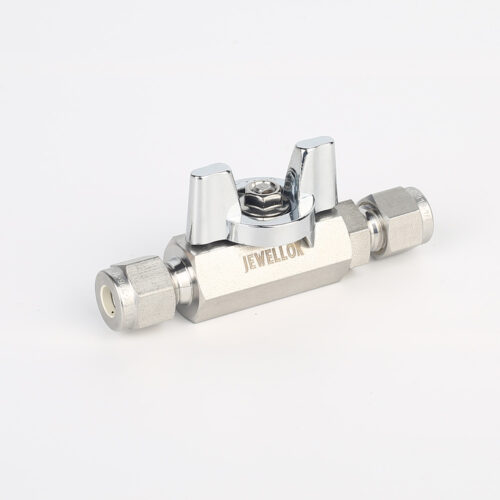
Stainless Steel High-Purity High Temperature Metal Seated Ball Valves JBV3 Series
-
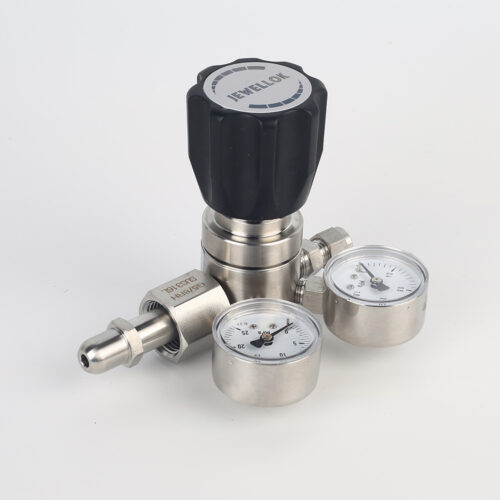
High Purity High Pressure Specialty Gas Pressure Regulators Specialty Gases Pipeline Engineering Equipments Manufacturer And Supplier
-
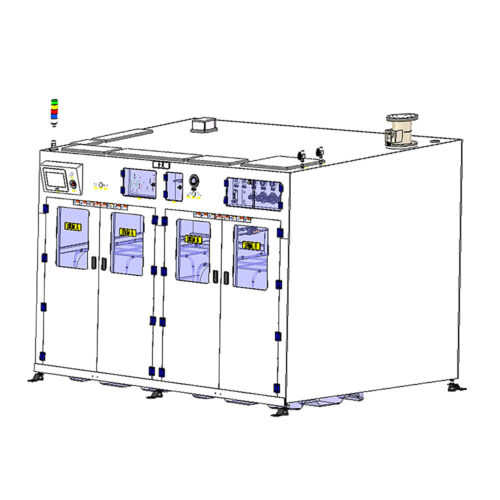
Scrubber Gas Cabinet Scrubber Tail Gas Treatment Cabinet Vent Gas Scrubber System Heat-Filter Burn Box Gas Scrubber/Abatement System
-
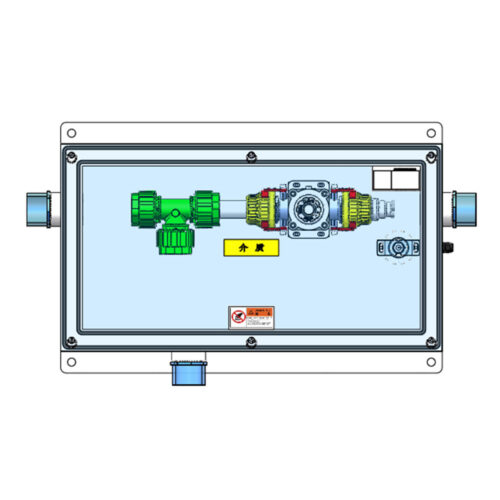
T-BOX JW-TB-C Special Gas Delivery System Gas Valve Manifold Boxes
-
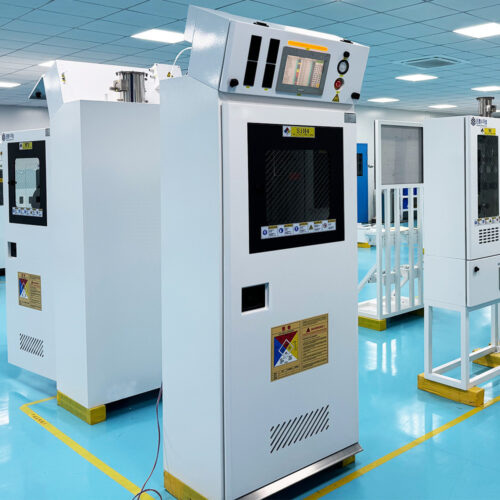
High Purity Bulk Specialty Gas Pressure Control And Filtration Bulk Gas Skid Systems JW-300-BSGS
-
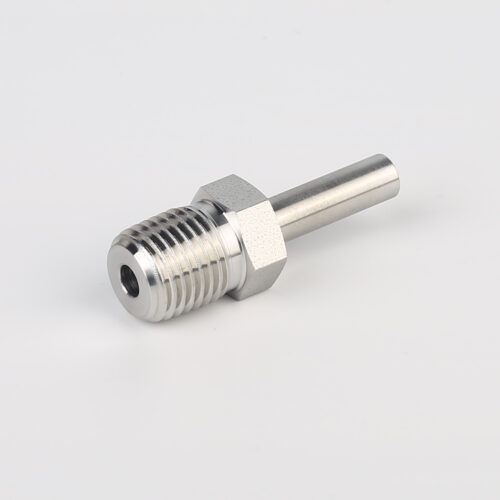
739 High Purity LMR Male Adapter Tube To Pipe Fittings And Adapters
-
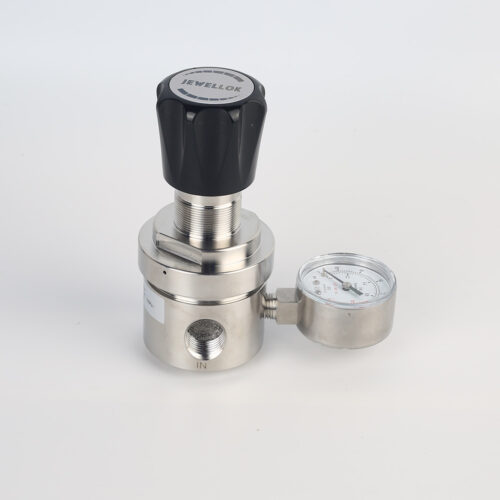
Line And Panel Mounting Adjustable Low Pressure Propane And Nitrogen Pressure Regulator JSR-3L & JSR-3LP Series
-
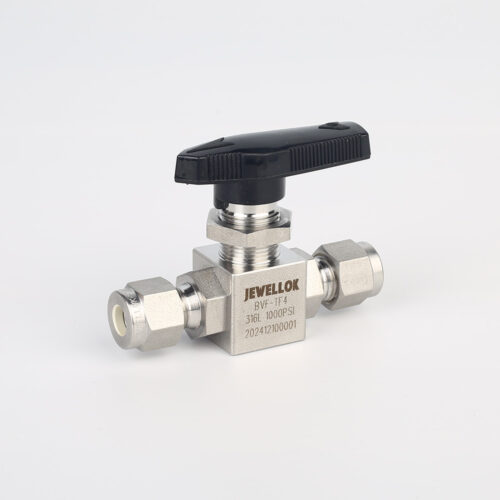
Stainless Steel High Purity High Temperature Pneumatic Actuated Ball Valves JBV2 Series