
Valves Manufacturer Tel: +86 13380377051
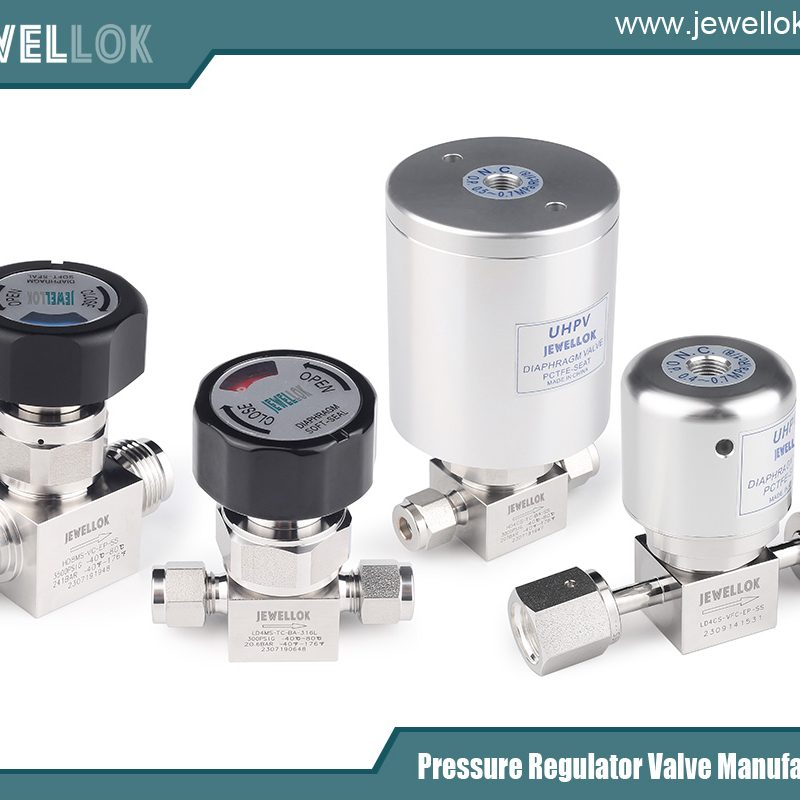
Why Semiconductor Gas Delivery Systems Require Ultra High Purity Diaphragm Valves
Semiconductor manufacturing depends on an extremely controlled process environment. From wafer cleaning and deposition to etching, doping, oxidation, and chamber cleaning, advanced semiconductor processes use a wide range of specialty gases with strict requirements for purity, pressure stability, flow control, and contamination prevention. In these applications, even a very small amount of unwanted contamination can affect wafer yield, device performance, and overall production reliability.
The gas delivery system is therefore one of the most critical infrastructure components in a semiconductor fab. It must safely store, regulate, distribute, and control process gases while maintaining their specified purity throughout the entire delivery path. Among the many components used in a semiconductor gas system, the valve is particularly important because it directly controls gas flow and creates a potential source of particle generation, outgassing, leakage, and cross-contamination.
For this reason, semiconductor gas delivery systems commonly require ultra high purity (UHP) diaphragm valves rather than conventional industrial valves. Designed specifically for demanding gas-handling applications, UHP diaphragm valves provide exceptional leak tightness, low particle generation, minimized dead volume, corrosion resistance, and reliable gas isolation.
1. The Critical Role of Valves in Semiconductor Gas Delivery
A semiconductor gas delivery system typically consists of gas cylinders or bulk gas sources, gas cabinets, pressure regulators, filters, valve manifolds, gas panels, tubing, mass flow controllers, and process tools. Every component must work together to deliver the correct gas at the required pressure and flow rate.
Valves are installed at multiple points throughout the system. They may be used for:
- Gas source isolation
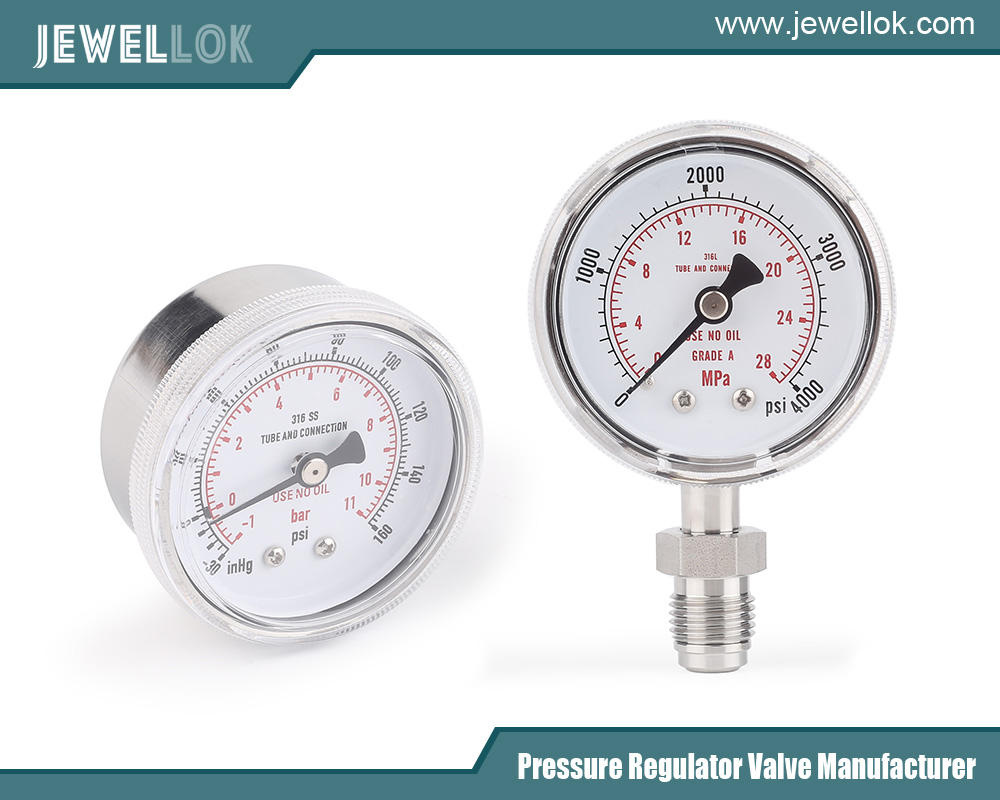
- Pressure control and regulation
- Purge operations
- Gas switching
- Emergency shutoff
- Process gas distribution
- Automatic sequencing
- Maintenance isolation
Because valves repeatedly open and close during production, they experience continuous mechanical and chemical demands. A poorly designed valve can become a contamination source or create a leakage path that compromises the entire gas delivery system.
UHP diaphragm valves solve many of these problems through a specialized construction in which a flexible metal diaphragm separates the process gas from the valve’s operating mechanism. This design is particularly valuable when handling sensitive semiconductor process gases.
2. Why Conventional Valves Are Not Sufficient
Conventional industrial valves are generally designed around broad requirements such as durability, cost efficiency, and general chemical or gas handling. Semiconductor manufacturing requires a much higher level of performance.
One major concern is internal contamination. Conventional valve structures may contain moving components, cavities, seals, lubricants, or materials that can introduce particles and volatile substances into the gas stream.
Another concern is dead volume. Internal cavities can trap residual gas, moisture, or contaminants. When the valve switches between process gases or purge gases, these trapped materials may be released into the gas stream.
Leakage is another critical issue. Semiconductor gases can include toxic, corrosive, pyrophoric, oxidizing, or otherwise hazardous substances. Even a very small external leak can create a significant safety risk, while an internal leak can lead to unwanted gas mixing.
UHP diaphragm valves are engineered specifically to minimize these risks.
3. Metal Diaphragm Technology for UHP Applications
The defining feature of a UHP diaphragm valve is its metal diaphragm. Instead of relying on a traditional stem packing arrangement to isolate the process gas, the diaphragm forms a barrier between the gas and the valve actuator.
This configuration provides several advantages.
First, the process gas does not normally come into contact with the valve stem or actuator mechanism. This greatly reduces the possibility of lubricant, particulate, or mechanical contamination entering the gas stream.
Second, the diaphragm can provide highly reliable shutoff performance. When properly designed and manufactured, the valve can achieve extremely low internal and external leakage rates.
Third, the diaphragm design can reduce the number of internal moving components exposed to the process environment. This is especially important for corrosive and reactive gases.
For semiconductor applications, diaphragm materials and geometry must be carefully selected according to pressure, temperature, gas chemistry, cycle requirements, and expected service life.
4. Ultra High Purity Materials Are Essential
Material selection is one of the most important considerations when designing a semiconductor gas delivery system. Even high-quality stainless steel is not automatically suitable for UHP applications.
Many semiconductor gas systems use high-grade 316L stainless steel because of its corrosion resistance, mechanical strength, and compatibility with high-purity gas applications. However, the manufacturing quality of the material is equally important.
UHP valves may use specially processed stainless steel manufactured with strict controls over composition, inclusions, surface condition, and cleanliness. For demanding applications, advanced material processing technologies such as vacuum melting and remelting may be specified to improve material consistency.
The internal wetted surfaces are also carefully treated. Electropolishing is widely used to produce smooth, clean internal surfaces with reduced surface roughness. A smoother surface helps minimize particle retention, improve cleanability, and reduce sites where moisture or contaminants could accumulate.
5. Particle Control and Contamination Prevention
Particle contamination is one of the most serious concerns in semiconductor manufacturing. Modern semiconductor devices contain extremely small structures, meaning particles that may appear insignificant in conventional industrial applications can become major defects on a wafer.
Every component in the gas delivery path can potentially contribute particles through corrosion, mechanical wear, poor surface finishing, or improper assembly.
UHP diaphragm valves are designed to minimize these risks through:
- Low-particle internal construction
- Smooth electropolished surfaces
- Reduced internal dead volume
- High-quality metal materials
- Controlled assembly environments
- Clean manufacturing processes
- Reliable diaphragm movement
- Reduced friction between process components
The objective is not simply to make a valve that works mechanically. The objective is to ensure that the valve does not compromise the purity of the gas flowing through it.
6. Leak Tightness and Process Safety
Semiconductor fabs frequently use gases that require strict containment. Examples include specialty gases used in etching, deposition, doping, cleaning, and chamber conditioning.
A gas delivery valve therefore needs excellent external sealing performance. Leakage can result in product contamination, equipment damage, environmental exposure, or serious safety incidents.
UHP diaphragm valves are designed to provide a highly reliable metal-to-metal or metal-based containment boundary. With appropriate manufacturing and testing, they can achieve extremely low leakage performance.
Valve manufacturers may conduct helium leak testing, pressure testing, seat leakage testing, and functional cycle testing to verify performance.
For automated gas systems, reliable valve actuation is equally important. A valve must open and close consistently according to the control signal without sticking, excessive delay, or incomplete shutoff.
7. Low Dead Volume Improves Gas Purity
Dead volume refers to areas inside a gas component where process gas can become trapped. In semiconductor applications, minimizing dead volume is particularly important because residual gas can remain in the system after a process step.
For example, if a gas panel switches from one specialty gas to another, trapped gas in internal cavities can potentially mix with the incoming gas. Even after purging, excessive dead volume can increase purge time and gas consumption.
UHP diaphragm valves can be designed with compact internal flow paths and minimized cavities. This allows more effective purging and faster gas exchange.
Low dead volume also supports more accurate process gas control, especially in systems where gas composition must change rapidly between process steps.
8. Compatibility With Corrosive and Reactive Gases
Semiconductor processes use gases with widely different chemical characteristics. Some are corrosive, while others can react with moisture, metals, or organic materials.
Valve materials therefore need to be selected according to the specific gas chemistry.
316L stainless steel is commonly used for many UHP gas applications, while specialized alloys or surface treatments may be required for particularly aggressive environments. The diaphragm material, valve body, seals, and other wetted components must all be evaluated as part of the complete material compatibility strategy.
A valve that performs well with one gas may not be appropriate for another. Therefore, engineers should evaluate gas compatibility, temperature, pressure, concentration, cycle frequency, and cleaning requirements before selecting a valve.
9. Pressure and Flow Stability
Semiconductor process equipment often requires highly stable gas pressure and flow. Variations in gas delivery can affect process uniformity and ultimately wafer quality.
Although a diaphragm valve is not necessarily the primary flow-control device, its ability to provide repeatable opening and closing characteristics is essential for system performance.
In combination with pressure regulators, mass flow controllers, sensors, and automated control systems, UHP diaphragm valves form an important part of the overall gas control architecture.
The valve’s actuation speed, repeatability, Cv characteristics, and pressure rating should therefore be matched to the requirements of the specific process.
10. Automation and Smart Gas Delivery Systems
Modern semiconductor gas delivery systems are increasingly automated. Gas cabinets and gas panels may use pneumatic valves, electronic sensors, programmable controllers, and automated safety interlocks.
UHP diaphragm valves are well suited to these systems because they can be configured for automatic operation.
For example, an automated gas panel may use valves to control:
- Gas cylinder isolation
- Process gas delivery
- Purge gas supply
- Vent operations
- Vacuum evacuation
- Emergency shutoff
- Gas source switching
Automation improves consistency and reduces the need for manual intervention. However, automated systems also require valves with predictable cycle life and reliable feedback or actuation performance.
11. Cleaning and Manufacturing Quality Matter
The performance of a UHP diaphragm valve depends not only on its design but also on how it is manufactured and cleaned.
Components used in semiconductor gas delivery systems are typically manufactured under controlled conditions. After machining, surface treatment, cleaning, assembly, and testing, the valve must be protected from contamination during packaging and transportation.
Manufacturing quality controls may include dimensional inspection, surface roughness measurement, cleanliness verification, helium leak testing, pressure testing, and functional testing.
For semiconductor customers, documentation is also important. Material certificates, inspection records, leak test results, and traceability information can help engineers verify that components meet project specifications.
12. Selecting the Right UHP Diaphragm Valve
When selecting a UHP diaphragm valve, engineers should consider more than connection size and pressure rating.
Important parameters include:
- Gas type and chemical compatibility
- Operating pressure
- Temperature range
- Flow requirements
- Valve Cv
- Internal volume
- External and seat leakage specifications
- Material grade
- Surface finish
- Connection type
- Actuation method
- Cycle life
- Cleaning standard
- Installation environment
- Required certifications and documentation
Connection technologies such as VCR-type fittings are commonly used in high-purity gas systems because they provide reliable metal-sealed connections and support stringent leak requirements.
The valve should also be evaluated as part of the complete gas delivery system rather than as an isolated component.
13. Applications in Semiconductor Manufacturing
UHP diaphragm valves are widely applicable across semiconductor manufacturing processes.
In deposition systems, they help control the delivery of precursor and process gases. In etching systems, they can be used for corrosive and reactive gases. In chamber cleaning applications, they support precise gas isolation and switching.
They are also commonly used in:
- Gas cabinets
- Gas delivery panels
- Valve manifold boxes
- Bulk gas distribution systems
- Specialty gas systems
- Process gas panels
- Semiconductor fabrication facilities
- LED manufacturing
- Solar cell production
- MEMS manufacturing
- Advanced electronics production
As semiconductor geometries become smaller and process requirements become more demanding, the importance of contamination control and gas delivery stability continues to increase.
Conclusion
Ultra high purity diaphragm valves are a fundamental component of reliable semiconductor gas delivery systems. Their metal diaphragm construction, low dead volume, high leak tightness, corrosion resistance, controlled surface finish, and low particle generation make them particularly suitable for demanding semiconductor applications.
The valve is much more than a simple on/off component. It represents part of the contamination-control boundary between the gas source and the process chamber. A properly engineered UHP diaphragm valve can help maintain gas purity, improve process stability, reduce leakage risks, and support reliable automated gas delivery.
For semiconductor manufacturers and gas system integrators, valve selection should therefore be based on the complete application rather than price alone. Material quality, surface treatment, leakage performance, internal volume, gas compatibility, actuation reliability, manufacturing cleanliness, and traceability should all be considered.
As semiconductor manufacturing moves toward increasingly advanced process nodes and more complex specialty-gas applications, high-performance UHP diaphragm valves will remain an essential technology for maintaining the purity, safety, and precision required by modern semiconductor gas delivery systems.
For more about why semiconductor gas delivery systems require ultra high purity diaphragm valves, you can pay a visit to Jewellok at https://www.jewellok.com/ for more info.
-
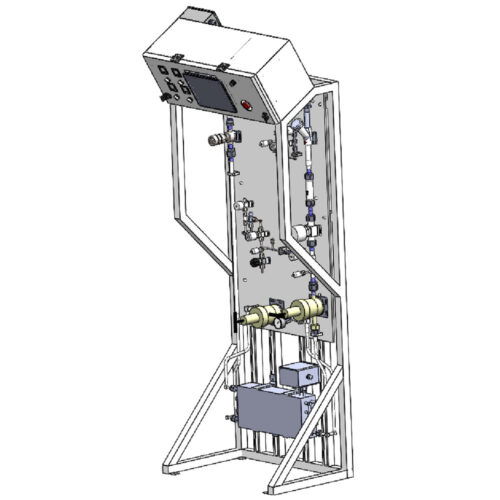
Semiconductor High Purity High Pressure Specialty Gas Bottle Gas Cylinder Storage Cabinet And Gas Pressure Regulating Cabinet
-
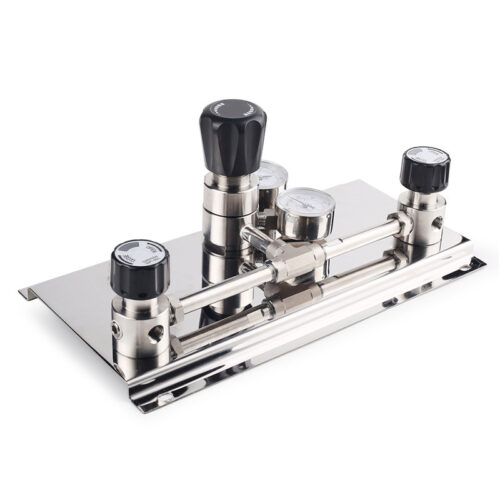
Hydrogen Manifold Argon Gas Manifold System Oxygen Manifold Propane Gas Manifold With Valves In Gas Manifold Changeover System
-
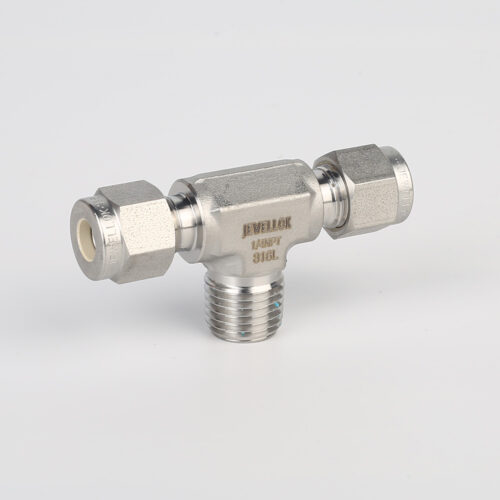
772L Male Branch Tee | Stainless Steel High-Purity Tube Fitting Male Branch Tee
-
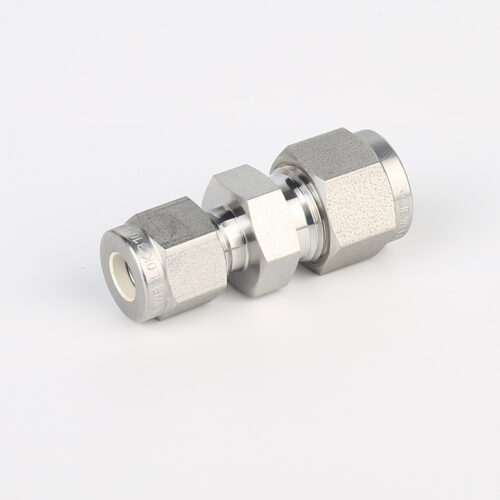
763L Stainless Steel High Purity Pressure Reducing Union Fittings And Tubing Pressure Reducing Valve Adjustment
-
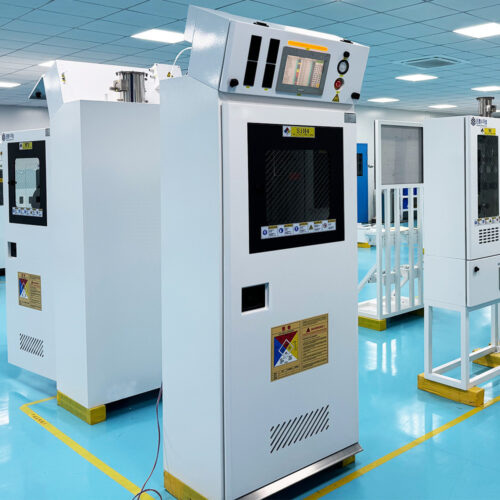
Centralized Laboratory Gas Supply And Laboratory Gas Distribution System With Automated Gas Changeover Manifold
-
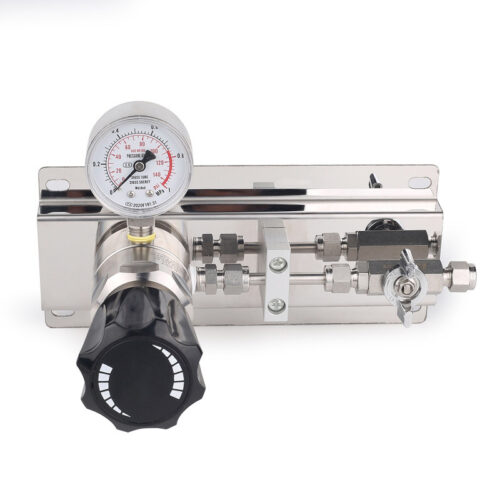
High Purity Gas Cylinder Semi Automatic Changeover Manifold Regulator Panel 3000psig Stainless Steel Gas Control Panel 1/8 Npt With Gauge
-
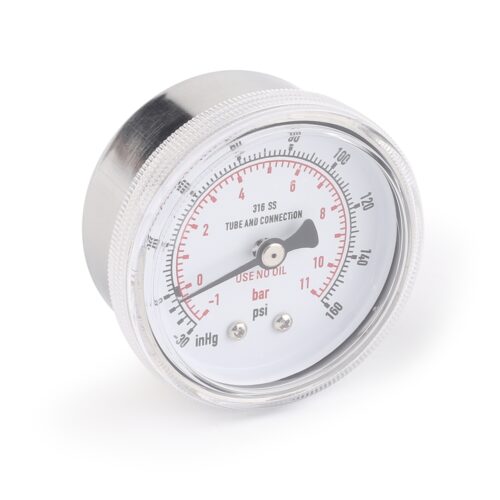
Ultra High Purity Pressure Gauge For Laboratory And Semiconductor JR Series
-
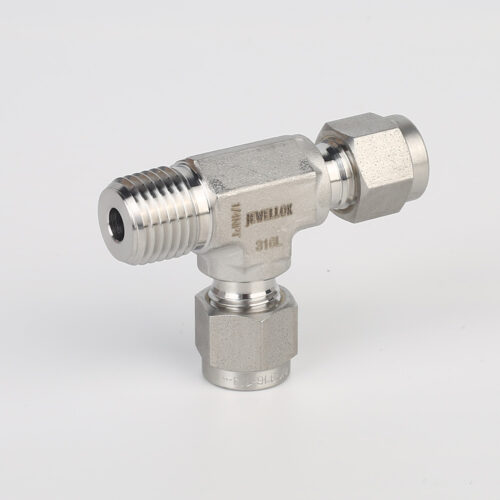
771L Male Run Tee | Stainless Steel High Quality High Purity Male Run Tee Branch Tee Pipe Fittings