
Valves Manufacturer Tel: +86 13380377051
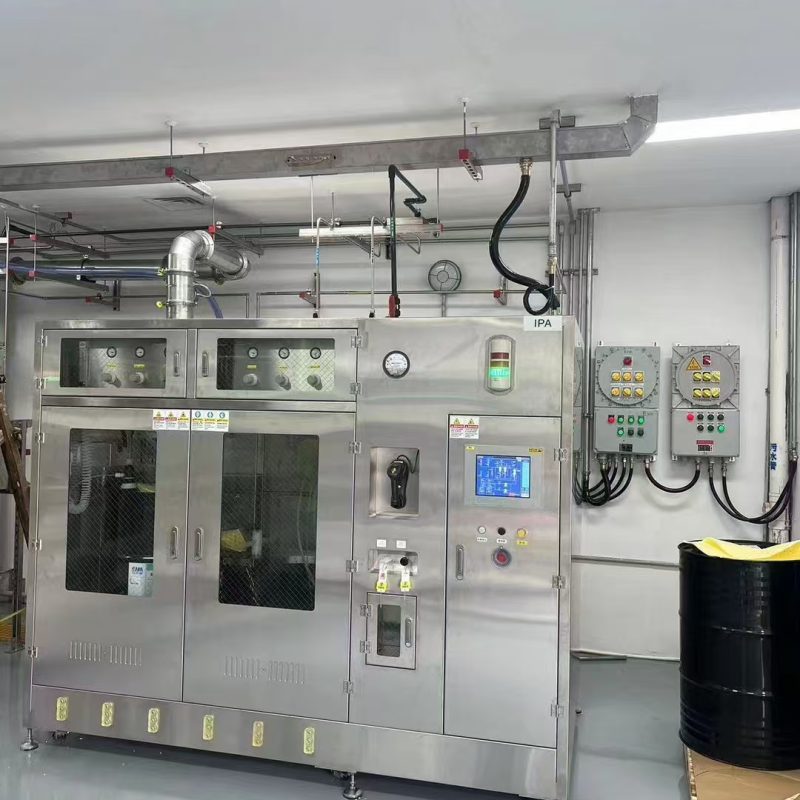
Chemical Vapor Deposition (CVD) is a critical manufacturing technology for producing thin films in semiconductor devices, photovoltaic cells, MEMS components, displays, and advanced electronic systems. As semiconductor geometries continue to shrink and deposition processes become more demanding, the performance of the gas delivery system has become increasingly important. Precise precursor flow, stable pressure, accurate vapor concentration, and rapid response to process changes directly affect film thickness, uniformity, yield, and operating cost.
Traditionally, CVD precursor delivery systems have relied on fixed control parameters, pressure regulators, mass flow controllers, sensors, and programmable logic controllers (PLCs). These technologies remain fundamental, but conventional control methods can struggle with complex process interactions, changing precursor characteristics, equipment aging, and variable operating conditions.
Artificial intelligence (AI) is creating a new approach. By combining real-time sensor data, machine learning, predictive analytics, and intelligent control algorithms, AI can optimize precursor delivery dynamically instead of relying exclusively on predetermined parameters. This technology can improve precursor utilization, reduce process instability, detect abnormal conditions earlier, and support more efficient operation of CVD gas delivery equipment.
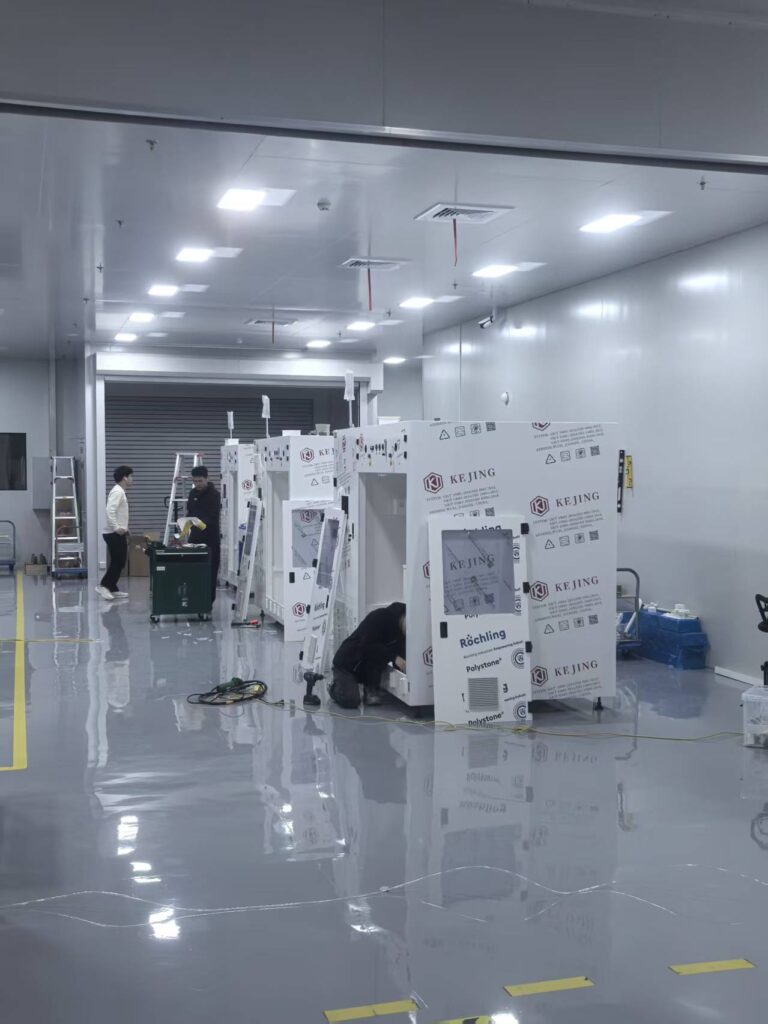
1. Why CVD Precursor Delivery Efficiency Matters
CVD processes require controlled delivery of gaseous or vaporized chemical precursors to a reaction chamber. Depending on the process, precursors may include silicon-containing compounds, metal-organic compounds, metal halides, hydrides, and other specialized chemicals.
The delivery system typically includes gas cylinders or precursor sources, valves, regulators, mass flow controllers (MFCs), vaporizers or bubblers, heated lines, filters, pressure control components, and automated control systems.
Even small variations in precursor flow or pressure can influence deposition performance. For example, unstable flow can contribute to film thickness variation, while inappropriate temperature control can cause condensation or inconsistent precursor concentration. Excessive precursor flow can also increase chemical consumption without providing proportional improvements in deposition performance.
Therefore, improving delivery efficiency involves more than simply increasing flow accuracy. A high-performance system must deliver the required precursor concentration and flow rate while minimizing waste, maintaining stable operating conditions, and responding quickly to process changes.
2. AI-Based Monitoring of Gas Delivery Systems
One of the most practical applications of AI is intelligent monitoring.
Modern CVD gas delivery systems can generate large amounts of operational data. Pressure sensors, temperature sensors, MFCs, valve position feedback, leak detection systems, cabinet monitoring systems, and process equipment can continuously provide information about system conditions.
AI algorithms can analyze these data streams in real time and identify relationships that may be difficult to recognize using conventional threshold-based control.
For example, an AI model can monitor:
- Precursor pressure
- Gas flow rate
- Delivery line temperature
- Vaporizer temperature
- Valve operating status
- MFC response
- Cylinder pressure
- Cabinet temperature
- Purge cycles
- Process duration
- Historical equipment performance
Instead of simply generating an alarm when a parameter exceeds a predefined limit, an AI-enabled system can analyze multiple parameters simultaneously. A gradual change in pressure combined with increasing MFC correction and temperature fluctuation may indicate an emerging delivery problem before a conventional alarm threshold is reached.
This makes AI particularly valuable for predictive monitoring.
3. Predictive Maintenance for CVD Gas Delivery Equipment
Gas delivery components operate continuously and may experience mechanical wear, contamination, pressure fluctuations, or performance degradation.
Valves, regulators, MFCs, sensors, seals, and other components can gradually lose performance. Traditional maintenance schedules are often based on operating hours or fixed replacement intervals. While this approach is simple, it may result in unnecessary maintenance or unexpected failures between scheduled inspections.
AI can support condition-based and predictive maintenance.
Machine learning models can establish a normal operating profile for each component. When the actual behavior begins to deviate from the expected pattern, the system can identify a potential fault.
For example, if a valve normally reaches its target position within a predictable response time but gradually becomes slower, AI can detect this trend. Similarly, changes in MFC response characteristics can indicate calibration drift or other performance issues.
Predictive maintenance can help manufacturers:
- Reduce unexpected equipment downtime
- Extend component service life
- Schedule maintenance more efficiently
- Reduce unnecessary component replacement
- Improve overall equipment availability
For semiconductor manufacturers, these advantages can have a significant economic impact because unplanned process interruptions may affect expensive production equipment and wafers.
4. Optimizing Precursor Consumption
Precursor consumption is another important area where AI can improve efficiency.
Traditional CVD processes may use fixed flow recipes based on historical process development. However, actual process conditions can change due to chamber condition, temperature, pressure, substrate characteristics, precursor concentration, or equipment aging.
AI can analyze historical process data to identify the relationship between precursor flow and deposition performance. Based on these relationships, intelligent control algorithms can help determine whether the process can achieve the required film characteristics using a more efficient precursor delivery profile.
The objective is not simply to reduce gas flow. Reducing flow without considering process requirements could negatively affect film quality. Instead, AI aims to find an optimized operating window that balances precursor consumption, deposition rate, uniformity, and process stability.
This approach can reduce chemical waste while maintaining required production specifications.
5. Intelligent Flow and Pressure Control
Mass flow controllers are essential components in CVD gas delivery systems because they regulate the flow of process gases with high precision. However, conventional control systems often operate based on predefined setpoints.
AI can enhance this architecture by continuously evaluating process conditions and optimizing control parameters.
For example, an AI-based control system can evaluate the relationship between:
Source Pressure → Regulator Performance → MFC Flow → Delivery Line Temperature → Chamber Pressure → Deposition Response
Instead of treating each parameter independently, AI can identify interactions between them.
This capability is especially useful when the precursor delivery system contains multiple gases or complex vapor delivery arrangements. AI can coordinate different control loops to maintain stable process conditions.
Advanced systems can also use historical data to predict how the system will respond to a setpoint change. This can reduce overshoot, improve response time, and minimize unnecessary adjustments.
6. AI and Digital Twins for CVD Gas Delivery
Digital twin technology is becoming increasingly important in advanced manufacturing.
A digital twin is a virtual representation of a physical system that uses real-time operational data to simulate or monitor the actual equipment.
For a CVD gas delivery system, a digital twin can represent gas flow, pressure, temperature, valve behavior, precursor consumption, and equipment status.
AI can be integrated with the digital twin to evaluate different operating scenarios.
Before changing a production recipe, engineers could use the virtual model to estimate how the gas delivery system may respond. AI can compare historical process data with simulated results and identify potentially efficient operating conditions.
This can reduce the need for trial-and-error optimization on production equipment.
Digital twins can also support commissioning and troubleshooting. Engineers can compare actual system behavior with the expected digital model and identify deviations that may indicate equipment problems.
7. AI-Based Leak and Abnormal Condition Detection
Gas safety is a critical requirement in semiconductor chemical delivery systems. Depending on the process, CVD gases and precursors may present toxic, corrosive, flammable, or otherwise hazardous characteristics.
Conventional gas monitoring systems generally rely on sensors and predefined alarm thresholds. AI can complement these safety systems by analyzing patterns across multiple signals.
For example, a combination of unusual pressure decay, valve behavior, cabinet sensor data, and flow fluctuations may indicate an abnormal condition even when individual measurements remain within their normal limits.
AI can classify these patterns and prioritize potential problems.
However, AI should not replace dedicated safety systems, interlocks, gas detection equipment, emergency shutdown systems, or established engineering controls. Instead, it should function as an additional monitoring and diagnostic layer.
This distinction is particularly important for high-purity and hazardous gas delivery applications.
8. AI for Predicting Precursor Delivery Behavior
Different precursors have different physical and chemical properties. Vapor pressure, temperature sensitivity, condensation characteristics, source depletion, and delivery configuration can all affect system performance.
AI models can use historical operational data to predict delivery behavior under different conditions.
For example, when source pressure gradually decreases, the system may need to compensate through changes in pressure control or temperature management. An AI model can identify these trends and estimate when the current operating conditions may no longer provide optimal delivery.
This predictive capability can help operators prepare for source replacement, adjust process parameters, or schedule maintenance before production is significantly affected.
9. Improving System Integration
Modern semiconductor facilities increasingly rely on interconnected equipment and centralized manufacturing execution systems (MES). CVD gas delivery systems can become part of a broader data infrastructure.
AI can integrate information from the gas cabinet, process tool, facility management system, maintenance database, and production records.
This creates a more comprehensive view of process performance.
For example, AI can correlate precursor consumption with wafer production, equipment utilization, recipe type, maintenance events, and process results. Engineers can then identify which operating conditions produce the best combination of quality and efficiency.
This type of cross-system analysis is difficult to achieve through isolated PLC control alone.
10. Challenges of Implementing AI
Despite its advantages, AI implementation requires careful engineering.
First, AI models depend heavily on data quality. Incorrect sensor readings, missing data, inconsistent calibration, or insufficient historical records can reduce model reliability.
Second, semiconductor gas delivery systems require extremely high levels of cleanliness and reliability. AI integration must not compromise the integrity of the existing hardware or control architecture.
Third, AI models should be validated before they are allowed to influence critical process parameters. In many applications, a safer implementation strategy is to begin with monitoring and recommendations before introducing closed-loop autonomous control.
Cybersecurity is another important consideration. Connected gas delivery systems can potentially become part of a larger industrial network, making access control, data protection, and system security essential.
Finally, AI should complement established engineering principles rather than replace them. Proper component selection, high-purity materials, leak-tight connections, accurate MFCs, effective filtration, appropriate thermal management, and robust control logic remain fundamental.
11. The Future of AI-Enabled CVD Gas Delivery
The future of CVD gas delivery is likely to involve increasing levels of intelligence and automation.
AI-enabled systems may move from simple monitoring toward predictive optimization, adaptive control, and autonomous process management. Machine learning models can continuously learn from production data and improve their understanding of equipment behavior.
Future systems may automatically optimize precursor flow, pressure, temperature, and purge sequences according to production requirements while maintaining predefined safety and process limits.
The combination of AI, IoT sensors, digital twins, advanced PLCs, and high-performance gas delivery hardware could create a new generation of intelligent chemical delivery infrastructure.
For equipment manufacturers, this trend also creates opportunities to develop smarter gas cabinets, precursor delivery modules, pressure control panels, and automated gas distribution systems.
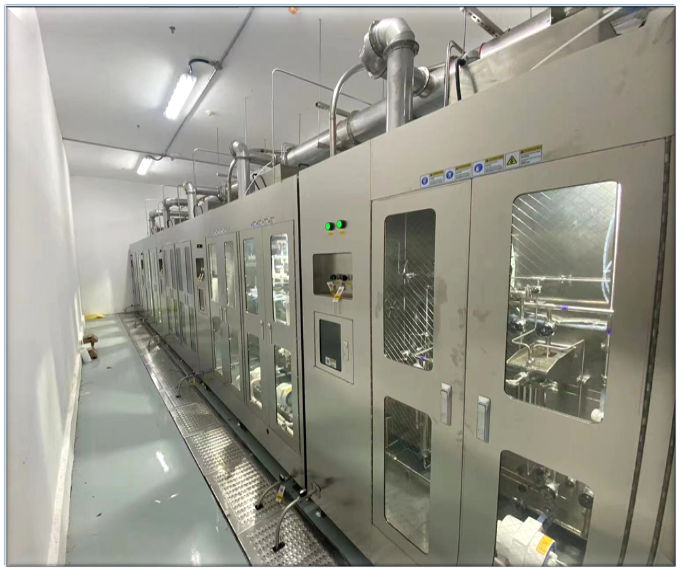
Conclusion
AI is changing how CVD precursor delivery systems are monitored, optimized, and maintained. By analyzing real-time sensor data and historical process information, AI can help improve flow stability, optimize precursor consumption, predict equipment degradation, detect abnormal conditions, and support more efficient maintenance.
The greatest value of AI is not simply automation. It is the ability to identify complex relationships between pressure, temperature, flow, equipment condition, and process performance that traditional control methods may not fully capture.
For semiconductor manufacturers and CVD equipment suppliers, the integration of AI with high-purity gas delivery technologies represents an important step toward smarter and more efficient manufacturing. As semiconductor processes become increasingly precise and demanding, intelligent precursor delivery systems will play an increasingly important role in improving process stability, reducing chemical waste, supporting predictive maintenance, and maximizing overall production efficiency.
Ultimately, the most effective solution will combine AI intelligence with proven gas delivery engineering. High-purity materials, precision valves, reliable regulators, accurate mass flow controllers, robust safety systems, and advanced software must work together as one integrated platform. This combination can provide the foundation for next-generation CVD manufacturing systems that are more efficient, predictable, and responsive to modern semiconductor production requirements.
For more about how AI is improving CVD gas precursor delivery efficiency for advanced semiconductor manufacturing systems, you can pay a visit to Jewellok at https://www.jewellok.com/ for more info.
-
Precision Liquid Chemical Delivery Module (CDM) with PLC Control for Parts-Per-Trillion Purity in Solar Cell Production
-
316L Vim Var Stainless Steel Ultra High Purity Diaphragm Valve Options For Semiconductor Gas Distribution Systems
-
T-BOX JW-TB-C Special Gas Delivery System Gas Valve Manifold Boxes
-
High Purity High Pressure Specialty Gas Pressure Regulators Specialty Gases Pipeline Engineering Equipments Manufacturer And Supplier
-
Liquid Chemical Delivery Module (CDM) for Semiconductor Fabrication and Ultra-High Purity Manufacturing
-
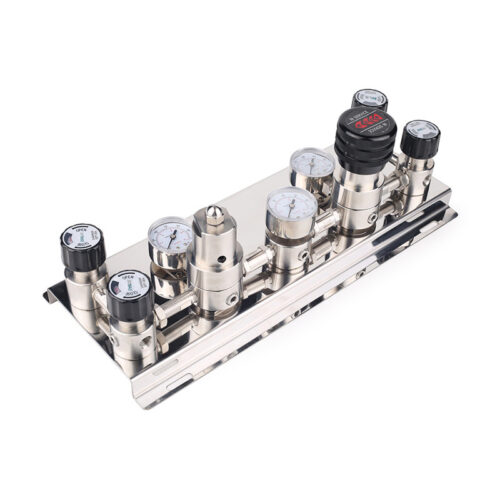
Stainless Steel High Pressure Specialty Gas Changeover Manifold For High Purity Oxygen Nitrogen Argon Helium Hydrogen Co2
-
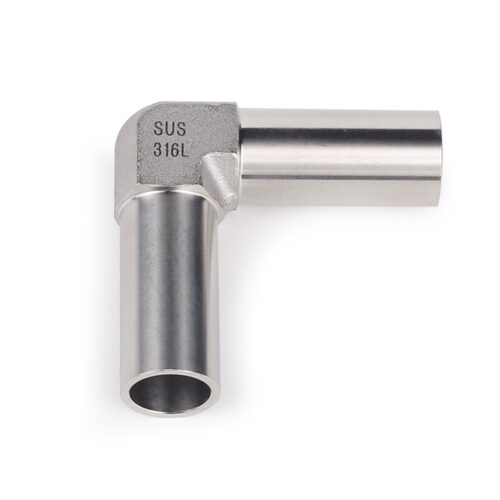
High Purity Stainless Steel Mini Tube Butt Weld Fittings For Semiconductor
-
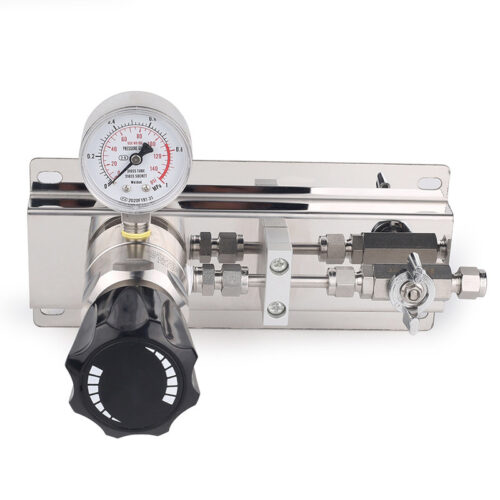
Medical Oxygen Single Stage Manual Gas Changeover Manifold Panel High-Purity Two-Stage Manual Gas Manifold Gas Pressure Control Panels