
Valves Manufacturer Tel: +86 13380377051
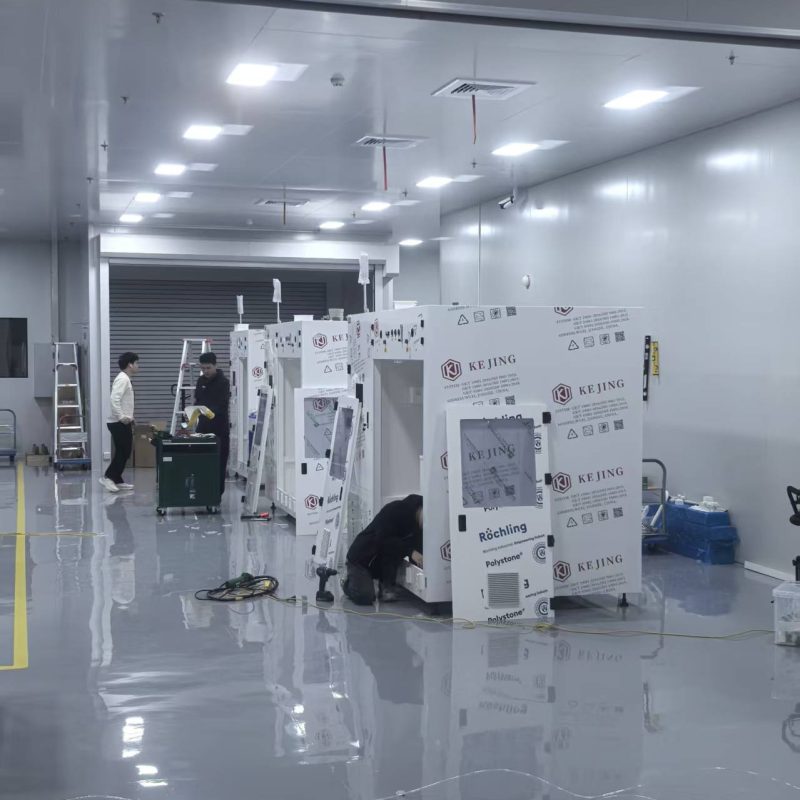
Advanced CVD Gas Precursor Delivery Techniques for Semiconductor Manufacturing
Introduction
As semiconductor devices continue evolving toward smaller process nodes, higher transistor densities, and increasingly complex three-dimensional architectures, the requirements for process precision have reached unprecedented levels. Among the critical technologies enabling advanced chip fabrication, Chemical Vapor Deposition (CVD) remains one of the most important thin-film formation processes used across semiconductor manufacturing.
At the core of every successful CVD process lies an often-overlooked yet highly sophisticated subsystem: the gas precursor delivery system. Precise transport, vaporization, flow control, pressure regulation, and contamination prevention directly determine film uniformity, deposition repeatability, process yield, and production efficiency.
Advanced CVD gas precursor delivery techniques have become essential for supporting modern applications including logic devices, memory chips, MEMS, power semiconductors, compound semiconductors, and advanced packaging technologies.
This article explores the latest gas precursor delivery methods, system architectures, challenges, and optimization strategies used in semiconductor manufacturing environments.
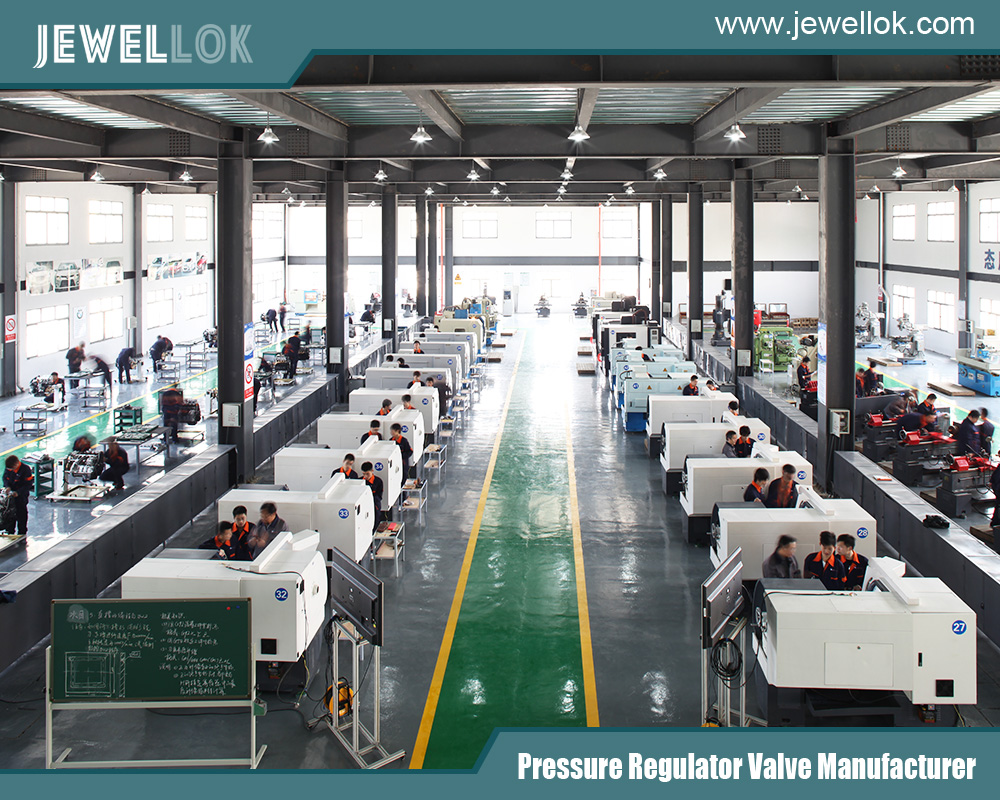
Understanding CVD Gas Precursor Delivery Systems
Chemical Vapor Deposition gas is a process in which volatile precursor gases react or decompose on a heated substrate surface to form thin solid films.
A complete precursor delivery system generally consists of:
- Gas source cabinets
- High-purity cylinders or ampoules
- Vaporization modules
- Mass flow controllers (MFCs)
- Pressure regulators
- Heated gas lines
- Automatic valve manifolds
- Purge systems
- Monitoring and safety controls
- Exhaust and abatement interfaces
The objective is to maintain stable precursor concentration while ensuring ultra-high purity and process repeatability.
Modern semiconductor fabs demand delivery accuracy measured in extremely small flow variations while maintaining continuous operation across thousands of process cycles.
Key Requirements for Advanced Precursor Delivery
1. Ultra-High Purity Control
Contamination at trace levels can dramatically affect semiconductor yield.
Modern delivery systems are designed to achieve:
- Particle-free gas transport
- Moisture control
- Oxygen contamination minimization
- Low outgassing materials
- Electropolished internal surfaces
High-purity stainless steel such as 316L VIM-VAR and specialized surface treatments are commonly used throughout gas paths.
Dead-leg elimination and orbital welding are also implemented to reduce particle generation.
2. Precise Flow and Pressure Stability
Advanced semiconductor deposition processes require extremely stable gas delivery conditions.
Critical parameters include:
- Flow repeatability
- Pressure consistency
- Temperature stability
- Response speed
Digital mass flow controllers with closed-loop algorithms enable real-time adjustment based on process demand.
Pressure transducers continuously monitor system conditions and compensate for supply variations.
3. Temperature Management and Vaporization Efficiency
Many semiconductor precursors are liquids or low-vapor-pressure compounds.
Examples include:
- TEOS
- TDMAT
- TMA
- Titanium tetrachloride
- Organometallic compounds
Without proper temperature management, condensation can occur, leading to unstable deposition and particle contamination.
Advanced systems employ:
- Heated delivery lines
- Multi-zone temperature control
- Vaporizer modules
- Thermal insulation
- Dynamic heating feedback loops
Maintaining precursor temperature above condensation thresholds ensures stable gas phase transport.
Advanced Gas Precursor Delivery Techniques
Direct Liquid Injection (DLI)
Direct Liquid Injection has become one of the most widely adopted precursor delivery methods for advanced CVD applications.
In DLI systems:
- Liquid precursor is metered precisely.
- Liquid enters a vaporization chamber.
- Vaporized precursor mixes with carrier gas.
- The gas mixture enters the reactor.
Advantages
- High delivery accuracy
- Better precursor utilization
- Reduced chemical waste
- Stable deposition rates
- Support for low-vapor-pressure materials
Applications include:
- High-k dielectric deposition
- Metal oxide deposition
- ALD and CVD integration
Bubbling Delivery Technology
Bubbling systems remain widely used for liquid precursor delivery.
Carrier gas flows through liquid precursor reservoirs and transports vapor into process chambers.
Key optimization areas include:
- Bubble size control
- Carrier gas uniformity
- Temperature regulation
- Reservoir pressure stabilization
Advanced bubbling systems now incorporate:
- Automated concentration monitoring
- Adaptive pressure control
- Digital flow compensation
These improvements enhance consistency across production batches.
Vapor Draw Delivery Systems
Vapor draw techniques extract vapor directly from precursor containers without bubbling.
Advantages include:
- Lower particle generation
- Faster response time
- Reduced chemical decomposition
- Simplified maintenance
These systems are increasingly adopted in high-volume semiconductor manufacturing.
Smart Multi-Source Blending Systems
Advanced fabs increasingly deploy multi-source precursor delivery architectures.
Benefits include:
- Automatic source switching
- Continuous operation
- Load balancing
- Reduced downtime
- Improved utilization rates
Integrated control software enables seamless precursor transition without interrupting deposition cycles.
This architecture supports 24/7 production environments.
Enabling Technologies for Next-Generation Delivery Systems
High-Speed Digital Mass Flow Control
Traditional analog control methods are being replaced by intelligent digital MFC platforms.
Features include:
- High-resolution flow sensing
- Fast control loop updates
- Predictive calibration
- Self-diagnostics
- Remote monitoring
These capabilities improve process repeatability and reduce manual intervention.
Automated Valve Manifold Systems
Modern gas delivery systems utilize automated pneumatic and electropneumatic valve networks.
Advantages include:
- Reduced operator exposure
- Faster process transitions
- Improved safety
- Enhanced contamination control
Valve sequencing software coordinates purge, delivery, and shutdown procedures automatically.
Real-Time Monitoring and Predictive Analytics
Industry 4.0 concepts are increasingly integrated into gas delivery infrastructure.
Sensors monitor:
- Temperature
- Pressure
- Flow rate
- Gas concentration
- Leak conditions
Data analytics platforms detect anomalies before process failures occur.
Predictive maintenance minimizes downtime and extends equipment lifespan.
Safety Considerations in CVD Gas Delivery
Semiconductor precursors often present significant operational risks.
Potential hazards include:
- Toxicity
- Corrosiveness
- Flammability
- Pyrophoric reactions
- Environmental concerns
Advanced safety measures include:
Gas Cabinet Integration
Modern gas cabinets provide:
- Automatic shutdown
- Gas leak detection
- Ventilation control
- Fire suppression interfaces
Purge and Inerting Systems
Nitrogen purge systems remove residual chemicals during maintenance and cylinder replacement.
Redundant Protection Architecture
Safety redundancy includes:
- Dual pressure monitoring
- Emergency isolation valves
- Interlock systems
- Secondary containment
Compliance with SEMI standards and local regulations remains essential.
Challenges in Semiconductor CVD Precursor Delivery
Despite technological advancements, several challenges remain.
Managing Increasing Precursor Complexity
Advanced nodes introduce new precursor chemistries that often exhibit:
- Low vapor pressure
- Thermal instability
- Narrow operating windows
Delivery platforms must remain flexible while preserving process precision.
Scaling for Higher Throughput
Manufacturers demand faster deposition cycles without sacrificing quality.
This requires:
- Faster control response
- Larger delivery capacity
- Improved thermal management
Reducing Operational Cost
Chemical utilization efficiency and maintenance optimization continue to drive system design innovation.
Future Trends
Several emerging developments are expected to reshape precursor delivery technology.
AI-Assisted Process Optimization
Machine learning algorithms will optimize:
- Flow control
- Temperature profiles
- Predictive maintenance
- Process tuning
Integrated CVD and ALD Platforms
Hybrid deposition platforms will require more flexible precursor switching and shared delivery infrastructure.
Advanced Materials Compatibility
Future delivery systems must support:
- Novel organometallic compounds
- Compound semiconductor materials
- Atomic-scale deposition chemistries
Modular Smart Gas Systems
Plug-and-play delivery architectures will reduce installation complexity and accelerate fab expansion.
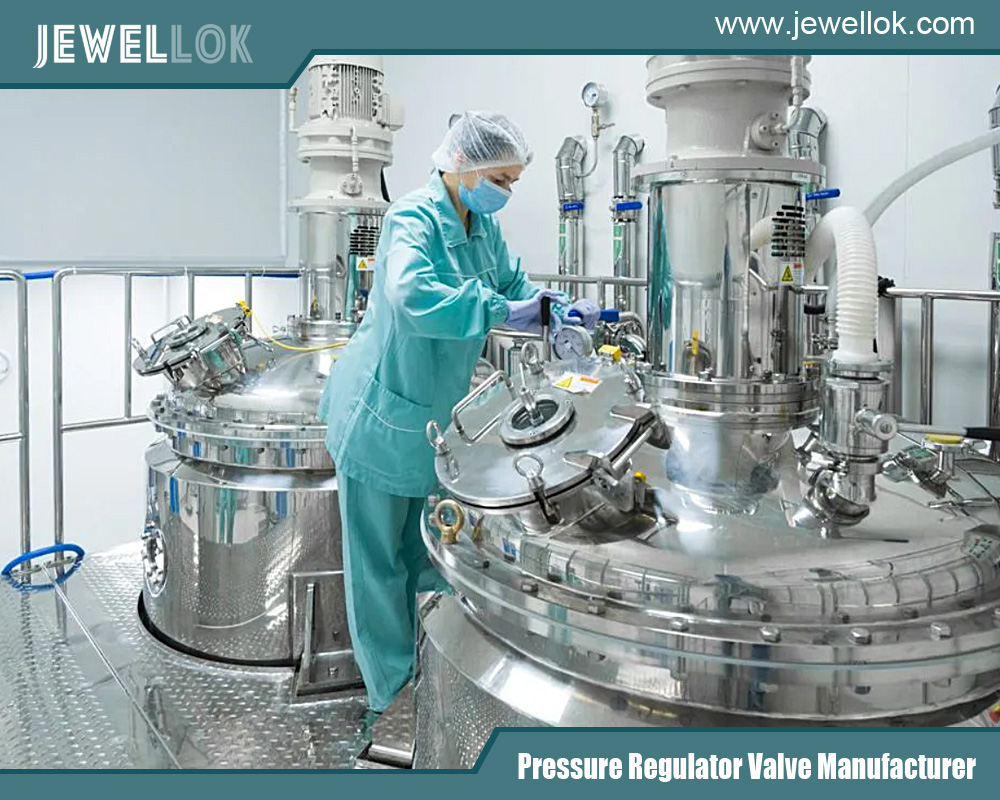
Conclusion
Advanced CVD gas precursor delivery techniques have become a foundational technology enabling modern semiconductor manufacturing. As device architectures continue advancing toward smaller geometries and more demanding process requirements, precursor delivery systems must evolve beyond simple gas transport solutions into intelligent, highly controlled, and fully integrated process platforms.
Technologies such as Direct Liquid Injection, vapor draw delivery, smart blending systems, digital mass flow control, and predictive monitoring are transforming how semiconductor fabs achieve higher yields, tighter process windows, and improved operational efficiency.
Manufacturers that invest in advanced gas delivery infrastructure will be better positioned to support future semiconductor innovation while maintaining reliability, safety, and production competitiveness in an increasingly demanding global market.
For more about advanced CVD gas precursor delivery techniques for semiconductor manufacturing, you can pay a visit to Jewellok at https://www.jewellok.com/product-category/chemical-delivery-system/ for more info.
-
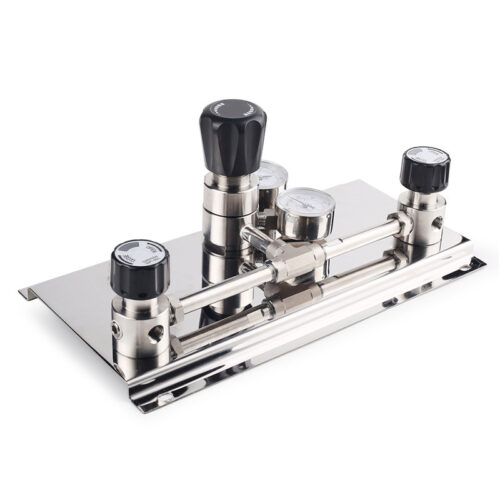
Hydrogen Manifold Argon Gas Manifold System Oxygen Manifold Propane Gas Manifold With Valves In Gas Manifold Changeover System
-
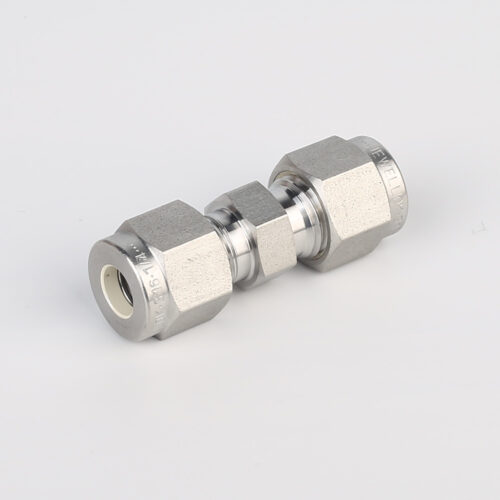
762L Stainless Steel High Purity Union High-Purity Gas System Fittings
-
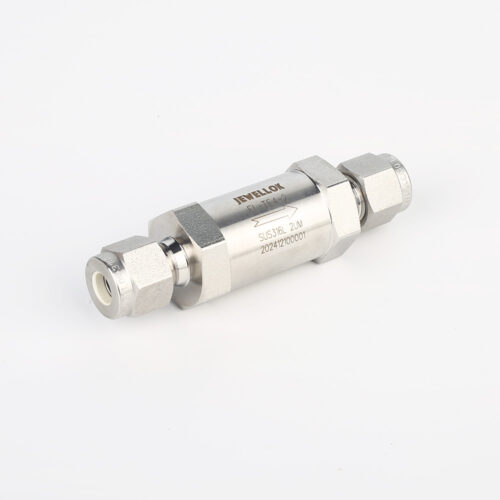
JF Series In-Line Gas Filters | High Purity High Precision High Flow Semiconductor Gas Filter Gas Filtration & Purification
-
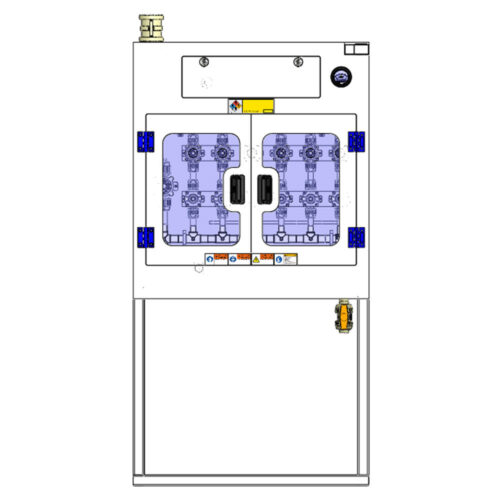
High Purity Configurable Systems VMB Valve Manifold Box JW-200-VMB-C & JW-100-VMB-C
-
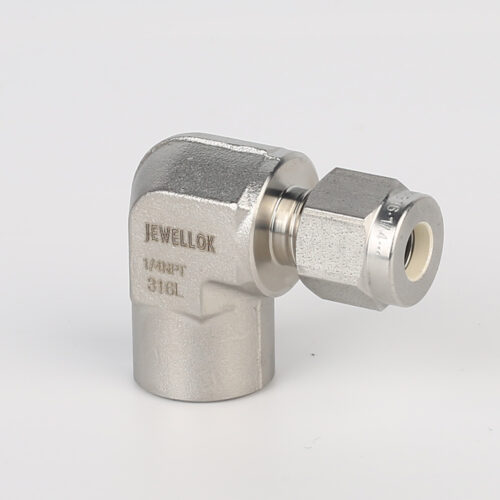
770L Female Elbow | Stainless Steel High Purity Weld Fittings Female Micro Elbow Fittings
-
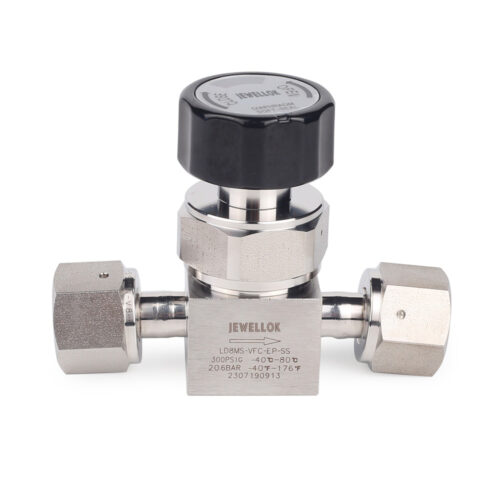
316L Vim Var Stainless Steel Ultra High Purity Diaphragm Valve Options For Semiconductor Gas Distribution Systems
-
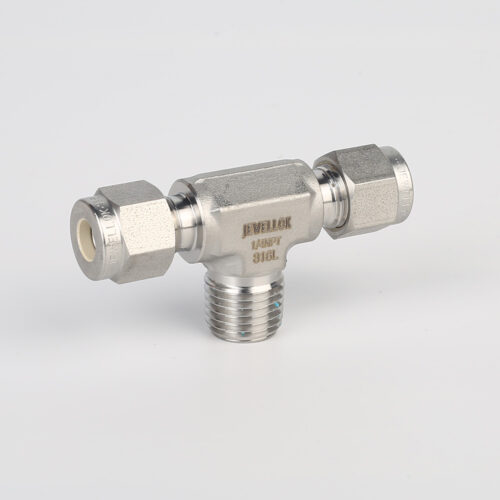
772L Male Branch Tee | Stainless Steel High-Purity Tube Fitting Male Branch Tee
-
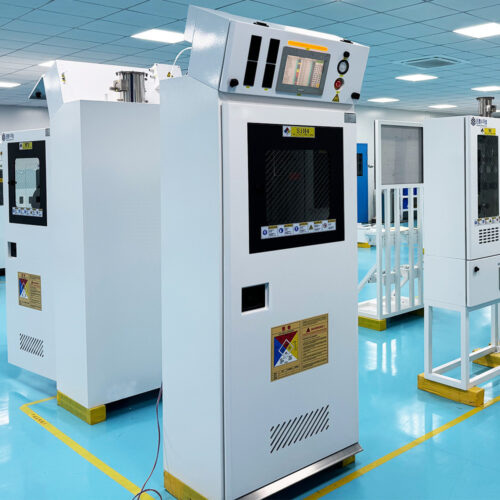
Bulk Specialty Gas Systems (BSGS) Gas Cabinets And Scrubber Tail Gas Treatment Cabinets For High Purity Bulk Specialty Gas Delivery