
Valves Manufacturer Tel: +86 13380377051

High Purity Laboratory Gas Valves for Safe and Reliable Gas Distribution
Introduction
Laboratory gas systems play a critical role in scientific research, pharmaceutical manufacturing, semiconductor production, analytical testing, and industrial quality control. Whether supplying nitrogen, helium, hydrogen, argon, oxygen, or specialty gases, maintaining gas purity and ensuring operational safety are essential requirements for modern laboratories. Among all components in a gas distribution network, high purity laboratory gas valves serve as a vital control point, directly influencing system performance, contamination control, and operator safety.
A high purity gas valve is specifically engineered to regulate, isolate, and control gas flow while preserving the integrity of ultra-clean gas streams. Unlike conventional industrial valves, laboratory gas valves are designed with advanced materials, precision manufacturing processes, and contamination-free internal surfaces to meet stringent purity standards.
This article explores the importance of high purity laboratory gas valves, their design features, material selection, applications, safety considerations, and best practices for achieving reliable gas distribution systems.
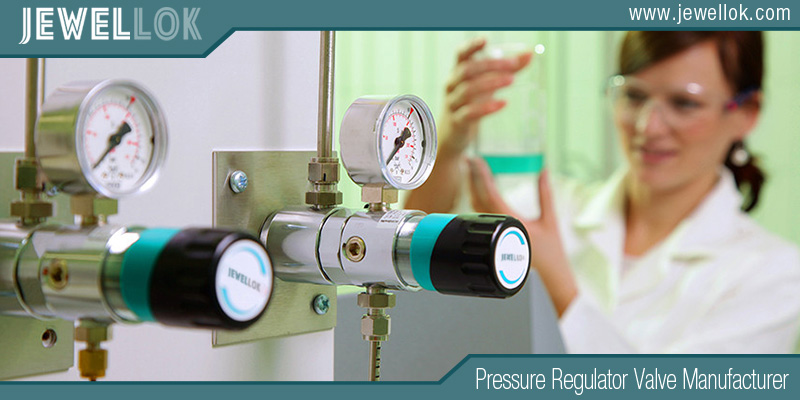
The Importance of High Purity Gas Distribution
Many laboratory applications require gas purity levels exceeding 99.999% (5N) or even 99.9999% (6N). Even trace amounts of contaminants such as moisture, oxygen, hydrocarbons, or particulate matter can negatively affect analytical results, compromise product quality, or damage sensitive equipment.
Examples include:
- Gas chromatography (GC)
- Liquid chromatography-mass spectrometry (LC-MS)
- Atomic absorption spectroscopy
- Semiconductor wafer fabrication
- Pharmaceutical manufacturing
- Biotechnology research
- Environmental monitoring laboratories
In these environments, gas valves must maintain purity throughout the distribution process while providing precise control over flow and pressure.
A poorly designed valve may introduce contaminants through dead volumes, trapped particles, corrosion products, or elastomer degradation. Therefore, selecting the appropriate high purity laboratory gas valve is crucial for ensuring reliable and repeatable laboratory operations.
What Are High Purity Laboratory Gas Valves?
High purity laboratory gas valves are specialized flow control devices designed for ultra-clean gas applications. They are typically installed in:
- Gas cylinder cabinets
- Gas manifold systems
- Laboratory gas panels
- Point-of-use stations
- Gas purification systems
- Analytical instrumentation lines
These valves provide several essential functions:
Isolation
Allow operators to safely shut off gas supply during maintenance, cylinder replacement, or emergency situations.
Flow Control
Enable precise regulation of gas flow rates required for analytical instruments and laboratory processes.
Pressure Management
Assist in controlling system pressure and preventing pressure fluctuations that may affect experimental accuracy.
Safety Protection
Act as critical barriers to prevent gas leaks, cross-contamination, and accidental exposure to hazardous gases.
Key Design Features of High Purity Gas Valves
1. Electropolished Stainless Steel Construction
Most high purity valves are manufactured from 316L stainless steel due to its excellent corrosion resistance and low particle generation characteristics.
Electropolishing further enhances the internal surface by:
- Reducing surface roughness
- Eliminating microscopic crevices
- Improving corrosion resistance
- Minimizing contamination risks
Typical surface finish values include:
- Ra ≤ 25 μin (0.64 μm)
- Ra ≤ 15 μin (0.38 μm)
- Ra ≤ 10 μin (0.25 μm)
The smoother the surface, the lower the potential for particle retention and outgassing.
2. Minimal Dead Volume Design
Dead volume refers to areas within a valve where gas becomes trapped and cannot flow freely.
High purity valves are designed with:
- Streamlined flow paths
- Reduced internal cavities
- Optimized seat geometry
This minimizes contamination accumulation and facilitates faster system purging.
3. Metal-to-Metal Sealing
For ultra-high purity applications, metal diaphragm or metal-seated valves are preferred.
Advantages include:
- Zero elastomer contamination
- Excellent leak tightness
- High-temperature compatibility
- Superior chemical resistance
Metal diaphragm valves are widely used in semiconductor and specialty gas systems where contamination control is paramount.
4. Low Internal Surface Roughness
Surface roughness directly affects gas purity.
Rough surfaces can:
- Trap particles
- Retain moisture
- Promote corrosion
- Increase adsorption and desorption effects
Precision machining and electropolishing significantly improve cleanliness and gas quality.
5. Helium Leak Testing
High purity laboratory gas valves are typically tested using helium mass spectrometry.
Leak rates commonly meet:
- 1 × 10⁻⁹ atm·cc/sec
- 1 × 10⁻¹⁰ atm·cc/sec
These extremely low leakage rates ensure safe handling of toxic, corrosive, and high-value gases.
Types of High Purity Laboratory Gas Valves
Diaphragm Valves
Diaphragm valves are among the most common choices for high purity gas systems.
Features include:
- Minimal dead volume
- Excellent leak integrity
- Long service life
- Contamination-free operation
Applications:
- Semiconductor manufacturing
- Analytical laboratories
- Specialty gas distribution
Ball Valves
High purity ball valves provide quick shutoff functionality.
Advantages:
- Full-port flow
- Low pressure drop
- Fast operation
- Compact design
Applications:
- Gas manifolds
- Distribution panels
- Isolation points
Needle Valves
Needle valves provide fine flow adjustment.
Benefits:
- Precise flow control
- Stable regulation
- Suitable for low-flow applications
Applications:
- Instrument calibration
- Gas sampling systems
- Analytical equipment
Check Valves
Check valves prevent reverse gas flow.
Functions:
- Protect sensitive equipment
- Avoid cross-contamination
- Maintain system integrity
Applications:
- Gas mixing systems
- Multi-cylinder manifolds
- Specialty gas lines
Material Selection Considerations
Selecting the correct valve material is essential for long-term performance.
316L Stainless Steel
The industry standard for high purity gas applications.
Benefits:
- Excellent corrosion resistance
- Low carbon content
- Superior weldability
- High mechanical strength
Hastelloy
Used for highly corrosive gases.
Suitable for:
- Chlorine
- Hydrogen chloride
- Sulfur-containing compounds
Monel
Offers excellent resistance to certain specialty gases and marine environments.
PCTFE and PTFE Components
When non-metallic seals are required, fluoropolymer materials provide:
- Chemical resistance
- Low outgassing
- Long-term durability
Material compatibility should always be verified with the specific gas being used.
Safety Requirements for Laboratory Gas Valves
Safety remains one of the primary considerations in laboratory gas distribution systems.
Leak Prevention
Gas leaks can cause:
- Fire hazards
- Explosions
- Toxic exposure
- Oxygen displacement
High-quality valves significantly reduce leakage risks through precision sealing technologies.
Compliance with Industry Standards
High purity valves often comply with:
- SEMI standards
- CGA guidelines
- ISO standards
- ASTM specifications
Compliance helps ensure consistent safety and performance.
Emergency Shutoff Capability
Valves should be strategically positioned to allow rapid isolation during emergencies.
Critical locations include:
- Cylinder cabinets
- Main gas panels
- Laboratory workstations
- Equipment supply lines
Pressure Rating Verification
Users must verify valve pressure ratings match system requirements.
Common ratings include:
- 150 psi
- 300 psi
- 1000 psi
- 3000 psi
- 6000 psi
Using valves beyond their rated pressure can lead to catastrophic failure.
Applications Across Multiple Industries
Analytical Laboratories
Gas valves ensure stable delivery of carrier and calibration gases for:
- Gas chromatography
- Mass spectrometry
- Spectroscopy
Pharmaceutical Facilities
High purity gases support:
- Drug development
- Sterile manufacturing
- Quality testing
Contamination-free gas delivery is essential for regulatory compliance.
Semiconductor Manufacturing
Semiconductor fabrication requires ultra-high purity gases for:
- Etching
- Deposition
- Doping processes
Even parts-per-billion contamination can affect wafer yields.
Biotechnology Laboratories
Applications include:
- Cell culture
- Fermentation
- Research instrumentation
Reliable gas control contributes to experimental consistency.
Research Institutions
Universities and research centers rely on high purity gas systems for a wide range of scientific investigations.
Best Practices for Installation
Proper installation directly impacts valve performance.
Recommendations include:
Maintain Cleanliness
Keep all components sealed until installation.
Avoid:
- Dust exposure
- Fingerprint contamination
- Improper storage
Use Compatible Fittings
High purity fittings should match valve specifications.
Common options include:
- Compression fittings
- Orbital weld connections
- VCR face seal fittings
Follow Torque Specifications
Over-tightening can damage seals while under-tightening may create leaks.
Always follow manufacturer guidelines.
Purge Before Operation
System purging removes:
- Air
- Moisture
- Residual contaminants
This step is especially important for ultra-high purity applications.
Maintenance and Inspection
Routine maintenance improves system reliability and extends valve lifespan.
Recommended practices include:
Regular Leak Testing
Periodic leak testing identifies issues before they become serious problems.
Methods include:
- Helium leak detection
- Pressure decay testing
- Electronic gas detection
Visual Inspection
Check for:
- Corrosion
- Mechanical damage
- Loose connections
- Wear indicators
Operational Verification
Confirm smooth valve operation and proper shutoff performance.
Sticking or excessive operating torque may indicate internal wear.
Scheduled Replacement
Critical valves should be replaced according to preventive maintenance schedules, particularly in high-cycle applications.
Future Trends in Laboratory Gas Valve Technology
As laboratories demand higher purity levels and greater automation, gas valve technologies continue to evolve.
Emerging developments include:
Smart Valves
Integrated sensors provide:
- Real-time monitoring
- Leak detection
- Predictive maintenance alerts
Enhanced Surface Treatments
Advanced finishing technologies further reduce contamination risks and improve corrosion resistance.
Automated Gas Distribution Systems
Digital control platforms improve:
- Gas usage efficiency
- Process consistency
- Safety management
Increased Focus on Sustainability
Manufacturers are developing valves with longer service life and reduced environmental impact.
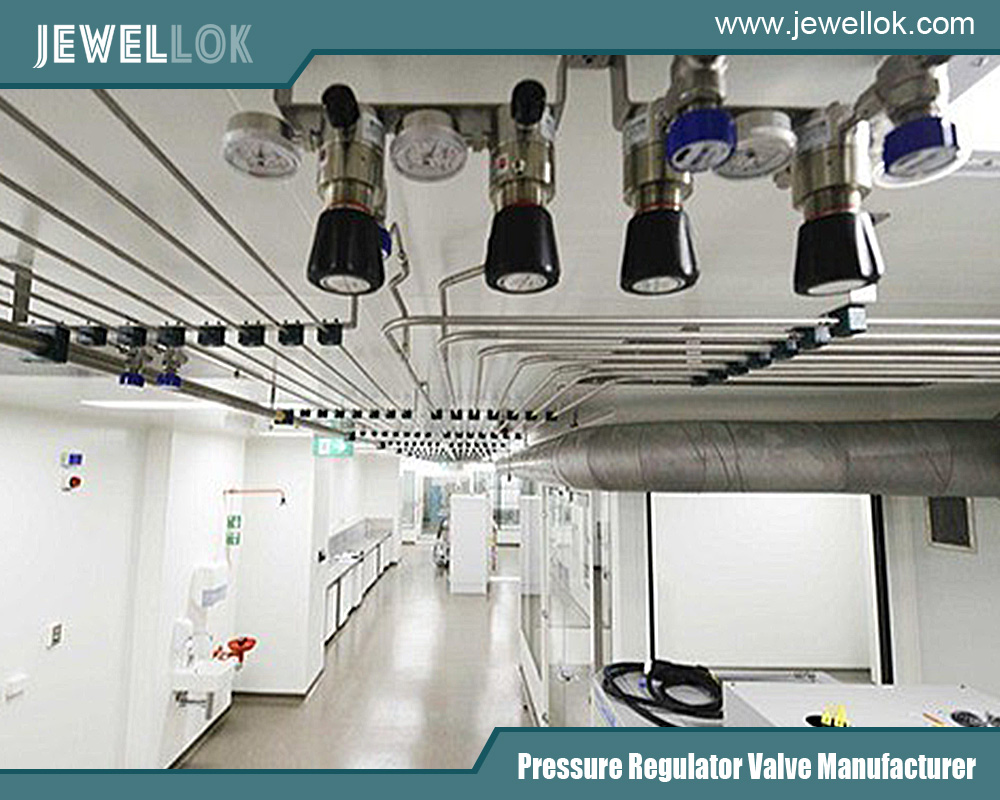
Conclusion
High purity laboratory gas valves are fundamental components of modern gas distribution systems. Their ability to maintain gas purity, prevent leaks, and provide reliable flow control directly impacts laboratory safety, analytical accuracy, and operational efficiency.
From analytical laboratories and pharmaceutical facilities to semiconductor fabrication plants and research institutions, selecting the right high purity valve is essential for achieving contamination-free gas delivery. Features such as electropolished 316L stainless steel construction, low dead volume design, helium leak testing, and precision sealing technologies help ensure long-term reliability and compliance with demanding industry standards.
By combining proper valve selection, professional installation, routine maintenance, and adherence to safety best practices, laboratories can build gas distribution systems that deliver exceptional performance while protecting personnel, equipment, and critical processes.
For more about high purity laboratory gas valves for safe and reliable gas distribution, you can pay a visit to Jewellok at https://www.jewellok.com/product-category/chemical-delivery-system/ for more info.
-

Liquid Chemical Delivery Module And Chemical Delivery System Semiconductor Chemical Automatic Liquid Supply Equipment
-
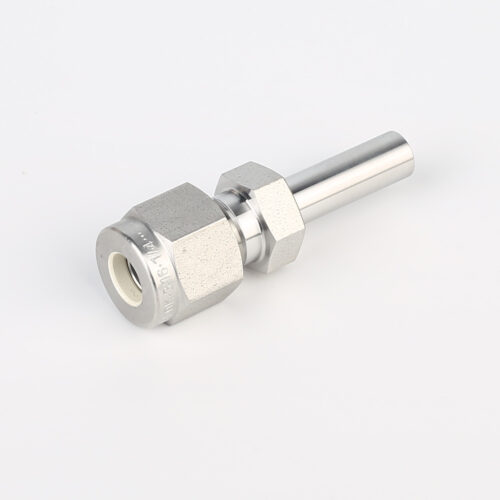
767LT Reducer Pressure Reducing Valve Adjustment High purity Pressure Reducing Union Fittings And Tubing
-
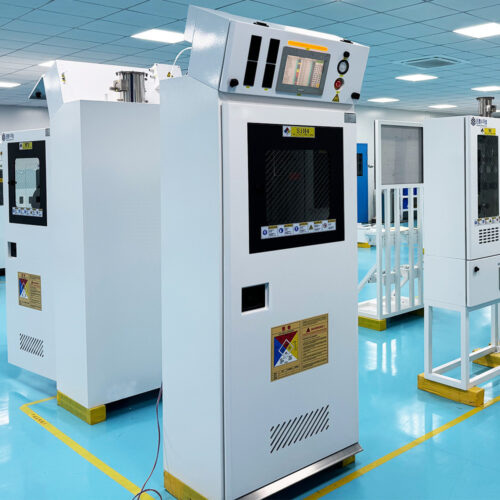
Ultra High Purity Trimethylaluminum TMA Gas Cabinet Liquid Delivering Cabinet Used For Specialty Gas Delivery System In Semiconductor
-
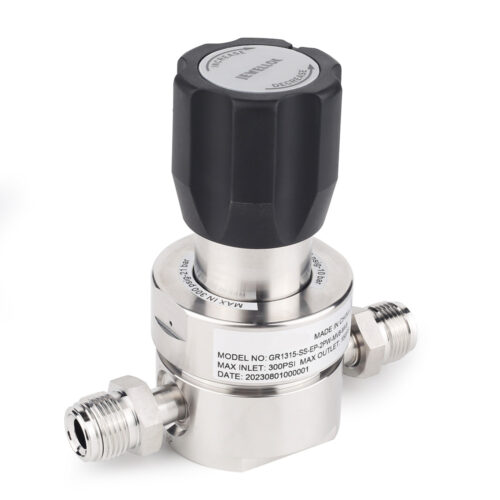
JR1300 Series Ultra High Purity Single Stage Regulator High Flow Line Regulator For Ultra High Purity Intermediate Flow
-
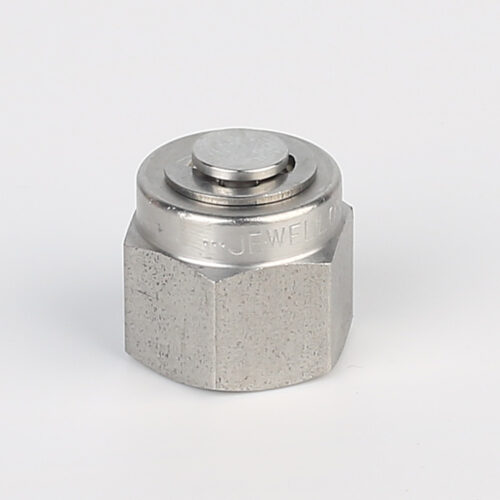
7121L Plug High Purity Plug Fitting And Blanking Plug
-
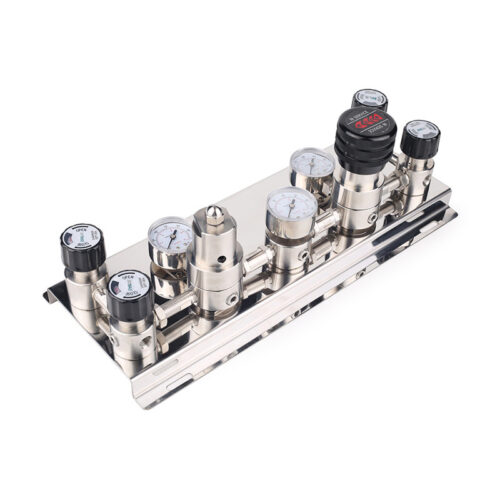
Automatic Gas Switchover System Automatic Switchover Manifold Automatic Gas Cylinder Switchover
-
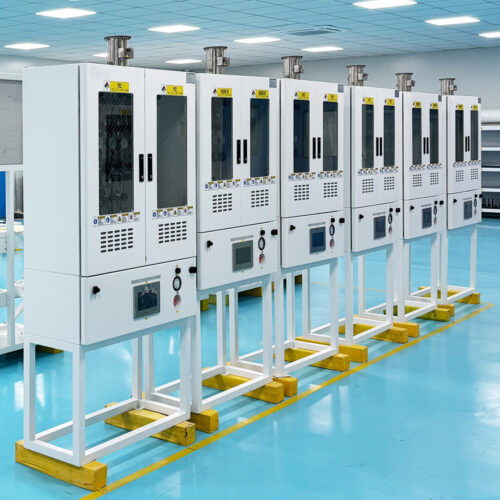
Ultra-High Purity Chemical Delivery Module (CDM) and Valve Manifold Box Integration Improving Semiconductor Yield
-
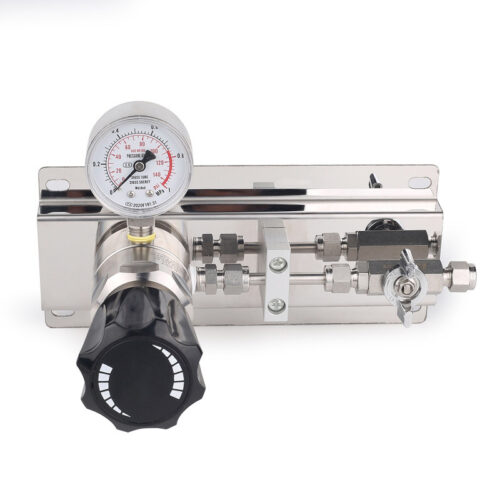
High Purity Gas Cylinder Semi Automatic Changeover Manifold Regulator Panel 3000psig Stainless Steel Gas Control Panel 1/8 Npt With Gauge