
Valves Manufacturer Tel: +86 13380377051
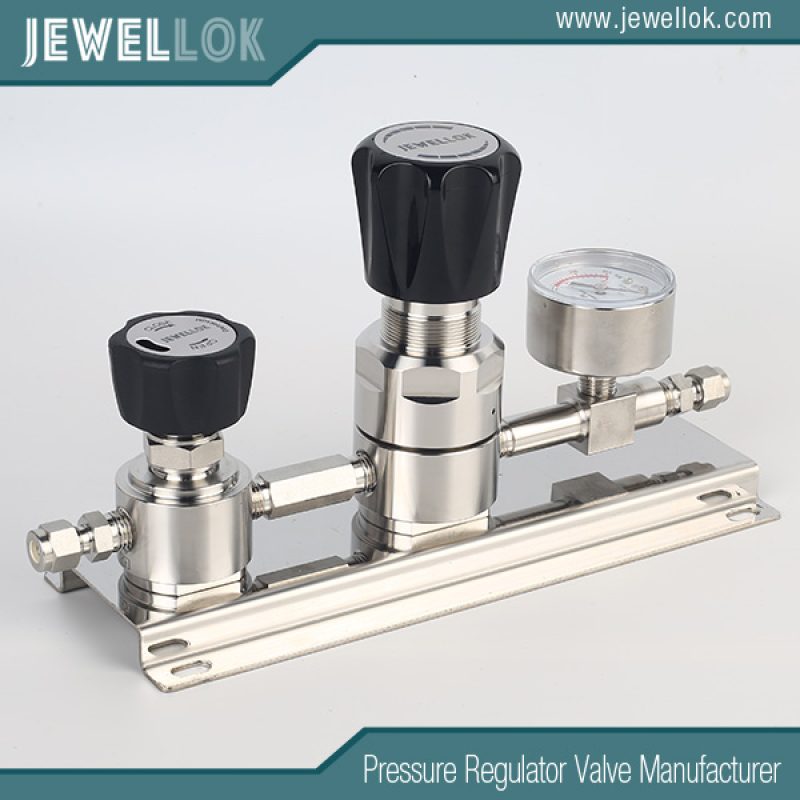
Ultra High Purity Diaphragm Valves for VMB, VMP, and Gas Cabinet Systems
Introduction
In semiconductor fabrication, pharmaceutical production, biotechnology laboratories, and specialty gas distribution systems, maintaining ultra-high purity (UHP) process environments is critical. Even trace levels of contamination can negatively impact product quality, yield, process consistency, and safety. As a result, every component within a gas delivery system must be engineered to meet the highest standards of cleanliness, leak integrity, and chemical compatibility.
Among these components, Ultra High Purity (UHP) Diaphragm Valves play a vital role in controlling the flow of high-purity gases and chemicals. They are widely used in Valve Manifold Boxes (VMBs), Valve Manifold Panels (VMPs), Gas Cabinets, Bulk Gas Distribution Systems, and Semiconductor Process Equipment.
This article explores the design, operating principles, performance requirements, applications, and selection criteria of UHP diaphragm valves used in modern gas delivery systems.
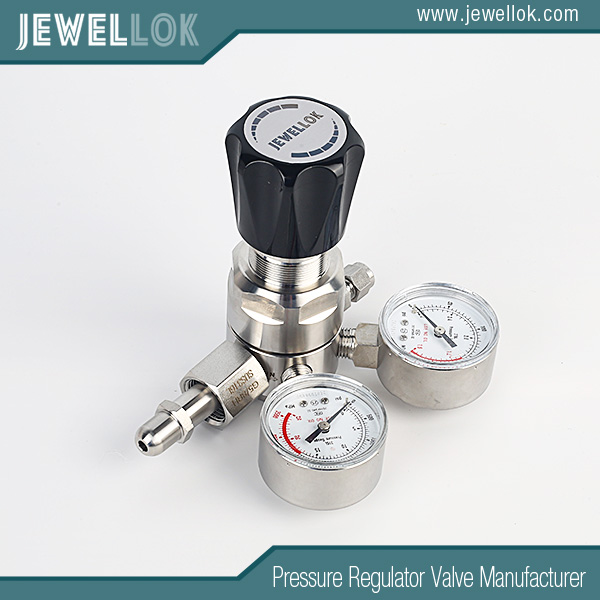
Understanding Ultra High Purity Diaphragm Valves
An Ultra High Purity Diaphragm Valve is a specialized valve designed to provide contamination-free flow control for gases and liquids used in sensitive manufacturing environments.
Unlike conventional valves, diaphragm valves utilize a flexible metal diaphragm to isolate the process media from the actuator mechanism. This design eliminates dynamic stem seals, significantly reducing the risk of particle generation, leakage, and contamination.
The valve consists of several key components:
- Valve body
- Metal diaphragm
- Bonnet assembly
- Actuator
- Seat structure
- High-purity connections
The diaphragm serves as the primary sealing element. When actuated, the diaphragm moves toward or away from the valve seat, controlling flow while maintaining complete isolation between the process gas and the external environment.
This construction provides exceptional cleanliness, leak-tight performance, and long service life, making diaphragm valves the preferred choice for UHP applications.
Why UHP Valves Are Critical in Gas Delivery Systems
Modern semiconductor manufacturing processes involve highly sensitive gases such as:
- Silane (SiH4)
- Ammonia (NH3)
- Hydrogen (H2)
- Nitrogen (N2)
- Argon (Ar)
- Helium (He)
- Phosphine (PH3)
- Arsine (AsH3)
- Boron Trichloride (BCl3)
- Hydrogen Chloride (HCl)
These gases must be delivered with purity levels reaching 99.9999% or higher.
Any contamination introduced by the valve can result in:
- Wafer defects
- Process instability
- Reduced yield
- Equipment damage
- Safety hazards
Ultra-high purity diaphragm valves minimize these risks through:
- Low internal surface roughness
- Electropolished flow paths
- Orbital weld compatibility
- Ultra-low particle generation
- Helium leak integrity
- Dead-space-free design
The result is a clean and reliable gas delivery system capable of meeting stringent semiconductor industry requirements.
Application in Valve Manifold Boxes (VMB)
Valve Manifold Boxes serve as local gas distribution hubs between bulk gas supply systems and process tools.
A typical VMB performs several functions:
- Gas isolation
- Purging
- Pressure control
- Flow switching
- Emergency shutoff
UHP diaphragm valves are installed throughout the manifold to provide precise control of gas flow.
Key advantages include:
Superior Leak Tightness
Most semiconductor facilities require leak rates below:
1 × 10⁻⁹ atm·cc/sec helium
High-quality diaphragm valves can achieve leak rates as low as:
1 × 10⁻¹¹ atm·cc/sec helium
This prevents atmospheric contamination and hazardous gas leakage.
Minimal Dead Volume
Dead volume can trap residual gas and contaminants.
UHP valve designs minimize internal cavities, allowing:
- Faster purge cycles
- Lower gas consumption
- Improved process repeatability
High Cycle Life
VMB systems often operate continuously for years.
Advanced diaphragm technology provides:
- Over 100,000 operating cycles
- Consistent sealing performance
- Reduced maintenance requirements
Application in Valve Manifold Panels (VMP)
Valve Manifold Panels are commonly used in centralized gas distribution systems.
These panels control gas routing from source cylinders or bulk systems to multiple downstream process tools.
UHP diaphragm valves used in VMPs must satisfy several critical requirements:
High Purity Performance
Surface finish typically ranges from:
- 10 Ra μin
- 7 Ra μin
- 5 Ra μin electropolished
Smooth internal surfaces reduce:
- Particle shedding
- Moisture retention
- Gas adsorption
Compact Installation
Modern fabs require high-density gas distribution infrastructure.
Compact diaphragm valves enable:
- Reduced panel footprint
- Easier maintenance access
- Higher component density
Process Compatibility
A single VMP may handle:
- Inert gases
- Corrosive gases
- Toxic gases
- Reactive gases
Diaphragm valves provide broad chemical compatibility through carefully selected body materials and sealing technologies.
Role in Semiconductor Gas Cabinets
Gas Cabinets represent one of the most critical safety systems within semiconductor facilities.
These enclosures store and control hazardous gas cylinders while providing:
- Leak containment
- Gas monitoring
- Automatic shutdown
- Ventilation
UHP diaphragm valves are integrated into:
- Cylinder connection manifolds
- Process isolation systems
- Purge circuits
- Emergency shutoff systems
Safety Benefits
For toxic and pyrophoric gases, valve integrity directly impacts personnel and facility safety.
Diaphragm valves offer:
- Bubble-tight shutoff
- Metal-to-metal sealing
- External leak prevention
- Reliable emergency isolation
Automated Operation
Many gas cabinets utilize pneumatic diaphragm valves that support:
- Remote control
- PLC integration
- Automated sequencing
- Fail-safe operation
These features improve both process control and operator safety.
Materials Used in UHP Diaphragm Valves
Material selection is critical for maintaining purity and durability.
316L Stainless Steel
The most common valve body material is 316L stainless steel due to its:
- Corrosion resistance
- Mechanical strength
- Weldability
- Low outgassing characteristics
Typical specifications include:
- Low sulfur content
- Vacuum remelted steel
- Semiconductor-grade certification
Hastelloy
For highly corrosive gases, Hastelloy may be used.
Advantages include:
- Superior corrosion resistance
- Extended service life
- Compatibility with aggressive chemicals
Cobalt-Based Alloys
Certain specialty applications require enhanced wear resistance and durability.
These alloys provide:
- Improved seat performance
- Better erosion resistance
- Extended cycle life
Surface Finish Requirements
Surface finish directly affects gas purity.
Rough surfaces create microscopic pockets where contaminants may accumulate.
Common semiconductor specifications include:
| Surface Finish | Application |
|---|---|
| 25 Ra μin | General industrial gas |
| 15 Ra μin | High-purity gas |
| 10 Ra μin | Semiconductor service |
| 7 Ra μin | Advanced semiconductor |
| 5 Ra μin | Ultra-high purity systems |
Electropolishing further enhances cleanliness by:
- Removing surface imperfections
- Reducing particle generation
- Improving corrosion resistance
- Lowering adsorption rates
Manual vs Pneumatic Diaphragm Valves
Manual Diaphragm Valves
Manual valves are typically used for:
- Maintenance isolation
- Service shutoff
- Local control points
Benefits include:
- Simple operation
- Lower cost
- Easy installation
Pneumatic Diaphragm Valves
Pneumatic valves are widely used in automated gas systems.
Advantages include:
- Fast response time
- Remote operation
- PLC compatibility
- Improved safety
Most semiconductor gas cabinets rely heavily on pneumatic diaphragm valves for automated process control.
Leak Testing and Quality Assurance
Every UHP diaphragm valve must undergo rigorous testing before deployment.
Helium Leak Testing
Helium leak detection verifies sealing integrity.
Typical acceptance criteria:
- Internal leak rate ≤ 1×10⁻⁹ atm·cc/sec
- External leak rate ≤ 1×10⁻⁹ atm·cc/sec
Premium semiconductor valves often exceed these requirements.
Particle Testing
Particle generation testing measures contamination levels during operation.
The goal is to maintain:
- Ultra-low particle counts
- Stable process conditions
- Maximum wafer yield
Pressure Testing
Pressure testing confirms structural integrity under operating conditions.
Tests may include:
- Hydrostatic pressure testing
- Pneumatic pressure testing
- Burst pressure verification
Industry Standards and Compliance
UHP diaphragm valves must comply with various international standards.
Important standards include:
SEMI Standards
SEMI standards govern semiconductor equipment and gas delivery systems.
Relevant specifications include:
- SEMI F1
- SEMI F19
- SEMI F20
- SEMI F57
ASME Standards
ASME requirements address:
- Pressure containment
- Material quality
- Manufacturing practices
ISO Standards
ISO standards support:
- Quality management
- Clean manufacturing
- Traceability
Compliance ensures reliability, safety, and compatibility within semiconductor facilities worldwide.
Key Factors When Selecting a UHP Diaphragm Valve
When choosing diaphragm valves for VMB, VMP, or Gas Cabinet applications, engineers should evaluate:
Purity Requirements
Determine required cleanliness levels based on process sensitivity.
Gas Compatibility
Verify compatibility with:
- Corrosive gases
- Toxic gases
- Oxidizing gases
- Inert gases
Operating Pressure
Ensure the valve can safely handle system pressure requirements.
Flow Capacity
Proper Cv values are necessary for maintaining desired process performance.
Actuation Method
Choose between:
- Manual
- Pneumatic
- Electro-pneumatic
based on system design and automation requirements.
Surface Finish
Select the appropriate electropolished finish for the intended purity level.
Manufacturer Certification
Use suppliers capable of providing:
- Material certificates
- Leak test reports
- Surface finish documentation
- Cleanroom assembly records
Future Trends in UHP Valve Technology
As semiconductor technology advances toward smaller process nodes and higher manufacturing precision, the requirements for gas delivery systems continue to increase.
Future diaphragm valve developments include:
- Lower particle generation designs
- Enhanced corrosion-resistant materials
- Smart valve monitoring systems
- Integrated diagnostics
- Industry 4.0 connectivity
- Predictive maintenance capabilities
These innovations will further improve process reliability, safety, and manufacturing efficiency.
Conclusion
Ultra High Purity Diaphragm Valves are indispensable components in VMB, VMP, and Gas Cabinet systems. Their ability to provide contamination-free flow control, exceptional leak integrity, and long-term reliability makes them essential for semiconductor manufacturing, specialty gas distribution, biotechnology, and other high-purity industries.
By utilizing electropolished stainless steel construction, advanced diaphragm technology, and rigorous quality control procedures, modern UHP valves help maintain the ultra-clean environments required for today’s most demanding processes. Selecting the right diaphragm valve not only enhances gas system performance but also improves safety, product quality, and operational efficiency.
As the semiconductor industry continues to evolve, UHP diaphragm valves will remain a cornerstone of reliable and contamination-free gas delivery infrastructure.
For more about ultra high purity diaphragm valves for VMB, VMP, and gas cabinet systems, you can pay a visit to Jewellok at https://www.jewellok.com/product-category/chemical-delivery-system/ for more info.
-

UHP Liquid Chemical Delivery System (CDS) Implementation for High-Volume Photovoltaic and Renewable Energy Component Production Lines
-

Custom Chemical Delivery System (CDS) Engineering for Hazardous Etchants and Volatile Organic Solvent Distribution Systems
-
Buy Cleanroom Certified Ultra High Purity Gas Valve Equipment Designed For Advanced Solar Lines
-
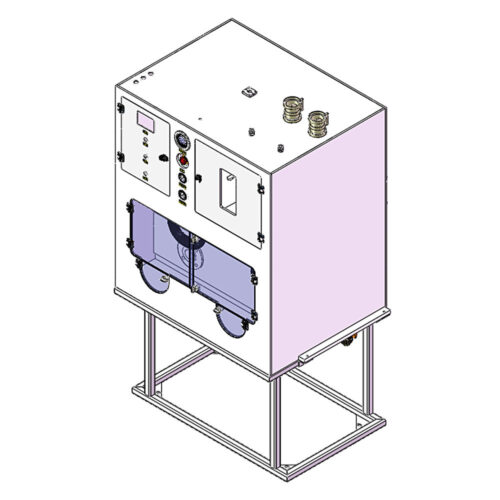
Clean Connection Cabinet JW-300-CCB Valve Manifold Box And Control Valve Box
-
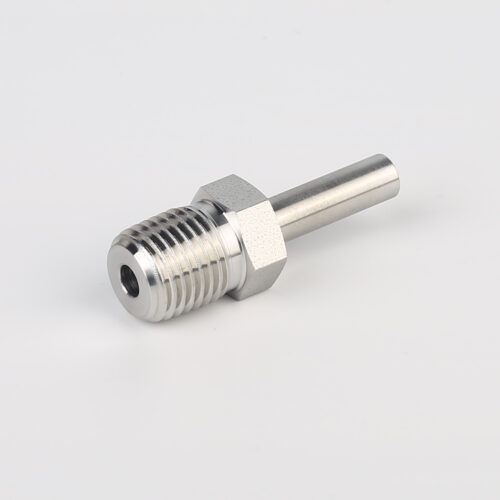
739 High Purity LMR Male Adapter Tube To Pipe Fittings And Adapters
-
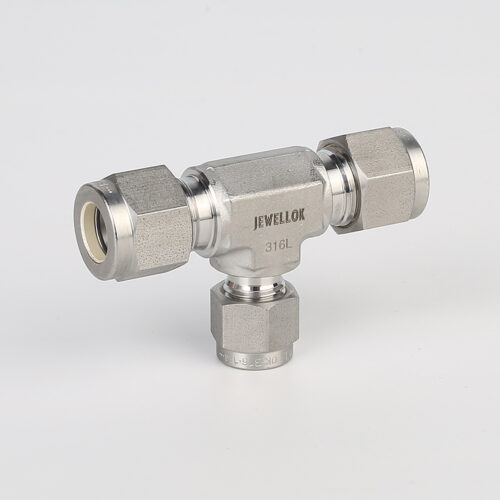
764LR Stainless Steel 316 Reducing Tee UHP Fitting Automatic Buttweld Reducing Tee
-
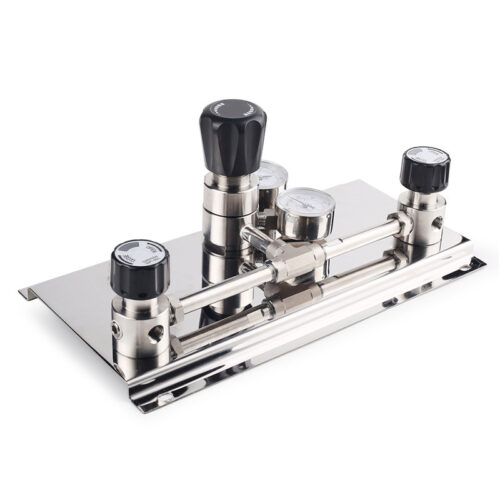
High Purity Semi-Auto Stainless Steel Changeover Manifold System, Nitrogen High Pressure Control Panel With Semiconductor Valve Manifold Box Diaphragm Valves
-
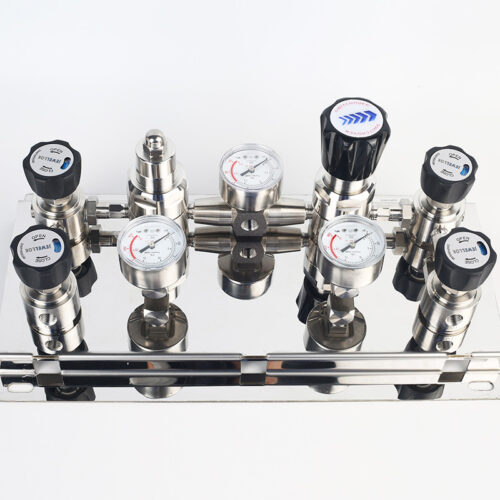
Semi Automatic Gas Changeover Manifold System Manual Changeover Manifold Panel Single Stage Automatic Switchover Board