
Valves Manufacturer Tel: +86 13380377051
Wet Scrubbers vs. Dry Scrubbers in Industrial Gas Treatment Systems: A Comprehensive Technical Comparison
Industrial manufacturing processes generate a wide range of harmful gases, particulate matter, acid fumes, volatile organic compounds (VOCs), and hazardous air pollutants (HAPs). To comply with increasingly stringent environmental regulations and ensure workplace safety, industries rely on advanced gas treatment systems to remove contaminants before exhaust gases are released into the atmosphere.
Among the most widely used air pollution control technologies are wet scrubbers and dry scrubbers. Both systems are designed to capture and neutralize pollutants from industrial exhaust streams, but they differ significantly in operating principles, removal efficiency, maintenance requirements, operating costs, and application suitability.
This article provides a detailed technical comparison between wet and dry scrubbers, helping engineers, environmental managers, and plant operators select the most appropriate solution for their gas treatment applications.
Understanding Industrial Scrubber Systems
A scrubber is an air pollution control device that removes pollutants from industrial exhaust gases through physical and chemical processes. Scrubbers are commonly used in industries such as:
- Semiconductor manufacturing
- Chemical processing
- Pharmaceuticals
- Petrochemicals
- Metal finishing
- Mining and smelting
- Waste incineration
- Fertilizer production
- Food processing
The primary purpose of a scrubber system is to remove contaminants such as:
- Acid gases (HCl, HF, SO₂, H₂S)
- Ammonia (NH₃)
- Chlorine (Cl₂)
- Nitrogen oxides (NOx)
- Particulate matter (PM)
- Toxic chemical vapors
- Soluble VOCs
Scrubber technologies are generally divided into two categories:
- Wet Scrubbers
- Dry Scrubbers
Each technology offers unique advantages depending on the characteristics of the exhaust gas stream.
What Is a Wet Scrubber?
A wet scrubber removes pollutants by bringing contaminated gas into direct contact with a liquid, typically water or a chemical solution.
As exhaust gas passes through the scrubber tower, pollutants are absorbed, dissolved, neutralized, or captured by the liquid. The cleaned gas then exits the system while contaminants remain in the scrubbing solution.
Basic Operating Principle
The process typically involves:
- Polluted gas enters the scrubber.
- Scrubbing liquid is sprayed into the gas stream.
- Gas-liquid contact occurs within packed media or spray chambers.
- Pollutants dissolve into or react with the liquid.
- Mist eliminators remove entrained droplets.
- Clean gas is discharged.
Common wet scrubber designs include:
- Packed bed scrubbers
- Venturi scrubbers
- Spray tower scrubbers
- Cyclonic scrubbers
- Tray scrubbers
Advantages of Wet Scrubbers
1. High Removal Efficiency
Wet scrubbers are highly effective for removing:
- Acid gases
- Water-soluble VOCs
- Fine particulate matter
- Toxic chemical fumes
Removal efficiencies often exceed:
- 95% for acid gases
- 99% for soluble contaminants
- 99%+ for particulate matter when using venturi scrubbers
2. Simultaneous Gas and Particle Removal
Unlike many dry systems, wet scrubbers can remove both gaseous pollutants and particulate contaminants within a single unit.
This makes them suitable for complex industrial exhaust streams.
3. Temperature Control Capability
Wet scrubbers naturally cool hot exhaust gases through evaporative cooling.
This feature is beneficial for:
- Chemical plants
- Metal processing facilities
- Waste incinerators
4. Reduced Explosion Risk
The presence of liquid minimizes dust accumulation and lowers the risk of combustible dust explosions.
5. Flexible Chemical Treatment
Various chemical additives can be introduced into the scrubbing liquid to neutralize specific pollutants.
Examples include:
- Sodium hydroxide (NaOH)
- Potassium hydroxide (KOH)
- Sodium hypochlorite (NaOCl)
Limitations of Wet Scrubbers
1. Wastewater Generation
The largest drawback of wet scrubbers is the production of contaminated wastewater.
The liquid must be:
- Treated
- Recycled
- Disposed of according to environmental regulations
This increases operating complexity.
2. Corrosion Issues
Continuous exposure to moisture and chemicals can cause severe corrosion.
As a result, scrubbers often require corrosion-resistant materials such as:
- FRP (Fiberglass Reinforced Plastic)
- PVC
- CPVC
- PP (Polypropylene)
- PVDF
- Stainless steel
3. Higher Maintenance Requirements
Wet systems involve:
- Pumps
- Piping
- Spray nozzles
- Chemical dosing systems
These components require routine inspection and maintenance.
4. Water Consumption
Facilities located in water-scarce regions may face challenges due to significant water usage.
What Is a Dry Scrubber?
A dry scrubber removes pollutants without using liquid water as the primary treatment medium.
Instead, contaminants react with dry or semi-dry sorbent materials that chemically neutralize harmful gases.
Common sorbents include:
- Activated alumina
- Activated carbon
- Calcium hydroxide
- Sodium bicarbonate
- Potassium permanganate media
The treated gas exits the system while contaminants remain trapped within the sorbent bed.
Types of Dry Scrubbers
Dry Sorbent Injection (DSI)
Powdered sorbents are injected directly into the gas stream.
Pollutants react with the sorbent before being captured by a downstream dust collector.
Packed Bed Dry Scrubbers
Gas passes through a fixed bed of adsorbent material where contaminants are chemically absorbed or adsorbed.
Cartridge-Based Scrubbers
Commonly used in semiconductor manufacturing and laboratory applications.
Media cartridges are replaced once saturated.
Activated Carbon Scrubbers
Widely used for VOC control and odor removal.
Activated carbon provides a large surface area for adsorption.
Advantages of Dry Scrubbers
1. No Wastewater Production
One of the most significant benefits of dry scrubbers is the elimination of liquid waste streams.
This reduces:
- Wastewater treatment costs
- Environmental compliance burdens
- Facility infrastructure requirements
2. Lower Maintenance Costs
Dry systems typically contain fewer moving parts than wet scrubbers.
As a result:
- Maintenance frequency decreases
- Downtime is reduced
- Operating costs are lower
3. Compact Design
Dry scrubbers often occupy less floor space.
This is particularly advantageous in:
- Semiconductor fabs
- Research laboratories
- Electronics manufacturing facilities
4. Reduced Corrosion
Because water is not involved in the scrubbing process, corrosion issues are substantially minimized.
5. Easier Installation
Dry systems are generally easier to install and integrate into existing exhaust systems.
Limitations of Dry Scrubbers
1. Limited Particle Removal Capability
Dry scrubbers are primarily designed for gas-phase pollutants.
They are less effective for removing:
- Heavy dust loads
- Fine particulate matter
- Sticky aerosols
Additional filtration systems are often required.
2. Media Replacement Costs
Adsorbent materials eventually become saturated and require replacement.
For facilities with high contaminant concentrations, media replacement can become a major operating expense.
3. Temperature Restrictions
Many dry sorbents operate efficiently only within specific temperature ranges.
Excessive exhaust temperatures may:
- Damage media
- Reduce adsorption efficiency
- Shorten service life
4. Potential Fire Risks
Activated carbon systems handling certain VOCs may require special safety measures to prevent fire hazards.
Wet Scrubber vs. Dry Scrubber: Technical Comparison
| Parameter | Wet Scrubber | Dry Scrubber |
|---|---|---|
| Water Usage | High | None |
| Wastewater Generation | Yes | No |
| Acid Gas Removal | Excellent | Excellent |
| VOC Removal | Good | Very Good |
| Particle Removal | Excellent | Limited |
| Cooling Capability | Yes | No |
| Corrosion Risk | High | Low |
| Maintenance Complexity | Higher | Lower |
| Installation Footprint | Larger | Smaller |
| Operating Cost | Moderate to High | Low to Moderate |
| Initial Capital Cost | Moderate | Moderate |
| Chemical Consumption | Continuous | Periodic |
| Semiconductor Applications | Common | Very Common |
Industry Applications
Semiconductor Industry
Semiconductor manufacturing generates highly corrosive gases such as:
- HF
- HCl
- Cl₂
- NH₃
- SiH₄ byproducts
Dry scrubbers are increasingly preferred because they:
- Require less maintenance
- Eliminate wastewater
- Fit within cleanroom infrastructure
However, wet scrubbers remain widely used for high-flow acid gas treatment.
Chemical Manufacturing
Chemical plants often generate complex exhaust streams containing:
- Acid gases
- Solvents
- Particulate matter
Wet scrubbers are typically preferred due to their ability to handle multiple contaminants simultaneously.
Waste Incineration
Incineration facilities require removal of:
- SO₂
- HCl
- HF
- Heavy metals
- Fly ash
Hybrid systems combining wet and dry technologies are commonly employed.
Pharmaceutical Production
Both technologies are used depending on the nature of emissions.
Dry scrubbers are popular for solvent vapor control, while wet systems are preferred for acid gas neutralization.
Emerging Trends in Industrial Scrubber Technology
Modern environmental regulations are driving innovation in gas treatment systems.
Key trends include:
Smart Monitoring
Advanced sensors now provide:
- Real-time gas concentration monitoring
- Predictive maintenance alerts
- Remote system diagnostics
Hybrid Scrubber Systems
Many facilities are adopting hybrid solutions that combine:
- Dry pre-treatment
- Wet polishing stages
This approach maximizes removal efficiency while minimizing operating costs.
Sustainable Water Management
New wet scrubber designs feature:
- Closed-loop recirculation
- Water recycling systems
- Reduced wastewater generation
High-Efficiency Media Development
Advanced dry sorbents are improving:
- Adsorption capacity
- Service life
- Contaminant removal efficiency
Conclusion
Both wet scrubbers and dry scrubbers play critical roles in modern industrial gas treatment systems. The optimal choice depends on the specific characteristics of the exhaust stream, environmental regulations, facility infrastructure, and long-term operating objectives.
Wet scrubbers remain the preferred solution for applications requiring high-efficiency removal of acid gases, particulate matter, and complex contaminant mixtures. Their versatility and superior pollutant capture capabilities make them indispensable in chemical processing, metal treatment, and waste incineration industries.
Dry scrubbers, on the other hand, offer significant advantages in terms of maintenance simplicity, water conservation, corrosion resistance, and compact installation. These benefits have made them increasingly popular in semiconductor manufacturing, electronics production, and other high-tech industries.
As environmental standards continue to tighten worldwide, the future of industrial air pollution control will likely involve increasingly sophisticated hybrid scrubber technologies that combine the strengths of both wet and dry systems while reducing operational costs and environmental impact.
For more about wet scrubbers vs. dry scrubbers in industrial gas treatment systems: a comprehensive technical comparison, you can pay a visit to Jewellok at https://www.jewellok.com/product-category/chemical-delivery-system/ for more info.
-
High Purity High Flow Pressure Control Regulators & Valves Gas Stick Assemblies JSR-2TG Series
-
739 High Purity LMR Male Adapter Tube To Pipe Fittings And Adapters
-
Medical Oxygen Single Stage Manual Gas Changeover Manifold Panel High-Purity Two-Stage Manual Gas Manifold Gas Pressure Control Panels
-
Integrated Gas System (IGS) Modular Integrated Gas Systems (TMS) Integrated Gas Supply System For Semiconductor And Laboratory
-
Ultra High Purity Gas Delivery Systems And Liquid Chemical Delivery Systems JW-300-LDS
-
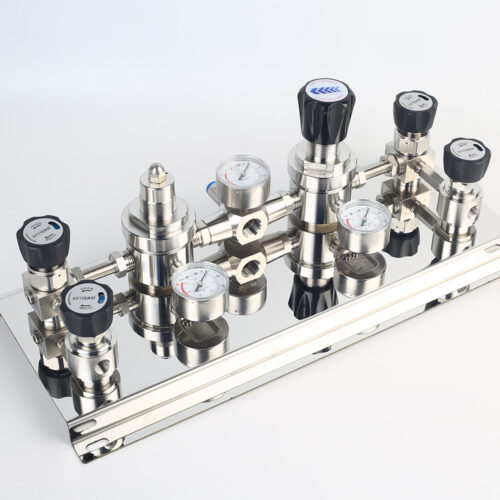
Stainless Steel Single Stage Semiconductor Grade Pressure Control Module Pressure Control Panels JSP-6A Series
-
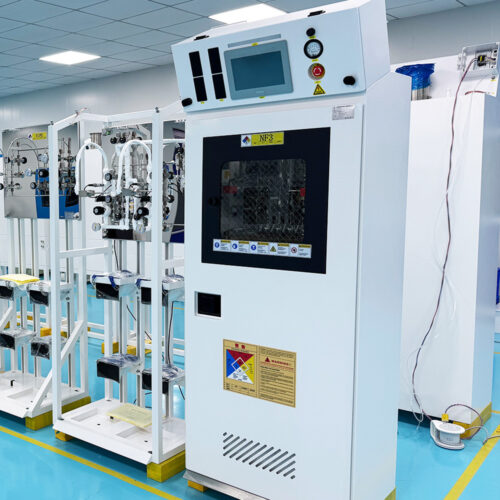
Semi Automatic Gas Cabinet Gas Panels High Purity Gas Delivery Systems JW-200-GC
-
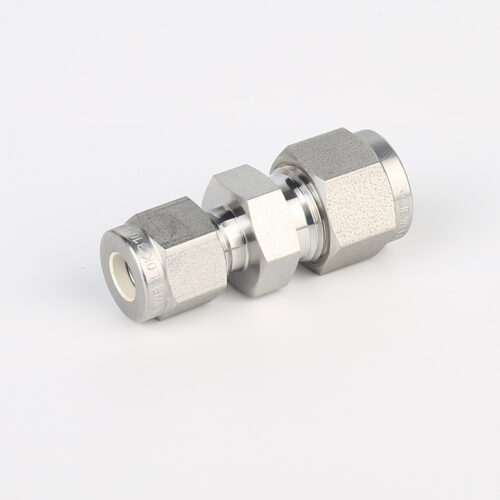
763L Stainless Steel High Purity Pressure Reducing Union Fittings And Tubing Pressure Reducing Valve Adjustment