
Valves Manufacturer Tel: +86 13380377051
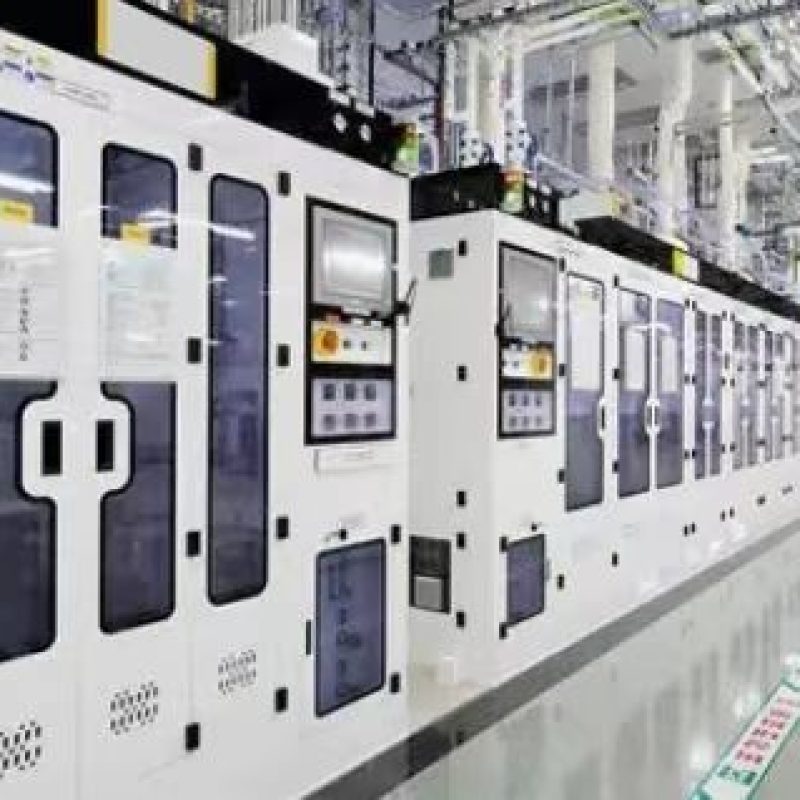
How to Choose the Right Semiconductor Gas Cabinet for Your Fab: A Complete Guide
Introduction
In semiconductor manufacturing, process gases such as silane, chlorine, tungsten hexafluoride, and ammonia are indispensable. Yet they are also inherently hazardous—flammable, pyrophoric, toxic, or corrosive. A gas cabinet is far more than a metal box; it is the primary engineering control protecting fab operators, equipment, and facilities. Choosing the wrong cabinet can lead to gas leaks, costly downtime, regulatory fines, or worse—safety incidents.
With hundreds of options on the market, from single-cylinder to automatic changeover systems, how does a fab manager or facility engineer make the right choice? This guide walks you through the essential criteria: gas properties, safety features, automation levels, material compatibility, control systems, certifications, and total cost of ownership. By the end, you’ll have a clear framework to select a semiconductor gas cabinet that maximizes safety and productivity for your specific fab environment.

1. Understand Your Process Gas Characteristics
Before evaluating any gas cabinet, you must catalog every gas used in your fab—not just the primary dopants or etch gases, but also cleaning and purge gases. Each gas falls into one or more hazard categories:
-
Flammable (e.g., hydrogen, methane)
-
Pyrophoric (e.g., silane, dichlorosilane) – ignites spontaneously in air
-
Toxic (e.g., arsine, phosphine, chlorine)
-
Corrosive (e.g., HCl, boron trichloride)
-
Inert / Asphyxiant (e.g., nitrogen, argon)
A single cylinder may have multiple hazards: silane is both pyrophoric and flammable; chlorine is toxic and corrosive. The gas cabinet must be designed for the most severe hazard combination.
For pyrophoric gases, the cabinet requires continuous nitrogen purge and fire-resistant construction. For corrosive gases, internal surfaces need special coatings (e.g., electropolished stainless steel, nickel plating) and compatible diaphragm valves. Toxic gases demand high-integrity exhaust and real-time monitoring with alarms set below the permissible exposure limit (PEL).
Key takeaway: Create a gas matrix with hazard classifications, concentrations, and flow rates. This matrix will drive every subsequent decision—from cabinet type to sensor selection.
2. Mandatory Safety Features – Non-Negotiable for Any Fab
Modern semiconductor gas cabinets incorporate multiple layers of safety. When comparing models, ensure the following are present, not optional:
2.1 Positive Pressure Relief and Containment
The cabinet must maintain negative pressure relative to the cleanroom (typically 0.5 to 1.0 inches water column) under normal operation. In a leak event, this draws air inward through a HEPA or ULPA filter, preventing gas escape. Double-walled construction with welded seams is standard.
2.2 Automatic Shutoff and Excess Flow Valves
Upon leak detection, the cabinet should automatically close pneumatic shutoff valves at the cylinder and downstream. Excess flow valves (EFVs) also stop uncontrolled release if a line ruptures.
2.3 Gas Detection and Alarm Systems
At minimum, install point sensors for toxic gases and low-oxygen monitors for inert gases. For flammable gases, catalytic bead or infrared sensors. Smart cabinets offer dual-sensor redundancy and self-diagnostics. Alarms must connect to the fab’s gas monitoring system (GMS) and trigger audible/visual alerts.
2.4 Fire Suppression
For pyrophoric and flammable gases, a fire suppression system—often a water mist or clean agent like FM-200—is required per NFPA 318. The cabinet should include a fusible link that releases the suppressant automatically.
2.5 Scavenging and Purge Capability
An automatic nitrogen purge cycle should activate after cylinder change-out or valve closure, removing residual gas before the door opens. For toxic service, a “purge-vent-purge” sequence is standard.
Pro tip: Verify that the cabinet’s leak-tightness meets SEMI S6 (Environmental, Health, and Safety guideline for gas distribution systems). A typical specification is <0.05 sccm helium leak rate.
3. Automation Level: Manual, Semi-Automatic, or Fully Automatic Changeover?
The degree of automation directly affects operator exposure and fab uptime.
Manual Gas Cabinets
-
Operator opens door, manually connects cylinder, performs purge, checks for leaks.
-
Suitable for low-use, non-toxic gases or R&D labs.
-
Drawback: Higher exposure risk; requires rigorous procedures.
Semi-Automatic Cabinets
-
Key operations (purge, leak check) are push-button controlled from the panel.
-
Door interlock ensures purge is completed before opening.
-
Good for small-volume production fabs.
Fully Automatic Changeover Cabinets
-
Dual cylinder positions (primary + reserve). When primary empties, system auto-switches to reserve.
-
Pneumatic valves, automated purging, and remote control via the GMS.
-
Ideal for high-volume fabs using toxic/pyrophoric gases like Cl₂ or SiH₄.
-
Benefits: Zero downtime for cylinder changes; operator never touches gas lines.
When choosing, weigh capital cost vs. operational risk. For highly toxic gases (e.g., arsine, phosphine), fully automatic changeover is the industry standard. For inert gases, manual cabinets are acceptable.
4. Material Compatibility and Surface Finish
Corrosive gases attack standard 316L stainless steel over time. For semiconductor-grade purity and longevity, consider:
-
Electropolished (EP) stainless steel – removes surface contaminants and micro-roughness. Standard for most process gases.
-
Nickel-plated or Hastelloy – for extremely aggressive gases like tungsten hexafluoride (WF₆) or boron trichloride (BCl₃).
-
PTFE or PFA lined tubing – only for very low-pressure applications; not common in high-flow gas cabinets due to permeation risks.
Seals and gaskets are critical. For toxic/corrosive service, use Kalrez® or Chemraz® instead of Viton®. Ensure all valves are diaphragm-type with minimal dead volume—this reduces trapped gas and contamination.
The cabinet body itself should be constructed from powder-coated steel or stainless steel for cleanroom compatibility. Hinges, latches, and exhaust ducts must resist the same corrosive environment.
5. Exhaust and Ventilation Design
A gas cabinet’s exhaust system is its first line of defense. Key specifications:
-
Minimum exhaust flow rate – Typically 150–300 CFM depending on cabinet size and gas hazard. SEMI S2 requires that exhaust maintains negative pressure even if the fab’s main exhaust system fluctuates.
-
Duct material – For corrosive gases, use PVDF or polypropylene ducts; for non-corrosive, galvanized steel is acceptable but less common in modern fabs.
-
Backdraft dampers – Prevent reverse flow when the fab exhaust fan slows.
-
Duct monitoring – Pressure switches or pitot tubes with alarms for low exhaust flow.
In many fabs, gas cabinets are connected to a dedicated exhaust header separate from general cleanroom exhaust. This ensures no cross-contamination and easier maintenance.
Common mistake: Under-sizing exhaust or sharing a branch line with tool exhausts that have variable flows. Always perform a stack effect analysis, especially for pyrophoric gases (which need high air turnover to prevent flammable mixture accumulation).
6. Control System Integration (GMS/BMS)
Modern semiconductor fabs use a centralized Gas Monitoring System (GMS) or Building Management System (BMS) to oversee all gas cabinets. When selecting a cabinet, check:
-
Communication protocol – Industry standards include RS-485 Modbus, Profibus, EtherNet/IP, or SECS/GEM for 300mm fabs.
-
Remote monitoring – Ability to view cylinder pressures, purge status, leak sensor readings, and alarm history from the control room.
-
Interlock logic – The cabinet should send a shutdown request to the GMS upon a high-level alarm; the GMS may then isolate the fab’s gas supply.
-
Data logging – At least 30 days of event logs (door openings, alarms, purges) for compliance and troubleshooting.
For fully automated fabs, consider cabinets with recipe-based purging: different purge sequences for different gas families, stored in the local PLC.
7. Certifications and Compliance – SEMI, FM, CE, and Local Codes
A gas cabinet that isn’t certified to recognized standards is a liability. Must-have certifications:
-
SEMI S2 – Environmental, Health, and Safety guidelines for semiconductor manufacturing equipment. Covers leak rates, electrical safety, fire protection, and risk assessment.
-
SEMI S8 – Ergonomics (important for manual cylinder handling).
-
FM (Factory Mutual) Approved – For fire suppression systems and cabinet construction, especially for pyrophoric gases.
-
CE marking – For fabs in the EU.
-
NFPA 318 – Standard for the Protection of Semiconductor Fabrication Facilities (exhaust, fire suppression, storage limits).
-
Uniform Fire Code (UFC) / IFC – For gas cabinet location and maximum cylinder sizes.
Ask suppliers for a compliance matrix. Some local authorities having jurisdiction (AHJs) require third-party field labeling (e.g., ETL or UL). Don’t assume a cabinet designed for general industrial use meets semiconductor fab requirements.
8. Supplier Evaluation and Total Cost of Ownership (TCO)
Price is only one variable. Consider:
-
Lead time – Custom gas cabinets (with special coatings or non-standard port configurations) can take 16–20 weeks. Stock models may ship in 6–8 weeks.
-
Service and spare parts – Are valves, sensors, and filters readily available? Is there a local service engineer? Some suppliers (e.g., Applied Energy Systems, Airgas, Critical Systems, Entegris) have global support networks.
-
Upgradeability – Can the cabinet be retrofitted with newer sensors or automation features in 5 years?
-
Training – Does the supplier provide on-site training for your operators and maintenance technicians?
Calculate TCO over 10 years: initial purchase + installation + energy (exhaust fan and purge gas consumption) + consumables (sensors, filters) + maintenance labor. A higher-quality cabinet often saves money through fewer false alarms and less downtime.
9. Installation and Maintenance Considerations
Even the best cabinet fails if installed incorrectly. During selection, evaluate:
-
Floor space and weight – A dual-cylinder automatic cabinet can weigh over 500 kg. Check your fab’s structural loading.
-
Access for cylinder handling – Manual cabinets need clear space for a cylinder dolly. Automatic cabinets still need access for replacement every 6–12 months.
-
Duct connection points – Ensure they match your existing exhaust laterals.
-
Electrical requirements – Many cabinets require 24 VDC for sensors and 110/220 VAC for controllers. Isolated grounding may be needed for sensitive electronics.
Maintenance tasks: quarterly sensor calibration, annual leak check of all fittings, replacement of purge filters, and functional testing of interlocks. Choose a cabinet with easy-to-remove panels and clearly labeled test ports.
10. Future-Proofing: Next-Generation Gases and Sustainability
As the industry moves to new materials (e.g., for GaN, SiC, or EUV lithography), your gas cabinet may need to handle exotic gases like germane, diborane, or ruthenium precursors. Request that the cabinet’s wetted materials be compatible with a wider range of chemistries. Also, consider cabinets designed for low purge gas consumption—nitrogen is not free, and reducing usage lowers operating costs and carbon footprint.
Some advanced cabinets now feature on-board gas abatement for small purges or remote diagnostics via cloud. While not mainstream, these features can future-proof your investment.
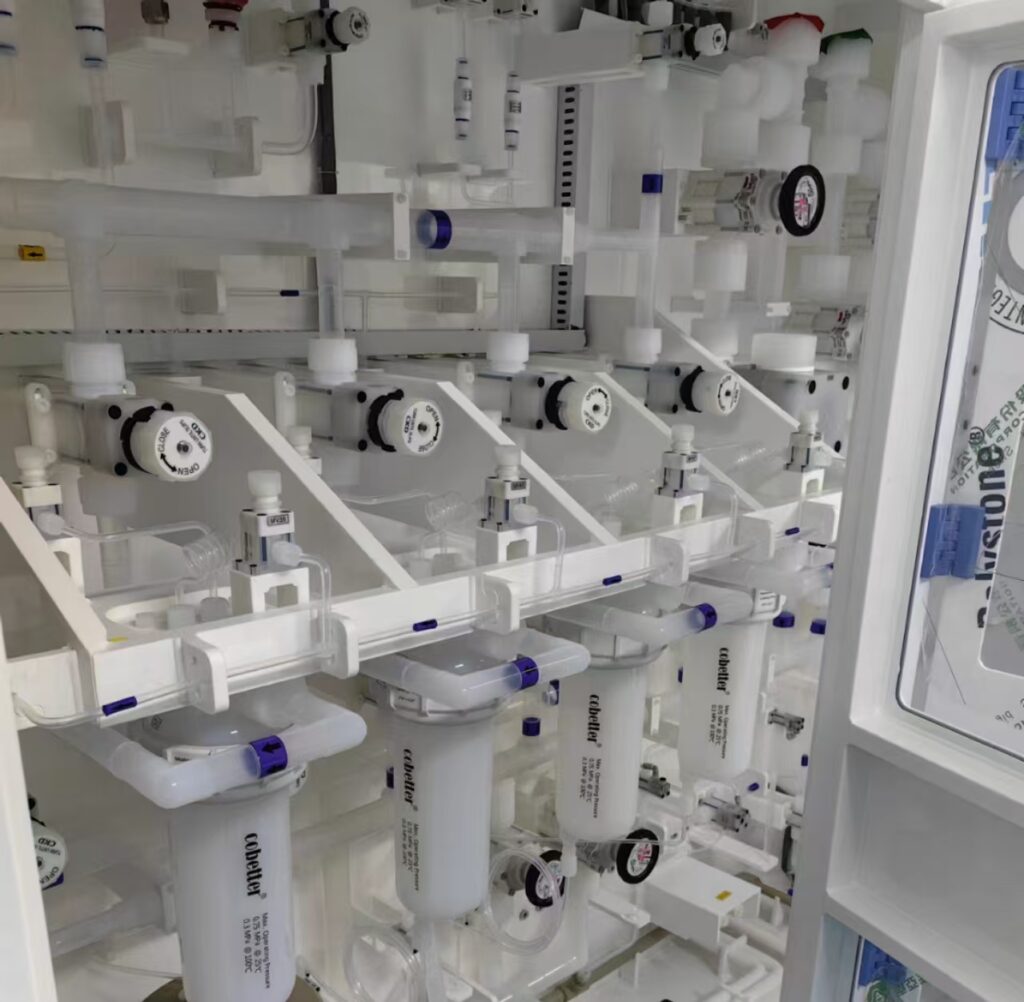
Conclusion
Choosing the right semiconductor gas cabinet for your fab is a multi-faceted decision that directly impacts safety, compliance, and operational efficiency. Start by characterizing your process gases, then prioritize safety features: negative pressure containment, gas detection, fire suppression, and automatic shutoff. Decide on the level of automation—manual for low-risk gases, fully automatic changeover for toxic/pyrophoric lines. Verify material compatibility for corrosive chemistries and ensure exhaust and control system integration meet SEMI standards.
Finally, evaluate suppliers not just on price but on total cost of ownership, lead time, and support. A properly selected gas cabinet will operate for a decade or more with minimal incidents, protecting both your people and your fab’s profitability.
When in doubt, involve a qualified gas system integrator to review your process requirements and perform a risk assessment (HAZOP). The small upfront investment in expert consultation pays back many times over in prevented accidents and uninterrupted production.
For more about how to choose the right semiconductor gas cabinet for your Fab: a complete guide, you can pay a visit to Jewellok at https://www.jewellok.com/product-category/chemical-delivery-system/ for more info.
-
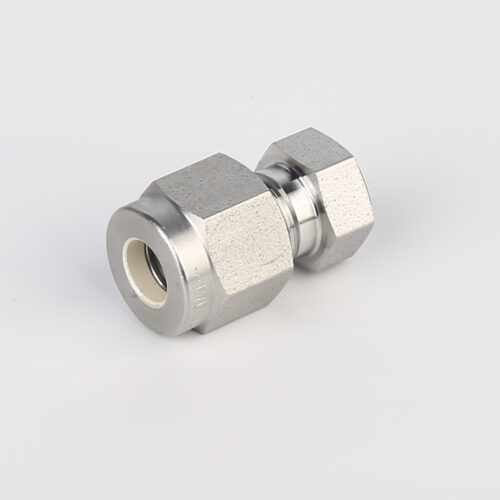
7108L Cylinder Cap Connectors For Ultra High Purity Gases
-
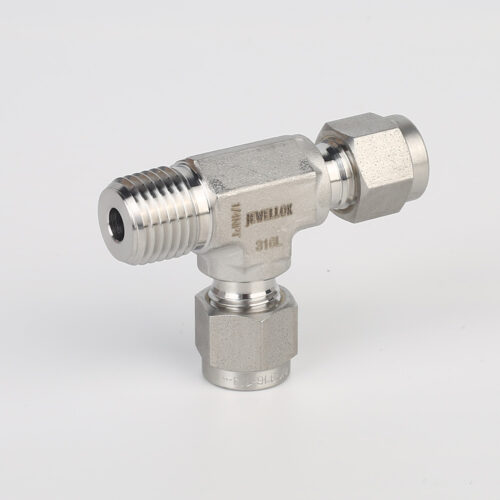
771L Male Run Tee | Stainless Steel High Quality High Purity Male Run Tee Branch Tee Pipe Fittings
-
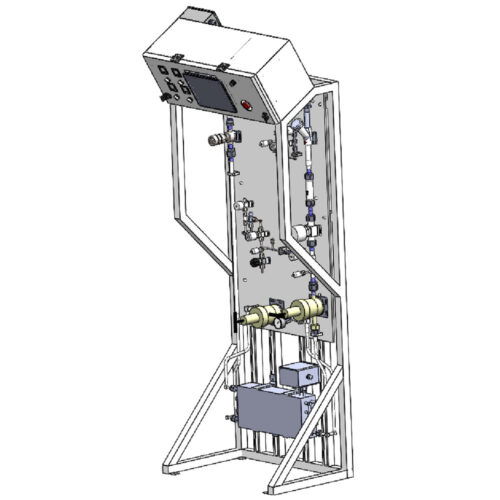
Fully Automated Gas Cabinet Gas Rack Gas Delivery Systems JW-300-GR
-
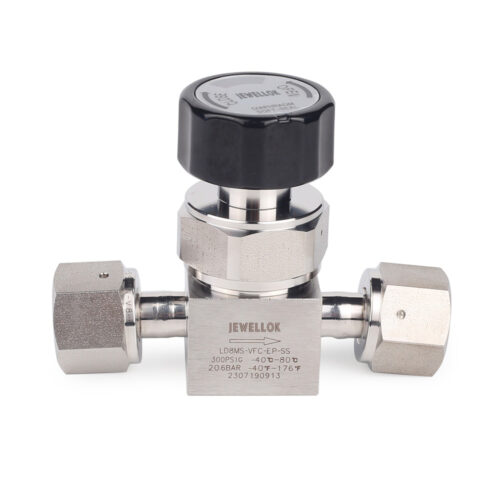
316L Vim Var Stainless Steel Ultra High Purity Diaphragm Valve Options For Semiconductor Gas Distribution Systems
-
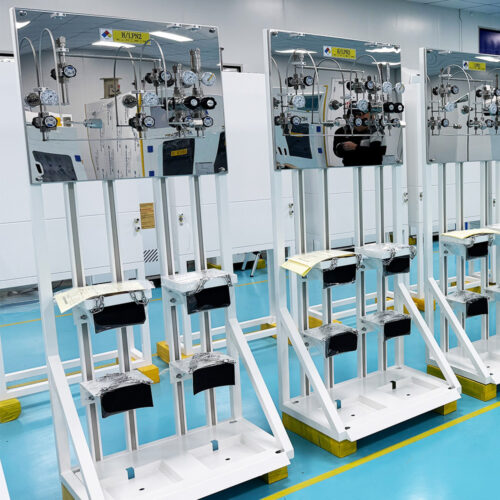
Semi-Automatic VMB Gas Cabinet With Semiconductor Valve Manifold Box Diaphragm Valves And Gas Pressure Regulators
-
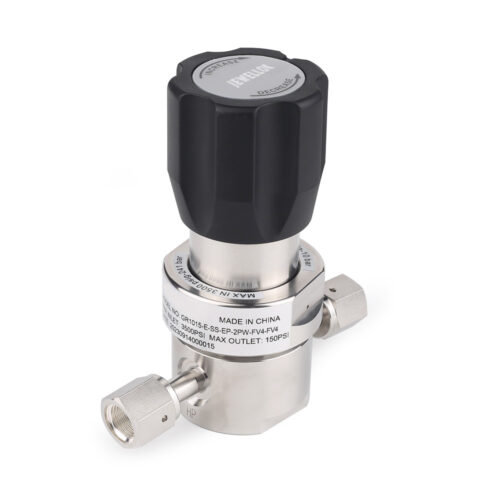
Premium Grade Ultra High Purity Gas Valve Solutions Sourced Directly from China for Critical Semiconductor and Advanced Photovoltaic Gas Distribution Lines
-
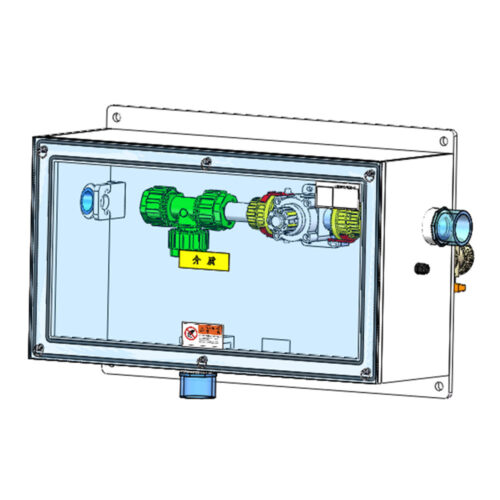
FT-BOX JW-FTB-C Valve Manifold Panels And Boxes With High Purity Configurable Systems
-
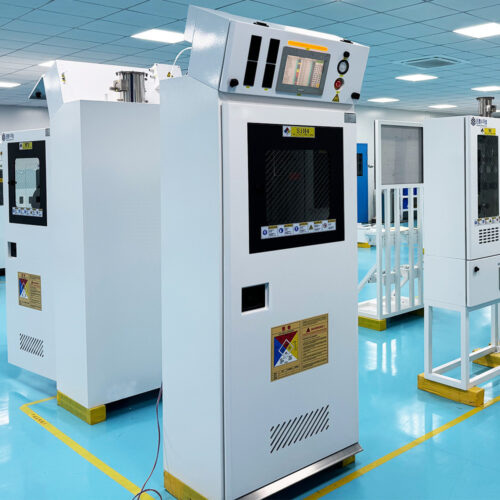
Fully Automated Gas Cabinet For Precise UHP Gas Delivery And High Purity Gas Delivery Systems JW-300-GC