
Valves Manufacturer Tel: +86 13380377051
How to Choose the Right Ultra-High Purity CO₂ Regulator for Your Laboratory and Research
Introduction
Carbon dioxide (CO₂) is one of the most widely used gases in modern laboratories, pharmaceutical manufacturing, biotechnology, food science, analytical chemistry, semiconductor research, and environmental testing. Although CO₂ is considered a relatively stable and non-toxic gas under normal conditions, maintaining its purity throughout the gas delivery process is essential for ensuring accurate experimental results and protecting sensitive equipment.
One critical component that directly influences gas purity and pressure stability is the ultra-high purity (UHP) CO₂ regulator. Selecting the wrong regulator can introduce contaminants, pressure fluctuations, leaks, or even complete process failures.
Whether your laboratory performs gas chromatography, cell culture, laser research, semiconductor wafer processing, or precision calibration, choosing the correct UHP CO₂ regulator is an investment in reliability, safety, and long-term performance.
This guide explains the most important technical considerations when selecting an ultra-high purity CO₂ regulator and helps laboratories make informed purchasing decisions.
Why Gas Regulators Matter in High-Purity Applications
A gas cylinder may contain CO₂ with purity levels exceeding 99.999%, but that purity can easily be compromised if the regulator introduces contamination.
Unlike standard industrial regulators, UHP regulators are specifically engineered to preserve gas purity from the cylinder to the point of use.
They provide:
- Stable outlet pressure
- Minimal particle generation
- Extremely low leakage rates
- High corrosion resistance
- Clean internal flow paths
- Long service life
For many analytical instruments, even trace levels of moisture, hydrocarbons, oxygen, or metal particles can significantly affect measurement accuracy.
Understanding Ultra-High Purity CO₂
Ultra-high purity CO₂ regulator generally refers to gas purity levels of:
- 99.995%
- 99.999%
- 99.9995%
- 99.9999%
Depending on the laboratory application, impurity limits may include:
- Moisture (H₂O)
- Oxygen (O₂)
- Nitrogen
- Hydrocarbons
- Sulfur compounds
- Particulates
The regulator should never become a contamination source.
Therefore, the internal wetted surfaces must be manufactured, cleaned, and packaged according to strict UHP standards.
Consider the Required Gas Purity Level
Different laboratory applications require different cleanliness levels.
Examples include:
General Laboratory Testing
Suitable for:
- pH calibration
- Environmental testing
- Sample preparation
Typical regulator requirements:
- Brass body
- Standard clean service
Analytical Laboratories
Applications include:
- Gas chromatography (GC)
- Mass spectrometry (MS)
- FTIR
- ICP
Recommended regulator:
- 316L stainless steel
- Electropolished internal surfaces
- Helium leak tested
Semiconductor Research
Semiconductor fabrication requires:
- Ultra-low particle generation
- Minimal dead volume
- Electropolished flow paths
- High-purity diaphragm design
Only semiconductor-grade UHP regulators should be considered.
Biotechnology and Pharmaceutical Research
Cell culture incubators often use CO₂ to maintain proper pH.
Stable pressure is essential because pressure fluctuations can affect:
- Gas concentration
- Cell growth
- Experimental repeatability
Choose the Right Body Material
Material selection directly affects corrosion resistance, gas cleanliness, and service life.
Brass Regulators
Advantages:
- Lower cost
- Suitable for many general laboratory applications
- Good mechanical strength
Limitations:
- Possible metal ion contamination
- Not recommended for the highest purity applications
316L Stainless Steel Regulators
Preferred for UHP systems because they offer:
- Superior corrosion resistance
- Excellent chemical compatibility
- Reduced particle shedding
- Longer operating life
- Better cleanability
Most high-end research laboratories standardize on 316L stainless steel regulators.
Surface Finish Is More Important Than Many Users Realize
The internal surface finish directly impacts contamination risk.
Rough internal surfaces may trap:
- Moisture
- Hydrocarbons
- Process residues
- Particles
High-quality UHP regulators typically feature:
- Electropolished wetted surfaces
- Surface roughness below 25 Ra μin
- Low adsorption characteristics
Electropolishing also improves corrosion resistance.
Single-Stage vs Dual-Stage Regulators
One of the most common purchasing questions concerns regulator stages.
Single-Stage Regulators
Advantages:
- Lower price
- Compact size
- Simpler construction
Disadvantages:
- Outlet pressure changes as cylinder pressure decreases.
Suitable for:
- General laboratory work
- Non-critical gas supply
Dual-Stage Regulators
Advantages:
- Extremely stable outlet pressure
- Better pressure control
- Improved repeatability
- Reduced supply pressure effect
Recommended for:
- GC systems
- LC-MS
- Semiconductor laboratories
- Precision analytical instruments
- Long-duration experiments
For most research laboratories, dual-stage regulators are the preferred choice.
Diaphragm Material Selection
The diaphragm controls pressure regulation accuracy.
Common diaphragm materials include:
Stainless Steel
Ideal for:
- UHP gases
- Corrosive gases
- Long-term stability
Advantages:
- High durability
- Excellent leak integrity
- Minimal gas permeation
Elastomer Diaphragms
Used in lower-cost regulators.
Limitations:
- Gas absorption
- Aging
- Reduced purity
- Lower chemical resistance
For UHP CO₂ systems, metal diaphragms are strongly recommended.
Pressure Range Requirements
Before selecting a regulator, determine:
Cylinder pressure
Typical CO₂ cylinders operate around:
700–900 psi depending on temperature.
Required outlet pressure
Different instruments require different inlet pressures.
Examples:
- 5 psi
- 15 psi
- 30 psi
- 60 psi
- 100 psi
Selecting the appropriate outlet pressure range improves control resolution.
Flow Capacity
Higher flow does not necessarily mean better performance.
Instead, choose a regulator sized according to:
- Instrument consumption
- Peak flow demand
- Continuous operating flow
Oversized regulators may reduce pressure control sensitivity.
Leak Integrity
Laboratory UHP systems demand extremely low leakage rates.
High-quality regulators are typically:
- Helium leak tested
- Bubble leak tested
- Factory certified
Typical external leak rates:
Less than:
10⁻⁹ atm·cc/sec helium
Leak testing is especially important for analytical laboratories and semiconductor facilities.
Connection Standards
Verify cylinder connection compatibility before purchasing.
Common standards include:
North America
- CGA 320 (CO₂)
Europe
- DIN
- BS
- W21.8
Asia
- JIS
- National standards
Incorrect connections create safety hazards and installation delays.
Cleaning and Packaging Standards
A genuine UHP regulator undergoes specialized cleaning processes.
Typical procedures include:
- Ultrasonic cleaning
- Degreasing
- High-purity solvent rinsing
- Particle removal
- Clean-room assembly
- Double vacuum packaging
Packaging is important because contaminants introduced after manufacturing can negate the benefits of precision cleaning.
Pressure Gauges and Monitoring
High-quality regulators often include:
- Large stainless steel gauges
- Clear pressure scales
- Dual gauges for cylinder and outlet pressure
Digital pressure monitoring is increasingly used in automated laboratories for real-time process control.
Safety Features
Modern laboratory regulators should include:
- Pressure relief valves
- Burst protection
- Tamper-resistant design
- Oxygen-clean construction where required
- Secure seat design
- High-cycle durability
Safety should never be compromised in laboratory gas systems.
Compatibility with Automated Gas Delivery Systems
Many modern laboratories are moving toward automated gas distribution.
Your regulator should be compatible with:
- Gas panels
- Gas cabinets
- Automatic switchover manifolds
- Mass flow controllers
- Pressure transducers
- Remote monitoring systems
Future scalability reduces replacement costs.
Maintenance Considerations
Routine maintenance extends regulator life.
Recommended practices include:
- Regular leak inspections
- Pressure calibration checks
- Gauge inspection
- Connection cleaning
- Replacement of worn seals
- Scheduled preventive maintenance
Never use oil or grease on oxygen-compatible or high-purity gas regulators.
Questions to Ask Before Purchasing
Before selecting a UHP CO₂ regulator, ask the supplier:
- Is the regulator designed specifically for ultra-high purity gas service?
- Is the body made from 316L stainless steel?
- Are wetted surfaces electropolished?
- What is the certified leak rate?
- Has the regulator been helium leak tested?
- What cleaning standard is used?
- Is a material certificate available?
- Is the regulator assembled in a clean environment?
- Is dual-stage regulation available?
- What pressure ranges are offered?
- What warranty and technical support are provided?
Professional suppliers should provide complete technical documentation.
Why Quality Matters More Than Initial Cost
Some laboratories focus primarily on purchase price.
However, regulator performance directly influences:
- Experimental repeatability
- Instrument protection
- Calibration accuracy
- Gas consumption
- Downtime
- Maintenance costs
A premium UHP regulator often delivers significantly lower total ownership costs over its operational lifetime.
Conclusion
Selecting the right ultra-high purity CO₂ regulator involves much more than choosing a pressure rating. Laboratories and research facilities must evaluate gas purity requirements, body materials, diaphragm design, pressure stability, leak integrity, surface finish, cleaning standards, and compatibility with existing gas delivery systems.
For demanding analytical, pharmaceutical, biotechnology, and semiconductor applications, a 316L stainless steel dual-stage regulator with electropolished internal surfaces, metal diaphragm construction, and helium leak certification offers the highest level of performance and reliability.
Partnering with an experienced manufacturer that specializes in ultra-high purity gas delivery equipment ensures not only product quality but also expert technical support, regulatory compliance, and long-term operational confidence. By investing in the correct UHP CO₂ regulator, laboratories can protect valuable instruments, preserve gas purity, improve experimental consistency, and achieve dependable results across every stage of research and development.
For more about how to choose the right ultra-high purity CO₂ regulator for your laboratory and research, you can pay a visit to Jewellok at https://www.jewellok.com/product-category/chemical-delivery-system/ for more info.
-
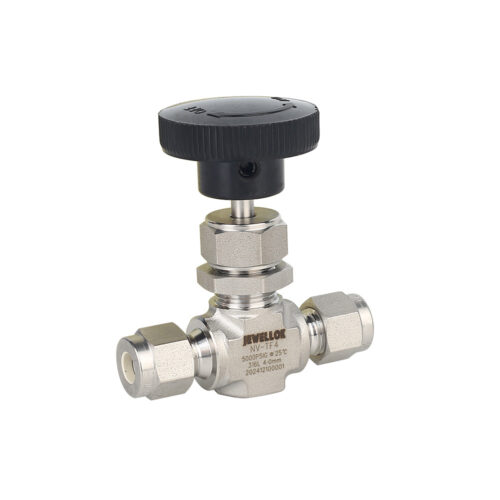
High Purity High Pressure Stainless Steel Needle Valve Natural Gas Flow Control Valve JNV Series
-
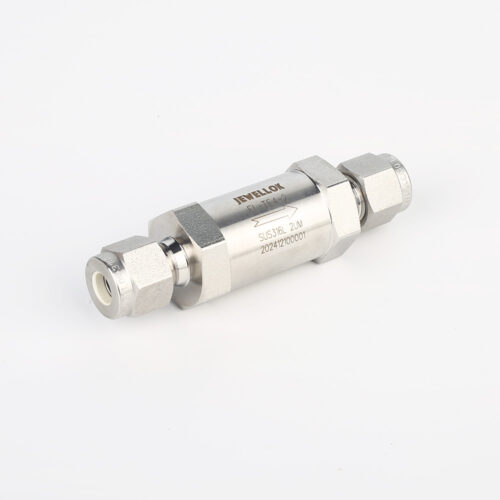
JF Series In-Line Gas Filters | High Purity High Precision High Flow Semiconductor Gas Filter Gas Filtration & Purification
-
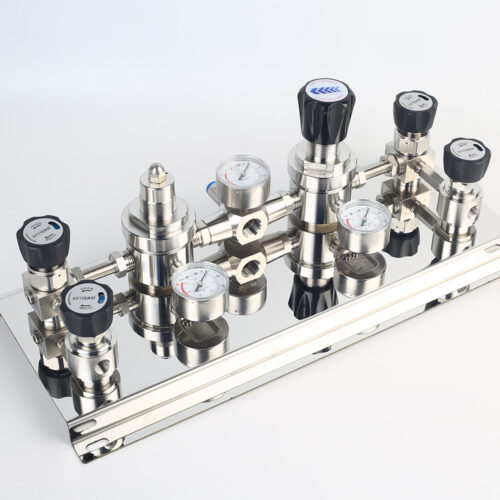
Stainless Steel Single Stage Semiconductor Grade Pressure Control Module Pressure Control Panels JSP-6A Series
-
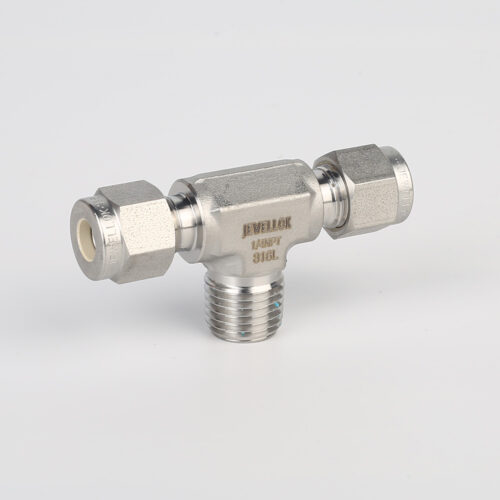
772L Male Branch Tee | Stainless Steel High-Purity Tube Fitting Male Branch Tee
-
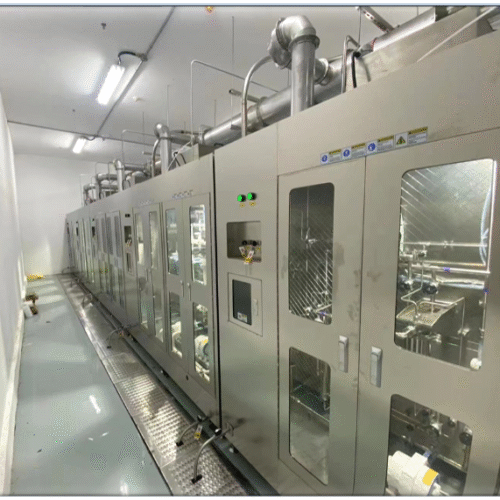
Ultra-High Purity Bulk Liquid Chemical Delivery System (BCDS) for Maintaining Parts-Per-Trillion Purity in Manufacturing
-
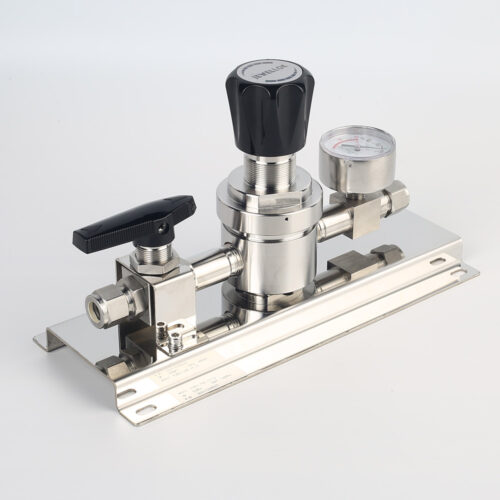
High Purity And Industria Gas Stick Assemblies Precise Pressure Control Gas Systems JSR-1ETG-BV Series
-

Custom Chemical Delivery System (CDS) Engineering for Hazardous Etchants and Volatile Organic Solvent Distribution Systems
-
Liquid Chemical Delivery Module And Chemical Delivery System Semiconductor Chemical Automatic Liquid Supply Equipment