
Valves Manufacturer Tel: +86 13380377051
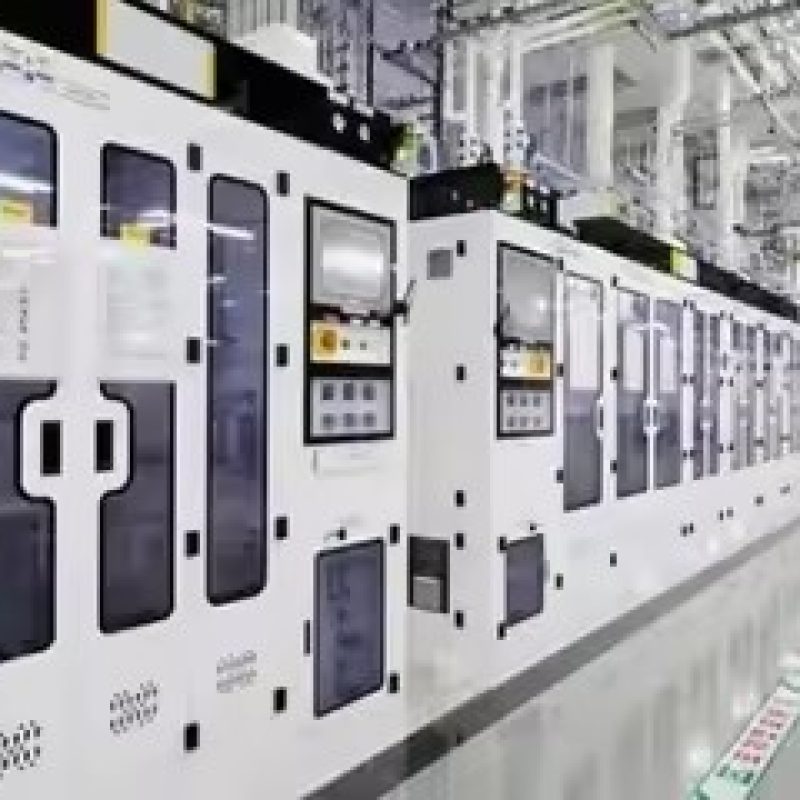
Customized Industrial Scrubber Systems for Hazardous Exhaust Treatment
Introduction
As environmental regulations become increasingly stringent and industrial manufacturing processes continue to evolve, companies face greater challenges in managing hazardous exhaust emissions safely and efficiently. Industries such as semiconductor manufacturing, pharmaceuticals, specialty chemicals, electronics, battery production, metal finishing, laboratories, and petrochemicals generate exhaust gases containing corrosive, toxic, flammable, and volatile compounds that require effective treatment before being released into the atmosphere.
A customized industrial scrubber system is one of the most reliable and cost-effective solutions for hazardous exhaust treatment. Unlike standardized air pollution control equipment, customized scrubber systems are engineered according to the specific gas composition, airflow, process conditions, chemical reactions, and environmental compliance requirements of each application.
This article explains how customized industrial scrubber systems work, their advantages, major design considerations, industries served, and why selecting the right manufacturer is critical for long-term operational success.
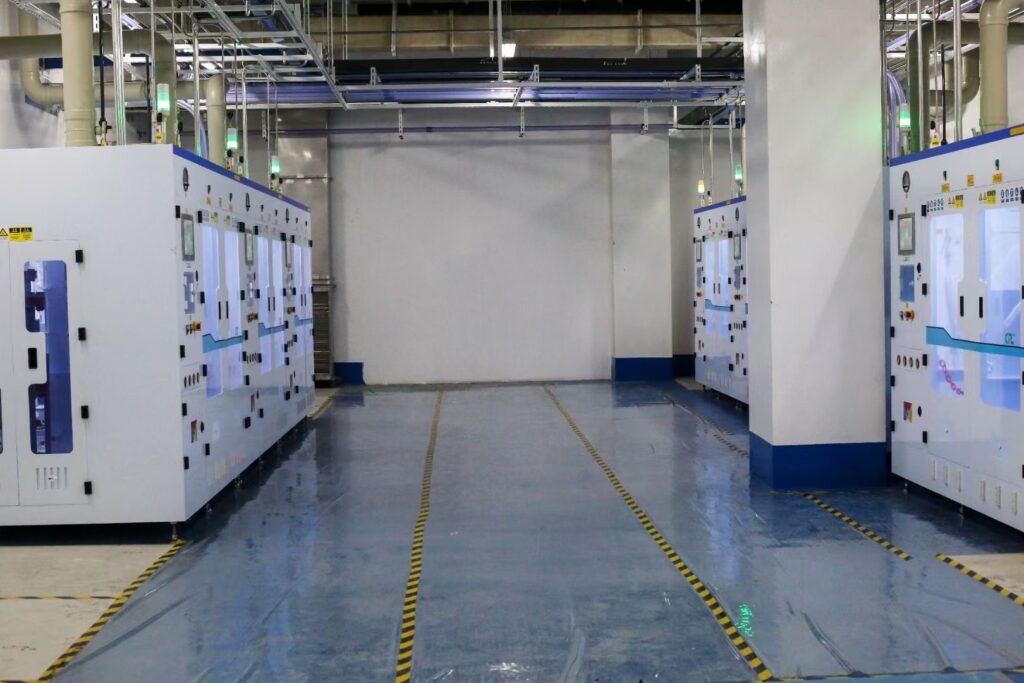
What Is an Industrial Scrubber System?
An industrial scrubber system is an air pollution control device designed to remove hazardous contaminants from industrial exhaust streams before they enter the atmosphere.
Scrubbers remove pollutants by bringing contaminated gas into contact with a liquid, chemical solution, or specialized filtration media. During this process, hazardous gases are absorbed, neutralized, oxidized, or chemically converted into safer compounds.
Depending on the application, industrial scrubbers can remove:
- Acid gases
- Alkaline gases
- Toxic gases
- VOCs (Volatile Organic Compounds)
- Fine particulate matter
- Chemical vapors
- Solvent fumes
- Odorous compounds
- Reactive process gases
Modern scrubber systems can achieve removal efficiencies exceeding 99% when properly designed for the target contaminants.
Why Customized Scrubber Systems Are Better Than Standard Equipment
Every industrial process generates a unique exhaust profile.
A semiconductor fab handling hydrofluoric acid requires completely different treatment technology than a pharmaceutical facility processing ethanol vapors or a chemical plant producing chlorine gas.
Using standardized equipment often results in:
- Lower removal efficiency
- Excessive operating costs
- Frequent maintenance
- Corrosion damage
- Regulatory compliance issues
- Reduced equipment lifespan
Customized systems are engineered based on actual operating conditions, including:
- Gas composition
- Chemical concentration
- Airflow volume
- Temperature
- Humidity
- Pressure
- Particle loading
- Corrosiveness
- Process continuity
- Future expansion requirements
The result is higher efficiency, greater reliability, and lower total ownership costs.
Common Hazardous Exhaust Gases
Industrial manufacturing processes produce a wide variety of hazardous gases that require specialized treatment.
Acid Gases
Examples include:
- Hydrogen Chloride (HCl)
- Hydrogen Fluoride (HF)
- Sulfur Dioxide (SO₂)
- Nitric Acid Mist
- Hydrofluoric Acid Vapor
These gases are highly corrosive and require alkaline scrubbing solutions.
Alkaline Gases
Typical examples include:
- Ammonia (NH₃)
- Amines
- Alkaline chemical vapors
Acidic scrubbing liquids are generally used to neutralize these emissions.
Toxic Gases
Examples include:
- Chlorine
- Hydrogen Sulfide
- Phosphine
- Arsine
- Silane by-products
These require multi-stage treatment systems with advanced chemical neutralization.
Organic Vapors
Common VOC sources include:
- Solvents
- Alcohols
- Ketones
- Paint vapors
- Resin emissions
These emissions may require wet scrubbers combined with activated carbon adsorption or thermal oxidation technologies.
Types of Customized Industrial Scrubber Systems
Selecting the appropriate scrubber depends on the characteristics of the exhaust gas.
Wet Scrubber Systems
Wet scrubbers are among the most widely used technologies for hazardous gas treatment.
They use water or chemical solutions to absorb contaminants while simultaneously cooling the gas stream.
Advantages include:
- High removal efficiency
- Continuous operation
- Excellent acid gas treatment
- Low pressure drop
- Proven industrial reliability
Applications include:
- Semiconductor manufacturing
- Chemical processing
- Pharmaceutical production
- Metal pickling
- Laboratory exhaust
Packed Bed Scrubbers
Packed bed scrubbers increase the contact surface area between gas and liquid using specially designed packing materials.
Benefits include:
- Excellent gas absorption
- High mass transfer efficiency
- Low operating costs
- Compact design
- Easy maintenance
These systems are ideal for treating:
- HCl
- HF
- NH₃
- SO₂
- Acid mist
Venturi Scrubbers
Venturi scrubbers operate at very high gas velocities.
They are especially effective for removing:
- Fine particles
- Aerosols
- Dust
- Heavy particulate emissions
Industries include:
- Mining
- Metal processing
- Cement manufacturing
- Waste incineration
Multi-Stage Scrubber Systems
Complex industrial exhaust often contains multiple contaminants requiring different treatment methods.
Multi-stage scrubbers combine several technologies, including:
- Acid neutralization
- Alkali neutralization
- Oxidation
- Mist elimination
- Activated carbon polishing
These systems are commonly used in semiconductor fabs and chemical manufacturing plants.
Key Components of a Customized Scrubber System
A high-performance industrial scrubber consists of several integrated components.
Exhaust Collection System
Captures hazardous gases directly from the production equipment.
Scrubber Tower
Provides sufficient residence time for gas-liquid contact and chemical reactions.
Chemical Circulation Tank
Stores neutralizing chemicals while maintaining proper pH control.
Circulation Pump
Continuously delivers scrubbing solution throughout the tower.
Packing Materials
Increase gas-liquid contact area.
Common materials include:
- PP Pall Rings
- PVDF Packing
- Ceramic Packing
- Saddle Rings
Mist Eliminator
Removes entrained liquid droplets before clean air exits the stack.
Instrumentation
Modern systems integrate:
- pH monitoring
- Conductivity sensors
- ORP monitoring
- Flow meters
- Pressure gauges
- Temperature sensors
- Liquid level control
PLC Control System
Advanced automation enables:
- Automatic dosing
- Remote monitoring
- Alarm management
- Data logging
- Predictive maintenance
- Smart diagnostics
Materials of Construction
Because hazardous gases are highly corrosive, selecting appropriate materials is critical.
Common construction materials include:
Polypropylene (PP)
Suitable for:
- Acid gases
- Chemical corrosion
- Moderate temperatures
Advantages:
- Lightweight
- Cost-effective
- Excellent chemical resistance
FRP (Fiberglass Reinforced Plastic)
Ideal for:
- Large scrubbers
- Outdoor installations
- Corrosive environments
Advantages:
- High structural strength
- UV resistance
- Long service life
PVC
Often used for:
- Chemical piping
- Small scrubber systems
- Laboratory applications
PVDF
Preferred for:
- Semiconductor applications
- Ultra-high purity environments
- Aggressive chemicals
Stainless Steel
Used where:
- High temperatures exist
- Mechanical strength is required
- Certain solvent vapors are present
Grades commonly include:
- SS304
- SS316
- SS316L
Design Considerations
A customized scrubber begins with a detailed engineering evaluation.
Important design parameters include:
Airflow Capacity
Measured in:
- CFM
- CMH
- m³/h
Proper airflow sizing ensures effective pollutant capture.
Gas Composition
Engineers analyze:
- Chemical species
- Concentration
- Toxicity
- Solubility
- Reactivity
Temperature
High temperatures influence:
- Absorption efficiency
- Material selection
- Pump sizing
Pressure Drop
A properly designed system minimizes energy consumption while maintaining high removal efficiency.
Chemical Consumption
Optimized dosing systems reduce operating costs while maintaining consistent treatment performance.
Future Expansion
Modular designs allow additional production equipment to be connected without replacing the entire scrubber.
Applications Across Industries
Customized industrial scrubbers support numerous manufacturing sectors.
Semiconductor Industry
Typical exhaust includes:
- HF
- HCl
- NH₃
- Silane by-products
- Etching chemicals
- CVD and ALD process gases
Reliable exhaust treatment protects employees, equipment, and cleanroom environments while helping facilities meet strict environmental standards.
Pharmaceutical Manufacturing
Applications include:
- Solvent recovery
- Acid vapor control
- Odor removal
- Chemical reactor ventilation
Customized scrubbers help maintain clean production areas and comply with Good Manufacturing Practice (GMP) requirements.
Chemical Processing Plants
Hazardous emissions include:
- Chlorine
- Sulfur compounds
- Nitrogen oxides
- Organic vapors
Multi-stage systems ensure safe and continuous operation.
Battery Manufacturing
Lithium battery production generates:
- HF
- Electrolyte vapors
- Solvent emissions
- Acid mist
Corrosion-resistant scrubbers improve workplace safety and reduce environmental impact.
Metal Surface Treatment
Processes such as electroplating, anodizing, and pickling produce corrosive fumes that require effective neutralization.
Customized packed-bed scrubbers are widely used to control acid mist and extend equipment life.
Research Laboratories
University, pharmaceutical, and industrial laboratories often handle small but highly hazardous gas streams.
Compact scrubber systems provide flexible and efficient treatment while supporting safe laboratory operations.
Advantages of Customized Industrial Scrubber Systems
Compared with generic air pollution control equipment, customized solutions offer significant long-term benefits:
- Higher hazardous gas removal efficiency
- Improved environmental compliance
- Reduced corrosion damage
- Lower maintenance costs
- Longer equipment lifespan
- Lower chemical consumption
- Optimized energy efficiency
- Flexible process integration
- Scalable system expansion
- Enhanced workplace safety
- Reliable 24/7 operation
- Intelligent automation and remote monitoring
These advantages translate into lower lifecycle costs and greater operational confidence.
Maintenance Best Practices
Routine maintenance is essential to sustain high performance.
Recommended practices include:
- Inspect pumps, piping, and spray nozzles regularly.
- Check pH and chemical concentration daily or according to process demand.
- Replace packing media if fouling or scaling reduces efficiency.
- Clean mist eliminators to maintain airflow.
- Calibrate sensors and instrumentation periodically.
- Monitor pressure drop across the scrubber.
- Review PLC alarms and historical operating data.
- Inspect tanks and structural components for corrosion or leaks.
A preventive maintenance program helps avoid unexpected downtime and extends equipment service life.
Choosing the Right Industrial Scrubber Manufacturer
Selecting an experienced engineering partner is just as important as choosing the correct technology.
A qualified manufacturer should provide:
- Comprehensive process evaluation
- Customized engineering design
- CFD and process optimization (where applicable)
- High-quality corrosion-resistant materials
- Precision fabrication
- Factory acceptance testing (FAT)
- On-site installation support
- Commissioning and operator training
- Spare parts availability
- Responsive after-sales technical service
- Long-term maintenance and upgrade support
Working with a supplier that understands your process requirements ensures the scrubber system delivers reliable performance throughout its operational life.
Future Trends in Hazardous Exhaust Treatment
Industrial exhaust treatment is rapidly evolving with advances in digital technologies and sustainability. New-generation scrubber systems increasingly incorporate:
- Industrial Internet of Things (IIoT) connectivity
- Cloud-based monitoring and reporting
- AI-assisted predictive maintenance
- Automated chemical dosing optimization
- Variable frequency drive (VFD) energy management
- Integrated emissions monitoring systems (CEMS)
- Modular skid-mounted designs for faster installation
- Water-saving recirculation and wastewater reduction technologies
These innovations enable manufacturers to reduce operating costs, improve system reliability, and meet increasingly demanding environmental regulations.

Conclusion
Customized industrial scrubber systems play a vital role in protecting employees, production equipment, and the environment from hazardous exhaust emissions. By tailoring the design to the specific characteristics of each industrial process—including gas composition, airflow, chemical properties, and regulatory requirements—manufacturers can achieve superior pollutant removal efficiency, lower operating costs, and long-term reliability.
Whether used in semiconductor fabrication, pharmaceutical production, chemical processing, battery manufacturing, metal finishing, or research laboratories, a well-engineered scrubber system provides a dependable solution for hazardous exhaust treatment. Investing in a customized, corrosion-resistant, and intelligently controlled scrubber not only ensures environmental compliance but also supports safer operations, sustainable manufacturing, and future production growth.
For more about customized industrial scrubber systems for hazardous exhaust treatment, you can pay a visit to Jewellok at https://www.jewellok.com/product-category/chemical-delivery-system/ for more info.
-

Managing Hazardous Chemicals with a Custom Bulk Liquid Chemical Delivery System (BCDS) in Pharmaceutical Facilities
-
Single Stage Wall And Cabinet Mounting Pressure Control Panels JSP-2E Series For High Purity Gases
-
774L Stainless Steel UHP Fittings Butt Weld Bulkhead Union For High Flow Special Gas Fluid
-
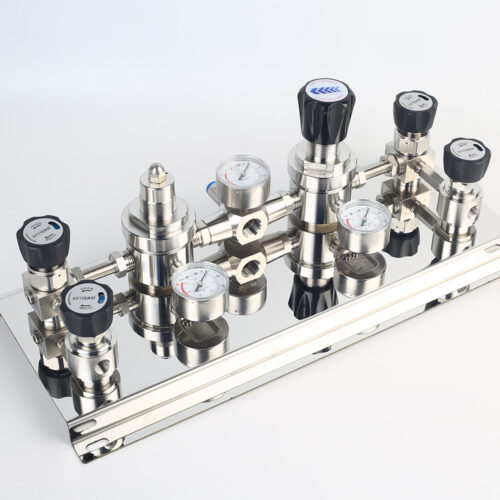
Stainless Steel Single Stage Semiconductor Grade Pressure Control Module Pressure Control Panels JSP-6A Series
-
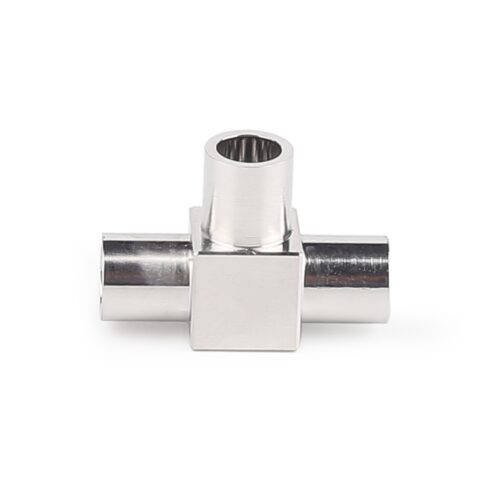
Stainless Steel Ultra High Purity Mini Butt Weld Mini Tee Reducer MTRW Series Fittings
-
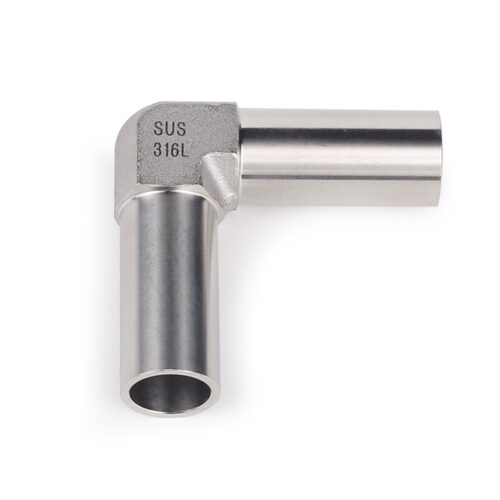
High Purity Stainless Steel Mini Tube Butt Weld Fittings For Semiconductor
-
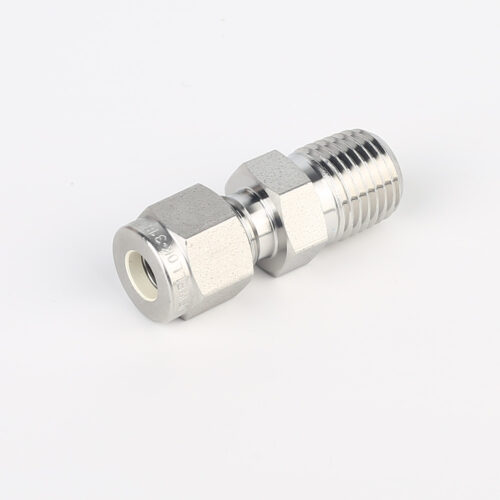
768L Stainless Steel Male Tube Butt Weld Connector | Clean Weld Fittings And Ultra-High Purity Fittings
-
771LF Female Run Tee | Stainless Steel Tube Fitting Compression Fittings 1/4 In 3-Way Tee Female Run Tee