
Valves Manufacturer Tel: +86 13380377051
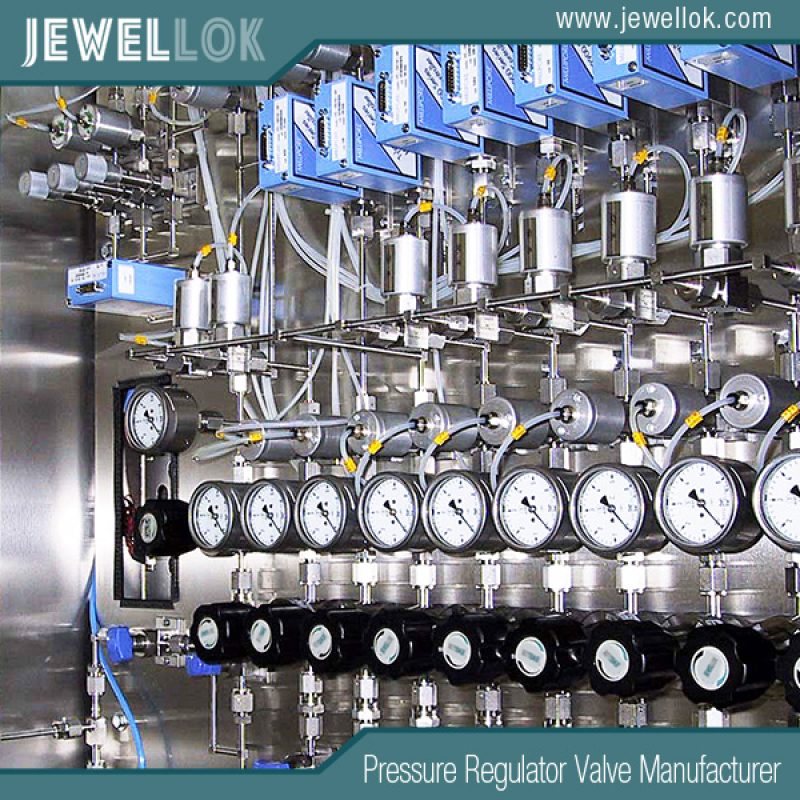
Modular Chemical Dispense Unit (CDU) for Semiconductor Process Chemical Management
As semiconductor manufacturing continues to move toward smaller process nodes, higher wafer throughput, and increasingly complex process flows, the management of process chemicals has become a critical factor in fab productivity, process stability, and operational safety. Semiconductor processes such as photolithography, wet etching, cleaning, stripping, and chemical mechanical planarization (CMP) require precise delivery of a wide range of chemicals, including acids, bases, solvents, oxidizers, and specialty process liquids.
A Chemical Dispense Unit (CDU) is a specialized system designed to store, transfer, condition, monitor, and dispense process chemicals from bulk or intermediate sources to semiconductor manufacturing equipment. Traditional chemical delivery architectures can be difficult to modify when production capacity, chemical consumption, or process requirements change. A modular CDU provides a more flexible alternative by dividing the system into standardized functional modules that can be configured, expanded, replaced, or upgraded according to specific fab requirements.
For semiconductor facilities, a well-designed modular Chemical Dispense Unit can improve chemical delivery consistency while reducing installation complexity, maintenance downtime, contamination risks, and lifecycle costs.
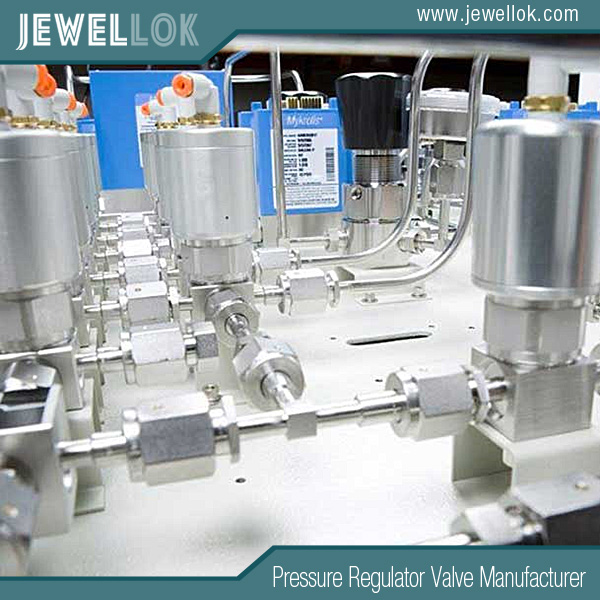
What Is a Chemical Dispense Unit?
A Chemical Dispense Unit is an integrated chemical management platform positioned between a chemical supply source and the point-of-use process equipment. Depending on the application, the CDU may receive chemicals from bulk chemical delivery systems, chemical storage tanks, drums, totes, or other distribution equipment.
The primary functions of a CDU typically include:
- Chemical receiving and transfer
- Pressure and flow control
- Filtration
- Chemical distribution
- Pumping and metering
- Leak detection
- Pressure monitoring
- Flow monitoring
- Chemical isolation
- Purging and draining
- Process chemical recirculation
- Automated valve control
- Equipment and process interface
The exact configuration depends on the chemical characteristics, required flow rate, pressure, purity level, and process equipment.
For semiconductor manufacturing, the CDU must do more than simply move liquid from one location to another. It must provide stable and repeatable chemical delivery while minimizing particle generation, chemical contamination, dead volume, leakage, and cross-contamination.
Why Modular Architecture Matters
A conventional CDU may be designed as a fixed system for a specific process line. Although this approach can work well for stable applications, it can become less efficient when a semiconductor fab introduces new chemicals, increases production capacity, or changes process equipment.
A modular CDU uses standardized functional sections that can be assembled according to application requirements. Typical modules may include a chemical inlet module, pump module, filtration module, valve manifold module, measurement module, control module, and point-of-use distribution module.
This architecture provides several advantages.
Flexible Configuration
Different semiconductor processes require different chemical delivery parameters. A modular platform allows engineers to select appropriate pumps, valves, filters, sensors, tubing, and control components without redesigning the entire CDU.
For example, a low-flow chemical application may require a precision metering pump and fine filtration, while a high-flow process may require a different pump capacity and larger fluid path.
Easier Expansion
Production capacity can change over the lifetime of a semiconductor facility. A modular CDU can be designed with expansion capability so additional distribution channels or process connections can be added without completely replacing the existing system.
This is particularly valuable for fabs operating multiple process tools or gradually expanding production capacity.
Simplified Maintenance
Modular construction allows maintenance personnel to isolate and replace individual functional modules. Instead of removing an entire CDU from service, technicians may be able to replace a pump, valve assembly, filter housing, or sensor module independently.
This can reduce maintenance time and improve system availability.
Key Components of a Modular CDU
1. Chemical Inlet Module
The inlet module provides the connection between the chemical source and the CDU. It normally includes isolation valves, pressure monitoring, filtration, and appropriate piping or tubing connections.
For high-purity semiconductor applications, wetted materials must be carefully selected according to chemical compatibility and purity requirements. Common materials may include high-purity fluoropolymers, PFA, PTFE, PVDF, and appropriate high-purity stainless steel components.
The inlet design should also minimize dead legs and unnecessary internal volume.
2. Pumping and Metering Module
The pumping system determines how accurately and consistently chemicals can be transferred.
Depending on the chemical and application, CDUs may use pneumatic diaphragm pumps, magnetically driven pumps, precision metering pumps, or other specialized chemical pumps.
Pump selection should consider:
- Chemical compatibility
- Required flow rate
- Discharge pressure
- Temperature
- Viscosity
- Particle generation
- Pulsation
- Required dispensing accuracy
- Maintenance requirements
For sensitive semiconductor processes, stable flow and low pulsation can be particularly important because variations in chemical delivery may affect process uniformity.
3. Valve Manifold Module
The valve manifold controls the direction and isolation of chemical flow. It can contain normally closed valves, normally open valves, check valves, pressure regulators, purge valves, drain valves, and other flow-control components.
A compact manifold reduces the number of individual connections and can help minimize the system footprint.
For aggressive or corrosive chemicals, valve materials and sealing components must be selected based on long-term chemical compatibility rather than short-term resistance.
4. Filtration Module
Filtration is one of the most important functions in semiconductor chemical delivery. Particles introduced into a process chemical stream can negatively affect wafer yield and process performance.
A CDU may incorporate point-of-use or upstream filters depending on the process architecture. Filter selection includes considerations such as:
- Filtration rating
- Chemical compatibility
- Flow capacity
- Pressure drop
- Filter membrane material
- Extractables
- Filter lifetime
The filtration system should be designed so that it does not introduce unacceptable pressure loss or contamination into the chemical stream.
5. Monitoring and Sensor Module
Modern CDUs increasingly incorporate sensors for real-time monitoring of chemical delivery conditions.
Typical measurements include:
- Pressure
- Flow rate
- Temperature
- Tank level
- Leak detection
- Pump status
- Valve status
Depending on process requirements, additional analytical sensors may be integrated into the system.
Real-time monitoring allows operators and automated control systems to identify abnormal conditions before they develop into major process interruptions.
6. Control System
The control system coordinates pumps, valves, sensors, alarms, interlocks, and communication with the semiconductor factory control infrastructure.
A programmable logic controller (PLC) or industrial control platform can be used to execute predefined operating sequences such as chemical transfer, flushing, purging, dispensing, and shutdown.
Important control functions may include:
- Automatic startup and shutdown
- Pressure protection
- Flow verification
- Leak alarms
- Pump interlocks
- Valve position verification
- Filter differential-pressure monitoring
- Emergency shutdown
- Preventive maintenance alerts
The control architecture should also provide clear status information to operators.
Chemical Compatibility and Material Selection
Material selection is fundamental to CDU reliability. Semiconductor process chemicals can be highly corrosive, oxidizing, reactive, or solvent-based. A material that performs well with one chemical may degrade rapidly when exposed to another.
Therefore, engineers should evaluate all wetted components, including tubing, valves, pump diaphragms, seals, fittings, filters, and sensor interfaces.
For high-purity applications, material selection should address not only chemical compatibility but also contamination control. Components should have appropriate surface characteristics and manufacturing quality for the required chemical purity.
Where metallic components are necessary, high-purity stainless steel such as 316L may be considered for suitable applications. For highly aggressive chemicals, fluoropolymer-based fluid paths may offer advantages.
Contamination Control
Contamination control is a central requirement in semiconductor chemical management.
A modular CDU should be designed to minimize:
- Particle generation
- Metallic contamination
- Organic contamination
- Chemical cross-contamination
- Dead volume
- Residual chemical accumulation
Fluid-path design is therefore extremely important. Smooth internal surfaces, optimized routing, appropriate connection technologies, and minimized dead legs can contribute to improved cleanliness.
Where different chemicals are handled within the same facility, independent fluid paths and carefully designed isolation strategies may be required to prevent cross-contamination.
Clean assembly and controlled manufacturing procedures are also essential. A high-quality CDU should be assembled, cleaned, tested, and packaged according to the cleanliness requirements of its intended semiconductor application.
Automation and Digital Monitoring
Automation is transforming chemical management from a manually monitored activity into a data-driven process.
A modern modular CDU can communicate operating information to factory automation systems, allowing engineers to monitor chemical consumption, delivery pressure, flow stability, equipment status, alarms, and maintenance conditions.
Data collected from the CDU can also support predictive maintenance. For example, changes in pump performance, filter pressure drop, or flow behavior may indicate that maintenance is required.
This approach can help reduce unexpected downtime and improve the overall reliability of chemical delivery infrastructure.
Safety Considerations
Chemical handling requires a comprehensive safety strategy. A CDU should incorporate appropriate containment, leak detection, isolation, ventilation interfaces, and emergency shutdown functions according to the chemical and facility requirements.
Safety design should consider potential scenarios such as:
- Chemical leakage
- Overpressure
- Pump failure
- Valve malfunction
- Loss of utility supply
- Sensor failure
- Unexpected chemical flow
- Emergency shutdown
Interlocks can prevent potentially unsafe operating conditions. For example, the control system can stop chemical transfer when abnormal pressure, flow, or leak conditions are detected.
The CDU should also be integrated into the fab’s broader chemical safety and facility management systems.
Modular CDU vs. Conventional Fixed CDU
The primary difference between modular and conventional architectures is flexibility.
A fixed CDU may be optimized for one specific process configuration, providing a straightforward solution when requirements are stable. However, changes can require significant engineering and installation work.
A modular CDU provides standardized interfaces and replaceable functional sections. This makes it better suited to semiconductor facilities where process requirements can evolve rapidly.
The main benefits include:
- Faster system customization
- Easier capacity expansion
- Simplified maintenance
- Reduced engineering modification
- Improved component standardization
- Easier integration with automation
- Potentially lower lifecycle costs
The optimal architecture ultimately depends on the chemical application, fab layout, throughput, purity requirements, and operational strategy.
Engineering and Selection Guidelines
When specifying a modular Chemical Dispense Unit, engineers should evaluate the complete chemical delivery process rather than selecting individual components independently.
Key parameters include chemical type, concentration, temperature, viscosity, flow rate, supply pressure, delivery pressure, required purity, filtration level, dispensing accuracy, and number of point-of-use connections.
The system should also be evaluated for future expansion. Designing sufficient space, utility connections, communication interfaces, and modular connection points during the initial installation can make future upgrades significantly easier.
Another important consideration is maintainability. Components that require regular replacement should be accessible without disturbing unrelated sections of the CDU.
Applications in Semiconductor Manufacturing
Modular CDUs can support a wide range of semiconductor manufacturing applications, including wet benches, cleaning systems, etching processes, stripping processes, photolithography chemical distribution, CMP chemical delivery, and other specialty chemical applications.
They can also be integrated with larger chemical delivery systems, bulk chemical distribution systems, and point-of-use delivery equipment.
As semiconductor manufacturing expands into advanced logic, memory, power semiconductors, MEMS, and compound semiconductor applications, flexible chemical delivery infrastructure will become increasingly important.
Conclusion
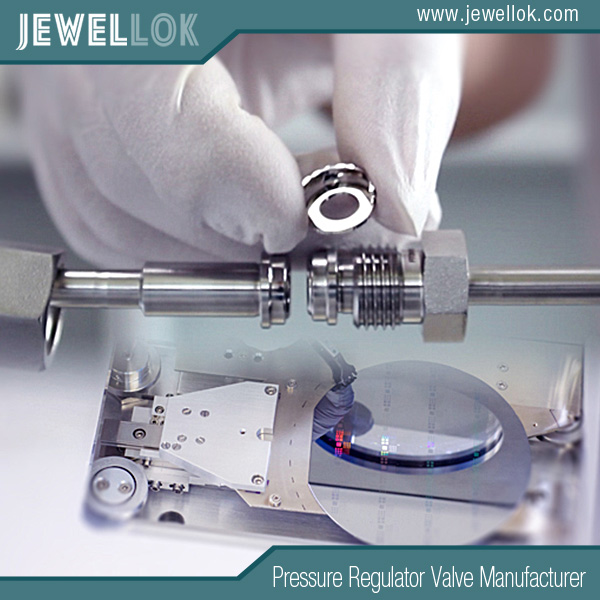
A modular Chemical Dispense Unit (CDU) provides semiconductor manufacturers with a flexible platform for managing process chemicals safely, accurately, and consistently. By integrating chemical transfer, pumping, filtration, valve control, monitoring, automation, and safety functions into modular architecture, a CDU can adapt to changing production requirements while simplifying maintenance and system expansion.
The most effective CDU design is not simply a collection of pumps and valves. It is a complete chemical management solution engineered around chemical compatibility, contamination control, process stability, automation, safety, and lifecycle reliability.
For semiconductor fabs seeking scalable chemical delivery infrastructure, modular CDU technology offers a practical path toward standardized system architecture, faster deployment, easier maintenance, and improved process control. As semiconductor processes become increasingly demanding, the ability to precisely manage every stage of chemical delivery will remain an essential part of achieving stable production and high manufacturing yield.
For more about modular chemical dispense unit (CDU) for semiconductor process chemical management, you can pay a visit to Jewellok at https://www.jewellok.com/ for more info.
-
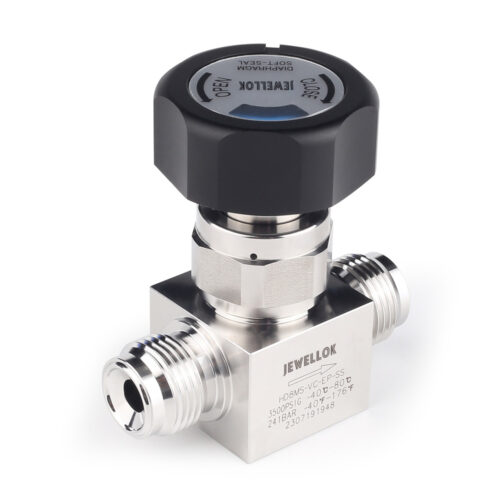
Stainless Steel Ultra High Purity (UHP) High Pressure Manual Diaphragm Valve
-
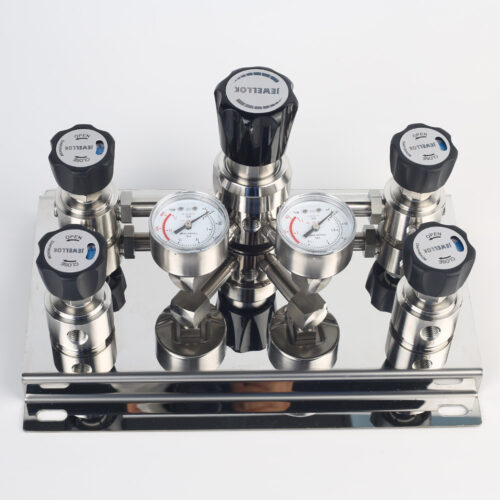
Single Stage Wall And Cabinet Mounting Pressure Control Panels JSP-2E Series For High Purity Gases
-
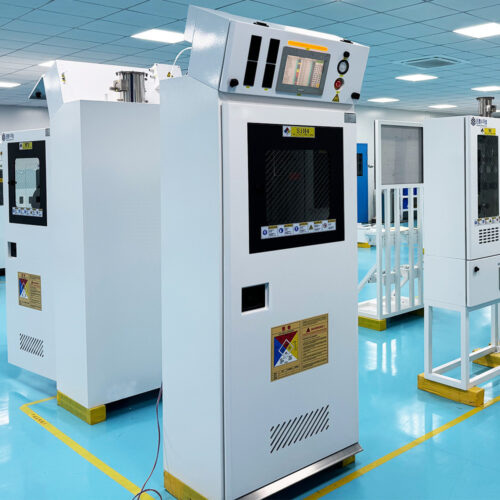
Ultra High Purity Trimethylaluminum TMA Gas Cabinet Liquid Delivering Cabinet Used For Specialty Gas Delivery System In Semiconductor
-
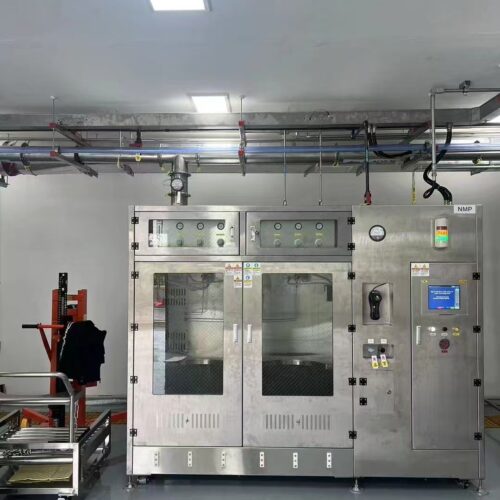
316L Electropolished Chemical Delivery System (CDS) for Contamination-Free Liquid Handling in EV Battery Manufacturing Plants
-
Ultra High Purity High Temperature Low Pressure Manual Diaphragm Valve Configurations Preventing Critical Process Virtual Leaks
-
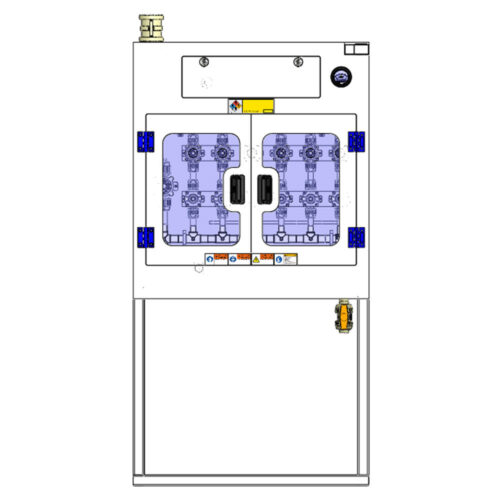
High Purity Configurable Systems VMB Valve Manifold Box JW-200-VMB-C & JW-100-VMB-C
-
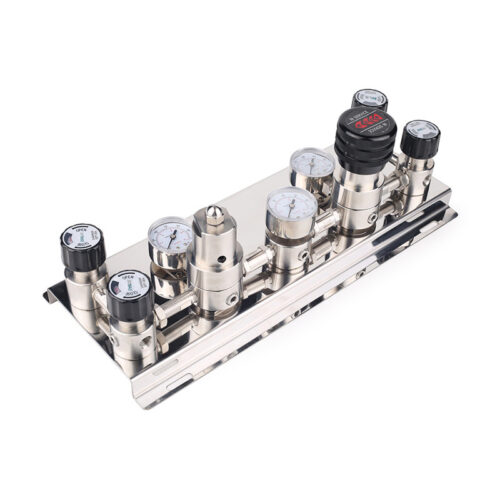
Automatic Gas Switchover System Automatic Switchover Manifold Automatic Gas Cylinder Switchover
-
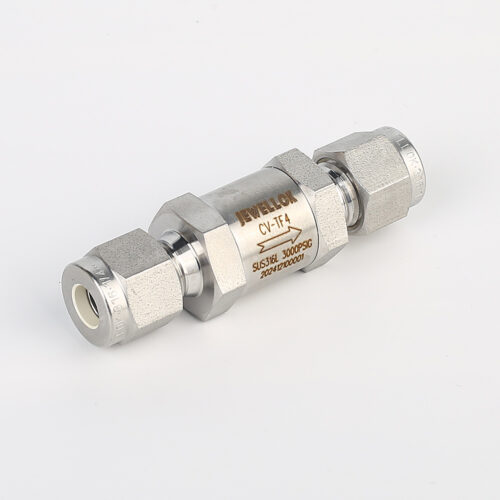
High Pressure High-Purity Welded Check Valves And Low Cracking Pressure Check Valve JCV1 Series