
Valves Manufacturer Tel: +86 13380377051
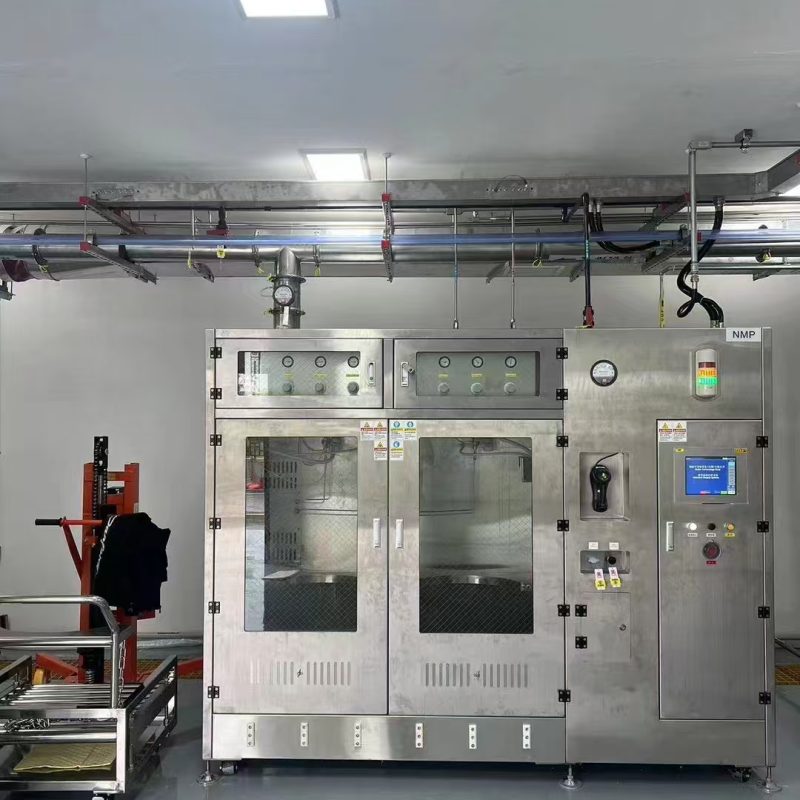
Semiconductor Chemical Delivery System: Complete Buying Guide
A semiconductor chemical delivery system is a critical infrastructure component used to store, transfer, regulate, dispense, and monitor process chemicals throughout semiconductor manufacturing. As wafer geometries become smaller and advanced process technologies demand tighter process control, chemical delivery performance directly influences wafer yield, equipment reliability, contamination control, and production efficiency.
Unlike conventional industrial chemical handling equipment, semiconductor chemical delivery systems must operate with extremely high levels of cleanliness, repeatability, chemical compatibility, and safety. Depending on the application, the system may handle corrosive acids, solvents, oxidizers, alkaline chemicals, photoresist-related materials, or other specialty chemicals used in wafer cleaning, etching, deposition, lithography, and packaging.
For semiconductor fabs, equipment manufacturers, and chemical suppliers, choosing the right chemical delivery system requires more than comparing price and flow capacity. Buyers should evaluate materials of construction, purity requirements, pumping technology, filtration, pressure control, leak detection, automation, maintenance requirements, and supplier engineering capabilities.
This complete buying guide explains the major factors to consider when purchasing a semiconductor chemical delivery system and provides a practical framework for selecting the right solution.
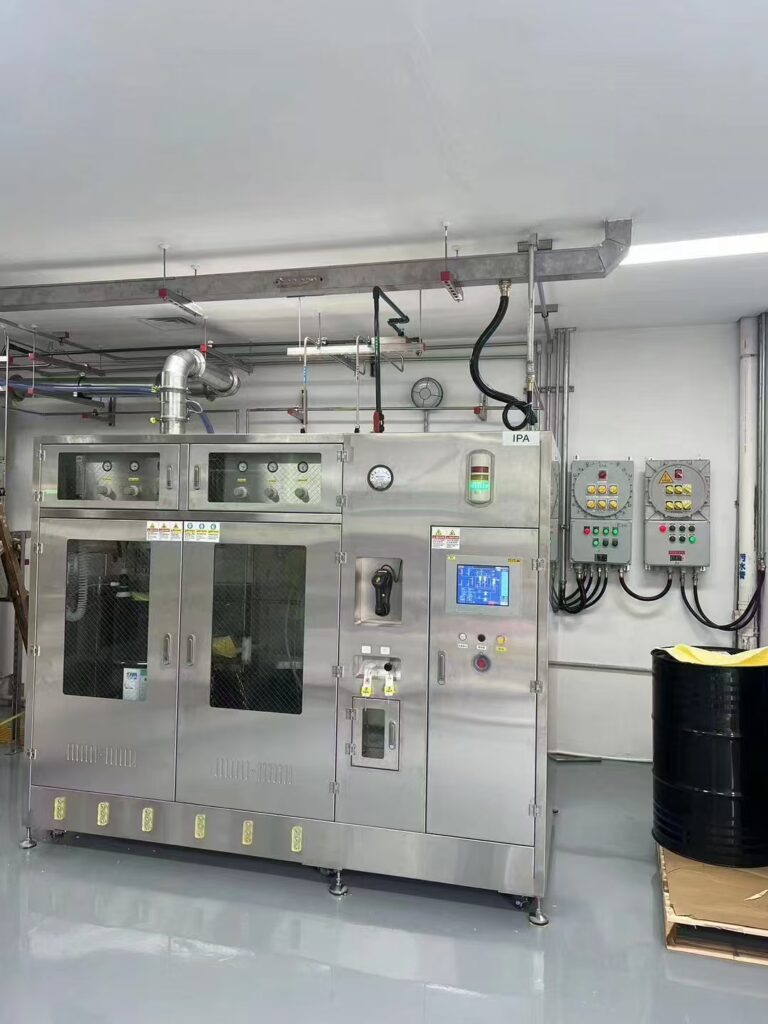
1. What Is a Semiconductor Chemical Delivery System?
A semiconductor chemical delivery system is an integrated fluid-handling platform designed to deliver process chemicals from bulk storage or supply containers to semiconductor manufacturing equipment at controlled flow rates, pressures, temperatures, and concentrations.
A typical system may include:
- Chemical storage containers or day tanks
- Chemical pumps
- Pressure regulators
- Pneumatic or electrically actuated valves
- High-purity tubing and fittings
- Filters and particle-control components
- Flow meters
- Pressure sensors
- Level sensors
- Leak detection devices
- Chemical dispense units
- Control cabinets and PLC systems
- Safety interlocks
- Exhaust and ventilation connections
The system can be configured as a manual, semi-automatic, or fully automatic platform. Advanced systems can integrate with factory automation systems and process equipment to provide real-time monitoring, alarms, recipe management, and traceability.
The objective is not simply to move chemicals from point A to point B. The system must deliver the required chemical with minimal contamination, stable process parameters, and reliable repeatability.
2. Why Chemical Delivery System Selection Matters
Chemical delivery is closely connected to semiconductor process stability. Even small variations in flow rate, pressure, concentration, temperature, or chemical purity can affect process results.
For example, contamination introduced through unsuitable wetted materials can create particles or metallic impurities. Poorly controlled pressure can cause unstable dispensing. Incorrect valve selection may increase dead volume or create chemical compatibility problems. Inadequate filtration can allow particles to reach downstream process equipment.
Therefore, the purchasing decision should consider the complete chemical pathway rather than individual components.
A well-designed system can provide:
- Consistent chemical delivery
- Improved process repeatability
- Lower contamination risk
- Reduced chemical waste
- Better operator safety
- Easier preventive maintenance
- Improved equipment uptime
- Better integration with fab automation
3. Determine the Chemical Characteristics First
The first step in purchasing a semiconductor chemical delivery system is identifying the exact chemicals the system will handle.
Different chemicals have very different compatibility requirements. Before selecting pumps, valves, tubing, seals, filters, and tanks, buyers should provide the supplier with chemical information such as:
- Chemical name and concentration
- Temperature range
- Viscosity
- Vapor pressure
- Corrosiveness
- Oxidizing characteristics
- Toxicity and hazardous classification
- Required purity grade
- Required flow rate
- Operating pressure
- Required delivery volume
Materials that work well with one chemical may perform poorly with another. For corrosive chemical applications, wetted components may require materials such as PFA, PTFE, PVDF, high-purity PP, or specialized fluoropolymer-based materials.
For high-purity applications, the material selection should also consider extractables, particle generation, surface finish, and chemical compatibility over the expected operating lifetime.
4. Evaluate Purity and Contamination Control
Purity is one of the most important purchasing criteria for semiconductor chemical delivery systems.
Modern semiconductor processes can be extremely sensitive to particles, metallic contamination, organic contamination, and other impurities. The delivery system therefore needs to minimize contamination throughout the entire fluid path.
Buyers should examine:
Wetted Materials
All wetted components should be chemically compatible and suitable for the required purity level.
Surface Finish
Smooth internal surfaces can help reduce particle accumulation and improve cleanability.
Dead Volume
Valves, fittings, manifolds, and other components with unnecessary dead legs may increase the risk of chemical retention or contamination.
Filtration
The system should provide filtration appropriate to the chemical and process requirements. Filter selection should consider membrane material, pore size, flow capacity, pressure drop, chemical compatibility, and replacement procedures.
Assembly Cleanliness
Component cleaning, packaging, installation, and handling procedures are also important. A high-quality component can still introduce contamination if it is improperly cleaned or assembled.
5. Choose the Appropriate Pump Technology
The pump is one of the most important components in a chemical delivery system because it directly influences flow stability, pressure, chemical compatibility, and maintenance requirements.
Common technologies include pneumatic diaphragm pumps, bellows pumps, magnetically driven pumps, and other specialized chemical pumps.
When comparing pumps, buyers should evaluate:
- Flow range
- Pressure capability
- Pulsation
- Chemical compatibility
- Particle generation
- Wetted materials
- Seal design
- Maintenance interval
- Dry-run capability
- Self-priming characteristics
- Control accuracy
For high-purity semiconductor applications, minimizing contamination and eliminating potential leakage paths are particularly important. The pump technology should therefore be selected according to the chemical characteristics and process requirements rather than simply based on maximum flow capacity.
6. Pay Attention to Valves and Fluid Components
Valves control chemical isolation, routing, pressure, and dispensing. Because they are repeatedly exposed to process chemicals, their design can significantly affect system reliability.
Depending on the application, a chemical delivery system may use diaphragm valves, bellows-sealed valves, pneumatic valves, check valves, pressure regulators, and flow-control valves.
Important purchasing criteria include:
- Chemical compatibility
- Internal volume
- Cv or flow capacity
- Leakage performance
- Actuation method
- Cycle life
- Response time
- Material compatibility
- Connection type
- Cleanliness level
For semiconductor applications, minimizing dead volume and preventing external leakage are particularly important. Diaphragm-based designs are widely considered when high cleanliness and isolation are required.
Connection technology should also be carefully selected. Depending on the system design, options may include high-purity fluoropolymer connections, compression connections, or specialized high-purity fittings.
7. Consider Pressure and Flow Control
Stable pressure and flow are essential for repeatable chemical dispensing.
A chemical delivery system may incorporate pressure regulators, pressure sensors, flow meters, control valves, and pump-speed control to maintain stable operating conditions.
When evaluating a system, buyers should ask:
- What is the normal operating pressure?
- What is the maximum pressure?
- What is the required flow range?
- How accurately can flow be controlled?
- How quickly can the system respond to pressure changes?
- How are abnormal pressure conditions detected?
- What happens if downstream equipment suddenly stops receiving chemical?
A system with high maximum flow capacity is not necessarily better. Semiconductor processes often require precise low-flow control, making turndown ratio and repeatability just as important as maximum capacity.
8. Automation and Control System Requirements
Automation can significantly improve chemical delivery consistency and operational safety.
A modern semiconductor chemical delivery system may use PLC control, HMI interfaces, pressure and flow monitoring, automatic valve sequencing, alarm management, and communication interfaces.
Important automation functions include:
- Automatic chemical transfer
- Automatic pressure control
- Flow monitoring
- Tank-level monitoring
- Leak detection
- Pump status monitoring
- Filter differential-pressure monitoring
- Low-level alarms
- High-pressure alarms
- Emergency shutdown
- Preventive maintenance alerts
- Data logging
For large fabs, integration with factory-level monitoring and manufacturing execution systems may also be required.
Buyers should define communication requirements at the beginning of the project instead of treating automation as an afterthought.
9. Safety Features Are Essential
Semiconductor chemicals can present serious chemical, pressure, and environmental hazards. A properly engineered chemical delivery system should therefore include multiple layers of protection.
Depending on the application, safety features may include:
- Leak detection
- Secondary containment
- Automatic shutoff valves
- Emergency stop systems
- Overpressure protection
- Low-level protection
- Chemical cabinet ventilation
- Exhaust monitoring
- Door interlocks
- Alarm systems
- Chemical-resistant enclosure materials
The system should be designed according to applicable local regulations, semiconductor-facility requirements, chemical safety standards, and customer specifications.
Safety should not be evaluated only by counting individual safety devices. Buyers should assess the overall system architecture and what happens during abnormal operating conditions.
10. Semi-Automatic vs. Fully Automatic Systems
The appropriate automation level depends on production volume, chemical hazards, process requirements, and budget.
Semi-Automatic Systems
Semi-automatic systems can be suitable for smaller production lines, development laboratories, pilot production, or applications where operators need direct control.
Advantages include lower initial cost, simpler architecture, and easier manual intervention.
Fully Automatic Systems
Fully automatic systems are more appropriate for high-volume semiconductor manufacturing where repeatability, traceability, and continuous production are priorities.
They can automatically control chemical transfer, pressure, flow, valve sequences, alarms, and maintenance functions.
Although the initial investment is higher, automation can reduce operator intervention and improve production consistency.
11. Consider Modular and Customized Designs
There is no single chemical delivery system that fits every semiconductor process.
A good supplier should be able to customize:
- Number of chemical channels
- Tank capacity
- Pump configuration
- Valve arrangement
- Filtration stages
- Flow range
- Pressure range
- Cabinet dimensions
- Control architecture
- Communication interfaces
- Connection specifications
Modular designs are especially valuable because production requirements can change over time. A modular system can make it easier to add chemical channels, replace components, or expand capacity without redesigning the entire platform.
12. Supplier Evaluation: What Should Buyers Ask?
Choosing the manufacturer is as important as choosing the equipment.
Before placing an order, buyers should evaluate the supplier’s engineering capabilities, manufacturing processes, quality control, and after-sales support.
Useful questions include:
- Does the supplier have semiconductor industry experience?
- Can the supplier provide customized engineering?
- What materials are used for wetted components?
- What cleanliness standards are followed?
- How are systems tested before shipment?
- Can the supplier provide FAT documentation?
- Can the system support factory automation?
- What spare parts are available?
- What is the expected maintenance interval?
- Can the supplier provide installation and commissioning support?
- What is the typical lead time?
A supplier with strong engineering capabilities can often identify potential problems before the system enters production.
13. Total Cost of Ownership
The lowest purchase price does not necessarily represent the lowest overall cost.
Buyers should calculate total cost of ownership, including:
- Initial equipment cost
- Installation
- Commissioning
- Spare parts
- Filters
- Pumps
- Valves
- Maintenance
- Chemical consumption
- Downtime
- Operator labor
- Energy consumption
- System upgrades
For semiconductor manufacturing, even a relatively short production interruption can be expensive. Therefore, reliability and maintainability should be weighted heavily in the purchasing decision.
14. Recommended Buying Checklist
Before selecting a semiconductor chemical delivery system, buyers should confirm the following:
Chemical requirements: chemical type, concentration, temperature, viscosity, and compatibility.
Process requirements: flow rate, pressure, delivery volume, accuracy, and repeatability.
Purity requirements: particle control, materials, surface finish, filtration, and cleaning procedures.
Mechanical design: pump type, valve type, tubing, fittings, tanks, and cabinet configuration.
Automation: PLC, HMI, sensors, alarms, communication protocols, and data logging.
Safety: leak detection, secondary containment, emergency shutdown, ventilation, and interlocks.
Quality: factory testing, documentation, traceability, and inspection procedures.
Service: spare parts, maintenance support, commissioning, training, and response time.
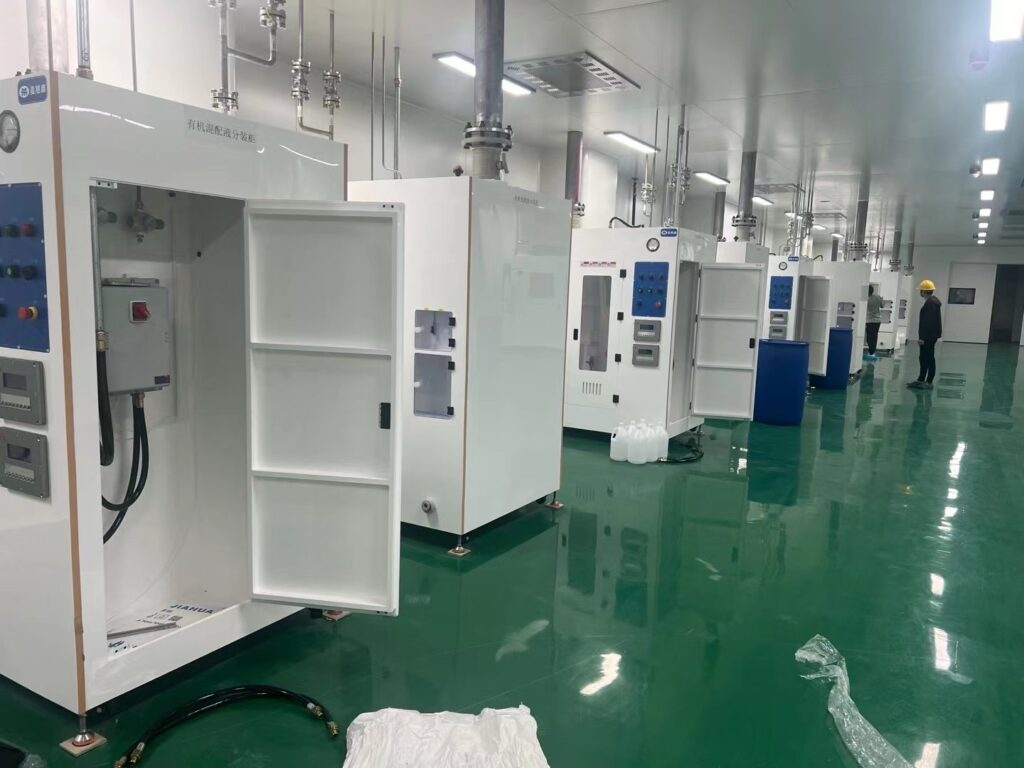
Conclusion
Purchasing a semiconductor chemical delivery system is a technical decision that requires a comprehensive evaluation of chemical compatibility, purity, flow control, pressure stability, automation, safety, reliability, and long-term operating costs.
The right system should be designed around the actual process rather than selected solely from a standard equipment catalog. Buyers should begin by defining the chemicals and process parameters, then evaluate the wetted materials, pumps, valves, filtration, sensors, control system, safety architecture, and supplier capabilities.
For advanced semiconductor manufacturing, customization and system integration are increasingly important. A well-engineered chemical delivery system can provide stable chemical supply, reduce contamination risks, improve process repeatability, increase equipment uptime, and support future production expansion.
Ultimately, the best purchasing strategy is to select a supplier capable of combining high-purity fluid handling, precision control, automation, safety engineering, and customized system design. By evaluating the complete system and its total cost of ownership, semiconductor manufacturers can make a more reliable investment and establish a chemical delivery infrastructure capable of supporting demanding next-generation manufacturing processes.
For more about semiconductor chemical delivery system: complete buying guide, you can pay a visit to Jewellok at https://www.jewellok.com/ for more info.
-
Scrubber Gas Cabinet Scrubber Tail Gas Treatment Cabinet Vent Gas Scrubber System Heat-Filter Burn Box Gas Scrubber/Abatement System
-
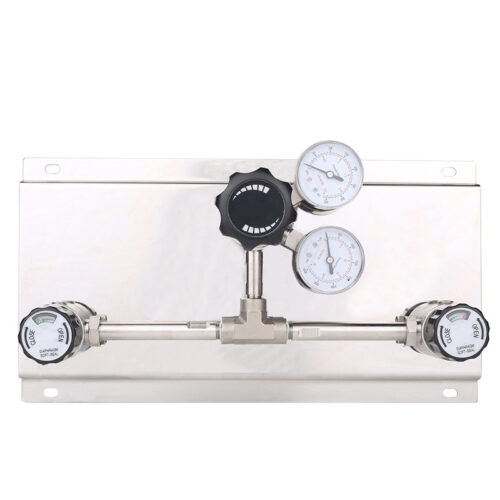
High Pressure High Flow Specialty Gas Control Panel With Diaphragm Valve , 3000Psig Oxygen Control Medical Changeover Manifold Panel
-
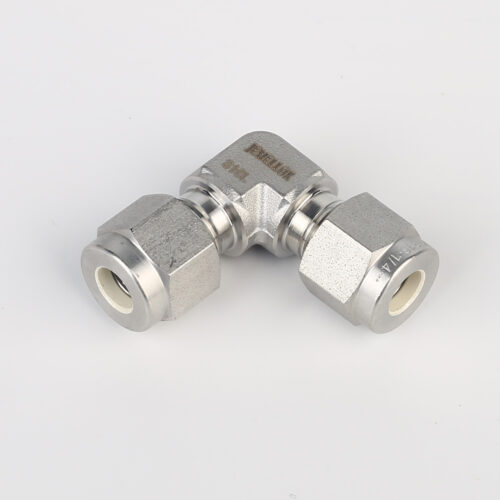
765L Stainless Steel Union Elbow Reducing High Purity Fitting Tubing Extension Tubing Connection
-

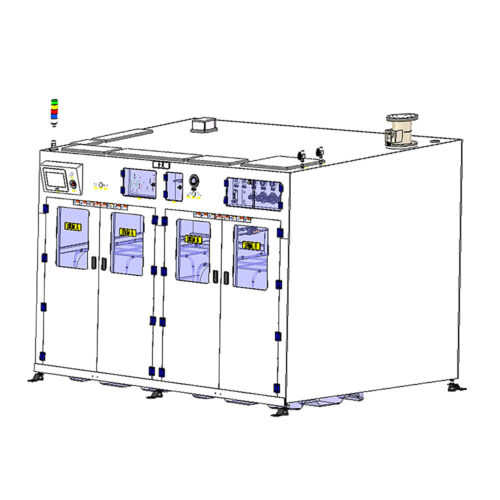
UHP Liquid Chemical Delivery System (CDS) Implementation for High-Volume Photovoltaic and Renewable Energy Component Production Lines
-
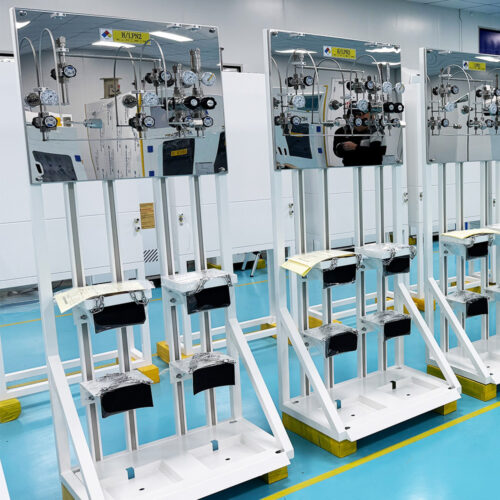
Semi-Automatic VMB Gas Cabinet With Semiconductor Valve Manifold Box Diaphragm Valves And Gas Pressure Regulators
-
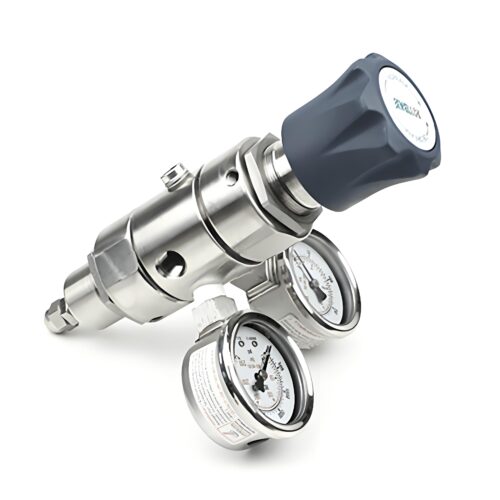
DPR1 Ultra High Purity Two Stage Dual Stage Pressure Reducing Regulator Semiconductor Grade Regulators
-
767LP Port Connector Ultra High Purity VCJ Metal Gasket Face Seal Tube Fittings
-
Integrated Gas System (IGS) Modular Integrated Gas Systems (TMS) Integrated Gas Supply System For Semiconductor And Laboratory