
Valves Manufacturer Tel: +86 13380377051
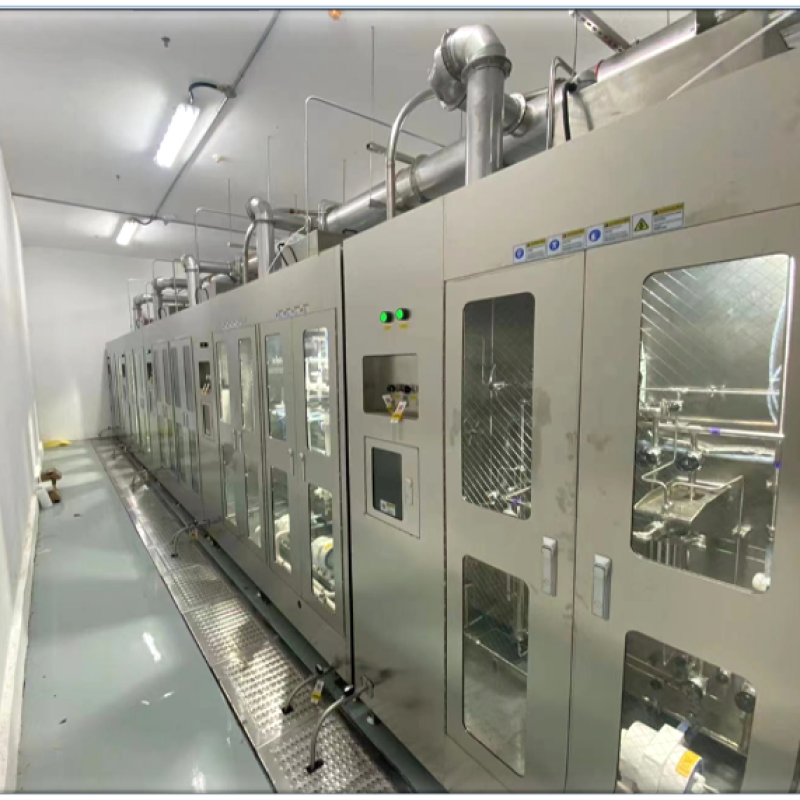
Laboratory Gas Scrubber System: Design, Working Principle, Applications and Selection Guide
A laboratory gas scrubber system is an essential air pollution control and gas treatment solution designed to capture, neutralize, and remove hazardous gases, vapors, fumes, and particulate contaminants generated during laboratory processes. It is widely used in chemical laboratories, pharmaceutical research facilities, semiconductor laboratories, universities, hospitals, testing centers, and industrial R&D environments.
Laboratory processes may generate corrosive, toxic, acidic, alkaline, or volatile gases. Without an effective exhaust treatment system, these contaminants can affect indoor air quality, damage ventilation equipment, create occupational hazards, and release pollutants into the atmosphere. A properly engineered laboratory gas scrubber provides controlled treatment of contaminated exhaust before it is discharged.
This guide explains the design, working principle, major applications, key components, scrubber types, selection criteria, and maintenance requirements for laboratory gas scrubber systems.

What Is a Laboratory Gas Scrubber System?
A laboratory gas scrubber system is an exhaust gas treatment device that removes unwanted gaseous pollutants from laboratory exhaust streams through physical, chemical, or combined treatment processes.
Depending on the contaminants, the system may use water, alkaline solutions, acidic solutions, oxidizing agents, activated carbon, or other specialized media to remove pollutants.
Common laboratory contaminants include:
- Hydrochloric acid (HCl)
- Sulfuric acid mist
- Nitric acid vapors
- Ammonia (NH₃)
- Hydrogen sulfide (H₂S)
- Chlorine (Cl₂)
- Hydrogen fluoride (HF)
- VOCs and organic solvents
- Toxic and corrosive gases
- Fine chemical particles and aerosols
The objective is not simply to move contaminated air away from the laboratory. The system must provide sufficient gas-liquid contact, chemical reaction, residence time, filtration, and exhaust control to achieve the required removal efficiency.
Laboratory Gas Scrubber Working Principle
The basic working principle of a laboratory gas scrubber is to bring contaminated exhaust gas into close contact with a treatment medium.
The process normally consists of four stages:
1. Contaminated Gas Collection
Laboratory exhaust is first collected through fume hoods, local exhaust ventilation, process equipment, reaction vessels, or laboratory enclosures.
The contaminated gas is transported through chemically resistant ductwork to the scrubber system.
The exhaust flow rate is a critical design parameter. If the airflow is too low, contaminants may not be captured effectively. If it is excessively high, the scrubber may require a larger treatment capacity and higher operating power.
2. Gas-Liquid or Gas-Solid Contact
The contaminated gas enters the scrubber and contacts the treatment medium.
In a wet scrubber, liquid is distributed through spray nozzles or packed-bed sections. The packing material increases the contact area between the gas and liquid, improving mass transfer.
For certain VOCs and toxic gases, a dry or adsorption-based scrubber may use activated carbon or specialized adsorbent media instead of liquid.
3. Chemical Absorption or Adsorption
Once the pollutant contacts the treatment medium, it can be absorbed, neutralized, oxidized, or adsorbed.
For example, acidic gases such as HCl can be neutralized using an alkaline solution. Alkaline gases such as ammonia can be treated with an acidic solution.
For VOC applications, activated carbon can adsorb organic molecules onto its high-surface-area structure.
The appropriate chemical reaction depends entirely on the contaminant characteristics.
4. Treated Gas Discharge
After treatment, the gas passes through mist eliminators, filters, or additional polishing stages before being discharged through the exhaust stack.
A properly designed system minimizes liquid droplets and prevents untreated contaminants from being released downstream.
Main Components of a Laboratory Gas Scrubber
A complete laboratory gas scrubber system typically includes several integrated components.
Scrubber Tower
The scrubber tower provides the main gas-treatment chamber. Depending on the application, it can be configured as a packed-bed scrubber, spray scrubber, venturi scrubber, or other specialized design.
Materials such as PP, PVC, FRP, PVDF, or other corrosion-resistant materials may be selected depending on the chemicals being treated.
Circulation Pump
Wet scrubbers require a circulation pump to continuously deliver treatment liquid to the spray system or packed bed.
Pump selection should consider flow rate, pressure, chemical compatibility, temperature, and required operating reliability.
Packing Media
Packed-bed scrubbers use structured or random packing to increase the gas-liquid contact area.
Packing geometry influences pressure drop, mass-transfer efficiency, liquid distribution, and resistance to fouling.
Spray Nozzles
Spray nozzles distribute the scrubbing liquid throughout the treatment zone. Uniform liquid distribution is important because dry areas inside the scrubber can significantly reduce treatment performance.
Mist Eliminator
A mist eliminator removes entrained liquid droplets from the treated gas stream before the gas enters the exhaust duct.
This helps reduce downstream corrosion, liquid carryover, and environmental emissions.
Chemical Dosing System
Some applications require automatic dosing of chemicals to maintain the desired pH or oxidation-reduction conditions.
A typical system may include chemical storage tanks, dosing pumps, pH sensors, conductivity sensors, level sensors, and control valves.
Exhaust Fan
The exhaust fan provides the pressure required to move laboratory air through the fume hood, ductwork, scrubber, and discharge stack.
Fan selection should account for the total system pressure drop rather than only the scrubber pressure drop.
Control System
Modern laboratory scrubber systems can incorporate PLC-based controls, touchscreens, alarms, automatic chemical dosing, liquid-level monitoring, pH monitoring, fan control, and remote status monitoring.
Types of Laboratory Gas Scrubbers
Different pollutants require different treatment technologies.
Wet Scrubber
Wet scrubbers are widely used for water-soluble, acidic, alkaline, and reactive gases.
A packed-bed wet scrubber can provide high gas-liquid contact efficiency and is commonly applied to HCl, HF, ammonia, chlorine, and similar contaminants.
Its main advantages include high treatment efficiency and the ability to neutralize reactive gases.
However, wet scrubbers require water or chemical solution management and generate wastewater or spent scrubbing liquid.
Dry Scrubber
Dry scrubbers use solid adsorbents or reactive media to remove contaminants without circulating liquid.
They are useful where wastewater generation must be minimized or where the contaminant is better suited to adsorption.
Activated carbon is commonly used for many VOCs and certain toxic compounds, while specialized media may be required for specific gases.
Hybrid Scrubber
A hybrid system combines multiple treatment technologies.
For example, a system may use a wet scrubber for acid gases followed by activated carbon polishing for residual VOCs.
Hybrid designs can be useful when laboratory exhaust contains multiple contaminant types with different physical and chemical characteristics.
Laboratory Gas Scrubber Applications
Laboratory scrubbers are used across a wide range of industries and research environments.
Chemical Laboratories
Chemical laboratories can generate corrosive vapors, acid fumes, solvent vapors, and toxic gases during synthesis, testing, and analytical processes.
A properly sized scrubber can provide centralized or localized treatment for these exhaust streams.
Pharmaceutical Laboratories
Pharmaceutical R&D facilities may produce solvent vapors, chemical reaction gases, and particulate contaminants.
Scrubber systems can be integrated with laboratory ventilation systems and process exhaust equipment.
Semiconductor and Electronics Laboratories
Semiconductor processes can involve corrosive and hazardous gases such as HF, HCl, ammonia, and other specialty chemicals.
Gas treatment systems may therefore require high corrosion resistance, reliable monitoring, and multiple treatment stages.
University and Research Laboratories
Universities often operate laboratories with multiple experiments and changing chemical loads.
Modular scrubber systems can provide flexibility for different fume hood configurations and laboratory processes.
Hospital and Medical Laboratories
Medical and diagnostic laboratories may generate chemical vapors and disinfectant-related emissions.
Compact exhaust treatment systems can be designed where space is limited.
How to Select a Laboratory Gas Scrubber System
Selecting the correct scrubber requires more than simply choosing a unit based on exhaust airflow.
1. Identify the Contaminants
The first step is to determine exactly what gases, vapors, aerosols, and particulates are present.
Important information includes chemical composition, concentration, temperature, moisture content, corrosiveness, toxicity, and expected peak emission levels.
2. Determine Exhaust Airflow
The required gas-treatment capacity must match the actual laboratory exhaust flow rate.
The design should consider normal operating conditions as well as maximum airflow requirements.
3. Select the Treatment Technology
Water-soluble gases may be suitable for wet scrubbing, while VOCs may require activated carbon or another adsorption technology.
Multiple contaminants may require a multi-stage system.
4. Check Chemical Compatibility
Materials must be compatible with the contaminants and scrubbing chemicals.
For corrosive laboratory environments, PP, PVC, FRP, PVDF, or specialized corrosion-resistant materials may be considered.
Material selection should also account for operating temperature and chemical concentration.
5. Consider Removal Efficiency
The required removal efficiency depends on the contaminant, local environmental requirements, workplace exposure limits, and discharge conditions.
The scrubber should be engineered based on actual inlet concentrations and required outlet performance rather than relying on generic efficiency figures.
6. Evaluate Pressure Drop
Every scrubber introduces resistance into the exhaust system.
The fan must be capable of maintaining the required airflow after accounting for ductwork, filters, scrubber packing, mist eliminators, dampers, and other components.
7. Include Automatic Monitoring
For critical laboratory applications, monitoring systems can improve operational reliability.
Useful parameters include:
- pH
- Differential pressure
- Liquid level
- Flow rate
- Temperature
- Fan status
- Pump status
- Chemical concentration
Automatic alarms can notify operators when operating parameters fall outside predefined limits.
Laboratory Gas Scrubber Safety Considerations
Safety should be considered throughout the design and operation of a laboratory scrubber system.
The system should prevent chemical leakage, excessive pressure, pump failure, liquid overflow, and uncontrolled exhaust conditions.
Emergency alarms and interlocks can be incorporated to stop equipment or notify operators when abnormal conditions occur.
For hazardous gases, the system should be designed according to applicable local environmental, occupational safety, fire, electrical, and chemical-handling requirements.
The scrubber should also be installed in a location that allows safe inspection, maintenance, chemical replenishment, and emergency access.
Maintenance and Operation
Regular maintenance is essential for maintaining treatment efficiency.
Operators should inspect pumps, spray nozzles, packing media, mist eliminators, ductwork, valves, sensors, and chemical dosing equipment.
For wet scrubbers, pH and liquid concentration should be monitored regularly. Scrubbing liquid should be replaced or treated according to the process requirements.
For dry scrubbers, adsorption media must be replaced before breakthrough occurs.
Differential pressure monitoring can also help identify packing blockage, filter fouling, or abnormal airflow conditions.
A preventive maintenance schedule should be established based on operating hours, contaminant loading, chemical characteristics, and manufacturer recommendations.

Conclusion
A laboratory gas scrubber system is a critical component of laboratory exhaust and environmental protection infrastructure. Its performance depends on the interaction between contaminant characteristics, airflow, gas-liquid or gas-solid contact, chemical reaction, equipment materials, pressure drop, and control strategy.
Wet scrubbers, dry scrubbers, and hybrid systems can address different laboratory exhaust conditions. The correct solution should be selected according to the actual gas composition, concentration, airflow, temperature, required removal efficiency, corrosion conditions, space limitations, and applicable regulations.
For laboratories handling corrosive, toxic, or mixed chemical exhaust, a customized scrubber design can provide more reliable treatment than a standard off-the-shelf unit. Proper engineering, automatic monitoring, corrosion-resistant materials, and regular maintenance are essential for achieving stable long-term performance.
When evaluating a laboratory gas scrubber supplier, buyers should look beyond equipment price and compare treatment technology, material compatibility, removal performance, energy consumption, control system, maintenance requirements, safety features, and customization capability. A properly engineered system can help laboratories maintain a safer working environment while reducing the environmental impact of chemical exhaust emissions.
For more about laboratory gas scrubber system: design, working principle, applications and selection guide, you can pay a visit to Jewellok at https://www.jewellok.com/ for more info.
-
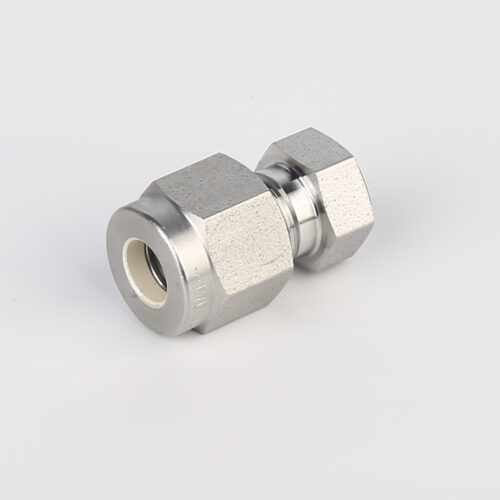
7108L Cylinder Cap Connectors For Ultra High Purity Gases
-

UHP Liquid Chemical Delivery System (CDS) Implementation for High-Volume Photovoltaic and Renewable Energy Component Production Lines
-
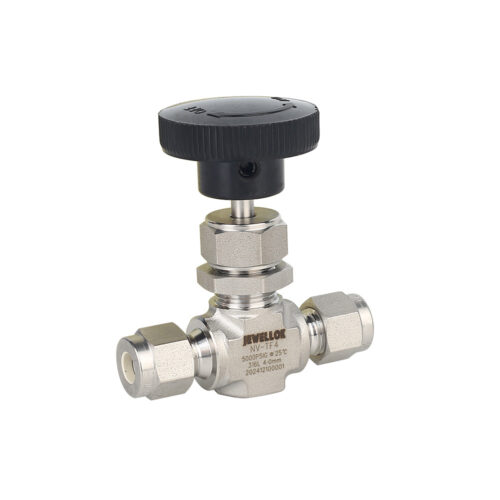
High Purity High Pressure Stainless Steel Needle Valve Natural Gas Flow Control Valve JNV Series
-
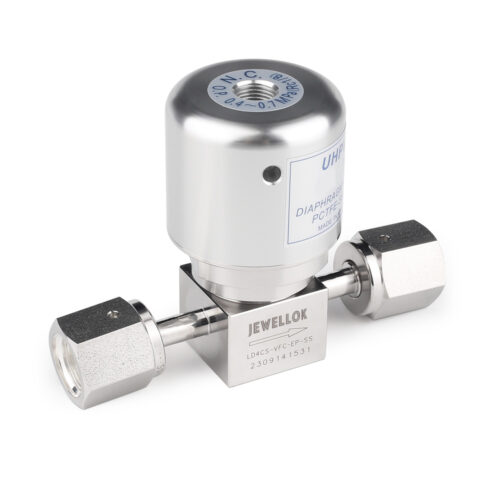
Stainless Steel Low Pressure Seal Pneumatic Diaphragm Control Valve For For HP & UHP Gases
-
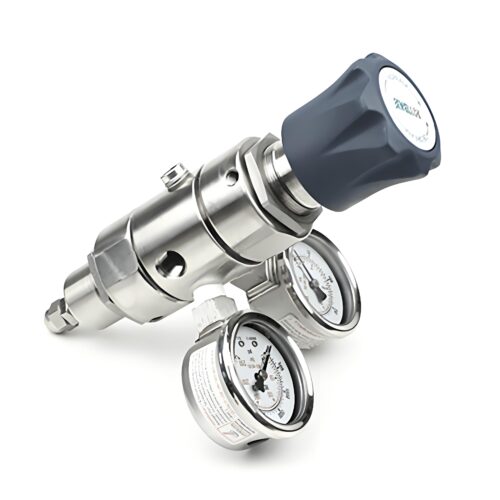
DPR1 Ultra High Purity Two Stage Dual Stage Pressure Reducing Regulator Semiconductor Grade Regulators
-
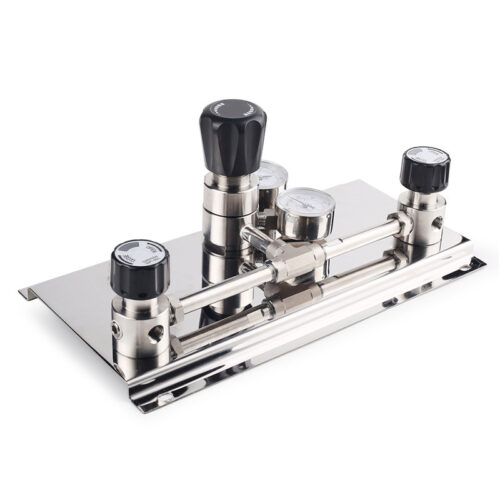
High Purity Semi-Auto Stainless Steel Changeover Manifold System, Nitrogen High Pressure Control Panel With Semiconductor Valve Manifold Box Diaphragm Valves
-
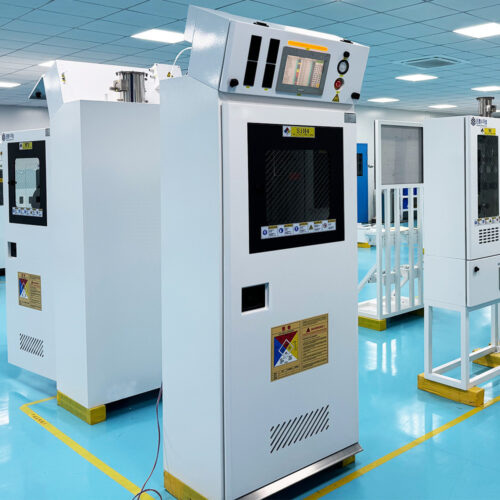
Bulk Specialty Gas Systems (BSGS) Gas Cabinets And Scrubber Tail Gas Treatment Cabinets For High Purity Bulk Specialty Gas Delivery
-
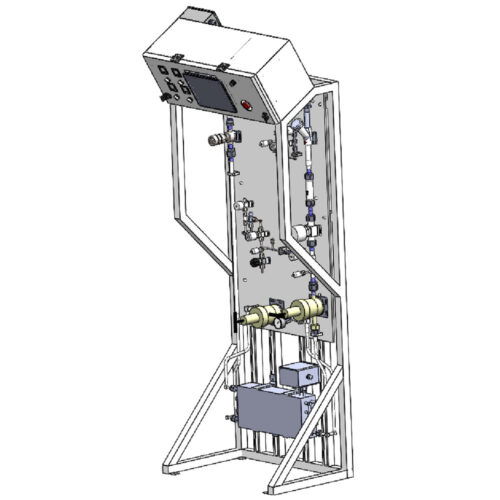
Fully Automated Gas Cabinet Gas Rack Gas Delivery Systems JW-300-GR