
Valves Manufacturer Tel: +86 13380377051
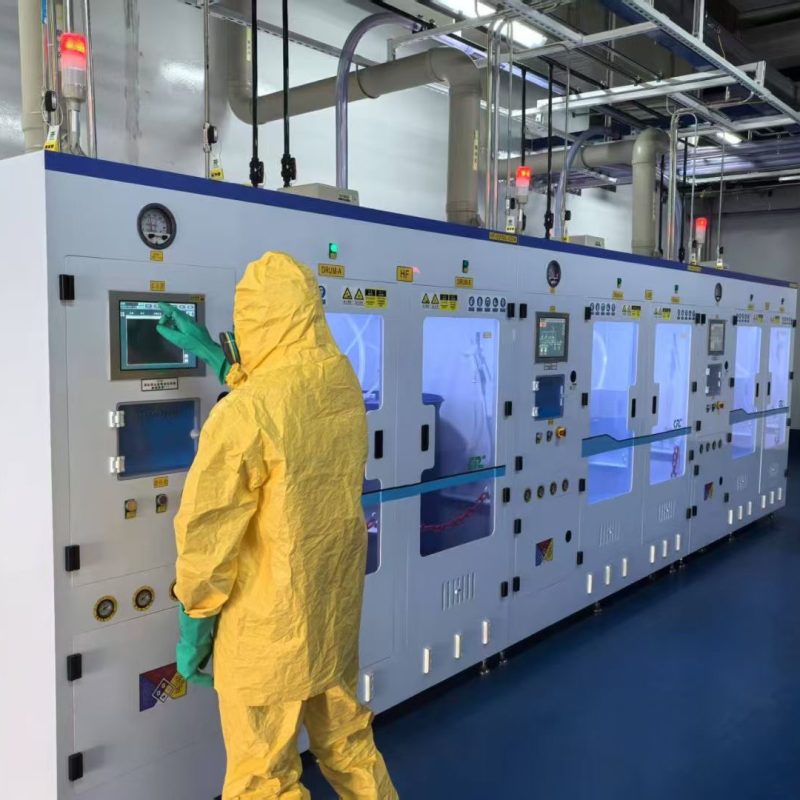
Industrial Wet Scrubber System for Tail Gas and Exhaust Gas Treatment
Industrial processes often generate hazardous, corrosive, toxic, or odorous gases that must be effectively treated before being discharged into the atmosphere. Chemical plants, semiconductor fabs, pharmaceutical facilities, metal processing plants, laboratories, and other industrial operations may produce exhaust streams containing acidic gases, alkaline compounds, volatile organic compounds (VOCs), particulate matter, and other contaminants.
An industrial wet scrubber system is one of the most widely used technologies for controlling these pollutants. By bringing contaminated gas into contact with a specially selected liquid scrubbing solution, a wet scrubber can remove soluble gases, neutralize corrosive compounds, capture particulates, and reduce hazardous emissions.
This article explains the working principle, major components, applications, design considerations, and advantages of industrial wet scrubber systems for tail gas and exhaust gas treatment.
What Is an Industrial Wet Scrubber System?
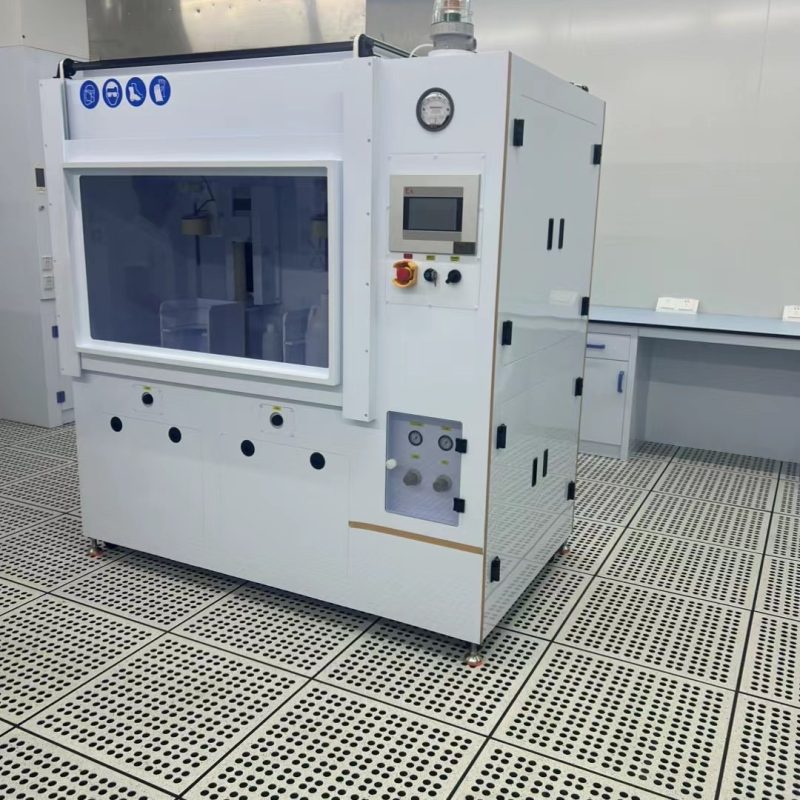
An industrial wet scrubber system is an air pollution control system designed to remove contaminants from an industrial gas stream by contacting the gas with a liquid.
The contaminated exhaust gas enters the scrubber and passes through a spray zone, packed bed, venturi section, or other gas-liquid contact area. A circulating liquid absorbs, reacts with, or captures target pollutants. The treated gas is then separated from liquid droplets and discharged through the exhaust stack.
Depending on the application, the scrubbing liquid may consist of water, an alkaline solution, an acidic solution, an oxidizing agent, or another chemically formulated solution.
A typical wet scrubber system can be configured for:
- Acid gas removal
- Alkaline gas treatment
- Toxic gas treatment
- VOC and odor control
- Particulate removal
- Chemical process exhaust treatment
- Semiconductor process tail gas treatment
- Laboratory exhaust treatment
- Corrosive gas treatment
The correct scrubber design depends on the gas composition, concentration, flow rate, temperature, pressure, required removal efficiency, and applicable environmental regulations.
How Does a Wet Scrubber Work?
The fundamental principle of a wet scrubber is gas-liquid mass transfer.
Contaminated gas enters the scrubber while the scrubbing liquid is introduced through spray nozzles or circulated through a packed bed. As the gas and liquid come into contact, pollutants transfer from the gas phase into the liquid phase.
For reactive pollutants, the absorption process may be followed by a chemical reaction.
For example, acidic gases such as hydrogen chloride (HCl) can be neutralized using an alkaline scrubbing solution:
HCl + NaOH → NaCl + H₂O
Sulfur dioxide (SO₂), hydrogen fluoride (HF), chlorine-containing compounds, ammonia, and other water-soluble or chemically reactive gases can also be treated using appropriately selected scrubbing solutions.
After the gas-liquid contact stage, a mist eliminator removes entrained liquid droplets. The treated gas can then be discharged through the exhaust duct or stack.
The contaminated scrubbing liquid is collected in a circulation tank and may be continuously or periodically treated, replenished, or discharged depending on the process requirements.
Main Components of an Industrial Wet Scrubber
A complete industrial wet scrubber system normally consists of several integrated components.
1. Scrubber Tower
The scrubber tower provides the primary gas-liquid contact area. It is commonly manufactured from corrosion-resistant materials such as FRP, PP, PVC, PVDF, or specially selected stainless steels.
The tower design depends on gas flow, pollutant characteristics, temperature, pressure drop, and required removal efficiency.
2. Spray Nozzles
Spray nozzles distribute the scrubbing liquid throughout the gas stream. Proper spray coverage is critical because insufficient liquid distribution can reduce mass-transfer efficiency and create untreated gas bypass.
Nozzle type, spray angle, flow rate, pressure, and material must be selected according to the application.
3. Packed Bed
Packed scrubbers use specially shaped packing materials to increase the contact area between gas and liquid.
The packing creates a large wetted surface that improves mass transfer. Common applications include acid gas, alkaline gas, and other soluble contaminant removal.
Packing material must be chemically compatible with both the pollutant and scrubbing solution.
4. Circulation Pump
A circulation pump continuously moves the scrubbing liquid from the tank to the spray headers or packed section.
Pump materials and seals must withstand the chemical composition, temperature, and concentration of the circulating liquid.
5. Scrubbing Liquid Tank
The circulation tank stores the scrubbing solution and provides a reservoir for continuous operation.
Depending on the application, the tank may include:
- pH monitoring
- Conductivity monitoring
- Liquid-level control
- Chemical dosing
- Temperature monitoring
- Automatic make-up water
- Blowdown control
6. Mist Eliminator
A mist eliminator removes liquid droplets from the treated gas before the gas leaves the scrubber.
This component helps prevent liquid carryover into downstream ductwork, fans, and exhaust stacks. Proper mist eliminator design is particularly important when the scrubbing solution is corrosive or contains dissolved chemicals.
7. Exhaust Fan
The exhaust fan provides the required airflow through the system and overcomes pressure losses from the scrubber, ductwork, filters, dampers, and other components.
Fan selection should consider gas temperature, corrosiveness, flow rate, static pressure, and operating conditions.
8. Control System
Modern industrial wet scrubbers can incorporate PLC-based automatic controls for continuous monitoring and process optimization.
Typical control parameters include pH, differential pressure, liquid level, pump status, fan status, chemical dosing, conductivity, temperature, and abnormal operating conditions.
Wet Scrubber for Tail Gas Treatment
Tail gas treatment is particularly important in industries where process gases may contain hazardous or corrosive substances.
In semiconductor manufacturing, for example, process tools may generate exhaust containing reactive gases and by-products from etching, deposition, cleaning, and other processes.
A tail gas treatment system can be installed downstream of process equipment to reduce the concentration of pollutants before they enter the facility exhaust system.
Depending on the gas composition, the treatment train may combine several technologies, such as:
Process Tool → Tail Gas Treatment → Wet Scrubber → Mist Eliminator → Exhaust Fan → Stack
For highly reactive or hazardous gases, wet scrubbing can be integrated with thermal treatment, dry scrubbing, filtration, adsorption, or other technologies.
The selection of treatment technology should be based on actual gas composition rather than simply selecting a standard scrubber model.
Wet Scrubber for Industrial Exhaust Gas
Industrial exhaust gas can contain a mixture of gases and particulates generated by production processes.
Typical sources include:
- Chemical manufacturing
- Semiconductor fabrication
- PCB manufacturing
- Metal surface treatment
- Electroplating
- Pharmaceutical production
- Battery manufacturing
- Food processing
- Waste treatment
- Laboratory operations
- Petrochemical processing
Wet scrubbers are particularly suitable when the target pollutants are water-soluble, chemically reactive, or particulate-containing.
For example, an acid scrubber may be used for HCl, HF, H₂SO₄ mist, or other acidic emissions, while an alkaline scrubber can be configured for acidic contaminants requiring neutralization.
Wet Scrubber vs. Dry Scrubber
Both wet and dry scrubbers can be used for industrial exhaust gas treatment, but their operating principles are different.
A wet scrubber uses liquid to absorb, neutralize, or capture pollutants. It can provide efficient treatment for many soluble and reactive gases and can simultaneously remove certain particulates.
A dry scrubber generally uses dry adsorbents or reactive materials to capture contaminants without producing a liquid wastewater stream.
Wet scrubbers may be advantageous when:
- The gas contains water-soluble pollutants.
- High-temperature gas requires cooling.
- Particulate and gaseous pollutants need simultaneous treatment.
- Chemical neutralization is required.
- The process produces corrosive acid gases.
However, wet scrubbers generate contaminated liquid that must be managed properly. Material selection, corrosion protection, wastewater treatment, and liquid disposal therefore need to be considered during system design.
Key Design Parameters
Selecting an industrial wet scrubber requires more than determining the exhaust airflow.
Important design parameters include:
Gas Flow Rate
The scrubber must be sized according to the actual operating and maximum gas flow rate. Incorrect sizing can result in insufficient gas-liquid contact or excessive pressure drop.
Pollutant Concentration
The concentration of each target pollutant determines the required liquid flow rate, chemical dosing, contact area, and treatment stages.
Gas Temperature
High-temperature exhaust may require a quench or cooling stage before entering the main scrubber.
Chemical Compatibility
Corrosive gases and scrubbing chemicals can severely affect equipment materials. FRP, PP, PVC, PVDF, PTFE, and corrosion-resistant metals may be considered depending on the operating environment.
Removal Efficiency
The required removal efficiency should be established for each pollutant. System design may involve laboratory testing, pilot testing, mass-transfer calculations, and process simulations.
Pressure Drop
Packed beds, mist eliminators, ductwork, and other components contribute to system pressure loss. Excessive pressure drop increases fan energy consumption.
Liquid-to-Gas Ratio
The liquid-to-gas ratio is a key operating parameter affecting absorption and mass transfer. An insufficient liquid flow can reduce treatment performance, while excessive circulation may increase pumping energy and operating costs.
Advantages of Industrial Wet Scrubber Systems
A properly engineered wet scrubber can provide several benefits for industrial exhaust treatment.
High contaminant removal capability: Wet scrubbing can effectively treat many soluble and reactive gases.
Simultaneous gas and particulate control: Certain scrubber configurations can remove both gaseous pollutants and particulate matter.
Gas cooling: Water or another scrubbing liquid can reduce the temperature of hot exhaust gas.
Chemical neutralization: Reactive scrubbing solutions can chemically neutralize acidic or alkaline contaminants.
Flexible configuration: Systems can be customized for different gas compositions, flow rates, and industrial processes.
Automatic operation: PLC-based control systems can continuously monitor critical operating parameters and activate alarms or protective functions.
Maintenance and Operational Considerations
Regular maintenance is essential for stable scrubber performance.
Operators should periodically inspect spray nozzles, packing materials, pumps, valves, mist eliminators, ducts, fans, sensors, and chemical dosing equipment.
Common maintenance tasks include:
- Cleaning blocked spray nozzles
- Inspecting pump seals
- Checking packing condition
- Cleaning mist eliminators
- Calibrating pH sensors
- Checking liquid levels
- Inspecting corrosion
- Monitoring differential pressure
- Replacing damaged components
- Checking exhaust fan performance
The scrubbing solution should also be monitored continuously or at scheduled intervals. Changes in pH, conductivity, chemical concentration, or liquid quality can indicate that the solution requires replenishment or replacement.
How to Select a Wet Scrubber System Supplier
Choosing the right supplier is important because industrial exhaust treatment is highly application-specific.
A qualified supplier should be able to evaluate the complete process rather than simply provide a standard scrubber tower.
Before selecting a system, customers should provide information such as:
- Exhaust gas composition
- Gas flow rate
- Pollutant concentration
- Gas temperature
- Operating pressure
- Required removal efficiency
- Operating hours
- Available installation space
- Required materials
- Applicable emission standards
The supplier can then determine the appropriate scrubber type, dimensions, materials, circulation capacity, chemical dosing system, fan specification, instrumentation, and control strategy.
Conclusion
An Industrial Wet Scrubber System for Tail Gas and Exhaust Gas Treatment is an important pollution-control technology for chemical processing, semiconductor manufacturing, laboratories, pharmaceutical production, metal processing, and other industrial applications.
By creating efficient gas-liquid contact, wet scrubbers can absorb and neutralize many hazardous, corrosive, and water-soluble pollutants while also providing gas cooling and particulate control.
The performance of a wet scrubber depends heavily on correct engineering. Gas composition, flow rate, pollutant concentration, temperature, liquid chemistry, materials, pressure drop, mass-transfer efficiency, and control strategy must all be considered during system design.
For demanding applications such as semiconductor tail gas treatment, toxic gas exhaust, acid gas removal, and corrosive industrial exhaust treatment, a customized multi-stage solution may provide better process control than a standard off-the-shelf unit.
A properly engineered wet scrubber system can therefore serve as a reliable component of a complete industrial exhaust gas treatment strategy, helping manufacturers control emissions, protect equipment, improve workplace safety, and meet applicable environmental requirements.
For more about industrial wet scrubber system for tail gas and exhaust gas treatment, you can pay a visit to Jewellok at https://www.jewellok.com/ for more info.
-
JF Series In-Line Gas Filters | High Purity High Precision High Flow Semiconductor Gas Filter Gas Filtration & Purification
-
Flow Control Stainless Steel Low Pressure Manual Diaphragm Valve For High Purity And Ultra High Purity Gases
-
UHP Bulk Liquid Chemical Delivery System (BCDS) Implementation for High-Efficiency Photovoltaic and Solar Cell Production Lines
-
Automatic Gas Switchover System Automatic Switchover Manifold Automatic Gas Cylinder Switchover
-
Laboratory Gas Pipeline System With 316L VIM-VAR Stainless Steel Pipeline And Ultra High Purity Gas Delivery System
-
764LR Stainless Steel 316 Reducing Tee UHP Fitting Automatic Buttweld Reducing Tee
-
316L Stainless Steel Semiconductor High Purity High Pressure Pneumatic Diaphragm Valve For Laboratory Specialty Gases
-
Fully Automated Gas Cabinet For Precise UHP Gas Delivery And High Purity Gas Delivery Systems JW-300-GC