
Valves Manufacturer Tel: +86 13380377051
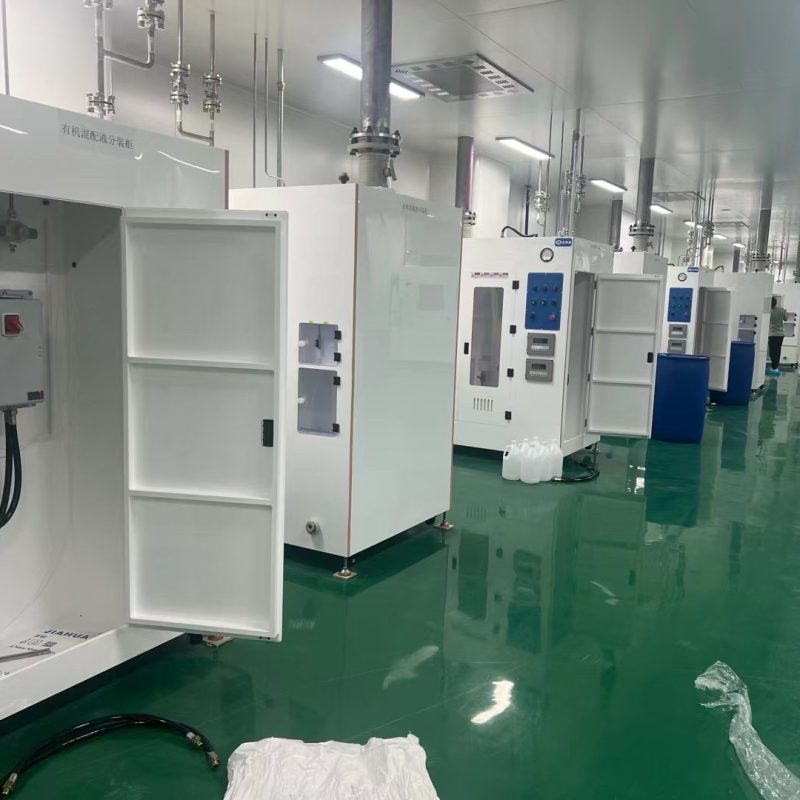
Laboratory Fume Hood Gas Scrubber Tower System With Wet Scrubber Tower for Chemical Exhaust Treatment
Laboratories that handle acids, alkalis, solvents, toxic chemicals, corrosive gases, and other hazardous substances require reliable exhaust treatment systems to protect personnel, laboratory equipment, and the surrounding environment. A Laboratory Fume Hood Gas Scrubber Tower System is an important solution for treating chemical exhaust before it is discharged into the atmosphere.
Among different exhaust treatment technologies, the wet scrubber tower is widely used because it can remove many water-soluble, acidic, alkaline, and reactive contaminants from laboratory exhaust streams. When properly designed, a laboratory fume hood gas scrubber can combine efficient gas-liquid contact, chemical neutralization, particle removal, and continuous monitoring in one integrated system.
This article explains the working principle, components, materials, applications, design considerations, and advantages of a wet scrubber tower system for laboratory chemical exhaust treatment.
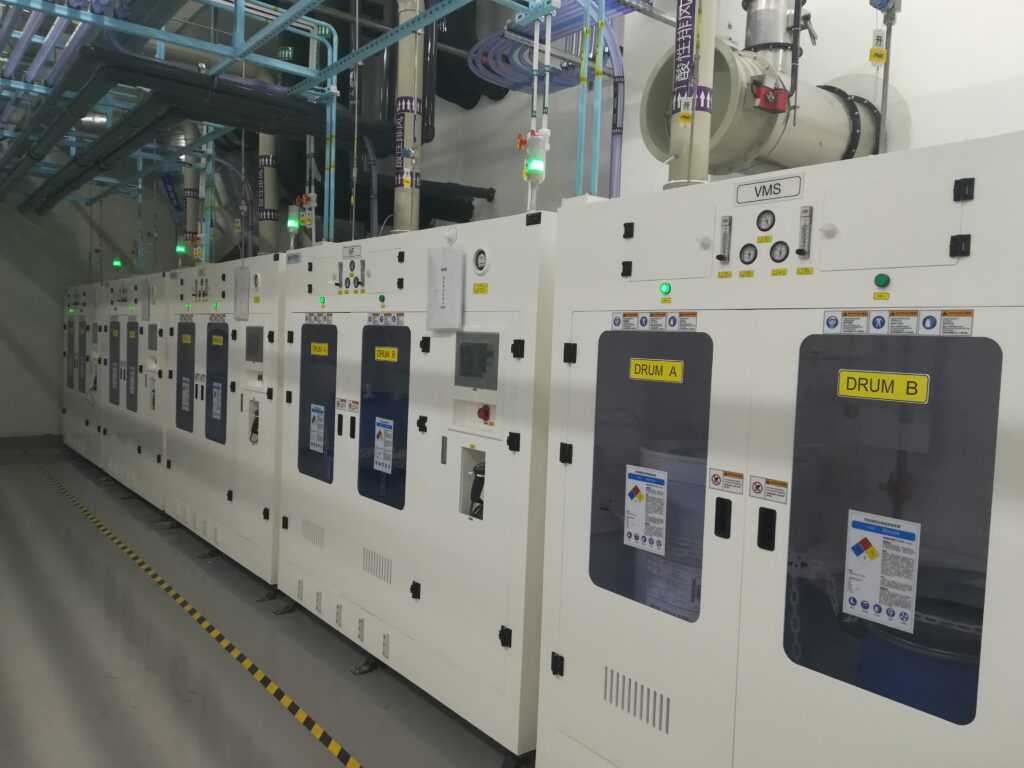
What Is a Laboratory Fume Hood Gas Scrubber Tower?
A laboratory fume hood gas scrubber tower is an exhaust gas treatment device installed downstream of laboratory fume hoods, chemical workstations, or laboratory process equipment. Its primary function is to remove or neutralize hazardous contaminants from exhaust air before the treated gas enters the ventilation stack.
A typical system consists of a fume hood exhaust duct, exhaust fan, wet scrubber tower, circulating liquid pump, spray or packing section, chemical dosing system, demister, monitoring instruments, and control panel.
When chemical vapors are generated inside a laboratory fume hood, the contaminated air is captured and transported through the exhaust duct. Instead of being discharged directly outdoors, the exhaust enters the scrubber tower, where it comes into contact with a circulating scrubbing liquid.
Depending on the chemical contaminants, the liquid may be plain water or a chemically formulated solution containing an acid, alkali, oxidizing agent, or other treatment chemical.
The treated gas then passes through a demisting section to remove entrained liquid droplets before being discharged through the exhaust stack.
How Does a Wet Scrubber Tower Work?
The operating principle of a wet scrubber tower is based on gas-liquid contact. Contaminated exhaust gas flows through the tower while scrubbing liquid is distributed over the gas stream.
A typical treatment process includes the following steps:
1. Exhaust Gas Collection
The laboratory fume hood captures hazardous vapors and gases generated during chemical experiments or processes. An exhaust fan creates negative pressure to transport the contaminated air through the ductwork.
Proper airflow control is essential because insufficient exhaust capacity can allow contaminants to escape into the laboratory.
2. Gas Entry Into the Scrubber
The contaminated gas enters the lower or side section of the wet scrubber tower. The tower is designed to provide controlled gas velocity and sufficient residence time for effective gas-liquid contact.
Depending on the system design, the gas may flow upward through a packed bed while the scrubbing liquid flows downward.
3. Gas-Liquid Contact
Inside the tower, spray nozzles or packing materials increase the contact area between the exhaust gas and scrubbing liquid.
Packing media create a large wetted surface area, allowing soluble or reactive contaminants to transfer from the gas phase into the liquid phase.
For example, acidic gases such as hydrogen chloride can be absorbed into an alkaline solution. Alkaline contaminants can similarly be treated with an acidic scrubbing solution.
4. Chemical Neutralization
Physical absorption alone may not be sufficient for certain chemical exhaust streams. Chemical reactions can improve pollutant removal efficiency.
For acidic gases, alkaline solutions such as sodium hydroxide may be used to neutralize the contaminants. For alkaline gases, acidic solutions may be selected.
The appropriate chemical depends on the contaminant concentration, gas chemistry, required removal efficiency, and operating conditions.
5. Demisting
After passing through the scrubber section, the treated gas may contain small droplets of scrubbing liquid.
A demister pad or mist eliminator removes these droplets before the gas leaves the tower. This helps prevent liquid carryover into downstream ductwork and exhaust stacks.
6. Treated Gas Discharge
After treatment and demisting, the gas is discharged through the exhaust fan and stack.
The final emission performance depends on the contaminant type, inlet concentration, gas flow rate, scrubber configuration, liquid chemistry, and operating conditions.
Main Components of a Laboratory Wet Scrubber System
A complete laboratory fume hood gas scrubber system generally includes several integrated components.
Wet Scrubber Tower
The tower provides the main gas-liquid contact chamber. Common configurations include packed-bed scrubbers, spray towers, and combination scrubber designs.
For laboratory applications, the tower size is selected according to exhaust airflow, contaminant concentration, required removal efficiency, and available installation space.
Packing Media
Packing materials increase the contact area between gas and liquid. Common options include PP, PVC, and other chemically resistant materials.
The packing must be selected according to chemical compatibility, temperature, pressure drop, mechanical strength, and maintenance requirements.
Spray Nozzles
Spray nozzles distribute the scrubbing liquid throughout the treatment zone. Uniform liquid distribution is essential for avoiding dry areas and maintaining consistent treatment performance.
Circulation Pump
The circulation pump continuously transfers scrubbing liquid from the tank to the spray section. Pump selection should consider flow rate, pressure, chemical compatibility, and continuous operating conditions.
Demister
The demister removes liquid droplets carried by the gas stream. This component is particularly important for reducing moisture carryover and protecting downstream ventilation equipment.
Chemical Dosing System
A chemical dosing system can automatically add neutralizing chemicals according to process requirements.
For example, a pH-controlled dosing system can maintain the circulating liquid within a specified pH range.
Control Panel
A PLC-based control panel can monitor and control pumps, fans, pH levels, liquid levels, pressure, alarms, and other operating parameters.
For larger laboratory installations, automatic alarms and interlocks can help improve system reliability.
Materials for Chemical Exhaust Scrubber Towers
Material selection is one of the most important considerations when designing a laboratory chemical exhaust treatment system.
Polypropylene (PP) is widely used for wet scrubber towers because of its good resistance to many acids, alkalis, and laboratory chemicals. PP is also lightweight and suitable for fabricated scrubber structures.
PVC can be used in certain corrosive exhaust applications and duct systems, depending on temperature and chemical compatibility.
For highly aggressive chemical environments, engineers should evaluate the compatibility of the tower body, packing, nozzles, pumps, valves, seals, and ductwork with the actual chemical composition.
Material selection should not be based only on the name of the chemical. Concentration, temperature, exposure time, humidity, and mixed chemical streams can significantly affect corrosion behavior.
Applications of Laboratory Fume Hood Gas Scrubbers
Wet scrubber tower systems can be used in many laboratory and industrial research environments.
Chemical Laboratories
Chemical laboratories may generate acid vapors, alkaline gases, and other hazardous chemical fumes during synthesis, testing, and analytical procedures.
A wet scrubber can provide an additional treatment stage between the fume hood exhaust and the atmosphere.
Pharmaceutical Laboratories
Pharmaceutical research and production laboratories may handle corrosive chemicals, solvents, active ingredients, and process chemicals.
Depending on the exhaust composition, wet scrubbing can be integrated with other technologies to meet the required emission control objectives.
University and Research Laboratories
Universities and research institutions often have multiple laboratory fume hoods connected to centralized exhaust systems.
A centralized wet scrubber can treat exhaust from multiple laboratory areas when the airflow and contaminant characteristics are properly evaluated.
Semiconductor and Electronics Laboratories
Chemical processes used in semiconductor and electronics research may generate acid, alkaline, and other reactive exhaust gases.
Wet scrubbers are commonly considered for water-soluble or chemically reactive contaminants, particularly where corrosion-resistant construction is required.
Environmental Testing Laboratories
Environmental and analytical laboratories may use chemical reagents that generate corrosive or soluble vapors. A properly designed scrubber system can help control these emissions before discharge.
How to Select a Laboratory Fume Hood Gas Scrubber
Selecting a wet scrubber should begin with the characteristics of the exhaust rather than simply choosing a tower based on dimensions.
Important parameters include:
- Exhaust airflow rate
- Chemical composition
- Contaminant concentration
- Gas temperature
- Required removal efficiency
- Operating pressure
- Scrubbing liquid type
- pH control requirements
- Available installation space
- Exhaust stack configuration
- Local environmental requirements
- Maintenance requirements
For example, a system designed primarily for acidic gases may require a different scrubbing chemistry from one designed for alkaline contaminants.
The gas flow rate is also critical. If the tower is undersized, gas velocity may become excessive, reducing gas-liquid contact time and potentially increasing pressure drop.
On the other hand, excessive tower size can increase equipment cost and footprint without providing proportional benefits.
Advantages of a Wet Scrubber Tower System
A properly engineered wet scrubber offers several advantages for laboratory chemical exhaust treatment.
High adaptability: The scrubbing liquid can be selected according to the chemical characteristics of the exhaust.
Corrosion-resistant construction: PP and other suitable materials can provide reliable service in many corrosive environments.
Combined gas and particle control: Some wet scrubber configurations can remove both soluble gaseous contaminants and particulate matter.
Continuous operation: Circulating liquid systems can operate continuously when pumps, fans, and controls are correctly selected.
Automatic monitoring: pH, liquid level, differential pressure, pump status, and other parameters can be monitored through an integrated control system.
Compact integration: The scrubber can be connected directly to laboratory fume hood exhaust ductwork or incorporated into a centralized exhaust treatment system.
Maintenance of Laboratory Wet Scrubber Systems
Regular maintenance is essential for maintaining stable scrubber performance.
Operators should periodically inspect the circulation pump, spray nozzles, packing media, demister, ductwork, valves, and chemical dosing system.
The scrubbing liquid should also be monitored for pH, concentration, contamination, and liquid level. If the liquid becomes saturated or heavily contaminated, it may need to be replaced or treated according to the system design and applicable waste-handling requirements.
Packing materials should be inspected for fouling or blockage. Blocked packing can increase pressure drop and reduce gas-liquid contact efficiency.
The demister should also be checked regularly because accumulated particles or chemical deposits can restrict airflow.
Instrumentation should be calibrated according to the manufacturer’s recommended maintenance schedule.
Wet Scrubber Tower vs. Dry Scrubber
Wet and dry scrubbers use different treatment mechanisms.
A wet scrubber uses a liquid phase to absorb, react with, or capture contaminants. It is particularly suitable for many water-soluble and reactive gases.
A dry scrubber uses solid adsorbents or reactive media. It may be preferable where wastewater generation must be minimized or where specific contaminants require adsorption rather than liquid absorption.
In some laboratory applications, a combination of technologies may provide better overall treatment. For example, a wet scrubber can be used for acid or alkaline gases while an activated-carbon stage provides additional treatment for certain organic vapors.
The correct configuration depends on the actual exhaust composition and treatment objectives.
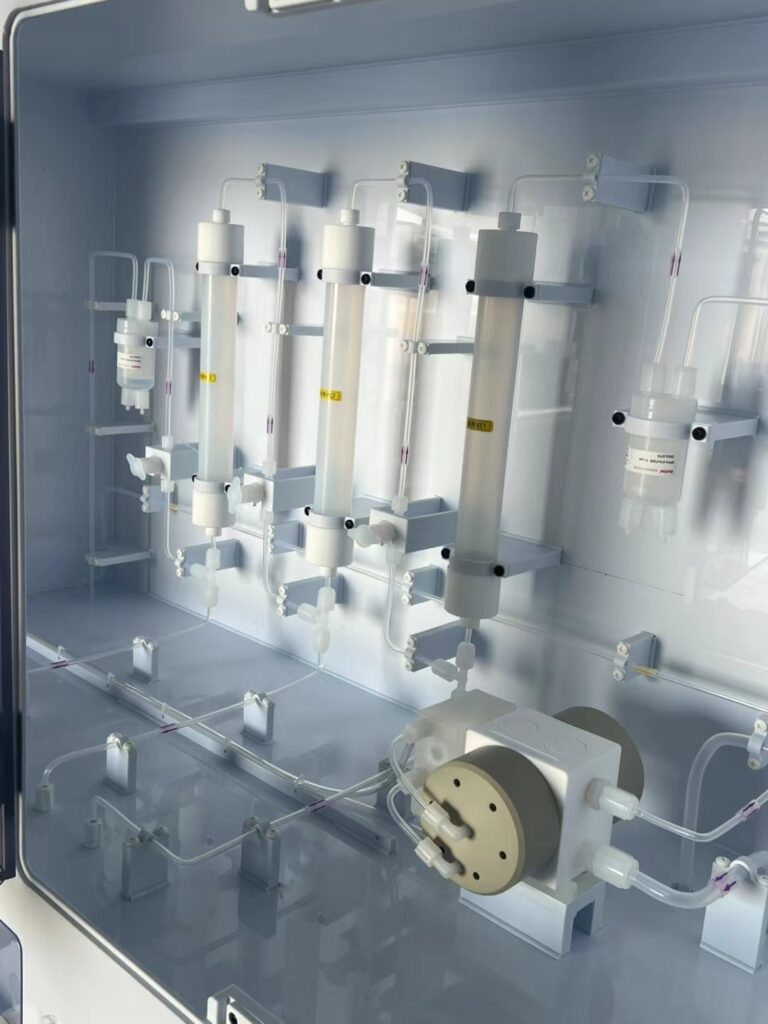
Conclusion
A Laboratory Fume Hood Gas Scrubber Tower System With Wet Scrubber Tower provides an effective engineering approach for treating many types of chemical exhaust generated by laboratory fume hoods and process equipment.
The core of the system is efficient gas-liquid contact. Contaminated exhaust enters the scrubber, contacts the circulating liquid, and undergoes absorption and, where applicable, chemical neutralization. A demister then removes entrained liquid droplets before the treated gas is discharged.
For reliable performance, the scrubber must be designed around actual exhaust conditions, including airflow, contaminant type, concentration, temperature, chemical compatibility, and required removal performance.
A well-designed system can incorporate corrosion-resistant PP or other suitable materials, high-efficiency packing, chemical-resistant pumps and nozzles, automatic pH control, liquid-level monitoring, differential-pressure monitoring, and PLC-based alarms.
For laboratories handling corrosive or hazardous chemical exhaust, choosing the appropriate wet scrubber tower, exhaust fan, ductwork, chemical dosing system, and monitoring controls is essential. Professional engineering and system sizing should be completed using actual process data and applicable environmental and workplace safety requirements.
For laboratory, research, pharmaceutical, semiconductor, and chemical applications, a customized laboratory fume hood gas scrubber system can provide a practical foundation for safer and more controlled chemical exhaust treatment.
For more about laboratory fume hood gas scrubber tower system with wet scrubber tower for chemical exhaust treatment, you can pay a visit to Jewellok at https://www.jewellok.com/ for more info.
-
High Purity Chemical Dispense System & Packing System For Semiconductors JW-200L-CDM & JW-1000L-CDM
-
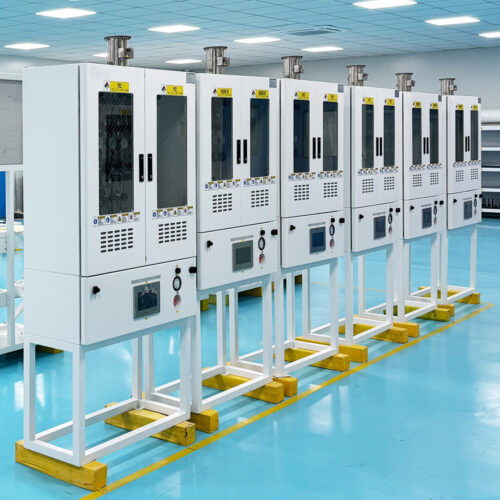
VMB Valve Manifold Box And Panel Gas Cabinet, BSGS Gas Cabinets, TMA Gas Cabinets, Scrubber Tail Gas Treatment Cabinets
-
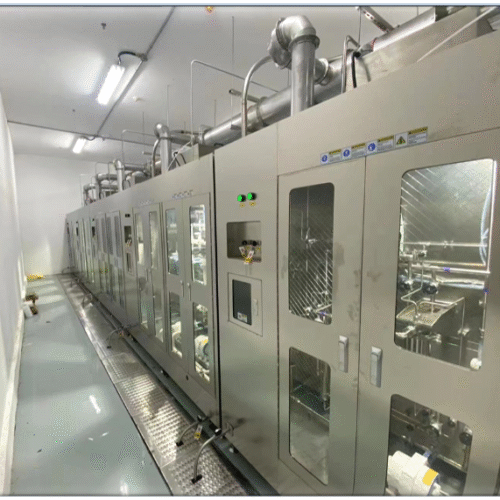
Ultra-High Purity Bulk Liquid Chemical Delivery System (BCDS) for Maintaining Parts-Per-Trillion Purity in Manufacturing
-

Organic Chemical Automatic Liquid Supply System Chemical Delivery And Waste Collection Systems CDS And CDM
-
JR1000 Series UHP Ultra High Purity Single Stage Pressure Reducing Regulator And Low To Intermediate Flow
-
Laboratory Gas Scrubber System With Wet Scrubber Tail Gas Treatment And Acid Gas Neutralization Scrubber
-
Stainless Steel High Pressure Specialty Gas Changeover Manifold For High Purity Oxygen Nitrogen Argon Helium Hydrogen Co2
-
775L Bulkhead Reducing Union | Stainless Steel High Purity Double Ferrule Bulkhead Reducing Unions