
Valves Manufacturer Tel: +86 13380377051
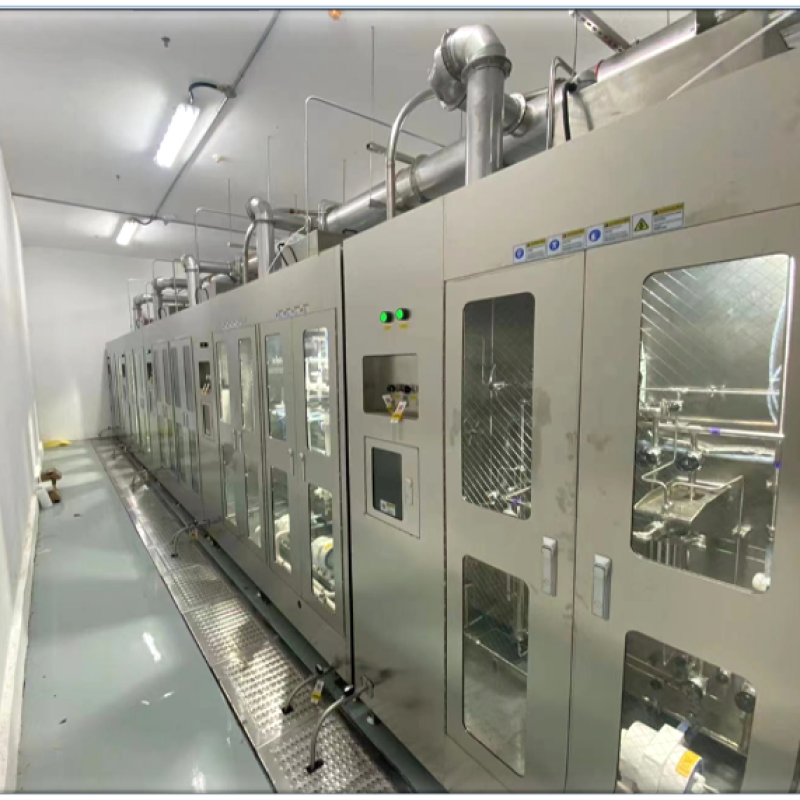
Advanced Exhaust Gas Treatment Cabinet for Hazardous Gas Handling Systems
As semiconductor manufacturing, chemical processing, pharmaceutical production, and advanced industrial applications become increasingly sophisticated, the safe management of hazardous process gases has become a critical engineering requirement. Toxic, corrosive, flammable, and reactive gases can generate dangerous exhaust streams that must be controlled before they are released into the facility environment or discharged through the exhaust system.
An advanced exhaust gas treatment cabinet provides a compact and engineered solution for capturing, treating, monitoring, and safely managing hazardous gases. By integrating gas treatment technologies, ventilation, sensors, control systems, and safety interlocks into a single cabinet, modern systems can provide reliable emissions control while improving operational safety and process efficiency.
For facilities handling gases such as chlorine, ammonia, hydrogen chloride, sulfur compounds, fluorinated compounds, or other hazardous chemicals, selecting the right exhaust gas treatment cabinet is essential. The system must be designed according to gas characteristics, flow rate, concentration, treatment requirements, facility regulations, and process conditions.
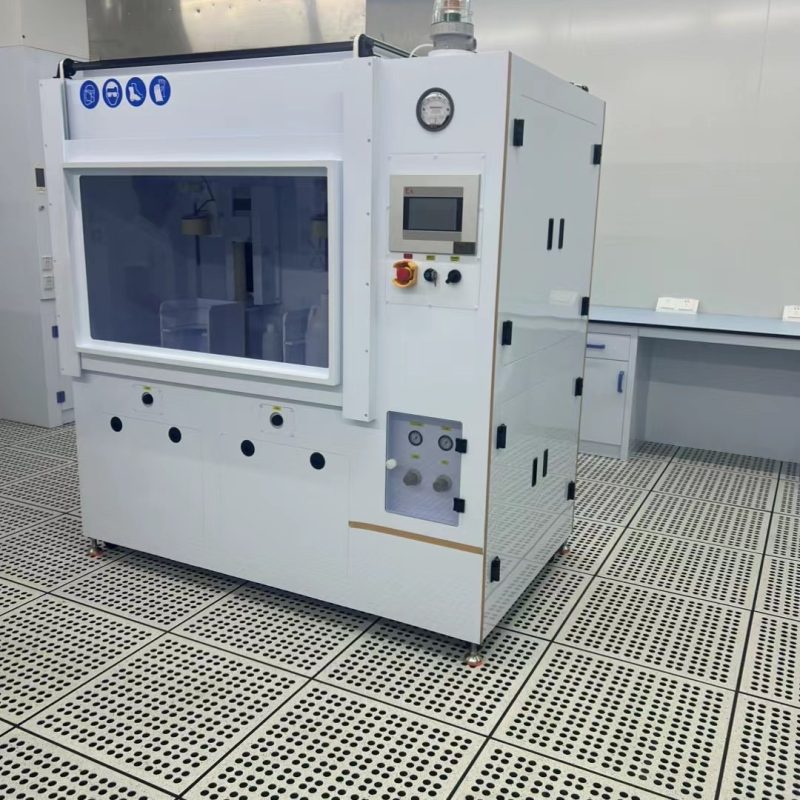
What Is an Exhaust Gas Treatment Cabinet?
An exhaust gas treatment cabinet is an enclosed gas abatement system designed to receive hazardous exhaust gases from process equipment and treat them before final discharge.
Unlike a basic exhaust duct or ventilation enclosure, an advanced treatment cabinet integrates multiple functions into one engineered system. Depending on the application, it may include:
- Gas inlet and outlet connections
- Chemical scrubber systems
- Dry adsorption systems
- Thermal treatment modules
- Catalytic treatment components
- Filtration units
- Exhaust fans or blowers
- Gas detection sensors
- Pressure and flow monitoring
- Temperature monitoring
- Automatic valves
- PLC-based control systems
- Emergency shutdown systems
- Alarm and interlock functions
The cabinet creates a controlled environment where hazardous exhaust can be processed under monitored conditions. This approach is particularly valuable in semiconductor fabs and chemical facilities where multiple hazardous gases may be used continuously.
Why Hazardous Gas Treatment Requires Advanced Technology
Hazardous gases create several challenges that cannot be addressed effectively by conventional ventilation alone.
Toxic gases can pose serious risks even at relatively low concentrations. Corrosive gases can attack metal components, valves, ducts, and electronic equipment. Flammable gases can create fire or explosion hazards when mixed with air under unfavorable conditions. Reactive gases may also interact with moisture, oxygen, or other chemicals to form secondary hazardous compounds.
Therefore, an exhaust treatment system must do more than simply move contaminated air away from the process.
It must provide controlled capture, transportation, treatment, monitoring, and discharge.
An advanced exhaust gas treatment cabinet helps achieve these objectives by maintaining predictable airflow and treatment conditions while continuously monitoring critical operating parameters.
Key Technologies Used in Exhaust Gas Treatment Cabinets
The treatment technology should be selected according to the chemical characteristics of the exhaust gas.
1. Wet Scrubbing Technology
Wet scrubbers are widely used for treating water-soluble, acidic, alkaline, and reactive gases.
In a typical wet scrubbing system, contaminated exhaust enters the scrubber chamber and contacts a liquid absorbent. The target contaminants transfer from the gas phase into the liquid phase and are subsequently neutralized or removed.
Wet scrubbers can be configured for applications involving:
- Acid gases
- Alkaline gases
- Water-soluble toxic compounds
- Chlorine-containing exhaust
- Ammonia-containing exhaust
- Hydrogen chloride
- Sulfur compounds
The scrubbing liquid can be selected according to the chemical properties of the target pollutant.
Advanced systems may incorporate pH control, liquid-level monitoring, conductivity measurement, automatic chemical dosing, and recirculation control to maintain stable treatment performance.
2. Dry Adsorption
Dry adsorption systems use solid media to capture hazardous molecules from exhaust gas.
Activated carbon, impregnated carbon, molecular sieves, metal oxides, and specialty adsorbents can be selected according to the target contaminant.
Dry adsorption is particularly useful when:
- Exhaust flow is relatively low
- Moisture must be minimized
- Chemical neutralization is undesirable
- High-efficiency trace gas removal is required
An advanced cabinet can monitor pressure drop across the adsorption bed and provide an alarm when the filter or adsorbent approaches its replacement condition.
3. Thermal Abatement
Some gases and chemical compounds are more effectively destroyed through high-temperature oxidation.
Thermal treatment systems expose contaminants to controlled temperatures and residence times, converting hazardous compounds into less harmful substances.
Thermal abatement can be particularly relevant to semiconductor processes involving fluorinated gases, volatile organic compounds, and other difficult-to-remove compounds.
System design must consider combustion conditions, gas composition, heat recovery, cooling, and downstream filtration or scrubbing.
4. Catalytic Treatment
Catalytic systems can promote chemical reactions at lower temperatures than conventional thermal oxidation.
A catalyst can help convert selected contaminants into less hazardous products while reducing energy consumption.
Catalytic treatment is attractive when the gas composition is compatible with the selected catalyst and when continuous operation and lower operating temperatures are important.
Advanced Safety Features
Safety is one of the most important characteristics of a hazardous exhaust treatment cabinet.
The system should continuously monitor operating conditions and automatically respond when abnormal conditions are detected.
Gas Detection
Gas sensors can be installed around critical cabinet areas and exhaust pathways to identify potential leaks.
Depending on the application, sensors may monitor toxic, combustible, oxygen-deficient, or process-specific gases.
When a gas concentration exceeds a predefined threshold, the control system can activate alarms, shut down selected equipment, close valves, or increase ventilation.
Pressure Monitoring
Maintaining correct pressure is essential for safe exhaust handling.
Pressure sensors can monitor:
- Cabinet pressure
- Exhaust duct pressure
- Scrubber pressure
- Filter differential pressure
- Adsorption bed pressure drop
Maintaining appropriate negative pressure within the cabinet helps reduce the possibility of hazardous gas escaping into the surrounding facility.
Flow Monitoring
Insufficient exhaust flow can prevent hazardous gases from being effectively captured.
Flow sensors and differential-pressure devices can therefore be used to verify that the treatment system is operating within its designed range.
If airflow drops below a safe threshold, an interlock can generate an alarm or initiate a controlled shutdown.
Automatic Emergency Shutdown
Advanced exhaust cabinets can incorporate emergency shutdown logic.
When critical faults occur, the system can automatically:
- Stop or isolate the process gas source.
- Close designated valves.
- Activate emergency ventilation.
- Stop selected equipment when appropriate.
- Trigger audible and visual alarms.
- Notify the facility control system.
This coordinated response is significantly more effective than relying on manual intervention.
PLC and Intelligent Control Systems
Modern exhaust gas treatment cabinets increasingly use PLC-based control architectures.
A PLC can collect data from pressure sensors, flow meters, temperature sensors, gas detectors, liquid-level sensors, and other field devices.
The controller then evaluates the operating conditions and adjusts system components automatically.
For example, the system may regulate:
- Scrubbing-liquid circulation
- Chemical dosing
- Exhaust fan speed
- Automatic valve position
- Treatment temperature
- Cooling water flow
- Cabinet pressure
- Emergency ventilation
A human-machine interface can display real-time operating parameters and alarm conditions, making it easier for operators and maintenance personnel to understand system status.
For larger semiconductor and chemical facilities, the cabinet can also communicate with the facility’s central monitoring or building management system.
Materials of Construction
Material selection is another critical consideration.
Because hazardous exhaust may contain corrosive compounds, standard carbon steel may not provide sufficient service life in certain applications.
Depending on the chemical environment, manufacturers may use materials such as:
- PP
- PVC
- PVDF
- PTFE
- FRP
- Stainless steel
- Specialty corrosion-resistant alloys
The appropriate material depends on gas concentration, temperature, humidity, chemical compatibility, pressure, and expected operating lifetime.
For semiconductor applications, material selection must also consider particle generation and contamination control.
Application in Semiconductor Manufacturing
The semiconductor industry is one of the most demanding applications for exhaust gas treatment.
Modern fabs use a wide range of process gases during deposition, etching, cleaning, doping, and other manufacturing operations.
These gases may include toxic, corrosive, flammable, pyrophoric, or environmentally harmful compounds.
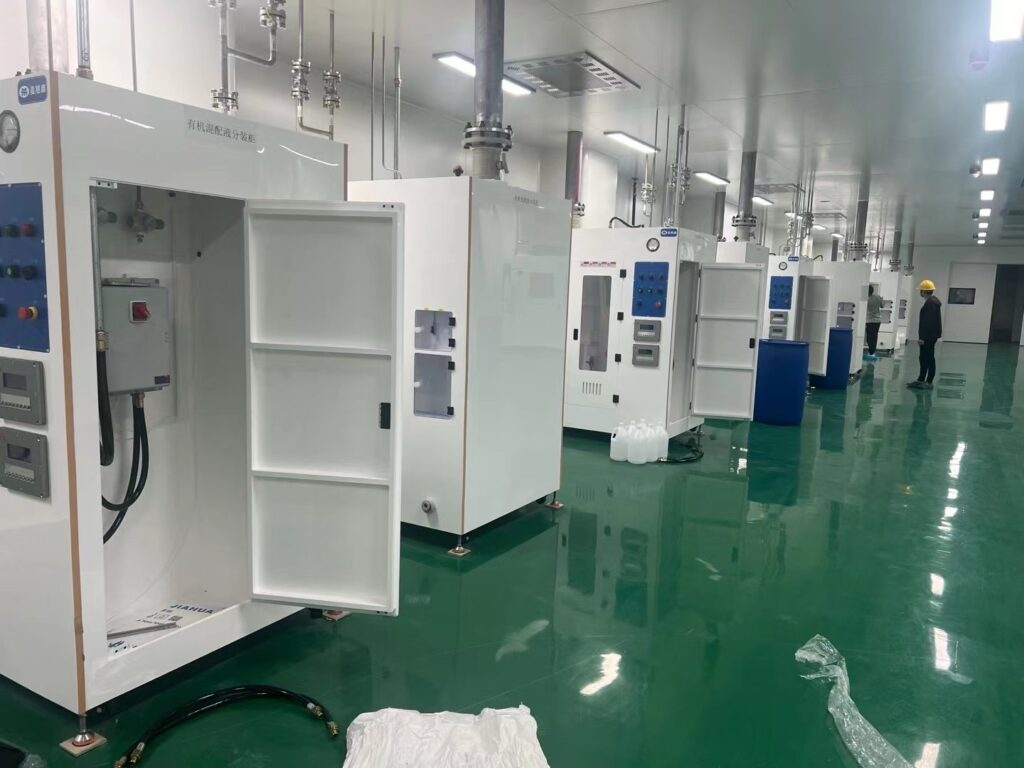
An exhaust gas treatment cabinet can be connected directly to process tools, gas delivery systems, or facility exhaust infrastructure.
For example, etching processes can generate exhaust containing corrosive and fluorinated compounds. Deposition processes may generate by-products that require thermal, catalytic, wet, or dry treatment.
The treatment system therefore needs to be matched to the specific process chemistry rather than using a generic configuration.
Application in Chemical and Pharmaceutical Facilities
Chemical manufacturing facilities can produce exhaust streams containing VOCs, acid gases, solvent vapors, toxic compounds, and reactive chemicals.
An advanced treatment cabinet can provide localized treatment near the source, reducing the amount of untreated hazardous gas transported through large facility duct networks.
Pharmaceutical manufacturing can also benefit from controlled exhaust treatment when processes involve solvents, active chemical compounds, or corrosive materials.
The compact cabinet configuration can be particularly useful where installation space is limited.
How to Select the Right Exhaust Gas Treatment Cabinet
Choosing an exhaust gas treatment cabinet should begin with a detailed analysis of the exhaust stream.
Important parameters include:
Gas Composition
Identify all major and minor components in the exhaust. Even low-concentration contaminants may influence material selection and treatment technology.
Flow Rate
The treatment cabinet must be correctly sized according to minimum, normal, and maximum exhaust flow rates.
Oversizing can increase capital and operating costs, while undersizing can compromise treatment performance.
Gas Concentration
Contaminant concentration affects treatment efficiency, chemical consumption, adsorbent capacity, and equipment sizing.
Temperature and Humidity
High temperatures may affect seals, sensors, adsorbents, plastics, and treatment media. High humidity can also reduce the performance of some dry adsorption systems.
Required Removal Efficiency
The required outlet concentration or removal efficiency should be established before selecting the treatment technology.
For example, a process requiring trace-level contaminant control may need multiple treatment stages rather than a single filter.
Maintenance Requirements
Easy access to filters, pumps, valves, sensors, scrubber components, and adsorbent beds can significantly reduce maintenance time.
A well-designed cabinet should allow routine inspection and replacement without unnecessarily exposing personnel to hazardous chemicals.
Multi-Stage Treatment for Higher Reliability
For complex exhaust streams, a single treatment technology may not be sufficient.
A multi-stage exhaust gas treatment cabinet can combine several technologies.
For example:
Primary capture → Wet scrubbing → Dry adsorption → Filtration → Final exhaust
Alternatively, a thermal treatment stage can be combined with downstream scrubbing to handle gases that require destruction before neutralization.
Multi-stage treatment provides an additional level of protection because different technologies address different contaminants.
Energy Efficiency and Sustainability
Environmental performance is becoming increasingly important in industrial gas treatment.
Modern cabinets can reduce energy consumption through variable-speed fans, optimized treatment temperatures, heat recovery, intelligent chemical dosing, and automated operating modes.
For wet scrubbers, precise chemical dosing helps prevent unnecessary reagent consumption.
For adsorption systems, continuous monitoring can help maximize media utilization while avoiding premature replacement.
Energy-efficient treatment not only reduces environmental impact but can also lower long-term operating costs.
Preventive Maintenance and System Reliability
Even advanced exhaust treatment systems require regular maintenance.
Typical maintenance activities include:
- Inspecting pumps and valves
- Checking sensors
- Replacing filters
- Monitoring adsorbent condition
- Inspecting scrubber liquid quality
- Checking chemical dosing systems
- Testing alarms and interlocks
- Inspecting exhaust fans
- Verifying pressure and flow measurements
- Reviewing system operating data
Predictive maintenance can further improve reliability by analyzing trends such as increasing filter differential pressure, declining airflow, abnormal temperature changes, or increasing chemical consumption.
Conclusion
An advanced exhaust gas treatment cabinet for hazardous gas handling systems is an important component of modern industrial safety and environmental management.
By integrating gas treatment technology, ventilation, sensors, automatic controls, safety interlocks, and monitoring functions into a coordinated system, the cabinet can provide reliable control of hazardous process exhaust.
The best solution is not necessarily the most complicated system. Instead, it is the system that accurately matches the gas chemistry, flow rate, concentration, temperature, treatment requirements, facility environment, and operational objectives.
For semiconductor fabs, chemical plants, pharmaceutical facilities, and other industries handling hazardous gases, a properly engineered exhaust gas treatment cabinet can improve workplace safety, reduce emissions, protect downstream equipment, and support stable long-term production.
As industrial processes continue to demand higher purity, tighter environmental controls, and greater automation, exhaust treatment systems will increasingly evolve toward intelligent, modular, energy-efficient, and highly integrated platforms. The combination of advanced treatment technologies and smart monitoring provides a practical foundation for safer and more sustainable hazardous gas management.
For more about advanced exhaust gas treatment cabinet for hazardous gas handling systems, you can pay a visit to Jewellok at https://www.jewellok.com/ for more info.
-
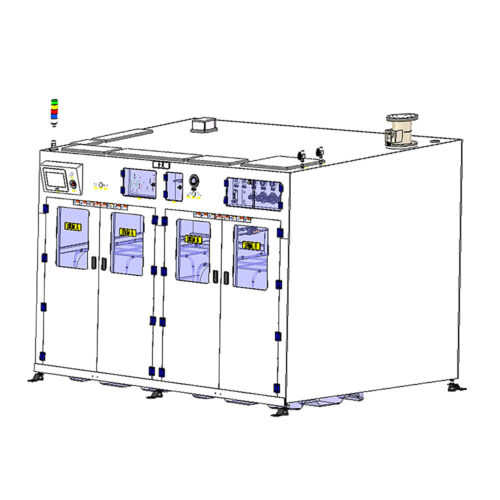
High Purity Chemical Dispense System & Packing System For Semiconductors JW-200L-CDM & JW-1000L-CDM
-
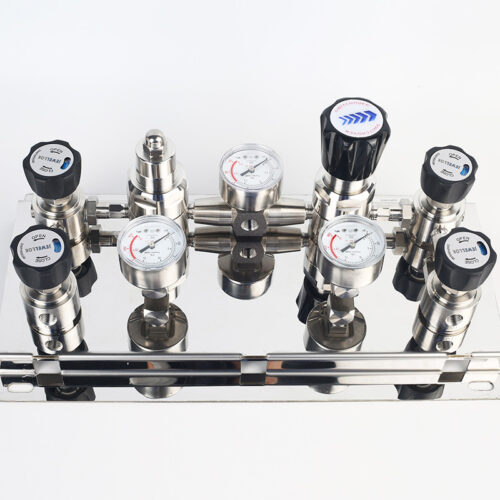
Semi Automatic Gas Changeover Manifold System Manual Changeover Manifold Panel Single Stage Automatic Switchover Board
-
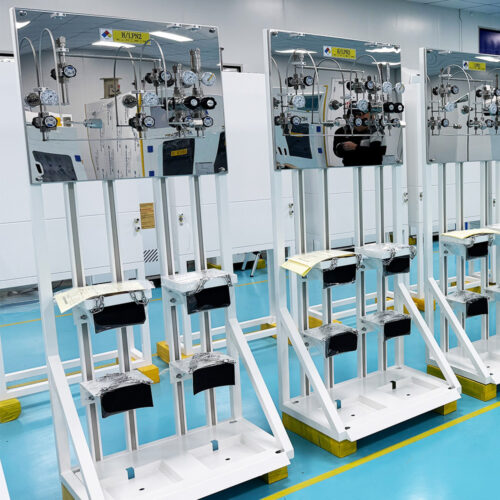
Semi-Automatic VMB Gas Cabinet With Semiconductor Valve Manifold Box Diaphragm Valves And Gas Pressure Regulators
-
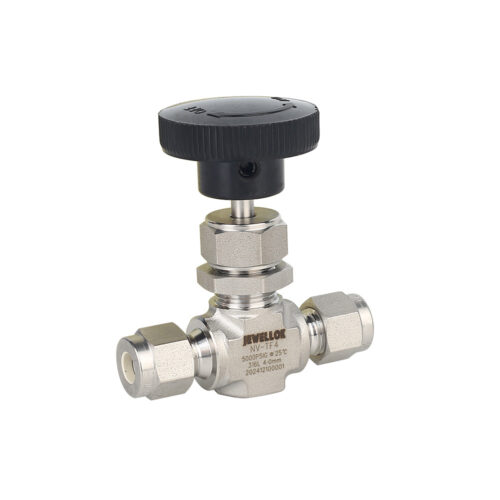
High Purity High Pressure Stainless Steel Needle Valve Natural Gas Flow Control Valve JNV Series
-
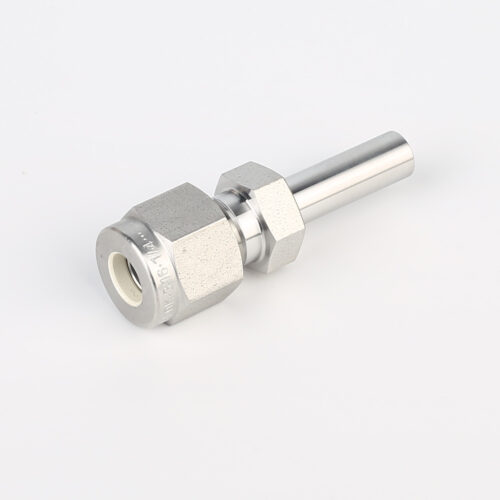
767LT Reducer Pressure Reducing Valve Adjustment High purity Pressure Reducing Union Fittings And Tubing
-
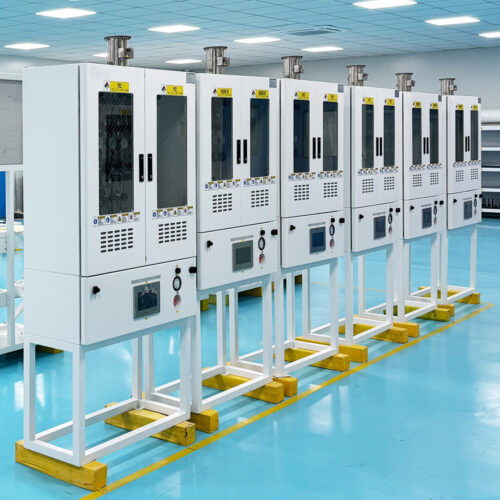
Liquid Chemical Delivery Module (CDM) for Semiconductor Fabrication and Ultra-High Purity Manufacturing
-
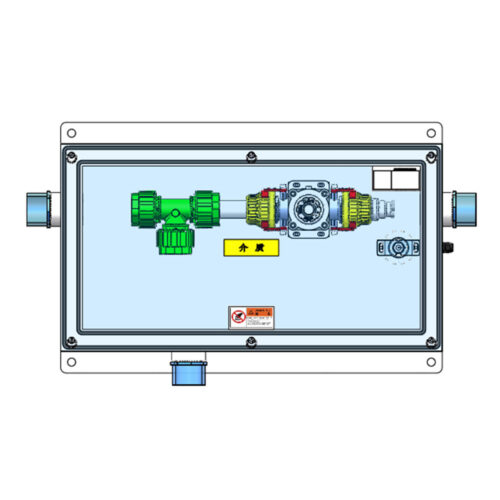
T-BOX JW-TB-C Special Gas Delivery System Gas Valve Manifold Boxes
-
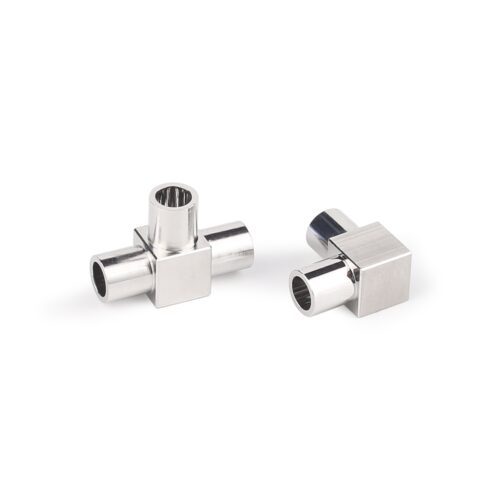
Stainless Steel Mini Elbow Mini Tee Mini Cross Mini Tribow Ultrahigh Purity Mini Butt Weld Fittings