
Valves Manufacturer Tel: +86 13380377051
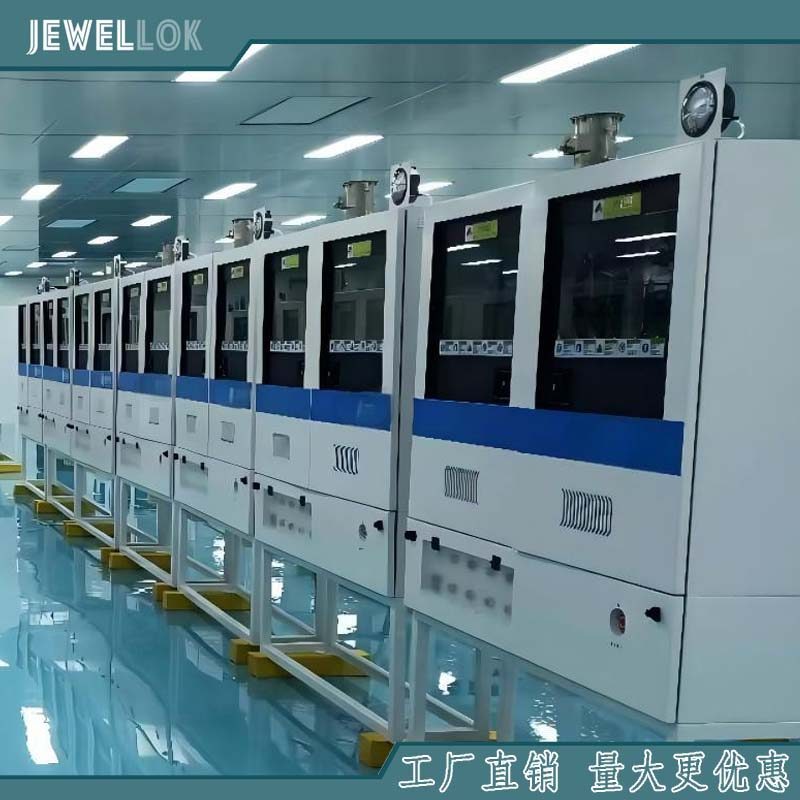
Best Exhaust Gas Treatment System for Chemical and Semiconductor Industries
Introduction
As global environmental regulations become increasingly stringent and advanced manufacturing processes continue to evolve, exhaust gas treatment systems have become indispensable for chemical plants, semiconductor fabs, pharmaceutical facilities, and research laboratories. These industries generate hazardous exhaust streams containing toxic gases, corrosive vapors, volatile organic compounds (VOCs), particulate matter, and greenhouse gases that require effective treatment before being released into the atmosphere.
A high-performance exhaust gas treatment system not only ensures regulatory compliance but also protects employees, production equipment, surrounding communities, and the environment. For semiconductor manufacturers, where process stability and cleanroom safety are critical, selecting the right gas abatement solution directly impacts manufacturing efficiency and operational reliability.
This article explores the importance, working principles, technologies, applications, and selection criteria of the best exhaust gas treatment systems for chemical and semiconductor industries.
What Is an Exhaust Gas Treatment System?
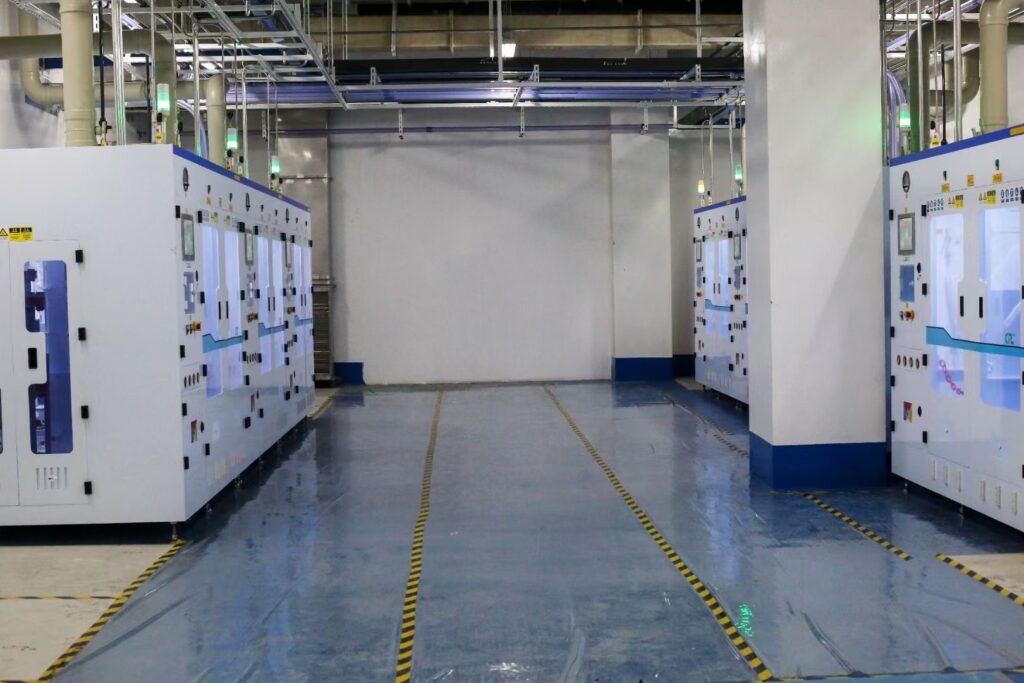
An exhaust gas treatment system, also known as a gas abatement system or industrial scrubber system, is engineered to remove or neutralize hazardous contaminants from industrial exhaust streams before they are discharged into the atmosphere.
Modern systems are capable of treating:
- Toxic gases
- Acid gases
- Alkaline gases
- Volatile Organic Compounds (VOCs)
- Semiconductor process gases
- Particulate matter
- Corrosive vapors
- Odorous gases
- Greenhouse gases
Depending on the gas composition and industrial process, exhaust treatment systems may incorporate multiple technologies, including wet scrubbing, dry scrubbing, thermal oxidation, catalytic oxidation, adsorption, filtration, and plasma treatment.
Why Exhaust Gas Treatment Is Critical
Industrial exhaust gases can pose severe risks if released untreated.
Environmental Protection
Many industrial gases contribute to air pollution, acid rain, ozone depletion, and global warming. Effective treatment significantly reduces harmful emissions and helps companies meet sustainability goals.
Worker Safety
Hazardous gases such as chlorine, ammonia, hydrogen fluoride, hydrogen chloride, sulfur dioxide, phosphine, arsine, and silane can threaten personnel safety even at low concentrations. Exhaust gas treatment systems reduce workplace exposure risks.
Regulatory Compliance
Governments worldwide enforce strict environmental regulations, including:
- EPA regulations
- European Industrial Emissions Directive (IED)
- Clean Air Act
- ISO 14001 Environmental Management
- Semiconductor Environmental Health & Safety standards
Proper gas treatment helps facilities avoid regulatory penalties and production shutdowns.
Equipment Protection
Corrosive gases can damage ductwork, pumps, fans, valves, sensors, and production equipment. Removing corrosive compounds extends equipment life and reduces maintenance costs.
Major Sources of Industrial Exhaust Gases
Different industries generate different types of hazardous emissions.
Semiconductor Manufacturing
Semiconductor fabrication processes generate exhaust gases during:
- Chemical Vapor Deposition (CVD)
- Atomic Layer Deposition (ALD)
- Plasma Etching
- Ion Implantation
- Wet Cleaning
- Wafer Cleaning
- Diffusion Processes
Typical gases include:
- HF
- HCl
- NH3
- Cl2
- SiH4
- PH3
- AsH3
- NF3
- CF4
- SF6
- F2
Many of these gases are toxic, pyrophoric, corrosive, or possess high Global Warming Potential (GWP).
Chemical Manufacturing
Chemical plants release:
- Sulfur compounds
- Nitrogen oxides
- Chlorine compounds
- Organic solvents
- Acid vapors
- VOCs
- Organic acids
- Ammonia
These emissions require customized treatment technologies based on process chemistry.
Pharmaceutical Industry
Pharmaceutical manufacturing often produces:
- Solvent vapors
- Organic compounds
- Alcohols
- Ketones
- Acidic gases
- Fine particles
Proper treatment ensures both product quality and environmental compliance.
Types of Exhaust Gas Treatment Technologies
Selecting the appropriate technology depends on gas composition, concentration, temperature, moisture content, and airflow.
1. Wet Scrubber Systems
Wet scrubbers remain one of the most widely used solutions for removing:
- Acid gases
- Water-soluble gases
- Corrosive vapors
- Fine particulates
The contaminated gas passes through a scrubbing liquid where pollutants dissolve or chemically react with the treatment solution.
Common scrubbing chemicals include:
- Sodium hydroxide
- Sulfuric acid
- Sodium hypochlorite
- Hydrogen peroxide
Advantages include:
- High removal efficiency
- Continuous operation
- Excellent acid gas neutralization
- Low operating temperature
2. Dry Scrubber Systems
Dry scrubbers inject dry sorbent materials into the exhaust stream to neutralize contaminants.
Typical sorbents include:
- Activated alumina
- Activated carbon
- Sodium bicarbonate
- Calcium hydroxide
Dry scrubbers are particularly suitable where wastewater generation must be minimized.
3. Thermal Oxidizers
Thermal oxidizers destroy hazardous organic compounds by heating gases to temperatures typically between 750°C and 1100°C.
They are widely used for:
- VOC destruction
- Organic solvent recovery
- Chemical processing
- Petrochemical plants
Destruction efficiencies often exceed 99%.
4. Catalytic Oxidizers
Catalytic oxidation lowers operating temperatures by using specialized catalysts.
Benefits include:
- Lower fuel consumption
- Reduced operating costs
- High VOC removal efficiency
- Lower CO₂ emissions
5. Activated Carbon Adsorption
Activated carbon systems effectively remove:
- VOCs
- Organic solvents
- Odors
- Hydrocarbon vapors
These systems are commonly installed as polishing units following primary treatment.
6. Plasma Gas Treatment
Plasma technology generates highly reactive radicals capable of decomposing hazardous compounds into simpler molecules.
Applications include:
- Semiconductor manufacturing
- Laboratory exhaust
- Specialty chemical production
Wet Scrubbers for Semiconductor Applications
Wet scrubbers remain the preferred solution for many semiconductor facilities due to their ability to safely treat highly corrosive gases.
Typical applications include:
- Etching exhaust
- ALD process exhaust
- CVD exhaust
- Diffusion furnace exhaust
- Chemical delivery system ventilation
- Gas cabinet exhaust
- Valve manifold box exhaust
Modern semiconductor scrubbers often utilize:
- Multi-stage packed towers
- Spray towers
- Demisters
- Mist eliminators
- Automatic pH control
- Chemical dosing systems
- PLC automation
- Continuous monitoring
Smart Monitoring and Automation
Today’s exhaust gas treatment systems are highly automated.
Advanced features include:
- PLC control
- Human Machine Interface (HMI)
- Touchscreen operation
- Remote monitoring
- Data logging
- Alarm management
- Automatic chemical dosing
- Flow monitoring
- Pressure monitoring
- pH monitoring
- Conductivity measurement
- Temperature sensors
- Redundant safety controls
These intelligent functions improve operational reliability while reducing labor costs.
Materials of Construction
Because industrial exhaust streams are frequently corrosive, selecting appropriate materials is essential.
Common construction materials include:
- PP (Polypropylene)
- PVC
- CPVC
- PVDF
- FRP (Fiberglass Reinforced Plastic)
- Stainless Steel 304
- Stainless Steel 316L
- PTFE-lined components
Material selection depends on:
- Chemical compatibility
- Operating temperature
- Pressure
- Corrosion resistance
- Mechanical strength
Key Performance Indicators
When evaluating an exhaust gas treatment system, several technical parameters should be considered.
Removal Efficiency
A high-quality system should achieve removal efficiencies exceeding 95%, with many applications reaching over 99%.
Airflow Capacity
System sizing should match actual exhaust volumes while allowing sufficient safety margins for future production expansion.
Pressure Drop
Lower pressure drops reduce fan energy consumption and operating costs.
Chemical Consumption
Optimized dosing systems minimize reagent use while maintaining treatment performance.
Water Consumption
Efficient water management lowers operational expenses and supports sustainability goals.
Maintenance Requirements
Systems designed with modular components simplify inspection, replacement, and preventive maintenance.
Applications Across Industries
Modern exhaust gas treatment systems serve numerous industries.
Semiconductor Manufacturing
- Wafer fabrication
- IC packaging
- MEMS production
- Display manufacturing
- Solar cell manufacturing
Chemical Industry
- Fine chemicals
- Specialty chemicals
- Petrochemicals
- Battery materials
- Agrochemicals
Pharmaceutical Industry
- API production
- Chemical synthesis
- Laboratory ventilation
Electronics Manufacturing
- PCB production
- Lithium battery manufacturing
- LED manufacturing
- Optoelectronics
Research Laboratories
- Universities
- Government laboratories
- Industrial R&D centers
Benefits of Installing a High-Quality Exhaust Gas Treatment System
Investing in a professionally engineered exhaust gas treatment solution delivers substantial long-term benefits.
These include:
- Improved environmental compliance
- Enhanced worker safety
- Reduced air pollution
- Lower operating costs
- Increased equipment lifespan
- Stable production processes
- Improved corporate sustainability
- Reduced regulatory risks
- Better public reputation
- Increased facility reliability
For semiconductor fabs operating around the clock, system reliability is particularly important because even brief interruptions can lead to significant production losses.
Selecting the Best Exhaust Gas Treatment System Supplier
Choosing the right supplier is as important as selecting the treatment technology itself.
Look for manufacturers offering:
- Extensive engineering experience
- Custom system design
- Comprehensive gas compatibility analysis
- High-quality materials
- International safety standards
- PLC automation
- Factory Acceptance Testing (FAT)
- Site Acceptance Testing (SAT)
- Installation support
- Operator training
- Spare parts availability
- Global technical service
A reliable supplier should also provide complete engineering documentation, including P&ID drawings, electrical schematics, operating manuals, maintenance guides, and compliance certifications.
Future Trends in Exhaust Gas Treatment
Industrial exhaust treatment is rapidly evolving with advances in digitalization, automation, and sustainability.
Emerging trends include:
- AI-assisted predictive maintenance
- IoT-enabled remote diagnostics
- Energy-efficient fan technologies
- Smart chemical dosing algorithms
- Zero-liquid-discharge (ZLD) integration
- Carbon emission reduction strategies
- Green manufacturing initiatives
- Modular skid-mounted systems
- Real-time emissions monitoring
- Advanced corrosion-resistant materials
These innovations help manufacturers improve environmental performance while reducing lifecycle operating costs.
Conclusion
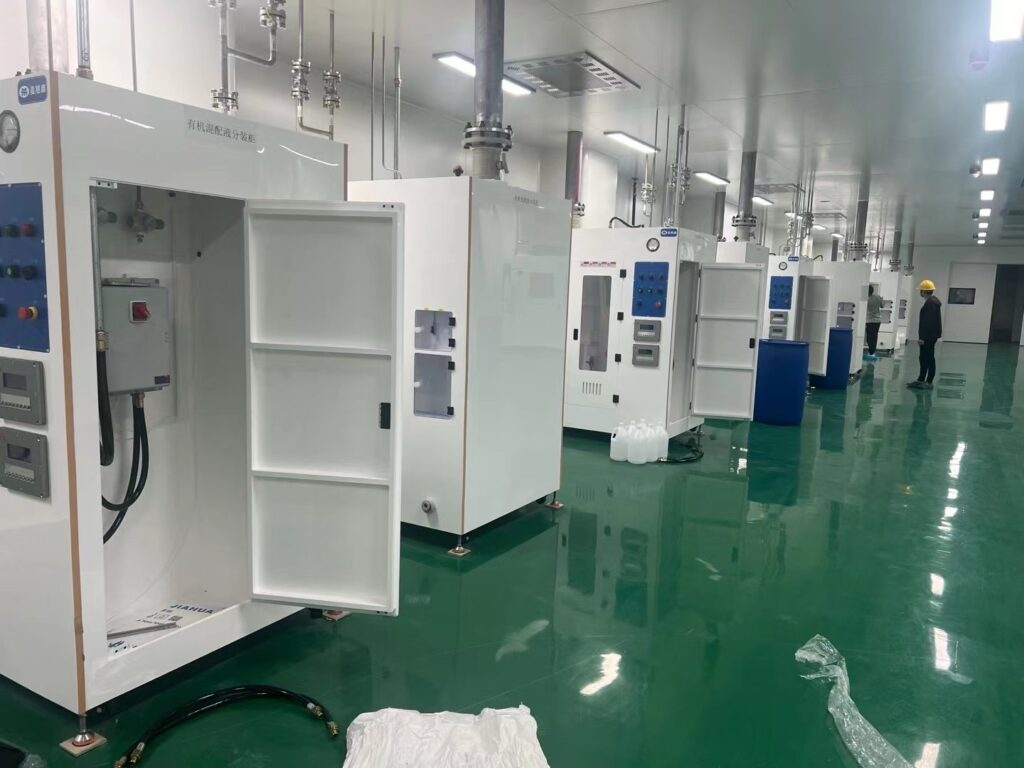
The chemical and semiconductor industries rely on advanced exhaust gas treatment systems to ensure safe, reliable, and environmentally responsible operations. Whether handling corrosive acid gases, toxic process chemicals, volatile organic compounds, or high-global-warming-potential gases, selecting the appropriate treatment technology is essential for regulatory compliance, operational efficiency, and workplace safety.
The best exhaust gas treatment systems combine high removal efficiency, intelligent automation, corrosion-resistant construction, and flexible customization to meet the unique challenges of modern manufacturing. By partnering with an experienced supplier capable of delivering engineered solutions, companies can protect personnel, safeguard valuable production equipment, minimize environmental impact, and achieve long-term operational excellence.
As environmental standards continue to tighten and semiconductor technologies become more sophisticated, investing in high-performance gas abatement systems will remain a strategic priority for manufacturers seeking sustainable growth, reliable production, and global competitiveness.
For more about best exhaust gas treatment system for chemical and semiconductor industries, you can pay a visit to Jewellok at https://www.jewellok.com/product-category/chemical-delivery-system/ for more info.
-
Flow Control Stainless Steel Low Pressure Manual Diaphragm Valve For High Purity And Ultra High Purity Gases
-
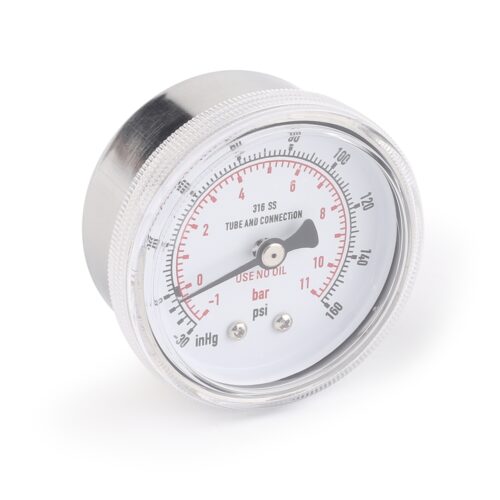
Ultra High Purity Pressure Gauge For Laboratory And Semiconductor JR Series
-
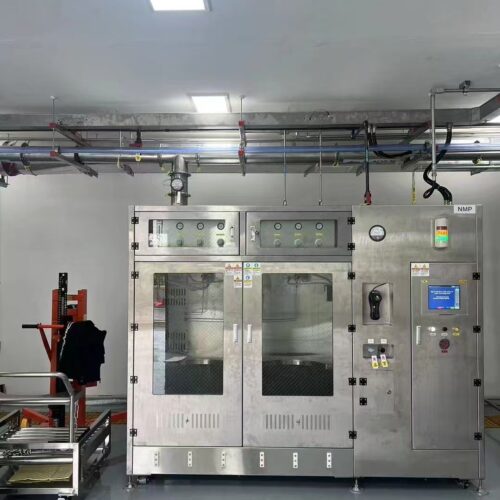
UHP Bulk Liquid Chemical Delivery System (BCDS) Implementation for High-Efficiency Photovoltaic and Solar Cell Production Lines
-
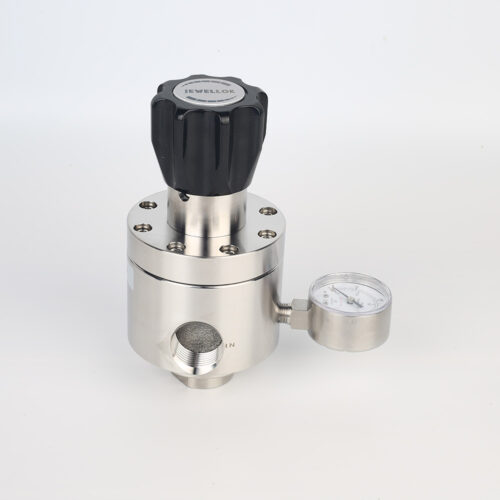
Low Pressure High Flow Line Pressure Regulators And Control Valves JSR-4L Series For Laboratory Pressure Control
-
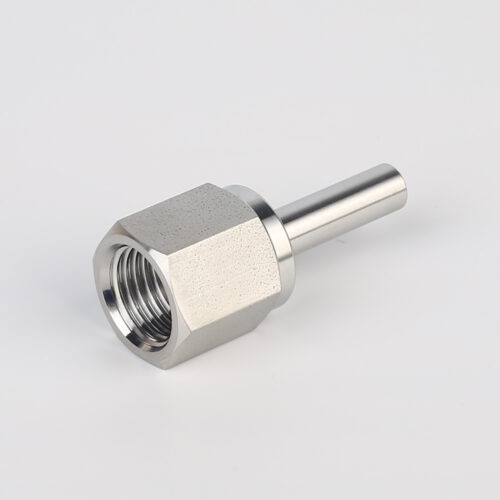
739LF High Purity Female Adapter Tube To Pipe Fittings And Connectors
-
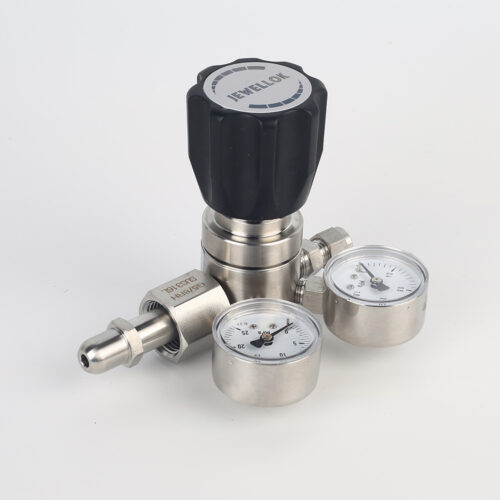
High Purity High Pressure Gas Cylinder Pressure Regulators Pressure Reducing Valve JSR-1E Series
-
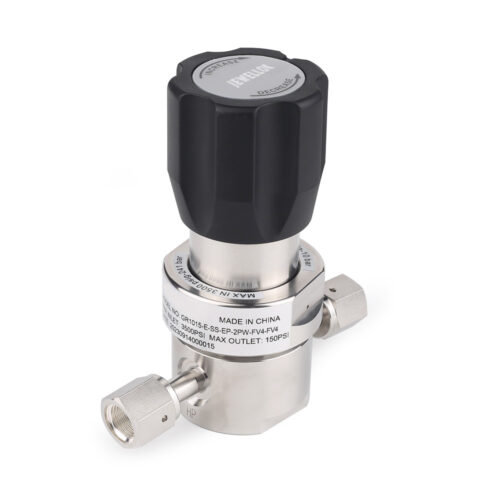
JR1000 Series UHP Ultra High Purity Single Stage Pressure Reducing Regulator And Low To Intermediate Flow
-
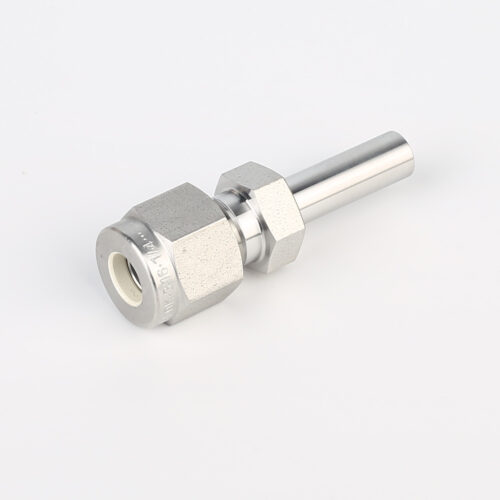
767LT Reducer Pressure Reducing Valve Adjustment High purity Pressure Reducing Union Fittings And Tubing