
Valves Manufacturer Tel: +86 13380377051
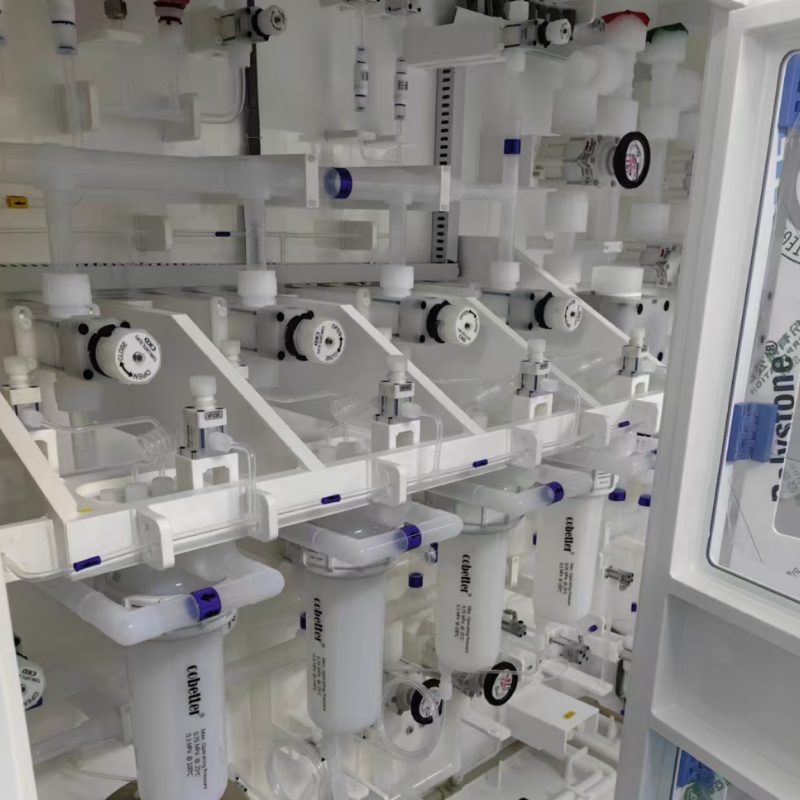
Chemical Delivery Module (CDM) Integration with Automated Process Equipment
As semiconductor manufacturing, photovoltaic production, advanced electronics, pharmaceuticals, and other high-precision industries continue to adopt increasingly automated production processes, chemical delivery systems are becoming a critical part of modern process equipment. A Chemical Delivery Module (CDM) is designed to safely store, control, meter, and deliver process chemicals from their source containers to downstream manufacturing equipment. When integrated with automated process equipment, a CDM can provide precise chemical flow control, continuous monitoring, improved process stability, and enhanced operator safety.
Unlike conventional chemical supply arrangements, an integrated CDM is not simply a chemical transfer unit. It functions as an intelligent interface between the chemical source and the process tool. Through pumps, valves, pressure regulators, flow meters, sensors, filters, controllers, and communication interfaces, the CDM can coordinate chemical delivery according to the real-time requirements of automated process equipment.
For high-purity and corrosive chemical applications, proper CDM integration is particularly important. The selection of wetted materials, fluid components, control architecture, and communication protocols can directly influence chemical purity, process repeatability, equipment uptime, and overall production efficiency.
1. What Is a Chemical Delivery Module?
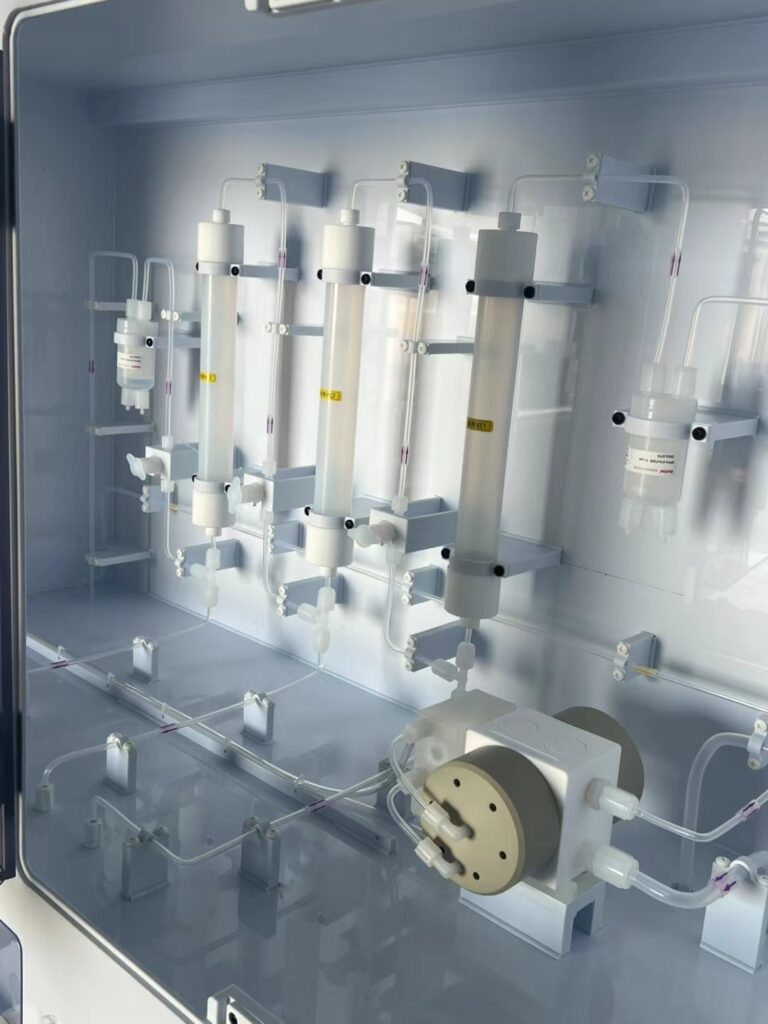
A Chemical Delivery Module is a compact and integrated chemical handling subsystem that manages the movement of liquid or specialty chemicals from a source container to a point-of-use process tool.
A typical CDM may include:
- Chemical inlet and outlet connections
- Pneumatic or electric valves
- Chemical pumps
- Pressure regulators
- Flow meters or mass flow measurement devices
- Filters and particle-control components
- Pressure and leak sensors
- Liquid-level monitoring
- Purge and drain lines
- Secondary containment
- PLC or embedded control systems
- Human-machine interface (HMI)
- Communication interfaces
Depending on the application, the CDM can operate in manual, semi-automatic, or fully automatic modes.
In semiconductor and advanced manufacturing environments, chemical delivery modules are commonly used for chemicals such as acids, bases, solvents, etchants, cleaning chemicals, and other specialty process fluids. The system must maintain stable flow and pressure while minimizing contamination, chemical exposure, and unplanned interruptions.
The primary objective is not simply to deliver chemicals, but to deliver them at the correct flow rate, pressure, concentration, temperature, and purity level under controlled operating conditions.
2. Why CDM Integration Is Important
Modern process equipment increasingly depends on automated chemical dosing and delivery. Manual chemical handling can introduce variations in flow rate, pressure, timing, and operator procedures. These variations may affect product quality and process repeatability.
By integrating a CDM with automated process equipment, chemical delivery can become part of the overall production control loop.
For example, an automated process tool may send a chemical demand signal to the CDM. The CDM controller can then verify system conditions, open the appropriate valves, activate the pump, monitor flow and pressure, and deliver a programmed amount of chemical. Once the required quantity has been reached, the system can automatically stop the delivery sequence.
This approach provides several advantages:
Improved process consistency: Automated control reduces variations caused by manual operation.
Higher production efficiency: Chemical delivery can be synchronized with automated production cycles.
Better safety: Operators have less direct exposure to hazardous chemicals.
Reduced chemical waste: Accurate dosing minimizes unnecessary chemical consumption.
Real-time monitoring: Pressure, flow, temperature, level, and leak conditions can be continuously monitored.
Predictive maintenance: Abnormal operating trends can be identified before they cause major equipment failures.
3. Key Components for CDM Integration
Successful CDM integration begins with appropriate component selection. Every wetted component must be compatible with the chemical being delivered.
Chemical Valves
Valves control chemical flow, isolation, purging, and drainage. Depending on the chemical properties and pressure requirements, manufacturers may use diaphragm valves, bellows-sealed valves, pneumatic valves, or specialized chemical-resistant valves.
For high-purity applications, minimizing dead volume and particle generation is important. Valve materials may include high-performance polymers, stainless steel, or other chemically compatible materials.
Chemical Pumps
The pump is responsible for transferring chemical from the source container to the process tool. Pump selection depends on flow rate, pressure, chemical compatibility, viscosity, temperature, and required precision.
Common considerations include diaphragm pump construction, wetted material compatibility, pulsation, maximum discharge pressure, and maintenance requirements.
Filters
Filters help remove particles from the chemical stream before the fluid reaches the process tool. Filter selection should consider chemical compatibility, filtration rating, pressure drop, flow capacity, and replacement requirements.
For high-purity applications, filter design should also minimize contamination and unnecessary fluid volume.
Sensors
Sensors provide the data required for automatic control. Typical measurements include:
- Inlet and outlet pressure
- Chemical flow rate
- Chemical temperature
- Tank or container level
- Leak detection
- Pump status
- Valve position
- Filter differential pressure
Reliable sensor feedback allows the CDM controller to make decisions based on actual system conditions instead of fixed operating assumptions.
4. PLC and Control System Architecture
The PLC or industrial controller acts as the central control unit of an automated CDM. It receives signals from sensors and process equipment, executes control logic, and sends commands to valves, pumps, and other actuators.
A typical control architecture can be divided into three levels.
The first level is the field layer, which includes valves, pumps, pressure sensors, flow meters, level sensors, and leak detectors.
The second level is the control layer, normally consisting of a PLC, remote I/O modules, safety circuits, and control software.
The third level is the supervisory layer, which may include an HMI, manufacturing execution system (MES), SCADA system, or factory automation platform.
This architecture allows the CDM to operate independently while exchanging information with the main process tool.
For example, the process equipment can issue a “chemical request” signal. The CDM verifies that sufficient chemical is available, that pressure and temperature are within acceptable limits, and that no leak or system fault is detected. The delivery sequence can then start automatically.
5. Communication Between CDM and Process Equipment
Communication is one of the most important aspects of CDM integration.
Depending on the equipment architecture, communication may use digital I/O, Ethernet-based industrial networks, serial communication, or standardized semiconductor equipment communication interfaces.
The communication system should allow the process tool and CDM to exchange information such as:
- Chemical delivery request
- Ready status
- Chemical available status
- Delivery complete
- Flow alarm
- Pressure alarm
- Leak alarm
- Pump fault
- Valve fault
- Emergency stop status
- Maintenance requirement
A well-designed interface should clearly define signal priorities and fault-handling procedures.
For example, if the CDM detects a significant leak, it should immediately enter a safe state and notify the process tool. The process tool can then stop the relevant manufacturing sequence rather than continuing to operate under unsafe conditions.
6. Automation of Chemical Delivery Sequences
Automation allows chemical delivery to follow predefined process recipes.
A typical automatic sequence may include several stages.
First, the CDM checks system readiness. This includes verifying chemical availability, valve position, pressure, sensor status, and safety conditions.
Second, the system performs the required valve switching and may conduct a purge or pre-conditioning operation.
Third, the pump or pressure-driven delivery system starts.
Fourth, the controller monitors flow and pressure continuously. If the measured values deviate from predefined limits, the system can adjust the pump or valve automatically.
Finally, after the target quantity has been delivered, the controller stops the delivery operation and returns the system to its standby condition.
Such sequences can be configured for different process recipes, allowing one CDM to support multiple operating conditions.
7. Safety and Containment Considerations
Safety is a fundamental requirement for CDM integration, particularly when handling corrosive, toxic, flammable, or otherwise hazardous chemicals.
A properly engineered CDM should include multiple layers of protection. These may include leak detection, secondary containment, automatic shutoff valves, pressure protection, chemical-resistant tubing, emergency stop circuits, and controlled exhaust or ventilation systems where required.
The control system should also distinguish between warnings and critical alarms. A minor deviation may generate an operator warning, while a serious leak, excessive pressure, or critical component failure may require immediate automatic shutdown.
Redundancy can also be considered for critical applications. For example, dual sensors or redundant chemical supply paths may be used where continuous production is particularly important.
8. Materials and Chemical Compatibility
Material selection is one of the most technically important aspects of CDM design.
The wetted materials must resist chemical attack while maintaining dimensional stability and minimizing contamination. Depending on the chemical, materials may include PTFE, PFA, PVDF, high-performance polymers, stainless steel, or other specialty materials.
For semiconductor applications, stainless steel components may require high-quality surface finishing and controlled manufacturing processes to reduce particle generation and improve cleanliness.
Material compatibility should be evaluated based on chemical concentration, temperature, pressure, exposure time, and operating conditions rather than simply selecting a material based on the chemical name.
9. Integration with Smart Manufacturing
The development of Industry 4.0 is further increasing the value of intelligent CDM systems.
Modern CDMs can collect large amounts of operational data, including chemical consumption, pump operating time, flow stability, pressure trends, filter differential pressure, valve cycles, and alarm history.
This information can be transmitted to factory-level systems for analysis.
With appropriate data integration, manufacturers can monitor chemical consumption, identify abnormal operating trends, optimize maintenance schedules, and improve production planning.
Predictive maintenance is particularly valuable. If a pump gradually requires longer operating times to achieve the same delivery rate, the control system may identify this trend before the pump completely fails.
10. Challenges in CDM Integration
Despite the benefits, integrating a CDM with automated process equipment involves several challenges.
The first is chemical compatibility. Incorrect material selection can result in corrosion, leakage, contamination, or premature component failure.
The second is control-system compatibility. Different process equipment manufacturers may use different communication standards and control architectures.
The third is response synchronization. The CDM must respond quickly enough to chemical demand signals while maintaining stable delivery conditions.
The fourth is safety integration. Emergency shutdown, alarm management, and interlocking functions must be carefully coordinated between the CDM and process equipment.
Finally, maintenance accessibility should be considered during the initial design. Filters, pumps, valves, sensors, and tubing may require periodic inspection or replacement, and poor accessibility can increase downtime.
11. Best Practices for CDM and Automated Equipment Integration
A reliable integration project should begin with a clear definition of process requirements.
Engineers should identify the chemical properties, required flow range, operating pressure, temperature range, delivery accuracy, contamination requirements, and production cycle.
The next step is to define the control interface between the CDM and process tool. All input and output signals should be documented, including normal operation, alarms, emergency conditions, and recovery procedures.
Component qualification is also essential. Valves, pumps, sensors, tubing, filters, and connectors should be tested under representative operating conditions.
Factory acceptance testing (FAT) and site acceptance testing (SAT) can help verify that the CDM performs correctly before full production deployment.
Documentation should include piping and instrumentation diagrams (P&IDs), electrical schematics, control logic, alarm lists, maintenance procedures, and communication specifications.
Conclusion
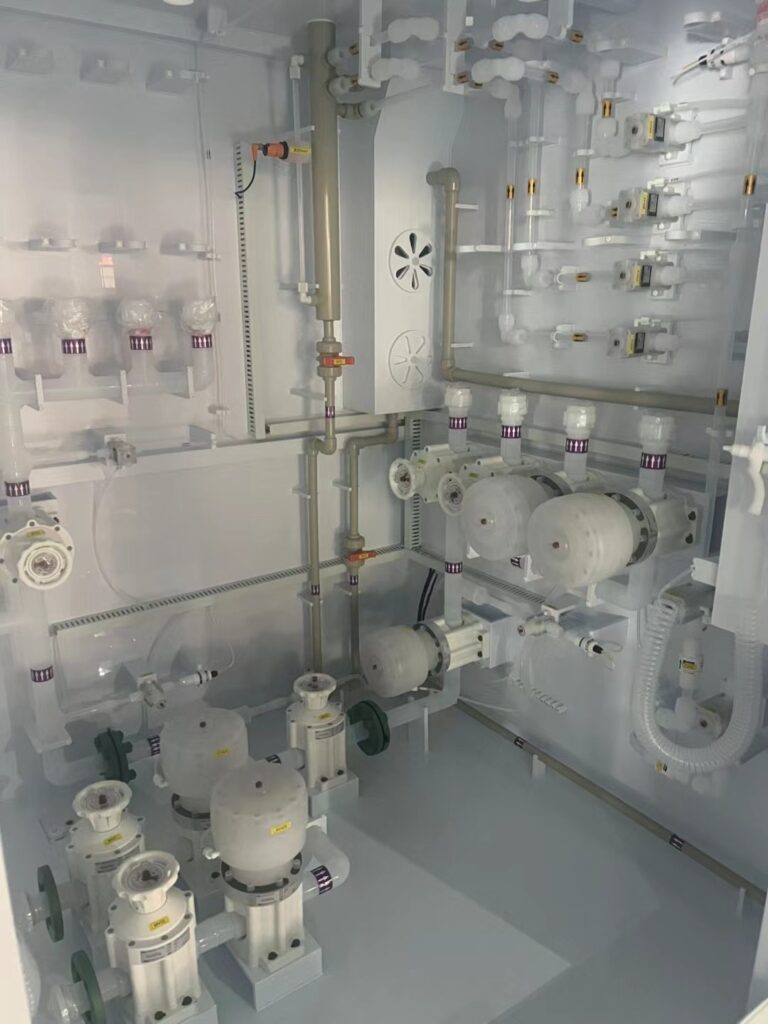
The integration of a Chemical Delivery Module (CDM) with automated process equipment represents an important step toward safer, more precise, and more efficient manufacturing.
A modern CDM combines chemical handling hardware with sensors, automated valves, pumps, PLC control, safety systems, and digital communication. When these components are properly integrated, chemical delivery can be synchronized with production recipes while maintaining stable flow, pressure, purity, and dosing accuracy.
For semiconductor and other high-precision manufacturing industries, successful CDM integration requires more than selecting individual components. It requires a complete engineering approach covering chemical compatibility, fluid control, automation architecture, safety, communication, maintenance, and data management.
As smart factories continue to develop, CDMs are expected to become increasingly intelligent. Future systems will place greater emphasis on real-time monitoring, predictive maintenance, remote diagnostics, automated recipe management, and integration with factory-level manufacturing systems.
Ultimately, a well-designed Chemical Delivery Module provides more than a reliable chemical supply. It becomes an intelligent process interface that connects chemical management with automated production, helping manufacturers achieve higher productivity, improved process consistency, stronger safety performance, and better control over the entire manufacturing operation.
For more about chemical delivery module (CDM) integration with automated process equipment, you can pay a visit to Jewellok at https://www.jewellok.com/ for more info.
-
Laboratory Gas Scrubber System With Wet Scrubber Tail Gas Treatment And Acid Gas Neutralization Scrubber
-
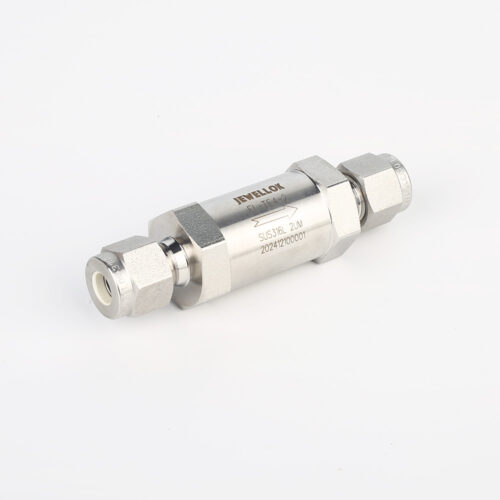
JF Series In-Line Gas Filters | High Purity High Precision High Flow Semiconductor Gas Filter Gas Filtration & Purification
-
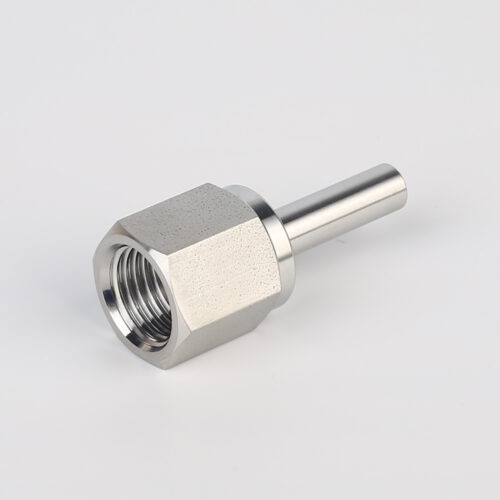
739LF High Purity Female Adapter Tube To Pipe Fittings And Connectors
-
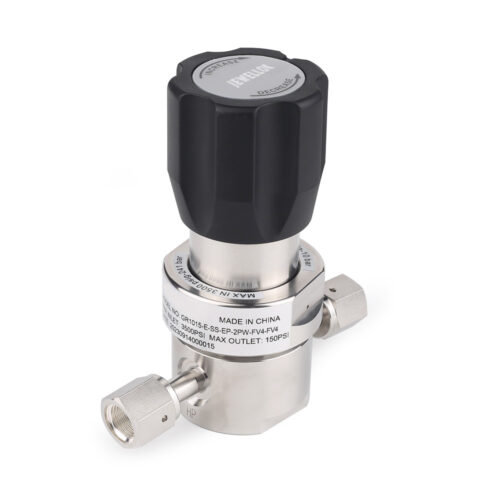
JR1000 Series UHP Ultra High Purity Single Stage Pressure Reducing Regulator And Low To Intermediate Flow
-
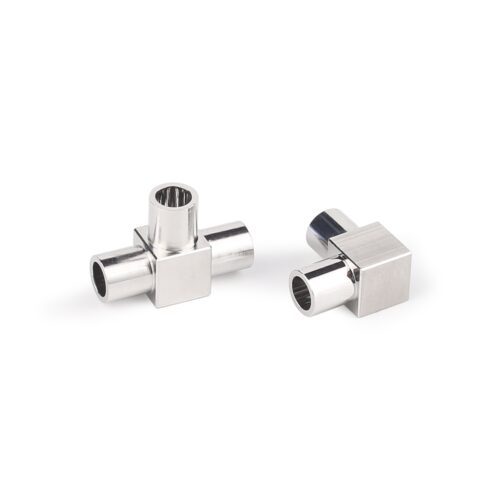
Stainless Steel Mini Elbow Mini Tee Mini Cross Mini Tribow Ultrahigh Purity Mini Butt Weld Fittings
-
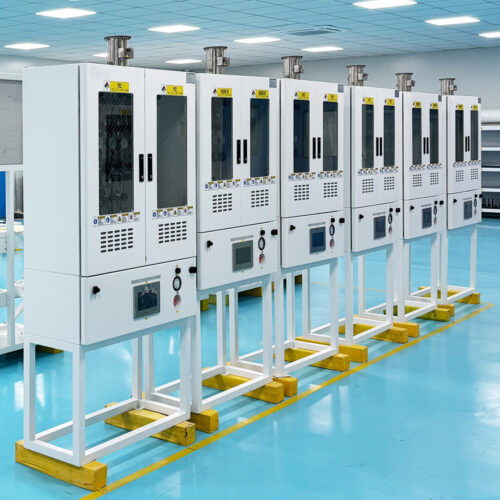
Ultra-High Purity Chemical Delivery Module (CDM) and Valve Manifold Box Integration Improving Semiconductor Yield
-
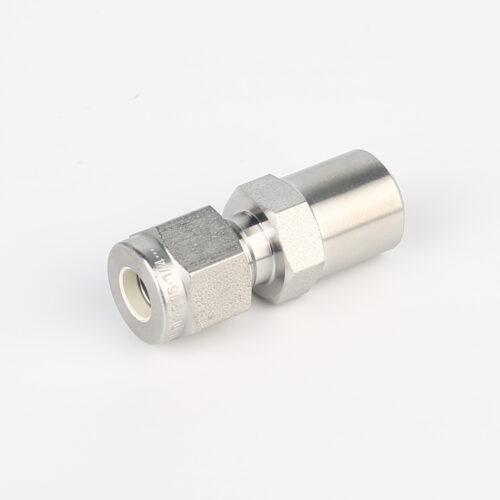
768LN Stainless Steel Male Pipe Tube Butt Weld Connector And Tube Fittings Supplier
-
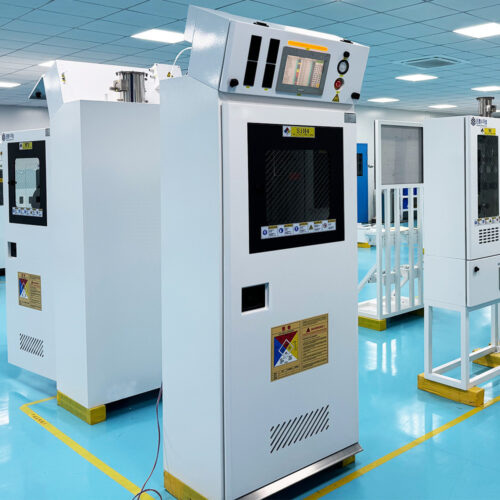
Bulk Specialty Gas Systems (BSGS) Gas Cabinets And Scrubber Tail Gas Treatment Cabinets For High Purity Bulk Specialty Gas Delivery