
Valves Manufacturer Tel: +86 13380377051
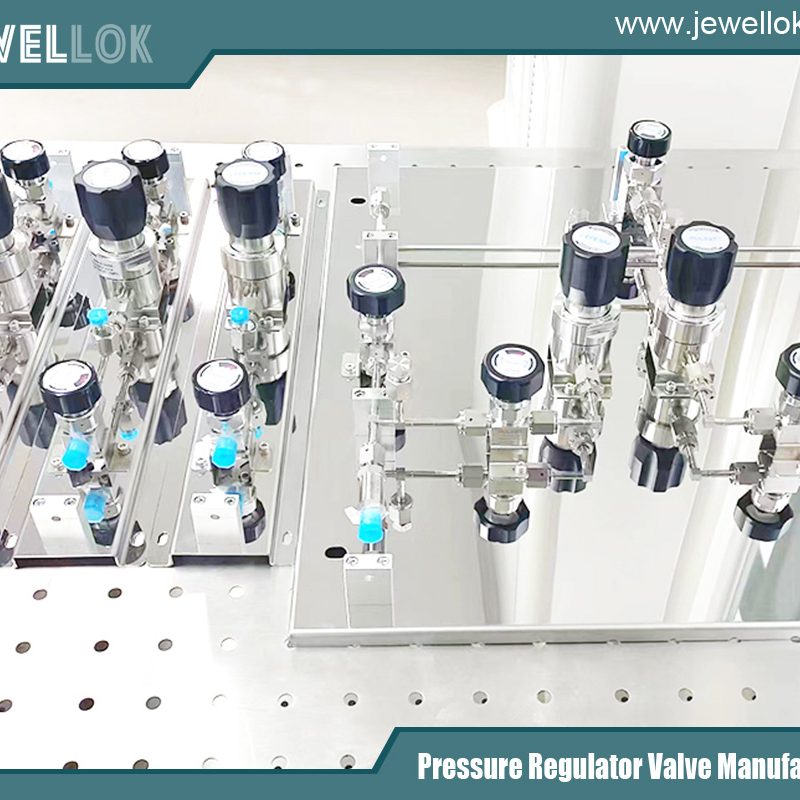
Laboratory Gas Valves for Corrosive and Toxic Gas Handling Applications
Laboratory gas handling systems require a much higher level of precision and safety than conventional industrial gas installations. When corrosive or toxic gases are used in semiconductor research, chemical analysis, materials science, pharmaceutical development, and advanced manufacturing laboratories, the gas valve becomes a critical component for controlling flow, pressure, isolation, and system integrity. A properly selected laboratory gas valve can help prevent leakage, contamination, corrosion, and uncontrolled gas release while maintaining stable process conditions.
Corrosive gases such as chlorine, hydrogen chloride, hydrogen fluoride, and sulfur dioxide can attack unsuitable metallic and polymeric materials. Toxic gases such as ammonia, arsine, phosphine, hydrogen sulfide, and other hazardous process gases can create serious safety risks even when handled in relatively small quantities. For these applications, laboratory gas valves must combine chemical compatibility, high leak tightness, precise control, reliable operation, and appropriate surface finishing.
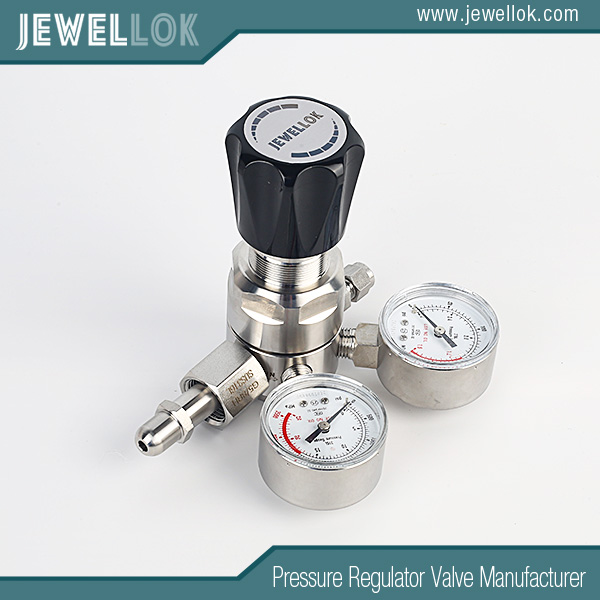
1. Why Gas Valve Selection Matters in Laboratory Applications
Laboratory gas systems are often compact, but their technical requirements can be extremely demanding. A typical system may include gas cylinders, pressure regulators, gas cabinets, valve manifolds, tubing, mass flow controllers, analytical instruments, and exhaust or abatement equipment. The gas valve connects these components and controls the movement of hazardous gases through the system.
A conventional valve designed for general-purpose compressed air or inert gas may not be suitable for corrosive or toxic gases. Material degradation, elastomer incompatibility, internal contamination, or inadequate sealing can gradually reduce system performance.
For hazardous gases, even a very small leak can be unacceptable. Therefore, laboratory gas valves should be selected according to the actual gas chemistry, pressure, temperature, flow requirements, connection configuration, and required cleanliness level.
The key objectives are:
- Prevent external leakage of hazardous gases
- Minimize internal contamination and particle generation
- Maintain stable gas flow and pressure
- Resist chemical corrosion
- Provide reliable shutoff performance
- Support repeated operation and maintenance
- Protect laboratory personnel and equipment
- Maintain gas purity when required
2. Common Types of Laboratory Gas Valves
Different laboratory processes require different valve configurations. Selecting the correct valve type is essential for achieving reliable gas control.
Diaphragm Valves
Diaphragm valves are widely used in high-purity and hazardous gas systems because the process gas can be isolated from the valve operating mechanism. The diaphragm provides a metal barrier between the process media and other internal components.
Metal diaphragm valves are particularly valuable in semiconductor and research applications where leak tightness and contamination control are important. They are commonly installed in gas delivery panels, laboratory gas manifolds, gas cabinets, and specialty process equipment.
Needle Valves
Needle valves are designed for precise flow adjustment. Their fine metering characteristics make them useful when laboratory processes require controlled gas flow rather than simple on/off isolation.
For corrosive gas applications, the wetted materials and sealing components must be carefully matched to the gas chemistry. A needle valve manufactured from chemically resistant materials can provide stable adjustment over a wide range of laboratory operating conditions.
Ball Valves
Ball valves are primarily used for fast isolation. Their relatively simple operating mechanism allows operators to quickly shut off gas lines during maintenance or emergency situations.
For laboratory hazardous-gas systems, high-quality stainless steel ball valves with appropriate seals can be used for isolation points, utility gas lines, and equipment connections. However, the valve’s internal design and sealing technology should be evaluated carefully when extremely high purity or ultra-low leakage is required.
Check Valves
Check valves prevent reverse gas flow. They can be useful in laboratory systems where backflow could contaminate another gas line or damage sensitive equipment.
A check valve should be selected according to cracking pressure, flow direction, pressure rating, material compatibility, and required leak performance.
3. Material Selection for Corrosive Gas Service
Material compatibility is one of the most important factors when selecting laboratory gas valves. The valve body, diaphragm, stem, seat, seals, springs, and other wetted components may all come into contact with the process gas.
316L stainless steel is commonly used in high-purity gas systems because it offers a combination of corrosion resistance, mechanical strength, cleanability, and availability. For demanding applications, specially processed stainless steel may be selected to provide improved surface characteristics and lower contamination risk.
However, 316L stainless steel is not universally resistant to every gas under every condition. Gas concentration, moisture content, temperature, pressure, and exposure time can significantly affect corrosion behavior.
For particularly aggressive gases, manufacturers may offer alternative alloys or specialized coatings. The complete wetted material set should therefore be reviewed rather than selecting a valve solely according to the body material.
4. Sealing Materials and Chemical Compatibility
Seals are another critical consideration. Common sealing materials include PTFE, PCTFE, EPDM, FKM, and other specialized polymers. Their chemical resistance varies significantly.
A seal that performs well with an inert gas may degrade rapidly when exposed to a strong oxidizer, halogen-containing gas, or other aggressive chemical.
When evaluating a laboratory gas valve, engineers should consider:
- Gas composition
- Gas concentration
- Operating temperature
- Operating pressure
- Exposure duration
- Moisture level
- Required service life
- Compatibility with cleaning procedures
For toxic and corrosive gases, the safest approach is to obtain material compatibility information directly from the valve manufacturer and compare it with the specific process conditions.
5. Leak Tightness and Containment
Leak prevention is fundamental to hazardous gas handling. Laboratory gas valves should provide reliable sealing both when open and when closed.
External leakage can expose laboratory personnel to hazardous gases, while internal leakage can cause cross-contamination or unwanted gas migration between process sections.
High-performance valves may use metal diaphragms, precision-machined sealing surfaces, and controlled manufacturing processes to achieve very low leakage rates. In high-purity applications, helium leak testing is commonly used to verify valve integrity.
Valve performance should be evaluated based on the actual system requirement rather than relying only on general terms such as “high quality” or “leak proof.” A qualified specification should identify the applicable leak rate, test method, pressure, and acceptance criteria.
6. Surface Finish and Cleanliness
For laboratory gas systems involving high-purity or reactive gases, internal surface quality can directly affect process performance.
Rough internal surfaces can trap moisture, particles, hydrocarbons, and other contaminants. These contaminants may later be released into the gas stream and affect sensitive experiments or manufacturing processes.
High-purity gas valves may therefore undergo specialized cleaning, polishing, passivation, and packaging procedures. Electropolished or mechanically polished 316L stainless steel surfaces are commonly used where low surface contamination and improved cleanability are required.
The valve should also be protected from contamination during transportation, installation, and maintenance. Cleanroom-compatible packaging can be particularly important for semiconductor and analytical applications.
7. Pressure and Temperature Requirements
Laboratory gas valves must be rated for the actual operating conditions of the system. This includes both normal operating pressure and potential pressure excursions.
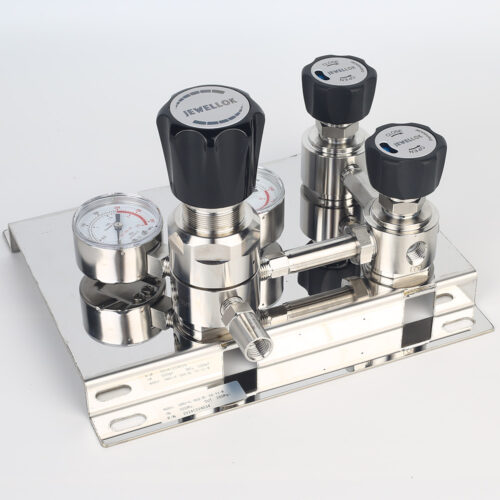
For cylinder-based systems, the upstream pressure can be considerably higher than the pressure required by laboratory equipment. In such systems, regulators and valves must work together to provide controlled pressure reduction and reliable isolation.
Temperature is also important because gas properties and sealing-material performance can change with temperature. Some corrosive gases may also exhibit significantly different behavior depending on temperature and moisture content.
Engineers should verify:
- Maximum working pressure
- Minimum and maximum operating temperature
- Pressure differential
- Flow capacity
- Connection size
- Valve actuation requirements
- Applicable safety factors
8. Connection Options for Laboratory Gas Systems
Connection design affects both installation reliability and leak performance. Common configurations include tube ends, compression fittings, threaded connections, and high-purity face-seal connections.
For high-purity and hazardous gas applications, face-seal fittings such as VCR-type connections are often preferred because they can provide highly reliable metal-to-metal sealing when properly installed.
The connection should match the tubing material, tubing size, installation method, and system cleanliness requirements. Mixing incompatible connection standards can create unnecessary leakage risks and maintenance difficulties.
9. Manual, Pneumatic, and Automated Valves
Laboratory systems can use manually operated valves for simple applications, while automated facilities may require pneumatic or electronically controlled valves.
Manual valves are straightforward and economical for low-frequency operation. However, automated valves can provide advantages where the process requires remote control, programmed sequencing, emergency shutdown, or interlocking with gas detection systems.
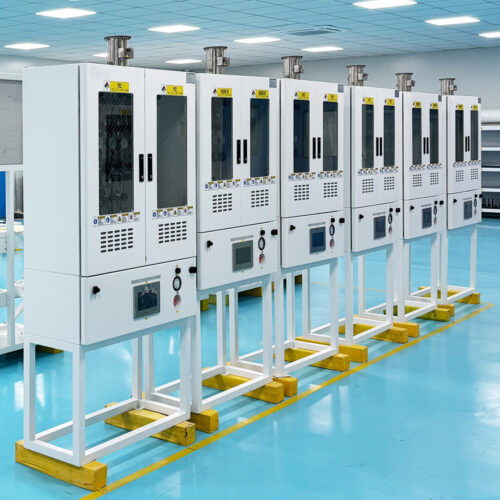
In a hazardous gas cabinet, for example, automatic valves can be integrated with pressure sensors, gas detectors, exhaust systems, and process controls. If an abnormal condition is detected, the control system can isolate the gas supply according to the facility’s safety design.
10. Applications in Research and Advanced Manufacturing
Laboratory gas valves are used across many industries.
In semiconductor research and manufacturing, high-purity valves control process gases used for deposition, etching, cleaning, and other specialized processes.
In chemical laboratories, valves may be used for corrosive gases in synthesis, reaction studies, and analytical experiments.
In materials research, controlled gas atmospheres are often required for thermal processing, surface treatment, and experimental environments.
Pharmaceutical and biotechnology laboratories may also use specialty gases for analytical instruments and controlled processes.
In environmental laboratories, gas valves can be incorporated into sampling systems and analytical equipment for measuring trace components.
Each application has different requirements, so the valve should be selected as part of the complete gas delivery system rather than as an isolated component.
11. Installation and Maintenance Considerations
Even a high-performance valve can fail to provide reliable service if it is improperly installed. Technicians should follow the manufacturer’s installation procedures and use appropriate tools and clean handling practices.
Before installation, valve ports and tubing should be inspected for contamination or damage. Tubing should be properly prepared and aligned without excessive mechanical stress.
After installation, the system should be pressure tested and leak checked according to the facility’s safety procedures. For hazardous gases, commissioning should be performed by qualified personnel using appropriate detection and ventilation systems.
Maintenance intervals should depend on valve design, operating frequency, gas chemistry, pressure, and service conditions. Any valve showing signs of corrosion, abnormal operation, leakage, or seal degradation should be evaluated before continued use.
12. Choosing a Reliable Laboratory Gas Valve Manufacturer
When purchasing valves for corrosive and toxic gas applications, price should not be the only selection criterion. A reliable supplier should be able to provide detailed technical documentation covering materials, pressure ratings, connection options, leak testing, cleaning procedures, and compatibility information.
For demanding applications, engineers should also evaluate manufacturing quality, traceability, inspection procedures, and technical support.
A capable manufacturer can help users select the appropriate valve architecture and wetted materials based on the actual gas, pressure, temperature, flow, and purity requirements.
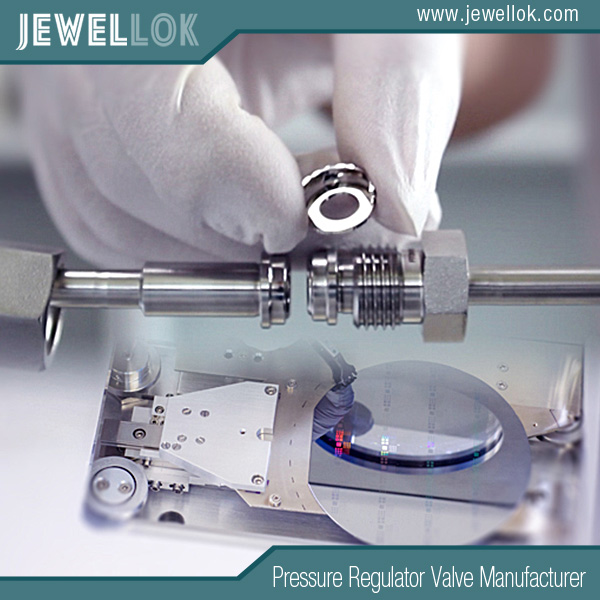
Conclusion
Laboratory gas valves for corrosive and toxic gas handling applications are essential components for safe, stable, and contamination-controlled gas delivery. Unlike ordinary utility valves, they must withstand demanding chemical environments while maintaining reliable sealing, precise control, and long-term mechanical performance.
Diaphragm valves, needle valves, ball valves, and check valves each serve different functions within laboratory gas systems. Material selection, sealing technology, surface finish, leak tightness, pressure rating, connection design, and automation capabilities should all be evaluated according to the specific application.
As laboratory research and advanced manufacturing continue to demand increasingly precise gas control, high-performance gas valves will remain an important part of modern gas delivery infrastructure. By selecting chemically compatible materials, applying appropriate cleanliness and leak-testing standards, and working with experienced valve manufacturers, laboratories can build gas handling systems that provide reliable performance while reducing the risks associated with corrosive and toxic gases.
For more about laboratory gas valves for corrosive and toxic gas handling applications, you can pay a visit to Jewellok at https://www.jewellok.com/ for more info.
-
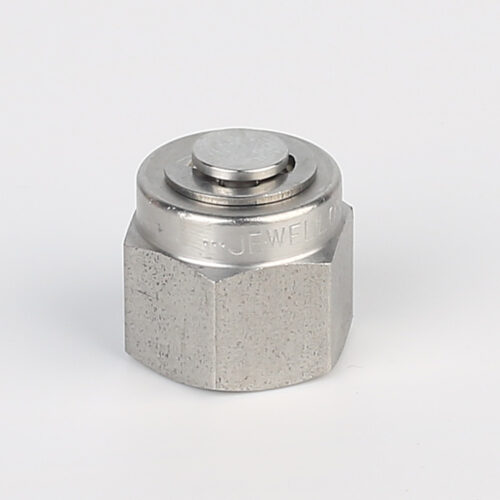
7121L Plug High Purity Plug Fitting And Blanking Plug
-
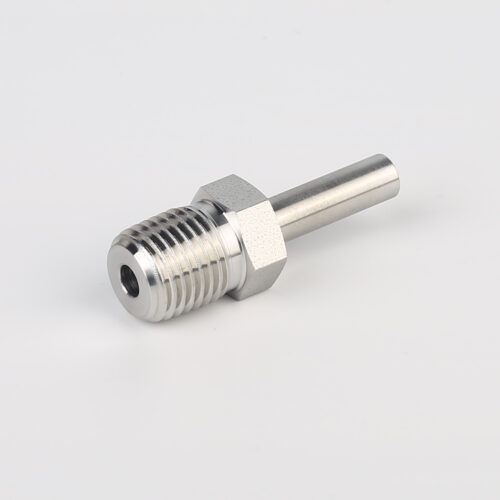
739 High Purity LMR Male Adapter Tube To Pipe Fittings And Adapters
-

Engineering Ultra-High Purity Fluid Control Liquid Chemical Delivery Module (CDM) And Chemical Delivery System (CDS) for Pharmaceutical Grade Applications
-
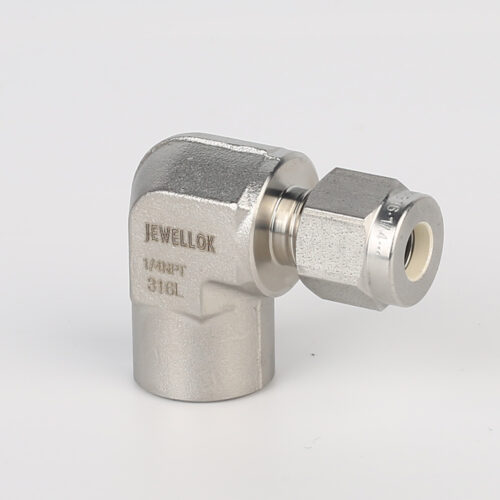
770L Female Elbow | Stainless Steel High Purity Weld Fittings Female Micro Elbow Fittings
-
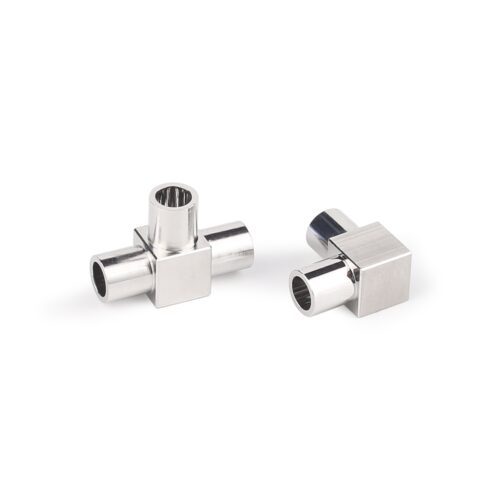
Stainless Steel Mini Elbow Mini Tee Mini Cross Mini Tribow Ultrahigh Purity Mini Butt Weld Fittings
-
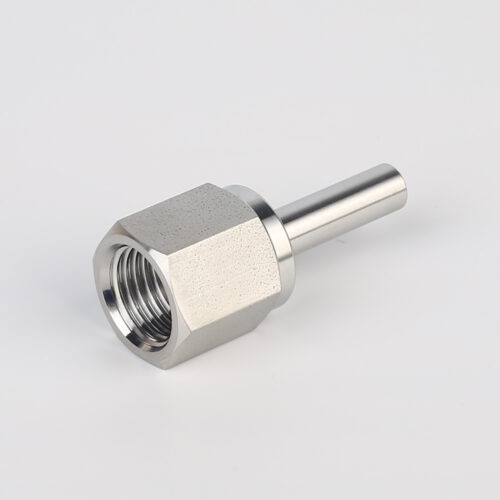
739LF High Purity Female Adapter Tube To Pipe Fittings And Connectors
-
VMB Valve Manifold Panels And Boxes High Purity Configurable Systems JW-200-VMB & JW-100-VMB
-
Stainless Steel 316L Single Stage Regulator Pressure Control Panels JSP-1E Series For Semiconductor Fluid Control