
Valves Manufacturer Tel: +86 13380377051
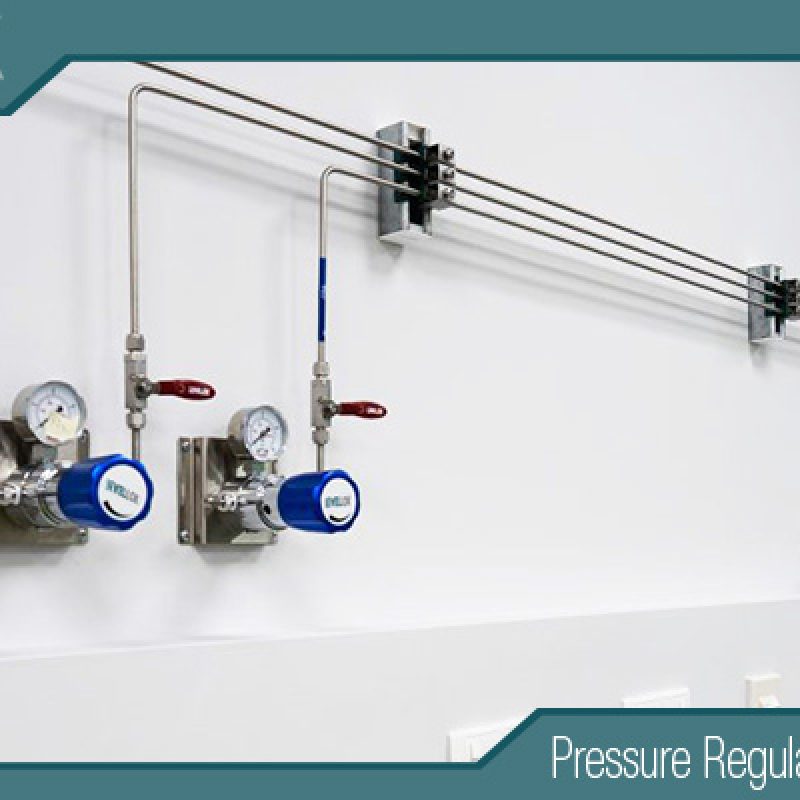
How to Select the Best UHP N2O Pressure Regulator for Semiconductor Gas Delivery Systems
Introduction
In semiconductor manufacturing, maintaining ultra-high purity (UHP) gas delivery is essential for achieving consistent process performance, high wafer yield, and contamination-free production. Among the various specialty gases used in semiconductor fabrication, nitrous oxide (N₂O) plays a critical role in processes such as chemical vapor deposition (CVD), plasma oxidation, dielectric film formation, and advanced semiconductor device manufacturing.
Because semiconductor processes require extremely precise gas control, selecting the right UHP N₂O pressure regulator is a key decision for engineers and equipment manufacturers. A high-performance pressure regulator not only reduces high-pressure gas from cylinders to a stable process pressure but also ensures purity, leak prevention, pressure stability, and long-term reliability under demanding cleanroom conditions.
This article explains the major factors to consider when selecting the best UHP N₂O pressure regulator for semiconductor gas delivery systems, including material compatibility, purity requirements, pressure control performance, safety features, and customization options.
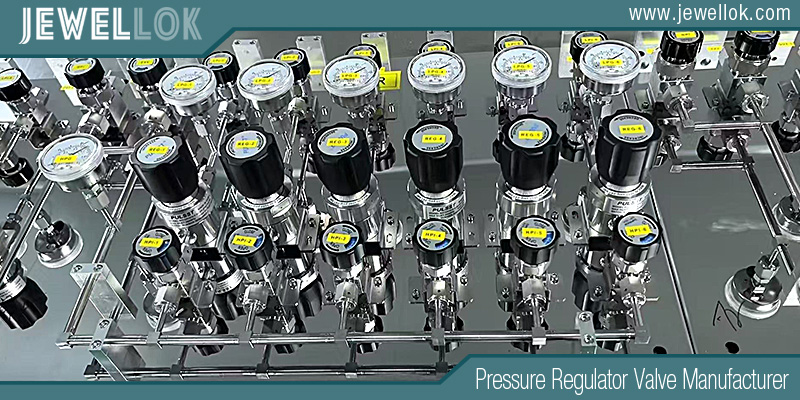
1. Understanding the Role of UHP N₂O Pressure Regulators in Semiconductor Applications
A UHP N₂O pressure regulator is a precision gas control component designed to regulate nitrous oxide from a high-pressure source to a controlled downstream pressure suitable for semiconductor process equipment.
In a typical semiconductor gas delivery system, the gas flow path includes:
- N₂O gas cylinders or bulk supply systems
- Gas cabinets
- Pressure control panels
- Gas purification components
- UHP diaphragm valves
- Mass flow controllers (MFCs)
- Process chambers
The pressure regulator acts as a critical interface between the gas source and the process equipment. Any instability, contamination, or leakage from the regulator can directly affect:
- Thin film uniformity
- Deposition rate
- Etching performance
- Device reliability
- Overall production yield
Unlike conventional industrial regulators, semiconductor-grade N₂O regulators must meet much stricter requirements for cleanliness, particle control, and gas purity.
2. Why N₂O Requires a Specialized UHP Pressure Regulator
Nitrous oxide is widely used in semiconductor manufacturing because of its unique chemical properties. It provides oxygen sources for oxidation processes and supports the formation of high-quality dielectric materials.
However, N₂O applications require highly controlled gas delivery because semiconductor processes operate within extremely narrow process windows.
A standard industrial pressure regulator may introduce problems such as:
- Metallic contamination
- Particle generation
- Internal adsorption of moisture or impurities
- Pressure fluctuation
- Gas leakage
For semiconductor applications, the regulator must be specifically designed with:
- Ultra-high purity wetted materials
- Advanced surface treatment
- Low dead volume structure
- High leak-tightness
- Stable pressure regulation
A properly selected UHP N₂O regulator helps maintain the integrity of the entire gas delivery system.
3. Material Selection: The Foundation of UHP N₂O Regulator Performance
Material compatibility is one of the most important factors when selecting an N₂O pressure regulator.
3.1 316L Stainless Steel Construction
Most semiconductor-grade regulators use high-quality 316L stainless steel because of its excellent corrosion resistance and compatibility with specialty gases.
High purity 316L stainless steel provides:
- Excellent chemical resistance
- Low metal ion contamination
- High mechanical strength
- Long service life
For advanced semiconductor applications, manufacturers often select semiconductor-grade stainless steel with controlled sulfur content and advanced melting processes such as:
- VIM (Vacuum Induction Melting)
- VAR (Vacuum Arc Remelting)
These processes improve material cleanliness and reduce microscopic defects.
3.2 Diaphragm Material Selection
The diaphragm is one of the most critical internal components because it directly controls gas pressure.
High-performance UHP N₂O regulators commonly use:
- Cobalt-based alloy diaphragms
- Hastelloy diaphragms
- High-strength stainless steel diaphragms
A high-quality diaphragm provides:
- Excellent fatigue resistance
- Minimal particle generation
- High cycle durability
- Reliable pressure response
For semiconductor applications requiring thousands of pressure cycles, diaphragm durability is essential.
4. Surface Finish and Cleanliness Requirements
In semiconductor gas systems, internal surface quality directly affects gas purity.
The internal surfaces of a UHP N₂O regulator should typically feature:
- Electropolished surfaces
- Low surface roughness
- Particle-free cleaning processes
- High-temperature vacuum cleaning
A smoother internal surface reduces:
- Gas adsorption
- Moisture retention
- Contamination risk
- Particle accumulation
Many semiconductor-grade regulators achieve internal surface roughness values below:
Ra ≤ 10–20 microinch
depending on application requirements.
For advanced semiconductor fabs, regulators may require even higher levels of surface treatment to support extremely sensitive processes.
5. Pressure Control Performance and Stability
Pressure regulation accuracy is another critical factor when choosing a UHP N₂O pressure regulator.
A good semiconductor regulator must maintain stable outlet pressure despite changes in:
- Gas consumption
- Cylinder pressure
- Temperature
- Flow demand
Important performance parameters include:
5.1 Outlet Pressure Stability
Stable outlet pressure ensures consistent gas delivery to process chambers.
Poor pressure stability may cause:
- Film thickness variation
- Process drift
- Reduced wafer consistency
5.2 Droop Performance
Pressure droop refers to the reduction of outlet pressure as flow increases.
A high-quality regulator minimizes droop through:
- Optimized diaphragm design
- Balanced valve structure
- Precision spring systems
5.3 Low Internal Volume Design
Low internal volume regulators are preferred for semiconductor applications because they reduce:
- Gas residence time
- Contamination risk
- Purge requirements
This is especially important for expensive specialty gases such as N₂O.
6. Leak Rate Requirements for Semiconductor Gas Systems
Gas leakage is a major safety and contamination concern in semiconductor facilities.
A UHP N₂O pressure regulator should provide extremely low external leakage performance.
Typical semiconductor requirements may include:
- Helium leak testing
- High sensitivity leak detection
- Metal-to-metal sealing technology
Advanced regulators can achieve leak rates such as:
<1 × 10⁻⁹ atm·cc/sec He
Low leakage performance ensures:
- Operator safety
- Reduced gas waste
- Improved process reliability
7. Connection Type and Integration with Gas Delivery Systems
When selecting a UHP N₂O regulator, connection compatibility must be considered.
Common connection options include:
VCR Connections
VCR face-seal fittings are widely used in semiconductor gas systems because they provide:
- High leak integrity
- Easy maintenance
- Excellent cleanliness
Tube Weld Connections
Orbital welded connections are often selected for permanent installation where maximum purity is required.
CGA Cylinder Connections
For cylinder-based systems, the regulator must match the appropriate gas cylinder connection standard.
Proper connection selection prevents:
- Installation problems
- Leakage risks
- Contamination during assembly
8. Single-Stage vs Two-Stage UHP N₂O Pressure Regulators
Another important consideration is regulator configuration.
Single-Stage Regulators
Advantages:
- Compact design
- Lower cost
- Simple operation
Suitable for:
- Less sensitive applications
- Stable supply pressure environments
Two-Stage Regulators
Advantages:
- Improved pressure stability
- Reduced outlet pressure fluctuation
- Better performance during cylinder pressure changes
Two-stage regulators are commonly preferred for advanced semiconductor applications because they provide superior control.
For critical CVD and oxidation processes, two-stage UHP N₂O regulators are often the better choice.
9. Safety Features for N₂O Gas Applications
Although N₂O is not classified as a highly toxic gas, it requires proper handling because it is an oxidizing gas and can create safety risks under improper conditions.
A semiconductor-grade regulator should include:
Overpressure Protection
Prevents excessive downstream pressure caused by abnormal operating conditions.
Metal Diaphragm Isolation
Prevents contamination from mechanical sealing components.
Fail-Safe Design
Ensures safe operation during pressure fluctuations or equipment failures.
High Reliability Testing
Professional manufacturers perform:
- Pressure testing
- Helium leak testing
- Cleaning verification
- Functional testing
10. Choosing a Reliable UHP N₂O Regulator Manufacturer
The quality of the manufacturer significantly affects regulator performance.
When evaluating suppliers, consider:
Semiconductor Industry Experience
Manufacturers with experience in:
- Gas cabinets
- Gas panels
- UHP valves
- Semiconductor gas delivery systems
usually understand semiconductor cleanliness requirements.
Manufacturing Capability
A qualified supplier should have:
- Precision machining capability
- Clean assembly environment
- Advanced inspection equipment
- Traceable material control
Customization Ability
Different semiconductor processes require different pressure ranges, flow capacities, and connection configurations.
A reliable manufacturer should provide customization options including:
- Outlet pressure settings
- Port configurations
- Special materials
- Surface treatment options
- OEM designs
11. Applications of UHP N₂O Pressure Regulators in Semiconductor Manufacturing
UHP N₂O regulators are widely used in:
CVD Systems
For controlling oxidation sources and dielectric film deposition gases.
ALD Processes
For precise atomic layer deposition applications requiring extremely stable gas delivery.
Semiconductor Etching Equipment
For controlled specialty gas supply.
Photovoltaic Manufacturing
For advanced thin-film processes.
MEMS Manufacturing
For precision microstructure fabrication.
12. Key Selection Checklist for UHP N₂O Pressure Regulators
Before purchasing a semiconductor-grade N₂O regulator, engineers should evaluate:
Purity Requirements
✔ Semiconductor-grade cleaning
✔ Electropolished internal surfaces
✔ Low particle generation
Material Compatibility
✔ 316L stainless steel body
✔ Corrosion-resistant diaphragm
✔ Compatible sealing materials
Performance
✔ Stable outlet pressure
✔ Low droop characteristics
✔ High repeatability
Safety
✔ Helium leak tested
✔ Overpressure protection
✔ Reliable sealing design
Integration
✔ Compatible VCR fittings
✔ Suitable pressure range
✔ Correct flow capacity
Conclusion
Selecting the best UHP N₂O pressure regulator for semiconductor gas delivery systems requires careful evaluation of material quality, pressure control performance, cleanliness, leakage performance, and manufacturing capability.
A semiconductor-grade regulator is much more than a simple pressure reduction device. It is a precision component that directly influences process stability, wafer quality, and production efficiency.
For advanced semiconductor manufacturing, the ideal UHP N₂O pressure regulator should feature high-purity 316L stainless steel construction, precision diaphragm technology, ultra-low leakage performance, electropolished internal surfaces, and reliable pressure control.
By choosing a professional supplier with semiconductor gas system expertise, manufacturers can ensure safer operation, improved process consistency, and long-term reliability in critical semiconductor fabrication environments.
For more about professional pressure control panels manufacturer for high purity gas delivery systems, you can pay a visit to Jewellok at https://www.jewellok.com/product-category/chemical-delivery-system/ for more info.
-
Scrubber Tail Gas Treatment Cabinet Waste Gas Treatment Wet Scrubber Exhaust Gas Treatment Spray Tower
-
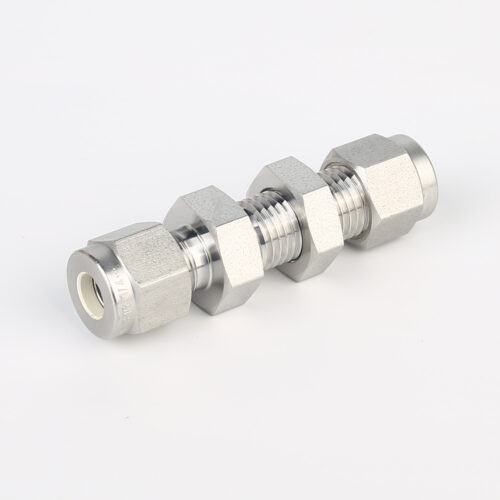
774L Stainless Steel UHP Fittings Butt Weld Bulkhead Union For High Flow Special Gas Fluid
-
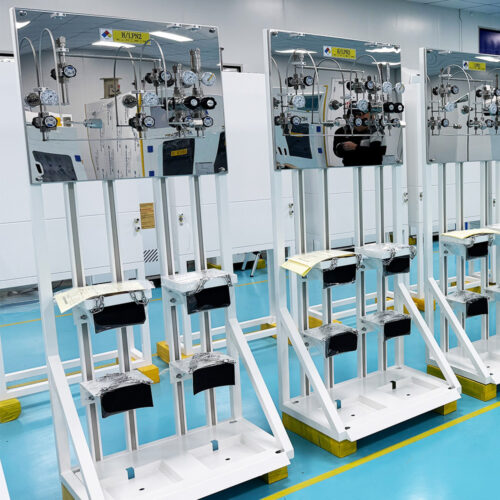
Semi-Automatic VMB Gas Cabinet With Semiconductor Valve Manifold Box Diaphragm Valves And Gas Pressure Regulators
-
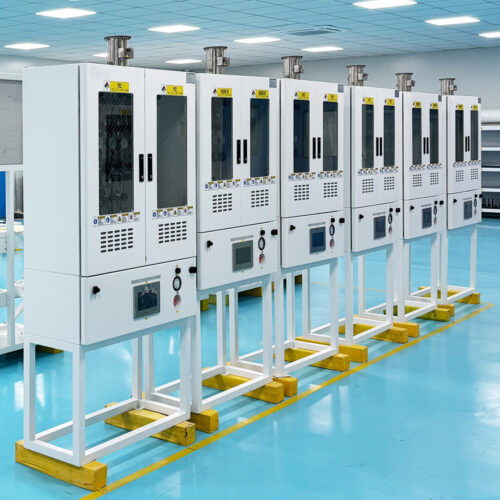
Liquid Chemical Delivery Module (CDM) for Semiconductor Fabrication and Ultra-High Purity Manufacturing
-
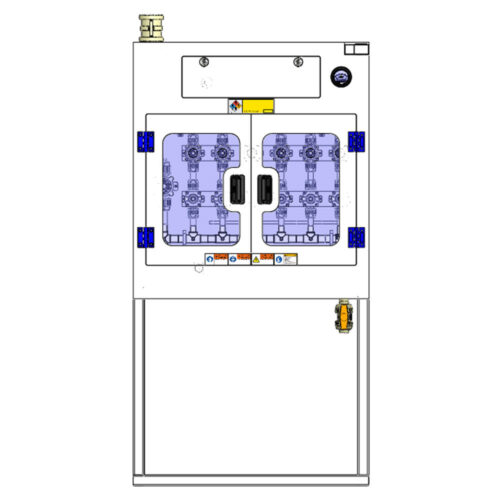
High Purity Configurable Systems VMB Valve Manifold Box JW-200-VMB-C & JW-100-VMB-C
-
High Purity High Pressure 316 Stainless Steel Ball Valves JBV1 Series From High Pressure Ball Valve Manufacturer And Supplier In China
-

Custom Chemical Delivery System (CDS) Engineering for Hazardous Etchants and Volatile Organic Solvent Distribution Systems
-
768L Stainless Steel Male Tube Butt Weld Connector | Clean Weld Fittings And Ultra-High Purity Fittings