
Valves Manufacturer Tel: +86 13380377051
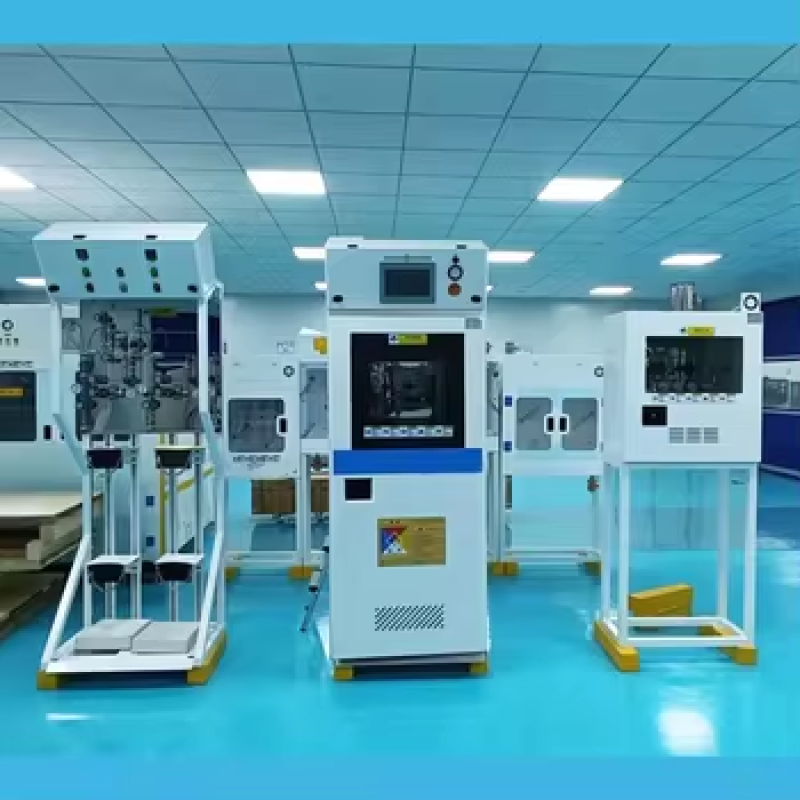
Understanding ALD Gas Cabinet Components and Gas Delivery Architecture
Introduction
As semiconductor technology advances toward smaller process nodes and increasingly complex device structures, Atomic Layer Deposition (ALD) has become one of the most important thin-film deposition technologies in modern chip manufacturing. ALD enables atomic-scale precision, exceptional film uniformity, and excellent conformality over complex three-dimensional structures, making it indispensable for logic ICs, memory devices, power semiconductors, MEMS, LEDs, and advanced packaging.
The performance of an ALD process depends not only on the reactor itself but also on the reliability and precision of its gas delivery system. At the heart of this system is the ALD Gas Cabinet, which safely stores, controls, monitors, and delivers ultra-high purity (UHP) process gases to the deposition chamber.
A properly designed ALD gas cabinet ensures stable gas flow, contamination-free delivery, operator safety, and compliance with semiconductor industry standards. This article explains the major components of an ALD gas cabinet, its gas delivery architecture, and the engineering principles that guarantee reliable operation in advanced semiconductor manufacturing.
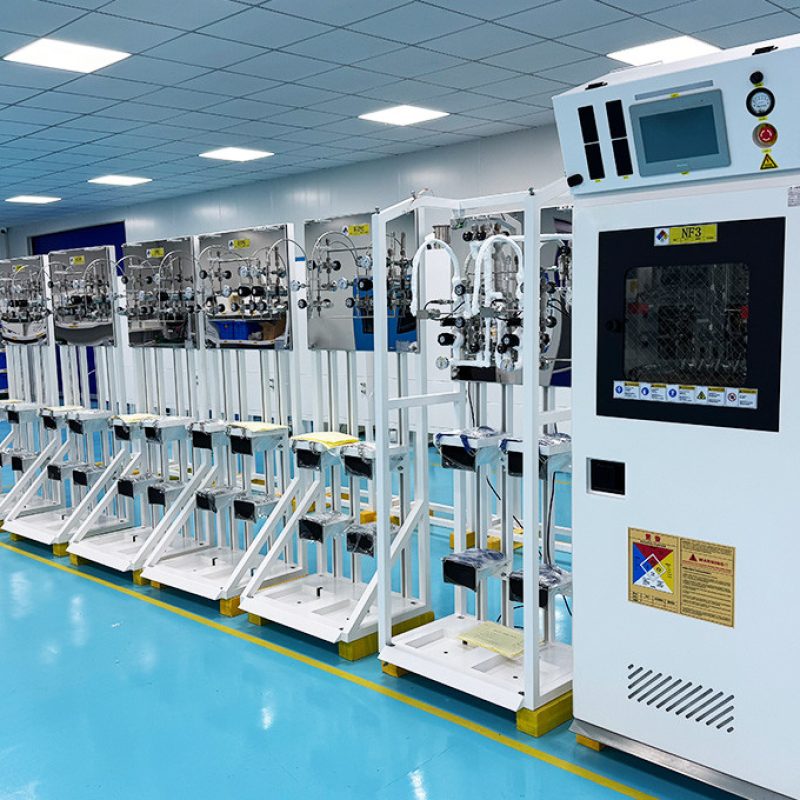
What Is an ALD Gas Cabinet?
An ALD Gas Cabinet is an integrated gas management system designed to deliver highly purified process gases from gas cylinders to ALD equipment under precisely controlled pressure, flow rate, and timing.
Unlike conventional industrial gas systems, semiconductor ALD applications require:
- Ultra-high purity gas delivery
- Zero particle generation
- Minimal dead volume
- Extremely low leak rates
- Precise pressure regulation
- Automated safety monitoring
- Fast purge capability
- Continuous gas supply
Typical gases handled include:
- Trimethylaluminum (TMA)
- Titanium Tetrachloride (TiCl₄)
- Hafnium Precursors
- Ammonia (NH₃)
- Nitrogen (N₂)
- Argon (Ar)
- Hydrogen (H₂)
- Oxygen (O₂)
- Ozone (O₃)
- Silane (SiH₄)
- Tungsten Hexafluoride (WF₆)
Many of these gases are toxic, pyrophoric, corrosive, or highly reactive, making sophisticated gas cabinet design essential.
Overall Gas Delivery Architecture
An ALD gas delivery architecture consists of several interconnected subsystems that work together to maintain gas purity and process stability.
The typical gas flow path includes:
Gas Cylinder
↓
Cylinder Connection Assembly
↓
Cylinder Valve
↓
Pressure Regulator
↓
Purge Panel
↓
Valve Manifold
↓
Mass Flow Controller (MFC)
↓
Pressure Sensors
↓
Automatic Isolation Valves
↓
Process Delivery Line
↓
ALD Reactor
↓
Exhaust & Scrubber System
Each stage is designed to eliminate contamination while maintaining precise gas control.
Primary Components of an ALD Gas Cabinet
1. Gas Cylinder Interface
The cylinder interface connects specialty gas cylinders to the cabinet.
Key features include:
- VCR face seal fittings
- High-purity stainless steel tubing
- Double containment
- Leak-free connections
- Easy cylinder replacement
Most semiconductor manufacturers use orbital welded tubing to eliminate particle generation and dead volume.
2. Cylinder Valve Assembly
The cylinder valve controls the initial release of gas into the system.
Modern systems often incorporate:
- Pneumatic actuation
- Automatic shutdown
- Position feedback
- Emergency isolation
- Remote monitoring
Automatic actuation minimizes operator exposure to hazardous gases.
3. High Purity Pressure Regulators
Pressure regulators reduce cylinder pressure to a stable working pressure suitable for process control.
Important characteristics include:
- Low internal volume
- Low droop
- High sensitivity
- Corrosion resistance
- Metal diaphragm construction
For semiconductor applications, regulators are typically manufactured from:
- 316L VIM-VAR Stainless Steel
- Hastelloy
- Nickel Alloys
Electropolished internal surfaces further reduce contamination.
4. Diaphragm Valves
Ultra-high purity diaphragm valves are among the most important components.
Their functions include:
- Gas isolation
- Flow switching
- Purging
- Process sequencing
- Emergency shutdown
High-end diaphragm valves offer:
- Helium leak rate below 1×10⁻⁹ atm·cc/sec
- Electropolished flow path
- Minimal dead volume
- High cycle life
- Particle-free operation
Cobalt alloy diaphragms provide superior fatigue resistance during repeated cycling.
5. Mass Flow Controllers (MFC)
The Mass Flow Controller accurately measures and regulates gas flow.
Typical accuracy:
±0.5% to ±1% of full scale
MFCs are critical because ALD film thickness depends directly on precursor dosage.
Advanced digital MFCs provide:
- Fast response
- High repeatability
- Digital communication
- Automatic calibration
- Self diagnostics
6. Pressure Sensors and Transducers
Pressure monitoring ensures stable gas delivery throughout the deposition cycle.
Measurements include:
- Cylinder pressure
- Line pressure
- Process pressure
- Differential pressure
Pressure data enables:
- Leak detection
- Flow verification
- Process optimization
- Predictive maintenance
7. Purge System
Purging removes residual gases before introducing another precursor.
Typical purge gases include:
- High purity Nitrogen
- Argon
Proper purge design prevents:
- Cross contamination
- Chemical reactions
- Particle formation
- Film defects
Automatic purge sequences are fully controlled by PLC software.
8. Valve Manifold
The manifold integrates multiple valves into one compact assembly.
Benefits include:
- Reduced leak points
- Compact layout
- Faster gas switching
- Simplified maintenance
- Better flow consistency
Modern manifolds are orbital welded for maximum cleanliness.
9. Gas Filters
Particle contamination is a major concern in semiconductor fabrication.
Gas filters typically remove:
- 0.003 μm particles
- Moisture
- Metallic contamination
High-purity metal filters are positioned before critical process equipment.
10. PLC Control System
The Programmable Logic Controller coordinates all cabinet operations.
Functions include:
- Valve sequencing
- Pressure monitoring
- Alarm management
- Purge cycles
- Interlock control
- Emergency shutdown
- Operator interface
Modern PLC systems communicate with factory automation using protocols such as:
- EtherNet/IP
- PROFINET
- Modbus TCP
- SECS/GEM
Safety Components
Handling hazardous semiconductor gases requires multiple redundant safety systems.
Typical safety devices include:
Gas Leak Detectors
Detect:
- Hydrogen
- Silane
- Ammonia
- Toxic gases
- Oxygen deficiency
Immediate actions include:
- Closing cylinder valves
- Activating alarms
- Starting exhaust systems
- Stopping gas supply
Automatic Shutoff Valves
Fail-safe pneumatic valves immediately isolate hazardous gases during emergencies.
Ventilation System
Continuous ventilation prevents gas accumulation inside the cabinet.
Typical airflow ranges from:
200–500 CFM depending on cabinet size.
Fire Detection
Some cabinets include:
- Heat sensors
- Smoke detectors
- Flame detectors
These integrate with facility emergency systems.
Emergency Stop (E-Stop)
The E-Stop button immediately shuts down:
- Gas supply
- Pneumatic control
- Electrical outputs
while maintaining critical safety ventilation.
Gas Purity Considerations
Even parts-per-billion contamination can negatively affect ALD film quality.
Critical contamination sources include:
- Moisture
- Oxygen
- Hydrocarbons
- Metallic particles
- Organic residues
To maintain purity, manufacturers use:
- Electropolished tubing
- Orbital welding
- High purity valves
- Metal gasket face seal fittings
- Cleanroom assembly
- Helium leak testing
- Nitrogen purging
Internal surface roughness is typically below:
Ra 10 μin (0.25 μm)
Automation and Smart Monitoring
Modern semiconductor fabs increasingly adopt Industry 4.0 technologies.
Intelligent ALD gas cabinets provide:
- Real-time monitoring
- Remote diagnostics
- Cloud connectivity
- Predictive maintenance
- Automatic gas consumption tracking
- Historical data logging
- Alarm trend analysis
Digital sensors continuously monitor:
- Pressure
- Temperature
- Valve position
- Gas concentration
- Flow rate
This enables proactive maintenance before failures occur.
Materials Used in ALD Gas Cabinets
Material selection significantly influences contamination control and corrosion resistance.
Common materials include:
| Component | Material |
|---|---|
| Tubing | 316L EP Stainless Steel |
| Diaphragm Valve | 316L VIM-VAR |
| Diaphragm | Cobalt Alloy |
| Pressure Regulator | Hastelloy / 316L |
| Fittings | VCR Stainless Steel |
| Filter Housing | Electropolished Stainless Steel |
These materials offer excellent corrosion resistance and ultra-clean performance.
Applications of ALD Gas Cabinets
ALD gas cabinets are widely used in:
- Semiconductor wafer fabrication
- Memory chip production
- Logic IC manufacturing
- Power semiconductor processing
- MEMS fabrication
- OLED manufacturing
- LED production
- Solar photovoltaic manufacturing
- Nanotechnology research
- University laboratories
Each application demands highly stable gas delivery and stringent contamination control.
Selecting the Right ALD Gas Cabinet
When evaluating an ALD gas cabinet, engineers should consider:
- Gas compatibility
- Number of gas lines
- Pressure range
- Flow accuracy
- Purge efficiency
- Leak integrity
- Safety certifications
- PLC functionality
- Maintenance accessibility
- Future scalability
Choosing a cabinet designed for your specific process chemistry helps maximize uptime, improve yield, and reduce operational risks.
Future Trends in ALD Gas Delivery Systems
The next generation of ALD gas cabinets is evolving to support advanced semiconductor manufacturing requirements. Key trends include:
- AI-assisted predictive maintenance
- Digital twin simulation
- Enhanced cybersecurity for industrial control systems
- Modular cabinet architecture
- Higher integration density
- Smart sensor networks
- Energy-efficient pneumatic systems
- Automated gas source changeover
- Remote health monitoring
- Full compatibility with smart semiconductor factories
As device geometries continue to shrink below the 2 nm node and new materials are introduced, gas delivery systems will require even greater precision, cleanliness, and reliability.
Conclusion
The ALD gas cabinet is a mission-critical subsystem in semiconductor manufacturing, serving as the foundation for safe, stable, and ultra-high purity gas delivery. Every component—from cylinder connections and pressure regulators to diaphragm valves, mass flow controllers, purge systems, and PLC automation—plays a vital role in maintaining process integrity and ensuring operator safety.
A well-designed gas delivery architecture not only minimizes contamination and enhances film quality but also improves equipment uptime, regulatory compliance, and long-term operational efficiency. As ALD technology continues to expand across advanced semiconductor, MEMS, OLED, and nanotechnology applications, investment in high-performance gas cabinet systems will remain essential for achieving superior manufacturing precision and consistent production yields.
For more about understanding ALD gas cabinet components and gas delivery architecture, you can pay a visit to Jewellok at https://www.jewellok.com/product-category/chemical-delivery-system/ for more info.
-
Scrubber Tail Gas Treatment Cabinet Waste Gas Treatment Wet Scrubber Exhaust Gas Treatment Spray Tower
-
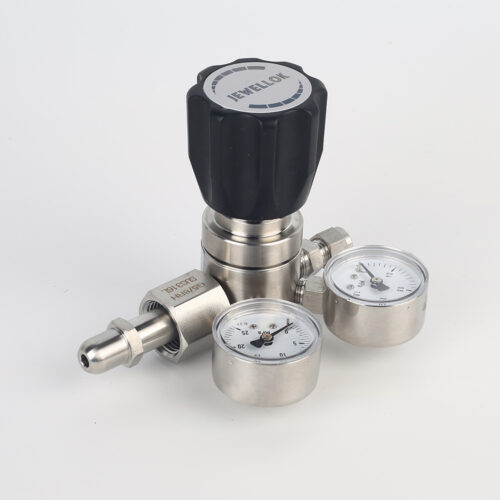
High Purity High Pressure Gas Cylinder Pressure Regulators Pressure Reducing Valve JSR-1E Series
-
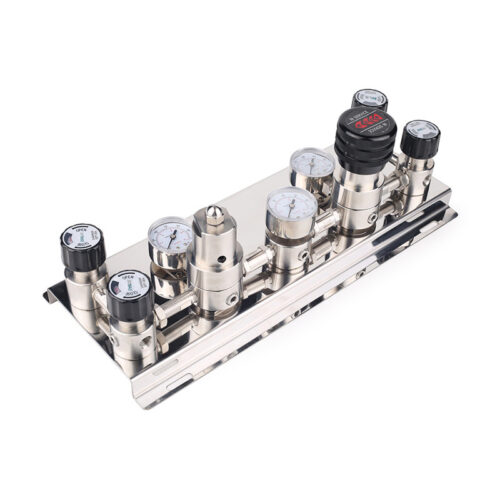
Automatic Gas Switchover System Automatic Switchover Manifold Automatic Gas Cylinder Switchover
-
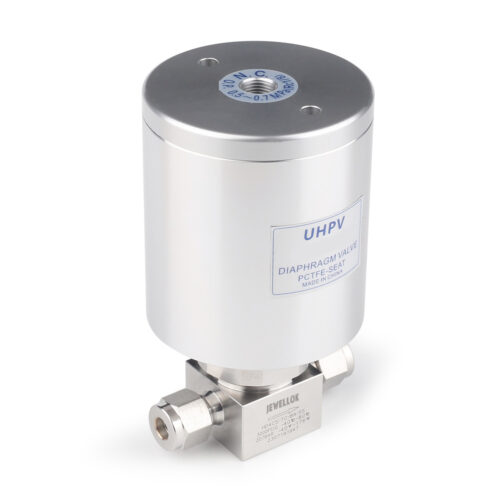
316L Stainless Steel Semiconductor High Purity High Pressure Pneumatic Diaphragm Valve For Laboratory Specialty Gases
-
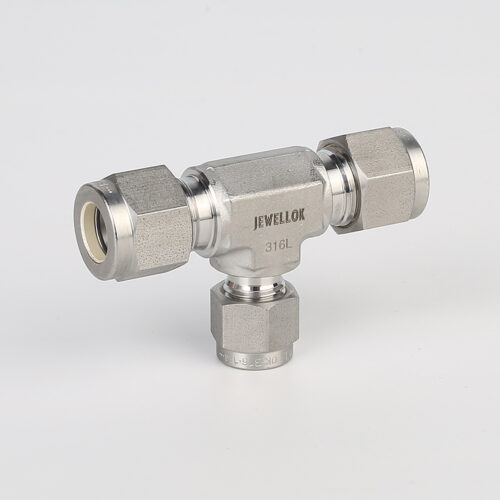
764LR Stainless Steel 316 Reducing Tee UHP Fitting Automatic Buttweld Reducing Tee
-
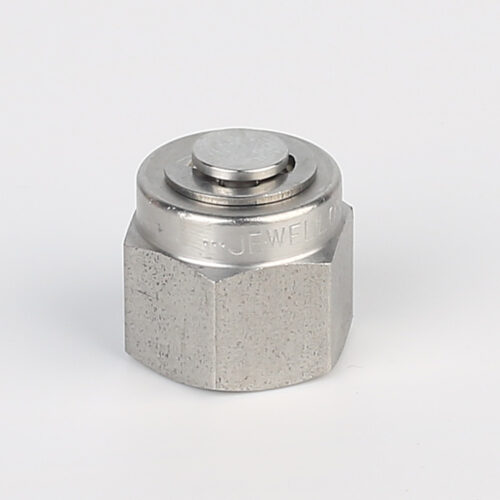
7121L Plug High Purity Plug Fitting And Blanking Plug
-
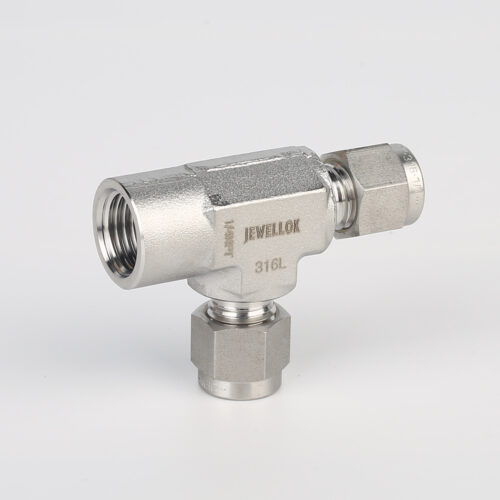
771LF Female Run Tee | Stainless Steel Tube Fitting Compression Fittings 1/4 In 3-Way Tee Female Run Tee
-
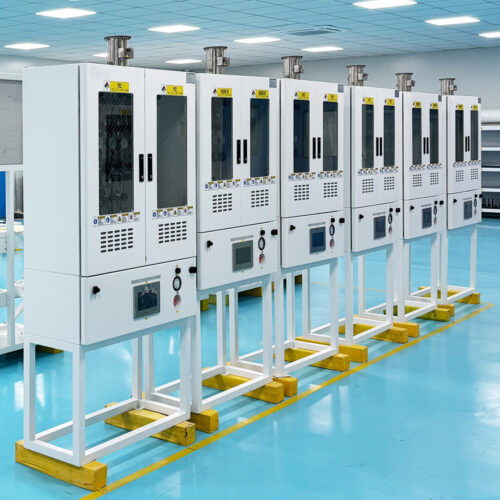
Liquid Chemical Delivery Module (CDM) for Semiconductor Fabrication and Ultra-High Purity Manufacturing