
Valves Manufacturer Tel: +86 13380377051
Chemical Dispense Unit (CDU): Design, Operation, and Applications in Modern Process Industries
1. Introduction
A Chemical Dispense Unit (CDU) is a critical subsystem used in industries that require precise, safe, and contamination-free delivery of chemicals. These industries include semiconductor manufacturing, pharmaceuticals, chemical processing, biotechnology, and advanced materials production. The CDU is responsible for storing, conditioning, metering, and delivering liquid or gaseous chemicals to process tools with high accuracy and repeatability.
As manufacturing processes become increasingly complex and sensitive, especially in semiconductor fabrication at nanometer scales, the demand for ultra-clean, reliable, and automated chemical delivery systems has grown significantly. CDUs play a vital role in ensuring process consistency, minimizing human exposure to hazardous substances, and optimizing chemical usage efficiency.
This article provides a comprehensive overview of CDU systems, including their design principles, components, working mechanisms, control strategies, and industrial applications.
2. Functional Overview of a CDU
At its core, a Chemical Dispense Unit performs several key functions:
- Chemical storage and containment
- Precise metering and dosing
- Pressure and flow regulation
- Filtration and purification
- Safe transfer to process equipment
- Monitoring and control
A CDU acts as an interface between bulk chemical supply (such as drums, tanks, or gas cylinders) and point-of-use equipment. It ensures that chemicals are delivered under controlled conditions, including flow rate, pressure, temperature, and purity.
3. Key Components of a CDU
A typical CDU consists of several integrated subsystems, each designed to perform a specific function:
3.1 Chemical Storage System
The storage system includes tanks or containers designed to hold chemicals safely. These may be constructed from materials such as stainless steel, fluoropolymers (e.g., PTFE, PFA), or high-purity plastics depending on chemical compatibility.
Key features include:
- Level sensors for monitoring volume
- Secondary containment for leak prevention
- Venting systems for pressure control
- Inert gas blanketing (e.g., nitrogen) to prevent contamination
3.2 Pumping and Delivery System
The pumping system is responsible for moving chemicals from storage to the point of use. Common pump types include:
- Diaphragm pumps – suitable for high-purity applications
- Peristaltic pumps – ideal for low contamination risk
- Gear pumps – used for precise volumetric flow
The selection depends on factors such as chemical properties, required flow rate, and cleanliness standards.
3.3 Flow Control and Metering
Accurate chemical delivery is achieved through:
- Mass flow controllers (MFCs)
- Flow meters (Coriolis, ultrasonic, or thermal)
- Control valves (manual or automated)
These components ensure consistent dosing, which is critical in applications like photolithography or chemical etching.
3.4 Filtration System
To maintain chemical purity, CDUs incorporate multi-stage filtration systems:
- Pre-filters for bulk contaminants
- Fine filters (down to sub-micron levels)
- Ultra-pure filters for semiconductor-grade chemicals
Filtration prevents particles from entering sensitive process tools.
3.5 Pressure Regulation System
Pressure regulators and sensors maintain stable delivery conditions. This is particularly important in gas-based CDUs where pressure fluctuations can affect process outcomes.
Components include:
- Pressure regulators
- Relief valves
- Back-pressure controllers
3.6 Piping and Valves
The internal piping network connects all CDU components. Materials must be chemically compatible and non-contaminating.
Common materials:
- Stainless steel (316L, electropolished)
- PFA or PTFE tubing
Valves used include:
- Diaphragm valves for ultra-clean applications
- Solenoid valves for automated control
3.7 Control System
Modern CDUs are equipped with advanced control systems that enable automation and remote monitoring. These systems typically include:
- Programmable Logic Controllers (PLCs)
- Human-Machine Interfaces (HMIs)
- Sensors for temperature, pressure, and flow
- Alarm and interlock systems
Integration with factory automation systems allows real-time process control and data logging.
4. Working Principle of a CDU
The operation of a CDU follows a structured sequence:
- Chemical Loading
Chemicals are loaded into storage tanks or connected via supply lines. - Conditioning
The chemical may be filtered, degassed, or temperature-controlled before use. - Pressurization
The system applies pressure (often using inert gas) to drive the chemical through the system. - Metering and Control
Flow controllers regulate the amount of chemical delivered. - Delivery to Process Tool
The chemical is transported through clean piping to the application point. - Monitoring and Feedback
Sensors continuously monitor system parameters, and feedback loops adjust operation as needed.
This closed-loop control ensures high precision and repeatability.
5. Design Considerations
Designing a CDU requires careful consideration of multiple factors:
5.1 Chemical Compatibility
All materials must resist corrosion and degradation. Incompatible materials can lead to contamination or system failure.
5.2 Cleanliness and Purity
In industries like semiconductor manufacturing, even trace contaminants can cause defects. Therefore:
- Use ultra-high purity (UHP) materials
- Minimize dead volumes
- Ensure smooth internal surfaces
5.3 Safety
CDUs handle hazardous chemicals, so safety is paramount:
- Leak detection systems
- Emergency shutoff valves
- Proper ventilation
- Compliance with safety standards (e.g., SEMI, OSHA)
5.4 Accuracy and Repeatability
Precise control of chemical delivery is essential. High-resolution sensors and stable control algorithms are required.
5.5 Scalability and Modularity
Modern CDUs are often modular, allowing easy expansion or customization based on process needs.
6. Applications of CDU Systems
6.1 Semiconductor Manufacturing
CDUs are extensively used in wafer fabrication processes such as:
- Photolithography (photoresist dispensing)
- Wet etching
- Chemical Mechanical Planarization (CMP)
Ultra-high purity and precise dosing are critical in these applications.
6.2 Pharmaceutical Industry
In pharmaceutical production, CDUs ensure accurate dosing of active ingredients and solvents, maintaining product quality and regulatory compliance.
6.3 Chemical Processing
CDUs are used to deliver reactants in controlled quantities, improving reaction efficiency and safety.
6.4 Biotechnology
Applications include cell culture media preparation and reagent delivery in bioreactors.
6.5 Display and Solar Panel Manufacturing
In these industries, CDUs handle specialty chemicals used in coating, cleaning, and etching processes.
7. Advantages of CDU Systems
- Improved Process Consistency
Automated control reduces variability. - Enhanced Safety
Minimizes human exposure to hazardous chemicals. - Higher Efficiency
Optimizes chemical usage and reduces waste. - Better Product Quality
Ensures precise and repeatable chemical delivery. - Scalability
Modular design supports system expansion.
8. Challenges and Limitations
Despite their advantages, CDUs face several challenges:
- High Initial Cost
Advanced materials and precision components increase system cost. - Maintenance Requirements
Regular calibration and filter replacement are necessary. - Complex Integration
Integration with existing systems can be technically demanding. - Sensitivity to Contamination
Requires strict handling and maintenance protocols.
9. Future Trends
The evolution of CDU technology is driven by advancements in automation, digitalization, and process requirements:
9.1 Smart CDUs
Integration with IoT and Industry 4.0 technologies enables:
- Predictive maintenance
- Real-time diagnostics
- Remote monitoring
9.2 Advanced Materials
Development of new materials improves chemical compatibility and reduces contamination risks.
9.3 Miniaturization
Compact CDU designs are being developed for space-constrained environments and point-of-use applications.
9.4 Sustainability
Efforts are being made to reduce chemical waste and improve energy efficiency.
Conclusion
Chemical Dispense Units (CDUs) are indispensable in modern industrial processes that demand precision, safety, and cleanliness. By integrating advanced components such as high-purity materials, precise flow control systems, and intelligent automation, CDUs ensure reliable and efficient chemical delivery.
As industries continue to evolve toward higher precision and stricter environmental and safety standards, CDU systems will play an increasingly important role. Future developments in smart technologies and materials science will further enhance their performance, making them even more integral to advanced manufacturing and processing environments.
In summary, the CDU is not just a supporting system but a critical enabler of high-quality, high-efficiency production in a wide range of industries.
For more about the chemical dispense unit (CDU): design, operation, and applications in modern process industries, you can pay a visit to Jewellok at https://www.jewellok.com/ for more info.
-

Liquid Chemical Delivery Module And Chemical Delivery System Semiconductor Chemical Automatic Liquid Supply Equipment
-
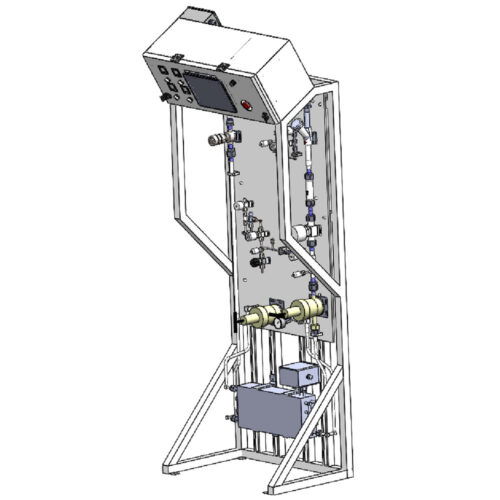
Fully Automated Gas Cabinet Gas Rack Gas Delivery Systems JW-300-GR
-
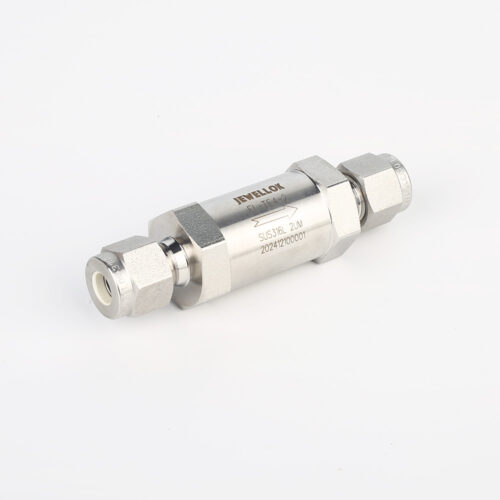
JF Series In-Line Gas Filters | High Purity High Precision High Flow Semiconductor Gas Filter Gas Filtration & Purification
-
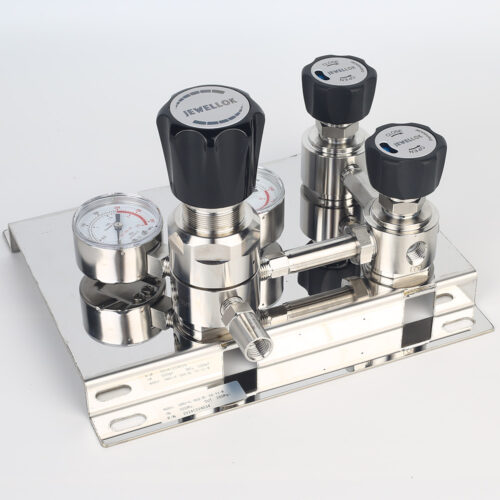
Stainless Steel 316L Single Stage Regulator Pressure Control Panels JSP-1E Series For Semiconductor Fluid Control
-
316L Stainless Steel Tube Butt Weld Reducing Fittings Union Reducer RW Series Ultrahigh Purity Process
-
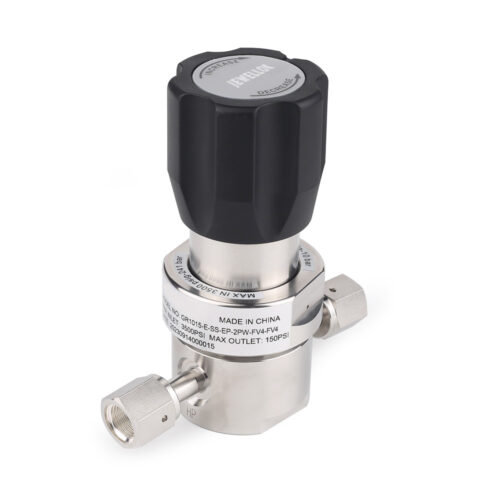
Specialty Gas Valves Ultra High Purity Gas Valves Ultra High Purity Gas Cylinder Valves UHP Cylinder Valve Ultra High Purity Gas Regulator
-
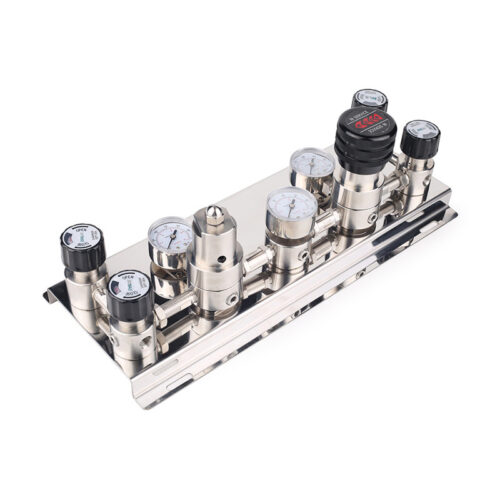
Stainless Steel High Pressure Specialty Gas Changeover Manifold For High Purity Oxygen Nitrogen Argon Helium Hydrogen Co2
-
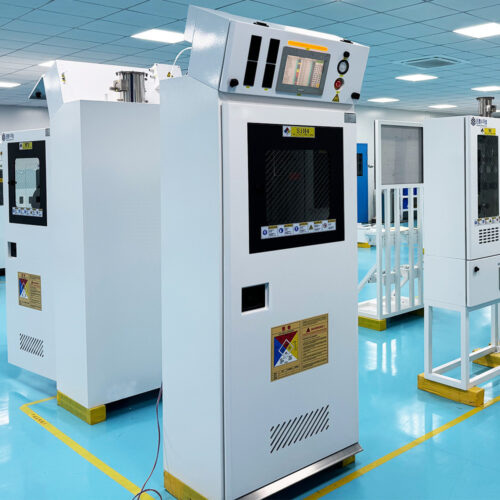
Ultra High Purity Trimethylaluminum TMA Gas Cabinet Liquid Delivering Cabinet Used For Specialty Gas Delivery System In Semiconductor