
Valves Manufacturer Tel: +86 13380377051
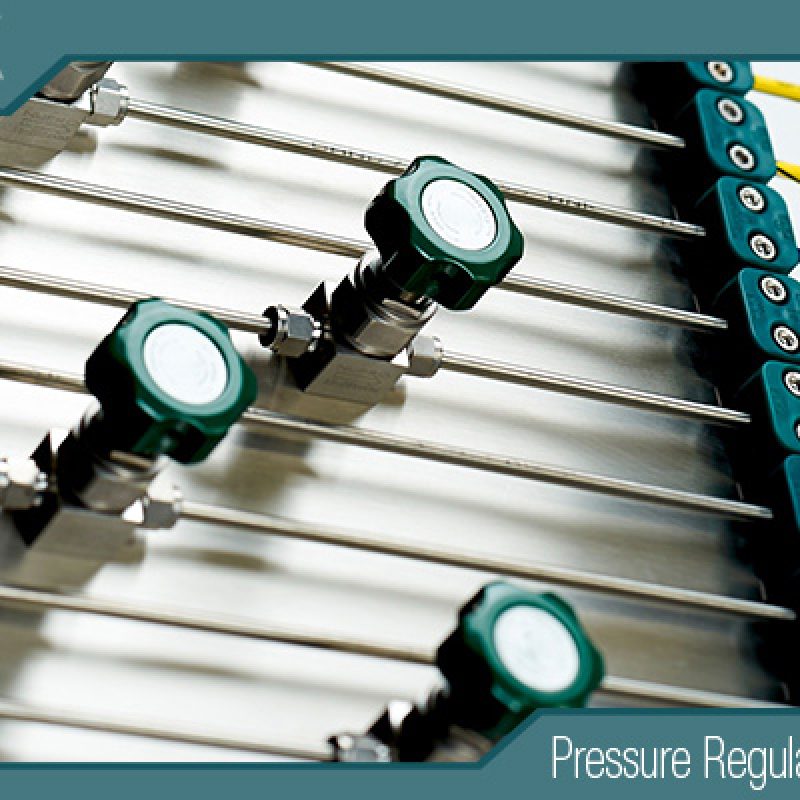
Ultra High Purity Pressure Regulator for Semiconductor Gas Delivery Systems
In semiconductor manufacturing, process gases must be delivered to production equipment with extremely high levels of purity, stability, and repeatability. Even trace contamination, pressure fluctuations, or particle generation can affect wafer quality, process uniformity, equipment reliability, and overall manufacturing yield. As semiconductor processes continue to move toward smaller geometries and more complex material structures, the performance of the gas delivery system has become increasingly important.
An Ultra High Purity Pressure Regulator (UHP pressure regulator) is a critical component in semiconductor gas delivery systems. It controls and stabilizes gas pressure from the source, such as a high-pressure gas cylinder, gas cabinet, or bulk gas supply, before the gas reaches downstream process equipment. Unlike conventional industrial regulators, UHP regulators are specifically engineered to minimize contamination, particle generation, dead volume, leakage, and outgassing.
This article explains the construction, operating principles, materials, performance requirements, applications, and selection considerations of ultra high purity pressure regulators for semiconductor gas delivery systems.
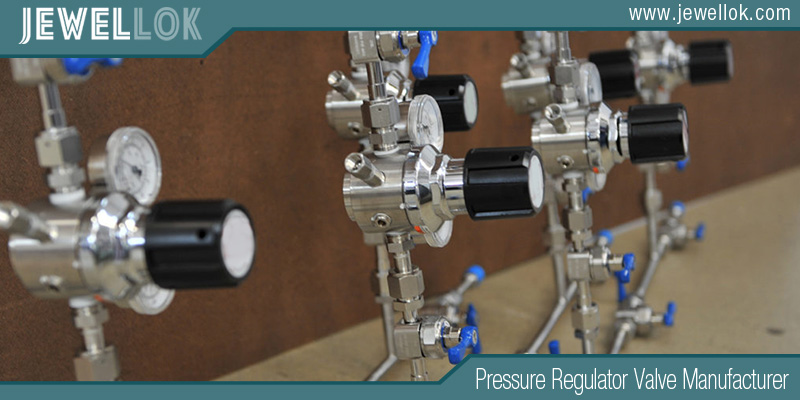
What Is an Ultra High Purity Pressure Regulator?
An ultra high purity pressure regulator is a precision pressure-control device designed to reduce and maintain the pressure of high-purity or specialty gases while minimizing contamination throughout the gas flow path.
In a typical semiconductor facility, gases may be supplied at relatively high pressure from cylinders or bulk systems. Semiconductor process equipment, however, normally requires a much lower and highly stable pressure. The regulator provides the transition between these pressure levels.
A UHP regulator generally performs several important functions:
- Reduces inlet pressure to the required downstream pressure
- Maintains stable outlet pressure under changing flow conditions
- Minimizes particle generation and gas contamination
- Prevents external leakage and internal leakage
- Provides repeatable pressure control
- Protects downstream components and process equipment
- Supports safe and reliable delivery of hazardous, corrosive, toxic, or reactive gases
Depending on the application, UHP pressure regulators can be installed in gas cabinets, gas panels, valve manifold boxes, point-of-use systems, specialty gas systems, and semiconductor process gas distribution networks.
Why Pressure Regulation Matters in Semiconductor Manufacturing
Semiconductor processes depend on precisely controlled gas flows and pressures. Processes such as chemical vapor deposition (CVD), atomic layer deposition (ALD), plasma etching, ion implantation, oxidation, diffusion, and chamber cleaning may use highly specialized gases.
If gas pressure is unstable, the resulting gas flow can fluctuate. This may influence reaction rates, plasma characteristics, deposition thickness, etch rates, and process uniformity.
For example, a regulator with poor pressure stability may cause downstream pressure variations during changes in gas consumption. These fluctuations can lead to inconsistent process conditions and potentially reduce wafer-to-wafer or batch-to-batch repeatability.
A properly designed UHP pressure regulator helps create a stable pressure environment between the gas source and the process tool. This contributes to predictable gas delivery and improved process control.
Key Design Features of UHP Pressure Regulators
The design of a semiconductor-grade pressure regulator differs significantly from that of a general-purpose industrial regulator.
1. High-Purity Wetted Materials
The internal gas-contacting surfaces must be manufactured from materials suitable for high-purity semiconductor applications.
High-quality 316L stainless steel is widely used because of its corrosion resistance, mechanical strength, and suitability for precision surface finishing. For demanding applications, materials and manufacturing processes may be selected to further reduce contamination and improve corrosion resistance.
The wetted components can include the regulator body, diaphragm, valve seat, springs, fittings, and internal flow passages. Material compatibility must be evaluated according to the specific process gas.
2. Electropolished Internal Surfaces
Surface condition is an important factor in UHP gas systems. Rough internal surfaces can provide locations where particles, moisture, or other contaminants may accumulate.
Electropolishing can improve the surface quality of stainless-steel components by removing a controlled amount of material and producing a smoother, cleaner surface.
A high-quality internal finish can help reduce particle retention and facilitate system cleaning and purging.
3. Metal Diaphragm Construction
Many semiconductor UHP regulators use a metal diaphragm to separate the sensing mechanism from the gas flow path.
Metal diaphragm technology provides several advantages:
- Low permeation
- Excellent gas isolation
- Reduced contamination risk
- Good pressure sensitivity
- Reliable operation over repeated cycles
Depending on the regulator design and gas compatibility requirements, specialized diaphragm materials may be used for demanding applications.
4. Low Internal Volume
Minimizing internal volume is another important design consideration.
A regulator with excessive internal volume can increase the amount of gas trapped inside the component. This can make purging more difficult and increase the potential for residual gas contamination.
Low-volume designs help improve gas replacement during purge cycles and can support faster stabilization during gas switching.
5. High Leak-Tightness
Gas leakage is a major concern in semiconductor gas delivery systems, especially when toxic, corrosive, flammable, or pyrophoric gases are involved.
UHP regulators are therefore designed with highly reliable sealing structures. Properly engineered connections, diaphragms, valve seats, and body components help minimize both external leakage and internal leakage.
Leak testing and helium leak testing may be incorporated into manufacturing and quality-control procedures according to the application and customer requirements.
Pressure Regulator Operating Principle
The basic operating principle is relatively straightforward.
High-pressure gas enters the regulator through the inlet port. A sensing mechanism monitors the downstream pressure. The regulator then adjusts the internal valve opening to maintain the desired outlet pressure.
When downstream pressure decreases, the regulator responds by allowing more gas to pass through. When downstream pressure rises toward the set point, the valve restricts gas flow.
In semiconductor applications, this control process must be highly stable because even relatively small pressure variations can affect downstream mass flow controllers and process conditions.
The regulator therefore needs to provide predictable pressure control across different inlet pressures and flow rates.
UHP Pressure Regulators in Gas Cabinets
Gas cabinets are commonly used to safely store and control semiconductor process gas cylinders. Inside a gas cabinet, the pressure regulator is one of the key components of the gas delivery assembly.
A typical configuration may include:
Gas Cylinder → Cylinder Valve → Filter → UHP Pressure Regulator → Isolation Valve → Pressure Sensor → Mass Flow Controller → Process Equipment
The exact configuration varies depending on the gas, system architecture, safety requirements, and process tool.
For hazardous gases, the regulator must work together with automatic valves, gas detection systems, purge systems, excess-flow protection, and other safety components.
The regulator must also be compatible with the gas cabinet’s automated control system where automatic pressure management is required.
Applications in Semiconductor Gas Delivery
Ultra high purity pressure regulators are used in a broad range of semiconductor and advanced manufacturing applications.
CVD Gas Delivery
Chemical vapor deposition requires precise delivery of precursor and process gases. Stable pressure regulation helps provide consistent gas conditions to the mass flow control system and process chamber.
ALD Gas Systems
Atomic layer deposition requires highly controlled precursor delivery and gas switching. Low internal volume and excellent purge characteristics can be particularly valuable in ALD gas delivery systems.
Etch Gas Panels
Plasma etching may use corrosive and reactive gases. Regulator materials must therefore provide appropriate chemical compatibility and long-term reliability.
Specialty Gas Systems
Semiconductor facilities may use gases with different chemical properties, including inert, oxidizing, reducing, toxic, corrosive, and reactive gases. Regulator selection should always be based on actual gas composition, pressure, temperature, and operating conditions.
Point-of-Use Gas Delivery
At the point of use, pressure regulation can provide the final pressure control required before gas enters the process equipment. Compact UHP regulators can be integrated into localized gas panels and distribution modules.
How to Select the Right UHP Pressure Regulator
Selecting a pressure regulator requires more than simply matching inlet and outlet pressure.
Gas Compatibility
The first consideration should be the process gas. The regulator’s body, diaphragm, seat, seals, and other wetted components must be chemically compatible with the gas.
For corrosive or highly reactive gases, material compatibility becomes particularly important.
Inlet and Outlet Pressure
The regulator must be rated for the maximum inlet pressure of the gas source and the required downstream operating pressure.
Engineers should consider both normal operating conditions and possible pressure excursions.
Flow Rate
Flow capacity must match the application’s actual gas consumption.
An undersized regulator may create excessive pressure drop, while an oversized regulator may provide poor control resolution under low-flow conditions.
Connection Type
Common UHP gas system connections include VCR-type connections and other high-integrity tube or fitting configurations.
The connection should match the tubing, valve, gas panel, and downstream equipment while maintaining the required cleanliness and leak-tightness.
Surface Finish and Cleanliness
For semiconductor applications, internal surface quality and cleanliness are critical. Customers may specify requirements for surface treatment, particle control, cleaning, packaging, and inspection.
Pressure Stability
The regulator should provide stable outlet pressure under changing inlet pressure and flow conditions. Performance specifications should be evaluated under realistic operating conditions rather than relying only on nominal pressure ratings.
Importance of Manufacturing and Cleaning
A high-performance UHP pressure regulator is not defined only by its component design. Manufacturing, cleaning, assembly, testing, and packaging are equally important.
Precision machining must be carefully controlled to prevent burrs, particles, and surface defects. After machining and surface treatment, components should undergo appropriate cleaning procedures to remove oils, residues, particles, and other contaminants.
Assembly should be performed in a controlled environment suitable for the required cleanliness level.
Depending on customer specifications, final products may undergo:
- Helium leak testing
- Pressure testing
- Functional testing
- Particle inspection
- Dimensional inspection
- Surface-finish inspection
- Cleaning verification
- Packaging inspection
Proper packaging is also important because a clean regulator can become contaminated during transportation or storage if it is not adequately protected.
UHP Regulators and System Reliability
The regulator is only one part of a semiconductor gas delivery system, but its performance can influence the entire system.
A reliable regulator helps maintain stable pressure for downstream components such as mass flow controllers, valves, filters, and process tools.
Poor pressure regulation can contribute to unstable flow, unnecessary equipment adjustments, process variation, and maintenance problems.
For this reason, semiconductor manufacturers and gas-system integrators should consider the regulator as part of the overall pressure-control architecture rather than as an isolated component.
Future Trends in Semiconductor Pressure Regulation
As semiconductor manufacturing continues to develop, gas delivery systems are becoming more automated, compact, and intelligent.
Future UHP pressure regulators are likely to place greater emphasis on:
- Improved pressure stability
- Smaller internal volume
- Higher flow capacity
- Better corrosion resistance
- Advanced diaphragm technology
- Digital pressure monitoring
- Automated diagnostics
- Predictive maintenance
- Improved compatibility with smart gas cabinets
- Higher levels of manufacturing traceability
Integration with sensors and digital control systems can provide more information about pressure behavior and equipment performance. This can support predictive maintenance and help engineers identify abnormal operating conditions before they affect production.
Conclusion
An Ultra High Purity Pressure Regulator for Semiconductor Gas Delivery Systems is a critical component for achieving stable, clean, and reliable process gas delivery. Its performance directly influences downstream pressure stability, gas flow control, equipment protection, and process consistency.
For semiconductor applications, regulators must be designed around more than pressure reduction. Materials, internal surface finish, diaphragm technology, leak tightness, internal volume, cleanliness, gas compatibility, flow capacity, and manufacturing quality all need to be considered.
As semiconductor processes become increasingly sensitive to contamination and pressure variation, the demand for high-performance UHP pressure regulators will continue to grow. By selecting the appropriate regulator and integrating it correctly into gas cabinets, gas panels, and point-of-use delivery systems, semiconductor manufacturers can build more stable and reliable gas distribution infrastructure for advanced process applications.
For more about ultra high purity pressure regulator for semiconductor gas delivery systems, you can pay a visit to Jewellok at https://www.jewellok.com/ for more info.
-
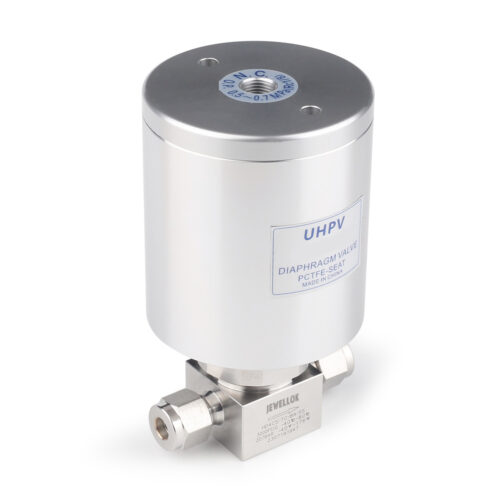
High Pressure High Temperature Pneumatic Ultrahigh Purity Stainless Steel Diaphragm Valves
-
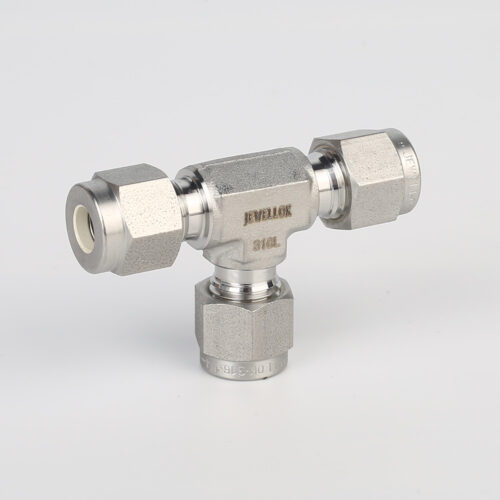
764L Stainless Steel Union Tee High Purity Fitting Union Tee Reducing Tubing Connection
-
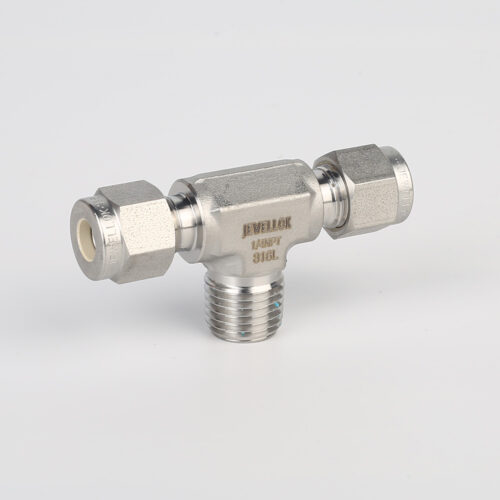
772L Male Branch Tee | Stainless Steel High-Purity Tube Fitting Male Branch Tee
-
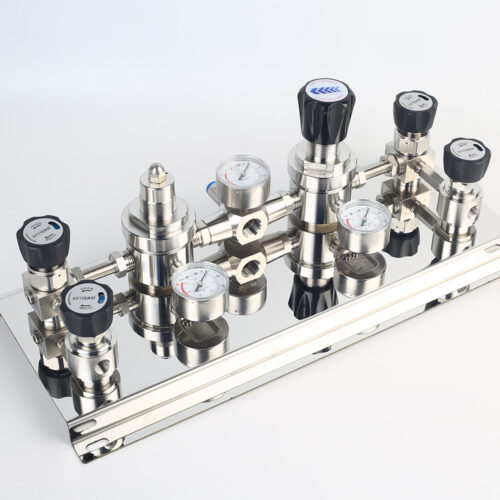
Stainless Steel Single Stage Semiconductor Grade Pressure Control Module Pressure Control Panels JSP-6A Series
-
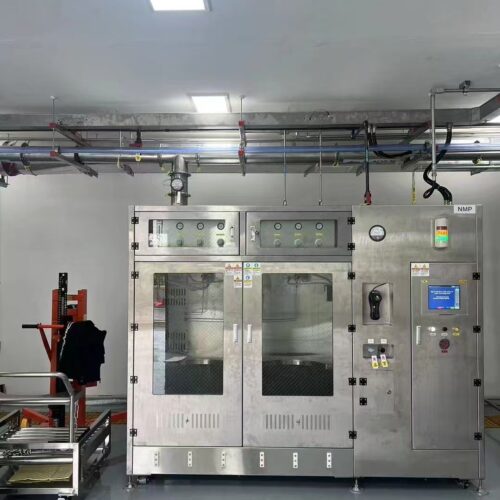
UHP Bulk Liquid Chemical Delivery System (BCDS) Implementation for High-Efficiency Photovoltaic and Solar Cell Production Lines
-
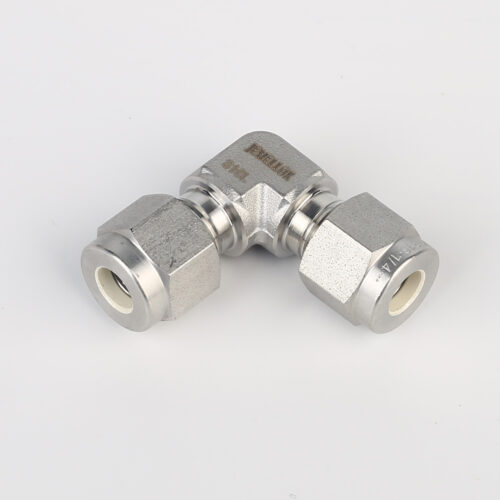
765L Stainless Steel Union Elbow Reducing High Purity Fitting Tubing Extension Tubing Connection
-
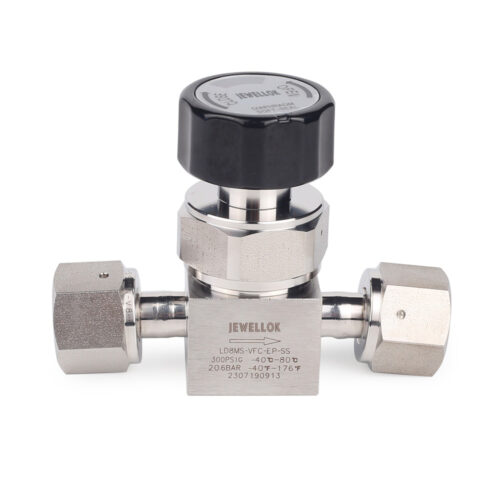
316L Vim Var Stainless Steel Ultra High Purity Diaphragm Valve Options For Semiconductor Gas Distribution Systems
-
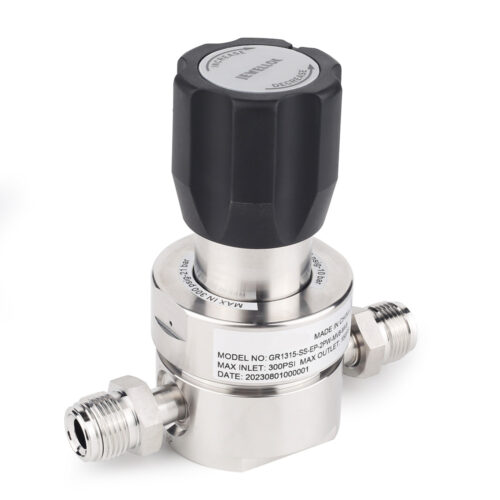
JR1300 Series Ultra High Purity Single Stage Regulator High Flow Line Regulator For Ultra High Purity Intermediate Flow