
Valves Manufacturer Tel: +86 13380377051
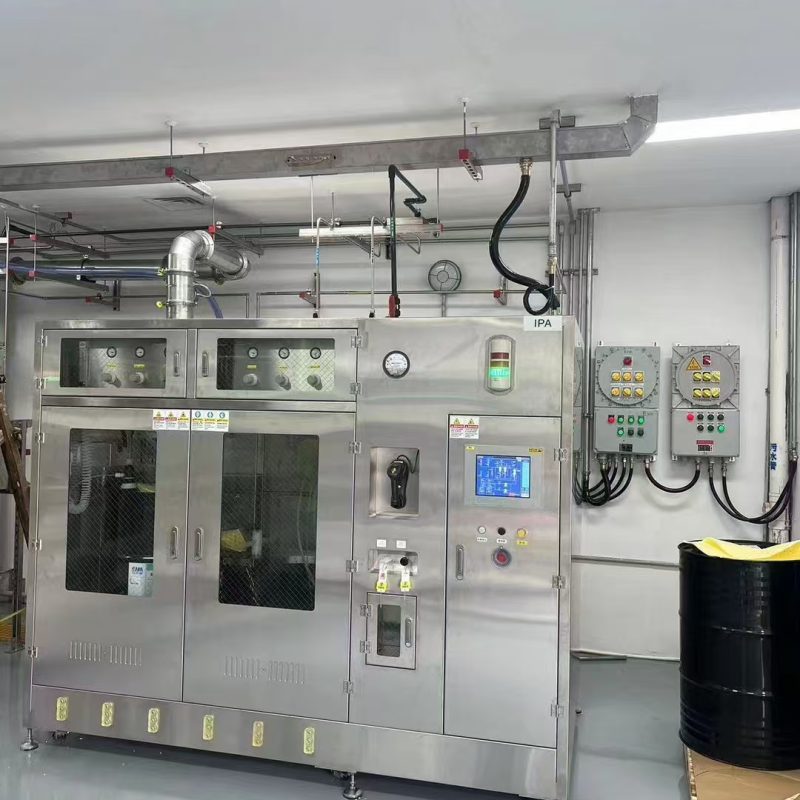
Chemical Dispense Unit for DI Water, Acids, and Solvent Delivery in Semiconductor Manufacturing Facilities
1. Introduction
In modern semiconductor manufacturing, process stability and chemical purity directly determine wafer yield, device performance, and production efficiency. Among all auxiliary subsystems in a fab, the Chemical Dispense Unit (CDU) plays a critical role in delivering ultra-pure chemicals such as DI (deionized) water, acids, and solvents to wet benches, cleaning modules, etching tools, and advanced process equipment.
As semiconductor nodes continue shrinking to 5 nm and below, contamination tolerance has reached the sub-ppt (parts per trillion) level for certain metallic ions and particles. This makes chemical handling systems not just a utility infrastructure, but a precision-engineered process control system.
A high-performance CDU must ensure three core objectives:
- Ultra-high chemical purity preservation
- Stable and precise flow/pressure control
- Safe and reliable multi-chemical distribution
This article provides a comprehensive technical overview of CDU systems used for DI water, acid, and solvent delivery in semiconductor fabs, including architecture, materials, control strategy, safety design, and industry trends.
2. Role of Chemical Dispense Units in Semiconductor Fabs
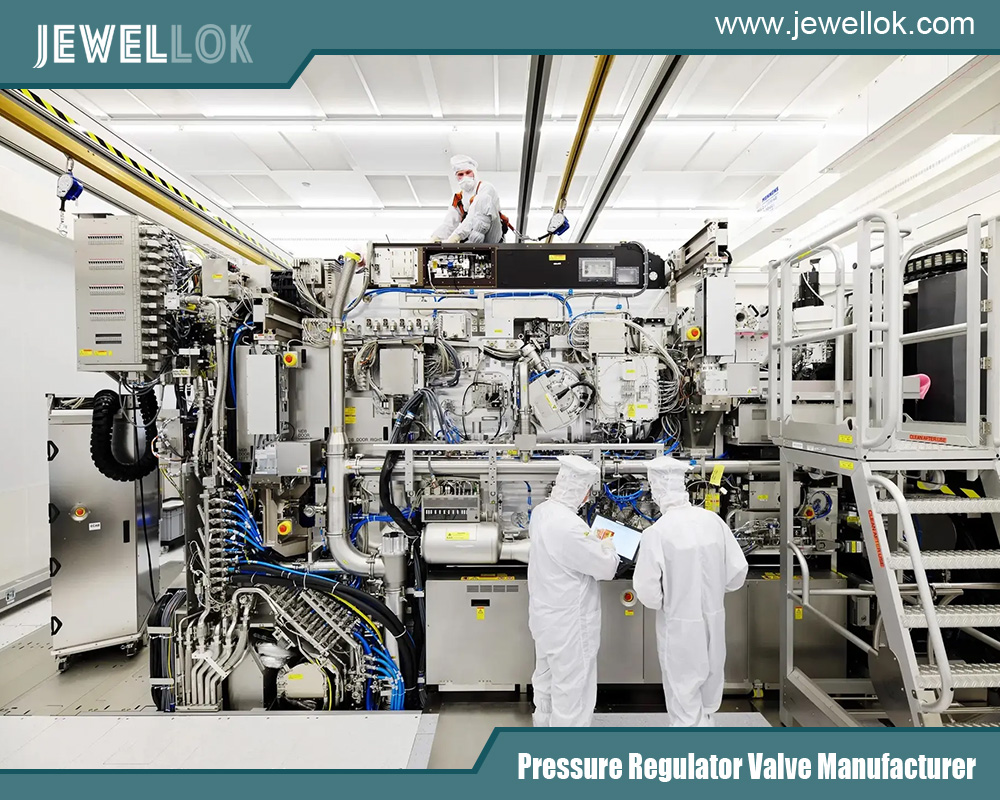
A Chemical Dispense Unit is responsible for conditioning, pressurizing, distributing, and monitoring process chemicals before they reach process equipment. In semiconductor fabs, typical chemicals include:
- DI water (ultra-pure water used for wafer rinsing and cleaning)
- Acids (HCl, H₂SO₄, HNO₃, HF mixtures)
- Solvents (IPA, acetone, NMP, PGMEA)
These chemicals are used in critical processes such as:
- Wafer cleaning (RCA clean, megasonic cleaning)
- Wet etching and surface treatment
- Photoresist coating and stripping
- Chemical rinsing and drying processes
The CDU acts as the central nervous system of chemical distribution, ensuring that each tool receives chemicals at the correct flow rate, pressure, and purity level.
3. System Architecture of a CDU
A typical semiconductor-grade Chemical Dispense Unit consists of several integrated subsystems:
3.1 Chemical Storage Interface
Chemicals are supplied from bulk tanks or drum containers. The interface includes:
- Double-contained supply lines
- Spill containment structures
- Nitrogen blanket systems (for oxidation-sensitive chemicals)
- Level sensors and leak detection
3.2 Chemical Conditioning Module
This module ensures chemical stability before distribution:
- Particle filtration (0.05–0.1 micron ultra-filters)
- Degassing systems to remove dissolved oxygen and bubbles
- Temperature stabilization loops
- Recirculation loops for maintaining homogeneity
For DI water systems, maintaining low TOC (Total Organic Carbon) and resistivity (~18.2 MΩ·cm) is critical.
3.3 Pumping and Pressure Control System
Precision pumping is the heart of the CDU. Common technologies include:
- Magnetic drive pumps (for acid compatibility)
- Diaphragm pumps (for ultra-clean applications)
- Peristaltic pumps (for low shear sensitive fluids)
Pressure control is achieved via:
- Closed-loop PID controllers
- Back-pressure regulators
- Mass flow controllers (MFCs)
Stable pressure is essential to avoid flow fluctuations that can affect etch uniformity or cleaning efficiency.
3.4 Distribution Manifold
The distribution system delivers chemicals to multiple tools:
- High-purity PFA or PTFE tubing networks
- Electropolished 316L stainless steel manifolds (for certain solvents)
- Point-of-use (POU) valve assemblies
- Automated switching valves for multi-tool routing
Each branch line is independently controlled to prevent cross-contamination.
3.5 Control and Monitoring System
Modern CDU systems integrate advanced control architectures:
- PLC-based automation systems
- Industrial Ethernet or SECS/GEM communication
- Real-time flow, pressure, and conductivity monitoring
- Alarm and interlock systems
Key parameters continuously monitored:
- Flow rate (L/min)
- Pressure stability (±0.1% typical requirement)
- Temperature
- Conductivity / resistivity (for DI water)
- Particle counts (in advanced systems)
4. Material Selection for Ultra-Pure Chemical Compatibility
Material compatibility is one of the most critical design considerations in CDU systems.
4.1 DI Water Systems
DI water is highly aggressive due to its ion deficiency. Recommended materials:
- PFA (Perfluoroalkoxy)
- PVDF (Polyvinylidene fluoride)
- Ultra-high purity quartz (in some sensors)
These materials minimize ion leaching and maintain water purity.
4.2 Acid Handling Systems
Acid systems require extreme corrosion resistance:
- HF-resistant PTFE or PFA tubing
- Hastelloy components (for strong acids)
- Fluoropolymer-coated valves and fittings
Special attention is required for HF (hydrofluoric acid), which can attack glass and many metals.
4.3 Solvent Delivery Systems
Organic solvents require:
- Static discharge prevention (anti-static PFA tubing)
- Stainless steel 316L electropolished surfaces
- Explosion-proof pump and valve designs in some applications
Compatibility with solvents like IPA or acetone must consider swelling and permeability effects in polymers.
5. Contamination Control and Cleanliness Standards
In semiconductor manufacturing, contamination control is non-negotiable. CDU systems are designed to meet ISO Class 1–5 cleanroom standards depending on application.
5.1 Particle Control
- Ultra-fine filtration down to 0.05 microns
- Minimization of dead zones in piping
- Smooth internal surface finishing (Ra < 0.2 μm for metal components)
5.2 Metal Ion Control
Metal contamination can severely affect transistor performance. Therefore:
- All wetted parts must have ultra-low metal leaching characteristics
- Passivation and surface treatment processes are applied
- Continuous DI water quality monitoring is implemented
5.3 Organic Contamination Control
Organic residues are controlled through:
- TOC monitoring systems
- UV oxidation purification (for DI water loops)
- High-purity fluoropolymer materials
6. Safety Design Considerations
Chemical handling in fabs involves hazardous substances. CDU systems incorporate multiple safety layers:
6.1 Leak Detection Systems
- Optical leak sensors
- Conductivity-based detection trays
- Pressure decay monitoring
6.2 Redundant Containment
- Double-wall piping systems
- Secondary containment trays
- Fail-safe valve positions (normally closed design)
6.3 Emergency Shutdown (ESD)
In case of abnormal conditions:
- Automatic isolation of chemical lines
- Pump shutdown
- Nitrogen purge for volatile chemicals
- Alarm integration with fab central control system
7. Precision Flow Control and Process Stability
One of the most important functions of a CDU is maintaining stable chemical delivery.
7.1 Flow Accuracy Requirements
Depending on process type:
- Wet cleaning: ±1–2% flow accuracy
- Advanced etching: ±0.5% or better
- Critical solvent coating: high repeatability required
7.2 Closed-Loop Control Strategy
A typical control loop includes:
- Flow sensor feedback
- Pressure sensor monitoring
- PID control algorithm adjustment
- Real-time correction of pump speed or valve opening
This ensures minimal deviation even under fluctuating demand conditions.
8. Integration with Semiconductor Process Tools
Modern CDUs are not standalone systems; they are integrated into fab-wide automation networks.
8.1 Equipment Interface
CDUs communicate with:
- Wet benches
- Single-wafer cleaning tools
- Spin coating systems
- Etching chambers
8.2 Fab Automation Systems
Integration protocols include:
- SECS/GEM communication
- PLC-to-MES data exchange
- Predictive maintenance systems
This enables full traceability of chemical usage per wafer lot.
9. Maintenance and Lifecycle Management
CDU systems require strict maintenance schedules:
- Filter replacement cycles
- Pump diaphragm inspection
- Sensor calibration
- Tubing integrity checks
Predictive maintenance using sensor data is becoming increasingly common, reducing downtime and improving system reliability.
10. Industry Trends and Future Development
The evolution of CDU systems is driven by semiconductor scaling and sustainability demands.
10.1 Ultra-High Purity Requirements
Future nodes will require:
- Sub-ppt contamination levels
- Near-zero particle generation systems
- Advanced inline monitoring technologies
10.2 Smart Chemical Delivery Systems
Emerging CDU systems include:
- AI-based flow optimization
- Digital twin simulation for chemical distribution
- Predictive maintenance algorithms
10.3 Green Manufacturing Integration
Sustainability is becoming critical:
- Chemical recycling systems
- Reduced chemical consumption via precision dosing
- Energy-efficient pumping systems
11. Conclusion
The Chemical Dispense Unit is a foundational subsystem in semiconductor manufacturing, enabling precise, safe, and ultra-clean delivery of DI water, acids, and solvents. As process nodes continue to shrink and contamination sensitivity increases, CDU systems must evolve toward higher precision, smarter control, and superior material compatibility.
From chemical storage to final point-of-use delivery, every stage of the CDU must be engineered to preserve purity and stability. In advanced semiconductor fabs, the CDU is no longer just a utility system—it is a critical enabler of yield, performance, and manufacturing excellence.
For more about chemical dispense unit for DI water, acids, and solvent delivery in semiconductor manufacturing facilities, you can pay a visit to Jewellok at https://www.jewellok.com/product-category/chemical-delivery-system/ for more info.
-
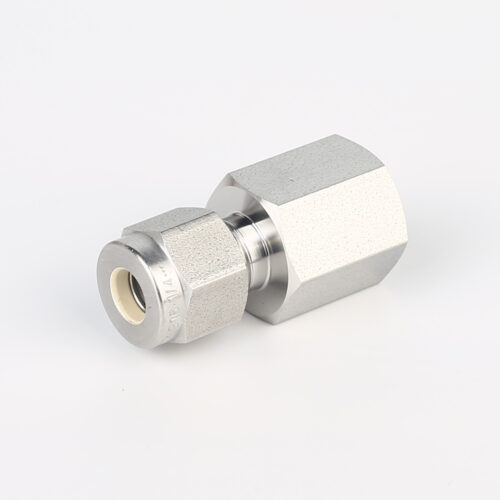
766L High Purity Female Connector UHP Fitting Female Connector
-
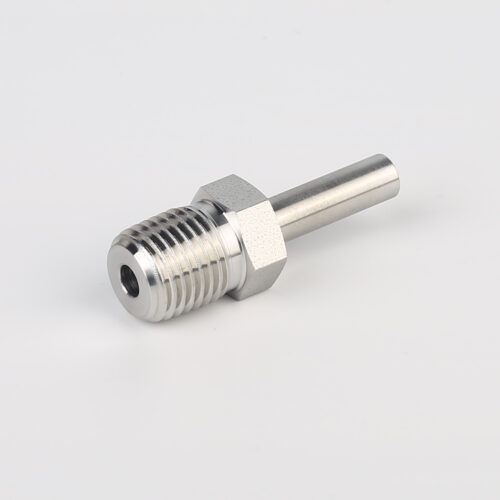
739 High Purity LMR Male Adapter Tube To Pipe Fittings And Adapters
-
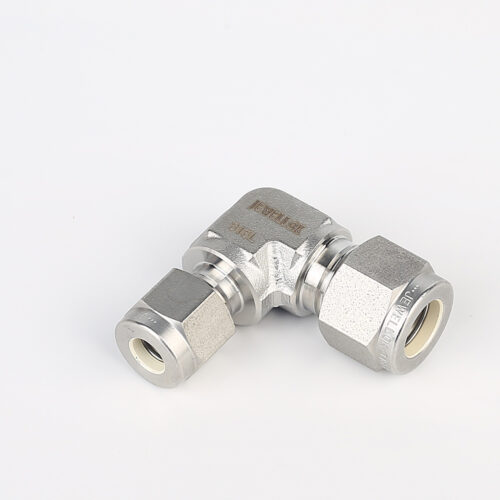
765LR Reducing Tee | Stainless Steel 316 High Purity Butt Weld Fittings Metal Face Seal For Welding Pipe Fitting Reducing Tee
-
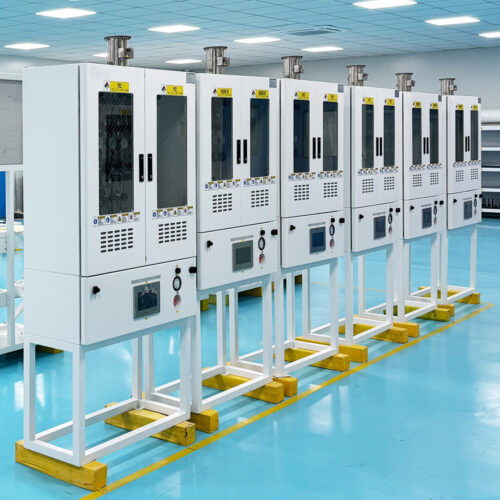
Ultra-High Purity Chemical Delivery Module (CDM) and Valve Manifold Box Integration Improving Semiconductor Yield
-
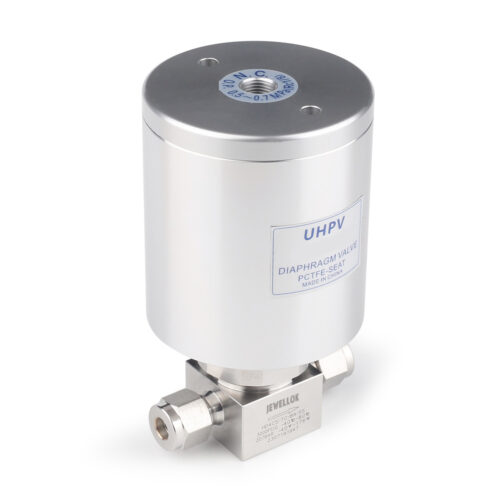
High Pressure High Temperature Pneumatic Ultrahigh Purity Stainless Steel Diaphragm Valves
-
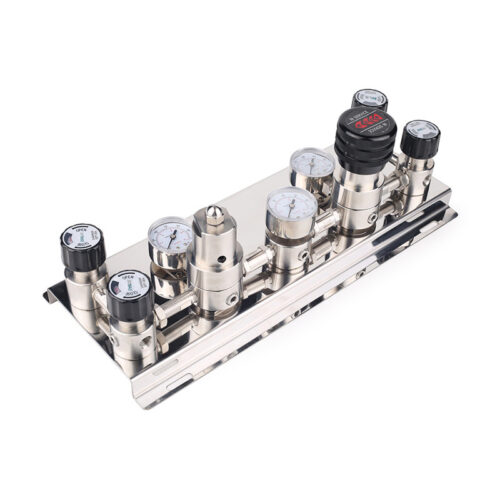
Stainless Steel High Pressure Specialty Gas Changeover Manifold For High Purity Oxygen Nitrogen Argon Helium Hydrogen Co2
-
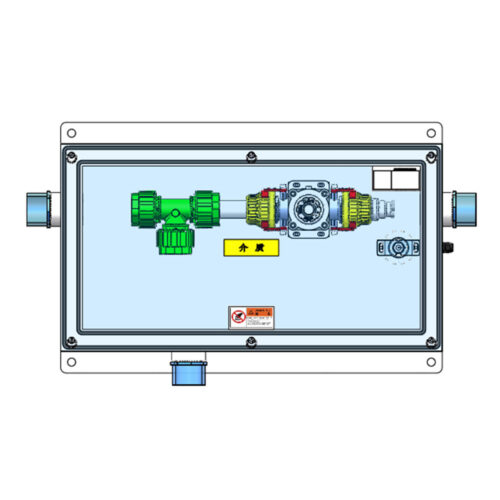
T-BOX JW-TB-C Special Gas Delivery System Gas Valve Manifold Boxes
-

Ultra High Purity Liquid Chemical Delivery System And Bulk Chemical Delivery Handling System For Semiconductor Cleanrooms