
Valves Manufacturer Tel: +86 13380377051
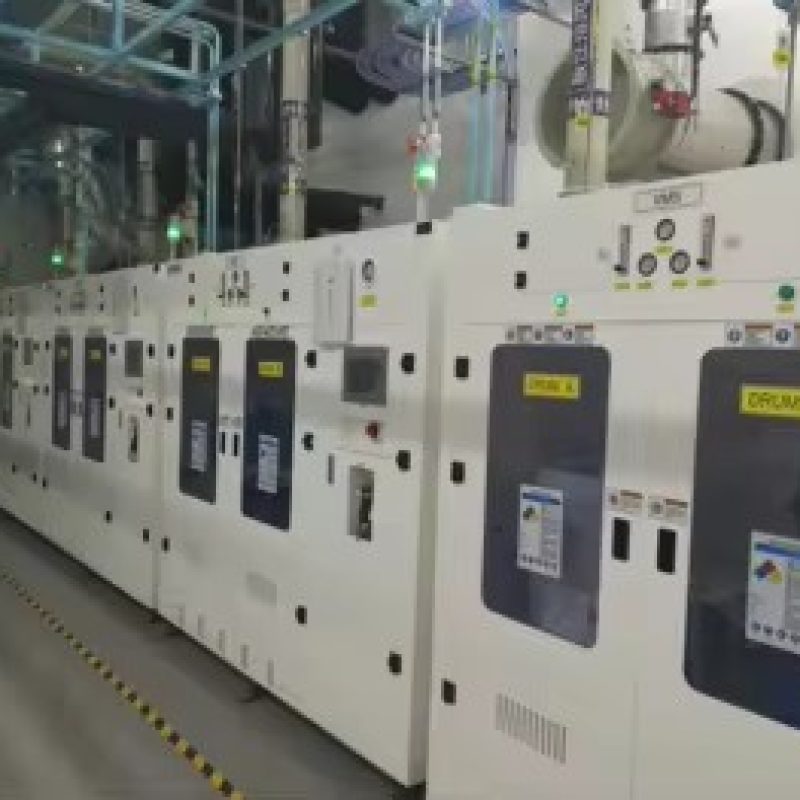
Industrial Scrubber Equipment Supplier for Cleanroom and Fab Applications
As semiconductor, electronics, photovoltaic, pharmaceutical, and advanced manufacturing industries continue to expand, controlling hazardous and corrosive exhaust gases has become a critical requirement for cleanroom and fabrication facility operations. Modern production processes can generate toxic, corrosive, flammable, reactive, acidic, alkaline, and volatile compounds that must be safely treated before exhaust is released into the environment.
Industrial scrubber equipment provides an effective solution for removing these contaminants from process exhaust streams. For semiconductor fabs and cleanroom facilities, however, a scrubber is more than a conventional pollution-control device. It must be engineered to operate continuously, maintain stable treatment performance, integrate with facility exhaust systems, and meet stringent requirements for safety, reliability, corrosion resistance, and environmental compliance.
Choosing the right industrial scrubber equipment supplier is therefore an important decision for fab owners, equipment manufacturers, EPC contractors, and facility engineering teams. A qualified supplier should provide not only individual scrubber units but also complete engineering support, process-specific treatment solutions, controls, installation assistance, commissioning, and long-term service.
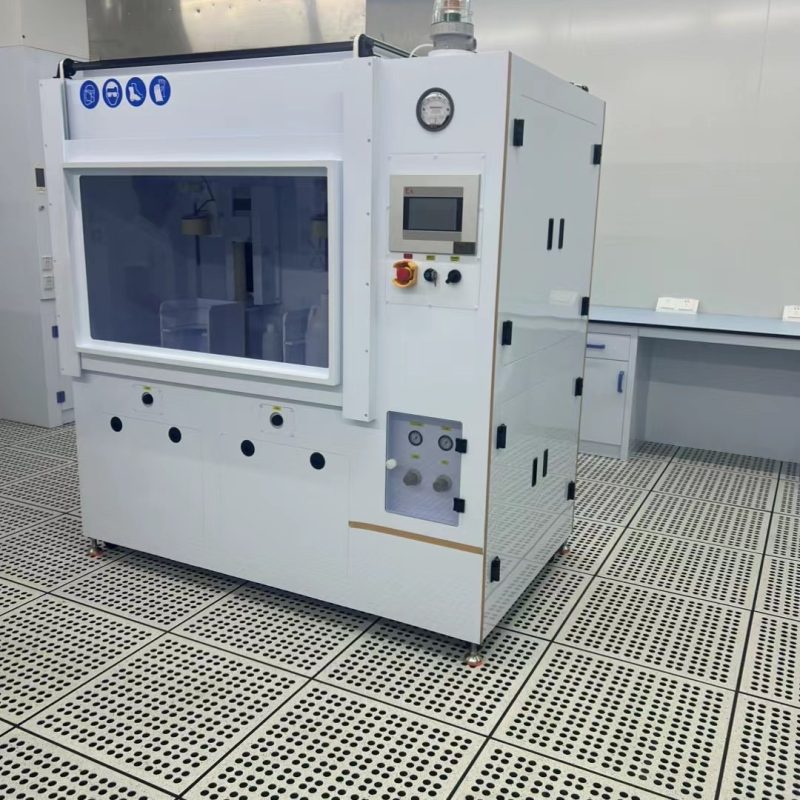
What Is Industrial Scrubber Equipment?
Industrial scrubber equipment is an exhaust gas treatment system designed to remove contaminants from industrial process gases. Depending on the application, scrubbers can use liquid absorption, chemical neutralization, adsorption, thermal oxidation, catalytic treatment, or combinations of different technologies.
Wet scrubbers are widely used in semiconductor and cleanroom applications because many process gases are water-soluble or can be chemically neutralized. A typical wet scrubber may include a gas inlet, spray or packed-bed section, chemical dosing system, circulation tank, pump, mist eliminator, exhaust outlet, instrumentation, and automated control system.
The treatment mechanism depends on the chemical characteristics of the exhaust. Acidic gases may require alkaline scrubbing solutions, while alkaline gases can require acidic treatment chemistry. Some gases may require oxidation or other specialized treatment technologies.
The objective is to reduce pollutant concentrations to acceptable levels while maintaining stable operation under changing process conditions.
Why Scrubber Systems Are Critical for Semiconductor Fabs
Semiconductor fabrication processes can involve gases such as hydrogen chloride, hydrogen fluoride, sulfur compounds, ammonia, chlorine-containing compounds, and other hazardous process chemicals. Plasma etching, deposition, cleaning, diffusion, and other processes can produce complex exhaust streams with varying flow rates and chemical compositions.
A fab exhaust system must therefore address several challenges simultaneously.
First, the system must provide reliable contaminant removal. Inadequate treatment can create environmental, safety, and facility risks.
Second, the scrubber must handle continuous operation. Semiconductor manufacturing facilities often operate around the clock, meaning exhaust treatment equipment must be designed for high availability and predictable maintenance requirements.
Third, materials must be selected carefully. Corrosive chemicals and high-temperature exhaust can rapidly damage inappropriate materials. Depending on the process, scrubber components may require corrosion-resistant plastics, specialty metals, fluoropolymers, or other chemically compatible materials.
Finally, the scrubber must communicate with the fab facility management system. Modern installations commonly use sensors, programmable logic controllers, alarms, interlocks, and remote monitoring to provide real-time information about operating conditions.
Major Types of Industrial Scrubber Systems
A professional industrial scrubber equipment supplier should offer multiple treatment technologies because no single scrubber configuration is suitable for every process.
Wet Scrubber Systems
Wet scrubbers use a liquid medium to capture and neutralize contaminants. They are particularly suitable for water-soluble acidic and alkaline gases.
Packed-bed scrubbers are a common configuration. Exhaust gas passes through a packed section while treatment liquid flows through the packing material. The increased gas-liquid contact area improves mass transfer and pollutant removal.
Wet scrubbers can be customized with different circulation rates, chemical dosing systems, packing materials, and control strategies according to the process requirements.
Dry Scrubber Systems
Dry scrubbers use solid adsorption or reaction media instead of circulating liquid. They can be useful where wastewater generation needs to be minimized or where specific gases can be effectively captured by solid media.
The selection of adsorbent or reactive media depends on the target contaminant. Cartridge-based systems can also simplify maintenance and media replacement.
Thermal Abatement Systems
Certain process gases are difficult to treat effectively through conventional wet scrubbing. Thermal abatement systems can use controlled combustion or high-temperature oxidation to convert hazardous compounds into less harmful substances before downstream treatment.
These systems are commonly considered for process streams containing combustible or difficult-to-decompose compounds.
Hybrid Scrubber Systems
For complex semiconductor exhaust streams, hybrid systems may combine thermal treatment, wet scrubbing, filtration, and other technologies.
A hybrid configuration can provide improved treatment performance when the exhaust contains multiple contaminant types with significantly different physical or chemical properties.
Key Features of a High-Performance Fab Scrubber
When selecting industrial scrubber equipment, facility engineers should evaluate the entire system rather than focusing only on the scrubber vessel.
High Removal Efficiency
The primary function of the system is contaminant removal. The required removal efficiency depends on the process chemistry, inlet concentration, exhaust flow rate, regulatory requirements, and facility targets.
A professional supplier should be able to evaluate process conditions and recommend an appropriate treatment configuration instead of using a standard design for every application.
Corrosion-Resistant Construction
Material compatibility is essential for corrosive exhaust applications. Components exposed to aggressive chemicals may require materials such as PP, PVC, CPVC, PVDF, PTFE, FRP, or specialized stainless steels depending on operating conditions.
Material selection should consider chemical concentration, temperature, pressure, humidity, and expected service life.
Stable Exhaust Flow
Semiconductor production equipment can generate variable exhaust flows. Scrubber systems should therefore be designed to maintain stable performance across the expected operating range.
Poor flow control can reduce treatment efficiency and create pressure problems in the facility exhaust network.
Automated Chemical Dosing
Wet scrubbers may require controlled dosing of chemicals to maintain an appropriate treatment solution. Automated dosing systems can monitor parameters such as pH, oxidation-reduction potential, conductivity, or other process indicators and adjust chemical addition accordingly.
Automation reduces operator intervention and helps maintain consistent treatment performance.
Advanced Monitoring and Safety Functions
Modern scrubbers can incorporate gas sensors, liquid-level sensors, pressure monitoring, temperature sensors, pump status monitoring, flow switches, alarms, and emergency shutdown functions.
These features help operators identify abnormal operating conditions before they develop into major equipment problems.
Integration With Cleanroom Facility Infrastructure
A fab scrubber cannot be considered as an isolated piece of equipment. It must work together with the facility’s exhaust infrastructure.
Important integration points include process tool exhaust connections, exhaust fans, ductwork, chemical supply systems, wastewater systems, electrical power, compressed air, facility management systems, and emergency systems.
Communication protocols and control interfaces should be defined during the engineering stage. A programmable logic controller can collect equipment status and sensor data and communicate with the facility control system.
Proper integration also requires consideration of pressure drop. Excessive pressure loss can increase fan energy consumption and negatively affect process equipment exhaust performance.
Engineering and Customization Capabilities
One of the most important differences between a standard equipment vendor and an experienced industrial scrubber equipment supplier is engineering capability.
A professional supplier should be able to evaluate parameters including:
- Exhaust gas composition
- Gas flow rate
- Inlet temperature
- Pollutant concentration
- Operating pressure
- Required removal efficiency
- Chemical compatibility
- Continuous or intermittent operation
- Available utilities
- Installation space
- Maintenance requirements
- Local environmental regulations
Based on these parameters, the supplier can determine the appropriate scrubber technology, equipment capacity, construction materials, pump specifications, chemical dosing requirements, instrumentation, and control strategy.
For semiconductor fabs, customized engineering is particularly important because exhaust characteristics can vary significantly between etching, deposition, cleaning, and other process applications.
Energy Efficiency and Operating Cost
Energy consumption is another important consideration. Industrial scrubbers can consume electricity through pumps, fans, heaters, and other auxiliary equipment.
An optimized system can reduce operating costs through efficient pump selection, optimized circulation rates, variable-frequency drives, intelligent chemical dosing, low-pressure-drop designs, and automated control.
Chemical consumption is also an important operating expense for wet scrubbers. Overdosing chemicals does not necessarily improve treatment performance and may increase wastewater generation and operating costs.
A properly designed control system can maintain treatment chemistry within an appropriate operating range while minimizing unnecessary chemical consumption.
Maintenance and System Reliability
Because semiconductor fabs require high equipment availability, maintenance should be considered during the design stage.
A good scrubber design should provide convenient access to pumps, filters, sensors, chemical dosing components, packing sections, valves, and other service parts.
Preventive maintenance programs may include inspection of pumps, replacement of consumable components, cleaning of circulation tanks, calibration of sensors, inspection of packing materials, and verification of alarms and interlocks.
Redundancy can also be considered for critical components. For example, redundant pumps or backup treatment capacity can reduce the impact of equipment failure and planned maintenance.
How to Select an Industrial Scrubber Equipment Supplier
When evaluating suppliers, buyers should consider more than equipment price.
First, examine the supplier’s experience with cleanroom and semiconductor applications. Experience with similar process gases can significantly reduce engineering risks.
Second, evaluate customization capabilities. The supplier should be capable of adapting the equipment to different exhaust flows, gas compositions, installation environments, and control requirements.
Third, review material selection and corrosion-resistance practices. Proper material engineering can directly influence equipment lifetime.
Fourth, evaluate automation and monitoring capabilities. A modern scrubber should provide clear operating data, alarms, interlocks, and maintenance information.
Finally, consider technical support after delivery. Installation guidance, commissioning, spare parts, troubleshooting, and preventive maintenance support can have a major impact on long-term operating performance.
Conclusion
Industrial scrubber equipment plays a critical role in controlling hazardous process emissions from semiconductor fabs, cleanrooms, electronics manufacturing facilities, and other advanced industrial environments. As process technologies become more sophisticated, exhaust streams are becoming increasingly complex, making reliable gas abatement systems essential.
The ideal industrial scrubber equipment supplier should combine process engineering expertise, corrosion-resistant materials, advanced control technology, customized system design, reliable manufacturing, and responsive technical support.
For cleanroom and fab applications, the best solution is not simply the lowest-cost scrubber. It is a complete exhaust treatment system engineered around the actual process conditions, environmental requirements, facility infrastructure, safety objectives, and long-term operating costs.
By working with an experienced supplier capable of providing customized wet scrubbers, dry scrubbers, thermal abatement systems, hybrid treatment solutions, automated chemical dosing, monitoring systems, and complete engineering support, semiconductor and cleanroom operators can achieve more reliable exhaust treatment, improved operational safety, and greater long-term equipment reliability.
For more about industrial scrubber equipment supplier for cleanroom and fab applications, you can pay a visit to Jewellok at https://www.jewellok.com/ for more info.
-
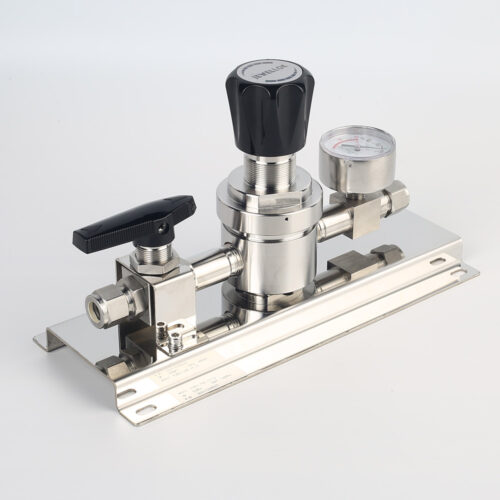
High Purity And Industria Gas Stick Assemblies Precise Pressure Control Gas Systems JSR-1ETG-BV Series
-
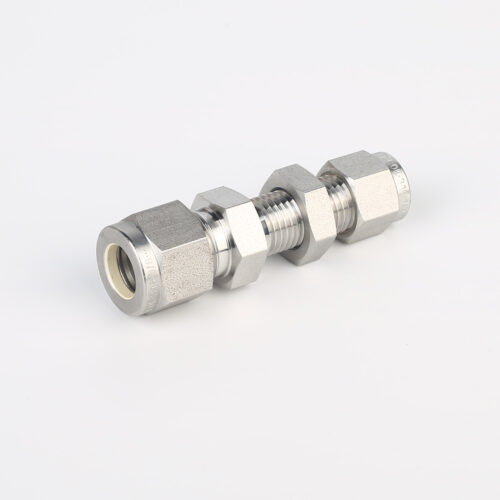
775L Bulkhead Reducing Union | Stainless Steel High Purity Double Ferrule Bulkhead Reducing Unions
-
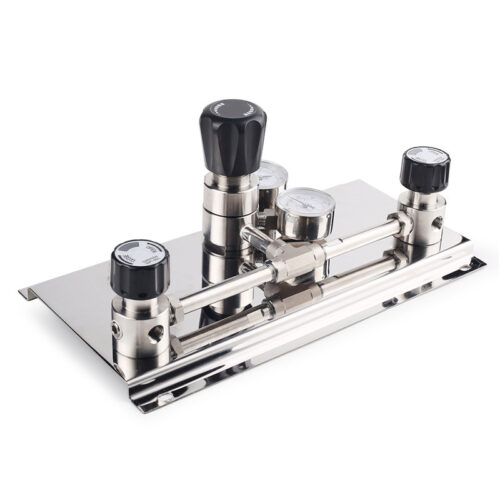
High Purity Semi-Auto Stainless Steel Changeover Manifold System, Nitrogen High Pressure Control Panel With Semiconductor Valve Manifold Box Diaphragm Valves
-
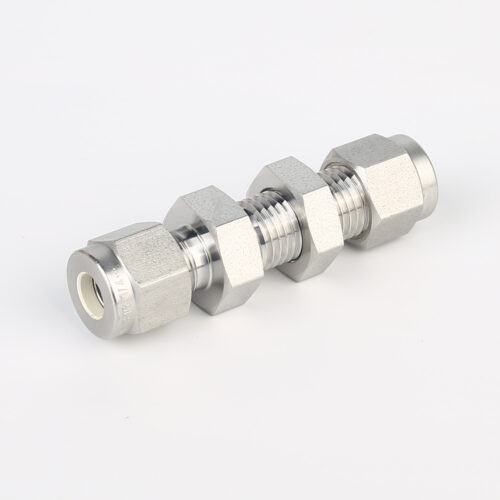
774L Stainless Steel UHP Fittings Butt Weld Bulkhead Union For High Flow Special Gas Fluid
-
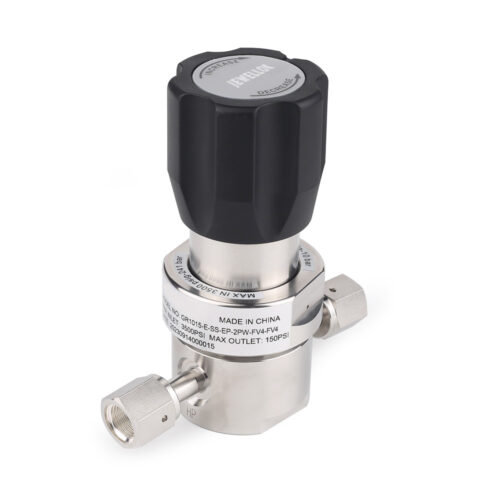
316L Vim Var Stainless Steel Ultra High Purity Gas Pressure Reducing Valve For Corrosive Specialty Gas Distribution
-
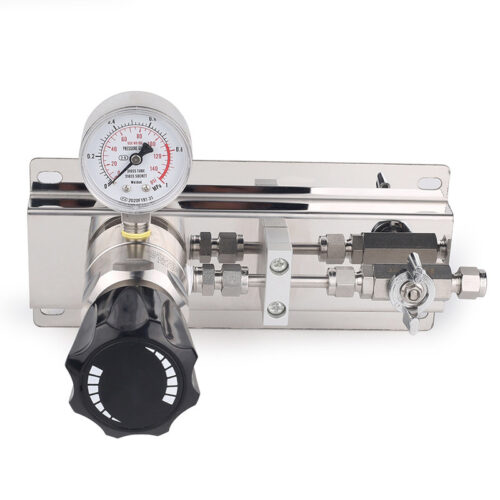
Medical Oxygen Single Stage Manual Gas Changeover Manifold Panel High-Purity Two-Stage Manual Gas Manifold Gas Pressure Control Panels
-
Premium Grade Ultra High Purity Gas Valve Solutions Sourced Directly from China for Critical Semiconductor and Advanced Photovoltaic Gas Distribution Lines
-

UHP Liquid Chemical Delivery System (CDS) Implementation for High-Volume Photovoltaic and Renewable Energy Component Production Lines