




















밸브 제조업체 전화번호: +86 13380377051
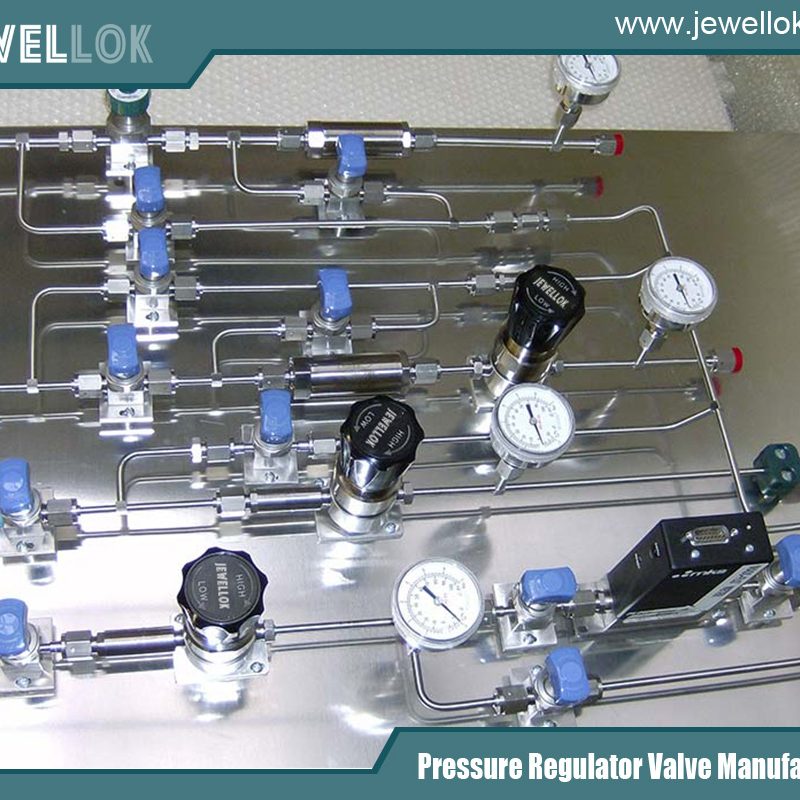
내구성 있는 UHP CO2 레귤레이터: 부식성 환경과 긴 수명을 위해 설계됨
In industries ranging from semiconductor fabrication and pharmaceutical manufacturing to food-grade beverage dispensing and research laboratories, the precise, reliable, and safe delivery of carbon dioxide (CO2) is paramount. However, when CO2 is introduced into environments with pre-existing corrosive agents, or when it interacts with moisture to form carbonic acid, standard regulators can suffer rapid degradation, leading to failure, contamination, and safety hazards. This technical article explores the design philosophy, material science, and engineering innovations behind a new generation of Durable Ultra-High Purity (UHP) CO2 regulators specifically engineered in corrosive settings. We will examine how advanced metallurgy, surface treatments, and hermetic sealing technologies converge to create a regulator with an exceptional lifecycle, ensuring consistent performance, reduced maintenance costs, and enhanced system integrity in the most demanding applications.
The Challenge of Corrosive Environments in Gas Delivery
A gas regulator’s primary function is to reduce a high, variable inlet pressure from a cylinder or manifold to a stable, usable lower outlet pressure. For CO2, this seemingly simple task is complicated by the gas’s inherent properties. Anhydrous CO2 is not inherently corrosive, but in the presence of even trace amounts of water vapor, it forms carbonic acid (H₂CO₃). This weak acid can aggressively attack the internal components of a regulator, particularly those made from standard brass or lower-grade stainless steels.
Corrosive environments extend beyond this intrinsic reaction. In semiconductor plants, regulators may be exposed to ambient acid vapors (e.g., HF, HCl). In offshore oil & gas or marine applications, salt-laden atmospheres pose a severe threat. Chemical processing facilities may have a myriad of aggressive species present. A standard regulator in these conditions can experience pitting, stress corrosion cracking, galvanic corrosion between dissimilar metals, and particulate generation from degrading elastomers. These failures compromise purity (critical for UHP applications), lead to pressure creep or droop, and ultimately result in unscheduled downtime and replacement costs.
The demand, therefore, is for a CO2 regulator that transcends conventional design: a UHP-class device built not just for purity at installation, but for sustained purity and performance in a corrosive lifecycle.
Material Science: The Foundation of Durability
The core of a durable UHP CO2 regulator lies in its material selection. Every wetted and exposed component must be chosen for its inertness and resistance.
- Body and Diaphragm Chamber: While 316L stainless steel is the baseline for corrosion resistance, advanced regulators employ alloys like Hastelloy C-276 or C-22 for exceptionally harsh environments. These nickel-molybdenum-chromium alloys offer superb resistance to pitting, crevice corrosion, and stress-corrosion cracking in acidic and chloride-rich settings. For less severe but still demanding applications, electroless nickel plating (ENP) over 316L provides a hard, uniform, and highly corrosion-resistant barrier without the risk of ferrous contamination.
- Internal Mechanics & Springs: Springs are critical and often vulnerable. Music wire springs, common in economy regulators, are highly susceptible to corrosion. Durability is achieved using 316L stainless steel springs, or better yet, Inconel X-750 or Elgiloy. These superalloys maintain their elastic modulus and tensile strength over wide temperature ranges and resist relaxation and corrosion fatigue.
- Sealing Elements: Elastomers are typically the weakest link. Standard Buna-N (Nitrile) O-rings rapidly degrade when exposed to CO2 and moisture. The solution lies in perfluoroelastomers (FFKM, e.g., Kalrez®, Chemraz®) or high-grade fluoropolymers (PTFE, PFA). FFKM offers near-universal chemical resistance and extremely low outgassing, essential for UHP systems. PTFE, used as diaphragms and seat seals, provides a completely inert, zero-permeability barrier, preventing both contamination and the “weeping” of gas through the diaphragm.
- Filter Elements: A sintered 316L stainless steel filter (with a typical 2-7 micron rating) is mandatory for UHP service. It must be designed for cleanability and integrity, preventing downstream contamination from upstream particulate.
Design Innovations for Long Life and Corrosion Mitigation
Beyond materials, specific design features proactively combat corrosion and extend service life.
- Hermetic Sealing and Diaphragm Design: The most significant advancement is the use of a all-metal, hermetically sealed diaphragm. By replacing the traditional elastomeric or even PTFE rolling diaphragm with a welded metallic membrane (often 316L or Hastelloy), the process gas is entirely contained within a metal cavity. This eliminates any permeation, eliminates a major degradation pathway, and creates a seal that is immune to chemical attack. The spring chamber is isolated, protecting the critical spring mechanism from any corrosive ingress.
- Surface Finish and Passivation: Internal surface finish is crucial for UHP and corrosion resistance. A consistent electropolished finish (often to Ra < 15 µin) not only reduces particulate adhesion and outgassing but also enhances the passive oxide layer on stainless steel, improving its corrosion resistance. A rigorous nitric acid passivation process following machining further strengthens this protective layer.
- Crevice-Free Design: Design aims to minimize dead legs, cavities, and threaded connections in the gas path. Where possible, VCJ® or other metal-gasketed face seal fittings are used instead of NPT threads. This eliminates crevices where moisture can accumulate and corrosive cells can initiate.
- Coatings for External Protection: While internal wetted parts are protected, the external housing must withstand the ambient environment. A multi-layer coating system—such as a powder-coated epoxy finish over a zinc phosphate pretreatment—provides robust defense against salts, solvents, and abrasion. For extreme cases, external components can be fabricated from marine-grade aluminum with anodization.
- Self-Compensating and Robust Mechanism: A high-performance regulator utilizes a piston-style sensing element rather than a simple stem. This provides greater sensitivity and stability with less hysteresis. Coupled with a large, precision-machined diaphragm area, the regulator can maintain setpoint despite inlet pressure fluctuations, reducing wear cycles. All moving parts are designed with minimal friction and optimized load paths to prevent premature wear.
Technical Specifications and Performance Parameters
A durable UHP CO2 regulator is defined by its performance envelope and specifications:
- Inlet/Outlet Pressure Ranges: Designed for high-pressure CO2 cylinders (up to 3000 psi / 207 bar inlet), with precise control in low outlet ranges (e.g., 0-50, 0-100 psig).
- 누출 무결성: Extremely low external and internal seat leak rates, typically certified with Helium Mass Spectrometry to be less than 1 x 10⁻⁹ atm cc/sec He.
- 유량 용량(Cv): Adequate for the application without oversizing, ensuring stable control. Cv values are precisely characterized.
- Compatibility: Certified for UHP CO2 (e.g., 99.999% purity or higher). Wetted materials are validated for compatibility with trace corrosive contaminants expected in the environment.
- Temperature Range: Operates reliably across a broad range (-20°C to +70°C) to account for process variations and location.
- Cleanliness: Assembled in a Class 100 cleanroom, vacuum-baked, and bagged per IEST or SEMI standards. Particulate and hydrocarbon levels are certified.
Table 1: Comparison of Regulator Features
| Feature | Standard Industrial Regulator | Durable UHP CO2 Regulator |
| Primary Body Material | Brass or 304 SS | 316L SS, Hastelloy, or ENP-coated 316L |
| Diaphragm | Elastomeric (Nitrile) | Welded All-Metal Hermetic or PTFE |
| Spring Material | Music Wire or 302 SS | Inconel X-750 or Elgiloy |
| Seals | Buna-N O-rings | FFKM Perfluoroelastomer or PTFE |
| Internal Finish | Machined (Ra ~32 µin) | Electropolished (Ra < 15 µin) |
| Leak Rate | ~1 x 10⁻⁶ atm cc/sec | ≤ 1 x 10⁻⁹ atm cc/sec He |
| Corrosion Resistance | Limited to mild environments | Excellent; designed for acidic/chloride exposure |
| Expected Service Life | 2-5 years (moderate service) | 10+ years (in corrosive service) |
Application-Specific Considerations
The value of a durable regulator is realized in specific challenging applications:
- Semiconductor Manufacturing: In etch or deposition tools using CO2 for chamber cleaning or as a process gas, regulators must not introduce metallic ions (Na+, K+, Fe++) or particles. Corrosion from ambient HF vapors is a constant threat. A hermetically sealed, electropolished Hastelloy regulator is often the specification.
- Pharmaceutical & Biotechnology: In fermentation (pH control) or supercritical fluid extraction (SFE), gas purity and regulator reliability are non-negotiable. The design must be steam-sterilizable (SIP) or clean-in-place (CIP) compatible, requiring materials that can withstand repeated thermal and chemical cycling.
- Food & Beverage (Industrial Scale): In large-scale carbonation or dispensing, reliability and hygiene are key. While not always UHP, the regulator must withstand frequent washdowns with caustic or acidic cleaners without corroding.
- Marine & Offshore: On platforms or ships, equipment is subjected to constant salt spray. External corrosion can quickly render a regulator inoperable. Here, marine-grade external coatings and fully sealed adjustment assemblies are critical.
- Analytical & Research Laboratories: High-precision instruments like GC-MS or NMR require ultra-stable gas supplies. A regulator that resists internal corrosion ensures the baseline stability and purity required for sensitive measurements over many years.
Lifecycle Cost Analysis and Maintenance
While the initial capital expenditure on a durable UHP regulator is higher than a standard model, the Total Cost of Ownership (TCO) is significantly lower. Costs are analyzed over a 10-year horizon:
- Reduced Downtime: Unplanned failures in continuous processes can cost thousands per hour. Reliability eliminates these events.
- Extended Calibration & Service Intervals: The robust design maintains accuracy longer, potentially doubling or tripling the time between recalibrations.
- Elimination of Premature Replacements: Instead of replacing a corroded regulator every 2-3 years, the durable unit lasts a decade or more.
- Protected Asset Integrity: Preventing gas contamination can save far more expensive downstream components (e.g., a process tool chamber or an analytical column).
Maintenance, when required, should follow manufacturer procedures, often involving return-to-factory service where the regulator can be rebuilt using certified OEM parts, restoring it to original specifications.
결론
The “Durable UHP CO2 Regulator” is not merely an incremental improvement but a paradigm shift in gas handling for aggressive environments. By integrating advanced, corrosion-resistant alloys, employing hermetic sealing technology, and executing a crevice-free, high-finish design, these regulators address the fundamental failure modes of their predecessors. They transform the regulator from a consumable component into a reliable, long-life system asset. For engineers and operators managing critical processes where CO2 meets corrosive challenges, investing in this level of durability is a strategic decision that safeguards purity, ensures safety, enhances productivity, and delivers a demonstrably superior return on investment over the long term. The technology represents a necessary evolution, ensuring that gas delivery infrastructure keeps pace with the increasing demands of modern, high-stakes industrial and research applications.
For more about durable UHP CO2 regulator: engineered for corrosive environments and longevity, you can pay a visit to Jewellok at https://www.jewellok.com/ 더 자세한 정보를 원하시면.
-
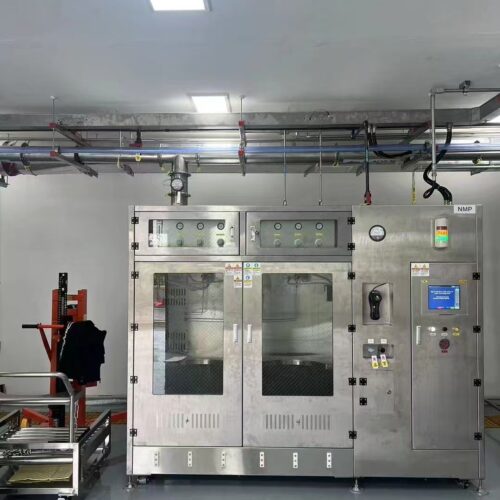
UHP Bulk Liquid Chemical Delivery System (BCDS) Implementation for High-Efficiency Photovoltaic and Solar Cell Production Lines
-
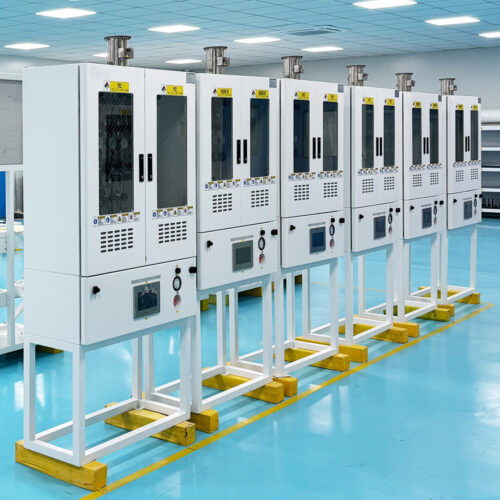
초고순도 가스 공급 시스템 및 액체 화학물질 공급 시스템 JW-300-LDS
-
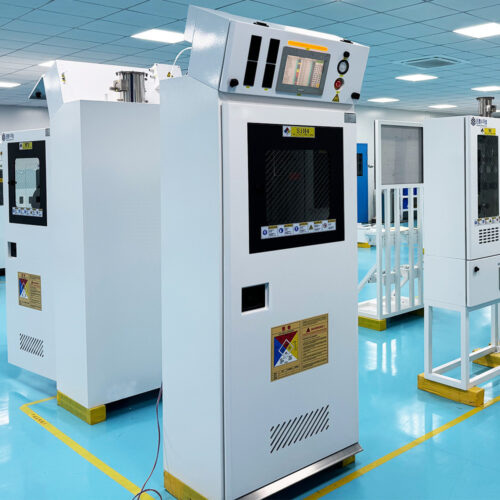
고순도 특수 가스 대량 공급용 압력 제어 및 여과 스키드 시스템 JW-300-BSGS
-
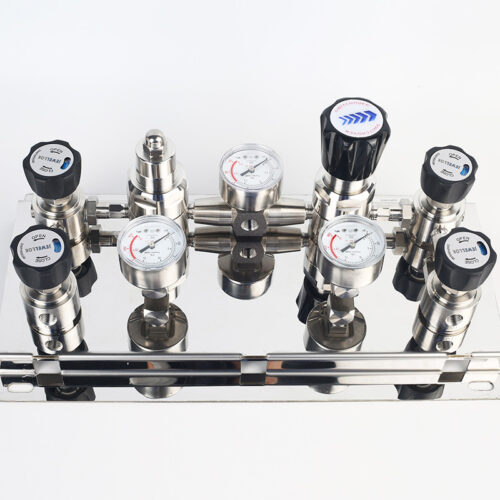
반자동 가스 전환 매니폴드 시스템 수동 전환 매니폴드 패널 단일 단계 자동 전환 보드
-
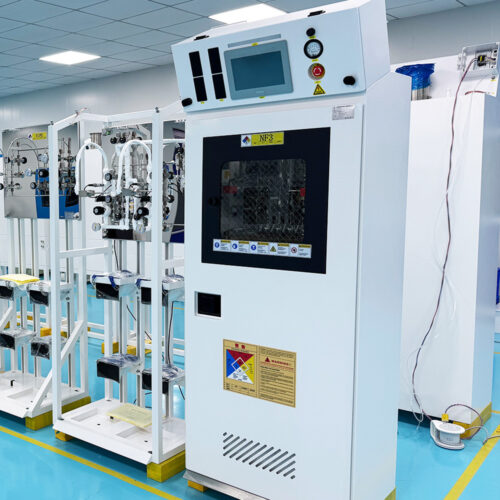
Semi Automatic Gas Cabinet Gas Panels High Purity Gas Delivery Systems JW-200-GC
-
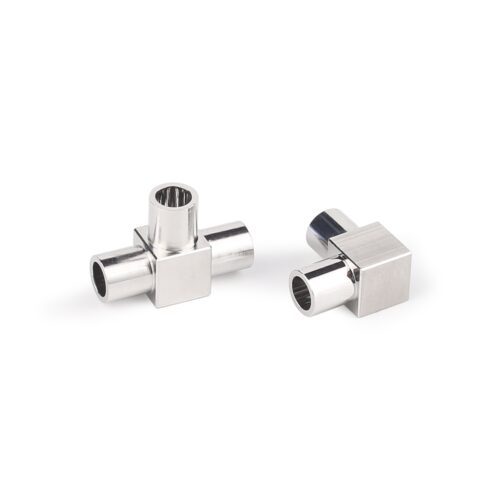
Stainless Steel Mini Elbow Mini Tee Mini Cross Mini Tribow Ultrahigh Purity Mini Butt Weld Fittings
-
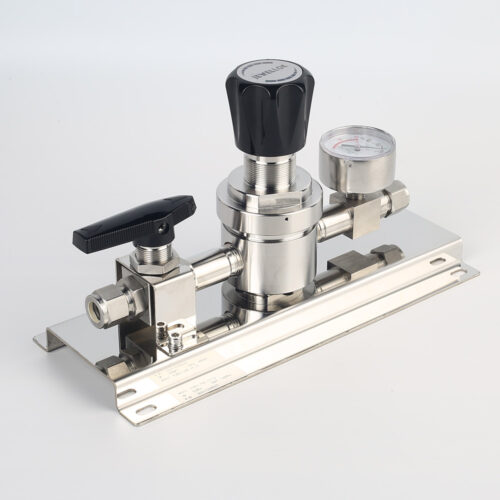
High Purity And Industria Gas Stick Assemblies Precise Pressure Control Gas Systems JSR-1ETG-BV Series
-
Fully Automated Gas Cabinet For Precise UHP Gas Delivery And High Purity Gas Delivery Systems JW-300-GC