




















밸브 제조업체 전화번호: +86 13380377051
가스 캐비닛은 왜 반도체 공장의 “필수 장비’가 되었는가?
In an era dominated by technological advancements, the semiconductor industry stands as the backbone of modern innovation. From powering artificial intelligence and electric vehicles to enabling 5G communications and quantum computing, semiconductors are ubiquitous. However, behind the scenes of these cutting-edge chips lies a complex ecosystem of equipment essential for their production. Among these, gas cabinets have emerged as indispensable tools in semiconductor fabrication plants, or “fabs.” But why have they become a “must-have” in workshops worldwide? The answer revolves around their critical role in ensuring safety, purity, precision, and compliance amid escalating demands for smaller, more powerful chips.
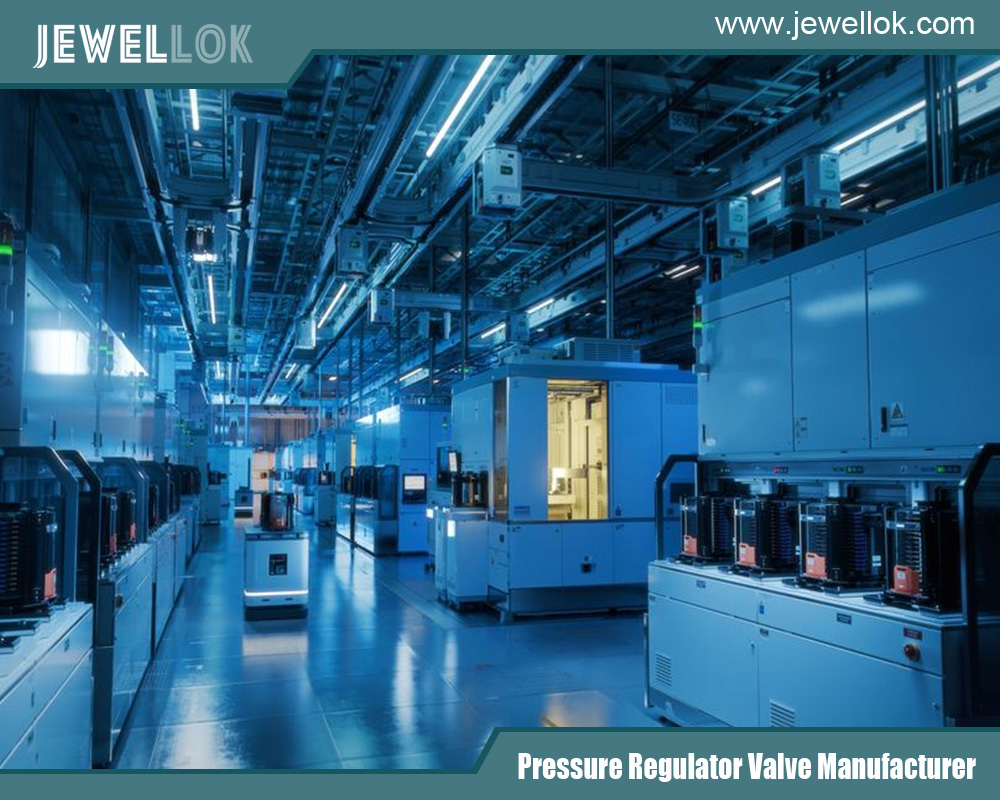
The global semiconductor market is projected to surpass $1 trillion by 2030, fueled by rising needs in AI and data centers. This growth amplifies the challenges in handling specialty gases—toxic, flammable, and corrosive substances vital for processes like etching and deposition. Gas cabinets address these challenges head-on, transforming from optional safety measures to core infrastructure. As fabs scale up to produce nodes as small as 2nm, the risk of contamination or accidents skyrockets, making gas cabinets non-negotiable. This article unveils the reasons behind their indispensability, exploring their design, benefits, applications, and market trajectory. By delving into these aspects, we reveal how gas cabinets not only safeguard operations but also drive efficiency in an industry where downtime can cost millions per hour.
What Are Gas Cabinets?
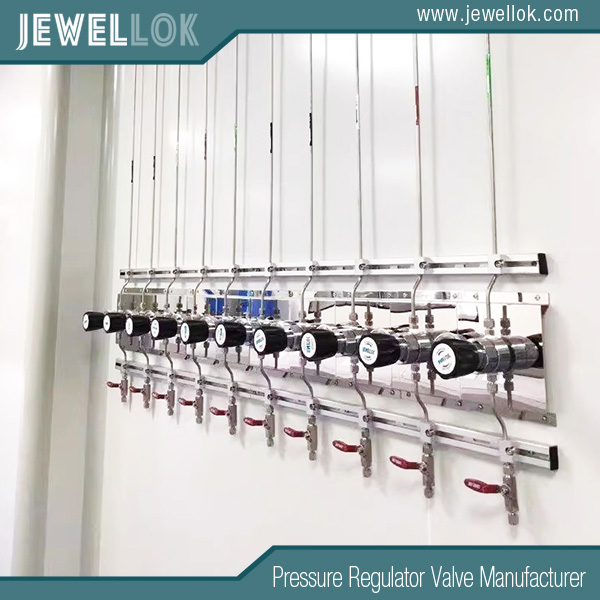
At their core, gas cabinets are metallic enclosures designed to store and dispense high-pressure gas cylinders safely, particularly in environments handling hazardous materials. They provide local exhaust ventilation for gases used or generated in advanced manufacturing, such as semiconductors, solar, MEMS, and nanotechnology. Unlike simple storage units, these cabinets are engineered to contain potential leaks in piping and fittings at the cylinder connection, with an exhaust system that draws out hazardous gases using a dedicated fan.
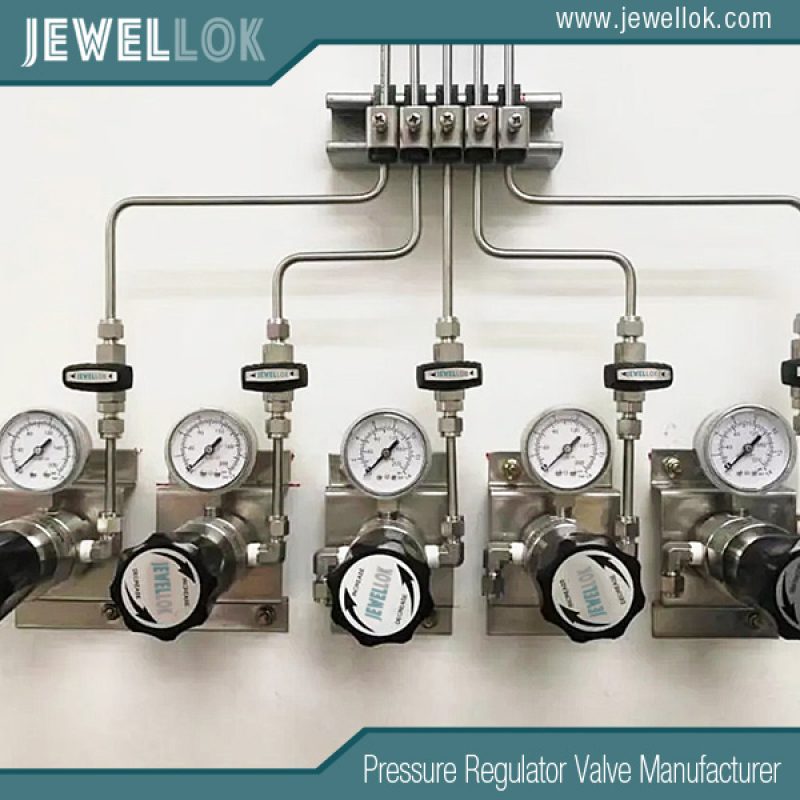
Key components include gas sensors for leak detection, sprinkler heads for fire suppression, excess flow and pressure sensors, and automatic purging systems. Configurations accommodate 1, 2, or 3 cylinders, and they can be manual, fully automatic, or auto-changeover types. Manual cabinets suit inert gases, while automatic ones handle toxic or reactive substances, monitoring inputs and ensuring uninterrupted flow. Materials like 316L stainless steel, often electropolished, ensure corrosion resistance and purity, with connections such as VCJ fittings for ultra-high purity (UHP) applications.
In semiconductor workshops, gas cabinets integrate into broader gas delivery systems, connecting to bulk tanks or on-site generators. They feature valve manifolds, pressure regulators, and filters to control flow rates, pressures, and temperatures—typically up to 2,640 psig and within safe ambient ranges. Custom designs allow for tailored specifications, making them adaptable to diverse fab layouts. Overall, gas cabinets bridge the gap between gas sources and processing tools, ensuring safe, pure, and efficient delivery.
The Core Reasons Gas Cabinets Are Must-Have Equipment
The indispensability of gas cabinets stems from their multifaceted value in addressing the semiconductor industry’s unique demands. Here, we analyze the key pillars: safety, purity, precision, compliance, and economic efficiency.
- Unparalleled Safety in Handling Hazardous Gases
Semiconductor manufacturing involves a plethora of dangerous gases—pyrophoric like silane, toxic like arsine and phosphine, corrosive like chlorine, and flammable like hydrogen. A single leak could lead to explosions, fires, or health hazards, potentially halting operations and endangering lives. Gas cabinets mitigate these risks by containing leaks within ventilated enclosures, equipped with analytical sensors and emergency shut-offs. For flammable gases, they can contain flames temporarily, adhering to fire safety standards.
In fabs, where hundreds of cylinders are in use, cabinets limit pressure below atmospheric levels to prevent leaks, especially during cylinder changes. Features like cross-purging remove residual gases, reducing exposure risks. Honeywell’s gas detection systems complement cabinets, ensuring comprehensive monitoring. This safety net is why top enterprises like TSMC and Intel mandate them, as even minor incidents can lead to regulatory shutdowns.
- Maintaining Ultra-High Purity for Process Integrity
Purity is paramount in semiconductors, where impurities at parts-per-billion levels can ruin wafers. Gas cabinets preserve gas quality by isolating cylinders from contaminants, using UHP materials and point-of-use purifiers. They support gases like nitrogen and argon at 99.999% purity for purging, preventing cumulative contamination.
Automatic purging during changeouts keeps lines clean, while electropolished stainless steel minimizes particle generation. In processes like deposition, this ensures uniform thin films, directly impacting chip yields. Without such purity control, defects rise, making cabinets essential for high-volume production.
- Precision and Efficiency in Gas Delivery
Precision control is crucial for the over 1,000 steps in chip fabrication. Gas cabinets, integrated with mass flow controllers and valve manifolds, enable accurate flow rates and pressures. Auto-changeover models ensure uninterrupted supply, minimizing downtime.
In etching, precise delivery of fluorinated gases patterns circuits accurately. Efficiency gains come from automation, reducing human error and enabling real-time adjustments. This boosts throughput in fabs, where every second counts.
- Regulatory Compliance and Risk Mitigation
Compliance with standards like NFPA 45, SEMI S2, OSHA, and Compressed Gas Association codes is mandatory. Gas cabinets meet these by incorporating fire protection, ventilation, and leak detection, facilitating audits and insurance. In regions with strict regulations, like the US and EU, they are required for handling hazardous quantities.
- Economic Benefits and Cost-Effectiveness
While initial costs are high, gas cabinets reduce long-term expenses by preventing accidents and downtime. Reconditioned units offer affordability without compromising safety. In high-stakes fabs, they enhance ROI by improving yields and operational uptime.
Applications in Semiconductor Processes
Gas cabinets shine in key fabrication stages:
- Deposition: Deliver reactants for thin films, controlling temperature and flow.
- Photolithography: Support hydrogen in advanced methods to prevent optic deposits.
- Etching: Handle toxic etchant gases safely.
- Doping: Manage arsine and phosphine for conductivity modification.
- Annealing and Cleaning: Use oxygen, hydrogen, and NF3 for layer formation and purging.
These applications underscore their versatility in fabs.
Market Trends and Growth
The gas cabinets market for semiconductors is booming, valued at USD 1.2 billion in 2023 and projected to reach USD 2.3 billion by 2032, with a CAGR of 7-9%. Asia-Pacific leads, driven by expansions in Taiwan and South Korea. Innovations from companies like MKS Instruments and Applied Energy Systems focus on smarter, more integrated cabinets.
Why Top Enterprises Rely on Them
Giants like Samsung and GlobalFoundries invest in gas cabinets for competitive edges in yield and safety. They enable innovation while mitigating risks, aligning with sustainability goals by reducing waste.
Future Outlook
As nodes shrink and gas volumes rise, gas cabinets will evolve with AI monitoring and greener designs. Their role will expand in emerging tech like quantum chips.
결론
Gas cabinets have become must-have equipment due to their indispensable contributions to safety, purity, and efficiency in semiconductor workshops. As the industry surges forward, their adoption ensures resilient, high-quality production, revealing why they are no longer optional but essential.
For more about why has the gas cabinet become a “must-have equipment” in semiconductor workshops, you can pay a visit to Jewellok at https://www.jewellok.com/ 더 자세한 정보를 원하시면.
-
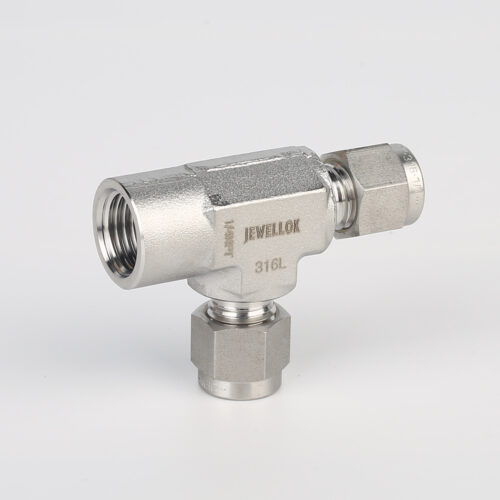
771LF 암형 런 티 | 스테인리스 스틸 튜브 피팅 압축 피팅 1/4인치 3방향 티 암형 런 티
-
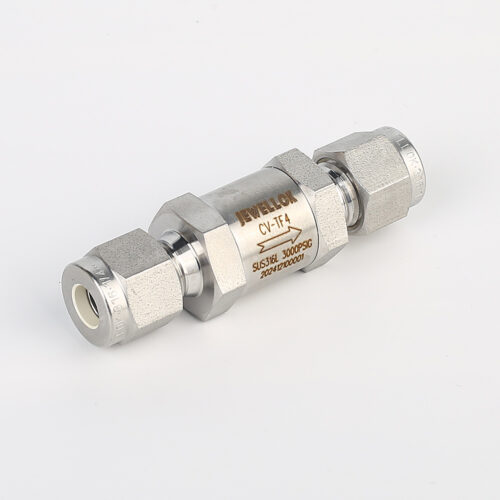
고압 고순도 용접 체크 밸브 및 저압 체크 밸브 JCV1 시리즈
-
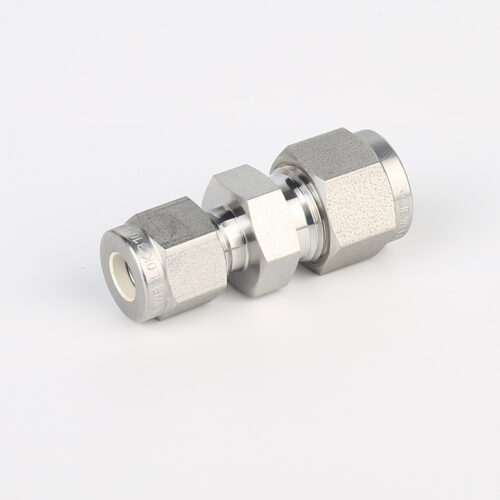
763L 스테인리스강 고순도 감압 유니온 피팅 및 튜빙, 감압 밸브 조정
-
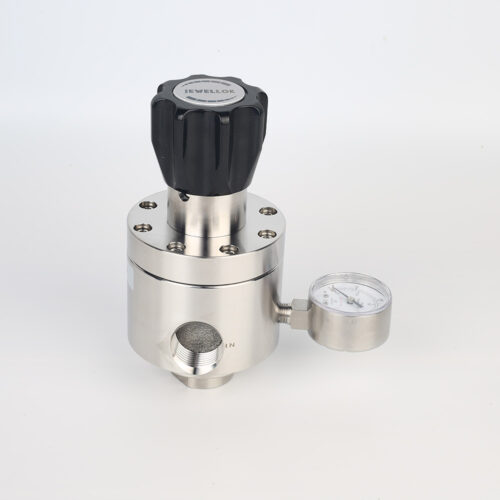
실험실 압력 제어용 저압 고유량 라인 압력 조절기 및 제어 밸브 JSR-4L 시리즈
-
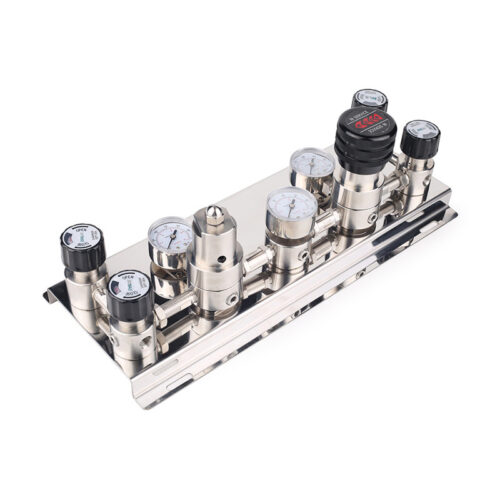
고순도 산소, 질소, 아르곤, 헬륨, 수소, 이산화탄소용 고압 특수 가스 전환 매니폴드(스테인리스 스틸 재질)
-
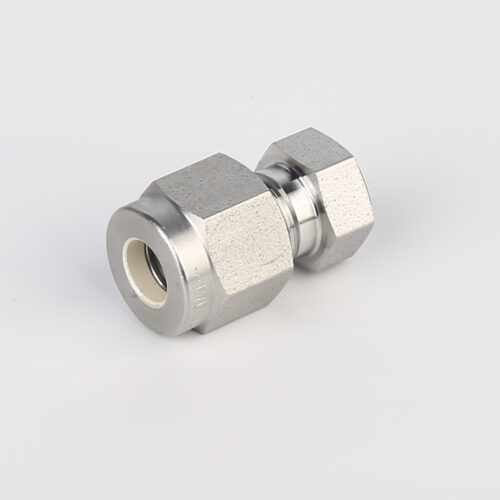
7108L 초고순도 가스용 실린더 캡 커넥터
-
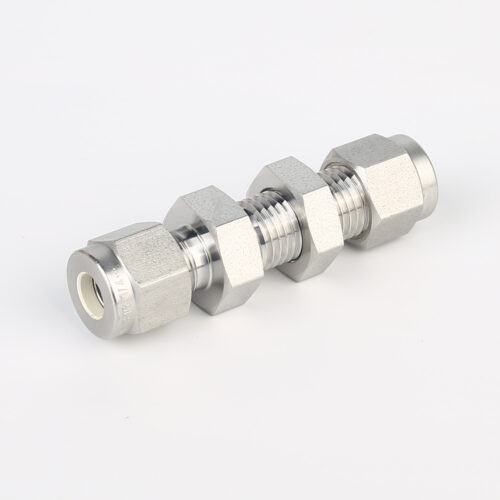
774L Stainless Steel UHP Fittings Butt Weld Bulkhead Union For High Flow Special Gas Fluid
-
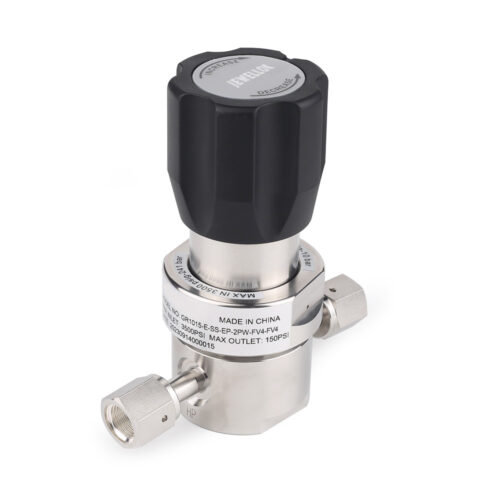
부식성 특수 가스 분배용 316L Vim Var 스테인리스강 초고순도 가스 감압 밸브