
Valves Manufacturer Tel: +86 13380377051
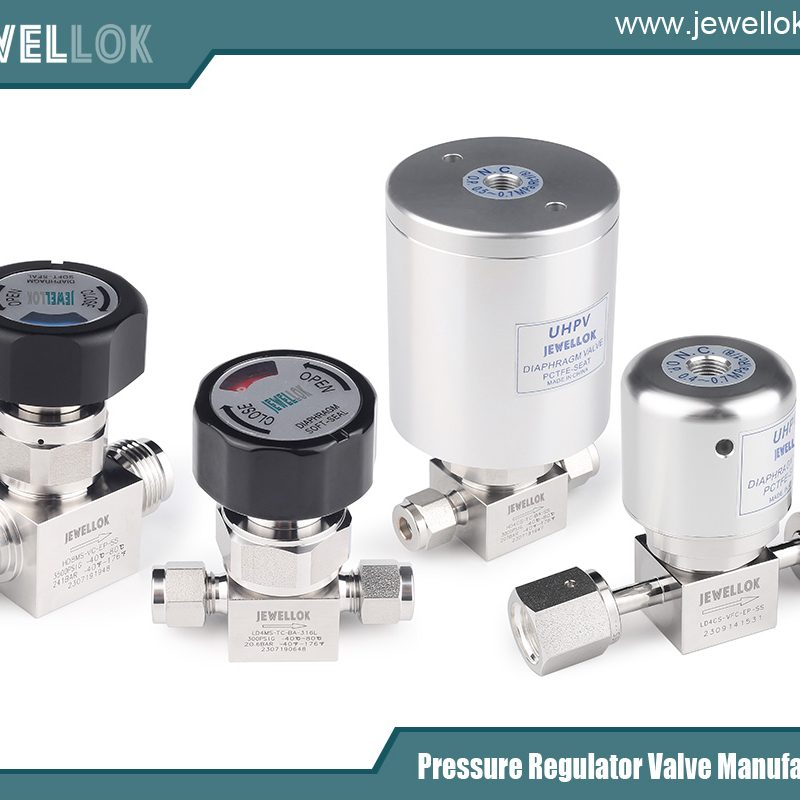
Ultra-High Purity Diaphragm Valve Design in Ultra-High Purity Gas Distribution Systems
Ultra-high purity (UHP) gas distribution systems are critical infrastructure in semiconductor manufacturing, photovoltaic production, advanced materials processing, and pharmaceutical applications. Among all components in these systems, the ultra-high purity diaphragm valve plays a decisive role in maintaining gas integrity, ensuring process stability, and preventing contamination at the parts-per-billion (ppb) or even parts-per-trillion (ppt) level.
This article provides a comprehensive technical overview of the design principles, material selection, structural optimization, sealing mechanisms, and performance requirements of ultra-high purity diaphragm valves used in high-purity gas delivery systems.
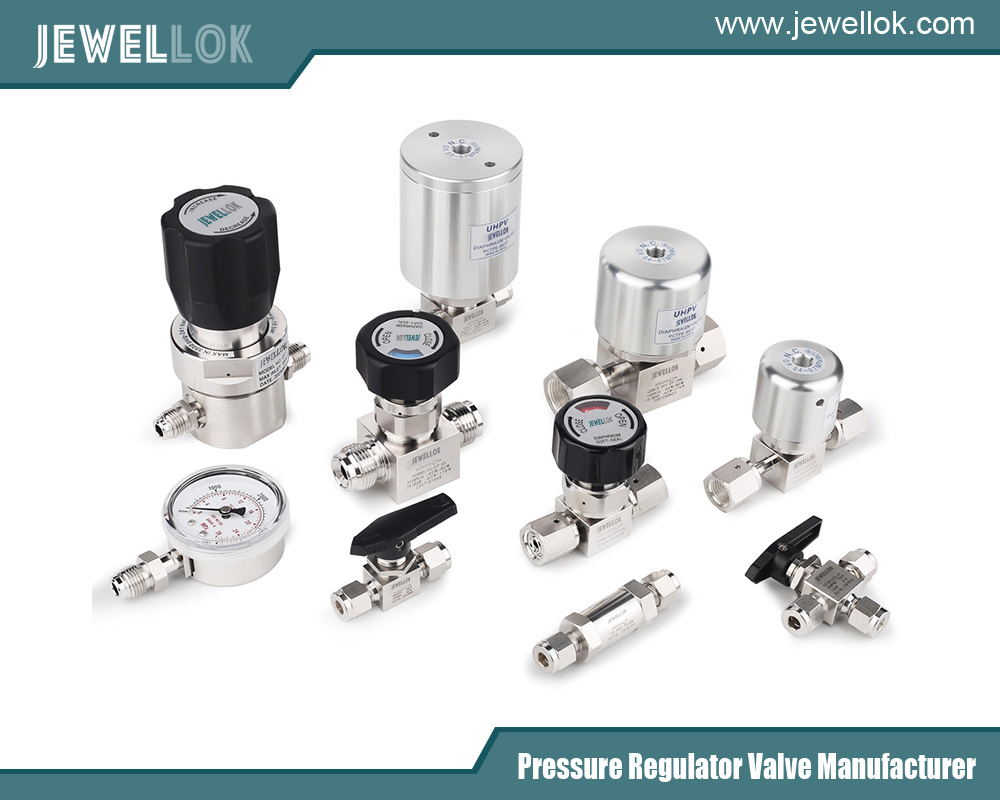
1. Role of Diaphragm Valves in UHP Gas Systems
In a typical ultra-high purity gas distribution system, gases such as nitrogen (N₂), argon (Ar), hydrogen (H₂), silane (SiH₄), ammonia (NH₃), and other process gases must be delivered from source cylinders or bulk supply systems to process equipment without any contamination or pressure instability.
Diaphragm valves serve several critical functions:
- Isolation of gas lines
- Precise flow control
- Prevention of particle generation
- Minimization of dead volume
- Leak-tight sealing under high vacuum or high pressure conditions
Unlike ball valves or plug valves, diaphragm valves isolate the process gas from mechanical moving parts using a flexible diaphragm, significantly reducing contamination risks.
2. Key Design Objectives for Ultra-High Purity Diaphragm Valves
Designing a diaphragm valve for UHP applications is fundamentally different from conventional industrial valves. The main objectives include:
2.1 Zero Contamination Requirement
The internal flow path must be designed to eliminate:
- Particle shedding
- Metal ion leaching
- Outgassing of elastomers or polymers
2.2 Minimal Dead Volume
Dead volume leads to gas stagnation, which can cause:
- Cross-contamination between gas batches
- Delayed purge efficiency
- Chemical reactions in reactive gases
2.3 High Leak Integrity
Typical UHP specifications require:
- Helium leak rate ≤ 1×10⁻⁹ atm·cc/sec
- Bubble-tight sealing under pressure cycling
2.4 High Cycle Life
Valves in semiconductor fabs may operate thousands of cycles per day, requiring:
- Diaphragm fatigue resistance
- Stem actuation durability
- Stable sealing performance over long service life
3. Material Selection for UHP Diaphragm Valves
Material selection is one of the most important aspects of UHP valve design.
3.1 Valve Body Materials
The most commonly used materials include:
- 316L stainless steel (electropolished)
- VAR/VIM-VAR stainless steel for extreme purity
- Nickel-based alloys for corrosive gases
Key requirements:
- Electropolished surface roughness Ra ≤ 0.13 µm (or lower for advanced nodes)
- High corrosion resistance
- Low metal ion release
3.2 Diaphragm Materials
The diaphragm is the most critical sealing component. Common materials include:
- PTFE (Polytetrafluoroethylene)
- PCTFE (Polychlorotrifluoroethylene)
- EPDM (for non-reactive gases, less common in UHP)
- Metal diaphragms (Hastelloy or Inconel for extreme conditions)
PTFE-lined metal diaphragms are widely used because they combine chemical inertness with mechanical strength.
3.3 Stem and Actuator Materials
- Stainless steel stems with hard coating (e.g., nickel plating)
- PEEK or high-performance polymers in isolated actuator sections
- Cleanroom-compatible lubricants or lubricant-free designs
4. Flow Path and Internal Geometry Optimization
The internal flow path design is crucial for maintaining laminar gas flow and minimizing turbulence-induced contamination.
4.1 Full-Flow Design
A well-designed UHP diaphragm valve typically uses a full-port or near full-port geometry, ensuring:
- Reduced pressure drop
- Smooth gas transition
- Minimal particle entrapment zones
4.2 Streamlined Cavity Design
Internal cavities are eliminated or minimized using:
- Rounded internal corners
- Polished flow channels
- Continuous weld or forged construction
4.3 Dead Space Elimination
Advanced designs incorporate:
- Zero-dead-volume (ZDV) sealing structures
- Integrated diaphragm seating surfaces
- Optimized bonnet-to-body interface
5. Diaphragm Sealing Mechanism
The sealing mechanism is the heart of diaphragm valve performance.
5.1 Working Principle
When the actuator applies force, the diaphragm deflects downward to seal against the valve seat, isolating the upstream and downstream gas flow.
This design ensures:
- No direct contact between gas and mechanical stem
- Self-cleaning sealing surface
- Reduced particle generation
5.2 Sealing Force Optimization
The sealing force must be carefully balanced:
- Too low → leakage risk
- Too high → diaphragm fatigue and shortened life
Engineers typically optimize:
- Actuation stroke
- Compression ratio of diaphragm
- Material elasticity modulus
5.3 Thermal Stability
In semiconductor environments, temperature fluctuations can affect sealing performance. High-end diaphragm valves are designed to:
- Maintain stable sealing force across temperature ranges
- Compensate thermal expansion mismatch between body and diaphragm
6. Surface Treatment and Cleanliness Control
Surface quality directly impacts gas purity.
6.1 Electropolishing
Electropolishing is standard for UHP valves, providing:
- Ultra-smooth surface finish
- Reduced micro-roughness peaks
- Lower particle adhesion probability
6.2 Passivation
Chemical passivation removes free iron from stainless steel surfaces, enhancing:
- Corrosion resistance
- Long-term stability in reactive gas environments
6.3 Cleanroom Assembly
Final assembly is typically performed in ISO Class 4–6 cleanrooms:
- Ultrasonic cleaning of all components
- Vacuum baking to remove outgassing species
- Nitrogen purging during packaging
7. Actuation Systems and Control Integration
Diaphragm valves can be manually or pneumatically actuated.
7.1 Manual Actuation
Used in:
- Laboratory systems
- Low-frequency switching lines
Advantages:
- Simple structure
- Lower cost
- High reliability
7.2 Pneumatic Actuation
Most common in semiconductor fabs:
- Remote operation capability
- Integration with PLC systems
- Fast switching response
7.3 Smart Valve Integration
Modern systems may include:
- Position sensors
- Pressure feedback loops
- IoT-based monitoring for predictive maintenance
8. Performance Testing and Quality Standards
UHP diaphragm valves must undergo rigorous testing:
8.1 Helium Leak Testing
- Detects microscopic leakage paths
- Ensures ultra-tight sealing performance
8.2 Cycle Life Testing
- Simulates long-term operation
- Typically 1 million+ cycles for high-end valves
8.3 Particle Emission Testing
- Measures particle generation during operation
- Critical for semiconductor-grade applications
8.4 Cleanliness Verification
- TOC (Total Organic Carbon) testing
- Surface contamination analysis
- Moisture and oxygen residual measurement
9. Common Failure Modes and Design Improvements
9.1 Diaphragm Fatigue
Cause:
- Repeated mechanical stress
Solution:
- Optimized diaphragm thickness
- Improved material composition
9.2 Seal Wear
Cause:
- High-frequency actuation
Solution:
- Hardened seat surfaces
- Improved surface coating
9.3 Particle Generation
Cause:
- Internal friction or poor machining
Solution:
- Electropolished surfaces
- Precision machining and cleaning
10. Application in Semiconductor Gas Distribution Systems
Ultra-high purity diaphragm valves are widely used in:
- ALD (Atomic Layer Deposition) gas cabinets
- CVD (Chemical Vapor Deposition) systems
- Etching process gas panels
- Bulk specialty gas distribution systems
- Fab-wide gas supply networks
In these environments, even minor contamination can lead to:
- Wafer defects
- Yield loss
- Process instability
Therefore, diaphragm valve reliability directly impacts production efficiency and cost.
11. Future Development Trends
The evolution of UHP diaphragm valves is driven by advanced semiconductor nodes and stricter purity requirements.
11.1 Extreme Purity (XHP) Systems
Future systems will require:
- Sub-ppt contamination control
- Near-zero outgassing materials
11.2 Advanced Materials
Research trends include:
- Ceramic-coated diaphragms
- Nano-structured metal surfaces
- Advanced fluoropolymer composites
11.3 Digital Valve Technology
Integration with Industry 4.0:
- Real-time diagnostics
- Predictive failure analysis
- Remote calibration and control
Conclusion
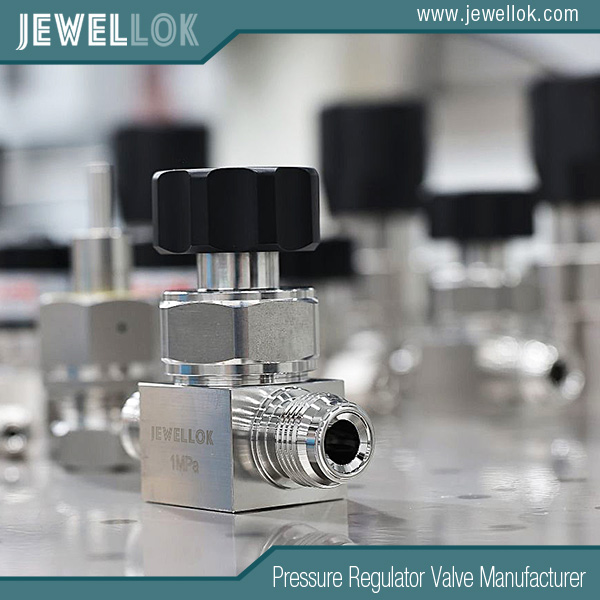
Ultra-high purity diaphragm valve design is a multidisciplinary engineering challenge involving material science, precision machining, fluid dynamics, and semiconductor-grade cleanliness control. As semiconductor manufacturing continues to advance toward smaller process nodes and higher precision requirements, the demand for more reliable, cleaner, and smarter diaphragm valves will continue to grow.
A well-designed UHP diaphragm valve not only ensures safe and stable gas delivery but also directly contributes to yield improvement and cost reduction in high-tech manufacturing environments.
For more about ultra-high purity diaphragm valve design in ultra-high purity gas distribution systems, you can pay a visit to Jewellok at https://www.jewellok.com/product-category/chemical-delivery-system/ for more info.
-
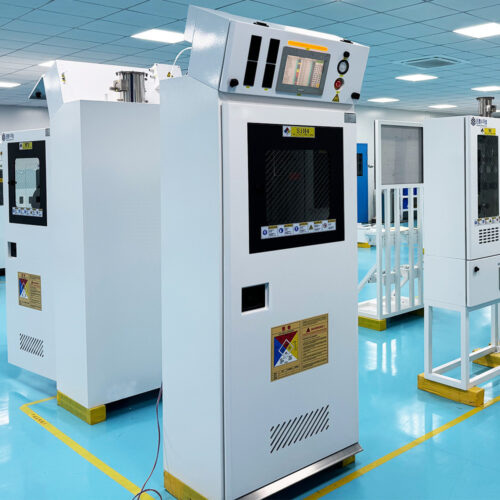
High Purity Bulk Specialty Gas Pressure Control And Filtration Bulk Gas Skid Systems JW-300-BSGS
-
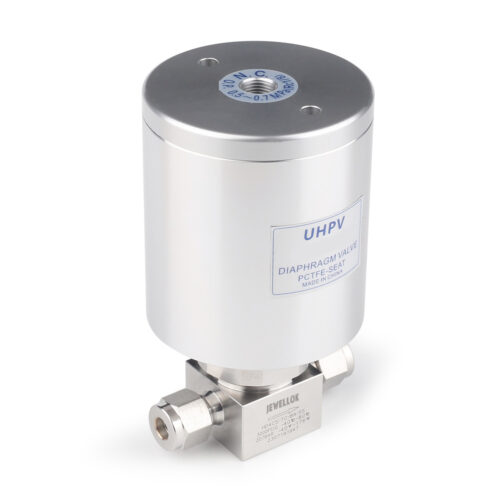
316L Stainless Steel Semiconductor High Purity High Pressure Pneumatic Diaphragm Valve For Laboratory Specialty Gases
-

Liquid Chemical Valve Manifold Box Chemical Dispensing Units, Semi & Fully Automatic Chemical Filling Equipment
-
Ultra High Purity Trimethylaluminum TMA Gas Cabinet Liquid Delivering Cabinet Used For Specialty Gas Delivery System In Semiconductor
-

UHP Liquid Chemical Delivery System (CDS) Implementation for High-Volume Photovoltaic and Renewable Energy Component Production Lines
-
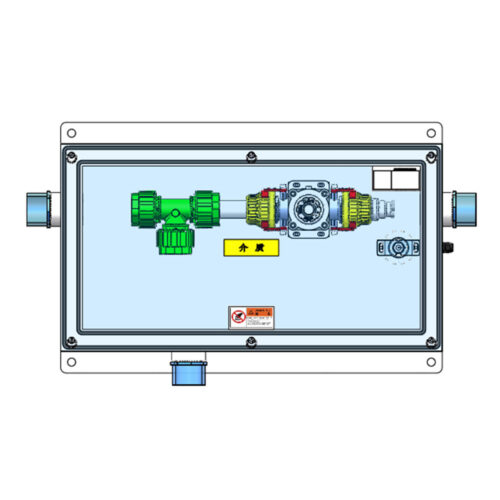
T-BOX JW-TB-C Special Gas Delivery System Gas Valve Manifold Boxes
-
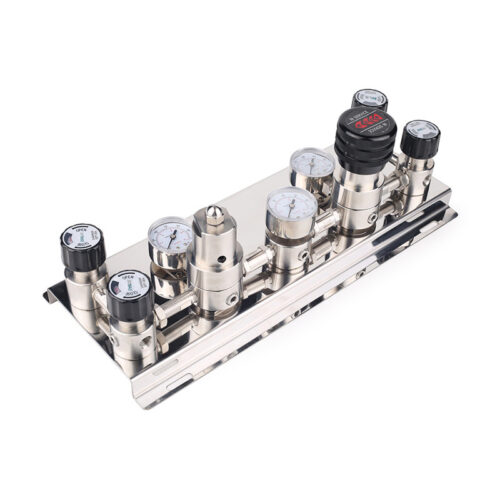
Stainless Steel High Pressure Specialty Gas Changeover Manifold For High Purity Oxygen Nitrogen Argon Helium Hydrogen Co2
-
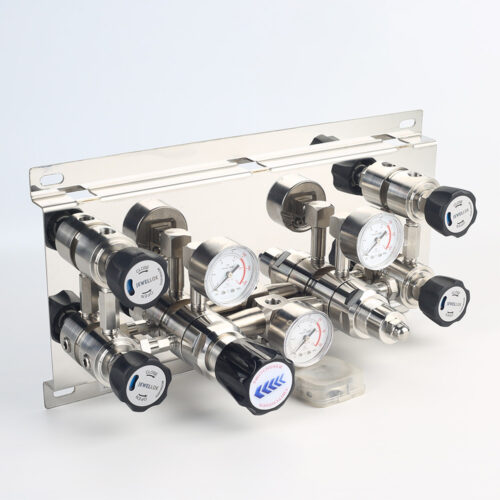
Pressure Control Panels For High Purity Gas Control System JSP-3AE Series From Pressure Control Panels Suppliers And Manufacturer