
Valves Manufacturer Tel: +86 13380377051
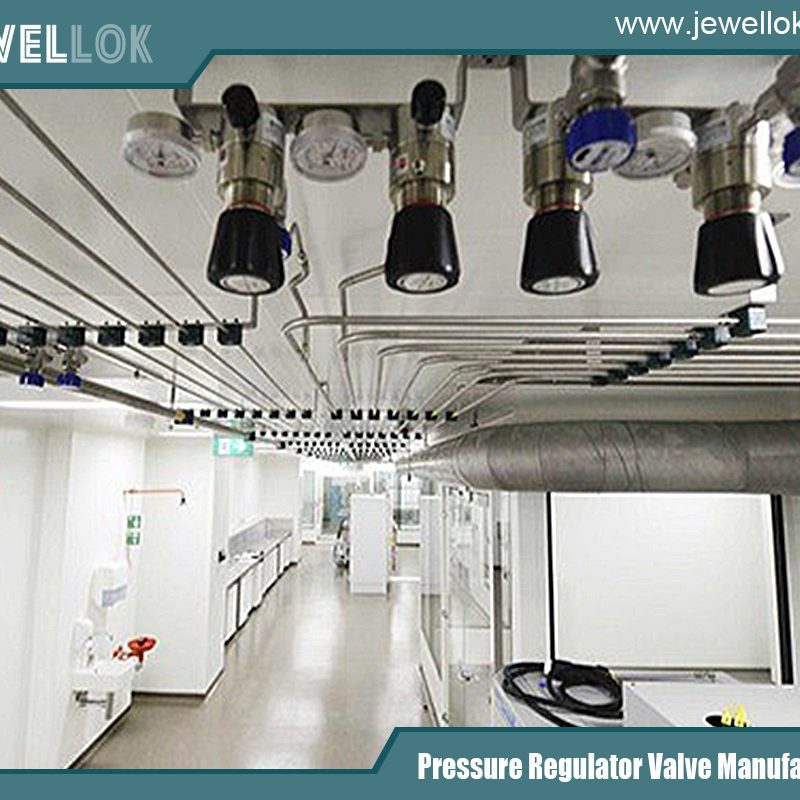
316L Stainless Steel Ultra High Purity Regulator for PH3 Service
The Critical Role of Gas Delivery in High-Tech Manufacturing
In the pristine, controlled environments of semiconductor fabs and LED production facilities, the integrity of process gases is non-negotiable. Among the most critical and hazardous of these specialty gases is phosphine (PH₃). Used as a key dopant for introducing phosphorus into silicon crystal lattices, phosphine enables the precise electrical properties that define modern microelectronics. However, its extreme toxicity (a TLV-TWA of 0.3 ppm), pyrophoric nature (spontaneously ignites in air at concentrations above ~1.8%), and corrosive potential under moisture exposure make its handling a paramount safety and engineering challenge. At the heart of any safe and effective phosphine gas delivery system lies a critical component: the 316L Ultra-High Purity (UHP) gas pressure regulator. Specially engineered from 316L stainless steel, this device is far more than a simple pressure reducer; it is a meticulously designed safeguard, ensuring both the lethal gas is controlled and the multi-billion-dollar fabrication process remains uncontaminated.
The Adversary: Understanding Phosphine’s Corrosive and Hazardous Nature
To appreciate the engineering behind a 316L UHP regulator, one must first understand the adversary it is designed to confront.
-
Toxicity: Phosphine is a potent respiratory poison, requiring gas cabinets, continuous monitoring, and stringent safety protocols. Any regulator must be housed within a ventilated gas cabinet and must not be a source of leakage.
-
Pyrophoricity: Its tendency to ignite on contact with air necessitates designs that eliminate dead volumes where gas can stagnate and that prevent air ingress during cylinder changes.
-
Corrosion in Presence of Moisture: While dry phosphine is relatively non-corrosive to many metals, trace moisture can lead to the formation of phosphoric acid (H₃PO₄) and its various derivatives. These acidic compounds aggressively attack metals, leading to corrosion, particle generation, and catastrophic failure. This moisture-induced corrosion is the primary driver for material selection.
The Material of Choice: Why 316L Stainless Steel?
For phosphine service, 316L stainless steel UHP regulator is the undisputed industry standard for UHP regulators. The “L” denotes a low-carbon variant (<0.03% carbon), which is crucial for preventing sensitization—a process where chromium carbides form at grain boundaries during welding, depleting the local chromium content and creating zones susceptible to corrosion. The composition of 316L provides specific defenses:
-
Chromium (16-18%): Forms a tenacious, self-healing passive layer of chromium oxide (Cr₂O₃) on the surface, providing inherent corrosion resistance.
-
Nickel (10-14%): Enhances ductility, toughness, and resistance to reducing acids.
-
Molybdenum (2-3%): The critical addition. Molybdenum dramatically increases resistance to pitting and crevice corrosion, particularly from chlorides and other halides. This is vital for withstanding potential acidic byproducts.
For UHP applications, the material specifications go beyond basic alloy composition:
-
Electropolished Interior: A electrochemical process that removes surface imperfections, micro-burrs, and embedded impurities. It smooths the surface to a mirror-like finish (typically <15 Ra µin), minimizing surface area where gas can adsorb and reducing sites for particle generation or corrosion initiation.
-
Certification: Mill Certificates and Material Test Reports (MTRs) trace the alloy’s composition. For the most critical services, Double Melt (Vacuum Induction Melt followed by Vacuum Arc Remelt) 316L is used to achieve the lowest possible inclusion content and highest homogeneity.
Ultra-High Purity (UHP) Design Philosophy
A phosphine regulator is not a standard industrial regulator. It is built to UHP principles, where contamination control is the overriding design goal.
-
Particle Generation: All internal components are designed for minimal friction and wear. Diaphragms are meticulously clean, and the use of metal diaphragms (often 316L) instead of elastomers is common for the most demanding applications, eliminating a potential source of organic outgassing and permeation.
-
Outgassing: Internal surfaces are cleaned and passivated to ASTM A967 or similar standards. This removes free iron and contaminants and stabilizes the chromium oxide layer, drastically reducing the release of H₂O, O₂, and other gases under vacuum or heat.
-
Dead Volume Minimization: Internal volumes are designed to be as small as possible. This allows for faster purging during system evacuation and minimizes the amount of hazardous gas trapped during cylinder changeouts, enhancing safety.
-
Sealing Technology: While metal diaphragms offer the ultimate purity, elastomer seals are still used in static applications. For phosphine, the choice is critical. Viton® (FKM) is generally not recommended due to potential permeation issues. Kel-F® (PCTFE) or Chemraz® (perfluoroelastomer) are preferred for their superior resistance to permeation and chemical attack, even at low pressures. The seat material in the regulator’s valve is often a high-purity polymer like PCTFE or PEEK.
Key Regulator Features and Configurations for Phosphine
A typical 316L UHP regulator for phosphine will incorporate several specialized features:
-
Two-Stage Design: For the highest stability, a two-stage regulator is often preferred. The first stage reduces the high cylinder pressure (which can be up to 2000 psi for phosphine mixtures) to a steady intermediate pressure. The second stage provides a precise, rock-solid delivery pressure to the tool, unaffected by the decaying cylinder pressure. This is essential for consistent dopant concentration in the process.
-
Purging and Venting Ports: UHP regulators feature multiple ports (1/4″ or 1/2″ VCJ® or face seal fittings) for system integration. Dedicated ports allow for efficient purge-evacuate cycles (typically with an inert gas like nitrogen) to remove any residual phosphine before maintenance or cylinder disconnect.
-
Diaphragm Isolation: The pressure-sensing diaphragm is the barrier between the process gas and the spring/ambient side. A leak here would vent phosphine into the cabinet. High-integrity welded diaphragms or monitored vent ports are used.
-
Inlet Filters: Many regulators include a sintered 316L metal frit (e.g., 2 µm) at the inlet to trap any particulates from the cylinder.
-
Outlet Pressure Ranges: For doping applications, delivery pressures are typically low, often in the 0-50 psi or 0-100 psi range, requiring a sensitive and accurate regulator.
Safety Systems Integration
The regulator is a single component in a comprehensive safety system:
-
Gas Cabinet Mounting: The regulator is always installed inside a mechanically ventilated, continuously monitored gas cabinet.
-
Series/Parallel Valving: Phosphine systems use either a series (double-block-and-bleed) or parallel manifold configuration with pneumatically actuated valves. This allows one cylinder to be in service while the other is a standby, enabling changeouts without process interruption and with full containment.
-
Excess Flow Valves (EFVs): Often installed downstream of the regulator, EFVs shut automatically if a catastrophic downstream line rupture occurs, limiting gas release.
-
Monitoring: Pressure transducers monitor cylinder and delivery pressure. Toxic gas detectors (TGDs) are placed inside the cabinet and in the exhaust scrubber line.
Operational and Maintenance Best Practices
Even the best equipment requires proper handling:
-
CGA Connections: Phosphine cylinders use specific Compressed Gas Association (CGA) fittings (e.g., CGA 350) to prevent accidental cross-connection with incompatible gases.
-
Leak Checking: After installation, the entire system must be leak-checked using a compatible method, such as helium mass spectrometry. Soap solution testing is prohibited due to the pyrophoric risk.
-
Purging Protocol: Strict SOPs for purge-evacuate cycles (e.g., three cycles of pressurizing with inert gas followed by evacuation) are mandatory before breaking any connection.
-
Preventive Maintenance: Regulators in continuous service require periodic inspection and re-building by trained personnel in a controlled environment, following the manufacturer’s guidelines.
Conclusion
The 316L Stainless Steel UHP regulator for phosphine service exemplifies the fusion of materials science, precision engineering, and rigorous safety culture that underpins advanced manufacturing. It is an unseen guardian, performing a silent but vital function: transforming a highly dangerous, high-pressure gas into a stable, pure, and precisely controlled process stream. Its electropolished 316L interior resists insidious corrosion, its UHP design safeguards against contamination, and its integration into redundant safety systems protects both personnel and the environment. As semiconductor geometries continue to shrink toward the atomic scale, the demand for even higher purity and reliability in gas delivery systems will only intensify, ensuring that the engineering embodied in this critical component remains at the forefront of technological progress. Specifying, installing, and maintaining the correct regulator is not merely an operational detail—it is a fundamental requirement for safe, successful, and yield-producing semiconductor fabrication.
For more about 316l stainless steel ultra high purity regulator for PH3 service, you can pay a visit to Jewellok at https://www.jewellok.com/ for more info.
-
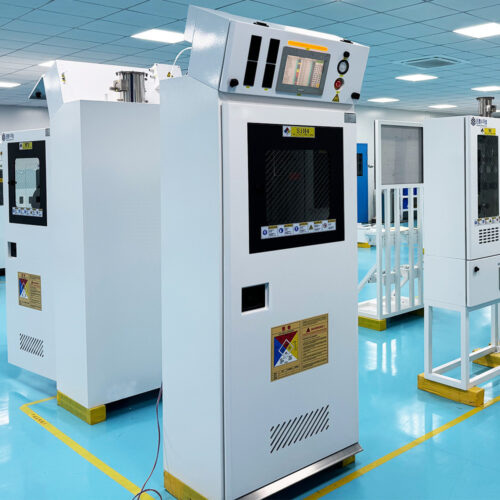
Bulk Specialty Gas Systems (BSGS) Gas Cabinets And Scrubber Tail Gas Treatment Cabinets For High Purity Bulk Specialty Gas Delivery
-
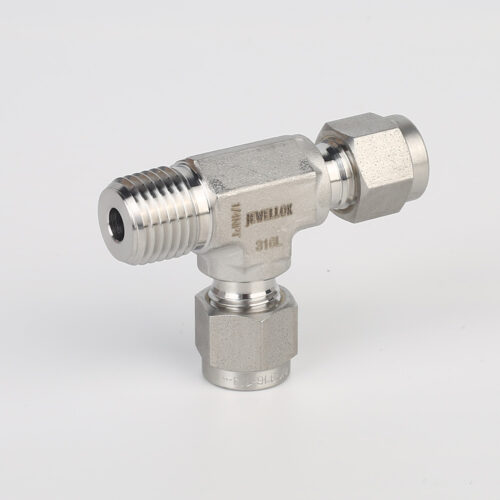
771L Male Run Tee | Stainless Steel High Quality High Purity Male Run Tee Branch Tee Pipe Fittings
-
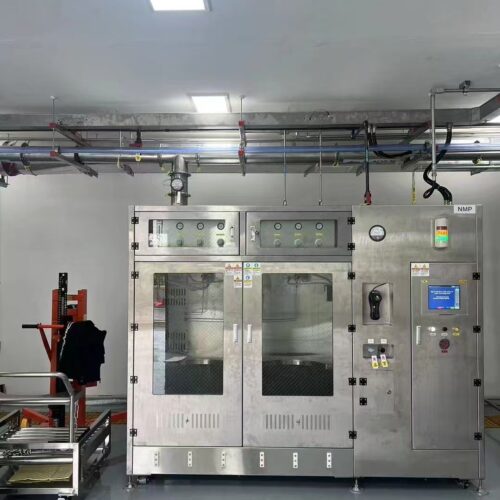
UHP Bulk Liquid Chemical Delivery System (BCDS) Implementation for High-Efficiency Photovoltaic and Solar Cell Production Lines
-
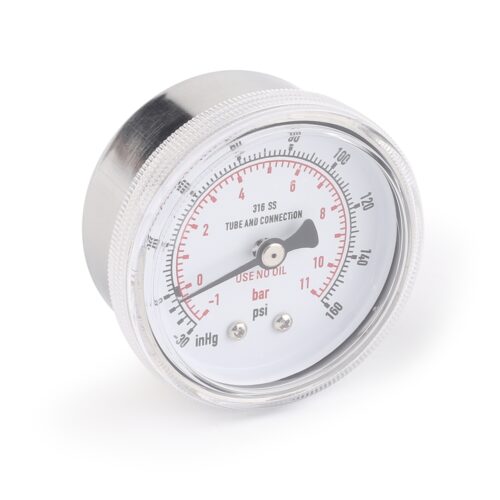
Ultra High Purity Pressure Gauge For Laboratory And Semiconductor JR Series
-
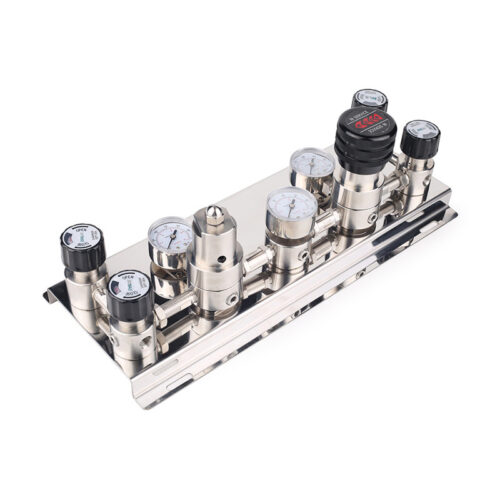
Stainless Steel High Pressure Specialty Gas Changeover Manifold For High Purity Oxygen Nitrogen Argon Helium Hydrogen Co2
-
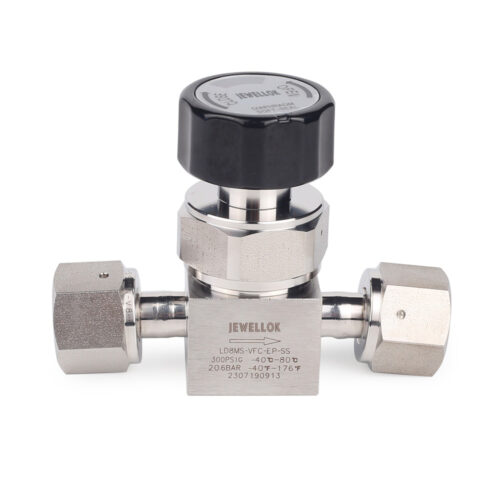
Flow Control Stainless Steel Low Pressure Manual Diaphragm Valve For High Purity And Ultra High Purity Gases
-
High Purity Bulk Specialty Gas Pressure Control And Filtration Bulk Gas Skid Systems JW-300-BSGS
-
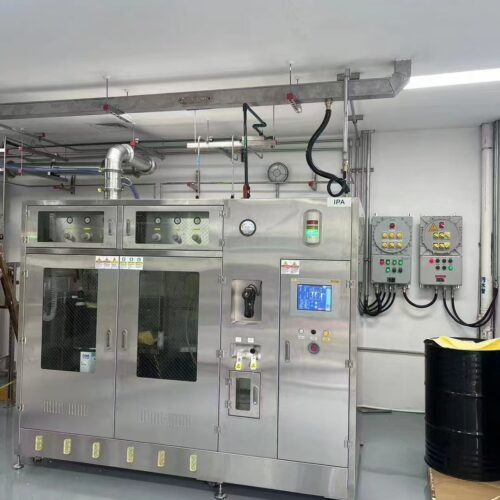
Precision Liquid Chemical Delivery Module (CDM) with PLC Control for Parts-Per-Trillion Purity in Solar Cell Production