
Valves Manufacturer Tel: +86 13380377051
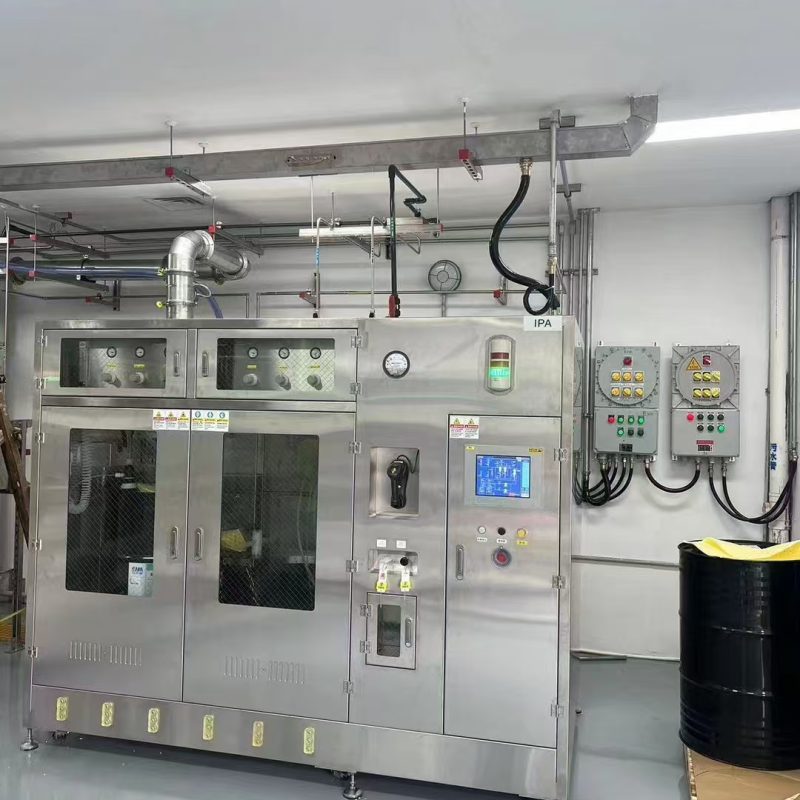
Chemical Delivery System: Design, Operation, and Applications in Modern Industry
A Chemical Delivery System (CDS) is a critical infrastructure used to safely store, transport, and dispense chemicals in controlled environments. These systems are widely utilized in industries such as semiconductor manufacturing, pharmaceuticals, chemical processing, and advanced materials production. With increasing demand for precision, safety, and contamination control, modern chemical delivery systems have evolved into highly engineered solutions integrating automation, monitoring, and high-purity materials.
This article explores the design principles, key components, operational mechanisms, and industrial applications of chemical delivery systems, along with emerging trends shaping the future of this technology.
Fundamental Functions of a Chemical Delivery System
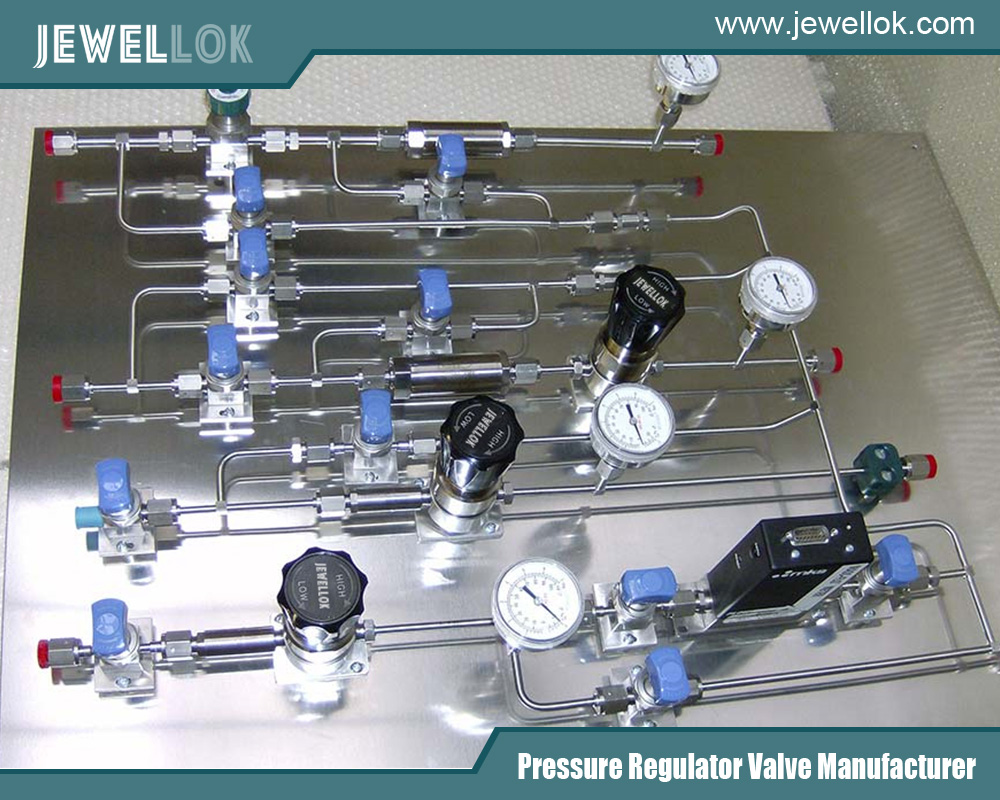
At its core, a chemical delivery system performs three essential functions: storage, transfer, and dispensing. These functions must be executed with high accuracy and reliability, especially when handling hazardous, reactive, or ultra-high purity (UHP) chemicals.
- Storage
Chemicals are stored in specially designed containers such as cylinders, drums, or bulk tanks. These containers are often made from materials compatible with the chemical properties, such as stainless steel, fluoropolymers, or high-density polyethylene. - Transfer
The system transports chemicals from storage to the point of use through pipelines, tubing, or hoses. Transfer must minimize contamination, leakage, and pressure fluctuations. - Dispensing
Precise control of flow rate, pressure, and volume is required during dispensing. Advanced systems incorporate metering devices, valves, and sensors to ensure consistent delivery.
Key Components of a Chemical Delivery System
A typical CDS consists of multiple integrated components working together to ensure efficiency and safety.
1. Storage Units
Storage units include chemical containers such as:
- Gas cylinders (for specialty gases)
- Chemical drums (for liquids)
- Bulk storage tanks (for large-scale operations)
These units are often equipped with pressure regulators, level sensors, and safety relief devices.
2. Piping and Tubing
The piping network connects storage units to process equipment. Material selection is critical:
- Stainless steel (e.g., 316L) for corrosive and high-purity applications
- PTFE/PFA tubing for ultra-clean environments
Proper design minimizes dead volume and prevents particle generation.
3. Valves and Regulators
Valves control the flow and direction of chemicals. Common types include:
- Diaphragm valves (widely used in UHP applications)
- Ball valves (for general-purpose use)
- Needle valves (for fine flow control)
Pressure regulators maintain stable operating conditions and prevent over-pressurization.
4. Pumps and Flow Controllers
For liquid chemicals, pumps provide the driving force for transfer. Types include:
- Diaphragm pumps
- Peristaltic pumps
- Gear pumps
Mass Flow Controllers (MFCs) or Liquid Flow Controllers (LFCs) ensure precise dosing.
5. Filtration and Purification Units
Filters remove particles and contaminants that could affect product quality. In semiconductor applications, filtration down to sub-micron or even nanometer levels is required.
6. Monitoring and Control Systems
Modern CDS integrates sensors and automation systems to monitor:
- Pressure
- Flow rate
- Temperature
- Chemical levels
Programmable Logic Controllers (PLCs) and Human-Machine Interfaces (HMIs) enable real-time control and data logging.
Design Considerations
Designing an effective chemical delivery system requires careful consideration of multiple factors:
1. Chemical Compatibility
Materials used must resist corrosion and chemical reactions. For example:
- Strong acids require fluoropolymer-lined components
- Reactive gases require passivated stainless steel
2. Safety and Compliance
Safety is paramount, especially for hazardous chemicals. Systems must comply with standards such as:
- SEMI standards (for semiconductor industry)
- OSHA regulations
- NFPA codes
Features like leak detection, gas cabinets, and emergency shut-off valves are essential.
3. Purity Requirements
In industries like semiconductor fabrication, even trace contaminants can cause defects. Ultra-high purity systems are designed to:
- Minimize particle generation
- Avoid outgassing
- Maintain cleanroom compatibility
4. Scalability and Flexibility
Systems should be designed to accommodate future expansion and process changes. Modular designs are increasingly popular.
5. Automation and Integration
Automation enhances efficiency and reduces human error. Integration with factory control systems allows:
- Remote monitoring
- Predictive maintenance
- Process optimization
Types of Chemical Delivery Systems
Chemical delivery systems can be categorized based on the type of chemical and application:
1. Gas Delivery Systems
Used for specialty gases such as:
- Silane (SiH₄)
- Ammonia (NH₃)
- Hydrogen (H₂)
These systems often include gas cabinets, pressure regulators, and purge panels.
2. Liquid Chemical Delivery Systems
Designed for acids, solvents, and photoresists. Features include:
- Chemical dispense units (CDUs)
- Pump modules
- Filtration systems
3. Bulk Chemical Delivery Systems
Used in large-scale manufacturing, these systems store and deliver chemicals in high volumes. Examples include:
- Bulk gas systems
- Central chemical distribution systems
4. Ultra-High Purity (UHP) Systems
Specifically engineered for contamination-sensitive processes. These systems use:
- Electropolished stainless steel
- Orbital welding
- High-purity valves and fittings
Applications Across Industries
1. Semiconductor Manufacturing
Chemical delivery systems are indispensable in semiconductor fabrication, where they supply process chemicals for:
- Etching
- Deposition
- Cleaning
Precision and purity are critical to ensure high yield and device performance.
2. Pharmaceutical Industry
In pharmaceutical manufacturing, CDS ensures accurate dosing of active ingredients and solvents while maintaining compliance with Good Manufacturing Practices (GMP).
3. Chemical Processing
Chemical plants use CDS for continuous production processes, requiring robust and corrosion-resistant systems.
4. Laboratory and Research Facilities
In research environments, CDS provides controlled delivery of reagents for experiments, often requiring flexibility and precision.
Operational Challenges
Despite their advanced design, chemical delivery systems face several challenges:
1. Contamination Control
Maintaining cleanliness is critical, especially in UHP applications. Contamination can arise from:
- Material degradation
- Improper installation
- Environmental exposure
2. System Maintenance
Regular maintenance is required to:
- Replace filters
- Calibrate sensors
- Inspect valves and seals
Predictive maintenance strategies are increasingly adopted to minimize downtime.
3. Safety Risks
Handling hazardous chemicals poses risks such as:
- Leaks
- Explosions
- Toxic exposure
Proper training, monitoring, and safety systems are essential.
Emerging Trends and Innovations
1. Smart Chemical Delivery Systems
Integration of IoT and AI enables:
- Real-time diagnostics
- Predictive maintenance
- Automated process optimization
2. Miniaturization
Compact systems are being developed for laboratory and small-scale production applications.
3. Sustainable Design
Efforts are being made to:
- Reduce chemical waste
- Improve energy efficiency
- Use environmentally friendly materials
4. Advanced Materials
New materials with superior chemical resistance and lower particle generation are being introduced.
Future Outlook
As industries demand higher precision, safety, and efficiency, chemical delivery systems will continue to evolve. Key trends include increased automation, integration with digital manufacturing platforms, and stricter environmental and safety regulations.
The development of next-generation CDS will focus on enhancing reliability, reducing contamination, and enabling smarter, data-driven operations.
Conclusion
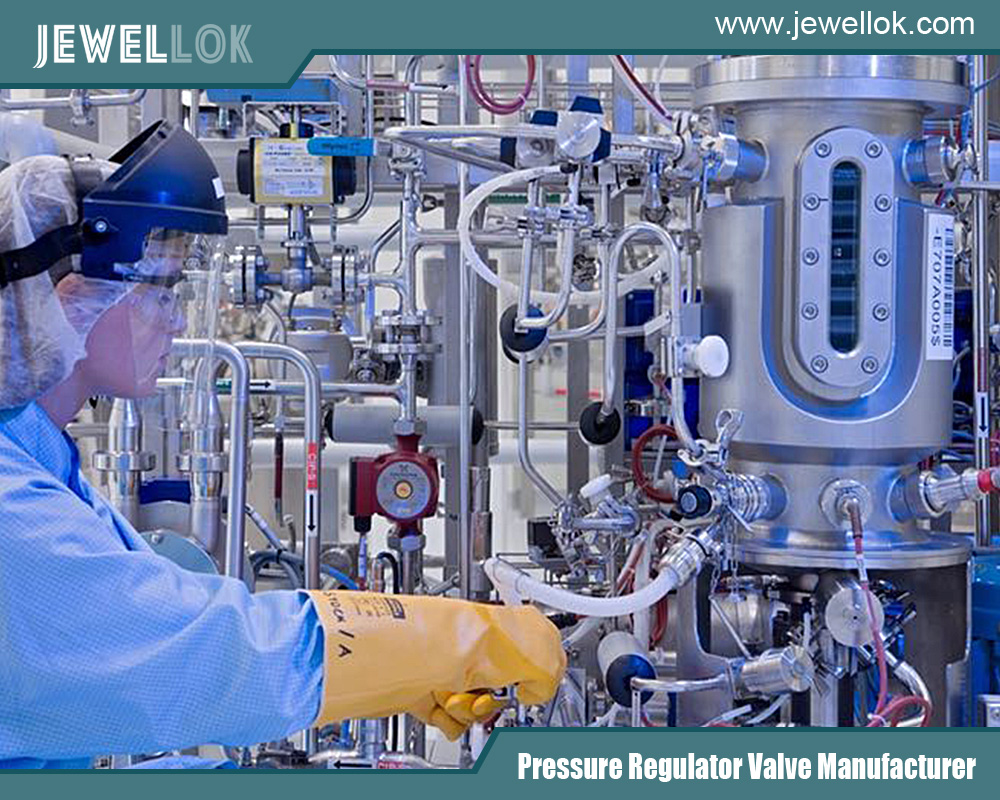
Chemical delivery systems are a cornerstone of modern industrial processes, enabling the safe and precise handling of a wide range of chemicals. From semiconductor fabrication to pharmaceutical production, these systems play a vital role in ensuring product quality and operational efficiency.
By understanding the design principles, components, and challenges associated with CDS, engineers and industry professionals can optimize system performance and adapt to the ever-changing demands of advanced manufacturing environments.
For more about the chemical delivery system: design, operation, and applications in modern industry, you can pay a visit to Jewellok at https://www.jewellok.com/product-category/chemical-delivery-system/ for more info.
-
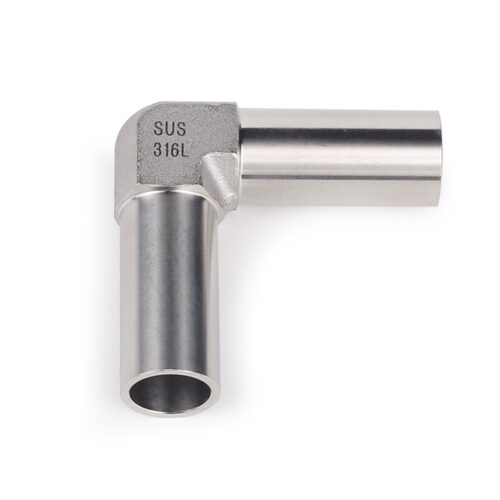
High Purity Stainless Steel Mini Tube Butt Weld Fittings For Semiconductor
-
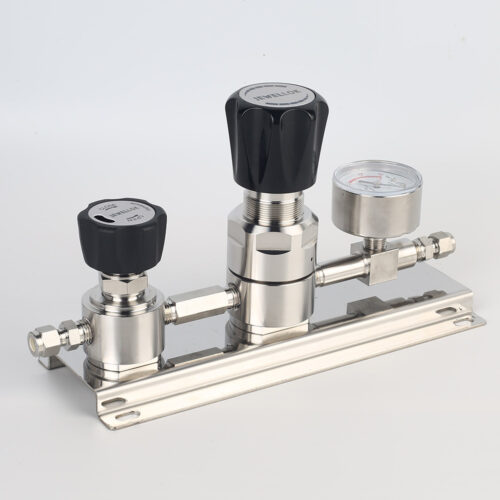
High Purity High Flow Pressure Control Regulators & Valves Gas Stick Assemblies JSR-2TG Series
-
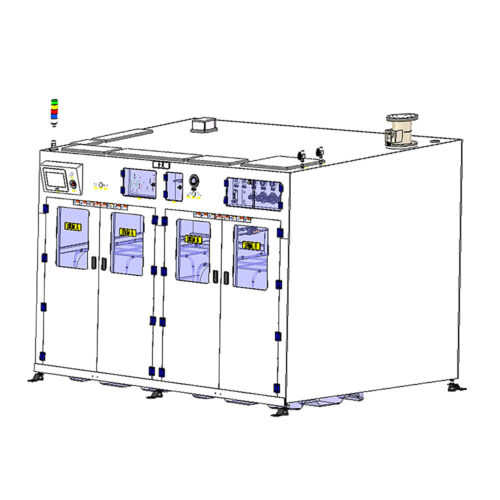
Laboratory Gas Scrubber System With Wet Scrubber Tail Gas Treatment And Acid Gas Neutralization Scrubber
-
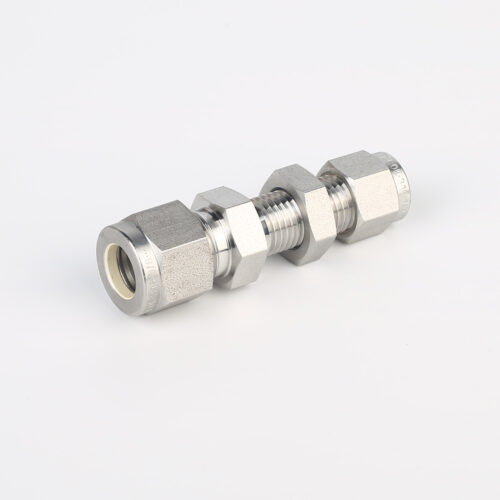
775L Bulkhead Reducing Union | Stainless Steel High Purity Double Ferrule Bulkhead Reducing Unions
-
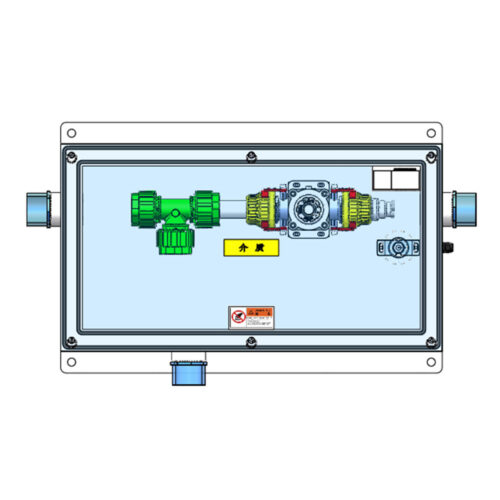
T-BOX JW-TB-C Special Gas Delivery System Gas Valve Manifold Boxes
-
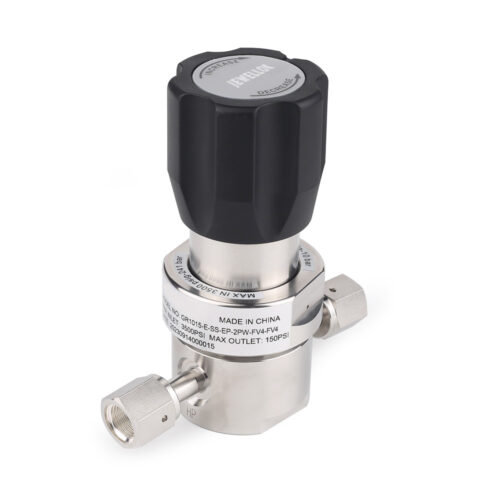
Specialty Gas Valves Ultra High Purity Gas Valves Ultra High Purity Gas Cylinder Valves UHP Cylinder Valve Ultra High Purity Gas Regulator
-
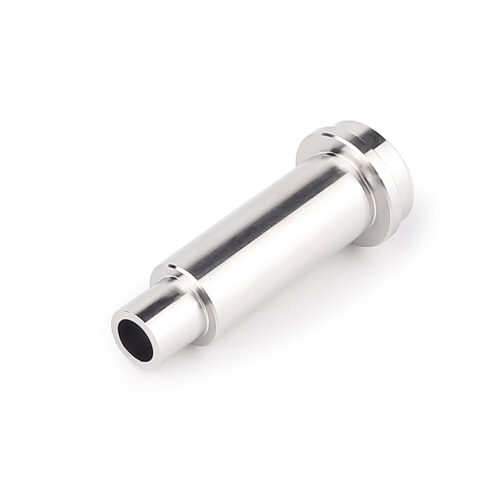
UHP Metal Gasket Face Seal Fittings Vacuum Coupling Metal Face Seal Join Long Gland And Short Gland
-
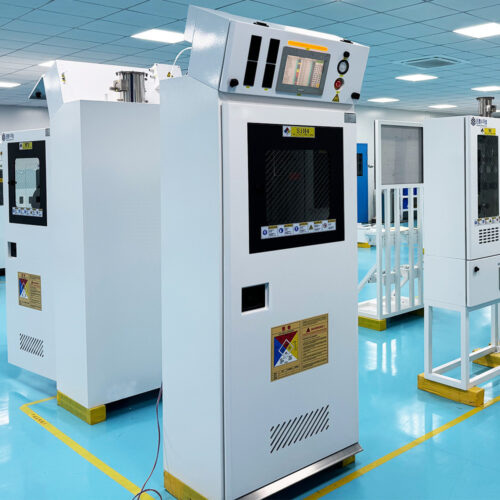
BSGS Large Flow Specialty Gas Supply Cabinet 3 Cylinder Gas Storage Cabinet Fully Automated PLC Control Bulk Specialty Gas Systems (BSGS) Gas Cabinets