
Valves Manufacturer Tel: +86 13380377051

Key Engineering Design Considerations for Hospital Medical Gas Valve and Piping Systems
Hospital medical gas systems are critical infrastructure that directly supports patient treatment, emergency care, surgery, intensive care, respiratory therapy, and other clinical operations. Unlike conventional industrial gas piping, hospital medical gas valve and piping systems must meet stringent requirements for safety, cleanliness, pressure stability, reliability, identification, maintainability, and continuity of supply. A design failure can interrupt critical medical services or create serious safety risks.
Therefore, engineering a hospital medical gas pipeline system requires more than simply selecting suitable pipes and valves. Engineers must consider the characteristics of each medical gas, gas consumption, operating pressure, pipeline layout, valve zoning, emergency supply, pressure regulation, monitoring, testing, and future expansion. This article discusses the major engineering design considerations for hospital medical gas valve and piping systems.
1. Understand the Requirements of Different Medical Gases
The first step in system design is identifying which medical gases will be supplied and where they will be used. Common hospital gases include oxygen, medical air, nitrous oxide, carbon dioxide, nitrogen, and vacuum systems. Each has different operating requirements and clinical applications.
Oxygen is generally used throughout patient rooms, operating theaters, intensive care units, emergency departments, and other clinical areas. Medical air may be required for ventilators, anesthesia equipment, and respiratory treatment. Nitrous oxide is commonly associated with anesthesia applications, while nitrogen can be used for specific medical or laboratory equipment.
Because these gases have different physical and operational characteristics, the pipeline system should not be designed as a one-size-fits-all installation. Engineers need to determine the required flow rate, working pressure, pressure drop, source capacity, and connection standards for every gas service.
The design should also prevent cross-connection between different gas systems. Gas identification, connection configuration, valve selection, and commissioning procedures must be carefully controlled to reduce the risk of supplying the wrong gas to a clinical area.
2. Select Appropriate Medical Gas Piping Materials
Material selection is one of the most important considerations in hospital gas pipeline engineering. The piping material must provide sufficient mechanical strength while maintaining appropriate internal cleanliness and corrosion resistance.
Copper tubing is widely used in medical gas installations because of its cleanliness, corrosion resistance, relatively smooth internal surface, and compatibility with many medical gas applications. In certain applications, stainless steel piping may also be considered when specific mechanical, environmental, or cleanliness requirements apply.
The selected material should be compatible with the intended gas and operating conditions. Particular attention is required for oxygen service. Components used in oxygen systems should be appropriately cleaned and handled to minimize contamination by oil, grease, particles, or other combustible materials.
Pipe dimensions should be determined based on calculated gas flow, allowable pressure drop, pipeline length, fittings, elevation changes, and expected future demand. Oversizing can increase project costs, while undersizing can cause excessive pressure loss and inadequate gas delivery at terminal outlets.
3. Design the Pipeline According to Gas Demand
Accurate demand calculation is essential for reliable hospital medical gas systems. Engineers should not simply add the nominal flow rates of all terminal outlets because simultaneous usage is usually lower than the theoretical maximum.
A proper calculation should consider the number of terminal units, clinical department characteristics, diversity factors, peak demand, emergency requirements, and potential future expansion.
For example, an intensive care unit may have significantly higher oxygen demand than a standard inpatient ward. Operating rooms may require high and relatively stable gas demand during surgical procedures. Emergency departments can experience sudden demand increases during major incidents.
The pipeline should therefore be hydraulically designed to maintain adequate pressure at the most remote and demanding terminal points.
Pressure-drop calculations should include straight pipe sections as well as elbows, tees, valves, regulators, filters, flexible connections, and other fittings. A well-designed system should provide stable pressure even when multiple departments operate simultaneously.
4. Develop a Logical Pipeline Layout
Hospital medical gas pipeline layouts should be designed around the functional organization of the hospital. The main pipeline should generally follow a logical route from the central gas source to major building zones and then to individual clinical departments.
The design should minimize unnecessary pipe length and excessive fittings while maintaining accessibility for inspection and maintenance.
Critical areas should receive particular attention. These may include operating theaters, intensive care units, emergency departments, recovery rooms, maternity units, and other areas where interruption of medical gas supply could seriously affect patient care.
Pipeline routes should also be coordinated with electrical systems, HVAC ducts, fire protection systems, water pipelines, structural elements, and other building services. Adequate separation and protection should be provided where required by applicable codes.
Where hospitals contain multiple floors or buildings, engineers should carefully evaluate vertical risers, horizontal distribution lines, pressure zones, and sectional isolation arrangements.
5. Use Proper Zone Valve Box Design
Zone valves are essential for isolating individual sections of a medical gas system. A well-designed zone valve arrangement allows hospital maintenance personnel to shut off gas supplies to a specific area without unnecessarily interrupting the entire building.
Zone valve boxes should be located in accessible and clearly identified positions. They should not be hidden behind permanent structures or placed where emergency access is difficult.
Each valve should be clearly labeled with the gas type and the area served. The identification should be durable and easy to read.
The valve box design should also provide sufficient space for operation, inspection, maintenance, and future servicing. Depending on project requirements, pressure gauges or monitoring devices may be incorporated into the valve assembly.
The isolation strategy should be developed during the initial engineering stage rather than added after installation. This helps ensure that the hospital can perform maintenance while maintaining supply to unaffected departments.
6. Select Reliable Medical Gas Valves
Valve selection directly affects the safety and reliability of the entire system. Medical gas valves should be selected according to the gas type, pressure, temperature, flow requirements, installation location, and applicable standards.
Common valve types may include ball valves, isolation valves, check valves, pressure regulators, and other specialized components. For many isolation applications, ball valves are attractive because they provide simple operation and clear open/closed positions.
However, the valve must be suitable for medical gas service rather than being selected only according to nominal pipe size. Material compatibility, sealing materials, pressure rating, internal cleanliness, leakage performance, and oxygen-service preparation should all be evaluated.
For oxygen systems, components should be free from oil and other contaminants that could create a combustion hazard. Proper cleaning, packaging, storage, and installation practices are therefore just as important as the valve’s mechanical specifications.
7. Provide Reliable Pressure Regulation
Medical gas equipment often requires stable pressure within a defined operating range. Excessively high or unstable pressure can damage downstream equipment, while insufficient pressure can affect clinical equipment performance.
Pressure regulation should therefore be designed around the requirements of the gas source and downstream medical equipment.
Central gas supply systems may incorporate pressure-reducing equipment, automatic changeover systems, alarms, and emergency backup supplies. The distribution network should be divided into appropriate pressure zones where necessary.
Pressure gauges and monitoring devices should be installed at strategically important locations so that operators can quickly identify abnormal conditions.
The engineering design should also consider pressure changes caused by peak demand, source switching, pipeline expansion, and maintenance activities.
8. Incorporate Emergency and Backup Gas Supply
Continuity of supply is a fundamental requirement for hospital medical gas systems. Medical treatment cannot simply stop because a primary gas source is empty or unavailable.
Critical systems should therefore incorporate appropriate reserve or emergency supply arrangements. Oxygen systems, for example, may use a combination of bulk supply, manifold cylinders, automatic changeover systems, or other approved backup configurations depending on hospital size and project requirements.
The backup system should have sufficient capacity for the required emergency operating period. Automatic changeover equipment should be designed to maintain supply without unnecessary interruption.
Emergency supply planning should also consider power failures, equipment maintenance, source depletion, pipeline damage, and other abnormal operating conditions.
9. Establish Effective Monitoring and Alarm Systems
A hospital medical gas system should not rely solely on physical valves and pipelines. Monitoring and alarm systems provide operators with early warning of abnormal conditions.
Typical monitored parameters may include pipeline pressure, source status, reserve supply status, and abnormal pressure conditions. Local and central alarms may be required depending on the application and applicable standards.
Alarm locations should be selected according to hospital operational requirements. Engineering teams should coordinate alarm systems with hospital facilities management and clinical personnel so that alerts can be recognized and acted upon quickly.
Clear alarm identification is important. Staff should be able to determine which gas system is affected and which area requires attention.
10. Pay Particular Attention to Cleanliness
Cleanliness is a critical engineering requirement for medical gas piping systems. Contamination inside a pipeline can compromise system performance and, in oxygen service, introduce additional safety risks.
Pipes should be appropriately cleaned before installation. Open pipe ends should be protected during transportation and construction to prevent dust, moisture, welding debris, and other contaminants from entering the system.
During installation, engineers and contractors should maintain strict control over materials and tools. Components intended for oxygen service should be handled using appropriate procedures.
After installation, the pipeline should undergo the required cleaning, flushing, pressure testing, leakage testing, and other commissioning procedures specified by applicable standards.
Cleanliness requirements should therefore be incorporated into the entire project lifecycle rather than treated as a final inspection activity.
11. Design for Maintenance and Future Expansion
Hospitals operate continuously, making maintenance accessibility especially important. Engineers should design pipelines, valves, regulators, monitoring points, and valve boxes so that maintenance can be performed safely and efficiently.
Where practical, sectional isolation should allow maintenance teams to isolate a limited portion of the system while maintaining service to other departments.
The design should also consider future expansion. Hospitals frequently add new patient rooms, operating rooms, diagnostic equipment, or additional clinical departments. If the original pipeline has no capacity reserve, future expansion can become expensive and disruptive.
Therefore, engineers should evaluate future gas demand and provide appropriate connection points or capacity allowances where justified by the project plan.
12. Follow Applicable Codes and Standards
Medical gas systems are highly regulated, and engineering teams must identify the applicable codes and standards before beginning detailed design.
Depending on the country and project location, requirements may involve medical gas installation standards, pressure equipment regulations, fire protection requirements, building codes, electrical regulations, and hospital-specific engineering specifications.
For international projects, engineers should carefully determine whether the system is designed according to standards such as NFPA 99, HTM requirements, ISO standards, or other applicable national and regional regulations.
Compliance should cover not only the pipeline itself but also valves, terminal units, source equipment, alarms, testing procedures, labeling, documentation, and commissioning.
13. Implement Rigorous Testing and Commissioning
Testing and commissioning are essential stages of medical gas pipeline engineering. A system should never be placed into clinical service simply because installation has been completed.
Testing may include pressure testing, leakage testing, cross-connection verification, pipeline identification verification, gas quality checks, valve operation checks, alarm testing, and other procedures required by applicable standards.
Each medical gas outlet should be verified to ensure that it supplies the correct gas. This is particularly important because a cross-connected pipeline can create extremely serious clinical consequences.
Commissioning documentation should record test results, equipment information, valve locations, pipeline routes, pressure settings, and other relevant data. Accurate documentation provides valuable support for future maintenance and modifications.
Conclusion
The engineering design of hospital medical gas valve and piping systems requires a comprehensive approach that combines fluid engineering, materials engineering, safety management, hospital operational requirements, and regulatory compliance.
The most important considerations include accurate gas-demand calculations, appropriate piping materials, optimized pipeline layouts, reliable zone valve systems, correctly selected medical gas valves, stable pressure regulation, emergency backup capacity, monitoring and alarms, strict cleanliness control, maintainability, future expansion, and comprehensive commissioning.
A high-quality hospital medical gas system should not simply deliver gas from a source to a terminal outlet. It should provide safe, clean, stable, identifiable, maintainable, and continuously available gas distribution under both normal and emergency operating conditions.
For hospitals, engineering quality directly influences system reliability and patient-care continuity. Therefore, every component—from the central supply equipment and pressure regulators to the smallest valve and terminal connection—should be selected, installed, tested, and documented as part of an integrated medical gas infrastructure system.
For more about key engineering design considerations for hospital medical gas valve and piping systems, you can pay a visit to Jewellok at https://www.jewellok.com/ for more info.
-
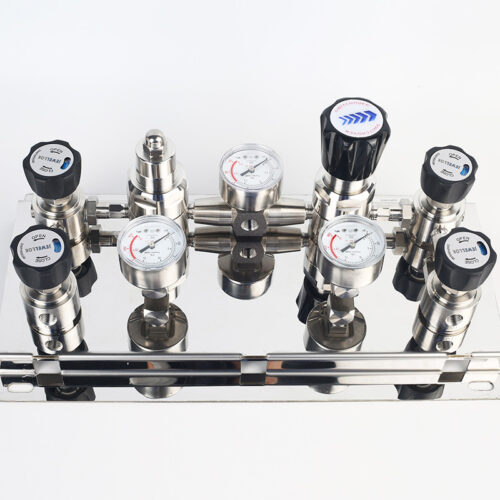
Semi Automatic Gas Changeover Manifold System Manual Changeover Manifold Panel Single Stage Automatic Switchover Board
-

Managing Hazardous Chemicals with a Custom Bulk Liquid Chemical Delivery System (BCDS) in Pharmaceutical Facilities
-
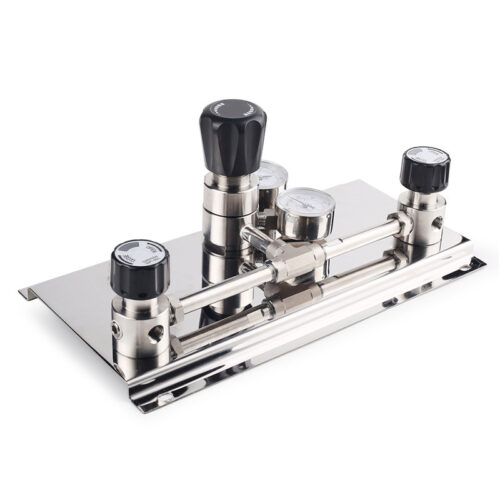
High Purity Semi-Auto Stainless Steel Changeover Manifold System, Nitrogen High Pressure Control Panel With Semiconductor Valve Manifold Box Diaphragm Valves
-
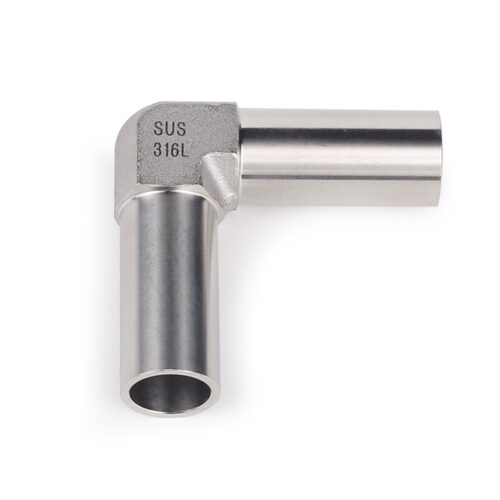
High Purity Stainless Steel Mini Tube Butt Weld Fittings For Semiconductor
-
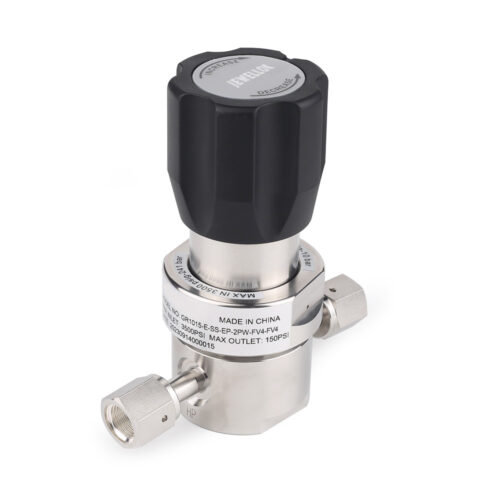
316L Vim Var Stainless Steel Ultra High Purity Gas Pressure Reducing Valve For Corrosive Specialty Gas Distribution
-
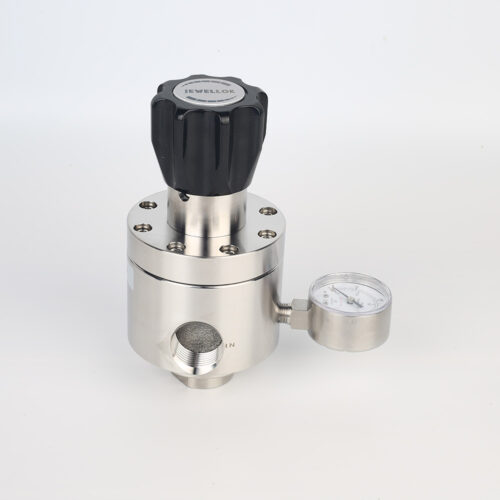
Low Pressure High Flow Line Pressure Regulators And Control Valves JSR-4L Series For Laboratory Pressure Control
-
Premium Grade Ultra High Purity Gas Valve Solutions Sourced Directly from China for Critical Semiconductor and Advanced Photovoltaic Gas Distribution Lines
-
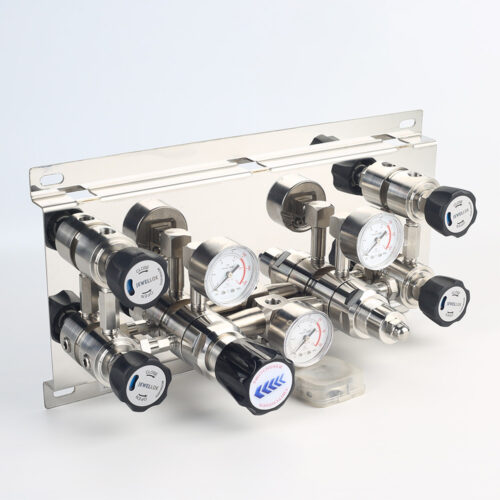
Pressure Control Panels For High Purity Gas Control System JSP-3AE Series From Pressure Control Panels Suppliers And Manufacturer