
Valves Manufacturer Tel: +86 13380377051
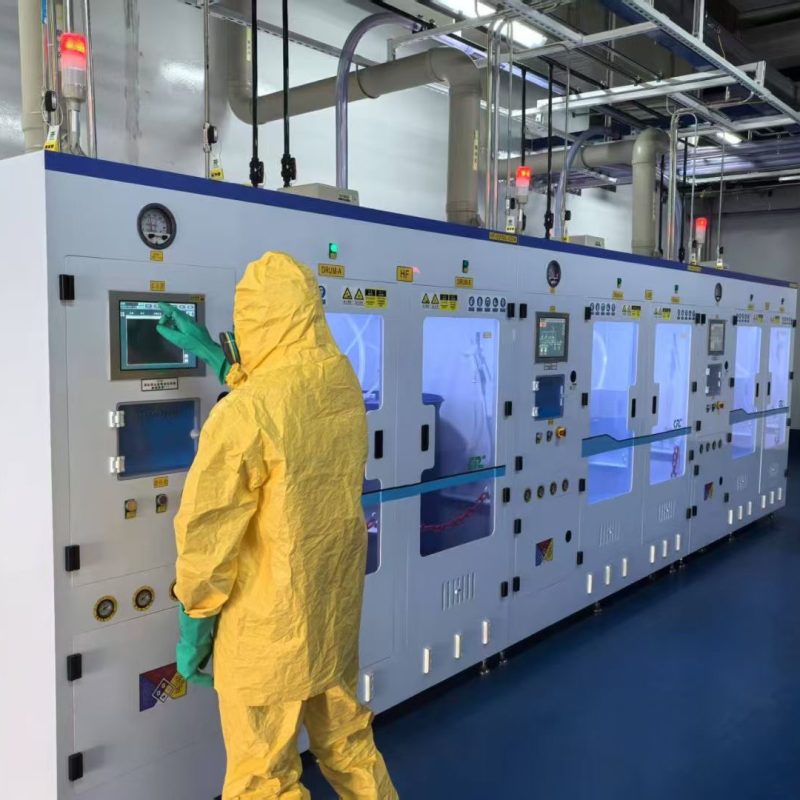
Professional ALD Gas Delivery Integrator for Semiconductor Industry
Atomic Layer Deposition (ALD) has become an essential technology for advanced semiconductor manufacturing, enabling highly controlled thin-film deposition at the atomic scale. As semiconductor devices continue to shrink and three-dimensional structures become more complex, the requirements for gas delivery systems are becoming increasingly demanding. Stable gas flow, ultra-high purity, precise pressure control, fast response, leak-tight connections, and contamination-free operation are all critical to achieving consistent ALD process performance.
A professional ALD gas delivery integrator provides more than individual valves, regulators, or gas panels. It combines gas handling components, process engineering, control systems, safety functions, and system integration into a complete solution designed around the requirements of semiconductor manufacturing. For fabs, equipment manufacturers, and ALD system builders, selecting the right integration partner can directly influence equipment reliability, process stability, maintenance efficiency, and production yield.
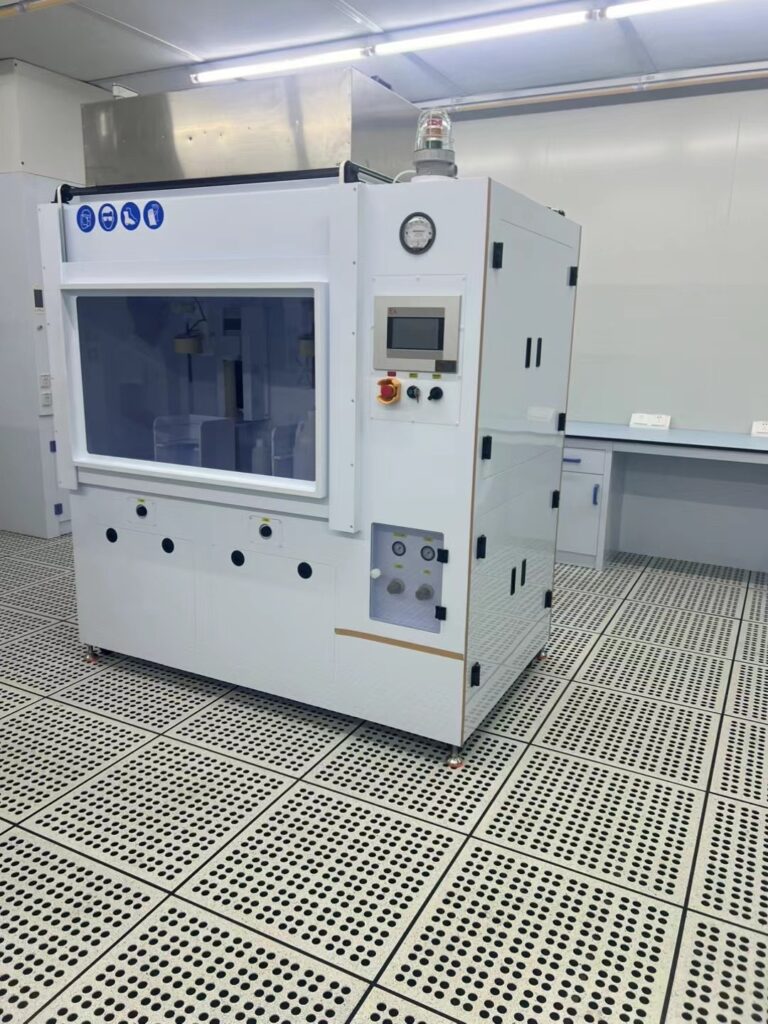
What Is an ALD Gas Delivery System?
An ALD gas delivery system is a precision gas management subsystem that delivers process gases and precursor vapors to an ALD reaction chamber according to carefully controlled process recipes. Unlike conventional gas distribution applications, ALD processes frequently require extremely precise control of gas flow, pressure, timing, and switching sequences.
A typical ALD gas delivery architecture may include precursor sources, carrier gases, process gases, pneumatic diaphragm valves, pressure regulators, mass flow controllers, filters, gas panels, purge lines, vacuum components, sensors, and automated control systems.
During a typical ALD cycle, one precursor is introduced into the chamber, followed by a purge step, a second reactant is introduced, and another purge is performed. These repeated sequences require highly repeatable gas delivery. Even small variations in pressure, flow, dead volume, or valve response can affect film thickness, uniformity, and process repeatability.
For this reason, ALD gas delivery is not simply a piping application. It is a highly engineered fluid-control system.
Why Professional System Integration Matters
Many components used in semiconductor gas delivery systems are commercially available. However, integrating these components into a reliable ALD platform requires specialized engineering knowledge.
A professional ALD gas delivery integrator evaluates the complete system rather than selecting components individually. Important considerations include gas compatibility, pressure range, temperature, flow rate, material selection, internal volume, particle generation, leak performance, response time, control architecture, and maintenance requirements.
For example, a valve may have excellent specifications when evaluated independently but may not be suitable for an ALD system if its internal volume creates excessive process dead space. Similarly, a regulator must be selected according to the gas characteristics, inlet pressure, outlet pressure, required flow range, and process stability requirements.
Professional integration helps ensure that all components work together as one optimized system.
Ultra-High-Purity Gas Handling
Gas purity is one of the most important considerations in semiconductor ALD applications. Trace contamination can influence film composition, electrical properties, surface reactions, and wafer-to-wafer consistency.
For UHP gas delivery, wetted components are commonly manufactured from high-quality stainless steel materials such as 316L stainless steel. Material quality, surface finish, cleaning procedures, welding quality, and component assembly can all influence system cleanliness.
A professional integrator should establish appropriate specifications for:
- Wetted material compatibility
- Internal surface finish
- Component cleanliness
- Particle control
- Moisture and hydrocarbon contamination
- Helium leak testing
- Orbital welding
- High-purity component assembly
- Packaging and handling
For demanding semiconductor applications, component selection alone is not sufficient. The manufacturing and assembly environment must also support the required cleanliness level.
Precision Diaphragm Valves
Diaphragm valves are widely used in semiconductor gas delivery because they provide reliable shutoff while minimizing contamination and dead volume.
In ALD applications, valve performance can directly affect process timing. A valve that opens or closes inconsistently may cause fluctuations in precursor delivery or purge efficiency.
High-performance UHP diaphragm valves are therefore often evaluated according to several parameters, including:
- Internal volume
- Cv or flow coefficient
- Leakage performance
- Operating pressure
- Temperature capability
- Actuation speed
- Cycle life
- Material compatibility
- Surface finish
- Particle generation
For corrosive or reactive gases, diaphragm material and wetted material compatibility become particularly important. A professional integrator should verify the chemical compatibility of every wetted component rather than relying only on nominal material grades.
Pressure and Flow Control
Precise pressure and flow management is another core function of an ALD gas delivery system.
Mass flow controllers can provide accurate gas flow regulation, while pressure regulators and pressure control components maintain stable operating conditions. Depending on the process architecture, the system may use upstream pressure control, downstream pressure control, or a combination of both.
Pressure fluctuations can influence precursor transport and chamber conditions. Excessive pressure drop can reduce system performance, while insufficient control may result in unstable delivery.
A professional integrator should analyze the complete pressure profile from the gas source to the process chamber. This includes regulators, valves, filters, tubing, fittings, mass flow controllers, and process restrictions.
Such system-level analysis is especially important when multiple gas channels operate simultaneously.
ALD Precursor Delivery
Precursor delivery is often one of the most technically challenging aspects of ALD system design.
Many ALD precursors have relatively low vapor pressures or require controlled heating to maintain stable delivery. Some precursors may also be sensitive to moisture, oxygen, or temperature variations.
A professional ALD gas delivery integrator may design heated precursor lines, temperature-controlled source assemblies, carrier-gas systems, vapor delivery modules, and specialized valve configurations.
Temperature management is critical because condensation inside the delivery line can cause unstable precursor concentration and potentially contaminate the system.
The design should therefore consider source temperature, line temperature, valve temperature, fitting configuration, insulation, thermal gradients, and the distance between the precursor source and reaction chamber.
Gas Panel and Manifold Design
The gas panel is the central interface between gas sources and the ALD process chamber. It integrates valves, regulators, filters, sensors, purge systems, and other gas-control components into a compact and serviceable assembly.
A well-designed gas panel should provide:
- Stable gas delivery
- Minimal dead volume
- Efficient purge capability
- Easy maintenance
- Clear gas routing
- Reliable leak containment
- Automated valve control
- Appropriate safety interlocks
Manifold layout also affects system performance. Shorter and properly engineered gas paths can reduce unnecessary internal volume and improve response characteristics.
For multi-channel ALD systems, modular manifold construction can simplify expansion and maintenance while allowing different precursor and reactant channels to be configured according to individual process requirements.
Automation and Process Control
Modern ALD equipment depends heavily on automated process control. Gas delivery hardware must therefore communicate effectively with the equipment control system.
A professional integrator can incorporate pneumatic valve control, pressure sensors, flow monitoring, temperature sensors, programmable logic controllers, and human-machine interfaces into the gas delivery architecture.
Automated sequences can control precursor dosing, isolation, purge, pressure stabilization, and process transitions.
Interlocks are particularly important when hazardous, toxic, pyrophoric, or corrosive gases are involved. The system should be designed so that abnormal pressure, temperature, valve status, or gas conditions can trigger appropriate protective actions.
The objective is not simply automation but predictable and repeatable process execution.
Safety for Semiconductor Gas Systems
Safety must be integrated into ALD gas delivery system design from the beginning.
Depending on the process chemistry, ALD systems may handle toxic, corrosive, flammable, pyrophoric, or otherwise hazardous gases and precursors. The gas delivery system should therefore incorporate suitable containment, isolation, purge, detection, ventilation, and emergency shutdown strategies.
A professional integrator should evaluate the complete gas path and identify potential failure modes, including loss of pneumatic pressure, power failure, regulator malfunction, valve failure, overpressure, leakage, and abnormal temperature conditions.
Gas cabinets and gas panels may also be integrated with facility safety systems to provide coordinated monitoring and emergency response.
Leak Testing and Quality Assurance
Leak integrity is essential for UHP semiconductor gas systems. Even very small leaks can compromise gas purity and create significant safety risks.
Professional ALD gas delivery integration should include appropriate inspection and testing procedures throughout manufacturing and assembly.
Typical quality-control activities may include visual inspection, dimensional inspection, weld inspection, pressure testing, helium leak testing, valve testing, functional testing, and documentation review.
For critical gas systems, traceability is also valuable. Component identification, material certificates, cleaning records, test results, and assembly documentation can help customers maintain quality records throughout the equipment lifecycle.
Custom Engineering for Different ALD Platforms
There is no single gas delivery architecture suitable for every ALD application.
Different processes may require different precursor chemistries, gas flow rates, pressure ranges, temperatures, valve configurations, and control sequences. Research and development systems may prioritize flexibility and rapid configuration changes, while high-volume production systems may prioritize reliability, automation, repeatability, and maintenance efficiency.
A professional integrator should therefore offer customized engineering rather than simply supplying standard gas panels.
Customization may include gas channel quantity, manifold configuration, component specifications, pneumatic architecture, heated lines, precursor sources, control interfaces, enclosure dimensions, and equipment communication protocols.
Advantages of Working With a Turnkey Integrator
Working with a specialized ALD gas delivery integrator can simplify equipment development by consolidating component selection, mechanical design, fluid engineering, control integration, assembly, testing, and technical support.
Instead of coordinating multiple suppliers for valves, regulators, fittings, controllers, manifolds, and automation, semiconductor equipment manufacturers can work with one engineering partner responsible for the complete subsystem.
This approach can reduce integration risks and improve project coordination.
A capable integrator should also be able to support engineering changes during equipment development. This is especially important for ALD research and pilot systems, where process requirements may evolve during testing.
How to Select an ALD Gas Delivery Integrator
When evaluating an ALD gas delivery system supplier, customers should consider more than price.
Important evaluation criteria include semiconductor industry experience, UHP gas handling capability, component quality, engineering resources, customization capabilities, testing procedures, documentation, production capacity, and after-sales technical support.
It is also useful to evaluate whether the supplier understands the entire process rather than only individual components.
A strong partner should be capable of discussing gas chemistry, flow requirements, pressure control, thermal management, valve selection, purge strategy, automation, safety, and maintenance as interconnected engineering factors.

Conclusion
As semiconductor manufacturing moves toward smaller geometries, more complex three-dimensional structures, and increasingly demanding thin-film requirements, ALD technology will continue to depend on highly precise gas delivery.
A professional ALD gas delivery integrator plays a critical role in transforming individual high-purity components into a complete, reliable, and process-oriented gas management system. From UHP diaphragm valves and pressure regulators to precursor delivery, gas panels, automation, leak testing, and safety systems, every element must work together to provide stable and repeatable gas delivery.
For semiconductor equipment manufacturers and advanced material processing companies, choosing an experienced ALD gas delivery integration partner can help improve system reliability, shorten development cycles, simplify maintenance, and support consistent process performance.
The ideal integrator is therefore not simply a component supplier. It is an engineering partner capable of designing and delivering a complete ALD gas delivery solution around the specific requirements of modern semiconductor manufacturing.
For more about professional ALD gas delivery integrator for semiconductor industry, you can pay a visit to Jewellok at https://www.jewellok.com/ for more info.
-
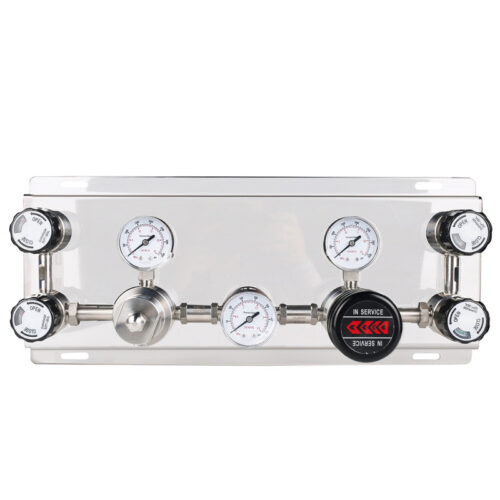
Semi Automatic And Automatic Switching Speicialty Gas Changeover Manifold Panel With Semiconductor Valve Manifold Box Gas Pressure Regulators
-
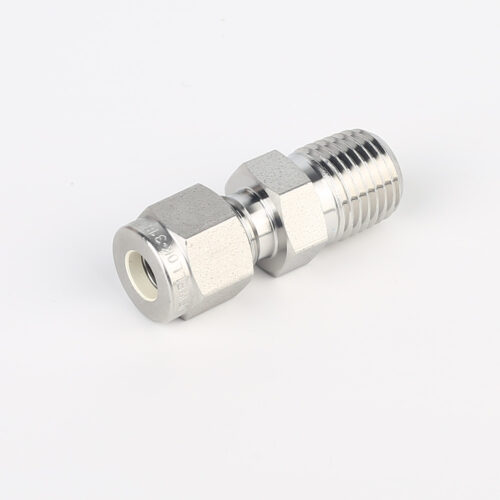
768L Stainless Steel Male Tube Butt Weld Connector | Clean Weld Fittings And Ultra-High Purity Fittings
-
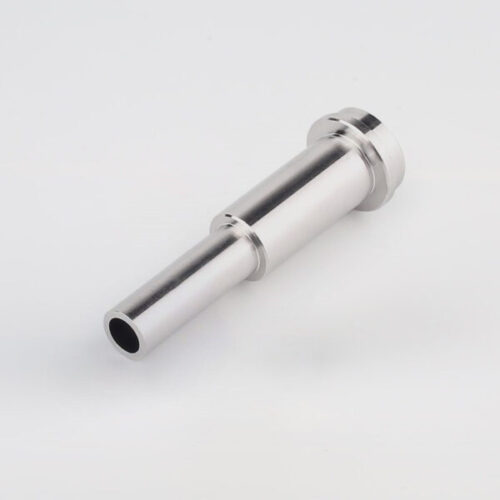
Long Gland LG Series For Ultra High Purity Gas And Chemical Delivery Systems
-
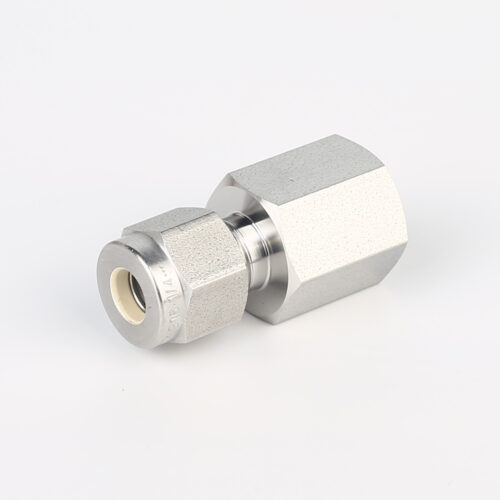
766L High Purity Female Connector UHP Fitting Female Connector
-
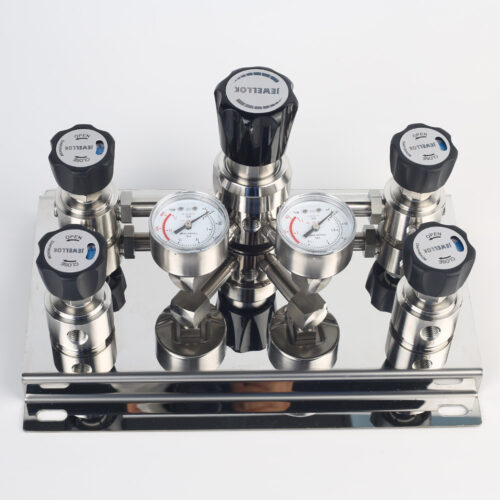
Single Stage Wall And Cabinet Mounting Pressure Control Panels JSP-2E Series For High Purity Gases
-
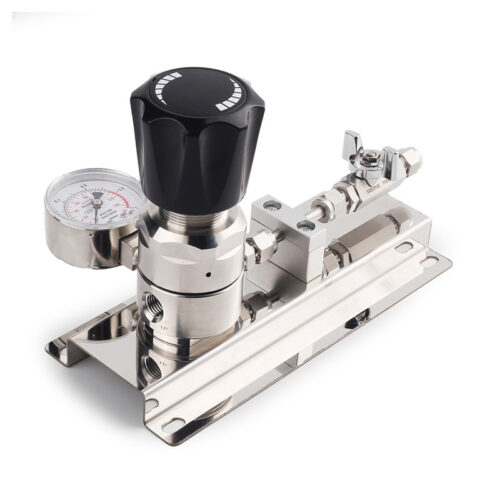
Ultra High Purity Stainless Steel Compressed Gas Changeover Manifold Panel System For Integrated Gas Supply System
-
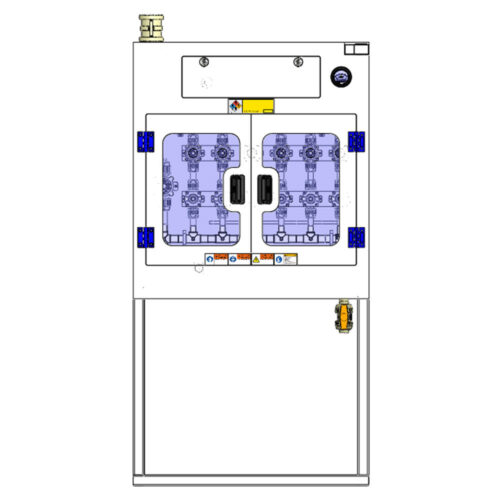
High Purity Configurable Systems VMB Valve Manifold Box JW-200-VMB-C & JW-100-VMB-C
-

UHP Liquid Chemical Delivery System (CDS) Implementation for High-Volume Photovoltaic and Renewable Energy Component Production Lines