
Valves Manufacturer Tel: +86 13380377051
Ultra High Purity Diaphragm Valves for Corrosive and High-Purity Chemicals
In semiconductor manufacturing, pharmaceutical production, chemical processing, and other advanced industries, the safe and precise handling of corrosive and high-purity chemicals requires more than conventional fluid control equipment. Every component that comes into contact with the process media can influence product quality, system reliability, contamination levels, and operational safety. Among these components, the ultra high purity diaphragm valve plays a critical role in controlling chemical flow while minimizing contamination, particle generation, leakage, and chemical exposure.
Ultra high purity diaphragm valves are specifically engineered for demanding applications where chemical purity and process integrity are essential. Their compact construction, excellent sealing performance, low internal dead volume, and compatibility with aggressive chemicals make them an important choice for chemical delivery systems, wet benches, chemical dispense units, semiconductor process tools, and high-purity fluid distribution systems.
This article explains the operating principles, material selection, design features, applications, and key selection criteria for ultra high purity diaphragm valves used with corrosive and high-purity chemicals.
What Is an Ultra High Purity Diaphragm Valve?
An ultra high purity diaphragm valve is a precision fluid-control valve designed to regulate or isolate high-purity liquids or gases while preventing the process media from contacting the valve’s operating mechanism.
Unlike conventional valves that may use packing, stems, or sliding seals directly exposed to the process fluid, a diaphragm valve uses a flexible diaphragm as the primary isolation barrier. When the valve is actuated, the diaphragm moves against or away from the valve seat to control flow.
This configuration provides several advantages for semiconductor and high-purity chemical applications.
First, the process fluid remains separated from the actuator and valve stem. Second, the valve can be designed with a smooth internal flow path and minimal dead volume. Third, the absence of conventional stem packing significantly reduces the potential for external leakage and particle generation.
For applications involving corrosive chemicals such as acids, bases, oxidizers, and solvents, these characteristics are particularly valuable.
Why Ultra High Purity Valves Are Important for Corrosive Chemicals
Corrosive chemicals can attack unsuitable metallic and polymeric materials, resulting in corrosion, contamination, premature component failure, or leakage. In semiconductor manufacturing, even extremely small quantities of unwanted metal ions, particles, or organic contaminants can negatively affect sensitive processes.
For this reason, a chemical delivery system must be designed around the properties of the actual process media.
An ultra high purity diaphragm valve provides a controlled barrier between the chemical and the valve’s mechanical components. The diaphragm, body, seat, and wetted surfaces are selected according to the chemical’s concentration, temperature, pressure, and compatibility requirements.
Typical corrosive chemicals handled by high-purity diaphragm valves may include:
- Hydrochloric acid (HCl)
- Hydrofluoric acid (HF)
- Nitric acid (HNO₃)
- Sulfuric acid (H₂SO₄)
- Phosphoric acid (H₃PO₄)
- Ammonium hydroxide (NH₄OH)
- Hydrogen peroxide (H₂O₂)
- TMAH and other process chemicals
- High-purity solvents and specialty chemicals
The correct valve material depends on the specific chemical and operating conditions. Chemical compatibility should always be verified before selecting a valve.
Key Design Features of Ultra High Purity Diaphragm Valves
1. Diaphragm Isolation
The diaphragm is the central component of the valve. It provides physical separation between the process media and the actuation mechanism.
This design eliminates many conventional sealing surfaces that can become contamination sources. It also reduces the risk of external process leakage caused by worn stem packing.
For high-purity chemical systems, diaphragm integrity is therefore a major consideration in valve selection.
2. Low Dead Volume
Dead volume refers to areas within a fluid system where process media can become trapped. Excessive dead volume may lead to chemical retention, cross-contamination, incomplete flushing, or inconsistent process conditions.
Ultra high purity diaphragm valves are commonly designed with optimized internal geometries to minimize dead legs and stagnant areas.
A low-dead-volume design allows chemicals to move efficiently through the valve and helps improve flushing and purge performance.
3. Smooth Internal Surfaces
Surface finish is particularly important for high-purity applications.
Rough internal surfaces can provide locations where particles or chemical residues accumulate. High-quality diaphragm valves therefore use carefully controlled internal surface finishes to reduce contamination and improve cleanability.
For semiconductor chemical delivery systems, electropolished or otherwise highly finished wetted surfaces may be specified depending on the application.
4. High Leak-Tightness
Leak prevention is essential when handling aggressive or hazardous chemicals.
A properly engineered diaphragm valve can provide reliable shutoff while reducing the risk of process-media leakage through the valve stem. The valve design, diaphragm material, seat configuration, manufacturing tolerances, and actuation system all influence final sealing performance.
Leak testing should be performed according to the requirements of the application and applicable industry standards.
Material Selection for Corrosive and High-Purity Applications
Material compatibility is one of the most important factors when choosing an ultra high purity diaphragm valve.
Stainless Steel
316L stainless steel is widely used in high-purity fluid and gas systems because of its corrosion resistance, mechanical strength, and established use in semiconductor and pharmaceutical equipment.
For demanding semiconductor applications, specialized manufacturing and surface-treatment processes may be required to achieve the desired cleanliness and surface condition.
However, 316L stainless steel is not universally compatible with every chemical. The actual chemical concentration, temperature, pressure, and exposure duration must be considered.
Fluoropolymers
Fluoropolymer materials such as PTFE, PFA, and other chemically resistant polymers can provide excellent resistance to many aggressive chemicals.
They are particularly useful in chemical distribution systems where metallic contamination must be minimized or where the process media has strong chemical reactivity.
The selection between different fluoropolymer materials should be based on chemical compatibility, temperature, mechanical requirements, permeability, and purity specifications.
Diaphragm Materials
The diaphragm is exposed to repeated mechanical movement and, depending on the valve design, may also be exposed directly to process media.
Its material must therefore provide an appropriate balance of chemical resistance, flexibility, fatigue resistance, and sealing performance.
Different applications may require different diaphragm materials, so manufacturers should provide chemical compatibility data and application-specific recommendations.
Applications in Semiconductor Manufacturing
The semiconductor industry is one of the most demanding users of ultra high purity diaphragm valves.
Modern semiconductor fabs use large numbers of corrosive and high-purity chemicals during wafer cleaning, etching, stripping, deposition, and other process steps.
Ultra high purity diaphragm valves can be integrated into:
- Chemical delivery systems
- Chemical dispense units
- Wet chemical distribution systems
- Wafer cleaning equipment
- Wet benches
- Etching systems
- Cleaning tools
- Chemical cabinets
- Point-of-use chemical delivery systems
- Process tool chemical manifolds
In these systems, valve performance can directly influence process stability. A valve that introduces particles, metallic contamination, or chemical residues can create downstream process problems.
Consequently, semiconductor applications typically require strict control over manufacturing cleanliness, component materials, packaging, and testing.
Use in Chemical Delivery Systems
A chemical delivery system transports process chemicals from storage containers to manufacturing equipment.
A typical system may contain storage tanks, pumps, filters, regulators, valves, sensors, tubing, fittings, and point-of-use dispense equipment.
The diaphragm valve is often used for isolation, routing, dosing, and flow control.
For example, a valve may isolate a chemical supply line during maintenance. Another valve may control the flow of high-purity chemical toward a process chamber or dispense point.
Automated diaphragm valves can also be integrated with pneumatic or electronic control systems, allowing the chemical delivery system to operate according to programmed process sequences.
Reliable valve actuation is particularly important in automated manufacturing because valve response directly affects process timing and chemical consumption.
Importance of Clean Manufacturing
A high-performance valve cannot provide high-purity performance if it is manufactured, assembled, or packaged in an uncontrolled environment.
Ultra high purity components should therefore be produced using appropriate cleaning and handling procedures.
Depending on the application, manufacturing controls may include:
- Controlled cleaning processes
- Cleanroom assembly
- Particle control
- Deionized-water cleaning
- Specialized packaging
- Helium or pressure leak testing
- Dimensional inspection
- Surface-finish inspection
- Material traceability
The specific requirements depend on the intended application and customer’s purity specifications.
For semiconductor manufacturing, component packaging is also important. Improper packaging can allow particles or contaminants to enter the valve after final cleaning.
Pneumatic and Manual Actuation
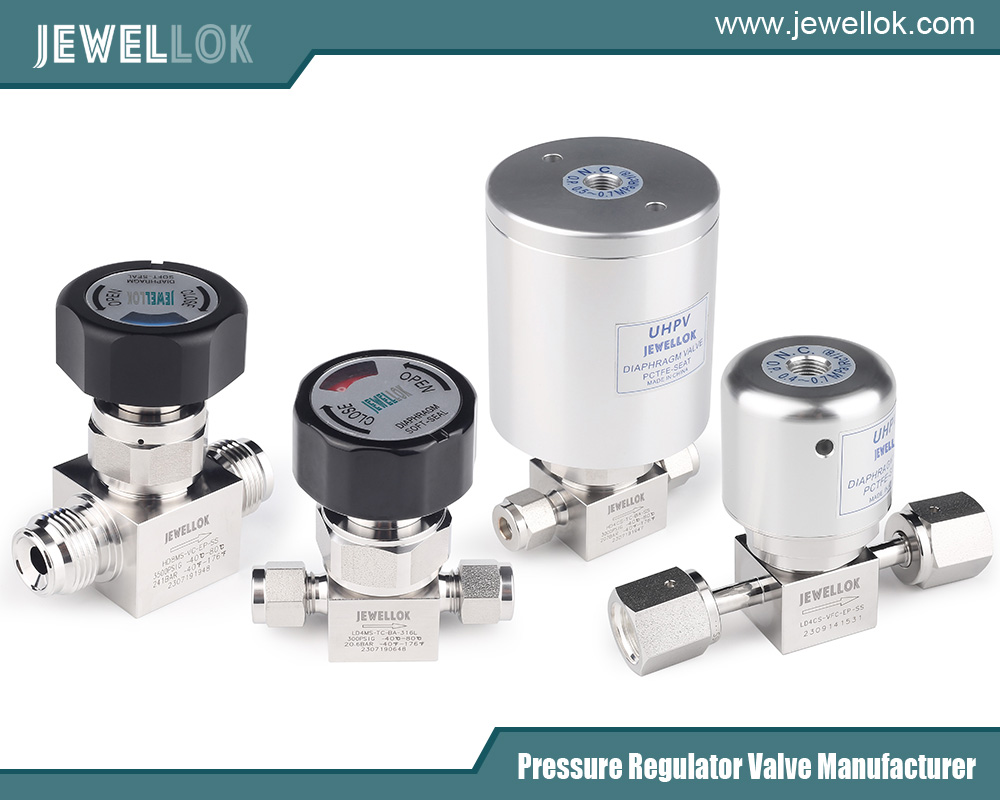
Ultra high purity diaphragm valves can be supplied with different actuation methods.
Manual valves are suitable for applications where operators need direct control and the number of operating cycles is relatively low.
Pneumatically actuated valves are commonly used for automated chemical delivery systems. They can be controlled remotely and integrated with process-control systems.
Automatic actuation provides several advantages, including consistent operation, faster response, reduced operator exposure, and easier integration into automated process sequences.
The actuator should be selected according to available pneumatic pressure, required response time, cycle frequency, fail-safe requirements, and installation environment.
How to Select the Right Ultra High Purity Diaphragm Valve
Selecting a valve based only on connection size is not sufficient for high-purity chemical applications.
Several technical parameters should be evaluated.
Chemical Compatibility
Identify the exact chemical, concentration, temperature, and operating conditions before selecting wetted materials.
Compatibility should be confirmed using reliable manufacturer data rather than general assumptions.
Pressure and Temperature
The valve must be rated for the maximum operating pressure and temperature of the system.
Design engineers should also consider pressure spikes, vacuum conditions, thermal cycling, and abnormal operating conditions.
Flow Requirements
Valve flow capacity should match the required process flow rate.
An oversized valve may provide poor control resolution, while an undersized valve can create excessive pressure drop.
Connection Type
Common connection configurations include tube ends, face-seal connections, and other high-purity process interfaces.
The connection should be compatible with the existing chemical delivery infrastructure and should minimize dead volume and contamination risks.
Purity Requirements
Different industries have different cleanliness requirements.
Semiconductor processes may require extremely low particle levels and strict control of metallic and organic contamination. Pharmaceutical applications may have additional requirements related to cleanability and regulatory compliance.
Valve Life and Cycle Frequency
If a valve will operate thousands or millions of cycles, diaphragm fatigue becomes an important consideration.
The manufacturer should provide suitable cycle-life information based on the intended operating conditions.
Maintenance and Reliability Considerations
Although diaphragm valves are designed for reliable service, regular inspection is still important.
Maintenance programs should monitor valve operation, leakage, actuation performance, and process stability.
If a valve shows abnormal response, leakage, increased operating force, or inconsistent flow control, it should be evaluated promptly.
For high-purity chemical systems, maintenance procedures should also prevent contamination during component replacement. Appropriate cleaning, handling, and installation practices are essential.
Operators should follow the valve manufacturer’s maintenance instructions and the facility’s chemical safety procedures.
Conclusion
Ultra high purity diaphragm valves are essential components in modern chemical delivery and fluid-control systems where contamination control, chemical compatibility, leak prevention, and process reliability are critical.
Their diaphragm-isolation design, low dead volume, high sealing performance, and compatibility with advanced high-purity materials make them particularly suitable for semiconductor manufacturing, chemical processing, pharmaceutical systems, and other demanding industries.
When selecting an ultra high purity diaphragm valve, engineers should evaluate more than pressure and connection size. Chemical compatibility, wetted materials, surface finish, internal volume, purity requirements, temperature, flow rate, actuation method, cycle life, and manufacturing cleanliness should all be considered.
For corrosive and high-purity chemicals, the right valve can help protect the process from contamination while improving system reliability and operational safety. As semiconductor devices become smaller and manufacturing processes become increasingly sensitive to contamination, high-performance diaphragm valves will continue to play an important role in advanced chemical delivery and high-purity fluid management systems.
For more about ultra high purity diaphragm valves for corrosive and high-purity chemicals, you can pay a visit to Jewellok at https://www.jewellok.com/ for more info.
-
Stainless Steel High-Purity High Temperature Metal Seated Ball Valves JBV3 Series
-
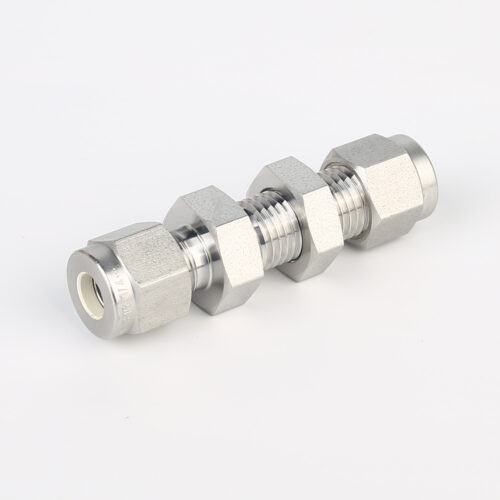
774L Stainless Steel UHP Fittings Butt Weld Bulkhead Union For High Flow Special Gas Fluid
-
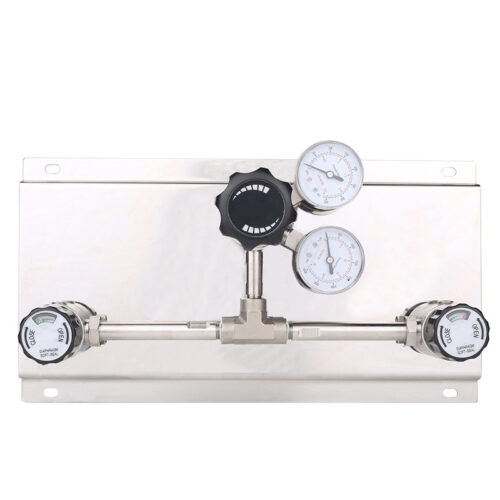
High Pressure High Flow Specialty Gas Control Panel With Diaphragm Valve , 3000Psig Oxygen Control Medical Changeover Manifold Panel
-
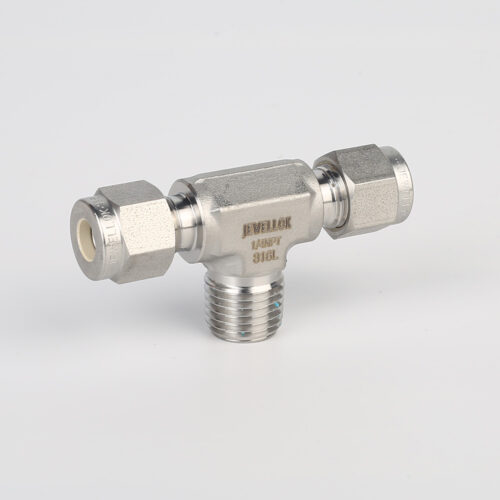
772L Male Branch Tee | Stainless Steel High-Purity Tube Fitting Male Branch Tee
-

Automated Bulk Liquid Chemical Delivery System (BCDS) with PLC Controls for High-Volume Industrial Fluid Transport
-

Semi Automatic Oxygen Nitrogen Helium Argon Gas Changeover Manifold Manual Gas Changeover Manifold Panel For Gas Cylinders
-
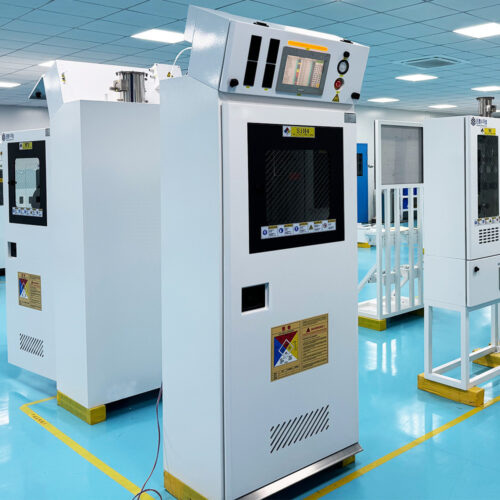
High Purity Bulk Specialty Gas Pressure Control And Filtration Bulk Gas Skid Systems JW-300-BSGS
-
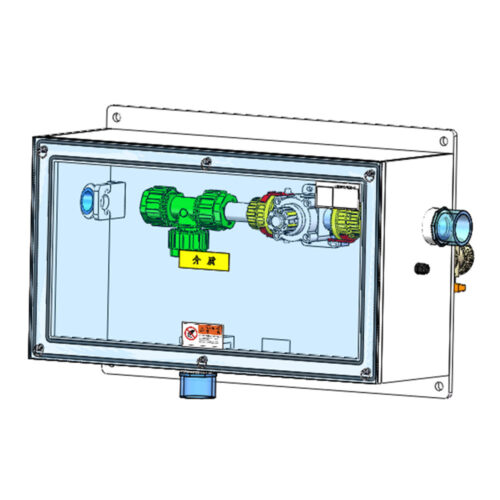
FT-BOX JW-FTB-C Valve Manifold Panels And Boxes With High Purity Configurable Systems