
Valves Manufacturer Tel: +86 13380377051
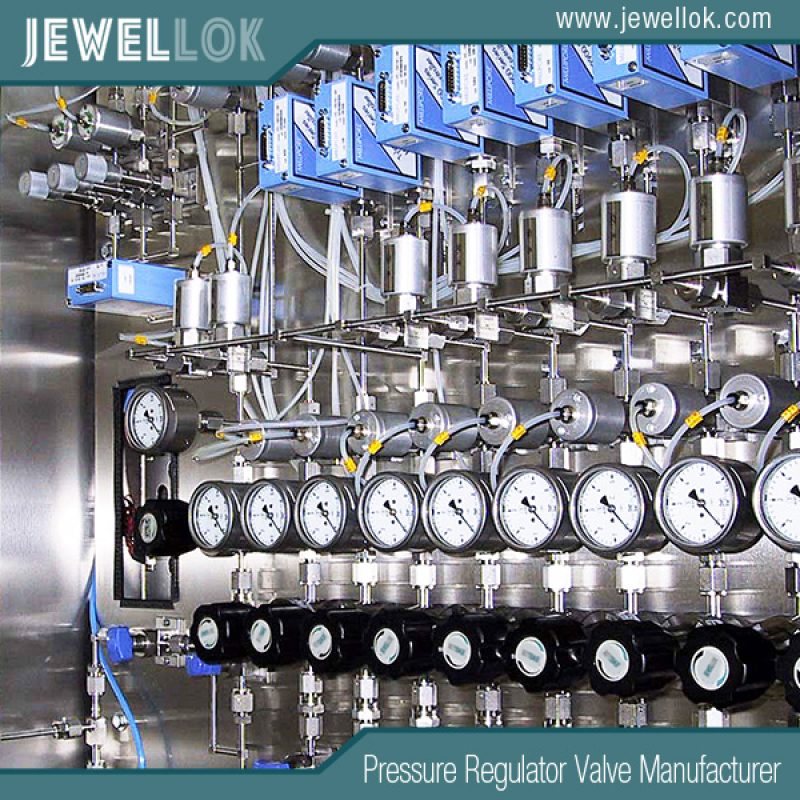
High Purity Gas Manifold Regulator for Laboratory and Industrial Gas Systems
High purity gas systems play a critical role in laboratories, research facilities, semiconductor manufacturing, pharmaceutical production, analytical instrumentation, chemical processing, and many other industrial applications. In these environments, gas purity, stable pressure, leak integrity, material compatibility, and precise flow control directly affect process quality, product consistency, equipment performance, and operational safety.
A high purity gas manifold regulator is one of the most important components in a centralized gas delivery system. It controls the pressure of gases supplied from one or multiple cylinders and distributes the gas safely and consistently to downstream equipment or process points. Compared with standard industrial pressure regulators, high purity manifold regulators are specifically designed to minimize contamination, particle generation, moisture entrapment, internal leakage, and gas absorption.
Whether the system delivers nitrogen, oxygen, argon, helium, hydrogen, carbon dioxide, specialty gases, calibration gases, or other process gases, selecting the correct high purity gas manifold regulator is essential for maintaining reliable gas supply and protecting sensitive downstream applications.
This article explains the design, working principle, key components, applications, selection criteria, and maintenance requirements of high purity gas manifold regulators for laboratory and industrial gas systems.
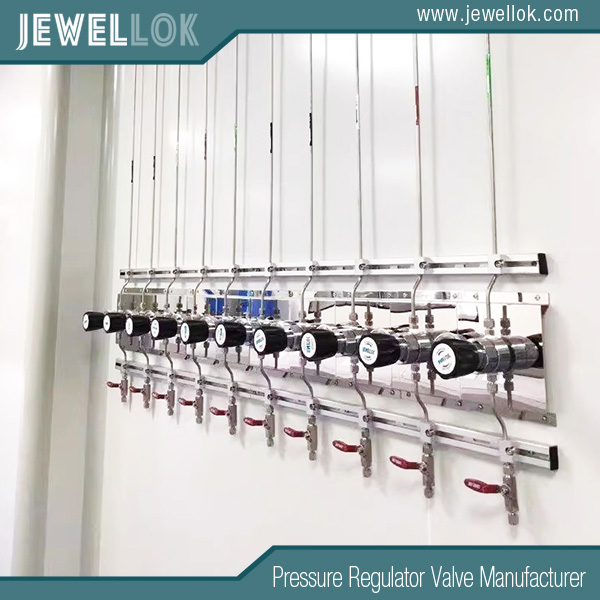
What Is a High Purity Gas Manifold Regulator?
A high purity gas manifold regulator is a pressure control device installed within a gas manifold or centralized gas distribution system. Its primary function is to reduce high and often variable cylinder pressure to a stable, controlled outlet pressure suitable for downstream pipelines, instruments, reactors, analytical equipment, or production processes.
A typical system may include one or more gas cylinders connected to a manifold header. The manifold regulator receives gas from the high-pressure source and reduces the pressure to a required working level. The controlled gas is then delivered through stainless steel tubing or other compatible piping to one or more points of use.
For high purity applications, the regulator must do more than simply reduce pressure. Its internal design must help preserve gas quality from the source cylinder to the final process. This requires careful consideration of materials, surface finish, sealing technology, dead volume, internal flow path, and leak performance.
High purity regulators are commonly manufactured from materials such as 316L stainless steel, which offers excellent corrosion resistance and compatibility with many clean gases and specialty gases. Depending on the application, internal wetted surfaces may also receive special treatment or polishing to reduce particle retention and minimize contamination.
How Does a Gas Manifold Regulator Work?
The basic working principle of a high purity gas manifold regulator is pressure reduction and pressure stabilization.
Gas stored inside a cylinder can have a very high pressure. However, most laboratory instruments and industrial processes cannot operate directly at cylinder pressure. A regulator reduces this pressure to a safe and usable level.
When high-pressure gas enters the regulator inlet, it flows toward an internal valve seat. A sensing element, such as a diaphragm, works together with a spring-loaded control mechanism to regulate the opening of the valve.
When downstream pressure falls below the set value, the spring force causes the valve to open further, allowing more gas to flow through the regulator. As outlet pressure rises to the selected setpoint, pressure acting on the sensing diaphragm balances the spring force and reduces the valve opening.
This continuous balancing process allows the regulator to maintain a relatively stable outlet pressure even as gas consumption changes.
However, outlet stability can also be affected by decreasing cylinder pressure. As the cylinder empties, inlet pressure gradually drops. This may cause a change in outlet pressure known as the supply pressure effect or inlet pressure dependency.
For applications requiring highly stable pressure, a two-stage high purity gas manifold regulator is often preferred. The first stage reduces the high cylinder pressure, while the second stage provides additional pressure control and improved stability.
Single-Stage vs. Two-Stage Gas Manifold Regulators
Selecting between a single-stage and two-stage regulator depends on gas purity requirements, pressure stability requirements, process sensitivity, and cylinder operating conditions.
Single-Stage Regulators
A single-stage regulator reduces gas pressure in one pressure-control stage. These regulators have a relatively simple design and are suitable for applications where some variation in outlet pressure is acceptable as the cylinder pressure decreases.
Single-stage manifold regulators may be used for general laboratory gas supply, industrial gas distribution, inert gas systems, and processes with less demanding pressure stability requirements.
Their main advantages include:
- Simple design
- Lower equipment cost
- Compact installation
- Reliable pressure reduction
- Suitable for many general gas applications
However, because outlet pressure can change as inlet pressure drops, single-stage regulators may not be ideal for highly sensitive analytical or precision manufacturing processes.
Two-Stage Regulators
A two-stage regulator performs pressure reduction in two separate stages. The first stage significantly reduces the cylinder pressure, while the second stage provides final pressure regulation.
This design helps reduce the effect of changing inlet pressure and can provide more stable outlet pressure throughout the cylinder’s discharge cycle.
Two-stage high purity manifold regulators are commonly selected for:
- Gas chromatography systems
- Mass spectrometry
- Analytical laboratories
- Calibration gas systems
- Semiconductor manufacturing
- High precision research equipment
- Sensitive process control applications
For critical applications where pressure consistency can influence measurement accuracy or process performance, two-stage regulation can provide an important advantage.
Key Components of a High Purity Gas Manifold Regulator
A high quality gas manifold regulator includes several important components working together to control pressure and maintain gas purity.
Regulator Body
The body contains the internal pressure control components and provides the main flow path for the gas. For high purity systems, 316L stainless steel is widely used because of its strength, corrosion resistance, and suitability for clean gas applications.
The material must be compatible with the gas being delivered. For corrosive, toxic, reactive, or specialty gases, material selection requires additional engineering evaluation.
Diaphragm
The diaphragm is a key pressure-sensing component. It separates the gas pressure area from the spring mechanism and responds to changes in outlet pressure.
Metal diaphragms are commonly used in high purity gas regulators because they can provide improved cleanliness and reduce the contamination risks associated with some elastomeric components.
A diaphragm design can also help improve leak integrity and support use in applications requiring high gas purity.
Valve Seat
The valve seat controls gas flow through the regulator. Its material must be selected according to pressure requirements, gas compatibility, sealing performance, and cleanliness requirements.
A properly designed seat helps provide stable pressure control and reliable shutoff.
Spring and Adjustment Mechanism
The adjustment mechanism allows the operator to set the required outlet pressure. Increasing spring force generally increases the pressure setpoint, while reducing spring force lowers the outlet pressure.
For industrial gas manifold systems, the regulator should provide sufficient adjustment accuracy for the intended operating range.
Pressure Gauges or Pressure Transducers
Most gas manifold regulators use inlet and outlet pressure indicators. The inlet gauge allows operators to monitor cylinder or supply pressure, while the outlet gauge shows the regulated working pressure.
Advanced systems may use electronic pressure transducers connected to a PLC or centralized monitoring system for remote supervision, alarm management, and automatic control.
Inlet and Outlet Connections
Connection selection is extremely important. Common options may include NPT connections, tube fittings, VCR-type metal gasket fittings, orbital weld connections, and gas-specific cylinder connections.
The connection system must be compatible with operating pressure, gas purity requirements, leak requirements, and the piping design.
Why High Purity Design Is Important
In a standard industrial gas system, small amounts of particles, moisture, hydrocarbons, or other contaminants may not significantly affect the final application. In high purity systems, however, even very low contamination levels can create serious problems.
For example, moisture or oxygen contamination may affect semiconductor processes. Hydrocarbon contamination may influence analytical measurements. Particles may damage sensitive instruments or interfere with precision equipment.
A high purity gas manifold regulator should therefore be designed to minimize potential contamination sources.
Important design features may include:
- High quality stainless steel wetted surfaces
- Reduced internal dead volume
- Clean internal flow paths
- Metal diaphragm construction
- Low particle generation
- High leak integrity
- Compatible sealing materials
- Clean assembly and packaging
- Suitable surface finishing or electropolishing when required
Dead volume is particularly important because areas where gas cannot easily flow can trap moisture or contaminants. When the gas type changes or the system is purged, trapped contaminants can remain inside these areas and gradually enter the gas stream.
A regulator with a clean, low dead-volume internal design can improve purging efficiency and help reduce contamination risks.
Applications in Laboratory Gas Systems
Laboratories depend on stable and reliable gas delivery for many different operations.
A high purity gas manifold regulator can be installed in centralized cylinder supply systems serving multiple instruments or workstations. Instead of placing a separate cylinder beside every instrument, gases can be stored in a dedicated cylinder area and distributed through a controlled pipeline system.
Common laboratory applications include:
Analytical Instruments
Gas chromatographs, mass spectrometers, elemental analyzers, and other analytical instruments may require highly controlled gas pressure and consistent gas quality.
High purity nitrogen, helium, hydrogen, argon, or other carrier and support gases must be delivered with suitable pressure stability.
Research Laboratories
Research processes may involve gas reactions, material development, environmental testing, chemical analysis, and other experiments where gas composition and pressure must remain controlled.
A properly designed manifold regulator system helps provide centralized pressure control and improves cylinder utilization.
Calibration Gas Systems
Calibration gases are used to verify the accuracy of gas analyzers and monitoring equipment. Cross-contamination and pressure instability can affect calibration results.
High purity regulator materials and clean flow paths help support the integrity of the calibration gas delivery system.
Medical and Pharmaceutical Research
Certain laboratory environments require controlled delivery of specialty gases for research, testing, and process development. Material compatibility and cleanliness become important considerations when selecting the regulator system.
Applications in Industrial Gas Systems
High purity gas manifold regulators are also widely used in industrial facilities.
Semiconductor Manufacturing
Semiconductor production requires extremely high standards of gas purity and process control. Nitrogen, argon, hydrogen, helium, oxygen, and specialty gases are used in different manufacturing processes.
Gas delivery components must minimize contamination and maintain reliable pressure control. Depending on the gas and process, systems may include high purity regulators, diaphragm valves, orbital-welded tubing, metal gasket fittings, gas panels, gas cabinets, and automatic control systems.
Electronics and Advanced Manufacturing
High purity gases are used for coating, etching, deposition, heat treatment, and other precision manufacturing operations.
Pressure fluctuations or contamination can affect product consistency and process repeatability. A properly specified manifold regulator helps provide stable gas supply conditions.
Pharmaceutical and Biotechnology Facilities
Gases such as nitrogen, carbon dioxide, and oxygen may be used in production, packaging, research, or process control.
Centralized gas manifold systems can improve supply management while providing controlled pressure to different production areas.
Welding and Metal Processing
Some industrial operations require centralized supply of shielding or process gases. While purity requirements vary, stainless steel manifold regulators may be selected where corrosion resistance, durability, or cleaner gas handling is required.
Important Factors When Selecting a Gas Manifold Regulator
Selecting the correct regulator should not be based only on the desired outlet pressure. Engineers should evaluate the complete gas system.
1. Gas Type
Different gases have different chemical properties. Inert gases such as nitrogen and argon may have different material compatibility requirements from corrosive or reactive gases.
The regulator body, diaphragm, valve seat, seals, fittings, and other wetted components must be suitable for the intended gas.
2. Gas Purity Requirement
The required purity level directly influences regulator design.
General industrial applications may use standard gas control components, while semiconductor, analytical, and ultra-high purity applications may require specialized materials, surface finishes, low dead volume, and extremely high leak integrity.
3. Inlet Pressure
The regulator must safely handle the maximum pressure supplied by the cylinder or upstream gas source.
Never select a regulator based only on normal operating pressure. The maximum possible inlet pressure must remain within the manufacturer’s specified pressure rating.
4. Outlet Pressure Range
The selected outlet range should match the actual process requirement.
A regulator generally provides better control when operated within an appropriate portion of its designed adjustment range. Selecting an excessively wide pressure range for a low-pressure application may reduce adjustment precision.
5. Flow Capacity
The required gas flow must be calculated based on downstream consumption.
The regulator should provide sufficient flow at the required pressure without excessive pressure drop. Pipe diameter, tubing length, fittings, filters, and downstream equipment must also be considered because the entire system influences final pressure performance.
6. Single or Two-Stage Design
If stable pressure is required throughout the cylinder discharge cycle, a two-stage design may be appropriate.
For less sensitive applications, a properly selected single-stage regulator may provide sufficient performance.
7. Connection Type
Connections must match the cylinder, manifold, and downstream piping system.
High purity systems may use tube fittings, VCR-type connections, or welded connections depending on cleanliness and leak requirements.
8. Safety Requirements
For toxic, flammable, pyrophoric, corrosive, or oxygen service, the regulator must be part of a complete engineered safety system.
Safety may involve gas cabinets, ventilation, excess flow protection, pressure relief devices, gas detection, emergency shutoff, purge systems, and automatic alarms.
Installation and Maintenance Considerations
Even a high quality regulator cannot provide optimum performance if the system is incorrectly installed.
Before installation, verify the gas type, pressure rating, connection type, flow direction, and material compatibility. All piping and fittings should be cleaned according to the cleanliness requirements of the application.
The system should be properly leak tested before operation. For high purity applications, appropriate leak detection methods should be selected according to the system specification and gas service.
Purging is also an important part of gas system operation. Before introducing high purity gas, the system may need to be purged to remove air, moisture, and residual gases. The purge procedure must be designed according to the gas type and safety requirements.
Routine maintenance should include inspection of:
- Pressure gauges or sensors
- External leakage
- Regulator connections
- Pressure stability
- Diaphragm and seat performance where serviceable
- Signs of corrosion or contamination
- Gas line integrity
- Valve operation
- Safety devices and alarms
Regulators should be serviced or replaced according to the manufacturer’s recommendations and the operating conditions of the application.
Choosing a Reliable High Purity Gas Manifold Regulator Manufacturer
A reliable supplier should be able to provide more than a standard catalog product. Industrial and laboratory gas systems often require customized inlet and outlet connections, pressure ranges, manifold configurations, materials, gauges, transducers, and automation functions.
Jewellok provides gas control solutions for laboratory, industrial, semiconductor, and high purity gas applications, including high purity gas manifold regulators, gas pressure control panels, diaphragm valves, gas manifolds, specialty gas delivery systems, and customized gas control assemblies.
When selecting a supplier, customers should evaluate:
- Experience with high purity gas applications
- Material traceability
- Pressure and leak testing capability
- Custom engineering support
- Gas compatibility knowledge
- Quality control procedures
- Connection and configuration options
- Ability to support OEM and customized projects
- Technical documentation and after-sales support
For complex gas systems, working with a manufacturer capable of designing the regulator as part of an integrated gas delivery solution can simplify installation and improve system compatibility.
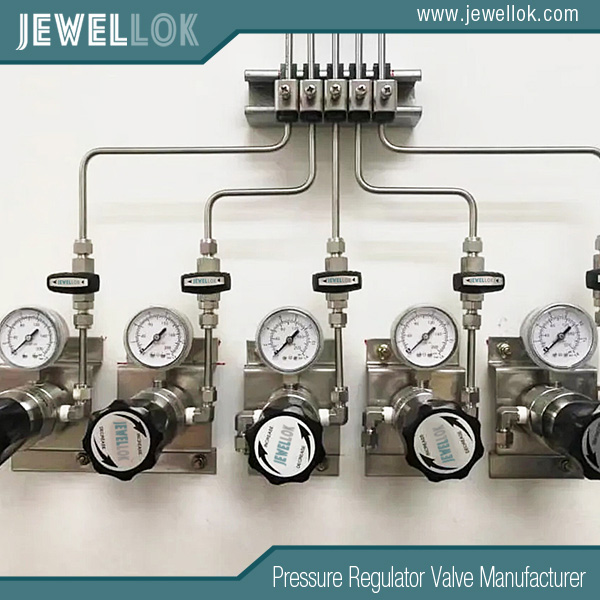
Conclusion
A high purity gas manifold regulator is a critical component for delivering clean, stable, and controlled gases in laboratory and industrial environments. Its function extends beyond basic pressure reduction. Material selection, diaphragm design, internal cleanliness, dead volume, leak integrity, pressure stability, flow capacity, and connection technology all influence the performance of the complete gas delivery system.
For general applications, a single-stage regulator may provide reliable and economical pressure control. For analytical instruments, semiconductor manufacturing, calibration systems, and other sensitive applications, two-stage high purity regulation may offer improved outlet pressure stability as the gas supply pressure changes.
Before selecting a regulator, users should carefully evaluate gas type, purity requirements, maximum inlet pressure, required outlet pressure, flow demand, connection type, material compatibility, and safety requirements.
With properly engineered high purity gas manifold regulators and professionally designed gas distribution systems, laboratories and industrial facilities can improve gas supply stability, reduce contamination risks, support process consistency, and achieve safer and more efficient gas management.
For applications involving demanding laboratory, semiconductor, specialty gas, and industrial gas requirements, a customized high purity gas manifold regulator from an experienced manufacturer such as Jewellok can provide a reliable foundation for a complete and efficient gas delivery system.
For more about high purity gas manifold regulator for laboratory and industrial gas systems, you can pay a visit to Jewellok at https://www.jewellok.com/ for more info.
-
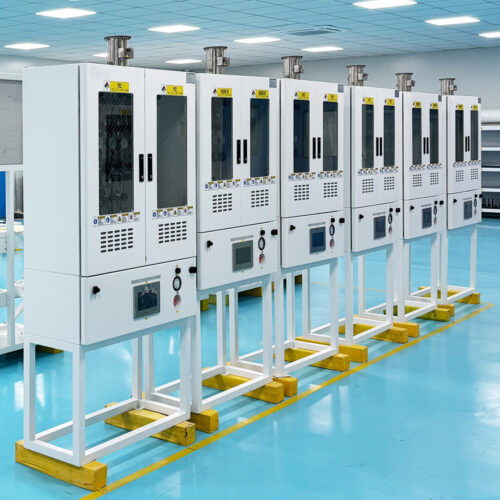
VMB Valve Manifold Box And Panel Gas Cabinet, BSGS Gas Cabinets, TMA Gas Cabinets, Scrubber Tail Gas Treatment Cabinets
-
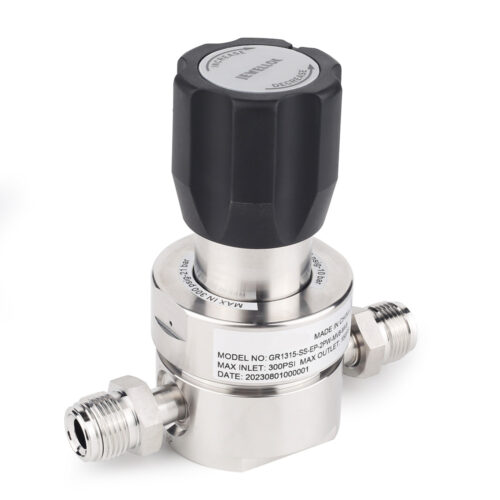
JR1300 Series Ultra High Purity Single Stage Regulator High Flow Line Regulator For Ultra High Purity Intermediate Flow
-
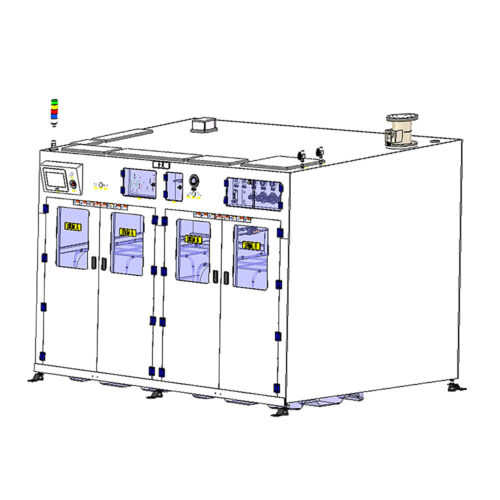
Scrubber Gas Cabinet Scrubber Tail Gas Treatment Cabinet Vent Gas Scrubber System Heat-Filter Burn Box Gas Scrubber/Abatement System
-
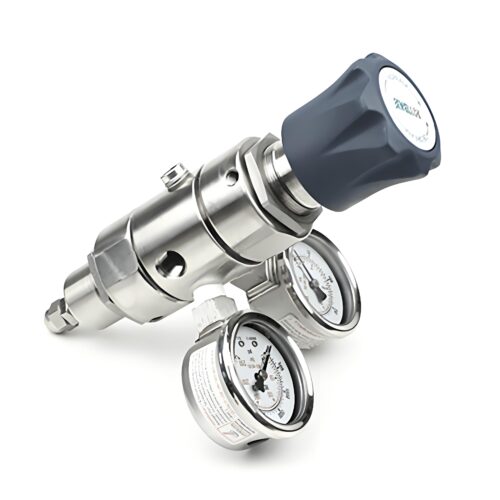
DPR1 Ultra High Purity Two Stage Dual Stage Pressure Reducing Regulator Semiconductor Grade Regulators
-
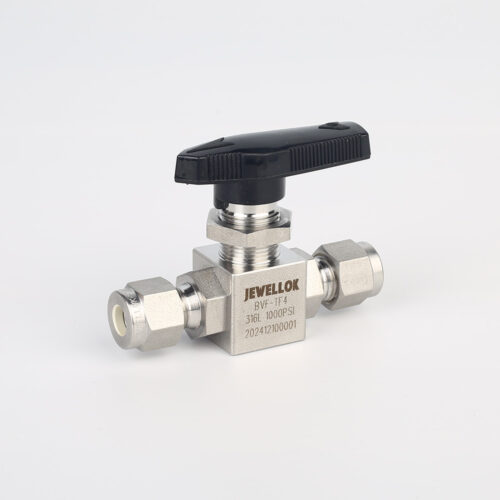
Stainless Steel High Purity High Temperature Pneumatic Actuated Ball Valves JBV2 Series
-
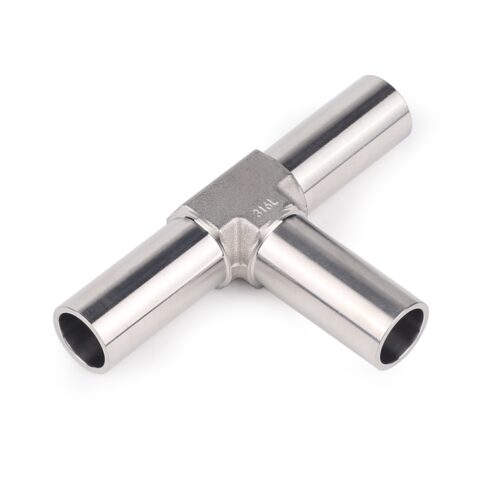
Stainless Steel Ultra Clean Welding Joint Fittings TW Series TRW Series & CW Series
-
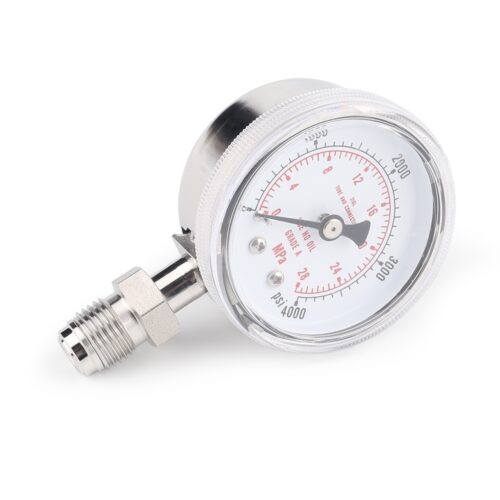
Ultra High Purity Oxygen Pressure Gauge For Semiconductor Gases JG Series Pressure Instruments For Semiconductor Manufacturing
-
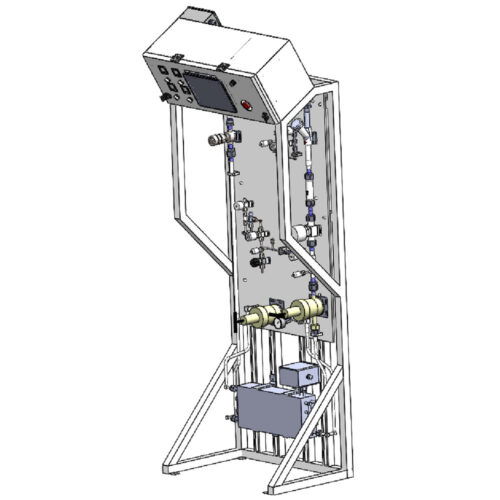
Semiconductor High Purity High Pressure Specialty Gas Bottle Gas Cylinder Storage Cabinet And Gas Pressure Regulating Cabinet