
Valves Manufacturer Tel: +86 13380377051
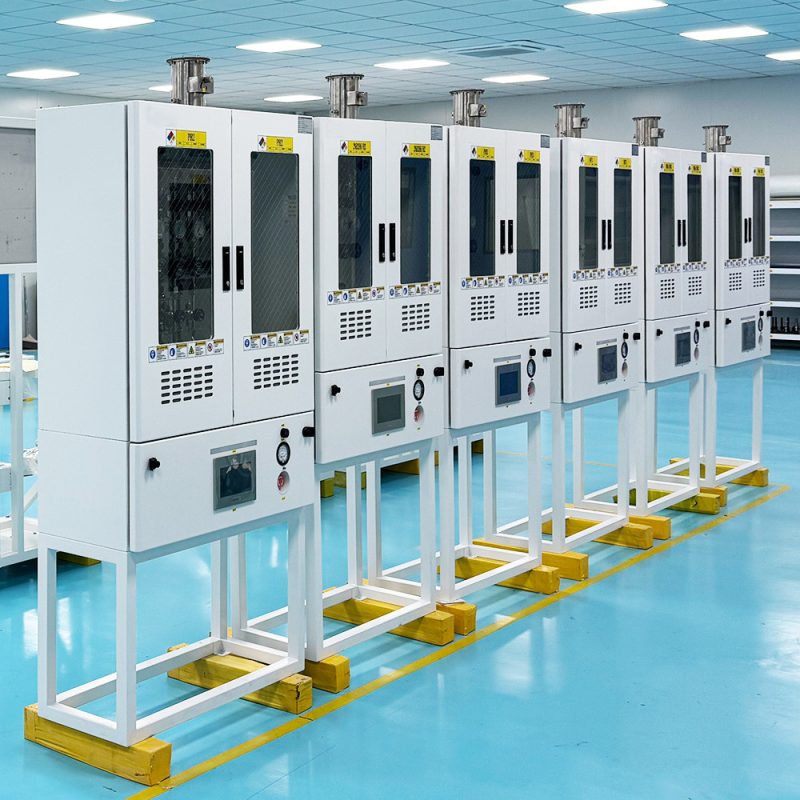
Centralized Laboratory Gas Delivery System for High-Purity and Specialty Gases
Modern laboratories increasingly rely on high-purity and specialty gases for analytical instruments, research equipment, testing systems, and experimental processes. Gases such as nitrogen, argon, helium, hydrogen, oxygen, carbon dioxide, and specialty gas mixtures must be delivered with stable pressure, consistent purity, and reliable flow control. A centralized laboratory gas delivery system provides an engineered solution by distributing gases from a controlled central source to multiple laboratory points of use.
Compared with individual gas cylinders connected directly to laboratory instruments, a centralized gas supply system can improve gas management, reduce cylinder handling, simplify maintenance, and provide better control over pressure and gas quality. For laboratories with multiple instruments or high gas consumption, centralized gas distribution is particularly valuable.
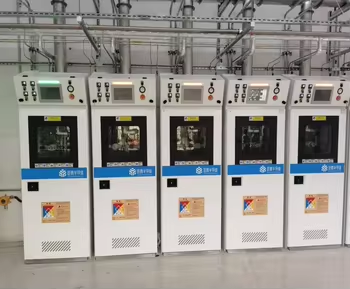
What Is a Centralized Laboratory Gas Delivery System?
A centralized laboratory gas delivery system is a network designed to transport gases from a central gas source to multiple points of use within a laboratory or research facility.
The system typically consists of gas cylinders or bulk gas sources, cylinder manifolds, automatic or semi-automatic changeover systems, pressure regulators, gas distribution pipelines, isolation valves, pressure control panels, filtration components, monitoring devices, and point-of-use gas outlets.
The basic gas delivery process is:
Gas Source → Manifold → Pressure Regulation → Distribution Pipeline → Point-of-Use Control → Laboratory Equipment
Depending on laboratory requirements, the system may support several gas types simultaneously. Each gas is normally supplied through an independent distribution line to prevent cross-contamination and maintain gas purity.
A well-designed centralized system is not simply a collection of pipes and regulators. It is an integrated gas management system engineered around gas properties, required purity, pressure, flow rate, laboratory layout, safety requirements, and equipment specifications.
Why Laboratories Need Centralized Gas Distribution
Laboratories often operate multiple analytical instruments simultaneously. Gas chromatographs, mass spectrometers, ICP systems, semiconductor research equipment, glove boxes, vacuum systems, environmental test equipment, and other instruments may require continuous gas supplies.
Using individual cylinders for every instrument can create several operational challenges. Laboratory personnel must frequently replace cylinders, monitor remaining gas, manage different cylinder connections, and maintain multiple regulators. Cylinder movement can also create additional safety and logistical concerns.
A centralized laboratory gas delivery system consolidates gas sources in a designated supply area and distributes gas through engineered pipelines.
Key advantages include:
- Stable gas pressure and flow
- Reduced cylinder handling inside laboratories
- Improved gas supply continuity
- Centralized monitoring and control
- Simplified cylinder replacement
- Reduced risk of connection errors
- Better utilization of gas sources
- Easier system expansion
- Improved laboratory organization
- Compatibility with high-purity gas applications
For laboratories operating expensive analytical equipment, stable gas delivery can also help maintain consistent experimental conditions and instrument performance.
Main Components of a Laboratory Gas Delivery System
1. Gas Source and Cylinder Manifold
The gas source may consist of individual cylinders, cylinder bundles, dewars, or bulk storage systems. For high-purity and specialty gases, the source connection must be compatible with the gas type and cylinder valve specification.
A cylinder manifold connects multiple cylinders to the gas supply system. Depending on the application, laboratories can use manual, semi-automatic, or fully automatic changeover manifolds.
An automatic changeover manifold can switch from an empty or low-pressure cylinder bank to a reserve bank without interrupting the downstream gas supply. This is particularly useful for instruments that require continuous gas availability.
2. Pressure Regulators
Pressure regulation is one of the most important functions of a centralized gas system.
Gas cylinders can contain very high pressures, while laboratory instruments usually require a much lower and more stable operating pressure. A high-quality regulator reduces the source pressure to a controlled downstream pressure.
For high-purity applications, regulators should be selected according to:
- Gas compatibility
- Inlet pressure
- Outlet pressure
- Flow requirements
- Wetted materials
- Internal volume
- Leakage performance
- Required gas purity
For ultra-high-purity applications, regulators manufactured from high-quality stainless steel and designed with low internal dead volume can help minimize contamination and adsorption.
3. Gas Distribution Pipeline
The distribution pipeline transports gas from the central source to individual laboratory points of use.
Material selection depends on gas type, purity requirements, pressure, temperature, and application. Stainless steel tubing is widely used for high-purity gas distribution because it provides good mechanical strength, corrosion resistance, and clean internal surfaces.
For demanding applications, tubing may be internally polished, cleaned, passivated, and assembled using orbital welding or other high-integrity joining methods.
Pipeline design should minimize unnecessary dead legs, sharp bends, and contamination sources. Proper routing also helps simplify maintenance and future expansion.
4. Valves and Isolation Components
Isolation valves allow sections of the gas system to be shut down for maintenance without necessarily affecting the entire laboratory.
For high-purity gas systems, diaphragm valves are often selected because their design can minimize contamination and provide reliable shutoff performance. Ball valves, needle valves, check valves, and other specialized components may also be used according to system requirements.
Valve selection should consider gas compatibility, operating pressure, temperature, connection type, leakage requirements, and required cleanliness.
5. Point-of-Use Gas Panels
A point-of-use gas panel provides local pressure control and gas isolation near laboratory equipment.
Typical components may include a pressure regulator, pressure gauge, isolation valve, relief device, filter, and outlet connection.
The point-of-use panel allows operators to adjust or monitor gas pressure without accessing the central gas supply area. For laboratories with different instruments requiring different operating pressures, individual point-of-use regulation provides greater flexibility.
High-Purity Gas Delivery Requirements
High-purity and specialty gases require more stringent system design than general industrial gas distribution.
Even when the source gas has extremely high purity, contamination can occur during transportation through unsuitable tubing, valves, regulators, fittings, or connections.
Common contamination sources include:
- Moisture
- Oxygen
- Hydrocarbons
- Particles
- Residual process gases
- Poor-quality elastomers
- Improperly cleaned components
- Atmospheric exposure during installation
Therefore, high-purity gas systems should use materials and components specifically selected for clean gas service.
Internal surface condition is particularly important. Smooth and properly treated internal surfaces reduce particle accumulation and adsorption. Components should also be thoroughly cleaned and packaged before installation.
For ultra-high-purity applications, orbital welding and high-integrity metal-to-metal connections can reduce potential leakage and contamination points.
Specialty Gas Distribution
Specialty gases may include toxic, corrosive, flammable, oxidizing, reactive, or highly sensitive gases. These gases require additional engineering considerations.
For example, toxic gases may require gas cabinets, automatic shutoff systems, leak detection, exhaust ventilation, and emergency response systems. Corrosive gases require compatible materials and appropriate valve and regulator construction.
Flammable gases require suitable ventilation, ignition-source control, pressure protection, and gas detection where applicable.
The centralized gas delivery system should therefore be designed around the specific properties of each gas rather than using a single standardized configuration for every application.
Pressure Control and Gas Stability
Stable pressure is essential for many laboratory instruments.
Pressure fluctuations can influence analytical measurements, process conditions, and instrument operation. A centralized system should therefore maintain appropriate upstream and downstream pressure levels.
A typical architecture may include two-stage pressure reduction. The first stage reduces cylinder pressure to an intermediate distribution pressure, while the second stage provides precise pressure control close to the point of use.
This configuration can improve pressure stability, particularly when multiple instruments consume gas simultaneously.
Flow requirements should also be calculated carefully. Undersized tubing or regulators can create excessive pressure drops, while oversized components may increase system cost and internal volume.
Gas Purity Monitoring and Safety
A modern centralized laboratory gas delivery system can integrate monitoring and alarm functions.
Pressure sensors can monitor supply and distribution pressure, while gas detectors can identify hazardous leaks. Automatic alarms can notify laboratory personnel when gas pressure falls below a defined level or when a hazardous gas concentration is detected.
Depending on the application, the control system may monitor:
- Cylinder pressure
- Manifold pressure
- Distribution pressure
- Gas flow
- Gas leakage
- Gas concentration
- Changeover status
- Valve status
- Alarm conditions
For critical laboratory systems, monitoring can be integrated into a building management system or centralized facility control platform.
Designing a Centralized Laboratory Gas Delivery System
System design should begin with a detailed assessment of laboratory requirements.
Engineers should determine the required gases, purity grades, source pressures, operating pressures, flow rates, number of points of use, pipeline distances, and future expansion requirements.
A typical design process includes:
Step 1: Identify Gas Requirements
Determine all gases required by laboratory instruments and processes.
Step 2: Define Gas Purity
Establish whether the application requires industrial-grade, high-purity, ultra-high-purity, or specialty gas.
Step 3: Calculate Flow and Pressure
Determine peak and normal consumption for each gas and calculate expected pressure losses.
Step 4: Select Materials
Choose suitable tubing, valves, regulators, fittings, filters, and seals based on gas compatibility and cleanliness requirements.
Step 5: Design the Distribution Network
Develop pipeline routes that minimize unnecessary connections and provide convenient access for maintenance.
Step 6: Integrate Safety Systems
Consider pressure relief, emergency shutoff, gas detection, ventilation, alarms, and other applicable safety measures.
Step 7: Test and Commission
The completed system should undergo appropriate pressure testing, leak testing, cleaning, purging, and commissioning before being placed into service.
Applications of Centralized Laboratory Gas Systems
Centralized gas delivery systems are used across a wide range of industries and research environments.
Analytical Laboratories
Gas chromatography, mass spectrometry, atomic absorption, ICP, and other analytical instruments may require carrier gases, calibration gases, or supporting gases.
Pharmaceutical and Biotechnology Laboratories
Nitrogen, carbon dioxide, oxygen, and other gases can be used in cell culture, fermentation, analytical testing, pharmaceutical development, and controlled-atmosphere applications.
Semiconductor and Advanced Manufacturing Research
High-purity and specialty gases are critical for process development, deposition research, etching experiments, and materials characterization. These applications require particularly strict control of contamination and gas purity.
Universities and Research Institutions
Centralized systems allow multiple laboratories and research groups to share a controlled gas infrastructure while maintaining independent point-of-use pressure control.
Environmental and Materials Testing
Specialty gas mixtures and high-purity gases are frequently used for calibration, instrument operation, emissions analysis, and materials testing.
Centralized vs. Individual Cylinder Gas Supply
Individual cylinder connections may be practical for small laboratories with limited gas consumption. However, as the number of instruments increases, centralized distribution becomes increasingly useful.
| Feature | Individual Cylinder Supply | Centralized Gas Delivery |
|---|---|---|
| Cylinder handling | Frequent | Centralized |
| Pressure control | Local | Central + point of use |
| Gas monitoring | Limited | Centralized monitoring possible |
| Expansion | More difficult | Easier to expand |
| Laboratory organization | More cylinders near equipment | Cleaner workspace |
| Supply continuity | Depends on cylinder replacement | Can use reserve/changeover systems |
| High-purity applications | Possible | Better suited to engineered distribution |
The appropriate solution depends on laboratory size, gas consumption, safety requirements, budget, and equipment configuration.
How to Choose a Centralized Laboratory Gas System Supplier
Choosing the right supplier is important because the performance of a gas delivery system depends on both component quality and engineering design.
A qualified supplier should understand gas compatibility, high-purity gas handling, pressure control, pipeline design, leak testing, and laboratory safety requirements.
For projects involving multiple gases or critical analytical equipment, customers should evaluate whether the supplier can provide a complete solution rather than individual components only.
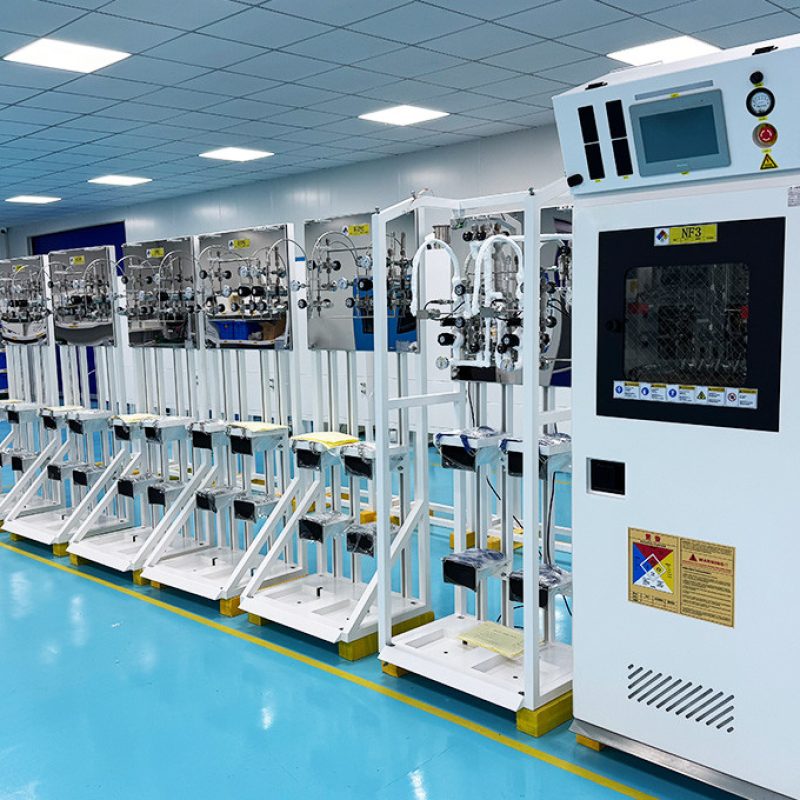
A professional supplier such as Jewellok can provide gas delivery components and engineered solutions for high-purity and specialty gas applications, including regulators, valves, manifolds, pressure control panels, and gas distribution systems. System configuration can be customized according to gas type, pressure, purity, connection standards, and laboratory requirements.
Conclusion
A centralized laboratory gas delivery system for high-purity and specialty gases provides a structured approach to supplying multiple laboratory instruments from a controlled gas source. By combining cylinder manifolds, pressure regulators, high-purity tubing, valves, point-of-use panels, monitoring equipment, and safety systems, laboratories can establish a more organized and controllable gas infrastructure.
The most important considerations are not simply gas pressure and flow. Material compatibility, cleanliness, leak integrity, contamination control, pipeline design, pressure stability, monitoring, and safety must all be considered during system engineering.
As laboratories adopt more sophisticated analytical instruments and research processes, reliable gas distribution becomes increasingly important. A properly engineered centralized system can provide stable gas delivery while supporting laboratory safety, operational efficiency, high-purity requirements, and future system expansion.
For more about centralized laboratory gas delivery system for high-purity and specialty gases, you can pay a visit to Jewellok at https://www.jewellok.com/ for more info.
-
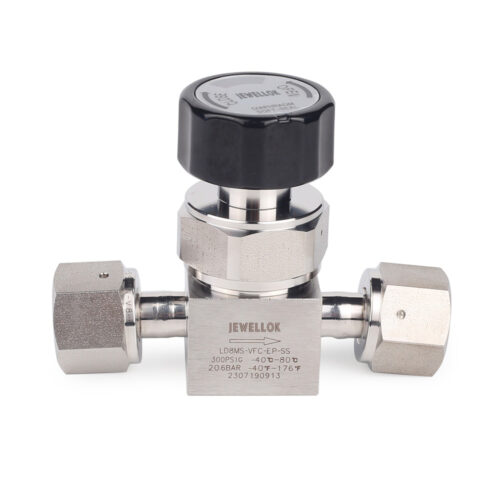
316L Vim Var Stainless Steel Ultra High Purity Diaphragm Valve Options For Semiconductor Gas Distribution Systems
-

Automated Bulk Liquid Chemical Delivery System (BCDS) with PLC Controls for High-Volume Industrial Fluid Transport
-
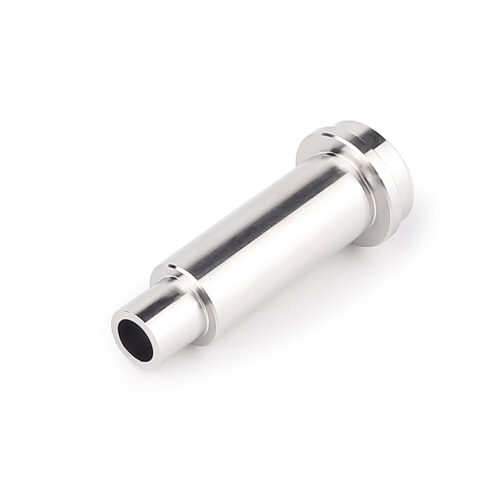
UHP Metal Gasket Face Seal Fittings Vacuum Coupling Metal Face Seal Join Long Gland And Short Gland
-
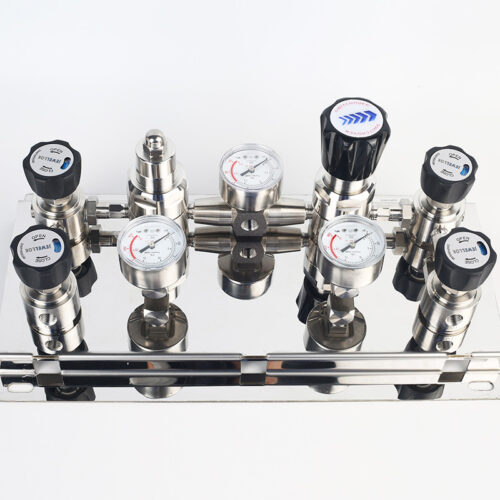
Semi Automatic Gas Changeover Manifold System Manual Changeover Manifold Panel Single Stage Automatic Switchover Board
-
Liquid Chemical Delivery Module And Chemical Delivery System Semiconductor Chemical Automatic Liquid Supply Equipment
-
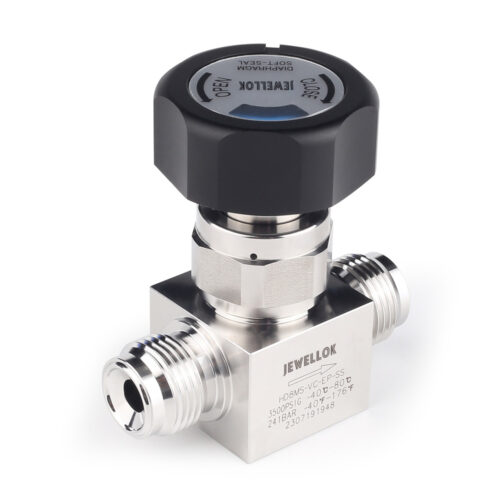
Stainless Steel Ultra High Purity (UHP) High Pressure Manual Diaphragm Valve
-

Ultra High Purity Liquid Chemical Delivery System And Bulk Chemical Delivery Handling System For Semiconductor Cleanrooms
-
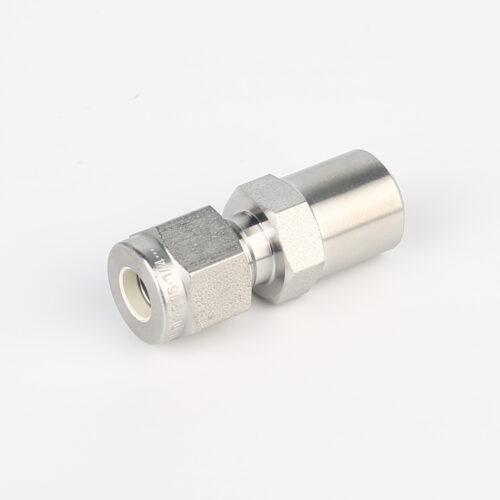
768LN Stainless Steel Male Pipe Tube Butt Weld Connector And Tube Fittings Supplier