
Valves Manufacturer Tel: +86 13380377051
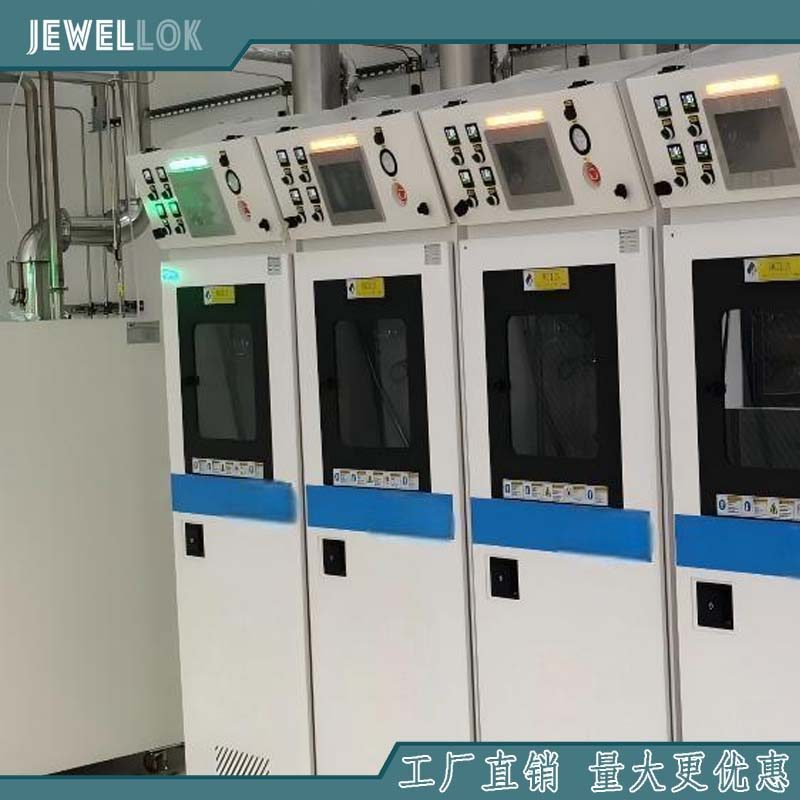
Fully Automatic Specialty Gas Cabinet with PLC Control
Introduction
As semiconductor technology continues advancing toward smaller process nodes and higher production yields, the demand for safe, accurate, and intelligent specialty gas management systems has never been greater. Toxic, corrosive, flammable, pyrophoric, and high-purity gases are widely used in semiconductor fabrication, photovoltaic manufacturing, LED production, pharmaceutical processing, laboratory research, and advanced material synthesis. Managing these gases safely requires far more than traditional gas storage—it requires an intelligent gas delivery solution capable of continuous monitoring, automated control, and rapid emergency response.
A Fully Automatic Specialty Gas Cabinet with PLC Control represents the latest generation of industrial gas management technology. Unlike conventional manual gas cabinets, PLC-controlled systems integrate programmable automation, real-time monitoring, advanced safety interlocks, automatic switchover functions, remote communication, and comprehensive alarm management into one intelligent platform.
This article explains the working principles, key components, technical features, advantages, applications, and selection criteria of fully automatic specialty gas cabinets, demonstrating why they have become an essential part of modern semiconductor manufacturing and high-purity gas delivery systems.
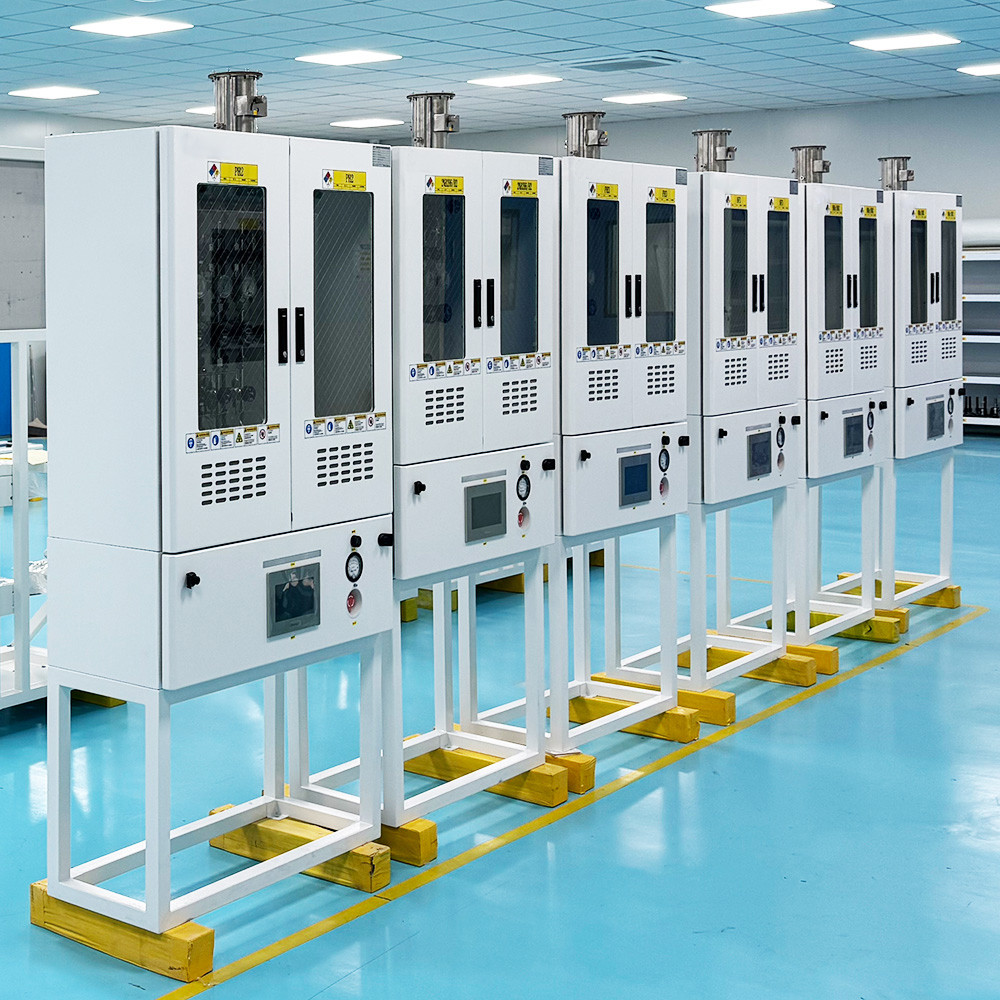
What Is a Fully Automatic Specialty Gas Cabinet?
A fully automatic specialty gas cabinet is an enclosed safety system specifically designed to store, control, monitor, and distribute hazardous or high-purity gas cylinders safely.
The cabinet provides multiple levels of protection while ensuring continuous gas delivery to production equipment.
Typical gases include:
- Silane (SiH₄)
- Ammonia (NH₃)
- Hydrogen Chloride (HCl)
- Chlorine (Cl₂)
- Hydrogen Fluoride (HF)
- Boron Trichloride (BCl₃)
- Phosphine (PH₃)
- Arsine (AsH₃)
- Nitrogen Trifluoride (NF₃)
- Sulfur Hexafluoride (SF₆)
- High Purity Nitrogen
- Helium
- Argon
- Hydrogen
- Oxygen
Because many of these gases are toxic, pyrophoric, corrosive, or explosive, international safety standards require highly automated handling systems with continuous monitoring and emergency protection.
Understanding PLC Control Technology
PLC stands for Programmable Logic Controller, an industrial computer designed for highly reliable automation.
Unlike traditional relay-based systems, PLC controllers provide:
- Faster response speed
- Flexible programming
- Intelligent logic control
- High reliability
- Easy maintenance
- Network communication
- Data logging
- Remote diagnostics
Inside a specialty gas cabinet, the PLC serves as the central control unit that coordinates every operational sequence.
It continuously collects signals from sensors, executes programmed logic, controls pneumatic valves, activates alarms, communicates with factory automation systems, and performs emergency shutdown procedures whenever abnormal conditions are detected.
Main Components of a Fully Automatic Gas Cabinet
A modern PLC-controlled specialty gas cabinet consists of several integrated subsystems.
Gas Cylinder Compartment
The cabinet safely houses one or multiple gas cylinders inside a sealed enclosure.
The compartment usually includes:
- Automatic cylinder restraints
- Ventilation system
- Gas leak containment
- Fire-resistant construction
- Corrosion-resistant materials
PLC Control System
The PLC receives signals from every sensor throughout the cabinet.
Typical monitored parameters include:
- Gas pressure
- Cylinder pressure
- Line pressure
- Flow rate
- Temperature
- Gas leakage
- Door status
- Ventilation status
- Emergency stop condition
The controller executes automatic operating sequences without manual intervention.
Human Machine Interface (HMI)
The HMI touchscreen allows operators to monitor and configure the cabinet.
Displayed information includes:
- Gas pressure
- Cylinder status
- Valve status
- Alarm history
- System diagnostics
- Operating mode
- Gas consumption
- Maintenance reminders
Modern HMIs provide multilingual interfaces with intuitive graphical displays.
Pneumatic Valve Assembly
High-purity pneumatic diaphragm valves control gas flow precisely.
These valves are automatically actuated by PLC outputs.
Advantages include:
- Fast switching
- Zero manual operation
- High repeatability
- Low leakage
- Long service life
Pressure Control System
Pressure regulators ensure stable gas delivery.
Typical configuration includes:
- Cylinder regulator
- Line regulator
- Pressure transmitters
- Pressure switches
- Relief valves
Automatic pressure adjustment maintains consistent downstream flow.
Gas Leak Detection System
Multiple gas detectors continuously monitor cabinet safety.
Detection technologies include:
- Electrochemical sensors
- Infrared sensors
- Semiconductor sensors
- Catalytic sensors
Once leakage exceeds preset thresholds, the PLC initiates emergency shutdown automatically.
Ventilation System
Continuous exhaust ventilation prevents hazardous gas accumulation.
Typical airflow ranges between:
- 200–500 CFM
Airflow monitoring ensures compliance with semiconductor cleanroom safety standards.
Automatic Operating Functions
PLC-controlled gas cabinets automate nearly every operational procedure.
Automatic Startup
Operators simply initiate the startup sequence from the HMI.
The PLC automatically verifies:
- Door closure
- Ventilation operation
- Gas detector status
- Emergency stop reset
- Pressure conditions
- Valve positions
Only after all safety conditions are satisfied will gas delivery begin.
Automatic Cylinder Changeover
Continuous production requires uninterrupted gas supply.
Dual-cylinder cabinets automatically switch from an empty cylinder to a full backup cylinder.
Benefits include:
- Zero production interruption
- Stable pressure
- Reduced operator workload
- Improved gas utilization
Automatic Purging
Purging removes residual hazardous gas before maintenance or cylinder replacement.
Typical purge gases include:
- Nitrogen
- High-purity nitrogen
- Argon
The PLC controls purge timing, pressure, and cycle count automatically.
Automatic Pressure Regulation
Pressure sensors continuously monitor outlet pressure.
When pressure changes occur, the PLC adjusts regulators or valve positions to maintain process stability.
Automatic Emergency Shutdown (ESD)
Emergency shutdown occurs immediately if any abnormal condition is detected.
Trigger conditions include:
- Gas leakage
- Fire alarm
- Overpressure
- Low pressure
- Ventilation failure
- Earthquake sensor activation
- Manual emergency stop
- Toxic gas concentration exceeded
The PLC immediately:
- Closes automatic valves
- Isolates cylinders
- Activates exhaust
- Sounds alarms
- Sends notifications
- Records event history
Safety Features
Safety remains the highest priority for specialty gas cabinets.
Modern PLC-controlled systems incorporate multiple protection layers.
Continuous Gas Leak Monitoring
Gas detectors operate 24 hours a day.
Leak detection response time is typically less than one second.
Multiple Alarm Levels
Alarm classifications include:
- Warning
- High alarm
- Critical alarm
- Emergency shutdown
Visual and audible alarms ensure immediate operator awareness.
Safety Interlocks
Typical interlocks include:
- Door interlock
- Ventilation interlock
- Pressure interlock
- Leak detector interlock
- Emergency stop interlock
- Fire alarm interlock
These prevent unsafe operating conditions.
Fire Protection
Many systems integrate:
- Heat detectors
- Smoke detectors
- Fire suppression interfaces
- FM-200 compatibility
- Clean agent systems
Redundant Monitoring
Critical parameters often employ redundant sensors for improved reliability.
Dual pressure transmitters and duplicate gas detectors reduce failure risks.
Communication and Industry 4.0 Integration
Modern semiconductor fabs require centralized monitoring.
PLC-controlled gas cabinets support multiple communication protocols including:
- Modbus RTU
- Modbus TCP
- EtherNet/IP
- PROFINET
- DeviceNet
- OPC UA
- SECS/GEM
These protocols enable seamless integration with:
- SCADA systems
- Building Management Systems (BMS)
- Manufacturing Execution Systems (MES)
- Factory Automation Systems
- Environmental Monitoring Systems
Remote monitoring allows engineers to supervise cabinet performance from centralized control rooms.
Advantages of Fully Automatic PLC-Controlled Gas Cabinets
Improved Safety
Automation significantly reduces operator exposure to hazardous gases.
Emergency shutdown occurs much faster than manual response.
Higher Production Efficiency
Automatic cylinder switching eliminates downtime during cylinder replacement.
Production continues without interruption.
Consistent Gas Delivery
PLC regulation maintains stable pressure and flow.
This improves process consistency and product quality.
Reduced Human Error
Automation minimizes manual valve operation and procedural mistakes.
Standardized operating sequences improve repeatability.
Easier Maintenance
The HMI provides maintenance reminders and diagnostic information.
Fault localization becomes faster and more accurate.
Comprehensive Data Logging
Every event is automatically recorded, including:
- Alarm history
- Pressure trends
- Valve operations
- Gas consumption
- Maintenance records
- Operator actions
Historical data supports predictive maintenance and regulatory compliance.
Typical Industrial Applications
Fully automatic specialty gas cabinets are widely used across numerous industries.
Semiconductor Manufacturing
Applications include:
- CVD
- PECVD
- ALD
- Etching
- Ion implantation
- Diffusion
- Cleaning
- Lithography
LED Manufacturing
Specialty gases support:
- MOCVD
- Epitaxy
- Surface treatment
- Process chamber cleaning
Solar Cell Production
Gas cabinets control specialty gases used in:
- Thin-film deposition
- PECVD
- Surface passivation
Pharmaceutical Industry
High-purity gases are used for:
- Sterile manufacturing
- Process control
- Analytical laboratories
- Research facilities
University Laboratories
Research laboratories require precise gas control for:
- Material science
- Chemical synthesis
- Nanotechnology
- Analytical instrumentation
Material Selection
High-purity gas cabinets require carefully selected materials.
Common wetted materials include:
- 316L VAR Stainless Steel
- 316L VIM-VAR Stainless Steel
- Hastelloy
- Nickel alloys
Surface finish typically reaches:
- Ra ≤ 0.25 μm
Electropolished tubing minimizes particle generation and contamination.
Orbital welding further improves cleanliness and leak integrity.
Compliance with International Standards
Reliable specialty gas cabinets should comply with internationally recognized safety standards, including:
- SEMI S2
- SEMI S6
- SEMI S8
- SEMI F19
- NFPA 55
- NFPA 318
- CGA standards
- ISO 9001
- CE Certification
- UL requirements (where applicable)
Compliance ensures both operator safety and compatibility with global semiconductor manufacturing facilities.
Factors to Consider When Selecting a Gas Cabinet
Choosing the right fully automatic specialty gas cabinet requires evaluating several technical parameters.
Key considerations include:
- Type of specialty gas
- Gas purity level
- Toxicity classification
- Cylinder size and quantity
- Required flow rate
- Operating pressure
- Purge requirements
- Leak detection technology
- Communication protocol compatibility
- Cleanroom classification
- Automation level
- Future expansion capability
- Preventive maintenance requirements
Partnering with an experienced manufacturer ensures the system is tailored to process requirements while meeting all applicable safety regulations.
Future Development Trends
As smart manufacturing continues to evolve, specialty gas cabinets are becoming increasingly intelligent.
Emerging innovations include:
- AI-assisted fault prediction
- Cloud-based remote monitoring
- Digital twin technology
- Predictive maintenance analytics
- Edge computing
- Cybersecurity enhancements
- IoT-enabled sensors
- Energy-efficient ventilation systems
- Automatic calibration functions
- Self-diagnostic software
These advancements will further improve safety, reliability, and operational efficiency while reducing maintenance costs and downtime.
Conclusion
A Fully Automatic Specialty Gas Cabinet with PLC Control is far more than a storage enclosure—it is an intelligent safety and gas management platform designed for today’s demanding industrial environments. By combining programmable logic control, real-time monitoring, automatic pressure regulation, cylinder changeover, leak detection, emergency shutdown, and seamless factory integration, these systems deliver exceptional levels of safety, reliability, and operational efficiency.
For industries such as semiconductor manufacturing, photovoltaics, pharmaceuticals, research laboratories, and advanced materials processing, investing in a PLC-controlled specialty gas cabinet helps protect personnel, maintain product quality, reduce downtime, and comply with stringent international safety standards. As Industry 4.0 and smart factory technologies continue to evolve, fully automated gas cabinets will remain a cornerstone of safe, connected, and high-performance gas delivery systems.
For more about fully automatic specialty gas cabinet with PLC control, you can pay a visit to Jewellok at https://www.jewellok.com/product-category/chemical-delivery-system/ for more info.
-
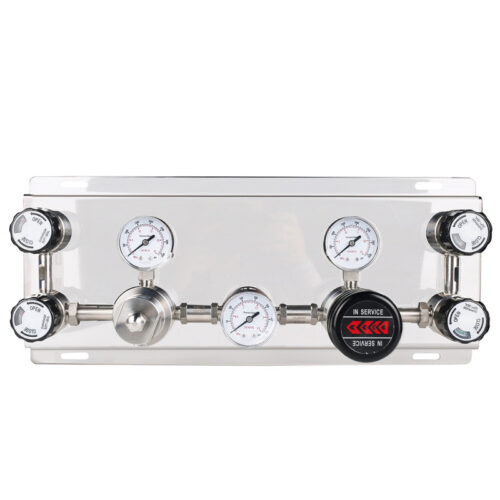
Semi Automatic And Automatic Switching Speicialty Gas Changeover Manifold Panel With Semiconductor Valve Manifold Box Gas Pressure Regulators
-
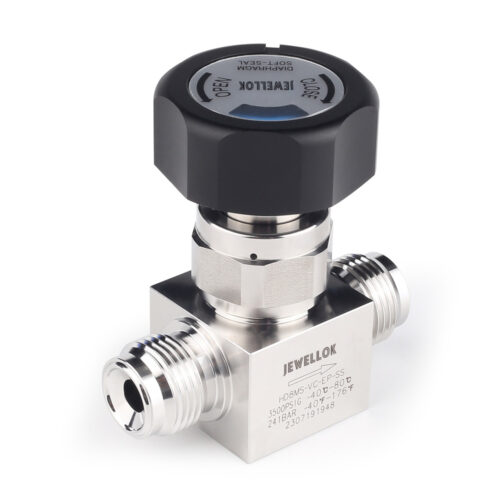
Stainless Steel Ultra High Purity (UHP) High Pressure Manual Diaphragm Valve
-

Semi Automatic Oxygen Nitrogen Helium Argon Gas Changeover Manifold Manual Gas Changeover Manifold Panel For Gas Cylinders
-
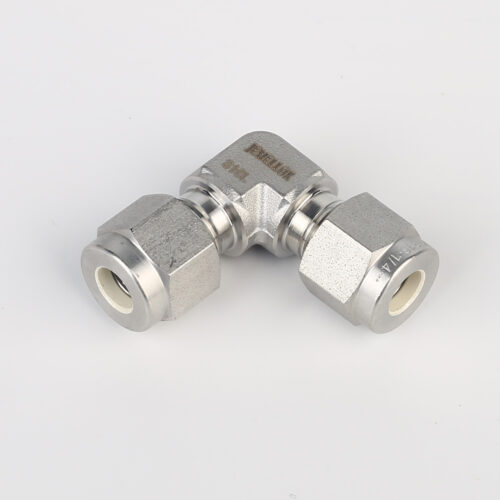
765L Stainless Steel Union Elbow Reducing High Purity Fitting Tubing Extension Tubing Connection
-

Liquid Chemical Valve Manifold Box Chemical Dispensing Units, Semi & Fully Automatic Chemical Filling Equipment
-
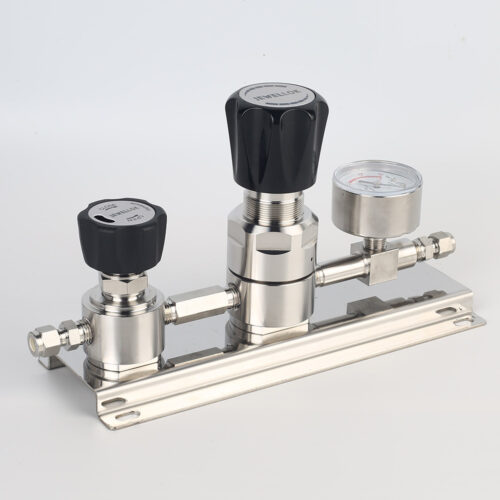
High Purity High Flow Pressure Control Regulators & Valves Gas Stick Assemblies JSR-2TG Series
-
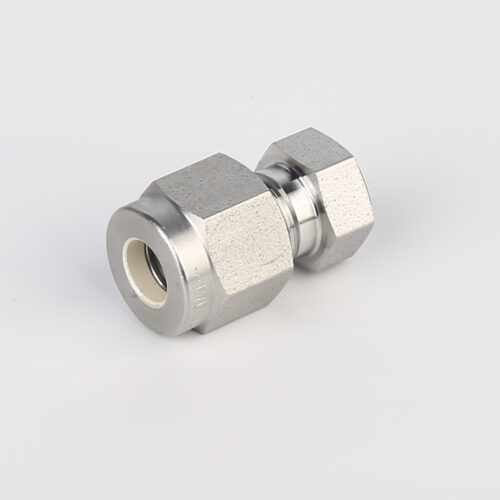
7108L Cylinder Cap Connectors For Ultra High Purity Gases
-
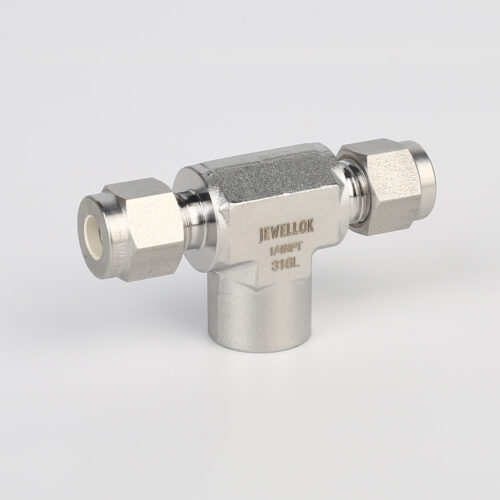
772 LF Female Branch Tee | Stainless Steel Tube Fitting Female Branch Tee 1/2 in. Tube OD x 1/2 in. Tube OD x 3/8 in. Female NPT