
Valves Manufacturer Tel: +86 13380377051
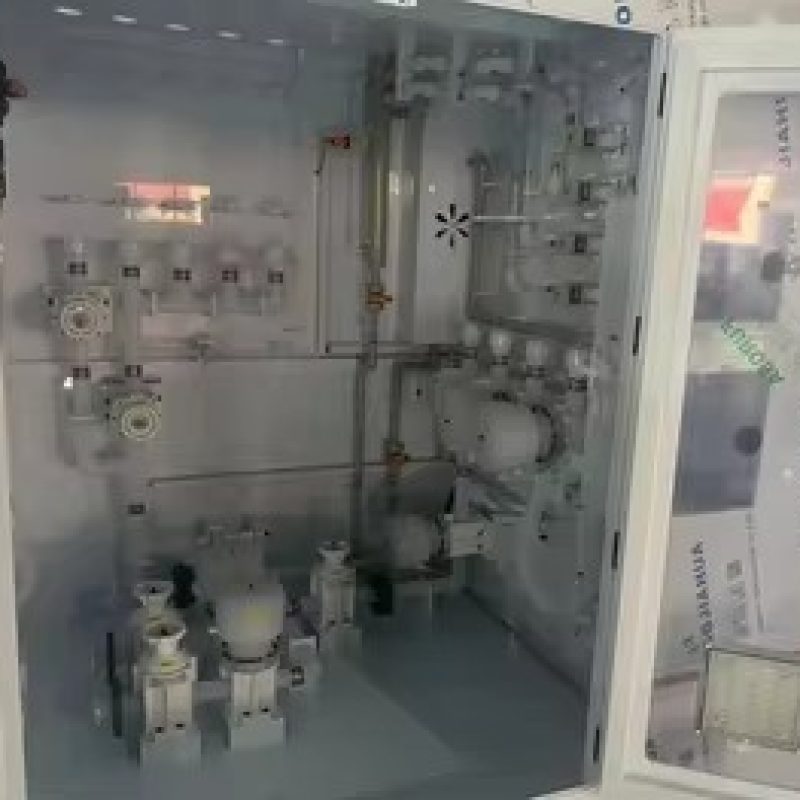
High-Precision Chemical Delivery Module (CDM) for Semiconductor and High-Purity Chemical Distribution
Introduction
As semiconductor manufacturing continues to move toward smaller process nodes, higher wafer yields, and more advanced fabrication technologies, the precision of chemical delivery systems has become increasingly critical. Modern semiconductor processes such as photolithography, wet cleaning, chemical mechanical polishing (CMP), atomic layer deposition (ALD), and advanced packaging require chemicals to be delivered with exceptional purity, flow stability, and repeatability.
The Chemical Delivery Module (CDM) is the core subsystem responsible for safely transporting ultra-high purity (UHP) chemicals from storage containers to process equipment while maintaining precise control over pressure, flow rate, temperature, and contamination levels.
A high-precision Chemical Delivery Module is far more than a simple pumping system. It integrates advanced fluid engineering, intelligent automation, precision sensors, leak detection, safety interlocks, and contamination control technologies into a highly reliable platform capable of operating continuously in demanding semiconductor cleanrooms.
This article explores the design principles, key components, engineering considerations, safety mechanisms, and future development trends of high-precision Chemical Delivery Modules.
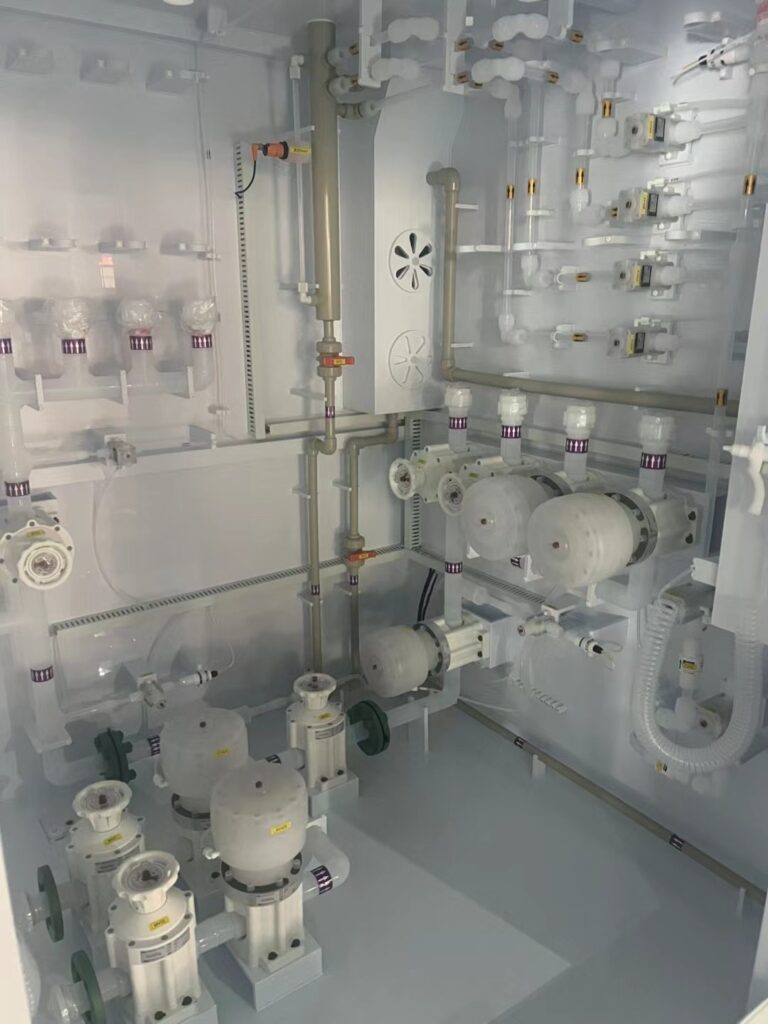
What Is a Chemical Delivery Module (CDM)?
A Chemical Delivery Module (CDM) is an integrated chemical distribution system designed to deliver process chemicals safely and accurately to semiconductor manufacturing equipment.
The module typically handles:
- Photoresists
- Developers
- Solvents
- Acids
- Bases
- DI water
- CMP slurries
- Specialty chemicals
- Cleaning agents
Unlike conventional chemical transfer systems, modern CDMs are engineered to achieve:
- Ultra-high purity chemical transport
- Accurate flow control
- Stable pressure regulation
- Zero contamination
- Bubble-free delivery
- Continuous monitoring
- Automatic fault protection
These capabilities directly influence process consistency, wafer quality, and production yield.
Core Design Objectives
Designing a high-performance Chemical Delivery Module involves balancing several engineering objectives simultaneously.
1. Precision Flow Control
One of the primary functions of a CDM is delivering chemicals at a highly stable flow rate.
Typical requirements include:
- Continuous flow stability
- Minimal flow fluctuation
- Fast response to process demand
- Repeatable dispensing cycles
Flow precision is achieved through:
- Precision diaphragm pumps
- Servo-controlled metering pumps
- High-resolution flow meters
- PID control algorithms
- Closed-loop feedback systems
Stable flow prevents coating defects, uneven cleaning, and inconsistent chemical reactions.
2. Ultra-High Purity Design
Semiconductor chemicals are extremely sensitive to contamination.
Even microscopic particles or trace metal ions may result in:
- Wafer defects
- Particle generation
- Device failure
- Reduced yield
Therefore, CDMs utilize ultra-clean materials including:
- PFA
- PTFE
- PVDF
- High-purity quartz
- Electropolished 316L stainless steel
Internal surfaces are designed to minimize:
- Particle shedding
- Chemical adsorption
- Dead volume
- Surface roughness
Many systems are assembled and tested inside ISO Class 5 cleanrooms.
Precision Pressure Management
Stable pressure is equally important as stable flow.
Pressure fluctuations may cause:
- Chemical splashing
- Flow instability
- Air entrainment
- Process interruption
High-precision CDMs integrate:
- Electronic pressure regulators
- Pressure transducers
- Pneumatic control valves
- Automatic relief valves
Closed-loop pressure control continuously adjusts pump speed and valve position according to process demand.
Bubble-Free Chemical Delivery
Air bubbles are among the largest causes of dispensing defects.
Bubble formation can lead to:
- Uneven coating
- Flow interruption
- Inaccurate dosing
- Process instability
To eliminate bubbles, CDMs employ:
Degassing Systems
Vacuum degassers remove dissolved gases before chemical delivery.
Bubble Sensors
Ultrasonic bubble detectors identify gas pockets before chemicals enter production equipment.
Optimized Piping
Smooth internal tubing minimizes turbulence and reduces bubble generation.
Intelligent Chemical Level Management
Modern CDMs continuously monitor chemical inventory using multiple sensing technologies.
Common level detection methods include:
- Ultrasonic sensors
- Load cells
- Float switches
- Capacitive sensors
The control system automatically performs:
- Low-level alarms
- Chemical refill requests
- Automatic tank switching
- Batch tracking
This ensures uninterrupted production.
Accurate Temperature Control
Many semiconductor chemicals exhibit viscosity changes as temperature varies.
Temperature instability may influence:
- Pump accuracy
- Flow rate
- Dispensing precision
- Reaction speed
Therefore, high-end CDMs include:
- Chemical heaters
- Cooling units
- Heat exchangers
- Temperature sensors
- PID temperature controllers
Maintaining a stable chemical temperature significantly improves process consistency.
Advanced Pump Selection
Pump selection determines overall delivery accuracy.
Common pump technologies include:
Diaphragm Pumps
Advantages:
- Leak-free operation
- High chemical compatibility
- Low maintenance
- Excellent safety
Applications:
- Corrosive chemicals
- Acids
- Solvents
Magnetically Coupled Pumps
Advantages:
- No shaft seal
- Zero leakage
- Long service life
Applications:
- Toxic chemicals
- High-purity chemicals
Precision Metering Pumps
Advantages:
- Extremely accurate dosing
- Programmable dispensing
- Repeatable cycles
Applications:
- Photolithography
- CMP
- Chemical blending
Intelligent Automation Architecture
Today’s Chemical Delivery Modules are fully automated systems.
Typical automation components include:
- PLC controllers
- Industrial PCs
- Human Machine Interface (HMI)
- SCADA integration
- Remote monitoring
- Recipe management
Automation enables:
- Automatic startup
- Chemical switching
- Self-diagnostics
- Alarm management
- Preventive maintenance
Real-time monitoring greatly reduces operator intervention.
Chemical Compatibility Engineering
A single semiconductor fab may use hundreds of chemicals.
These include:
- Sulfuric acid
- Hydrofluoric acid
- Nitric acid
- Ammonium hydroxide
- Hydrogen peroxide
- Isopropyl alcohol
- Acetone
- NMP
- Photoresists
Every wetted component must be carefully selected for compatibility.
Design engineers evaluate:
- Corrosion resistance
- Chemical permeation
- Material swelling
- Mechanical strength
- Long-term reliability
Material selection directly impacts system lifespan.
Leak Detection and Safety Protection
Chemical safety is one of the highest priorities in CDM design.
Modern systems integrate multiple protection layers.
Leak Sensors
Installed beneath:
- Pumps
- Valves
- Chemical tanks
- Cabinets
Leak sensors immediately trigger alarms and emergency shutdown.
Emergency Shutoff Valves
Automatic isolation valves quickly stop chemical flow during abnormal conditions.
Exhaust Ventilation
Chemical cabinets maintain negative pressure ventilation to remove hazardous vapors.
Gas Detection
Some chemicals release toxic or corrosive gases.
Integrated gas detectors monitor:
- HF
- HCl
- NH₃
- VOCs
The system automatically activates alarms and exhaust systems when dangerous concentrations are detected.
Redundancy for Continuous Production
Semiconductor fabs operate 24 hours a day.
Unexpected downtime is extremely expensive.
High-end CDMs therefore incorporate redundant designs, including:
- Dual pumps
- Dual filters
- Dual pressure sensors
- Dual flow meters
- Automatic switchover valves
If one component fails, the backup immediately assumes operation without interrupting production.
Filtration System Design
Particle removal is another essential function.
Typical filtration stages include:
Primary Filter
Removes large particles introduced during chemical transfer.
Fine Filter
Captures submicron contaminants.
Final Ultra-Clean Filter
Installed immediately before the process tool.
Some advanced systems use filtration below 0.05 μm.
This significantly reduces wafer contamination.
Data Acquisition and Industry 4.0 Integration
Modern semiconductor factories rely heavily on digital manufacturing.
A high-precision CDM continuously records:
- Flow rate
- Pressure
- Temperature
- Chemical consumption
- Alarm history
- Pump status
- Valve positions
Communication protocols include:
- SECS/GEM
- OPC UA
- Modbus TCP/IP
- Ethernet/IP
- Profinet
These interfaces enable seamless integration with factory automation systems, Manufacturing Execution Systems (MES), and predictive maintenance platforms.
Energy Efficiency Considerations
Energy consumption has become an important design objective.
Modern CDMs improve efficiency through:
- Variable-frequency pump control
- Intelligent standby modes
- Optimized chemical circulation
- Low-power sensors
- Smart ventilation management
Reduced energy consumption lowers operational costs while supporting sustainable manufacturing.
Future Development Trends
Chemical Delivery Modules continue evolving alongside semiconductor technology.
Future innovations include:
AI-Based Process Optimization
Artificial intelligence will optimize chemical flow in real time based on production data.
Predictive Maintenance
Machine learning algorithms will detect abnormal operating conditions before failures occur.
Digital Twin Technology
Virtual models will simulate equipment performance, allowing engineers to optimize maintenance schedules and process parameters.
Fully Autonomous Chemical Management
Future CDMs will automatically:
- Schedule chemical replenishment
- Optimize consumption
- Balance production loads
- Detect contamination
- Generate maintenance reports
Minimal human intervention will further improve safety and production efficiency.
Conclusion
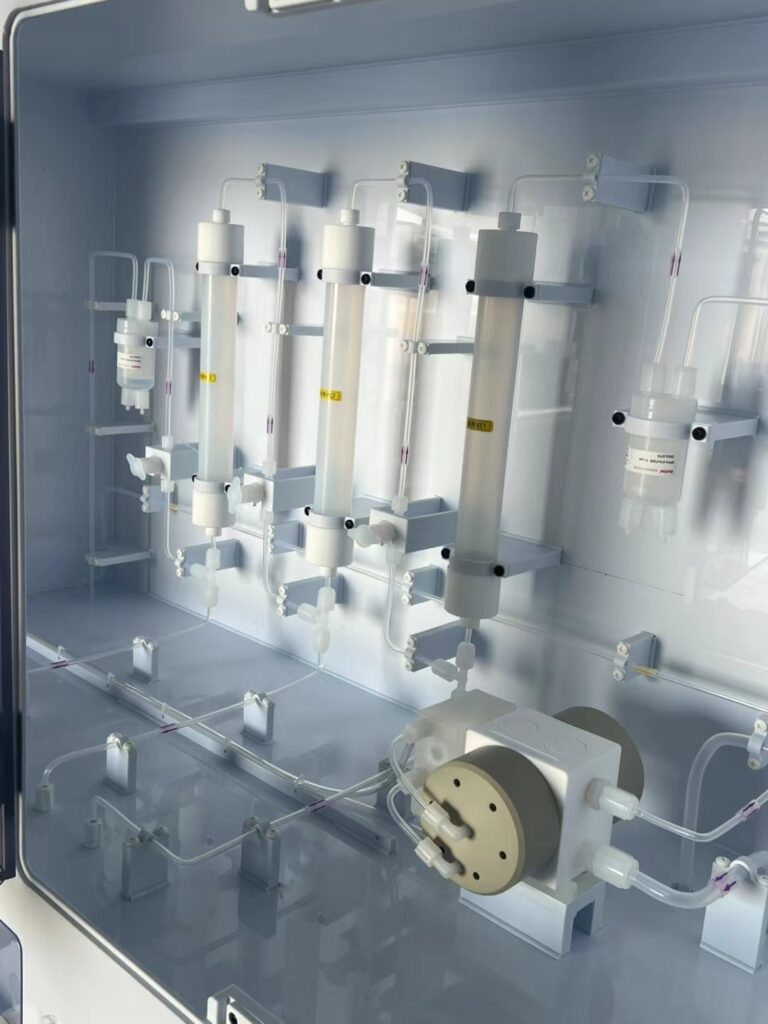
The high-precision Chemical Delivery Module (CDM) has become an indispensable subsystem in semiconductor manufacturing, pharmaceutical production, flat panel display fabrication, and other high-purity industrial applications. Its design extends well beyond simple chemical transfer, integrating advanced fluid dynamics, precision flow and pressure control, ultra-clean materials, intelligent automation, comprehensive safety protection, and real-time data management into a unified platform.
By combining contamination-free fluid paths, closed-loop process control, redundant system architecture, intelligent monitoring, and Industry 4.0 connectivity, modern CDMs deliver the reliability and precision required for today’s most demanding manufacturing environments. As semiconductor technology advances toward increasingly complex process nodes, next-generation Chemical Delivery Modules will leverage AI-driven optimization, predictive maintenance, digital twin technology, and autonomous chemical management to achieve even higher levels of performance, safety, and operational efficiency. For equipment manufacturers and semiconductor fabs seeking maximum yield, stable production, and long-term reliability, investing in a well-engineered, high-precision Chemical Delivery Module is a strategic necessity rather than merely an equipment upgrade.
For more about fully automatic specialty gas cabinet with PLC control, you can pay a visit to Jewellok at https://www.jewellok.com/product-category/chemical-delivery-system/ for more info.
-
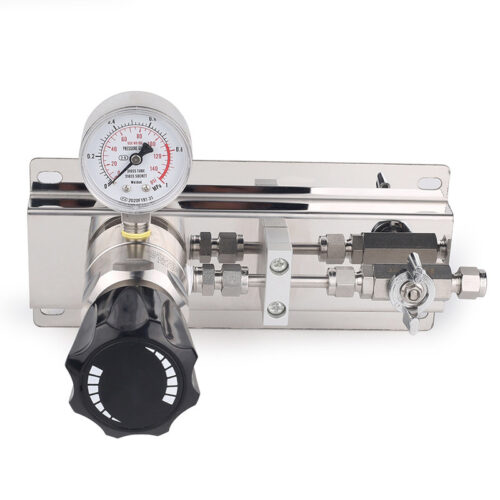
Medical Oxygen Single Stage Manual Gas Changeover Manifold Panel High-Purity Two-Stage Manual Gas Manifold Gas Pressure Control Panels
-
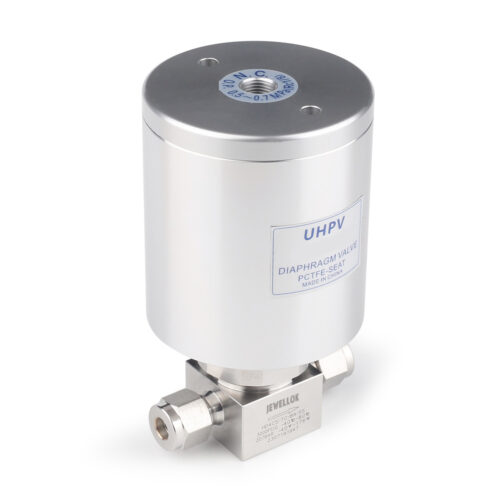
High Pressure High Temperature Pneumatic Ultrahigh Purity Stainless Steel Diaphragm Valves
-
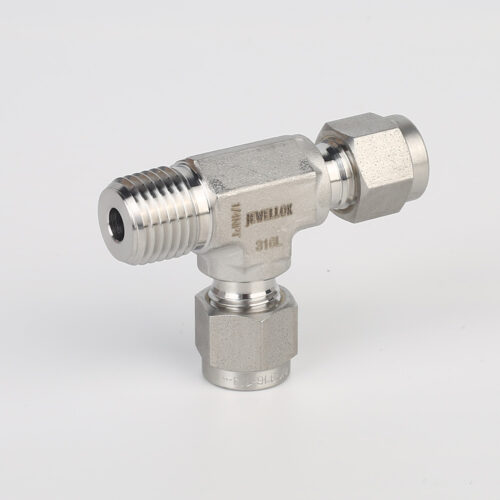
771L Male Run Tee | Stainless Steel High Quality High Purity Male Run Tee Branch Tee Pipe Fittings
-
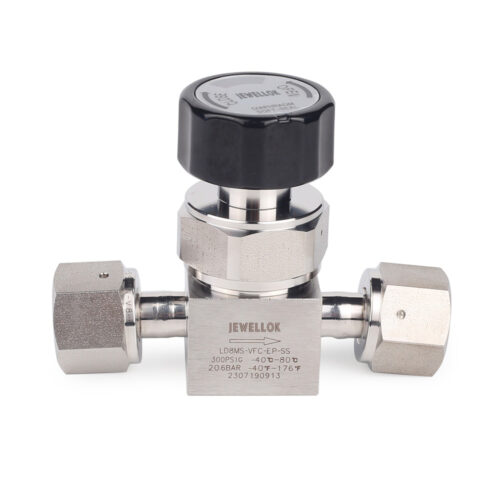
Flow Control Stainless Steel Low Pressure Manual Diaphragm Valve For High Purity And Ultra High Purity Gases
-
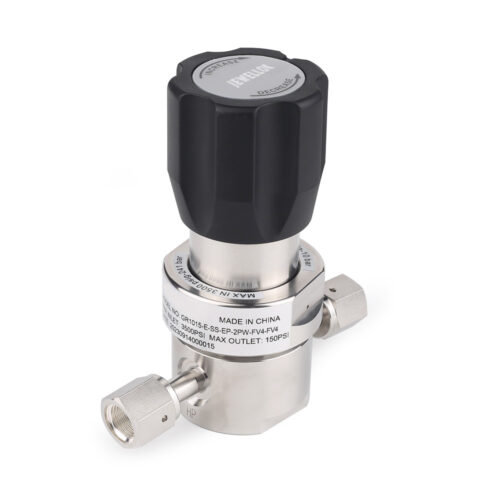
316L Vim Var Stainless Steel Ultra High Purity Gas Pressure Reducing Valve For Corrosive Specialty Gas Distribution
-
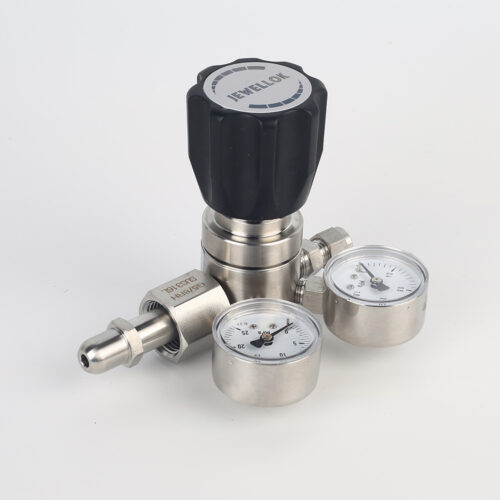
High Purity High Pressure Gas Cylinder Pressure Regulators Pressure Reducing Valve JSR-1E Series
-
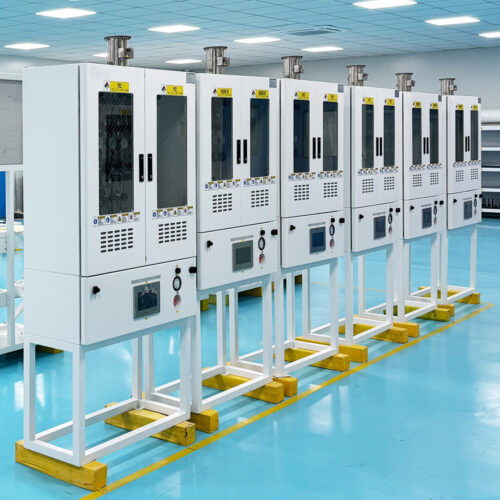
Ultra-High Purity Chemical Delivery Module (CDM) and Valve Manifold Box Integration Improving Semiconductor Yield
-
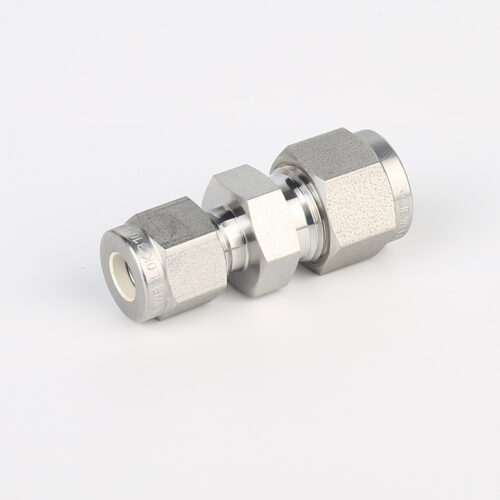
763L Stainless Steel High Purity Pressure Reducing Union Fittings And Tubing Pressure Reducing Valve Adjustment